Self-pity is our worst enemy, and to yield to it, we can never do anything wise in this world. -Helen Keller | | |
Longtime readers may recognize the story that starts this weblog. I first shared it four years ago as a lesson about the dangers of feeling sorry for yourself. The warning I received that day—and the warning I avoided—have stayed with me.
But when I recently looked back at the experience, I realized there was another lesson hiding inside it. This time, the story is not only about how we respond when life goes wrong. It is also about leadership, personal responsibility, and the emotional climate we create for the people around us.
| | |
There I was, sitting in my car on the side of Massachusetts Route 9, watching traffic rush past while a Brookline police officer sat behind me writing what I assumed would be a very expensive speeding ticket.
I had been driving 50 miles per hour in a 35-mile-per-hour zone.
Many people would probably be surprised to learn that there is any stretch of Route 9 with a 35-mile-per-hour speed limit, but I found it. More importantly, one of Brookline’s finest found me coming over the hill as what must have appeared to be a certified danger to society. He waved me over.
To make the moment even better, I did not have my driver’s license with me. Earlier that day, I had misplaced my wallet.
As I waited for the officer to return, I had plenty of time to think about how much the ticket might cost, whether it would affect my insurance, and how I would explain that I had been speeding without even having my license in my possession.
It was shaping up to be the perfect ending to a week in which very little had gone right.
- I had neighbor problems.
- I had phone problems.
- I had computer problems.
- I had knee problems.
- I had car problems.
And somewhere along the way, I had developed problems with my problems.
We all have weeks like that. One aggravation follows another until every inconvenience begins to feel like part of a coordinated campaign against us. Sitting in that car, I could feel myself drifting toward the land of self-pity. Why does everything have to happen at once?
Why can’t anything go right? Why me?
| |
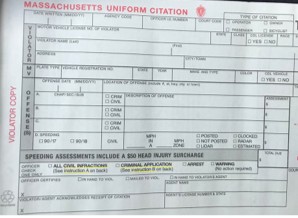
Then the officer walked toward my car. On the citation were four possible outcomes:
All Civil Infractions.
Criminal Application.
Arrest.
Warning.
With one magnificent swoop of his pen, he checked the final box: Warning.
He handed me the paper, told me to slow down, and wished me luck finding my wallet. I nearly cried.
Anyone who has waited for a police officer to return to the car knows how slowly time passes. You sit there imagining the fine, the insurance increase, the embarrassment, and every other consequence your mind can manufacture. Then, suddenly, I was free to go.
I had been caught, but I had escaped with nothing more than a small paper souvenir and some very good advice. Slow down. Pay attention. Find your wallet. In an instant, my day seemed better.
Nothing else had changed. My phone was still a problem. My computer was still a problem. My knee still hurt. My wallet was still missing. The only thing that had changed was my perspective.
| |
When I was in high school, the guys I spent time with had an expression they used whenever one of us slipped into a certain kind of mood.
“FSFY,” Jackie, Bill, or Joe would announce. It stood for: Feeling Sorry for Yourself.
It was not offered as professional counseling. It was more of an accusation. The message was simple: You have spent enough time feeling bad about your situation. Now do something about it.
Wouldn’t it be useful to have an FSFY application on your phone? The moment you began feeling sorry for yourself, the phone would vibrate and a message would appear: Warning: You are entering the FSFY zone. Continued exposure may result in poor judgment, excessive complaining, and the inability to recognize anything good happening around you.
Over the years, I have noticed that very little good happens when I am feeling sorry for myself. I do not think that is a coincidence.
When we focus too much of our awareness on 'poor me', we create a kind of force field around ourselves that prevents good things from happening. We become so preoccupied with what has happened to us that we stop noticing what is happening around us.
- We miss opportunities.
- We overlook warning signs.
- We become impatient.
- We make poor decisions.
We may even drive 50 miles per hour through a 35-mile-per-hour zone because we are thinking about a missing wallet instead of watching the road.
People sometimes say that bad things happen in threes. I wonder whether the second and third bad things occasionally happen because of how we react to the first one.
- One problem creates frustration.
- Frustration reduces our attention.
- Reduced attention creates another problem.
- Then we become convinced that the entire universe has turned against us.
The pattern is especially dangerous for leaders.
| |
Leadership is not just about making decisions, assigning work, or reaching goals. Leaders also create the emotional weather around them.
When a leader walks into a room feeling mistreated, defeated, or sorry for himself, everyone else can feel it.
The leader may not say, “I am having a terrible day,” but the message is communicated through tone, facial expressions, short answers, impatience, and criticism.
Before long, the leader’s difficult morning becomes the team’s difficult day.
That does not mean leaders must pretend that everything is wonderful. Leadership is not about denying problems or manufacturing artificial happiness.
It means recognizing that our response to a problem often has a greater effect on others than the problem itself.
A missed deadline is a problem. A missed deadline combined with blame, anger, and panic can become an organizational problem.
A disappointing result is a problem. A disappointing result combined with a leader who feels victimized can damage confidence across an entire team.
The question is not whether something will go wrong. Something always does. The question is whether we will respond thoughtfully or allow the first problem to choose our response to everything that follows.
Here are three things I try to do before boarding the FSFY train.
| |
1. Look in the Mirror
When we are feeling sorry for ourselves, we spend an extraordinary amount of time looking around for someone to blame.
We point toward the employee who disappointed us, the customer who complained, the colleague who failed to respond, the family member who misunderstood us, or the police officer who inconveniently noticed our speeding.
My advice is to try a mirror. It saves time.
The officer did not cause me to drive 50 miles per hour. Route 9 did not hide the speed limit specifically from me. My missing wallet did not push down on the accelerator. I was responsible.
Looking in the mirror does not mean accepting responsibility for everything that goes wrong. Some events are beyond our control, and some problems genuinely are created by other people. But even when we do not control the situation, we remain responsible for our response.
That is one of the central obligations of leadership. Leaders who begin with self-examination are more likely to solve the real problem. Leaders who begin with blame usually create a second one.
| |
2. Act Unpredictably Positive
When things do not go our way, most of us naturally crave empathy or sympathy.
We want someone to agree that we were treated unfairly, that our week has been unusually difficult, or that no reasonable person could have handled the situation any better.
There is nothing wrong with needing encouragement. But sympathy can sometimes become fuel for staying exactly where we are. One way to break the cycle is to respond in an unexpectedly positive manner.
- Thank the person who gives you difficult feedback.
- Remain calm when others expect you to become angry.
- Look for the lesson when everyone else is searching for someone to blame.
- Ask, “What can we do next?” instead of repeatedly explaining what went wrong.
An unexpectedly positive response is not weakness. It is evidence that the circumstances have not taken control of you. It also affects everyone watching.
Teams remember the leader who remained steady during a crisis. Employees remember the manager who treated them with dignity after a mistake. Customers remember the person who solved the problem instead of defending it.
Positivity does not eliminate accountability. It makes productive accountability possible.
| |
3. Pay More Attention
When several things seem to be going wrong at once, there is a good chance we have stopped paying attention.
We become absorbed in the first problem and miss the next signal.
- We do not listen carefully.
- We overlook details.
- We misread people.
- We drive past the speed-limit sign.
Stephen Covey famously encouraged people to seek first to understand and then to be understood. That requires us to turn our attention outward.
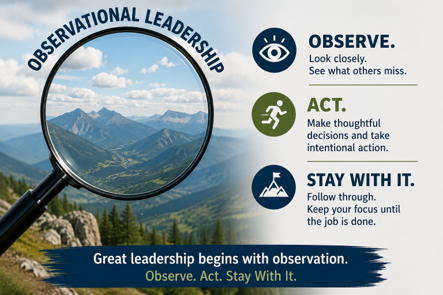
Leadership begins with observation.
- What is actually happening?
- What are people saying—and not saying?
- What changed?
- What warning signs have we dismissed?
- What might we see if we stopped concentrating exclusively on our own frustration?
Some problems cannot be prevented. But many problems announce themselves quietly before they become loud.
The leader who pays attention notices the change in an employee’s behavior, the recurring customer complaint, the unexplained decline in results, or the small operational shortcut that could eventually become a major failure.
Observation gives us the opportunity to act before circumstances act for us.
| |
The Choice After the Warning
I eventually found my wallet. I also remembered the lesson long after I forgot most of the other problems from that week.
The police officer gave me a warning about my speed, but the experience gave me another warning as well: Be careful when you begin feeling sorry for yourself.
Self-pity narrows your field of vision. It turns your attention inward at exactly the moment you most need to look outward. It encourages you to surrender control of the next decision because you are still reacting to the last disappointment.
The next time something happens that was not in your plans, pause before putting on the FSFY cologne.
- Look in the mirror.
- Act unpredictably positive.
- Pay more attention.
You may not be responsible for everything that happens to you. But you remain responsible for what happens next.
That is true in life. It is especially true in leadership. And sometimes, if you are fortunate, the warning arrives before the ticket.
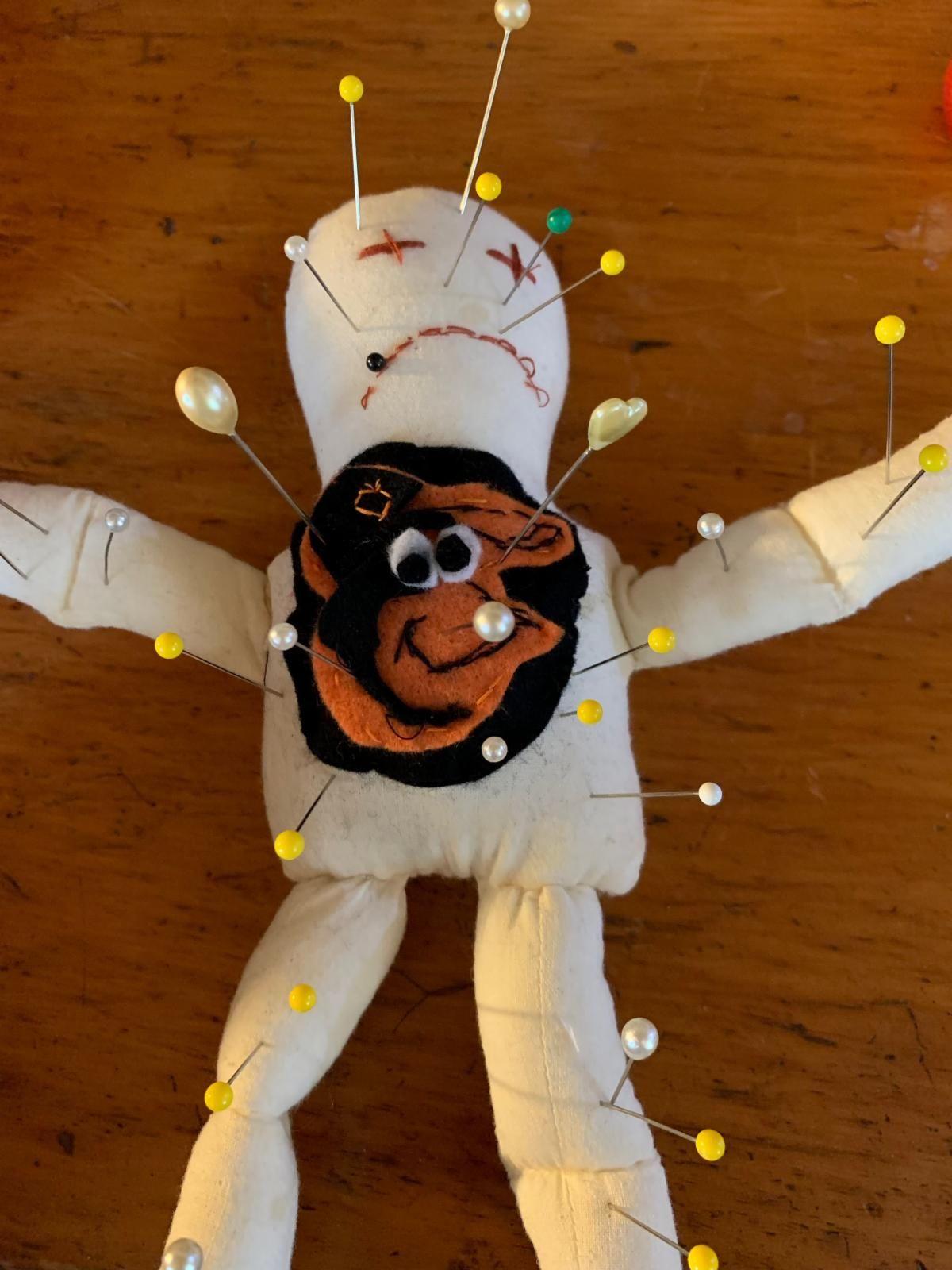
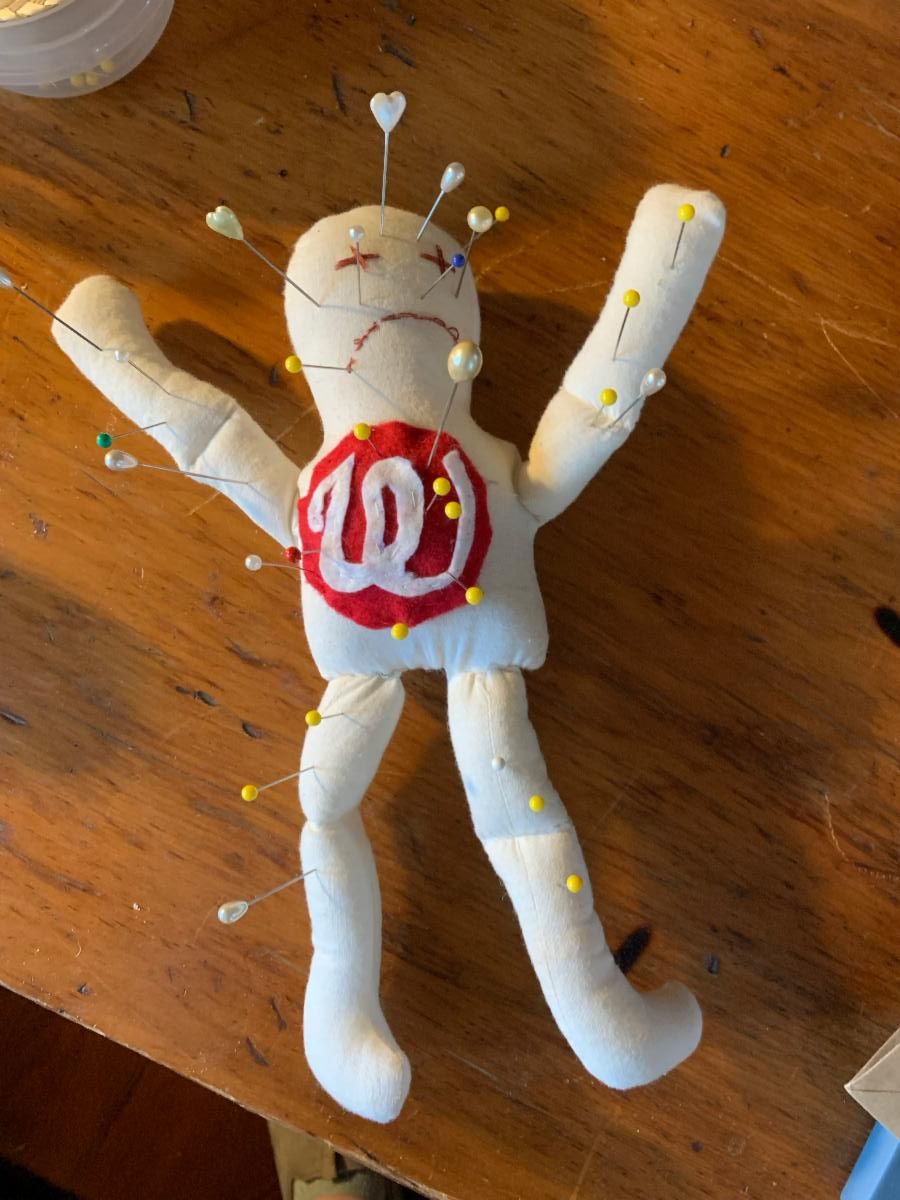
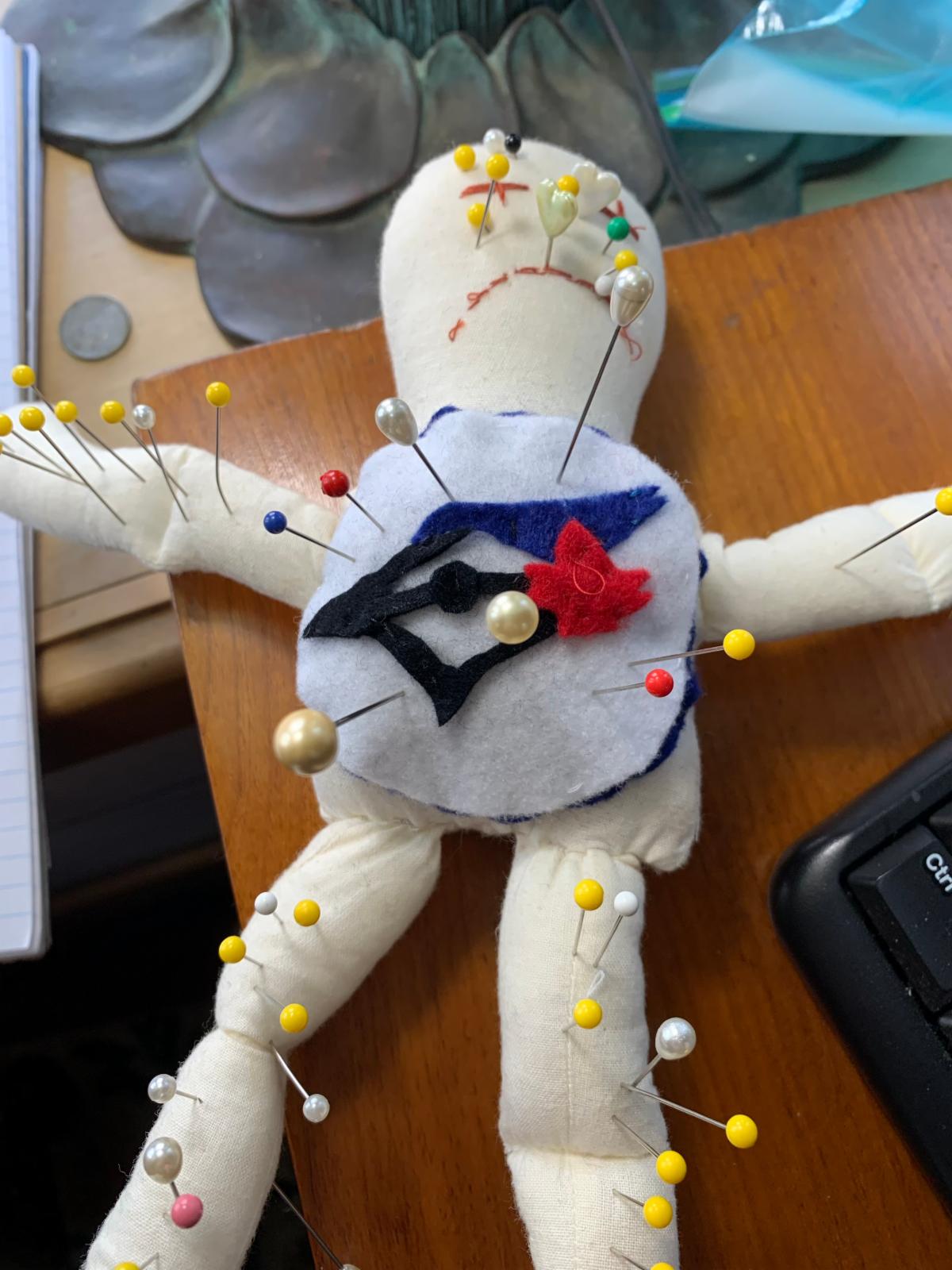
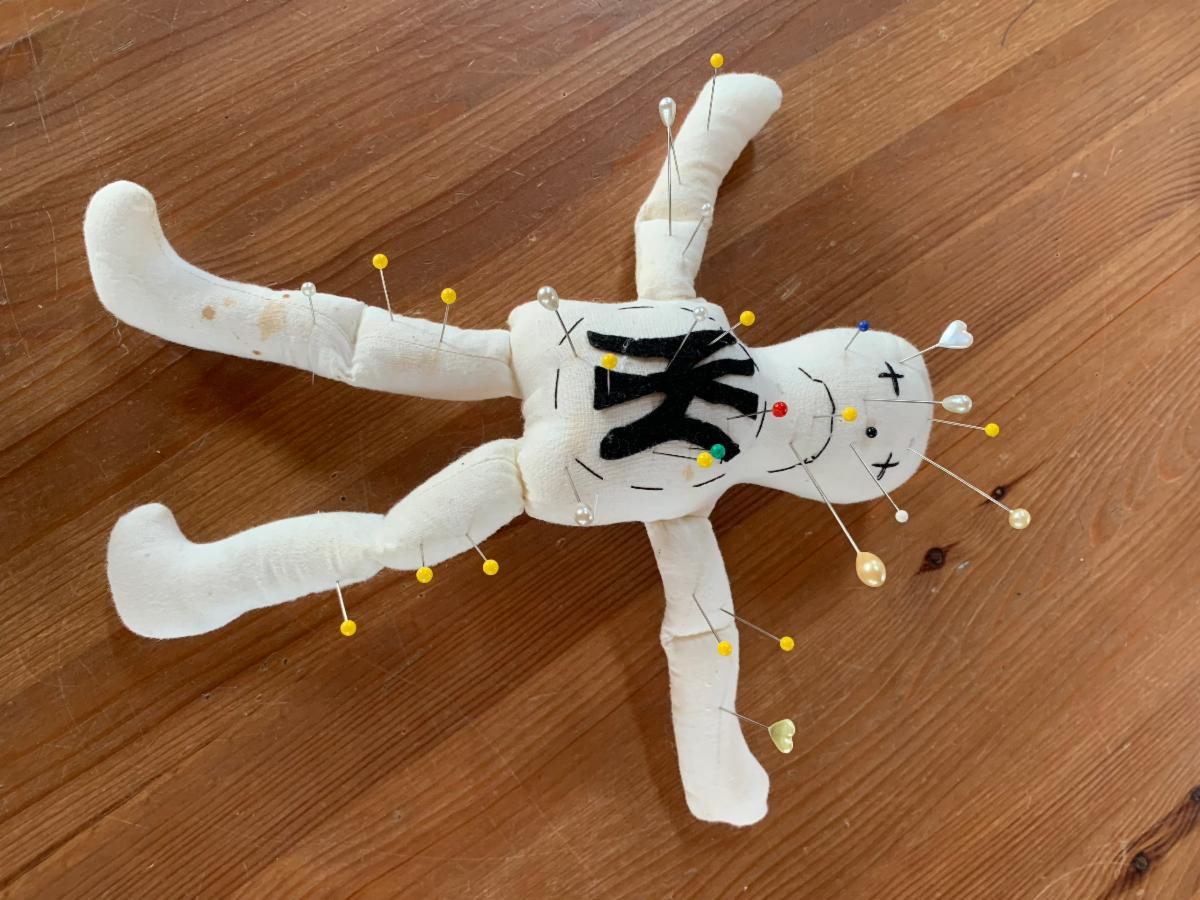
| | Surprise Photos at the End: | | My sister in law started using a voodoo doll and the Red Sox went on a winning streak. Coincidence? Maybe, maybe not. | | If you are reading this on a social media platform, click below and you'll automatically receive a 'different' story every week on Wednesday. | | |
The Roll Call of states and countries where readers reside: Arizona, California, Colorado, Connecticut, Delaware, Florida, Georgia, Hawaii, Illinois, Indiana, Iowa, Kansas, Kentucky, Louisiana, Maine, Massachusetts, Michigan, Mississippi, Missouri, Montana, New Hampshire, New Jersey, New Mexico, New York, North Carolina, North Dakota, Ohio, Pennsylvania, Puerto Rico, Rhode Island, South Carolina, South Dakota, Tennessee, Texas, Vermont, Virginia, Washington and Washington DC, Wisconsin plus Canada, Conch Republic, Australia and the United Kingdom.
| | |
Ed Doherty
774-479-8831
www.ambroselanden.com
ed-doherty@outlook.com
Forgive any typos please.
| | | | | |