|
Welcome to the seventh edition of the
Southwest Seed Partnership (SWSP) newsletter!
The SWSP is working to improve the supply of ecologically-appropriate native seeds for restoration projects in New Mexico and Arizona. The SWSP, coordinated by the Institute for Applied Ecology (IAE) Southwest Office, is represented by diverse public and private partners- from land managers and natural resource scientists to on-the-ground restoration practitioners and native seed farmers and nurseries. Read the updates below to see how our partnership is making strides toward our goal of expanding the native seed industry in the Southwest!
| |
|
-RSVP-
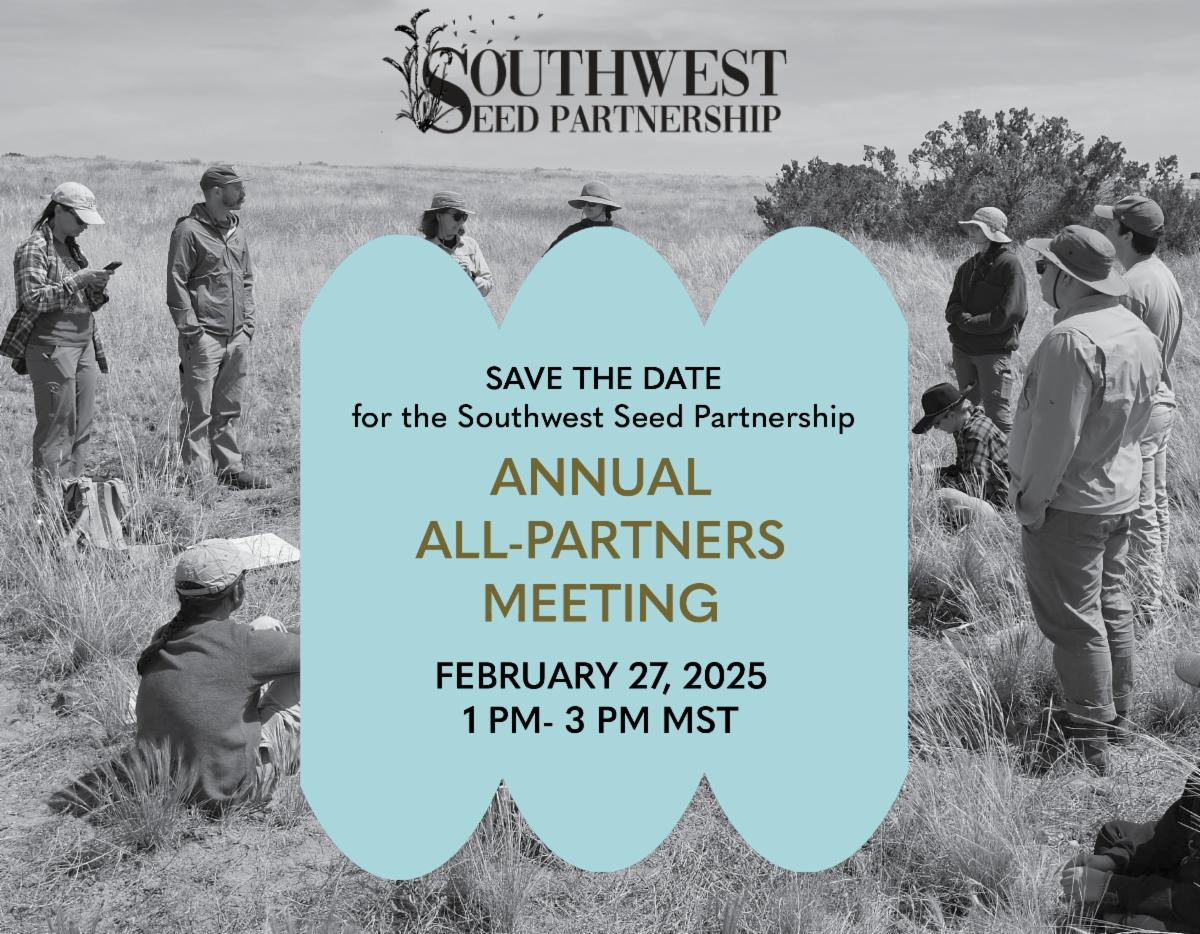
ALL-PARTNERS MEETING
FEBRUARY 27, 2025
Please RSVP here!
Our annual all-partners meeting is for everyone with an interest in native plant materials development and seed-based restoration in the southwest. Please find the agenda here. The free meeting is hosted by the 2025 National Native Seed Conference and the Institute for Applied Ecology Southwest Office. It will be held in person at the Marriott University Park in Tucson, AZ, and virtually over Zoom. NNSC registration is not required and lunch will be provided! Please RSVP to this meeting to reserve your spot and receive the Zoom link.
| |
|
WELCOME TO OUR NEW
SWSP TEAM MEMBERS!
| | |
|
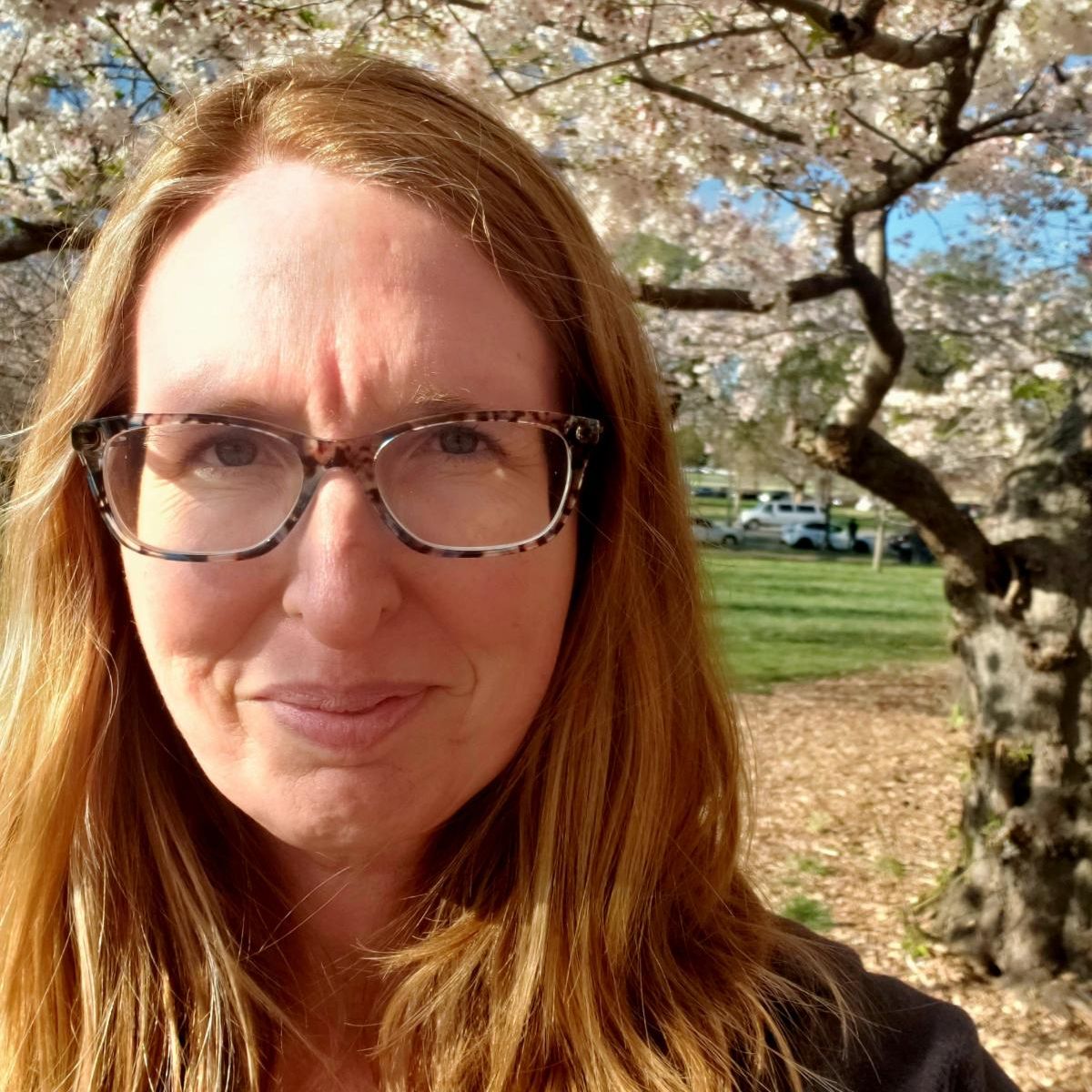
Kara Barron, Southwest Plant Material Program Manager, Kara graduated from Arizona State University with an M.S. in Plant Biology and Conservation in 2018. Her master's thesis involved studying changes in plant community composition post-fire in the Arizona Uplands of the Sonoran Desert. She has over 10 years of experience working in native plant materials development as well as experience in partnership building, outreach, and education centered around desert ecology. | | |
|
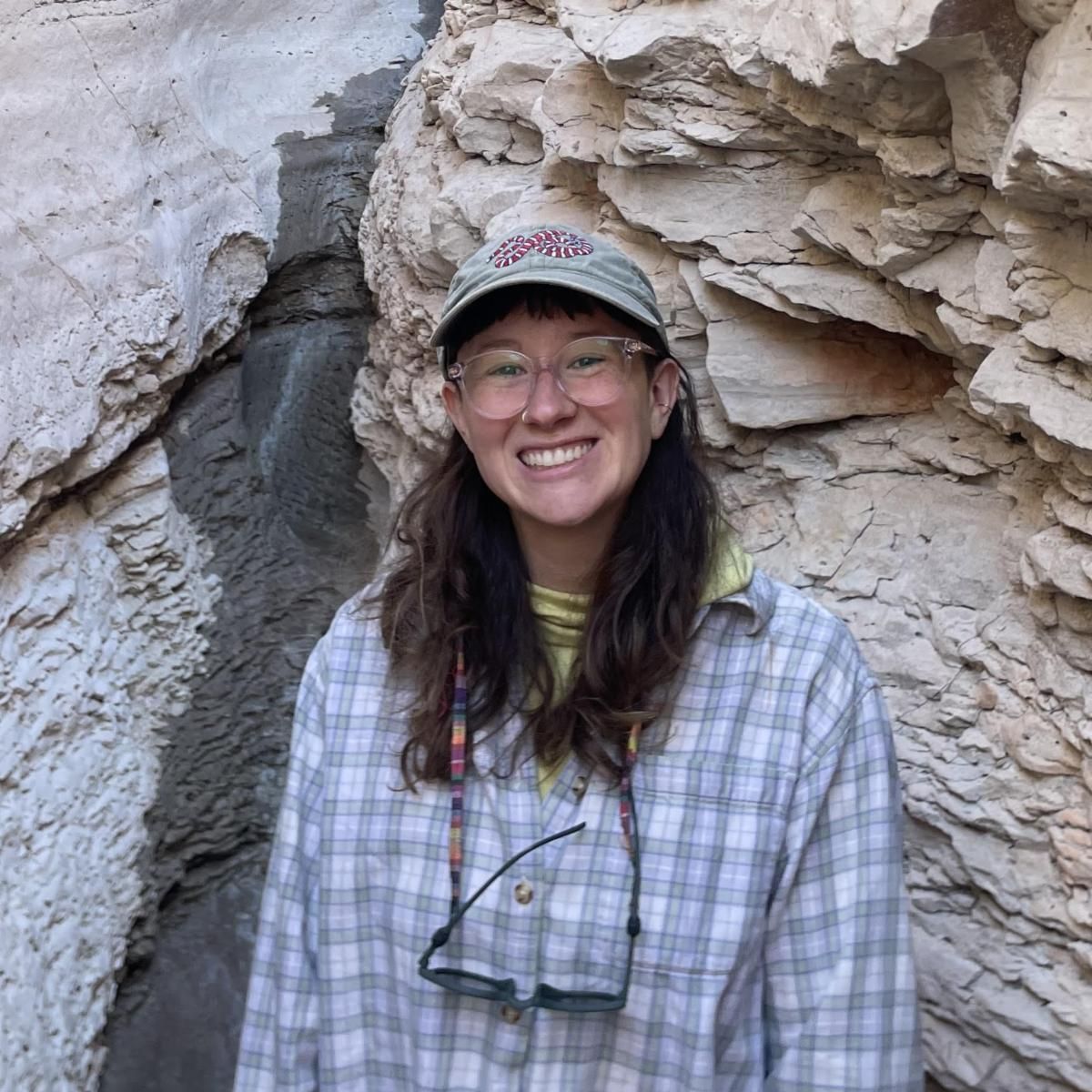
Mia Brann, Southwest Restoration Technician, In September of 2024, Mia Brann joined IAE as a Restoration Technician. She supports all phases of native plant materials development through seed collection, seed cleaning and processing, and restoration outplanting. She is also collaborating with the Forest Service to better understand current and future native seed needs. | | |
|
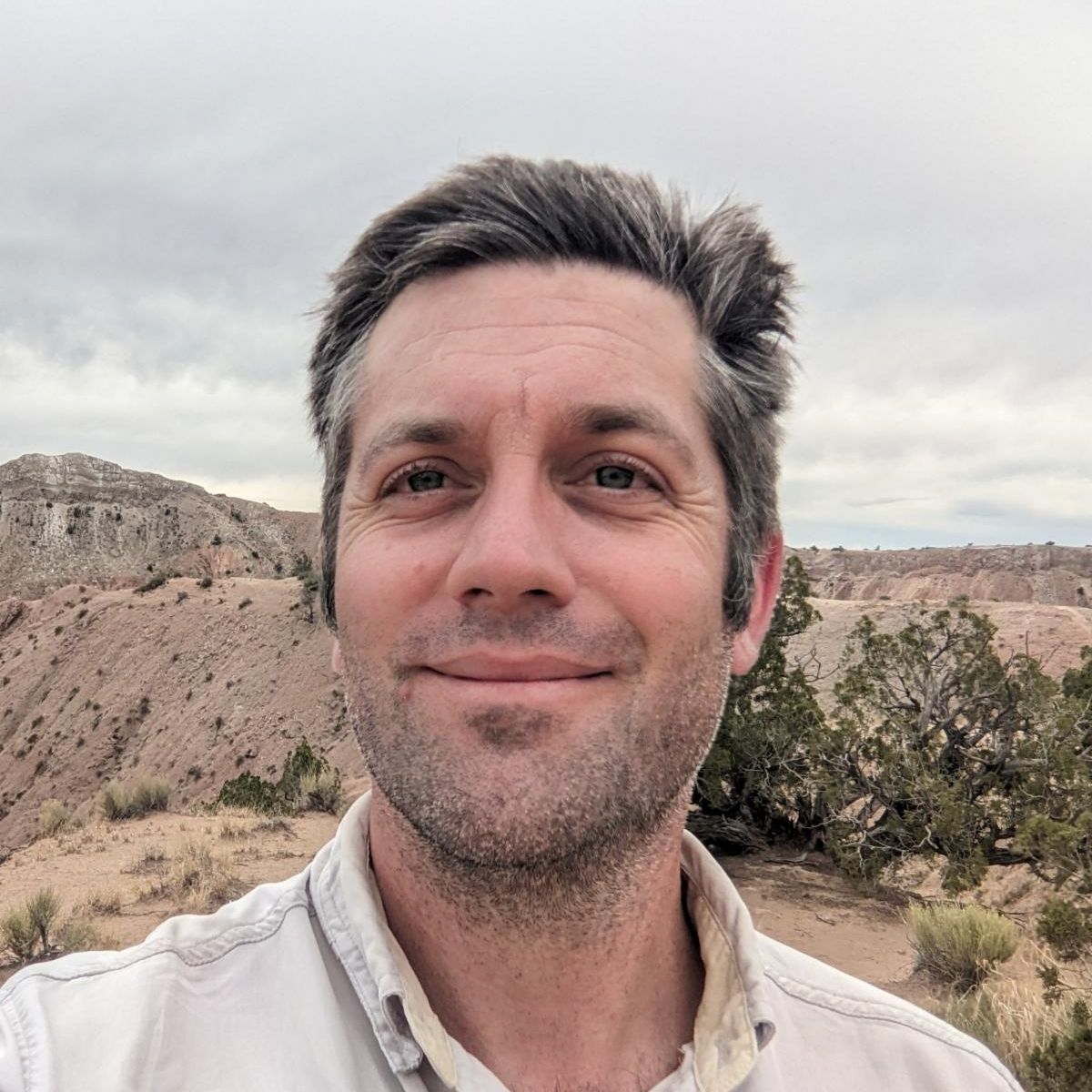
Clay Meredith, Southwest Ecologist, Clay is an Ecologist with the Southwest Office where he coordinates rare plant conservation strategy and assists partners in the development of planning tools for restoration projects. Clay received B.S. degrees in Biology, Chemistry, and Anthropology from the University of New Mexico and earned an M.S. in Anthropology from Idaho State University. Prior to joining IAE, he led plant conservation projects at the ABQ BioPark on behalf of the International Union for Conservation of Nature and conducted rare plant collections for long-term seed storage. | |
|
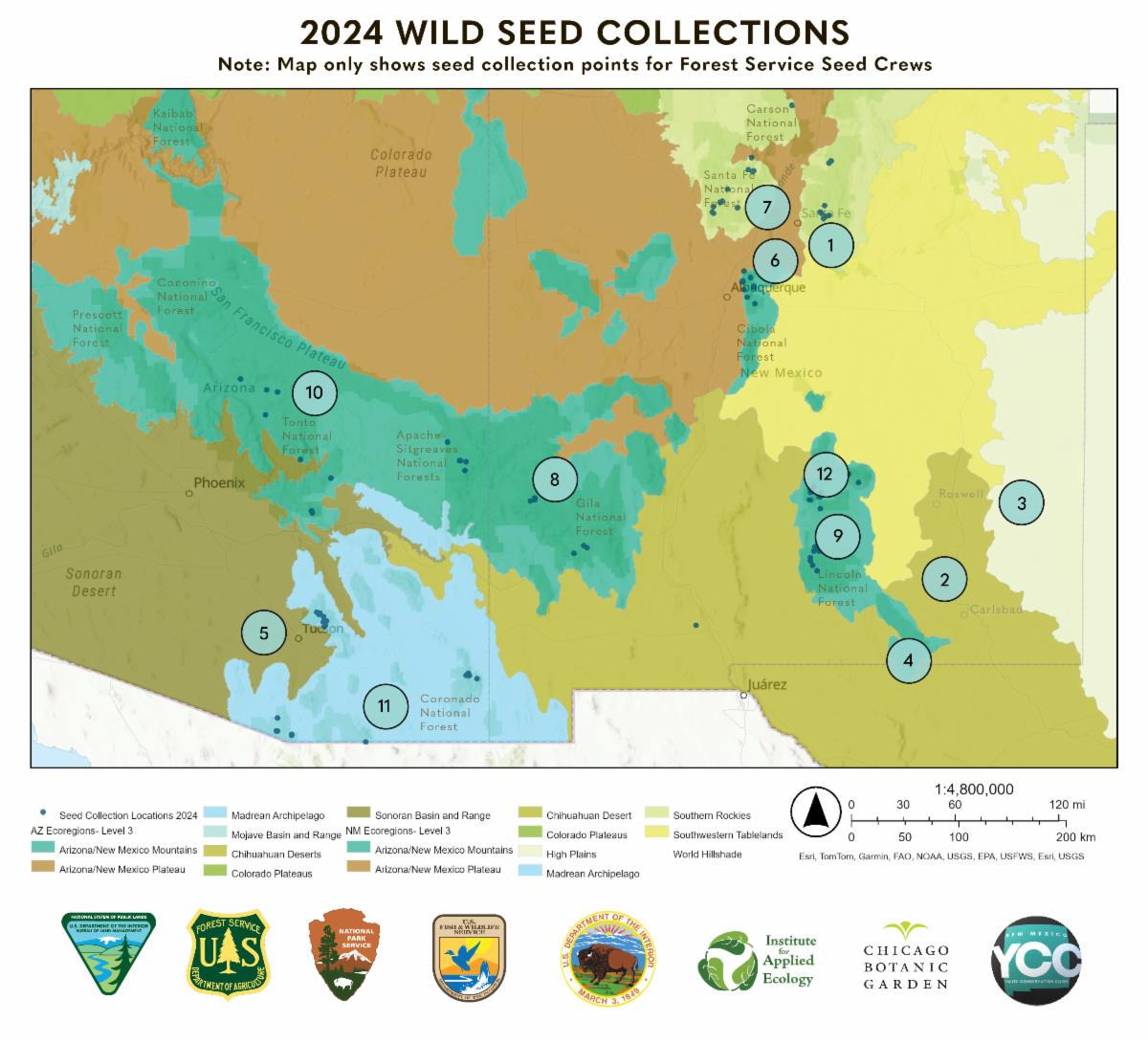
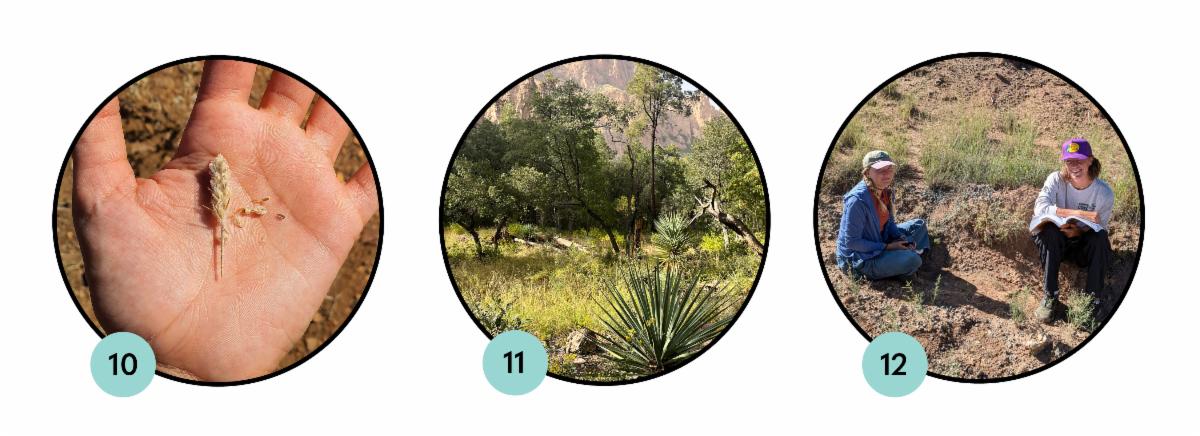
Every year the Southwest Seed Partnership trains and hosts seed collection crews to sustainably collect regionally appropriate seed from diverse plant populations with our partners. In 2024, the SWSP hosted the largest number of seed collection crews yet, including 12 seed collection crews across 8 ecoregions. Throughout New Mexico and Arizona, the seed collection crews made 310 wild seed collections from 126 native plant species, including 20 new species for the SWSP. In addition, the seed collection crews scouted a significant number of new target species populations for seed collection crews to collect in the future.
Thank you to the following land managers for permitting seed collection for SWSP crews this year: Bureau of Land Management (New Mexico and Arizona), United States Forest Service Region 3, New Mexico State Land Office, Carlsbad Caverns National Park, Saguaro National Park, Organ Pipe National Monument, Ironwood National Monument, Galisteo Basin Preserve, Santa Fe County Open Space, City of Santa Fe, New Mexico State Parks, and the Bureau of Reclamation.
We deeply appreciate the incredible efforts of our seed collection teams, each of which is highlighted below.
| |
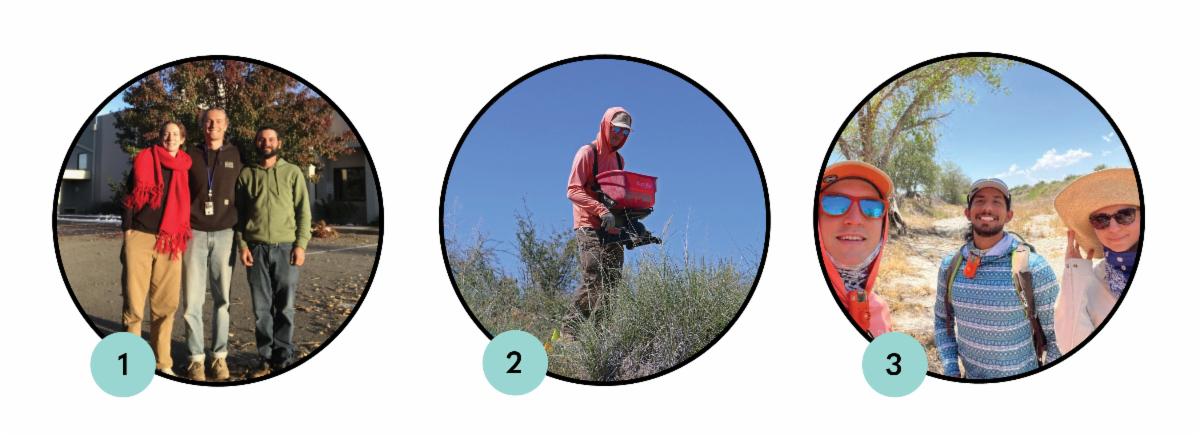
New Mexico’s BLM Plant Conservation and Restoration Program (PRCP) sponsored a Seeds of Success (SOS) seed collection crew again this year. Based out of the New Mexico State Office in Santa Fe, this crew gathered seeds from species in Northern New Mexico for use in restoration and seed production projects. | |
The New Mexico BLM Plant Conservation and Restoration Program (PCRP) additionally supported an SOS seed collection crew in Southern New Mexico. Based out of the Carlsbad Field Office (CFO), this seed crew collected from target species in the Chihuahuan Deserts and High Plains ecoregions to support seed production and restoration. | |
This was the second year of SOS seed collections for the Fish and Wildlife Service (USFWS) sponsored seed collection crew. This crew gathered seed from High Plains ecoregion plant species that the federally endangered lesser prairie chicken relies on for forage and cover. Seed collected will be put towards seed increase production with underserved and Indigenous farmers in NM. | |
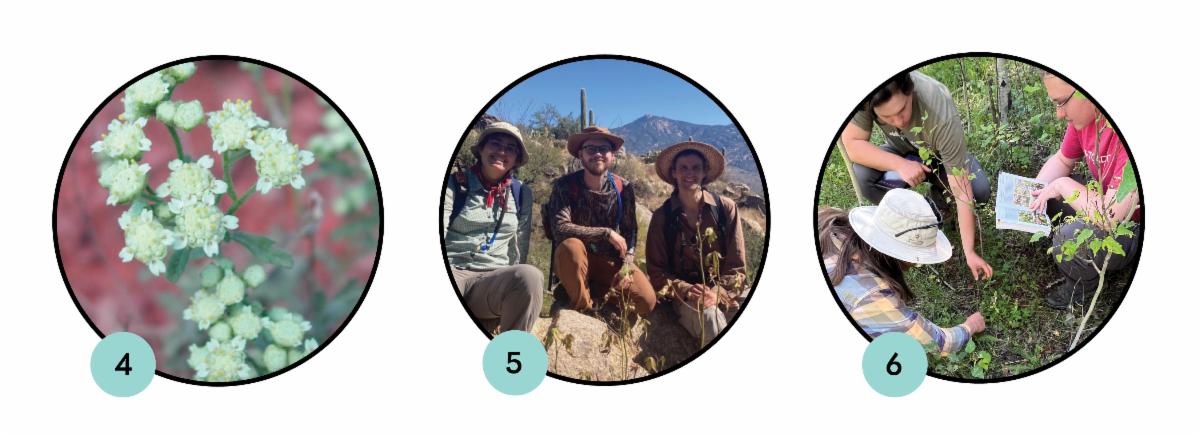
We hosted a National Park Service (NPS) seed collection crew at Carlsbad Caverns National Park which focused their SOS seed collections on workhorse species for seed increase production. (Photo: Max Licher) | |
The NPS additionally sponsored a seed collection crew based out of Tucson, AZ to focus on collecting target species in the Sonoran Desert ecoregion. SOS seed collected from Saguaro National Park, Organ Pipe National Monument, Ironwood National Monument, and the Gila Box Riparian National Conservation Area will be used in seed production and restoration. | |
To support IAE’s River for Monarchs project, we hired a Youth Conservation Corps (YCC) seed collection crew including 5 youth and early career professionals from New Mexico. The YCC focused on seed collections of pollinator resource forbs on National Forests in the Arizona and New Mexico Mountains ecoregion to benefit monarch butterfly habitat along the Rio Grande. | |
A USFS-sponsored crew based out of IAE’s Santa Fe office focused on seed collection of priority forbs and grasses for use in seed increase production and restoration for the Cibola, Santa Fe, and Carson National Forests. The crew also collected Ribes cuttings and seeds to support habitat restoration for the endangered New Mexico meadow jumping mouse. | |
|
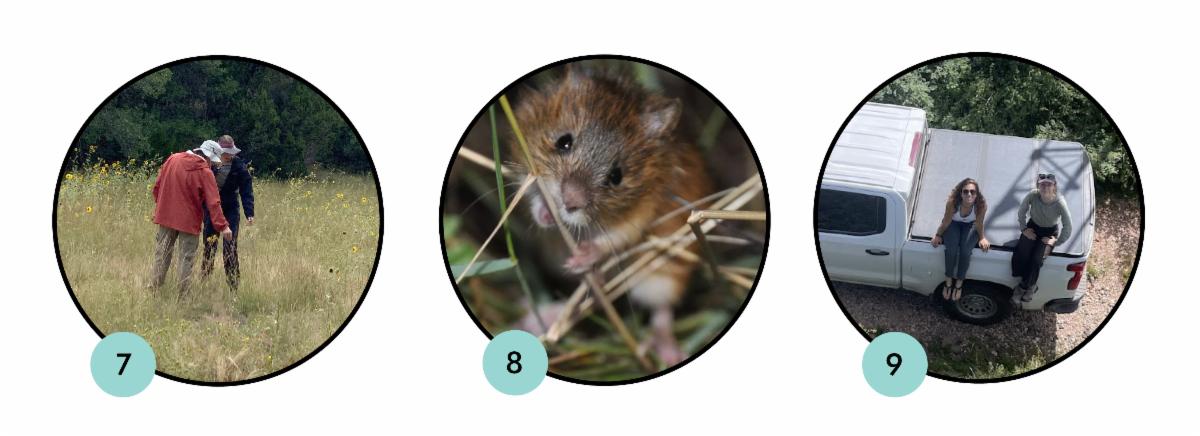
The USFS additionally collaborated with IAE to support a youth-engagement seed collection crew based out of Silver City, NM. The crew gathered seeds from Gila National Forest and Apache-Sitgreaves National Forest for habitat restoration, including diet and cover plants for the endangered New Mexico meadow jumping mouse. (Photo: Greg Wright)
| |
A seed collection crew in Lincoln National Forest was also sponsored by the USFS in 2025. This crew prioritized seed collections of plant species to support the endangered Sacramento Mountains checkerspot butterfly and New Mexico meadow jumping mouse. | |
In collaboration with the US Forest Service and Chicago Botanic Garden (CBG), IAE supported a seed crew based in the Tonto National Forest. The crew focused on seed collections for restoration and seed production projects with the Tonto National Forest. | |
Another US Forest Service and Chicago Botanic Garden (CBG) seed collection crew based in Tucson, AZ collected seed in the Coronado National Forest. | |
A third US Forest Service and CBG seed collection crew collaborated with IAE’s Lincoln seed crew to gather collections to support restoration of the endangered Sacramento Mountains checkerspot butterfly habitat. (Image: Taylor Joray) | |
|
The Southwest Seed Partnership (SWSP) is a bridge between land managers who need appropriate seed for restoration and native seed farmers in the southwest. Since 2017 the SWSP has facilitated native seed production fields in New Mexico, Arizona, Texas, and Colorado. Native seed production contracts are approximately three-year contracts with small- to large-scale growers. The goal of collaborative seed production with the SWSP is to increase the number of seeds available for restoration projects by providing research, germplasm/starting seed, and funding to farmers to produce seeds.
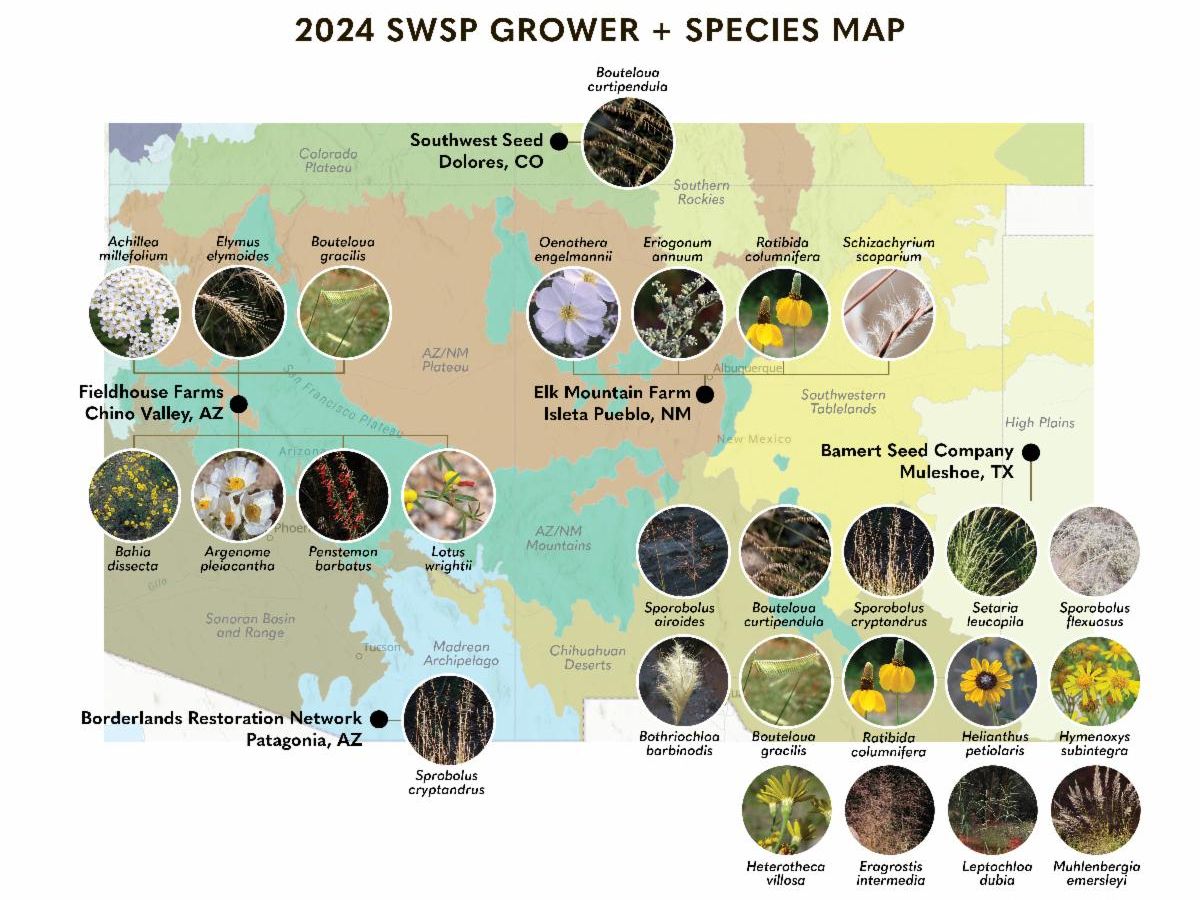
In 2024, the SWSP maintained 16 unique accessions and 11 species in native seed production with 5 local farmers. We also doubled our production! We increased our seed production from 11 acres to 21.55 acres of seed production with the same 5 farmers. We added 16 new, unique accessions of 9 annual and perennial forbs (wildflowers) and 3 grasses, leading to a total of 33 unique accessions and 23 species.
| |
|
Existing species in 2024:
- Achillea millefolium
- Bouteloua curtipendula
- Bouteloua gracilis
- Elymus elymoides
- Leptochloa dubia
- Muhlenbergia emersleyi
- Ratibida columnifera
- Setaria leucopila
- Schizachyrium scoparium
- Sporobolus cryptandrus
- Sporobolus flexuosus
| |
|
New species in 2024:
- Argemone pleiacantha
- Bahia dissecta
- Bothriochloa barbinodis
- Eragrostis intermedia
- Eriogonum annuum
- Helianthus petiolaris
- Heterotheca villosa
- Hymenoxys subintegra
- Lotus/Acmispon wrightii
- Oenothera engelmannii
- Penstemon barbatus
- Sporobolus airoides
| |
|
Each new species and seed production field has unique characteristics and every time we put a new species into cultivation we grow tremendously as we learn the nuanced requirements for dormancy breaking, germination, seeding depth, seeding or planting timing, weed management, irrigation needs, and harvesting techniques. By learning from each production field we are better situated to reach our goal of making diverse, regionally appropriate germplasm broadly available in the commercial seed marketplace.
Diverse nurseries and farmers in strategic locations across the Southwest play a foundational role in our ability to grow plants for our partners. In 2024, existing contracts were renewed and expanded with Fieldhouse Farms (Chino Valley, AZ), Elk Mountain Farm (Isleta Pueblo, NM), Borderlands Restoration Network (Patagonia, AZ), Southwest Seed (Dolores, CO), and Bamert Seed Company (Muleshoe, TX). The Pueblo of Santa Ana Native Plant Nursery (Bernalillo, NM) continues to be an instrumental collaborator for the SWSP, as they expertly and thoughtfully grow thousands of restoration and production plugs for our projects in their greenhouses. The opportunity to work with two new nurseries, Backyard Farms (Las Cruces, NM) and Conley’s Nursery (Ruidoso, NM) expanded our plant materials network into Southern New Mexico.
In 2025, the SWSP will be expanding seed production to include 14 new acres and 26 new, unique accessions with small- to large-scale growers. We look forward to completing outreach and working with new nurseries and growers this season. See the “Grower Corner” below to learn how to farm seed for restoration with the SWSP and read about growers producing native seed in the southwest!
Thank you to our partners, including the New Mexico Bureau of Land Management, US Forest Service Region 3, and the US Fish and Wildlife Service Partners Program, for funding native production projects that greatly expanded capacity for the SWSP this year, plant materials production throughout the Southwest, and diversified agricultural practices for southwest farmers.
| |
What's on the menu? Native seeds. | |
|
Each spring, gardeners face the dilemma of deciding what to plant. While sometimes this process goes smoothly, culminating in a healthy garden with a diverse and ample harvest, others find themselves with interesting varieties that aren’t suited for our environment, more seeds than we have room to sow, or far more zucchinis than we can give away. Restoration projects can face the same problems and are further complicated by limitations in the number of species available, the volume of seeds that can be purchased to fulfill needs, constraints imposed by seed transfer zones, a bewildering array of possible habitats, and the need to restore ecosystem function on a landscape.
Like backyard gardeners, many restoration practitioners are fond of pouring through seed catalogs, imagining possible outcomes, and envisioning planted landscapes. However, this presents many challenges, not least of which is the time commitment required to tailor a seed mixture to a particular area. The availability of native seeds is another complication. While it may be desirable to restore a landscape to its former level of diversity following disturbance, only a small fraction of the species present on a given landscape are available commercially in the quantities needed for large-scale restoration projects. Seed menus can serve as a decision-making and planning tool to address these and other issues.
Seed menus can take many forms ranging from simple lists of taxa to be utilized in a given area, to complex mapping applications that automate the process of seed selection and calculate the volumes needed by a given project. Many regional examples of seed menus exist, utilizing a variety of methods and spatial units to formulate seed mixes.
Among the most advanced is the Mojave Seed Menu, which allows users to customize seed mixes based on a given site, and the characteristics of plants to be utilized in restoration as they relate to wildlife in the area. Others use more creative methods to delineate areas for different mixtures. CalTrans prescribes specific seed mixtures based on stretches of highway between certain mile markers allowing users to rapidly assess which mixtures are appropriate for restoration along any given stretch of road. Commercial applications, like Bamert’s Seed Spec, often link all portions of the process beginning with site selection and ending with all the materials needed to place an order.
Beyond their utility as a decision support tool, seed menus can assist with forecasting production needs and guiding plant material development. When utilized by land managers at scale, a prescribed group of taxa limited to specific seed sources facilitates projections of seed needs within a given seed transfer zone. By linking a specific group of species with recommended seeding rates to mapped areas, the needs of restoration projects can be quickly estimated by examining the footprint of a disturbance event, be it a wildfire, well pad, or utility corridor. Land managers can estimate potential seed needs in advance of construction or predicted stochastic events with enough lead time to inform collection within a seed transfer zone, and production. Seed menus developed with flexible alternatives for different habitats also allow for the addition of taxa which are not widely available alongside more common species already in production. This serves as an opening for producers to bring new species to market knowing that there will be demand in a given area.
| |
The Native Seed Network (NSN) is a forthcoming online resource for native seed users in the US, led by the Institute for Applied Ecology, and scheduled to be launched publicly in late February 2025. The goal of the NSN is to strengthen the network of native seed users across the US and is comprised of three parts--a Vendor Match Tool developed in collaboration with Conservation Biology Institute and the USDA Conservation Reserve Program, allowing native seed users to search the inventories of native seed vendors; a Community Forum where native seed users can connect and share knowledge; and a Resource Center with things like guides for developing seed mixes, lists of relevant web tools and more. Contained within the Resource Center is a Seed Partnership Hub for new and existing seed partnerships, which includes quarterly "Coffee Break" meetings for seed partnership coordinators, the next of which will be March 20th, 2025. These meetings provide an opportunity for partnership coordinators across the country to discuss challenges and successes and support one another with the coordination of these essential groups.
Please contact Liz Olson, IAE Native Seed Network Coordinator, lizolson@appliedeco.org if you are interested in adding your business to the Vendor Match Tool, participating in Seed Partnership Coffee Break meetings, or for general questions about the Native Seed Network.
| |
Did you know that the SWSP supports diverse research projects to improve our understanding of Southwestern native plant species? If you are affiliated with an accredited research institution and in need of seed for your research, please consider completing the SWSP seed request form and we will do our best to accommodate your needs! | |
|
RestoreNet
by Laura Shriver, RAMPS Coordinator/Ecologist, USGS
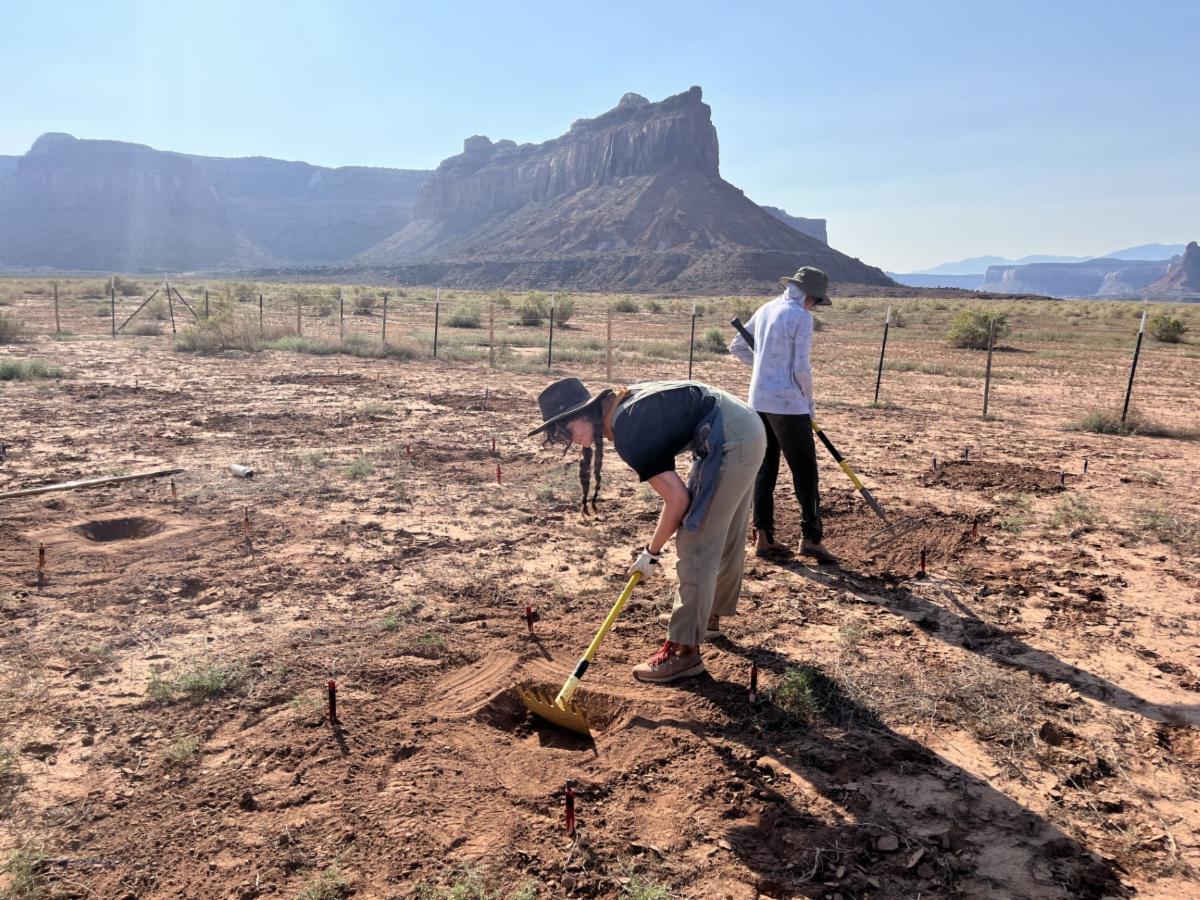
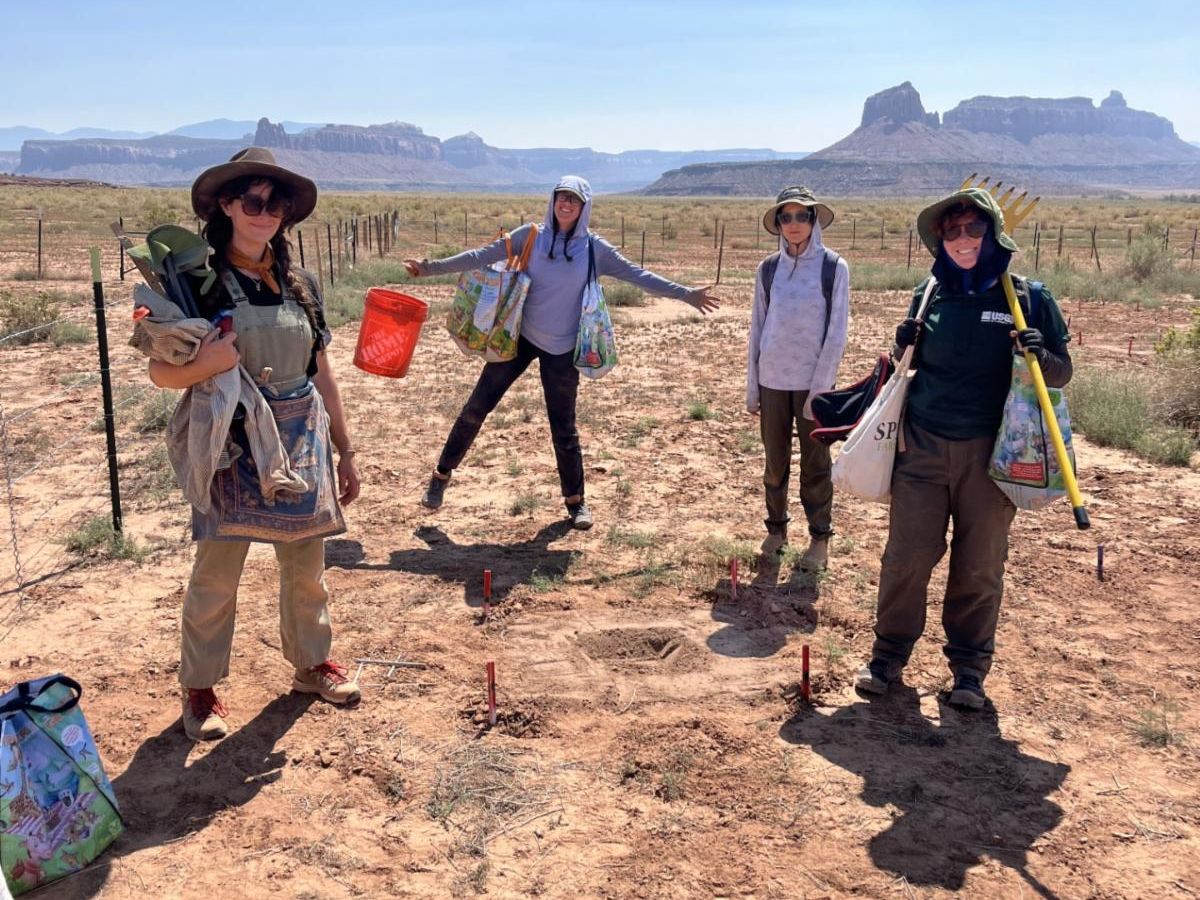
RestoreNet is a co-produced research network that systematically tests dryland restoration treatments across environmental gradients in the Southwest. There are currently 23 RestoreNet sites spread across five states and seven ecoregions in the Southwest. The U.S. Geological Survey and university partners received a Western Sustainable Agriculture and Education Award to incorporate live topsoil inoculation, seedballs, soil pits, and targeted livestock treatments into RestoreNet seeding treatments. These treatments are designed to improve seeding success, soil health, and soil microbial communities in degraded soils. In the summer of 2024, we installed these treatments at RestoreNet sites on working rangelands with private, non-governmental, university, and federal partners. We will monitor these sites for two years to assess treatment effectiveness and restoration outcomes. To learn more about RestoreNet please visit our webpage, which includes links to publications and a research brief on what we’ve learned from RestoreNet experiments in the past 5 years.
| |
Images: RestoreNet, Laura Shriver. | |
|
The Genetic Impacts of Farming Seed
by Rob Massatti, Research Ecologist, USGS
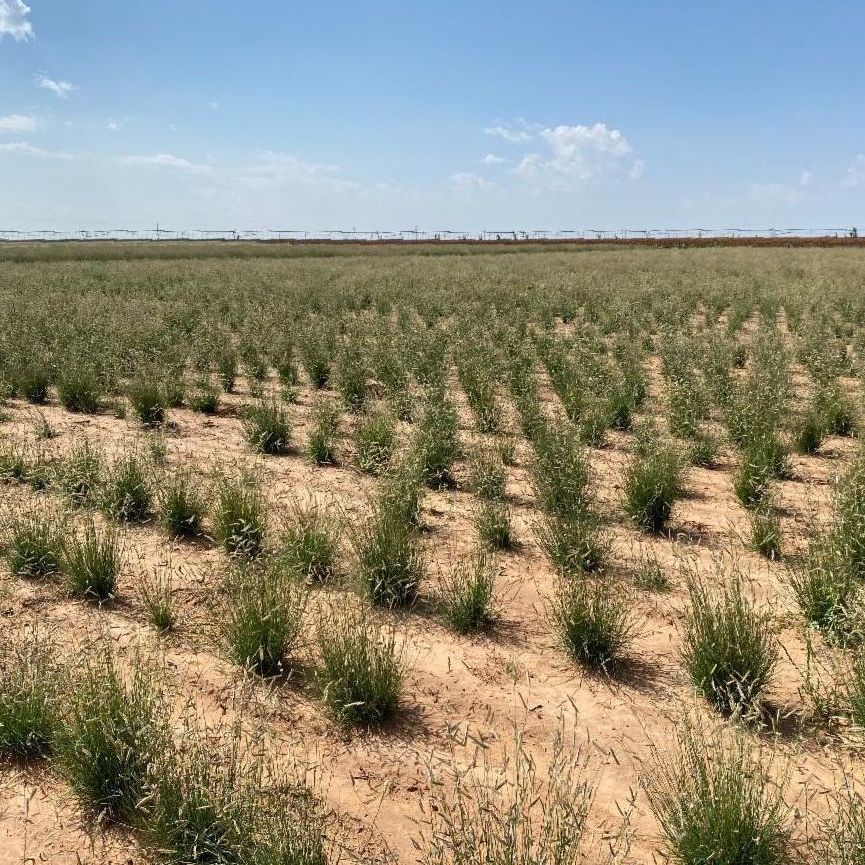
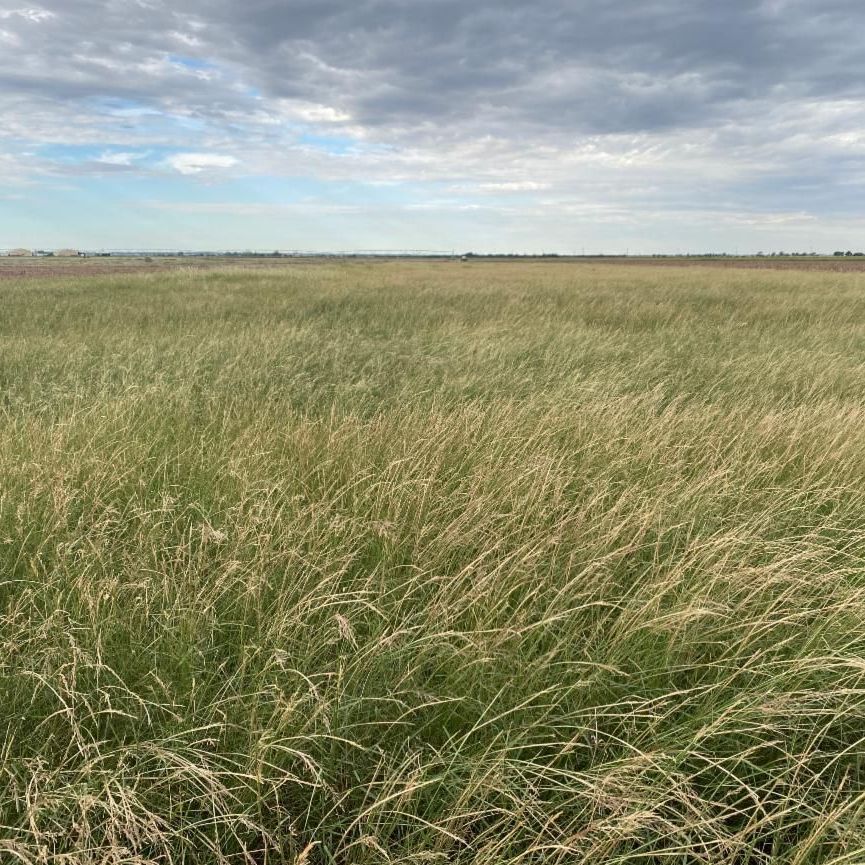
Restoration of disturbed landscapes depends on having seeds of native plant species, also known as native plant materials. While some of these seeds may be collected from wild populations, the majority are produced in agricultural fields operated by commercial farms. Given the diversity of plant species’ life history characteristics and biological traits, it is easy to imagine that the outcomes of agricultural production of seeds will vary by species. In collaboration with Southwest Seed Partnership (SWSP), researchers at the U.S. Geological Survey Southwest Biological Science Center are investigating the genetic consequences of seed production in three grass species commonly used in restoration across the Southwest: sand dropseed (Sporobolus cryptandrus), blue grama (Bouteloua gracilis), and sideoats grama (Bouteloua curtipendula).
Each species has a trait that may influence seed production in agricultural settings: sand dropseed predominantly self-fertilizes and the grama grasses exhibit complicated patterns of polyploidy (wherein individuals have a different number of chromosome sets) across the landscape. For each grass, multiple seed collections from wild populations were pooled together before being sent to a commercial grower. Seed production fields were established from greenhouse-grown plugs, and seeds were harvested in subsequent years. Using DNA extracted from leaf tissue samples collected from the wild populations, the production field, and harvested seed grown in a greenhouse, researchers developed genetic datasets to compare genetic diversity between wild populations and harvested seeds. In sand dropseed, genetic diversity was reduced such that harvested seed represented a limited subset of the diversity across wild populations. The wild populations of sideoats grama represented different ploidy levels (i.e., had different numbers of chromosomes), whereas seed harvested from the production field was skewed toward higher levels of ploidy (more chromosomes). Finally, the wild populations of blue grama had similar numbers of chromosomes, and harvested seeds closely represented the wild populations. Lower genetic diversity or different numbers of chromosomes compared to wild populations may affect how these seeds perform in restoration treatment. As such, understanding how genetic diversity shifts during agricultural production is a critical step for guiding management practices and supporting successful restoration outcomes, and ongoing research with these species will inform SWSP in their future seed production efforts.
| |
Bouteloua gracilis crop at Bamert Seed Company, IAE | |
Sporobolus cryptandrus crop at Bamert, IAE | |
|
ECORESTORE
by Dr. Elise Gornish,
Cooperative Extension Specialist in Ecological Restoration, U of A
EcoRestore is a growing community of online portals dedicated to providing southwestern US stakeholders with resources that support decision-making for ecological restoration and native plant management projects. The portals are supported by a monthly email that provides an overview of restoration news, opportunities, and tools that can assist a wide range of managers with their native plant needs. The program is run by the University of Arizona Cooperative Extension in partnership with a variety of collaborators.
| |
|
NOVEL TECHNICAL GUIDE FOR
MOJAVE PLANT SPECIES:
Using Traditional and Contemporary Scientific Illustration Techniques
| |
by Tiffany Pereira & Tsvetelina Stefanova, Desert Research Institute | |
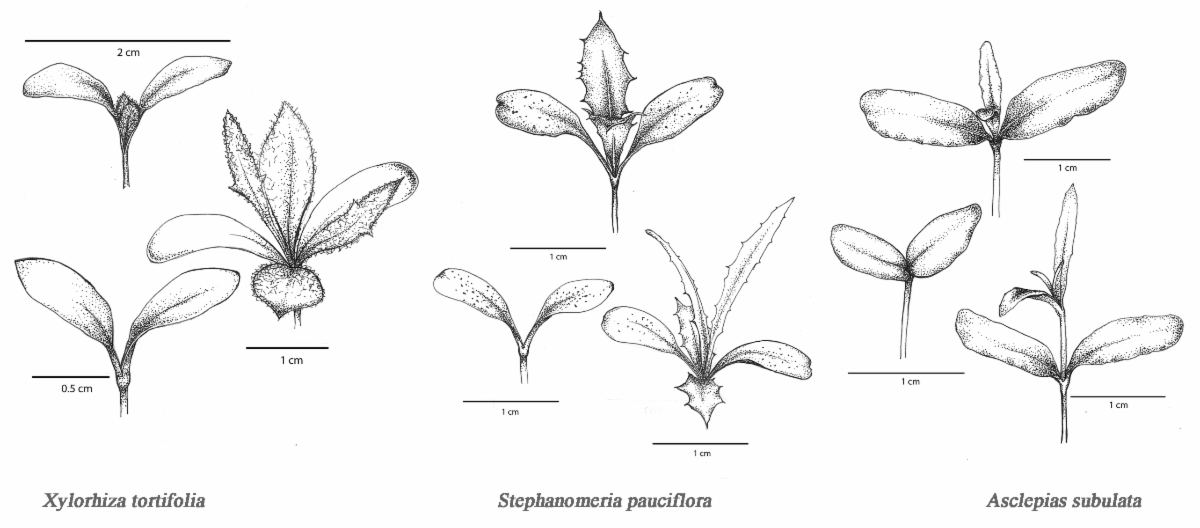
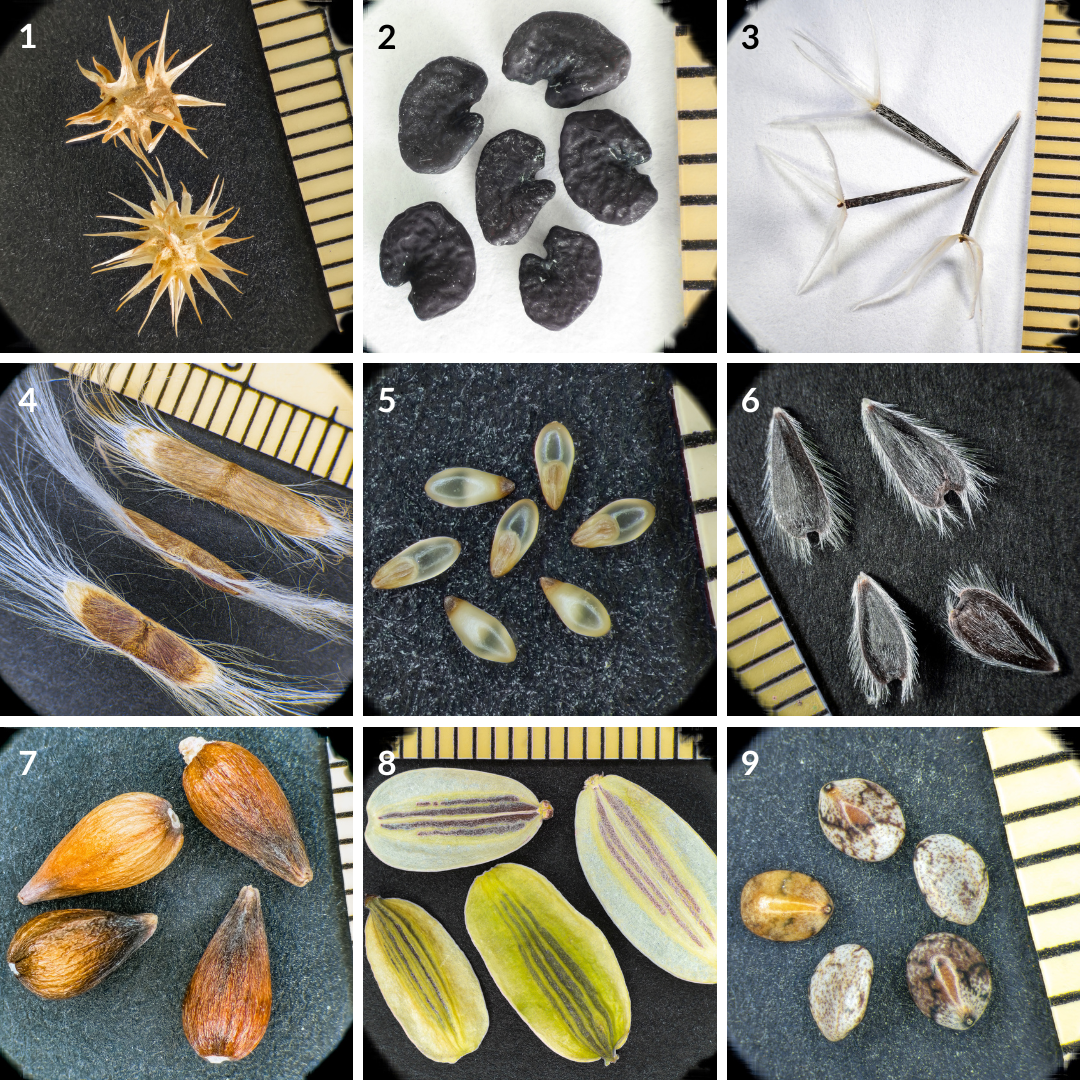
Figure 1: Botanical illustrations of Mojave Desert seedlings by Tiffany Pereira. | Blending science and art, the Desert Research Institute (DRI) Conservation Ecology Lab is creating a guide to identify Mojave Desert native plants at their seed and seedling stages. Supported by the California Bureau of Land Management, this project utilizes traditional botanical illustration (Figure 1) and focus stacking photography (Figure 2) to produce a visually rich, accessible resource. By focusing on young seedlings (cotyledons and first leaves), this guide will support soil seed bank analysis, restoration projects, and identifying natural regeneration in the field. For example, there are private landowners interested in using native plants for landscaping but have trouble locating native plants for sale. Being able to identify naturally occurring native plant seedlings and assist their establishment with abiotic protections would be valuable. Additionally, seed descriptions are often hard to interpret, and images or illustrations are nonexistent for many species. We hope that the artwork of this unique project will not only provide a valuable resource for land managers and fellow researchers but also serve as a tool for public education, reaching a wider audience. | | |
|
Figure 2: Seed photos were composited using Helicon Focus stacking software, combining 6–50 images to achieve full depth-of-focus. 1.) Ambrosia dumosa. 2.) Astragalus geyeri var. triquetrus. 3.) Chaenactis fremontii. 4.) Chilopsis linearis ssp arcuata. 5.) Dasyochloa pulchella. 6.) Encelia farinosa. 7.) Ephedra nevadensis. 8.) Lomatium parryi. 9.) Salvia columbariae.
| | |
Showy milkweed (Asclepias speciosa), IAE | |
R4M plug planting at the Pueblo of Santa Ana, IAE | |
|
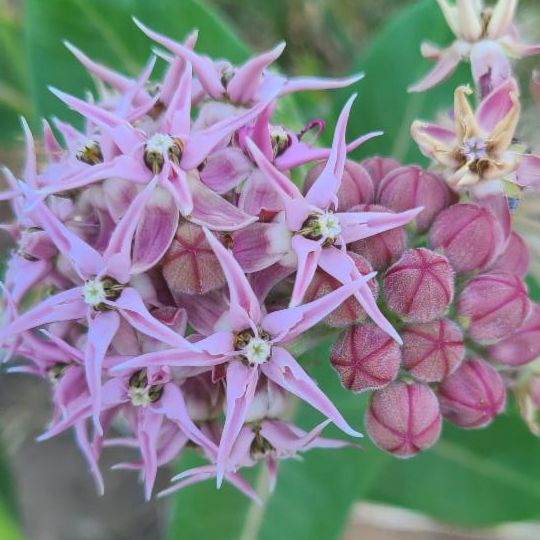
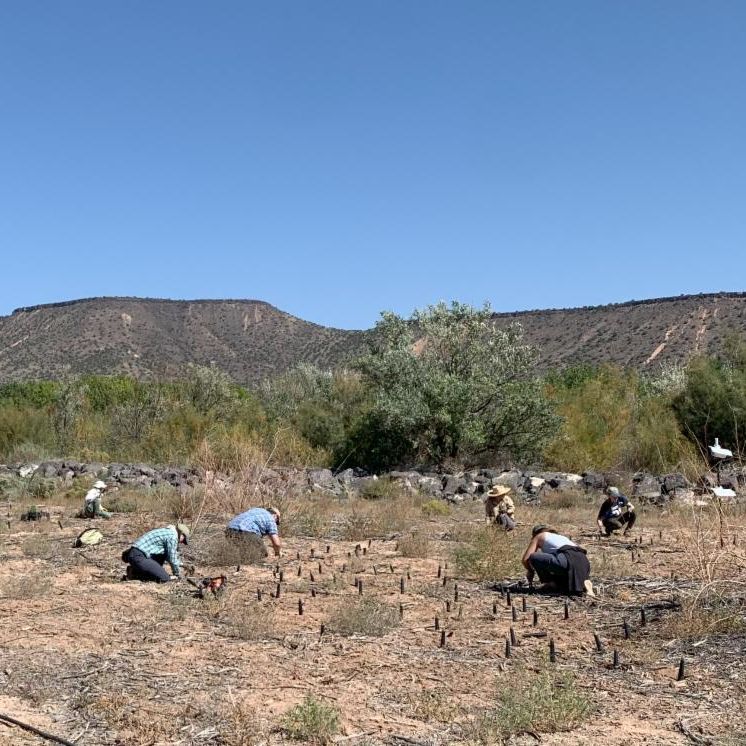
Started in 2022, the River for Monarchs (R4M) project aims to increase the availability of habitat for monarch butterflies and other pollinators in a stepping-stone pattern along 200 miles of the Rio Grande corridor of New Mexico. After a second year of fieldwork, we’ve reached a milestone with 11,500 plugs and over one hundred pounds of seed of important pollinator resource plants planted on nine sites along the Rio Grande corridor. To accomplish this, in 2024 R4M partnered with the New Mexico Youth Conservation Corps (YCC) program for support with seed collections and outplantings. With help from the YCC crew, R4M collected seeds from fifteen populations of eleven different pollinator-friendly species, including showy milkweed - Asclepias speciosa. These seeds will be cleaned at IAE and distributed to nurseries for plug production or used in seed mixes for site seeding in 2025. Additionally, nine sites along the Rio Grande corridor from Abiquiu to Socorro were selected for habitat restoration in the form of seeding, plug planting, or both in 2024. Plugs received supplemental watering up until the first frost to increase establishment rates, and we’ll be able to measure their success when sites are re-assessed in the spring. Moving forward, R4M will continue with post-planting habitat monitoring, planting another eight sites in 2025, adding more “bee houses” to survey native bee populations and other pollinators, collecting more native seeds, and ultimately expanding into a wider project that encompasses vertebrate pollinators like hummingbirds and bats.
We would like to thank all of our wonderful River for Monarchs partners for their continued support and collaboration.
| |
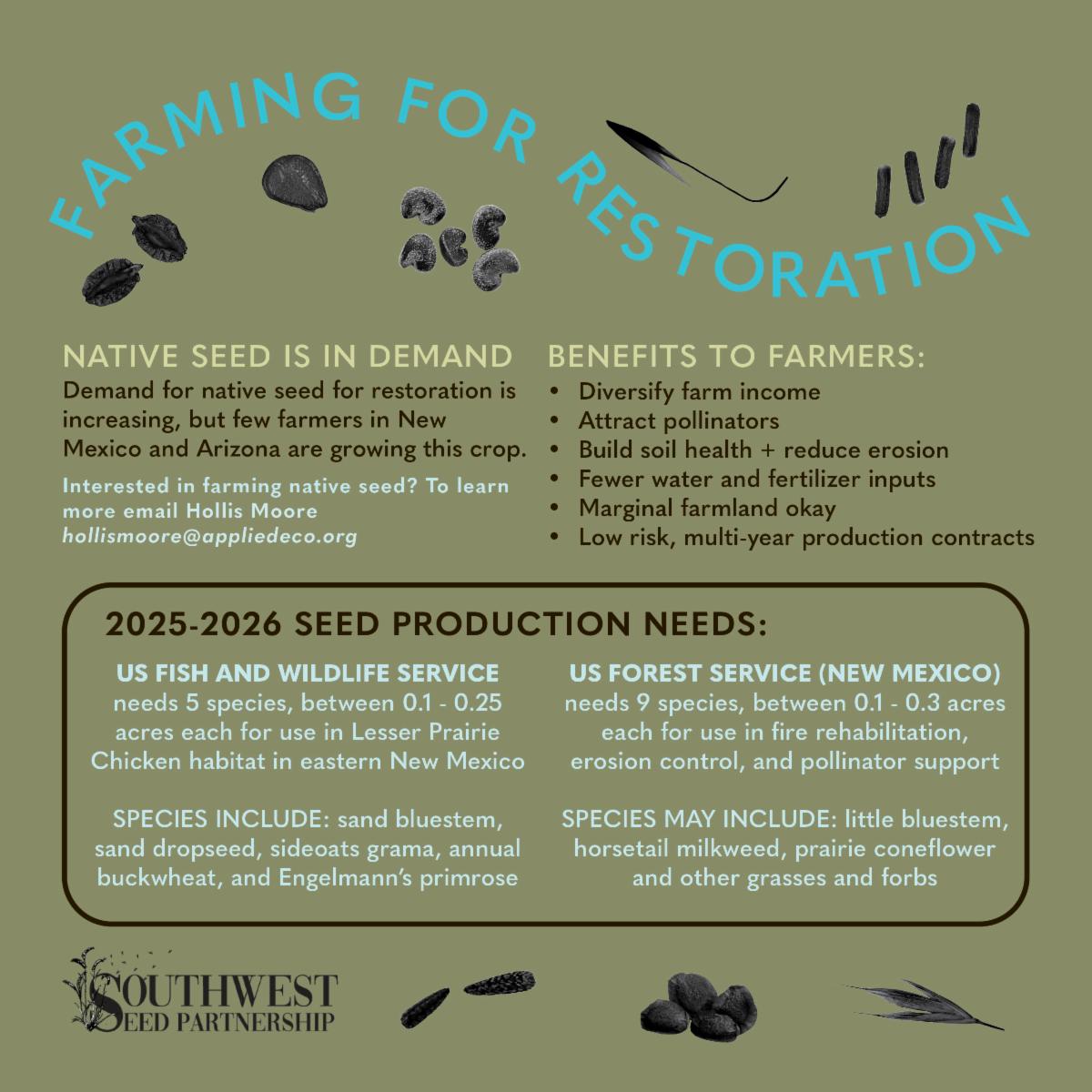
The Southwest Seed Partnership works with farmers to grow diverse locally collected wild seeds for restoration. We support farmers by acting as a bridge between buyers and growers of native needs, providing starting seed or nursery plugs, establishing low-risk, multi-year production contracts, assisting farmers with grant writing to expand capacity, and working to ensure high-quality seed through coordination with New Mexico and Arizona seed certification. | | |
|
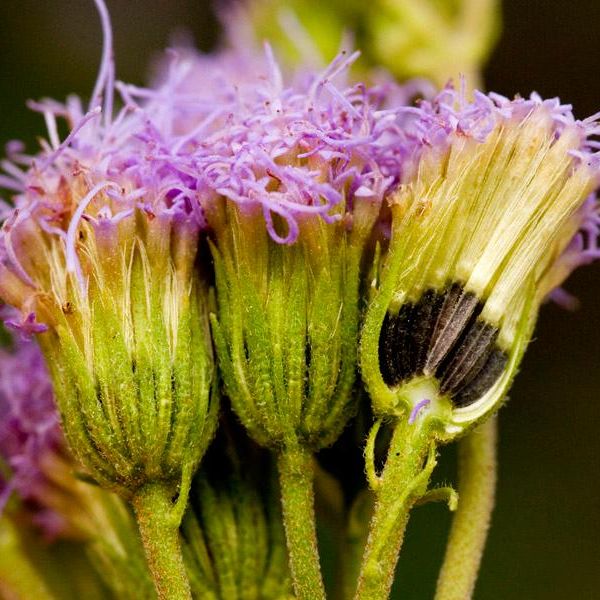
Borderlands Nursery and Seed has Gregg’s mistflower (Conoclinium greggii) seed packets back in their online store. It is a great pollinator generalist plant! They are also offering a new service for southern Arizona: hydroseeding! Here is more information. (Image: Cecelia Alexander, SEInet) | | |
|
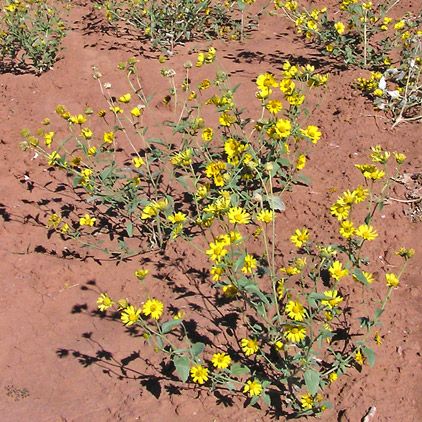
Granite Seed is excited to have golden crownbeard (Verbesina encelioides) to offer this year. They were able to get a collection out of New Mexico last fall. This is the first time they’ve have had this species to offer and look forward to any opportunity you may have to use this on your upcoming projects. (Image: Al Schneider, SEInet) | | |
|
|
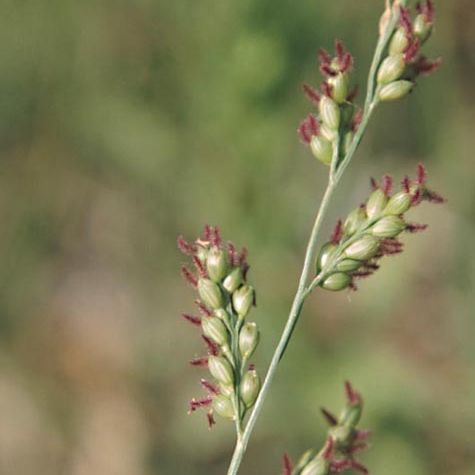
Curtis and Curtis Giant sacaton and vine mesquite are exceptional choices for erosion control and land conservation, as they establish deep root systems that help stabilize soil and prevent further erosion. These native grasses thrive in arid conditions, making them ideal for promoting long-term soil health in drought-prone areas. Additionally, both species support wildlife by providing habitat and forage, fostering biodiversity in areas that have previously been disturbed. By choosing these grasses, you're investing in a hardy, low-maintenance solution that benefits both your land and the environment. (Image: Vine mesquite, Liz Makings, SEInet)
| |
by Mia Brann, Southwest Restoration Technician | |
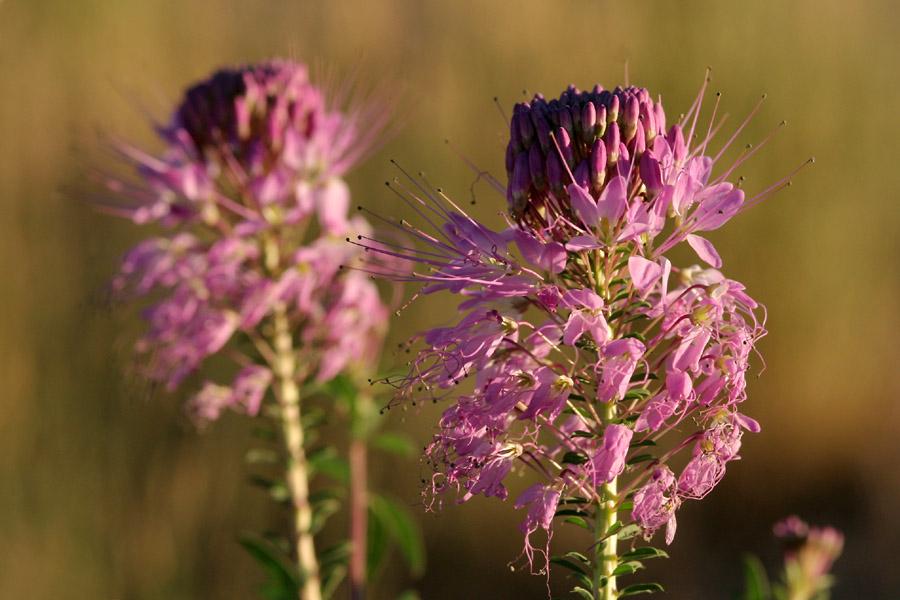
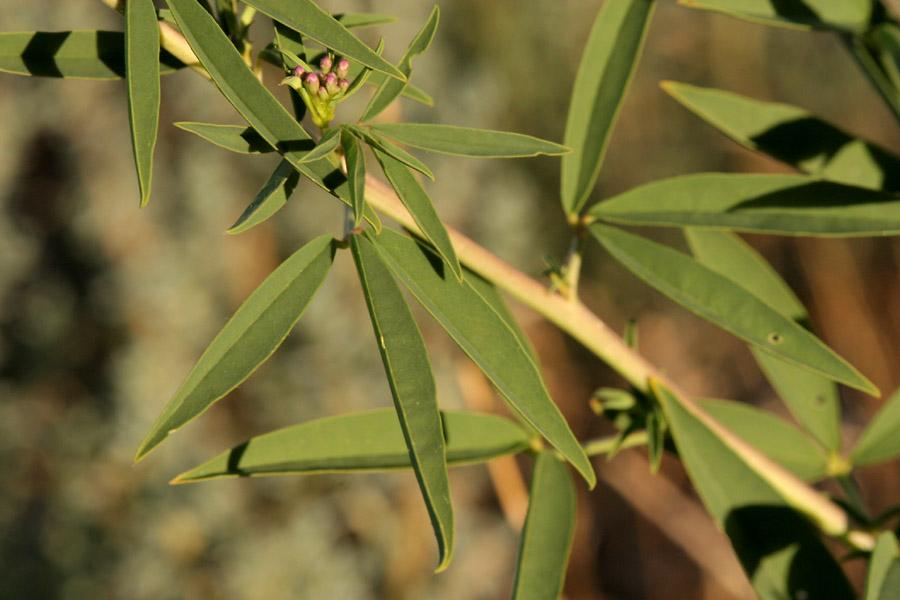
Although the scientific names of plants are what keep records straight for the more than 374,000 described plant species, they can also be ever-changing and highly debated, leaving everyone confused (2). To highlight one of these species with a complicated nomenclature history, let’s break down the latin name of Cleomella (Peritoma, Cleome) serrulata, or Rocky Mountain beeplant, a widespread, early seral, annual forb native to western North America that can be utilized for revegetation in disturbed, arid areas (1, 6). | |
Images: Cecelia Alexander, SEInet | |
|
Rocky Mountain beeplant has floated between three genera since its discovery in 1804, Cleome, Peritoma, and most recently Cleomella, with molecular work leading to further questions and debate on the evolution and nomenclature of this plant (4, 7). Cleome has a vague definition, with the Latin translating to “denoting a different plant,” but historically being used as the name for a mustard-like plant, which makes sense as Rocky Mountain beeplant was previously part of the mustard family (Brassicaceae) (5, 3). Peritoma refers to the Greek words “peri” and “tome,” with peri meaning all around and tome meaning a slice or cut, specifically referring to a band around the entire base of the flower where separation occurs in some species (1). Cleomella contains the diminutive “ella” and the previously described “cleome,” meaning little mustard-like plant (7). The specific epithet is much less debated, with serrulata meaning “with small teeth,” referring to the margins of the leaflets that are sometimes sinuate (wavy) or serrulate (toothed), although they are most commonly entire (smooth) (6). Since all three genera are still used interchangeably today, you’ll be able to identify the plant no matter which name it’s being called.
Rocky Mountain beeplant is an important pollinator resource, hence the name beeplant, and has a rich history of use as a food, medicine, and paint or dye by indigenous peoples across the West (6). Diné, Hopi, and Zuni people consume the leaves, flowers, and seed, and steep the plant to create tea for its blood purification and throat-soothing properties (1). The Zuni people refer to it as a’pilalu, and the Lakota people use ‘wahpe’-h’eh’e as its name. Rocky Mountain beeplant is also called bee spiderflower due to the hanging pods that are reminiscent of spider legs and stinkweed due to its unpleasant scent (6).
References:
- Allred and Ivey 2012, Heil et al. 2013, Spring el a. 2008, MacDougall 1973. Editor Hazelton, A. 2017. Cleomella serrulata (Pursh) Roalson & J.C. Hall. From SEINet SW Field Guide, online. Accessed 1/8/2025.
-
Christenhusz, Maarten J.M. and Byng, James W. 2016. The number of known plant species in the world and its annual increase. Phytotaxa 261(3):201-217. doi.org/10.11646/phytotaxa.261.3.1
- Morton Arboretum. Cleomella serrulata (Pursh) Roalson & J.C. Hall. From SEINet vPlants, online. Accessed 1/8/2025.
-
Roalson, Eric H., Riser II, James P., Cardinal-McTeague, Warren M., and Hall, Jocelyn C. 2015. A revision of generic boundaries and nomenclature in the North American cleomoid clade (Cleomaceae). Phytotaxa 205(3):129-144. doi.org/10.11646/phytotaxa.205.3.1
-
Santa Fe Botanical Garden. July: Rocky Mountain beeplant: Cleome serrulata. https://visitsfbg.org/plant-of-the-month-july-2019/
-
Shaw, Nancy and Gucker, Corey. 2020. Rocky Mountain beeplant (Peritoma [Cleome] serrulata). Western Forbs, online. Accessed 1/8/2025. https://westernforbs.org/species/rocky-mountain-beeplant-peritoma-serrulata/
-
SW Colorado Wildflowers. Cleomella serrulata, online. Accessed 1/8/2025. https://www.swcoloradowildflowers.com/Pink Enlarged Photo Pages/cleomella serrulata.htm
| |
|
Visit our SWSP website to check out two updated SWSP Plant Material Guides
-
The SWSP Seed Cleaning Manual is an introduction to the uses of various seed cleaning equipment and a source for potential methods of cleaning over 100 species of seed wild collected in the southwest.
-
The SWSP Seed Cleaning Before and After Photo Guide visually documents the results of seed cleaned by the SWSP to demonstrate expected initial and final chaff levels.
| |
|
Upcoming Events:
To share future events with the SWSP, please fill out this form!
| |
THANK YOU PARTNER FUNDERS! | |
The work of the SWSP would not be possible without funding support from the New Mexico Bureau of Land Management, USDA Forest Service Southwest Region 3, National Park Service, US Fish and Wildlife Service, New Mexico Department of Transportation, Native Plant Society of New Mexico, US Geological Survey, Carroll Petrie Foundation, the Institute for Applied Ecology, New Mexico Energy, Minerals, and Natural Resources, and other amazing partners. | | | | |