|
Welcome to the eighth edition of the
Southwest Seed Partnership (SWSP) newsletter!
The SWSP is working to improve the supply of ecologically-appropriate native seeds for restoration projects in New Mexico and Arizona. The SWSP, coordinated by the Institute for Applied Ecology's (IAE) Southwest Office, is represented by diverse public and private partners- from land managers and natural resource scientists to on-the-ground restoration practitioners and native seed farmers and nurseries.
| |
| |  | Farmer to Farmer: a win-win for agriculture and conservation! We are pleased to announce that IAE was recently awarded $1.8 million dollars in new funding from the Environmental Protection Agency’s Farmer to Farmer program that will advance 16 small-farming operations along the middle-Rio Grande River (New Mexico) while improving watershed health. This project launches a Native Crop Toolkit in partnership with farmers and farmer-led communities and evaluates four native plant materials tools (production fields, cover crops, hedgerows, on-farm restoration) for dryland-farming resiliency, changes in pollinator abundance and native plant diversity, and soil stabilization. Farmers will grow resilient native crops customized to tools and species that best suit their land, needs, capacity, and expertise. A Farmer-to-Farmer hub will provide regular native crop workshops, resources, tours, meetups, and farm equipment sharing. This will greatly enhance the ability of the Southwest Seed Partnership to support small-scale farmers interested in conservation and experimentation with novel crops, build SWSP farming capacity and potential through equipment purchases and sharing, and improve our understanding of unique ways farmers can utilize native plant materials. Species selected are pollinator resource plants and, as such, farms become habitat steppingstones for pollinators along the Rio Grande. Through this EPA funding and funding provided by the New Mexico Youth Conservation Corps, IAE will also be hiring 7 native seed collectors in 2026 - two crews based in Santa Fe.
| |
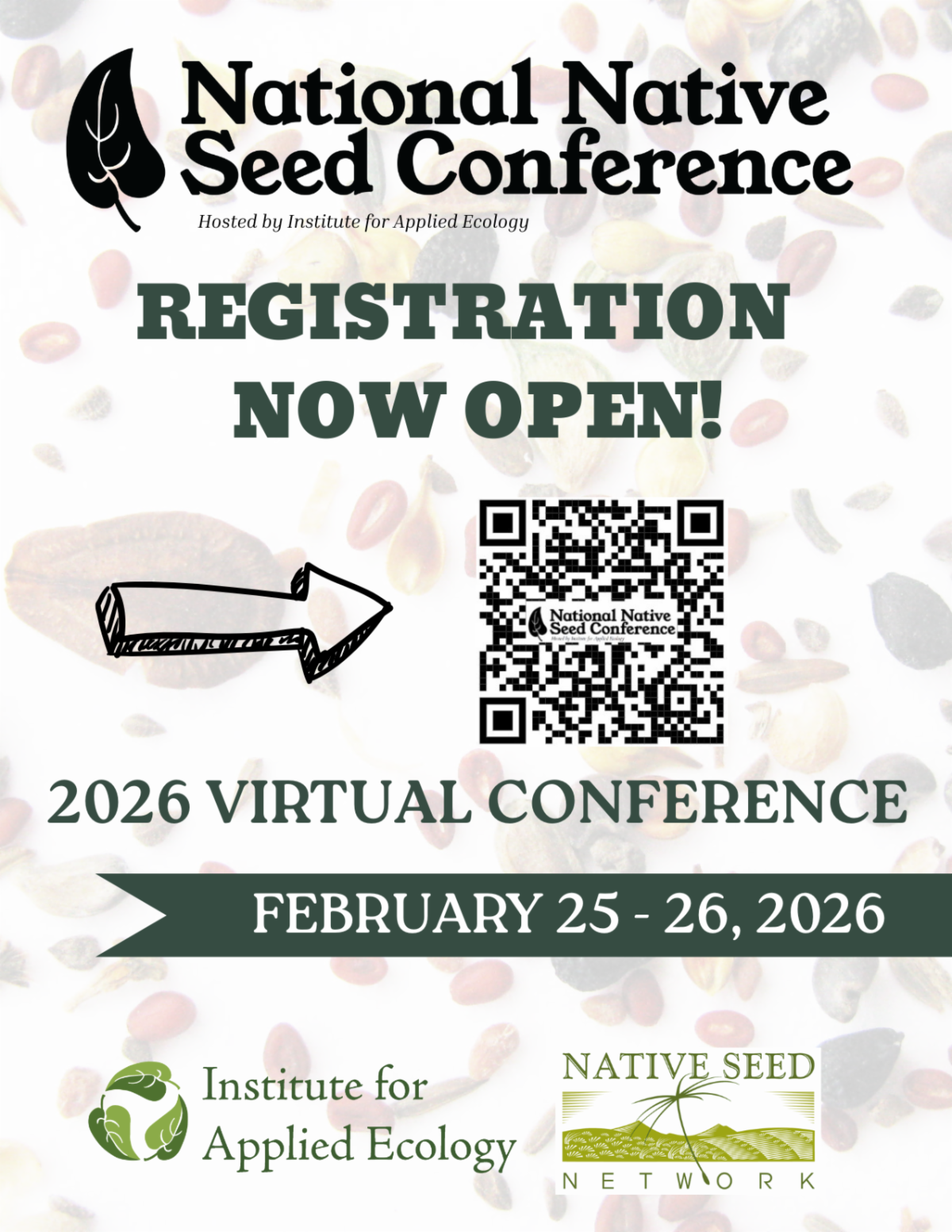
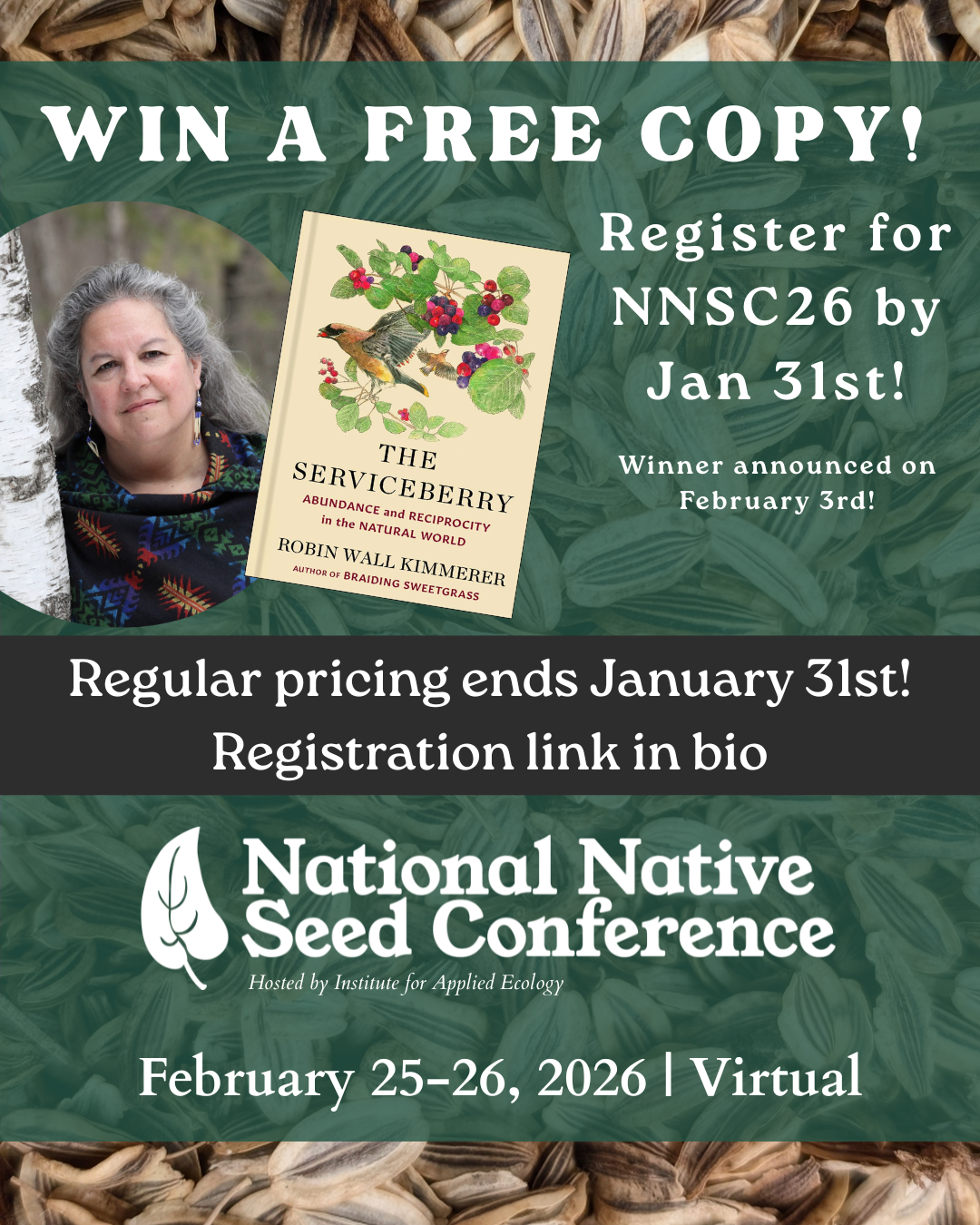
Save the Date for 2026 National Native Seed Conference:
Virtual conference February 25-26, 2026
| |
Native Seed Collection
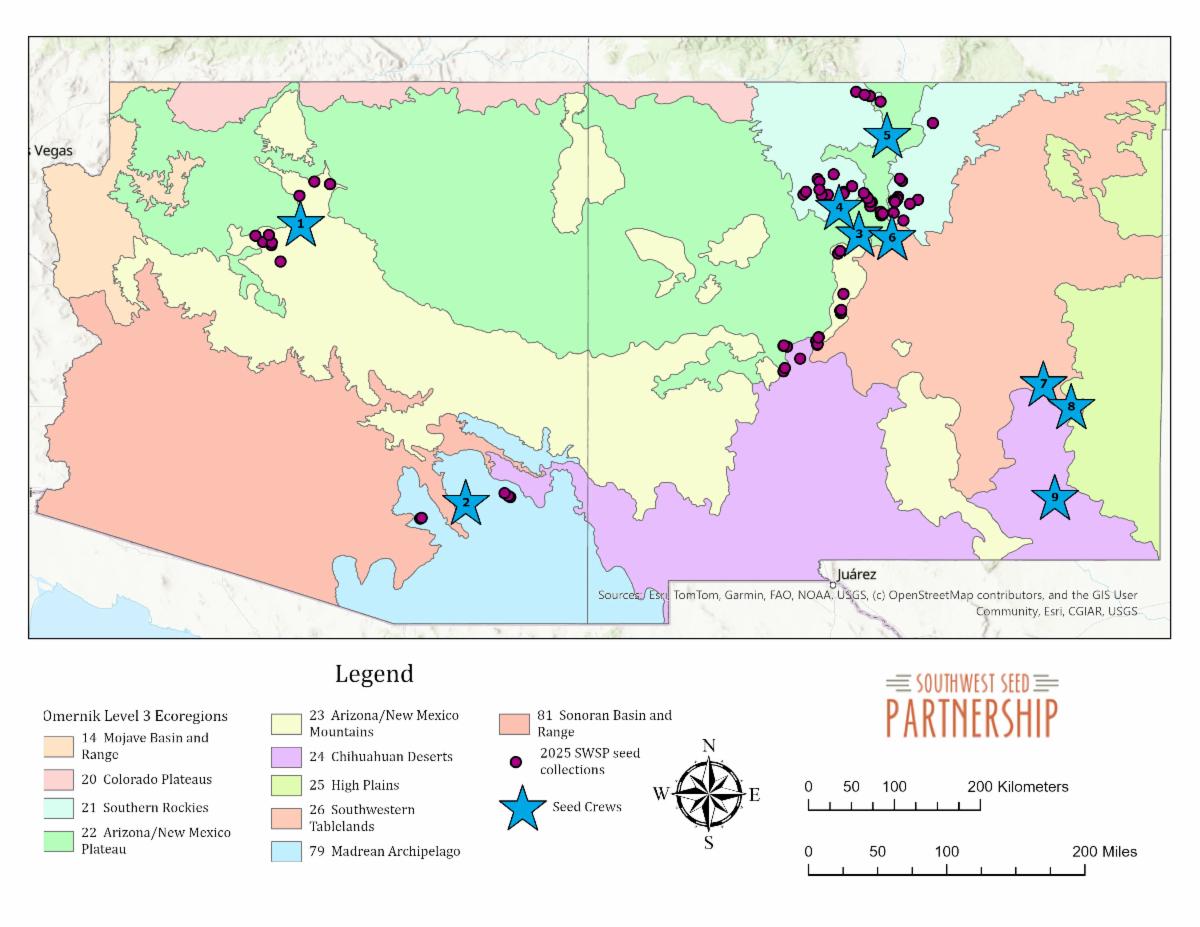
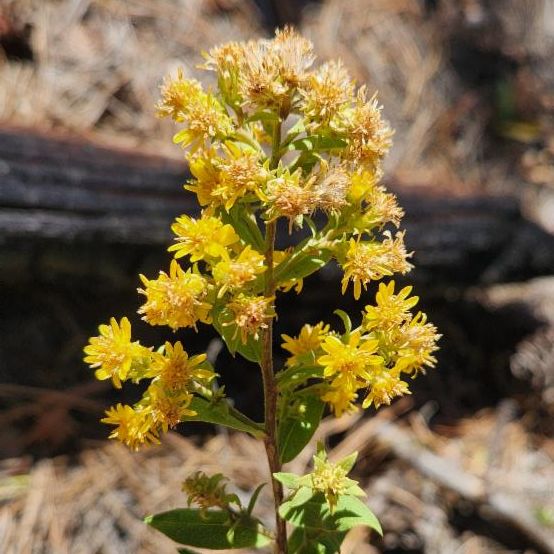
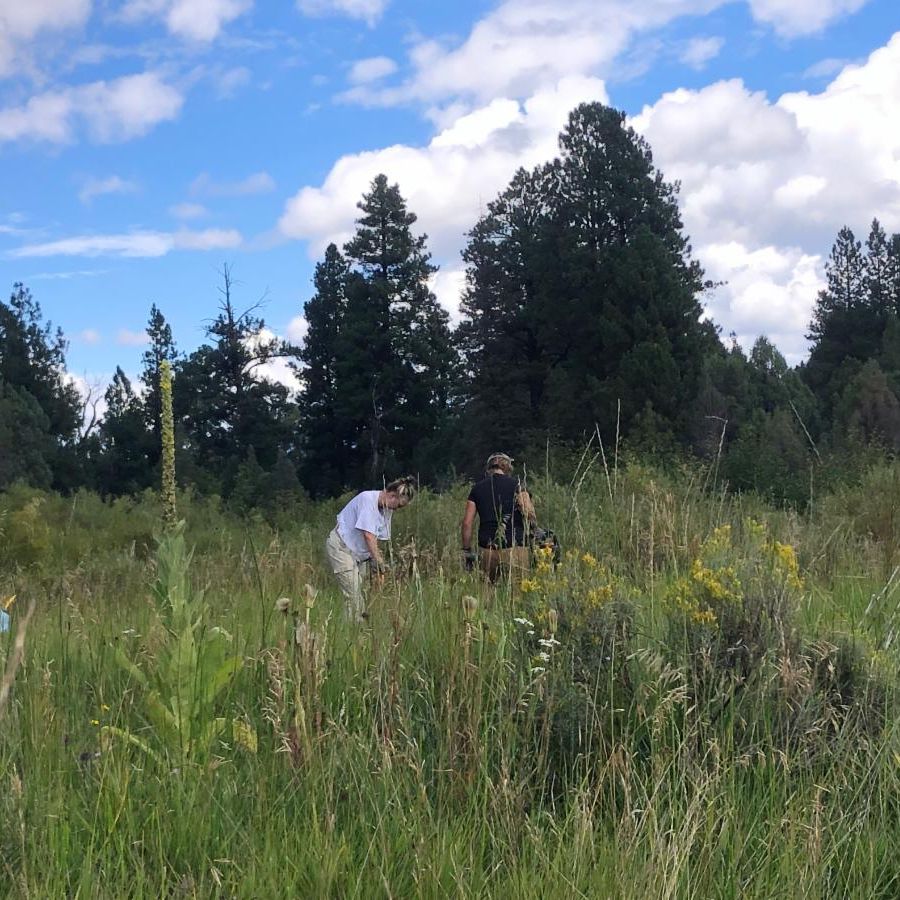
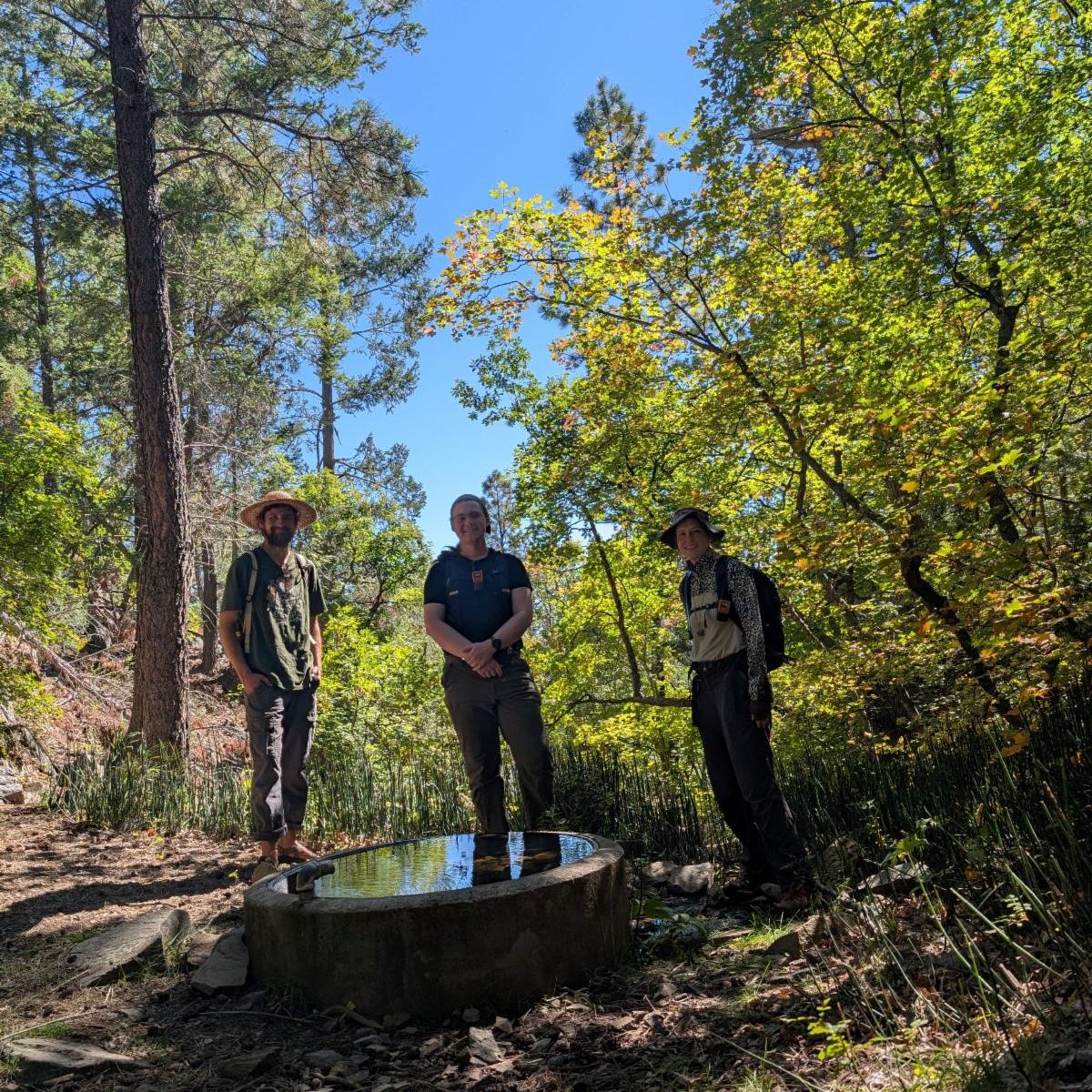
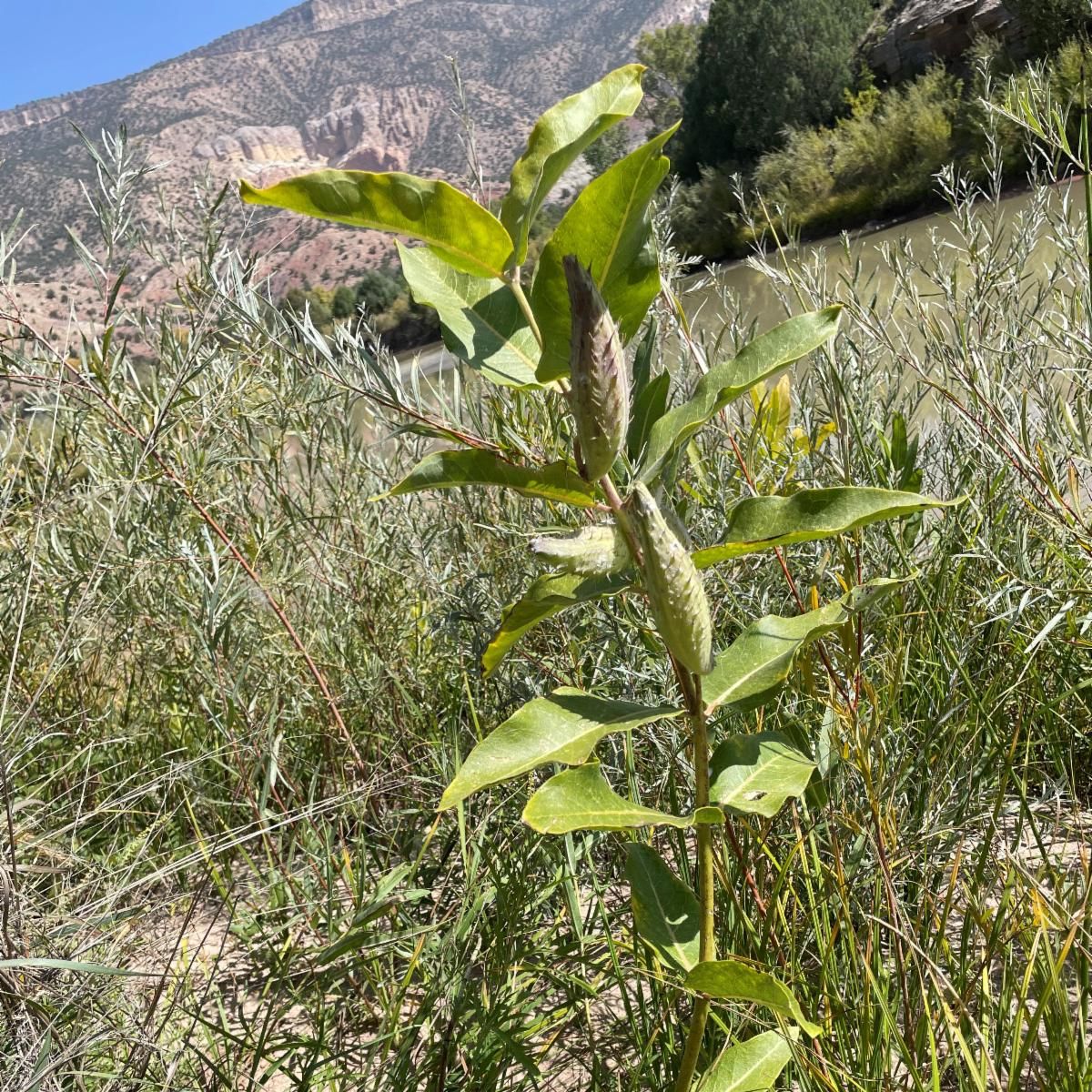
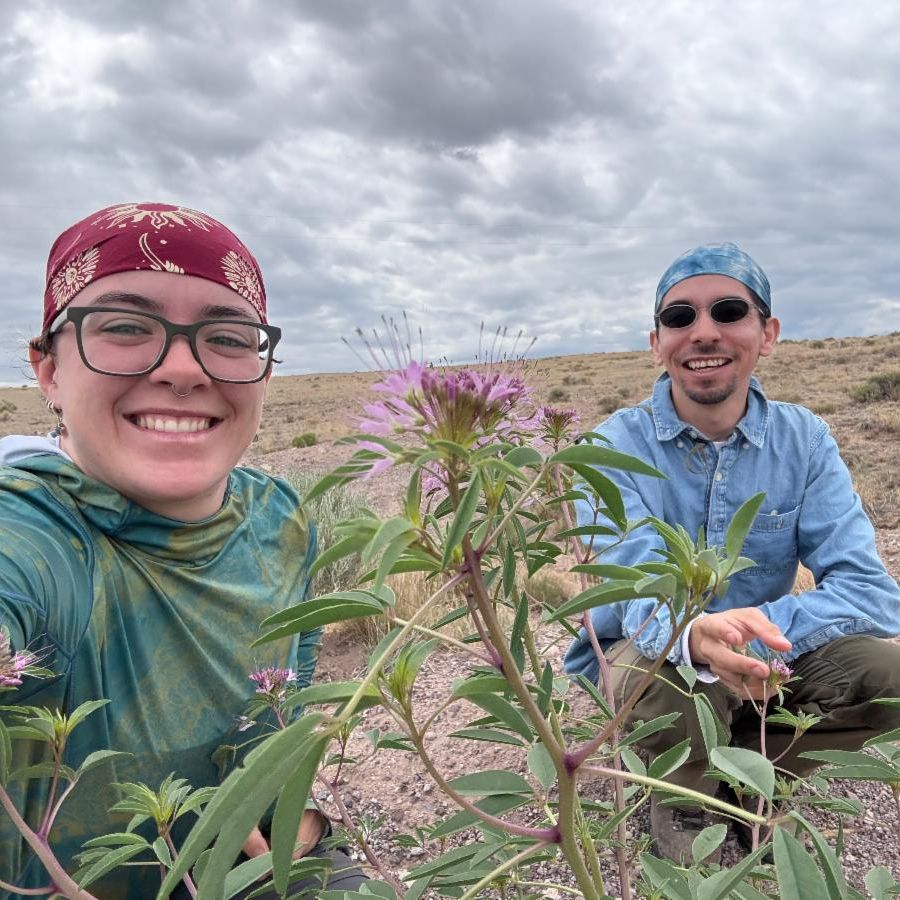
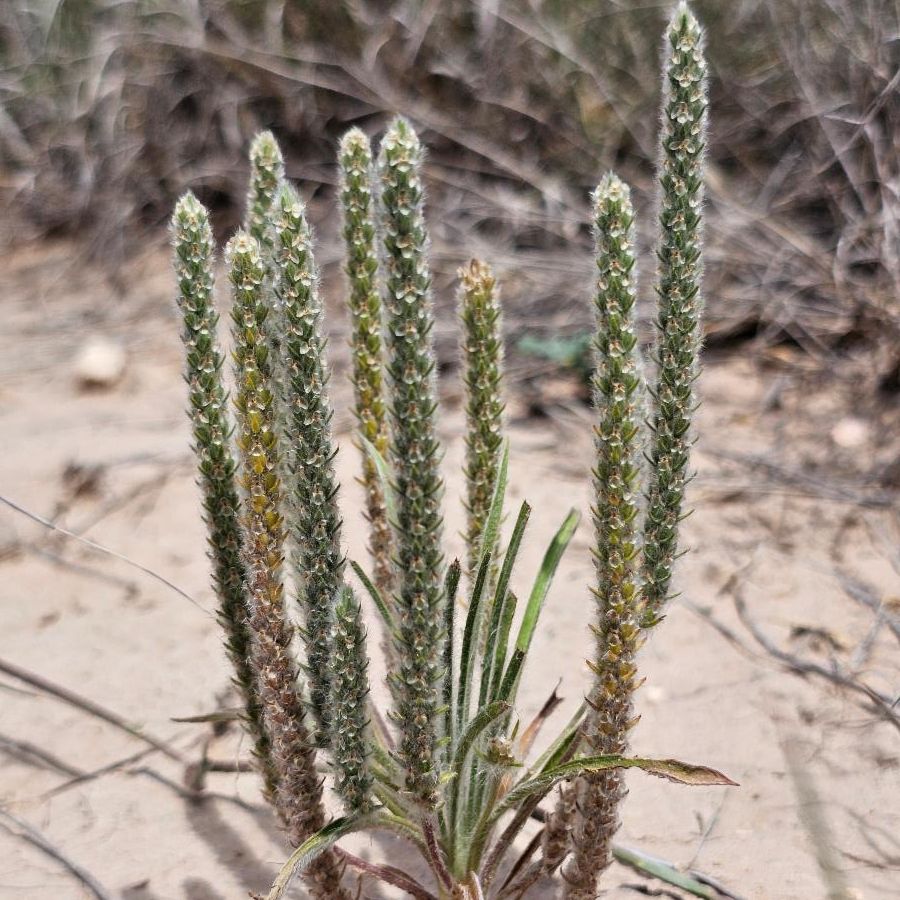
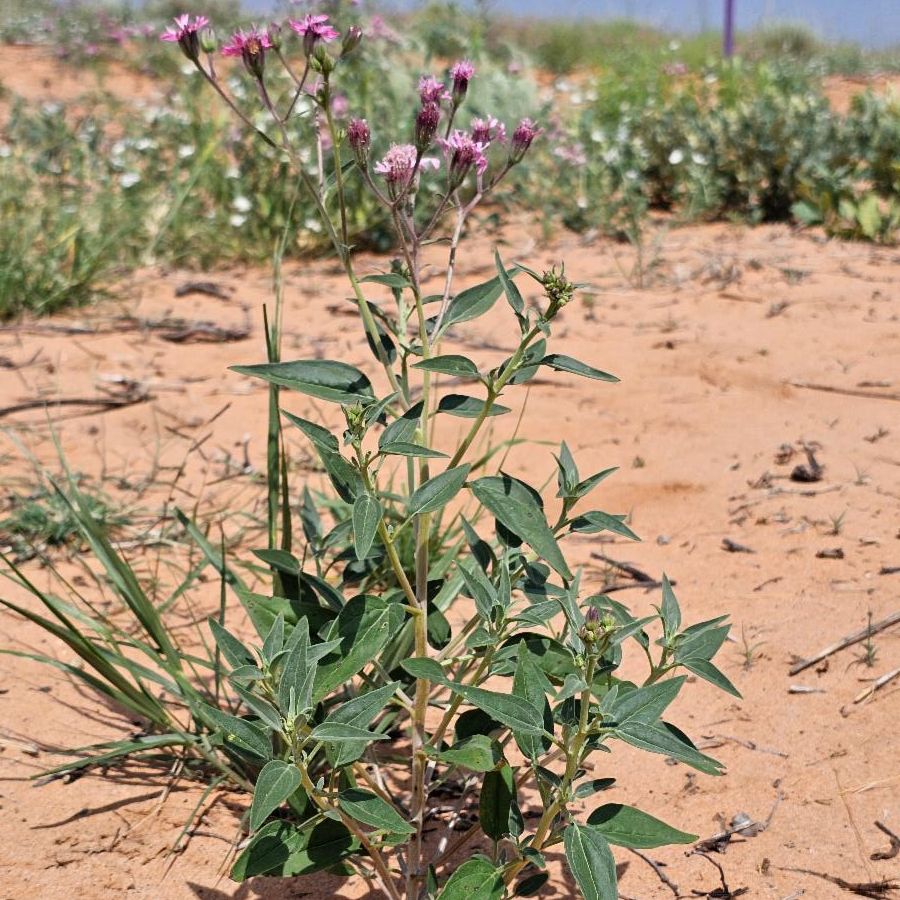
Every year the Southwest Seed Partnership trains and hosts seed collection crews to sustainably collect regionally appropriate seed from diverse plant populations with our partners. In 2025, IAE hosted 4 SWSP seed collection crews across 7 ecoregions, in addition to working with 5 Seeds of Success (SOS) crews. Throughout New Mexico and Arizona, these crews made 167 wild seed collections of 59 native plant species – 16 of which were new for the SWSP. In addition, each crew scouted a significant number of new target species populations for seed collection crews to collect in the future.
Thank you to the following landowners for permitting seed collection for SWSP crews this year: Bureau of Land Management (New Mexico), United States Forest Service Region 3, Carlsbad Caverns National Park, US Fish and Wildlife Service, New Mexico State Land Office, Galisteo Basin Preserve, Santa Fe County Open Space, City of Santa Fe, and New Mexico State Parks.
2025 SWSP Seed Collections
| | Note: Map only shows collection points for USFS and R4H crews. | | |
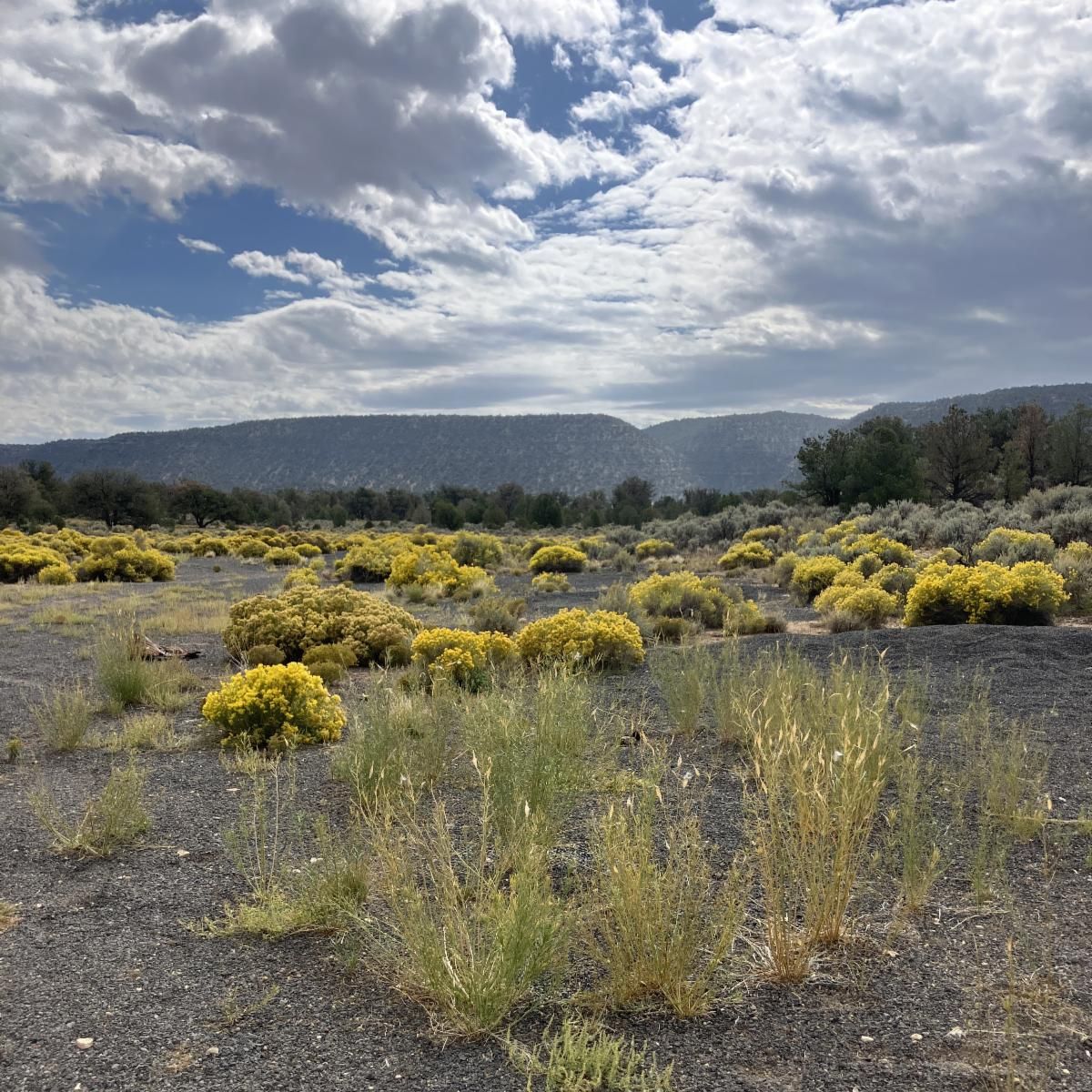
The Kaibab National Forest sponsored a crew in 2025 focusing on seed collection for habitat restoration projects.
| |
| A crew based on the Coronado National Forest conducted rare plant surveys/monitoring, collected native seeds, monitored a restoration site on the Tonto National Forest, and provided harvesting assistance to a local SWSP farmer during seed harvest. | | The Carroll Petrie Foundation funded a crew to collect seeds from species that support hummingbird and bat habitat along the Rio Grande for the River for Pollinators project. This project builds on the plant materials development and restoration efforts over the last three years for monarch butterfly habitat. | | The Forest Service (USFS) sponsored a crew based out of IAE’s Santa Fe office that collected seeds on the Santa Fe, Carson, and Cibola National Forests for future production and restoration projects across northern NM. | | The Seeds of Success (SOS) program hosted a seed collection crew out of the BLM Taos Field Office in support of pollinator habitat and restoration projects. | | New Mexico’s Bureau of Land Management (BLM) Plant Conservation and Restoration Program supported an SOS seed collection crew based out of the BLM State Office in Santa Fe to collect across areas in northern and central New Mexico. | | |
The BLM also hosted an SOS seed crew in the Pecos District, based out of the BLM Roswell Field Office, to collect throughout southeastern New Mexico for production and restoration projects.
| | For a third year, the Fish and Wildlife Service (USFWS) sponsored an SOS seed collection crew to support the federally endangered lesser prairie chicken in the High Plains ecoregion. | | |
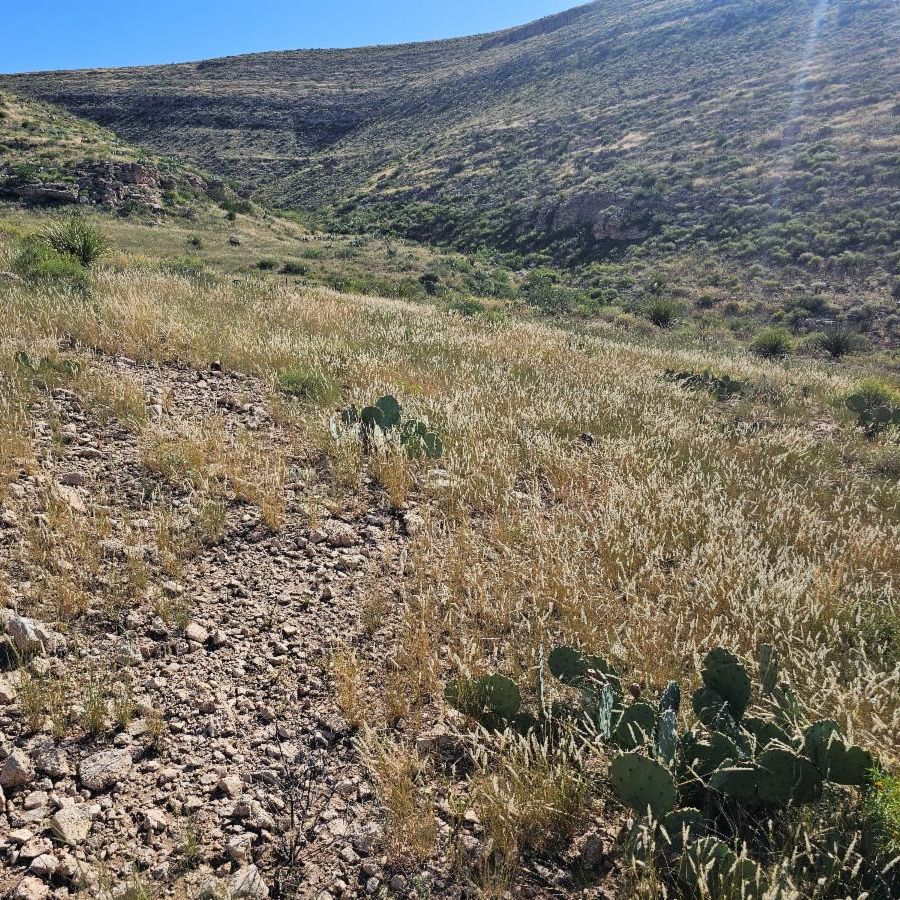
IAE staff collected seeds for the National Park Service (NPS) at Carlsbad Caverns National Park for a second year to supply starting material for large-scale seed increase production.
| |
Native Seed Production
The Southwest Seed Partnership (SWSP) is a bridge between land managers who need appropriate seed for restoration and native seed farmers in the southwest. Since 2017 the SWSP has facilitated native seed production fields in New Mexico, Arizona, Texas, and Colorado. Native seed production contracts are approximately three-year contracts with small- to large-scale growers. The goal of collaborative seed production with the SWSP is to increase the number of seeds available for restoration projects by providing research, germplasm/starting seed, and funding to farmers to produce seeds.
| |
In 2025, the SWSP:
-
Partnered with 6 nurseries and 9 growers, 5 of which were new growers to SWSP.
-
Grew native seeds across a total of 30.5 acres (2.8 acres at small-scale farms and 28 acres at large-scale farms).
- Designed 45 unique seed accessions for seed production fields.
- Collaborated with farmers to produce 30 native species: 17 forbs and 13 grasses.
| | |
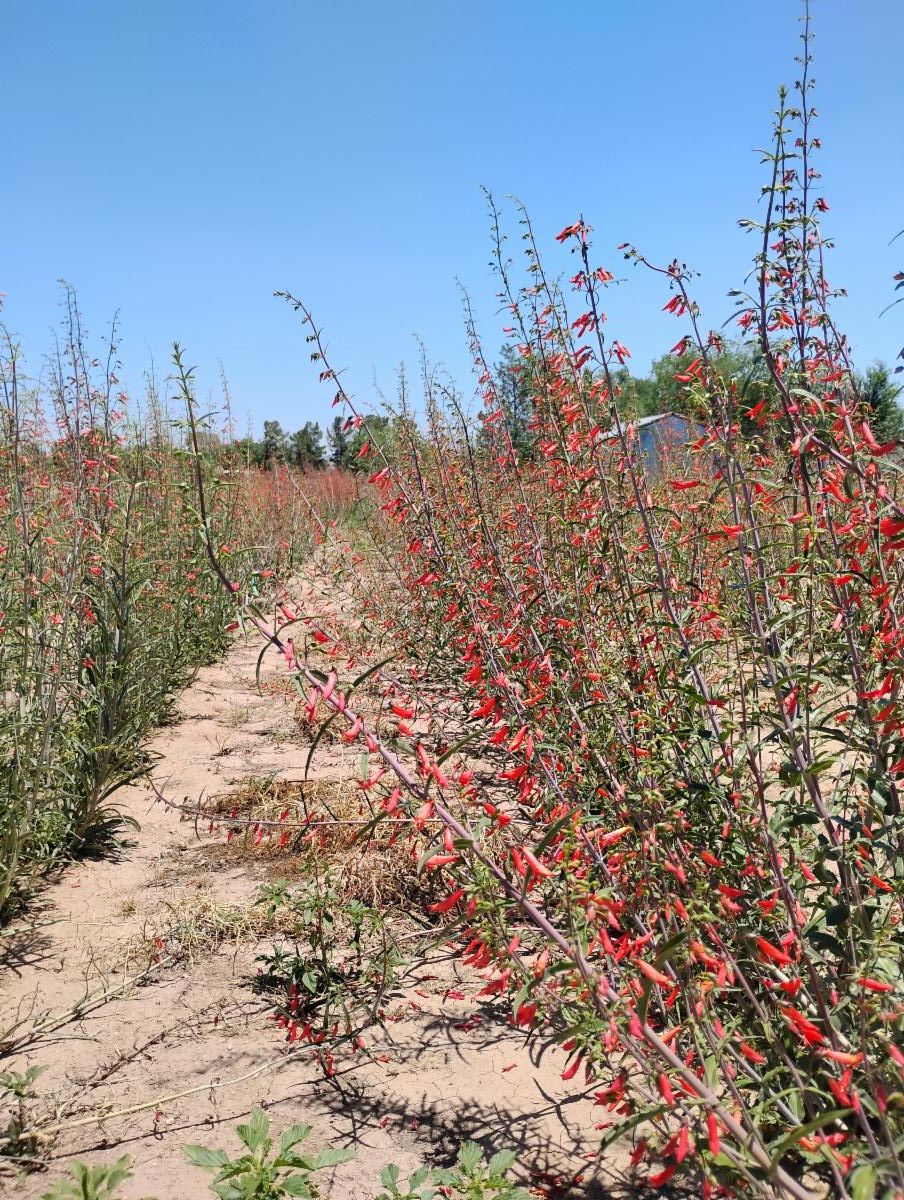
Penstemon barbatus in bloom at Fieldhouse Farm, AZ
(credit: Justin Brereton)
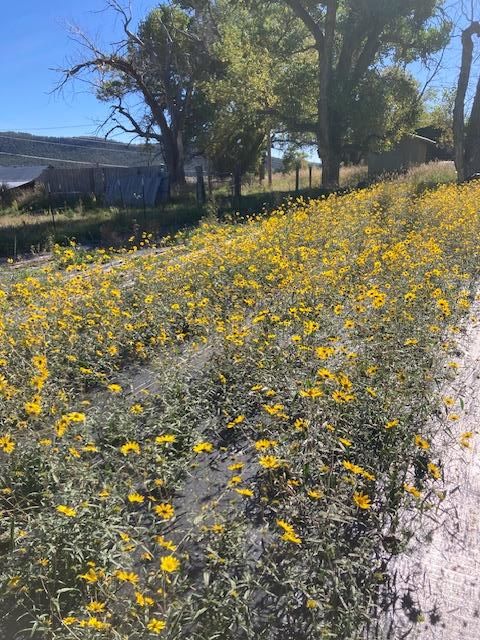
| | A field of Heliomeris multiflora at Ledoux Grange, NM (credit: Kristin Swoszowski-Tran) | | |
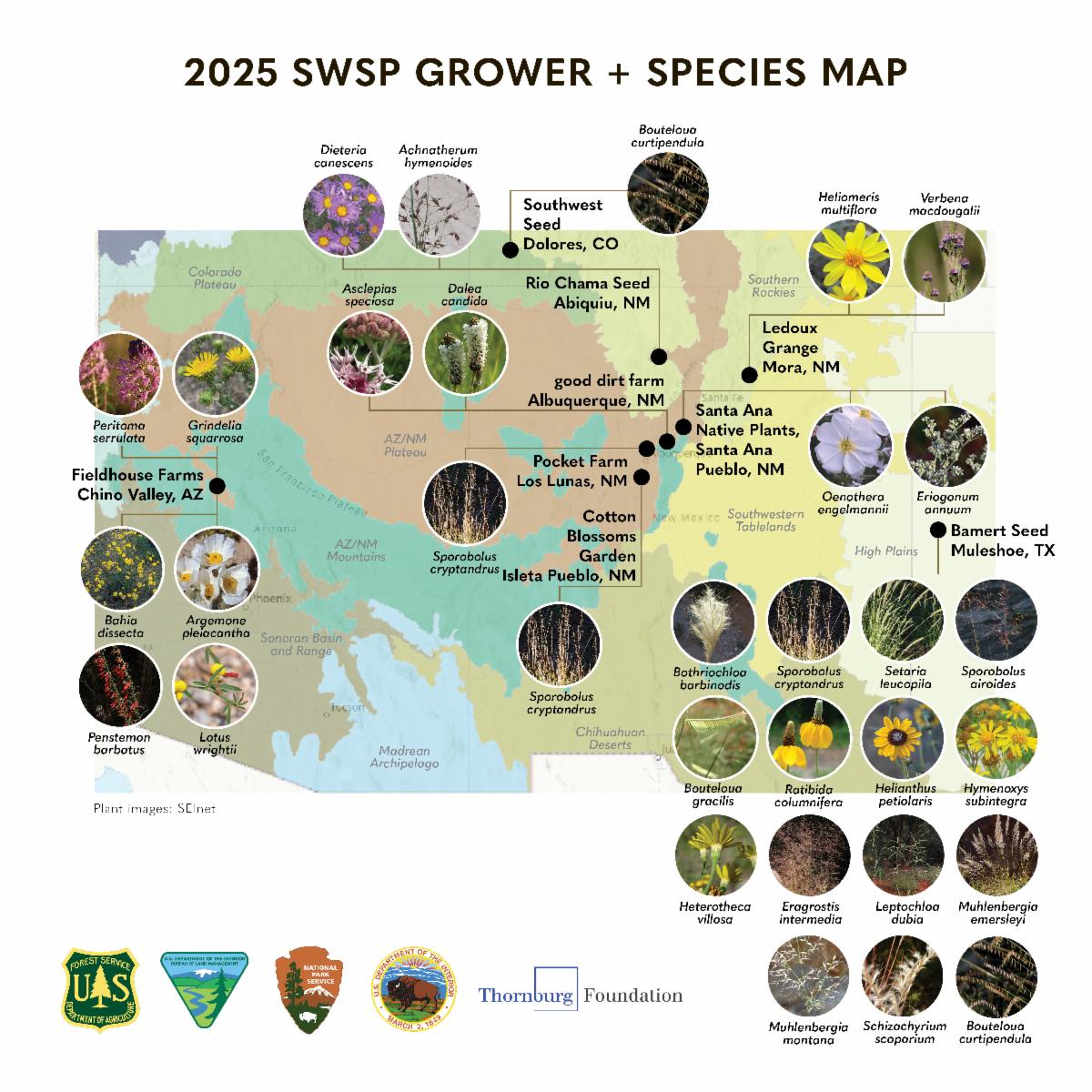
Diverse nurseries and farmers in strategic locations across the produced native plant materials for the SWSP in 2025, including:
- Fieldhouse Farms (Chino Valley, AZ)
-
Southwest Seed (Dolores, CO)
-
Bamert Seed Company (Muleshoe, TX)
-
Pueblo of Santa Ana Native Plant Nursery (Bernalillo, NM)
-
Borderlands Restoration Network (Patagonia, AZ)
-
Gila Watershed Partnership (Safford, AZ)
- Charybda Farms (Arroyo Seco, NM)
- Central New Mexico Correctional Facility (Los Lunas, NM)
- Ledoux Grange (Mora, NM)
- Good dirt farm (Albuquerque, NM)
- Rio Chama Seed (Abiquiu, NM)
-
Cotton Blossom Gardens (Isleta Pueblo, NM)
- Pocket Farm (Los Lunas, NM)
In 2026, the SWSP will be expanding seed production to include 0.75 new acres with up to three small-scale growers to provide seeds to Region 3 forests in Northern New Mexico.
| |
Research Highlights
Did you know that the SWSP supports diverse research projects to improve our understanding of Southwestern native plant species? If you are affiliated with an accredited research institution and in need of seed for your research, please consider completing the SWSP seed request form and we will do our best to accommodate your needs!
| |
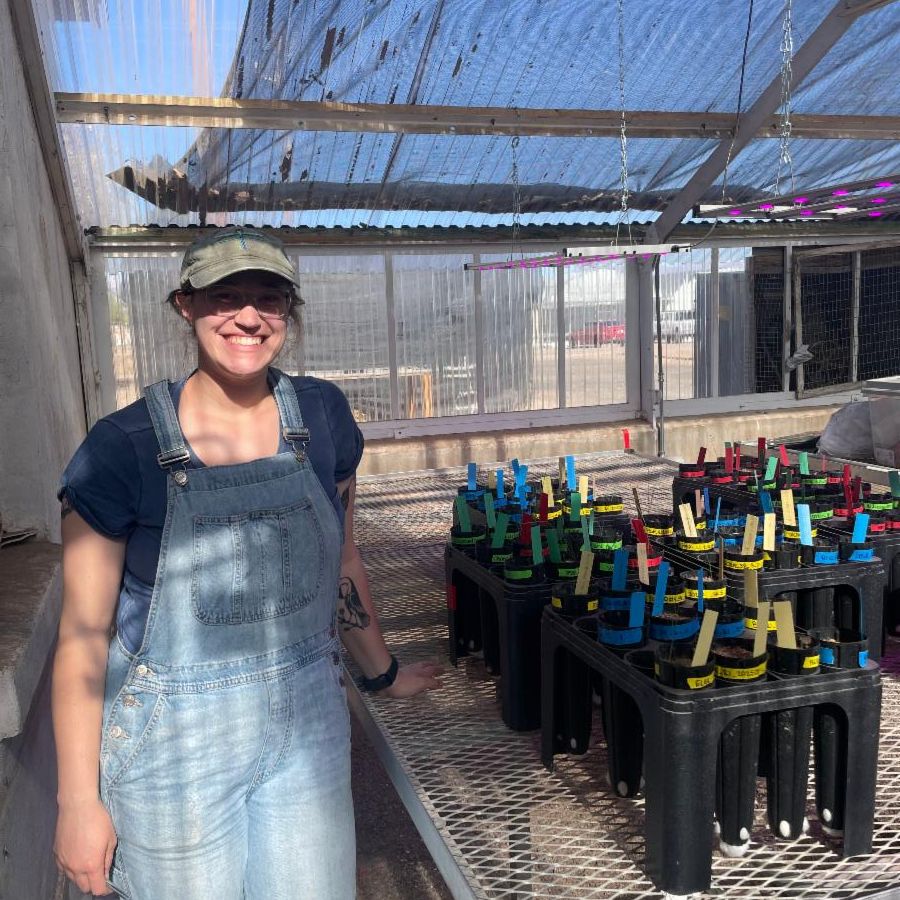
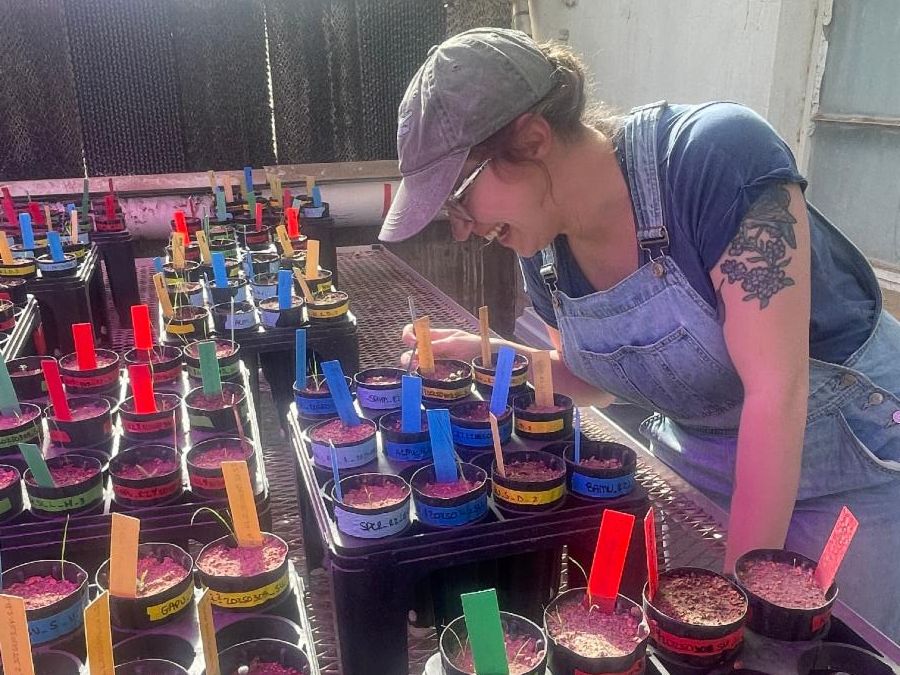
Mycorrhizal Fungi in the Southwest
Magda Garbowski, Functional and Restoration Ecology Lab, NMSU
Relationships between plants and fungi are ancient and essential to plant success in a rapidly changing world. Specifically, over 70% of plant species develop relationships with mycorrhizal fungi to aid in nutrient and water acquisition. However, our understanding of which species depend on fungal partnerships and why remains limited. NMSU researchers Bella Johnson and Magda Garbowski have been working with over 20 species of grasses and forms from across the southwest to see if they can predict species dependence on mycorrhizal fungi from easy to measure plant characteristics such as root diameter. They also aim to determine if mycorrhizal inoculation helps desert species cope with drought. Bella has measured root characteristics including mycorrhizal colonization rates from over 400 plants over the last year. Preliminary results suggest that plants’ dependence on fungal partnerships is indeed related to root characteristics. For instance, plants with larger diameter roots seem to have higher dependence on fungal partnerships than species with thin roots. In the coming months, Bella will assess additional relationships between species’ root characteristics and mycorrhizal dependence and determine if mycorrhizal inoculation helps desert species cope with drought. The results of this research will help restoration ecologists and land managers better understand which species may be at risk if these partnerships are disrupted by global changes such as drought and which species may be less affected.
| | |
Thank you to our partners, including the New Mexico Bureau of Land Management, US Forest Service Region 3, National Park Service, and the US Fish and Wildlife Service Partners Program, for funding a substantial number of native seed production fields in 2025, greatly advancing plant materials availability and diversifying agricultural practices for southwest farmers.
A special thank you to the Carroll Petrie Foundation and the Thornburg Foundation for providing emergency funding to continue key SWSP tasks when IAE’s Department of Interior agreements were terminated in August 2025. These generous funds were essential to honor grower contracts and protect prior investments in these fields, care for native seeds harvested in 2025 (including cleaning, proper storage, and tracking), manage production fields and seed crews, and stay coordinated with our partners through planning meetings and various forms of outreach, including this newsletter. We hope you enjoyed this SWSP newsletter!
| | | | |