It probably comes as no surprise that this February has broken several records when it comes to record high temperatures. However, we may still have a few cold, wintry days waiting for us, so let's be prepared! Get those shovels ready to go, make sure those hats and gloves are handy, and take a few moments to read this month's newsletter! Our article all about space heaters is a great way learn about supplemental heating. And remember, no matter the temperature, Home Repair and Care is here to help you get things done, so give us a call whenever you need us!
|
|
The BEST Space Heater is a SAFE Space Heater: What You Need to Know About These Supplemental Heat Sources
|
|
|
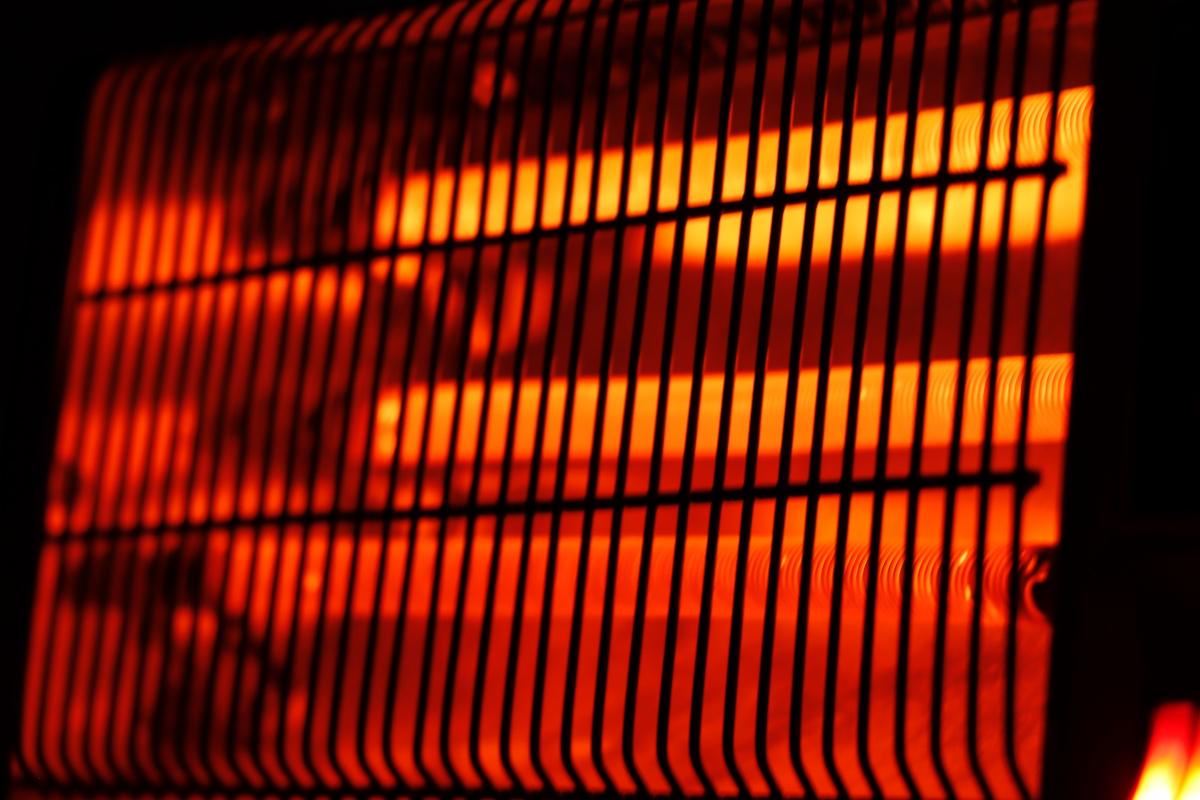
Space heaters can be used along with your home's existing heating system, or they can be used as a heating source on its own, in an area without any built-in heating system. As someone who does not own a space heater, I assumed they were "one-size-fits-all". In actuality, there is quite a variety of different types of portable heaters, each with its own capabilities, some better for some areas of a home and others better for other areas. Who knew?! If you currently own a space heater, or if you are considering buying a new one, this article is for you! Let's take a look at many of the space heater options:
Infrared Space Heaters:
- An electric space heater for home use.
- Generally of a lower wattage, using less electricity and being more energy efficient.
- Heats objects and people directly, rather than the surrounding air.
- A good choice for drafty rooms, and one of the quietest options.
- Won't dry out air in a room, avoiding itchy, dry skin.
- Not great for quickly raising the temperature in a room, but newer versions have become better and can be a good choice for larger rooms and basements.
-
Take care: Unit can get hot enough to burn anything it comes in contact with.
- A more expensive variety of space heater, ranging from approx. $70 to $200+.
Forced-Air Heaters/Fan Space Heaters:
- An electric space heater for home use.
- Good for circulating warm air around a room and great for a lot of heat, quickly, but better for small, enclosed areas/rooms.
- A variety of sizes, even smaller sizes, are available.
- Some models can burn to the touch, but models with exterior cases are also available, and these stay cool to the touch.
- Positioning of the heater is important, as items in a room can block the heat.
- These tend to be noisy and can add to electric bills because of their need to remain on for the entirety of its use.
- A lower cost space heater, ranging from approx. $30 to $100.
Ceramic/Convection Space Heaters:
- An electric space heater for home use.
- Available with or without fans, those with fans tending to be quieter.
- Warms surrounding air, and warms a room rapidly, becoming a popular choice.
- Best in rooms without drafts, and not well-suited for open-concept homes.
- Portable, lightweight, and easy to move around, with compact versions great for not taking up much floor space.
- Also popular due to its ability to never get too hot to burn anything to the touch.
- Has a tendency to dry out the air in a room.
- Can add to electric bill because they need to remain on for the entirety of its usage, but considered to be a longer lasting, more durable type of space heater.
- A more affordable heater, costing approx. $25 to $100+.
Radiant/Oil-Filled Space Heaters:
- An electric space heater for home use.
- Radiates heat from its surface, producing a slow, steady heat that lasts longer.
- Continues to radiate heat even after being turned off, and can be left running in a (child-free, pet-free) room.
- Makes virtually no noise, and are among the most energy efficient of space heater types.
- A good choice for medium to larger rooms.
-
Be aware: Oil does not need to be replaced, but these heaters can be a possible fire hazard due to the flammability of the oil.
- Can be bulky and weighty.
- Not a great choice for homes with young children and/or pets, as the surface gets too hot to the touch.
- Cost can vary from around $60 for a smaller variety, up to $1000 and more for larger!
Quartz Space Heaters:
- An electric space heater, and actually a type of infrared heater.
- Uses less energy than ceramic heaters.
- Warms spaces in straight lines and will only warm objects/people within its sight line.
- Cost ranges from approx. $75 to around $140.
We are focusing mainly on space heaters intended for indoor use, however there are several varieties that are generally used for outdoor and/or construction use, such as propane space heaters, diesel heaters, kerosene salamander heaters, and the infrequently seen "traditional" kerosene heater.
Safety
The Consumer Product Safety Commission states that there are an average of 1700 home fires each year, from the use of space heaters, and 80 deaths annually from portable space heater fires. While space heaters can be a cost-effective way to warm a room in your home, there are many things to know about what kind of measures must be taken in order to also be sure they are a SAFE option:
-
Read and understand ALL instructions and warning labels BEFORE using.
- Use for supplemental heating only. Do not use to dry clothes, cook food, etc.
-
Be sure your smoke detectors are in good working order before using any space heaters.
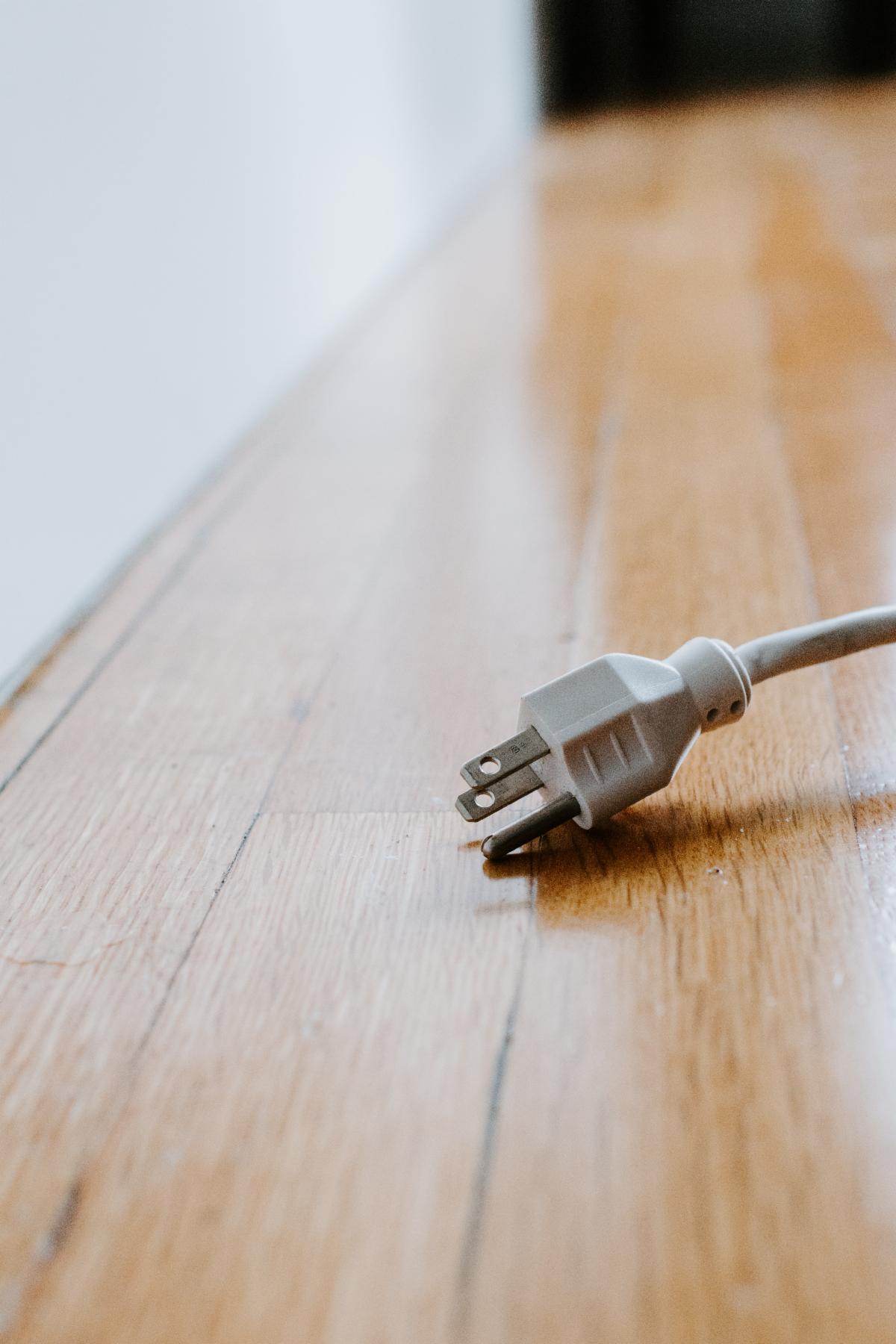
- Inspect the unit's cord periodically for any fraying, wear, or other damage. Do not use if any of these conditions are present. Be sure the plug is intact.
-
Turn heater off when leaving a room and/or sleeping (except for a radiant/oil-filled heater in a child-free, pet-free environment).
-
Never put a space heater in a child's room, and never allow children or pets too close to the space heater. ALWAYS supervise them when the unit is on.
- Keep heater out of the way, to prevent tripping or fire hazards.
-
Do not use an extension cord, surge protector/power strip, plug timer, or GFCI outlet, when plugging your space heater in. Plug directly into a wall outlet to avoid overheated extension cords, overloaded circuits, other electrical damage, and/or a fire.
-
Keep AT LEAST a 3-foot safety area around your heater, away from any flammable materials such as paper, clothing, rugs, bedding, curtains, furniture, paint, gas cans, matches, etc.
- Place heater on a flat, preferably carpet-free floor/area. If there ARE any rugs, do not run the power cord under them.
- Look for safety features, when buying a space heater, such as: temperature control, tip-over switch, overheat sensor, touch sensor, built-in timer, automatic shut-off sensor, and exterior (cool-to-the-touch) cases.
-
Look for a safety certification label from an independent testing organization such as the UL mark, the ETL label from Intertek, NRTL mark from the Nationally Recognized Testing Laboratory, or CSA International certification.
-
Most space heaters don't come with a GFCI (ground-fault circuit interrupter) plug to prevent electric shock, so avoid using a space heater in any wet locations such as in a bathroom or kitchen.
- Be mindful of what your home's maximum wattage is when purchasing/using a space heater, as a standard 110-volt electric outlet can provide a maximum of 1500 watts of power.
- Believe it or not, some homeowner insurance policies won't cover damages from a fire caused by a space heater! To be safe, give your insurance agent a call, before purchasing a heater, to verify.
Whew! That was a lot to learn, but it's worth it. Space heaters can be a great way to add some heat to your living space, but there are many things to be considered before purchasing and/or using one. It's certainly important to buy one that fits the rooms in your home adequately but, most importantly, it's critical to operate a space heater SAFELY. Reading and understanding all instructions, and following all the precautions above, will help make owning and operating a portable heater a breeze.
|
|
|
Monthly Maintenance List Highlight: "Test GFCI Outlets for Proper Operation"
|
|
|
GFCI (Ground Fault Circuit Interrupter) outlets are safety devices made to protect you from electrical shock by cutting power to the outlet when a power surge or imbalance flows through them. They are required to be installed anywhere there is moisture, such as in a bathroom, kitchen, laundry room, etc. (If these areas in your home do not have GFCI outlets, give us a call!) Age and/or improper wiring can cause a GFCI outlet to fail. To make sure yours is working properly, these outlets have buttons on them, made specifically for testing! It really is as easy as it sounds! Just follow these simple directions, below, to perform this very important test of your GFCI outlets:
First, locate the "TEST" and "RESET" buttons. They are usually found between the two sets of slots where the cord is plugged into.
Next, using your finger, press the "TEST" button. You should hear a sound as the outlet is tripped and the power to the two plug connections is cut off.
Check that the power has been cut by plugging in a lamp or radio into each half of the outlet. Neither should turn on, indicating the safety function is working correctly. If one or both DO turn on during this test, your GFCI outlet most likely needs to be replaced.
Finally, press the "RESET" button to restore power to the outlet, and you're good to go!
Performing this test regularly, even monthly, is recommended. Stay safe!
|
|
|
Vote for Your Favorite Handyman!! |
|
|
We are always thankful for your business. We are so fortunate to have such great customers! We're excited to announce that, once again, Home Repair and Care has been nominated for "Hunterdon County's Top Handyman"! This is such an honor! Please consider casting your vote for Home Repair and Care so that we can make this SEVEN wins for the Hunterdon Happening List! Voting closes on February 28th, 2023, so please CLICK HERE to place your vote, and thanks again for your continued support!
|
|
|
3/4/23: Hunterdon County (NJ) Household Hazardous Waste Clean-Up Day, Flemington, 9am-1pm. For more information on this event, CLICK HERE!
3/4/23: Somerset County (NJ) Electronic Waste Recycling Event, Hillsborough, 8am-2pm. For more information on this event, CLICK HERE!
3/11/23: Hunterdon County (NJ) Electronics Recycling Event, Flemington, 9am-1pm. For more information on this event, CLICK HERE!
3/25/23: Mercer County (NJ) Hazardous Waste & Electronics Event, Lawrence Twp., 8am-2pm. For more information on this event, CLICK HERE!
3/25/23: Somerset County (NJ) Document Shredding Event, Hillsborough, 9am-1pm. For more information on this event, CLICK HERE!
4/1/23: Bucks County (PA) Household Hazardous Waste Collection Event, Newtown, 8:30am-2pm. For more information on this event, CLICK HERE!
4/1/23: Somerset County (NJ) Electronic Waste Recycling Event, Hillsborough, 8am-2pm. For more information on this event, CLICK HERE!
4/22/23: Hunterdon County (NJ) Document Shredding Event, Flemington, 8am-11:30am. For more information on this event, CLICK HERE!
4/22/23: Somerset County (NJ) Document Shredding Event, Hillsborough, 9am-1pm. For more information on this event, CLICK HERE!
4/29/23: Mercer County (NJ) Paper Shredding Event, Trenton, 9am-12pm. For more information on this event, CLICK HERE!
Bucks County (PA) Electronics Disposal Information. The following is a list of locations for electronics disposal. NOTE: A fee will be charged at these sites. Contact individual locations for further details. For list of locations, CLICK HERE!
|
|
|
February Monthly Maintenance List |
|
|
- Check interior & exterior faucets for leaks. Clean aerators. Replace washers, if necessary.
- Check under & around kitchen & bathroom cabinets for leaks.
- Touch up paint on wood cabinets & trim, or apply a wood protectant.
- Clean dust from on top of refrigerator & clean drain pan. Clean & defrost refrigerator, if necessary. Clean coils.
- Check dishwasher for leaks.
- Test GFCI outlets for proper operation.
- Check gutters and downspouts for leaks, misalignment, or damage.
|
|
HRC is always thankful for having such wonderful customers to work with. Owning a home takes a lot of work but, if we work together, we can get it done! We're just a phone call away, so remember: "We do the little things that never seem to get done", and so much more!
|
|
Don't forget, we also post tips, reminders and project updates on our social media!
FOLLOW US
|
|
|
|
|
|
|