Living Desert Alliance
Keep our Desert and Community Livable and Thriving
| | |
Prop 421: A Difficult Decision Ahead
Tucson voters face a
complex choice this November
This November Tucson Voters face a complex vote with Proposition 421, a proposed 25‑year franchise agreement between the City of Tucson and Tucson Electric Power (TEP).
Supporters say renewal would maintain long‑standing operational rules that help ensure fast repairs, cost‑effective upgrades, and reliable service during monsoon storms and extreme heat. Approval would also activate the City’s Energy Collaboration Agreement, providing $2 million per year—growing over time—for community resilience, clean‑energy projects, and energy‑efficiency programs.
Those opposed note that the agreement includes provisions that financially penalize the city if it ever pursues public power, raising concerns about whether a current or future transition could face intentional slower repairs by TEP, higher rates, or reduced capital improvements. They point out that $2 million per year is small compared with the profits TEP (over $400 million in 2025) could earn over the life of the agreement—revenue that, under public ownership, could flow directly into the city. Transitioning to a public utility would be lengthy and challenging, though some argue that difficulty alone should not determine Tucson’s long‑term direction.
The summaries provided below reflect information from independent public sources and the City of Tucson’s Energy Collaboration Agreement summary. The Living Desert Alliance hopes it helps our members consider what best supports Keeping our Desert and Community Livable and Thriving—as they review the full analysis and decide their vote.
Click either link below for a summary of Yes and NO votes.
| | |
Food Waste Week Begins September 28th
The Surprising Story of Food Waste — And How Easy It Is to Fix
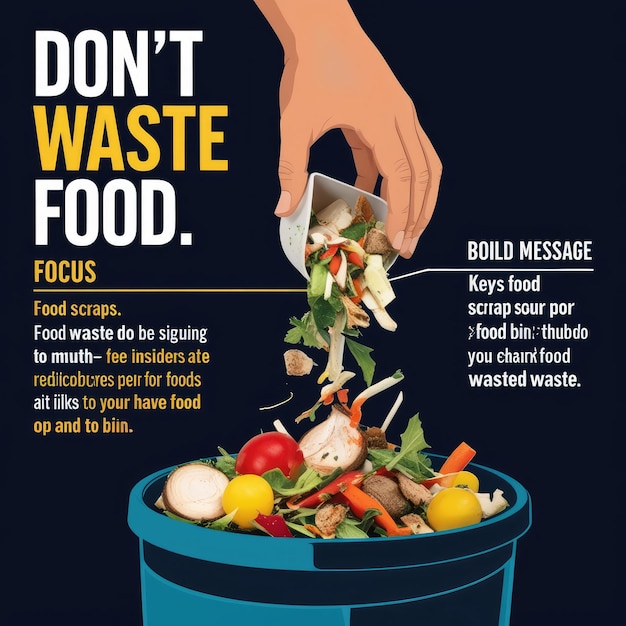
In honor of Food Waste Week, here’s a quick look at why food waste matters—and how a few simple changes can make a real difference in your habits, spending, and community environment.
In wealthy countries like the United States, most food waste doesn’t happen on farms or in grocery stores. It happens in our own kitchens. Everyday choices—like buying more than we need, misreading date labels, or letting leftovers sit too long—add up quickly. The average American throws away more than $1500 of uneaten food each year, and when you combine household waste with oversized restaurant portions, consumers account for almost half of all surplus food in the U.S.
This also carries a major environmental cost, representing over 50% of the total greenhouse gas and water footprint of all wasted food nationwide. And all of this is happening while 13.5% of Americans face food insecurity.
The Good News!
Small, Easy Steps can Help.
The “Food Waste Five” offer a simple roadmap:
- Plan meals ahead
- Store food properly
- Use your freezer as a pause button
- Learn what date labels really mean, and
- Set aside one day a week to finish leftovers.
Click on any of the links below to learn more. A few small changes on your part can help Keep our Desert and Community Livable and Thriving
| | |
Tohono O’odham
Fire Keepers at the San Miguel Gate
Tribal Members
Guard History, Sovereignty, and Desert from
CBP Boarder Wall Threat
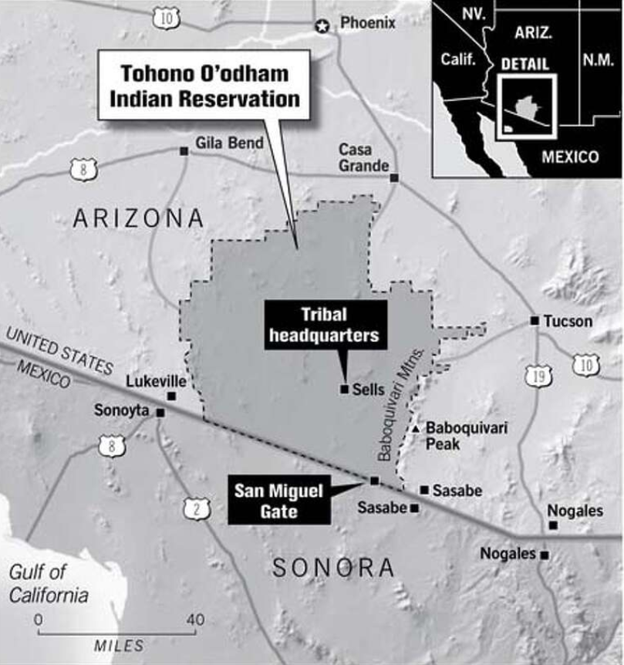
At the San Miguel gate—one of the Tohono O’odham Nation’s historic border crossings—tribal members have kept a prayer camp and vigil since federal contractors first arrived to prepare for border‑wall construction.
For generations, this gate has allowed O’odham families to move across their ancestral lands, long before the United States or Mexico existed. Many elders recall when the border here was only a barbed‑wire fence and a cattle guard.
Today, the Nation is working to protect both its sovereignty and this culturally important crossing. Tribal leaders say the planned border wall violates the rights of any independent nation to control its own borders. Community members, known as fire keepers, maintain a ceremonial fire, share traditional knowledge, and watch for construction activity—often through extreme heat and monsoon storms.
The environmental stakes are also high. A border wall across O’odham lands would block wildlife corridors used by species such as jaguar, pronghorn, black bears, and mountain lions. It would disrupt desert plant communities, damage fragile soils, and alter water flow that supports native flora and fauna. These impacts threaten ecosystems the Nation has stewarded for thousands of years.
The Living Desert Alliance salutes the fire keepers as they hold their vigil. Their determination carries forward a legacy of resilience—defending their community, their environment, and the future of their Nation.
The information above was condensed from an article by Paul Ingram TucsonSentinel.com
Photo: sfgate.com
| | |
Border Wall Resistance Continues in the
San Rafael Valley
A September 14th press release from Sonoran Desert Press Office reports that three land defenders were arrested east of Lochiel while protesting border‑wall construction in the San Rafael Valley.
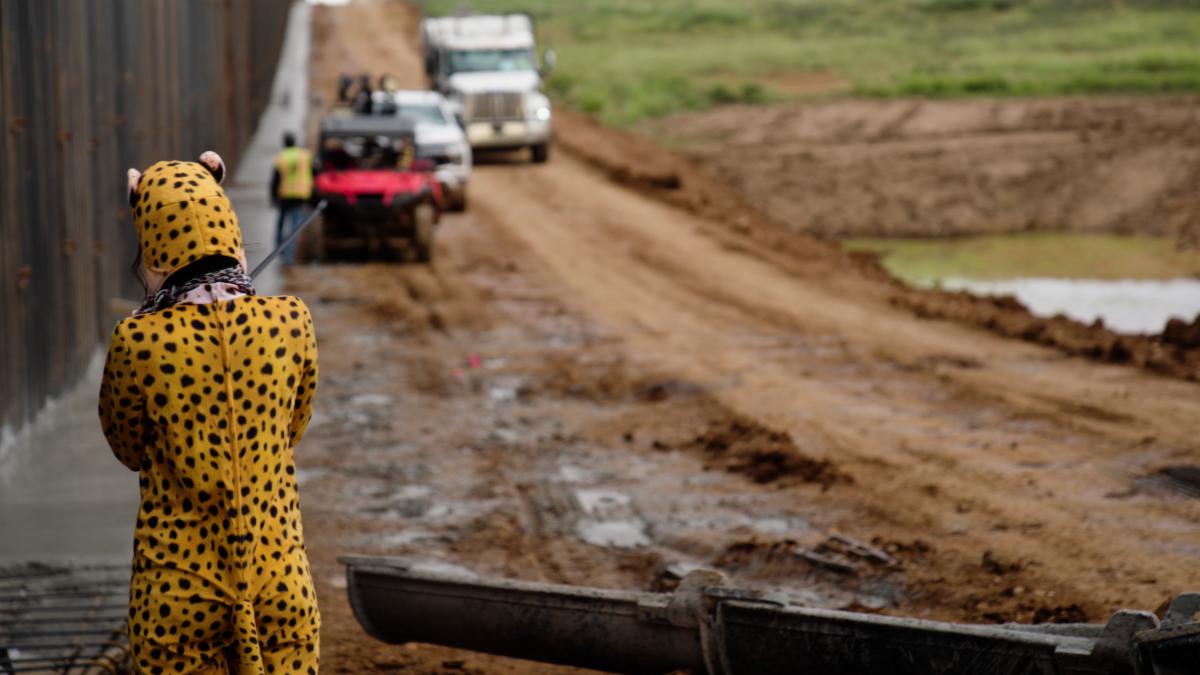
Dressed as a jaguar and a Yellow‑billed Cuckoo—two endangered species that rely on this corridor—they joined a growing movement that has repeatedly halted work along a fifteen‑mile stretch of the border.
So far, for 54 days, land defenders have also maintained a tree‑sit in an ancient cottonwood directly in the wall’s path. Protesters call these cottonwoods “grandmothers,” honoring their age and ecological importance.
The San Rafael Valley is one of the most important wildlife corridors on the Arizona‑Mexico border, home to jaguars, cuckoos, pronghorn, and more. As one land defender put it, resistance is growing to protect life, movement, and self‑determination for all beings.
Click here for the full press release from Sonoran Desert Press Office
| | Now for Some Good News and Fun | |
Santa Cruz River Refuge
Design Workshop
Tomorrow, September 25, 9am–2pm (drop in anytime)
Sundt Gallery, CAPLA, University of Arizona
The Tucson Bird Alliance invites you to help shape a vibrant future for the Santa Cruz River! Join them for a hands‑on, community design workshop where you can share your ideas, sketch possibilities, and help imagine a river refuge that supports both people and wildlife. Tucson Bird Alliance will be on site gathering baseline bird data and joining the fun.
Expect an engaging, creative atmosphere where your local knowledge—past planning efforts, site history, challenges, and opportunities—helps guide maps and design concepts that strengthen community and wildlife connections to the river.
Invite family, friends and the kids. All ages and experience levels welcome.
Click here to learn more, share your thoughts and to RSVP.
| |
|
Sonoran Institute
Monsoons on The Santa Cruz River
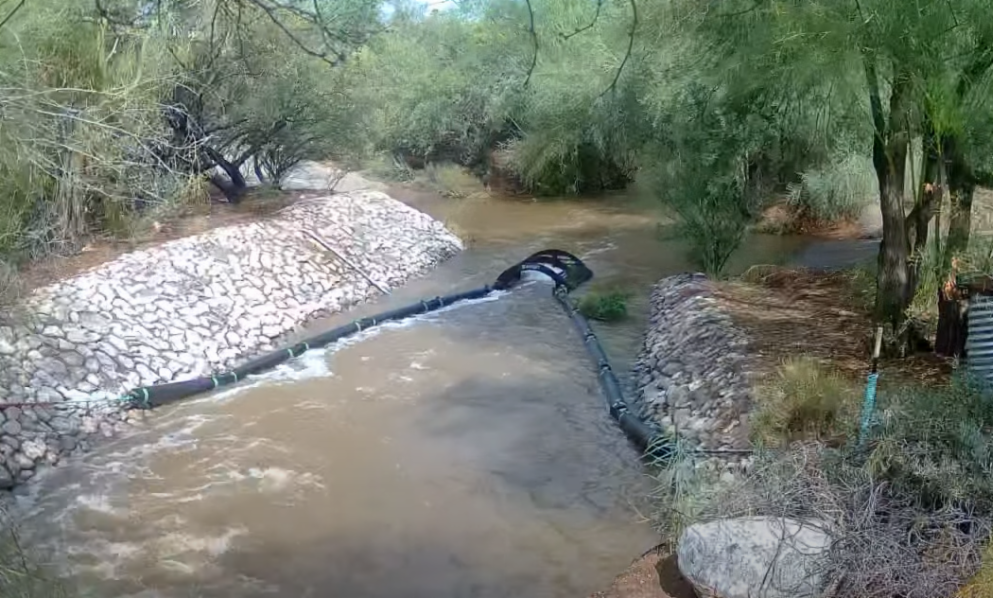
The Sonoran Institute Santa Cruz River team had a busy month of monsoon response, research, outreach planning, and grant development. Monsoon storms gave the team and University of Arizona interns, Hannah and Delaney, an opportunity to visit all three trash traps to remove, sort, and categorize collected trash. Results from this work will be available this fall through the Sonoran Institute Trash Database. We'll keep you posted!
| | | |
|
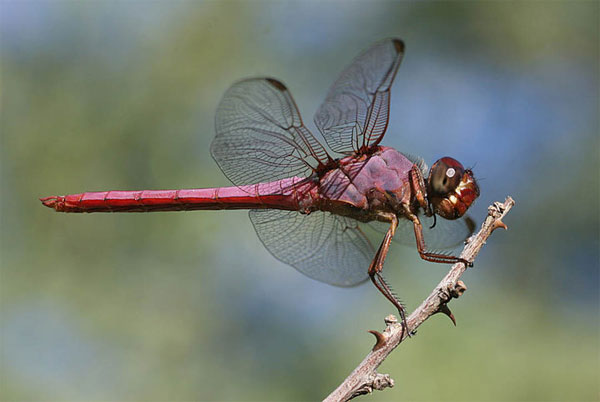
Also... the Sonoran Institute invites you to join local experts this Saturday, September 26th, for a family‑friendly dragonfly search at one of four river locations. These outings are open to everyone—no experience needed, just curiosity and a love for the Santa Cruz River. Explore, learn, and discover the vibrant world of dragonflies.
Register here: Santa Cruz River Dragonfly Festival.
Photo: Roseate Skimmer, Michael J. Plagens, arizonensis.org
| | | |
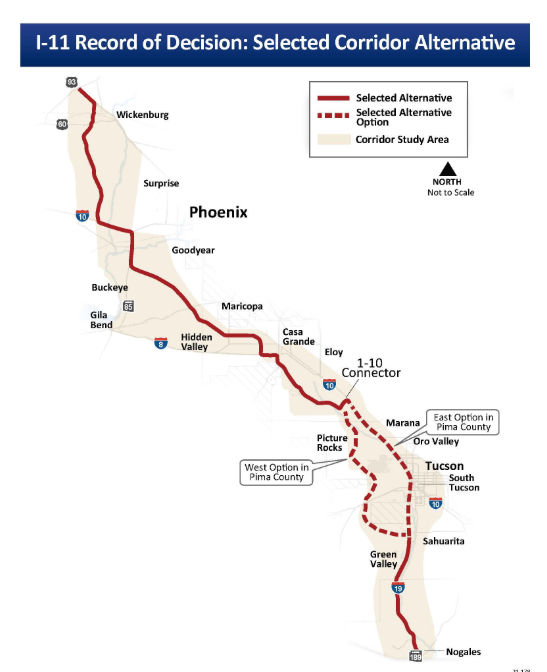
STOP I‑11
Yard Signs Still Available
Our Desert Needs Your Voice
Your yard sign is a visible stand for the future of our desert home.
| | |
Help Keep our Desert and Community
Livable and Thriving
Donate Today
Your tax-deductible gift helps us protect water resources, assist community partners, and empower members to advocate for our environment.
Donations also fund newsletters, speaker events, and public forums.
Every contribution makes a difference!
Thank you for your support.
| | | | |