A Bulletin from a St. John's Cathedral Parishioner | |
|
DR. JERRY P. ABRAHAM, Director and Chief Vaccinologist – Kedren Vaccines
With important facts on monkeypox from the Los Angeles County Department of Public Health.
| |
|
What is monkeypox?
Monkeypox is a rare disease that is caused by infection with the monkeypox virus, this being in the same family as the smallpox virus. Although it is typically less contagious and less severe than smallpox, it still has the potential to become very serious.
| |
|
How is it spread?
- Touching monkeypox lesions on a person’s skin
- Touching contaminated objects, fabrics (clothing, bedding, towels), and surfaces that have been in contact with someone with monkeypox
- Coming into contact with respiratory droplets or secretions from the eyes, nose and mouth from a person with monkeypox
| |
|
What are the common symptoms?
Symptoms may vary from person to person; however the most common indicators are:
- Fever and headaches
- Swollen lymph nodes
- Muscle aches
- New rashes, bumps, or blisters
| |
|
How is it treated?
Although there is no current specific treatment for monkeypox, there are medications that can be used to help mitigate the symptoms commonly associated with the disease. Speak with your doctor about what potential treatments may be beneficial to you.
One of the available treatment options for monkeypox is TPOXX (tecovirimat), an antiviral, and is
available at Kedren. Please seek medical attention and/or contact your Primary Care Physician for further evaluation and treatment.
| |
|
How do I prevent it?
- Avoiding sexual contact between yourself and someone with monkeypox.
- Refraining from hugging, massaging, or talking closely with someone with monkeypox
- Not touching shared fabrics (towels, sheets, clothing), shared surfaces, and intimate objects used by someone with monkeypox.
- Being sure to wash your hands or use hand sanitizer regularly
- Wearing a mask in heavily populated public spaces
| |
|
What is Jynneos?
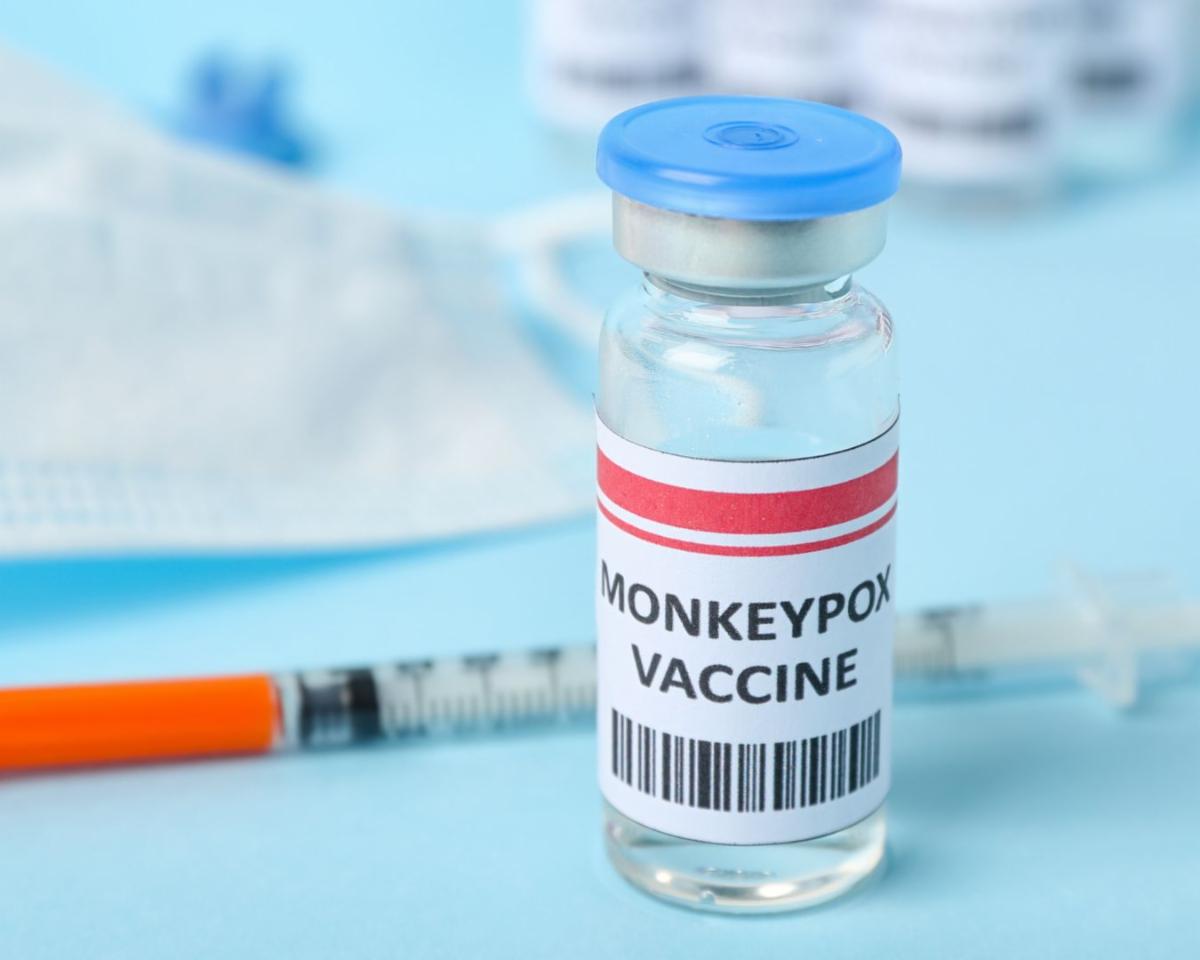
Jynneos, which was originally created to treat smallpox, is also the monkeypox vaccine. This vaccine is a live, attenuated vaccine. But do not worry, just because it is technically ‘live’ doesn't mean it is replicating or dangerous. You will not catch smallpox from the injection. The vaccine is injected in a two-dose series 28 days apart.
| |
|
What are the common side effects of Jynneos?
Most people who receive the vaccine reported feelings of:
- Swollen lymph nodes
- Itching
- Fever
- Fatigue
- Head/body aches and soreness
- Mild rash
- Hard bump or pain at the injection site
Though unlikely, if you experience any larger symptoms such as heart palpitations, discombobulation, or any allergic reactions such as hives, swelling, or difficulty breathing, be sure to call 9-1-1 immediately.
| |
|
Who is eligible for the vaccine?
Those who are currently being given priority are:
- Those who are currently experiencing homelessness with high-risk behaviors
- High risk cohorts identified by clinical staff in the correctional (jail/prison/parole/probation) system
- Gay or bisexual men, and transgender persons ages 18 and older
- Those who have had multiple or anonymous sex partners in the past 14 days
- Those who are engaged in survival and/or transactional sex
- People who have immunocompromising conditions or advanced/uncontrolled HIV who may be at high risk for severe disease
- Those who have been a high risk or intermediate risk contact with someone who has monkeypox or have been in the same congregate setting with someone who has monkeypox (e.g., interim housing, encampment, etc.)
- Were diagnosed with gonorrhea or early syphilis within the past 12 months (previously limited to within 3 months and specific to rectal gonorrhea or early syphilis): or are on HIV pre-exposure prophylaxis (PrEP); or attended or worked at a commercial sex venue or another venue where they had anonymous sex or sex with multiple partners (e.g., saunas, bathhouses, sex clubs, sex parties) within the past 21 days.
- Persons who attended an event where there was high risk of exposure to an individual(s) with confirmed monkeypox through skin-to-skin or intimate contact. (Public Health will work with event organizers to identify persons who may have been present and at risk of exposure).
If you qualify under any of the aforementioned categories, we greatly encourage you to get vaccinated as soon as possible. Please contact the church office to arrange your monkeypox vaccination through Kedren Vaccines.
| |
|
What do I do if I believe I may have been infected with the monkeypox virus?
If you think that you or a member of your household may currently be infected with monkeypox, please be sure to contact your doctor immediately. If you do not have a regular provider, you can also call 2-1-1 or visit your local public sexual health clinic to obtain care. We also ask, for the safety of yourself and your fellow employees, that you stay at home while you are waiting on a formal diagnosis.
Thank you all again for doing your part in ensuring the safety and protection of all people here in Los Angeles. Remember, that we are here for you and that we are in this together - be smart and stay safe!
If you believe yourself or someone you know is eligible for a monkeypox vaccine please contact the church office to arrange your vaccine.
| |
Kedren Community Health Center Inc. | | |
|
|
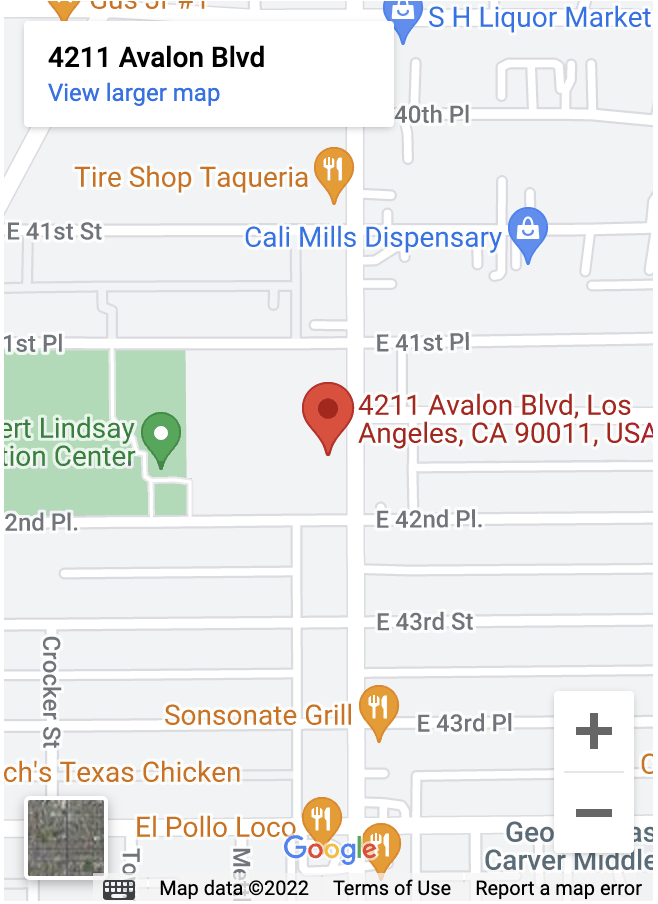
Located at
4211 Avalon Blvd.
Los Angeles, CA 90011
(323) 233-0425
www.kedren.org
Hours
Monday through Friday 8:00AM–5:00PM
Saturday and Sunday Closed
| | | | |