View this email in your browser

Advocacy in Action: Elections, State Budget, and Policy Updates

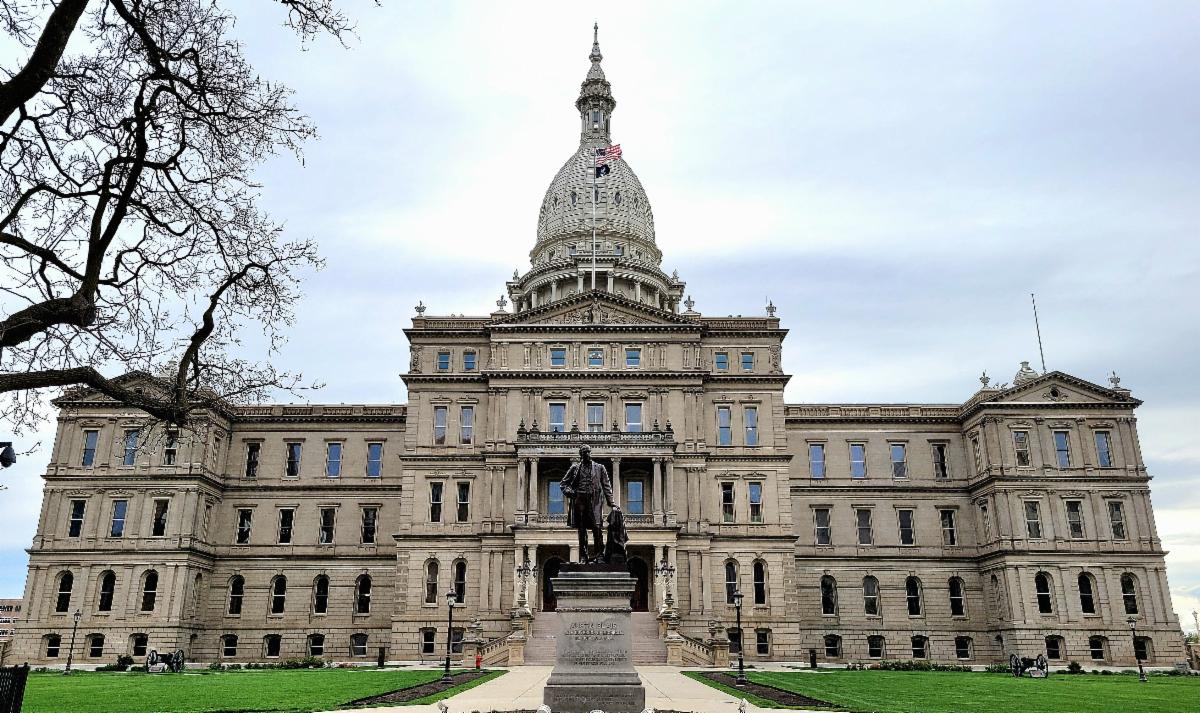
The Chamber serves as your voice on issues that matter to employers, employees, and our local economy. This special edition provides voter information, election resources, and some of the latest legislative developments from Lansing that could impact your business. We encourage every eligible citizen to participate in the democratic process and stay informed on the policies shaping Michigan's future.

Michigan's Primary Election: August 4, 2026

Michigan’s Primary Election will take place on August 4, 2026 and now is the time to get informed and make a plan to vote. Primary elections play a critical role in shaping who will appear on the November ballot and determining the future direction of our communities through important ballot proposals. In this special edition of our e-News, we’ve compiled resources to help you learn about the candidates and proposals that will appear on your ballot so you can head to the polls informed, prepared, and confident in your choices.


Every vote matters and an informed vote matters even more.


A list of candidates and their informational websites along with voter resources can be found on The Chamber website at: Advocacy and Public Policy – Grand Haven Chamber

The State Budget Passed: What You Need to Know

The 2026-2027 Fiscal Year Budget for the State of Michigan has been finalized.


What's happening: After months of negotiations, overnight conference committees and a marathon legislative session, lawmakers approved the Fiscal Year 2026-27 state budget just before the July 4 holiday. The final agreement also became the vehicle for dozens of bipartisan policy bills that had stalled throughout the year. 


Why it matters: This budget is resetting the state’s fiscal reality: federal pandemic dollars are gone and state revenue collections are tighter. Lawmakers were forced to prioritize core investments while finding efficiencies across state government. For Michigan's business community, the result is a budget that limits state spending while investing in key budget and policy areas. 

By the numbers: 

  • The budget totals $75 billion, roughly $6 billion less than the current fiscal year. 
  • No tax increases. 
  • No withdrawal from the state's Rainy Day Fund. 


Priority items that made the final cut:

  • The Going PRO Talent Fund was funded at $14.5 million in one-time support to continue addressing workforce shortages, and the Michigan Reconnect program was expanded to adults age 21 and older. 
  • Tri-Share Child Care maintained at $3.4 million, helping employers recruit and retain working parents. 
  • $50 million for the Michigan Housing and Community Development Fund to support housing supply. 
  • A higher per-pupil foundation allowance and a new weighted school funding formula that directs additional resources to students with greater needs, and an additional $75 million for Science of Reading teacher training. 
  • Continued investment in our state road infrastructure, with an increase of $52.7 millionadditionalforroads and bridges. 


Beyond the budget: 66 policy bills moved alongside the state’s annual spending plan - a rare convergence that produced meaningful progress on several longstanding priorities. 


Among the notable bills headed to the Governor are: 

  • Single-stair Construction Code reforms aimed at expanding housing options and mirroring the federal Low Income Housing Tax Credit at the state level in vibrant commercial corridors. 
  • Lifts the cap on the Transformational Brownfield Program and extends the Commercial Rehabilitation Act through 2035. 
  • Bills to implement budget investments in Michigan’s Tri-Share Program, Science of Reading training, and a weighted student funding formula. 


Bottom line: The process was far from perfect. Budget negotiations were unusually opaque, and many decisions came together in the final hours before passage. But with the budget now complete, attention shifts from negotiations to implementation.

  • The business community should remain engaged as agencies begin putting these investments and policy changes into practice, and as lawmakers quickly turn their attention to the 2026 election year. 

For marketing opportunities, please email Megan here.

Economic Development Legislation Heads to the Governor

After nearly a year of discussions on economic development policy, the Legislature passed Senate Bill 723 alongside the budget. This bill lifts the cap on the Transformational Brownfield Program (TBP), allowing for communities across the state to continue using this innovative tool. 


Why it Matters: Major redevelopment projects can be expensive and difficult to finance. TBP helps communities and developers utilize tax capture models to convert long-vacant properties into catalytic projects that revitalize neighborhoods. 


What does the bill do? The newly passed legislation effectively doubles the statewide tax-capture cap to $3.2 billion, increasing the individual project limit to $80 million, and setting a $300 million limit on construction tax capture. The bill also enhances program transparency and updates reimbursement and financing provisions to better reflect today's development environment. 


West Michigan has utilized this program for several transformational projects. Senate Bill 723 allows for the continued use of this program to bring investment to communities across the state and transform underutilized properties into engines of economic growth. 

Michigan Unemployment Rules Change in Mid-July


Michigan unemployment rules change in mid-July, affecting claims, appeals, and employer experience with the Unemployment Insurance Agency (UIA). Employers should prepare for increased system activity and tighter reporting requirements. 


What’s changing:

  • Work search requirements increase: Claimants must report 3 work search activities per week, up from 1. (Effective July 19) 
  • Domestic violence protection added: Workers who leave employment due to domestic violence will not be disqualified from benefits. (Effective July 17) 
  • Appeals process streamlined: Multiple approved issues can be combined into one hearing, reducing duplicate proceedings. (Effective July 17) 
  • More access to hardship waivers: Claimants can apply for up to 4 hardship waivers per year (up from 2). UIA will not count unemployment benefits as household income when reviewing eligibility. (Effective July 17) 
  • Workshare expanded: Employers can reduce hours from 10% to 60% (previously 15%–45%), helping avoid layoffs while employees receive partial benefits. (Effective July 19) 


Why it matters for employers: Expect more UIA system traffic, increased employee questions, and greater emphasis on weekly work search documentation. 


Learn more here: LEO - New Unemployment Law Changes

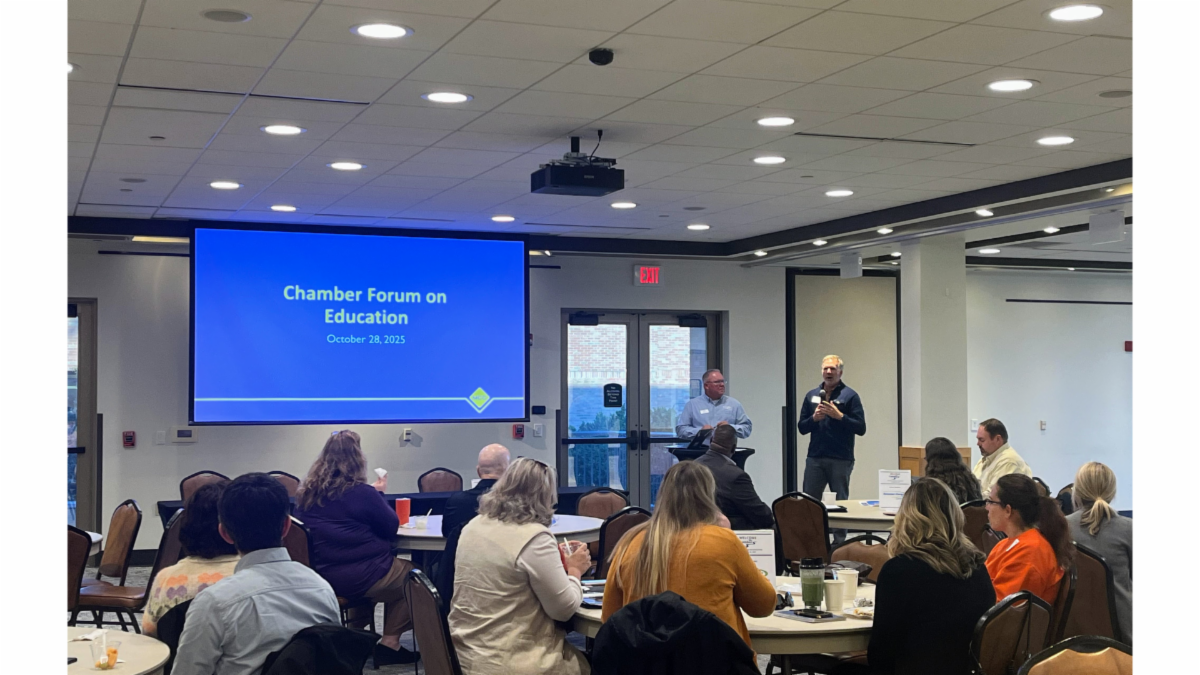
Community Conversations That Matter


The big picture: Today's decisions shape tomorrow's workforce, economy, and quality of life.


Join local leaders as we tackle some of our region's most pressing topics:


Why attend: Gain insights, connect with decision-makers, and help influence the conversations impacting your business and our community.


Why sponsor: Demonstrate leadership, increase visibility, and support meaningful dialogue on the issues that affect Northwest Ottawa County's future.


Be informed. Be engaged. Be part of the solution.

Register or become a sponsor today.

To support the work of the Chamber, consider sponsoring one or the entire Forum Series to maximize your visibility and show your commitment to these important issues. Please email Heather here to discuss which level of sponsorship makes the most sense for your business.

Our office is open M-F 9AM - 4PM,

call at 616.842.4910, or email a staff member directly.


We look forward to hearing from you!

Facebook  Instagram  LinkedIn