|
NAACP Santa Cruz County traditionally has held candidate forums, asking candidates for local political office questions on racial justice and values. This election cycle, candidates for contested Santa Cruz city and county offices were asked to provide their answers to a questionnaire. Judicial candidates were not included.
Here are the responses we received in alphabetical order of surname. Only formatting changes have been made to candidate statements. Statements are the opinion of the candidates and do not reflect the position of NAACP Santa Cruz County Branch. NAACP does not endorse candidates.
| |
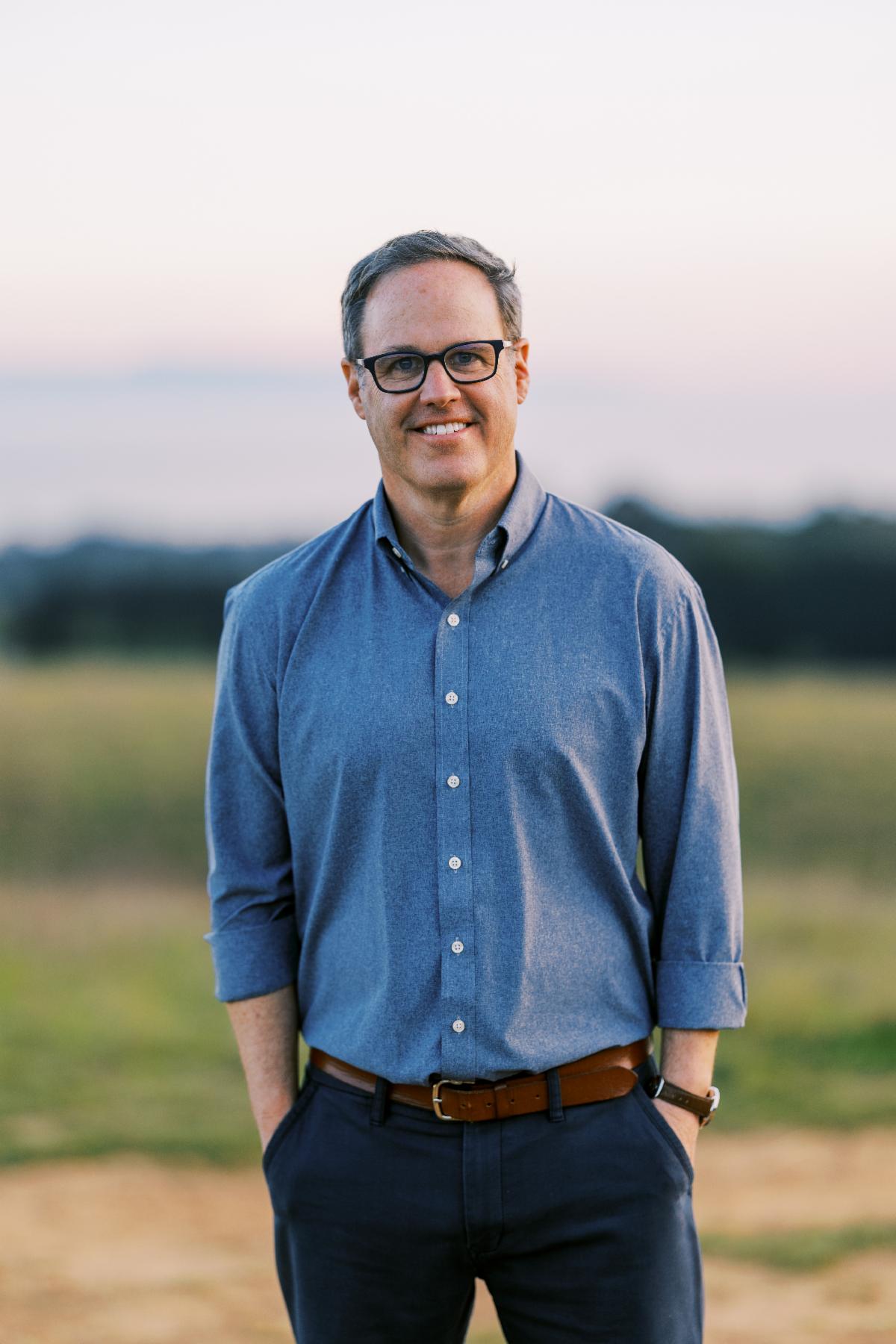
Ryan Coonerty
Candidate, Santa Cruz City Mayor
What are your top 3 priorities as a candidate for public office? My top priorities are improving the quality of life in Santa Cruz, addressing affordability and homelessness with practical solutions, and ensuring that local government works better for the people it serves.
That means focusing on the basics that shape daily life: clean, safe public spaces; support for working families, youth, and seniors; economic opportunity; and a city government that is responsive and transparent. It also means expanding affordable housing, improving access to treatment and services for people struggling with mental illness and addiction, and making it easier for small businesses and community organizations to succeed.
| | | |
I also believe deeply that local government must do a better job of engaging communities that have historically been underrepresented in civic decision-making. A stronger Santa Cruz requires leadership that actively reaches out, listens, and creates real opportunities for participation from all parts of our community.
Finally, I want to bring people together around solutions. Santa Cruz works best when we focus less on division and more on delivering meaningful results for our community.
What would racial equity look like in Santa Cruz under your leadership—and how would people actually feel the difference in their daily lives?
Racial equity must be reflected in real outcomes and lived experience — not just statements of values. Under my leadership, success would mean that all residents, regardless of race or neighborhood, feel safer, more respected, better represented, and have greater access to opportunity.
People should feel the difference in concrete ways: better access to housing, education, childcare, healthcare, economic opportunity, parks and public spaces, and city services. It also means building trust in government by ensuring that decision-making is transparent, inclusive, and informed by the experiences of communities that have too often been excluded.
Throughout my time in public service, I have worked to recruit and support more diverse leadership on the city council, commissions, nonprofit boards, and advisory bodies because representation matters. I support current Santa Cruz City Council efforts, such as ‘A Santa Cruz Like Me’ that assesses and works to diversify city commissions. Communities are stronger when leadership reflects the people it serves.
As County Supervisor, I also worked on programs that expanded opportunities for families and children, including early childhood investments, college savings programs, and public health partnerships. I believe equity work must always be connected to measurable improvements in people’s lives.
To what extent does racial equity factor in the way you make decisions? For example, if you were elected, how would you operationalize the County’s Equity Statement and declaration of racism as a public health crisis? What would that look like? Racial equity should be an important consideration in policymaking because government decisions do not impact all communities equally. Operationalizing equity means moving beyond symbolic commitments and building equity into budgeting, program design, outreach, hiring, and evaluation.
That includes asking practical questions when decisions are being made: Who benefits? Who may be unintentionally left behind? Are there disparities in outcomes? Are affected communities meaningfully involved in shaping the solution? The city of Santa Cruz has some tools in place with its Health in all Policies framework and the passage of the racial equity resolution. I would use these tools to further our decision-making by layering their use with outcomes in a transparency dashboard.
During my time in local government, I worked with Community Ventures to audit county processes and civic participation, identifying barriers that prevent underrepresented communities from fully engaging in government. That work focused on improving outreach, increasing accessibility, and creating more inclusive opportunities for participation in public decision-making.
Treating racism as a public health issue also means recognizing the ways housing instability, educational inequities, economic insecurity, environmental impacts, and unequal access to healthcare affect long-term outcomes for families and communities.
I believe local government should regularly evaluate programs and policies using data, transparency, and community feedback to ensure we are making progress and adjusting where needed.
What changes are needed in Santa Cruz schools to ensure Black students not only succeed, but thrive? Black students in Santa Cruz face specific, documented barriers that deserve to be named directly and addressed with intention. Closing these gaps requires more than good intentions; it requires accountability, resources, and genuine partnership with the Black community.
Every student deserves to feel safe, supported, challenged, and valued in school. But for Black students, that means confronting well-documented disparities in discipline, achievement, and access to advanced coursework head-on.
Additionally, we need mental
| | |
health support, early intervention, and learning environments.
We need a culturally responsive curriculum that reflects Black history, literature, and contributions, not just during Black History Month, but integrated throughout the school year. We must also invest in recruiting and retaining educators of color. Students benefit from seeing themselves reflected in the adults who teach and lead their schools and when they see themselves in what they are learning.
This only works with a deep, ongoing partnership with Black families and community organizations, including the NAACP. Families must feel not just welcome, but genuinely empowered in their children's education.
As someone who has taught at UC Santa Cruz for more than two decades and has children in Santa Cruz’s schools, I have seen firsthand how transformative education can be when students feel connected, supported, and encouraged to pursue their goals.
As a candidate for local office, how do you ensure that Black voices are not just heard, but meaningfully shape policy decisions? Meaningful engagement starts with relationships, trust, and consistent outreach, not just showing up during election season or after a controversy emerges.
I am fortunate to have grown up in Santa Cruz, served 16 years in elected office, and been involved in the community in many ways – as a father, a business owner, a community volunteer, a non-profit director, an educator and more. Because of those experiences, if you look at the endorsements on my website, you will see many black leaders from across this community. Those relationships will be essential in shaping policy decisions if I am elected.
Throughout my time in public service, I have worked to recruit and support diverse leaders for city commissions, nonprofit boards, and leadership positions throughout the community, including many people of color who have gone on to serve in important civic roles. I believe representation matters because better decisions are made when leadership reflects the full diversity of the community.
Leaders must create multiple avenues for participation and make it easier for community members to engage in government. That includes listening sessions, partnerships with trusted community organizations, inclusive advisory processes, and ensuring that people directly affected by policies are involved in shaping solutions from the beginning.
How do you envision making a dent in the affordable housing problem in the city and county of Santa Cruz? There is no single solution to the housing crisis, but we need a more balanced and effective approach that increases housing opportunities while protecting quality of life and neighborhood character.
That means expanding affordable and workforce housing, streamlining permitting for appropriate projects, supporting first-time homebuyers and renters, and advocating for greater local control over housing decisions. We also need stronger partnerships with nonprofit housing providers and additional investments in supportive housing and homelessness prevention.
Housing affordability is also deeply connected to racial and economic equity. When working families, immigrants, young people, and historically marginalized communities are pushed out by rising costs, the entire community suffers. We need housing policies that allow Santa Cruz to remain diverse, inclusive, and economically vibrant.
At the same time, new development should reflect community values, include good design, and be accompanied by investments in infrastructure, transportation, and public services.
What drives your commitment to public service, and what gives you hope right now? Public service has always been rooted in a belief that communities are strongest when people work together to solve problems and support one another.
I’ve seen firsthand how this community comes together during difficult times- especially after the Loma Prieta earthquake, COVID, and the CZU fires-when neighbors, businesses, and volunteers stepped up to help rebuild and support one another. That experience shaped my belief in civic engagement and collective responsibility.
What gives me hope today is that despite the challenges we face, I continue to meet people every day from all backgrounds who care deeply about this community and want to help make it better. I believe Santa Cruz has the creativity, compassion, and resilience to move forward together and build a stronger future for the next generation.
| |
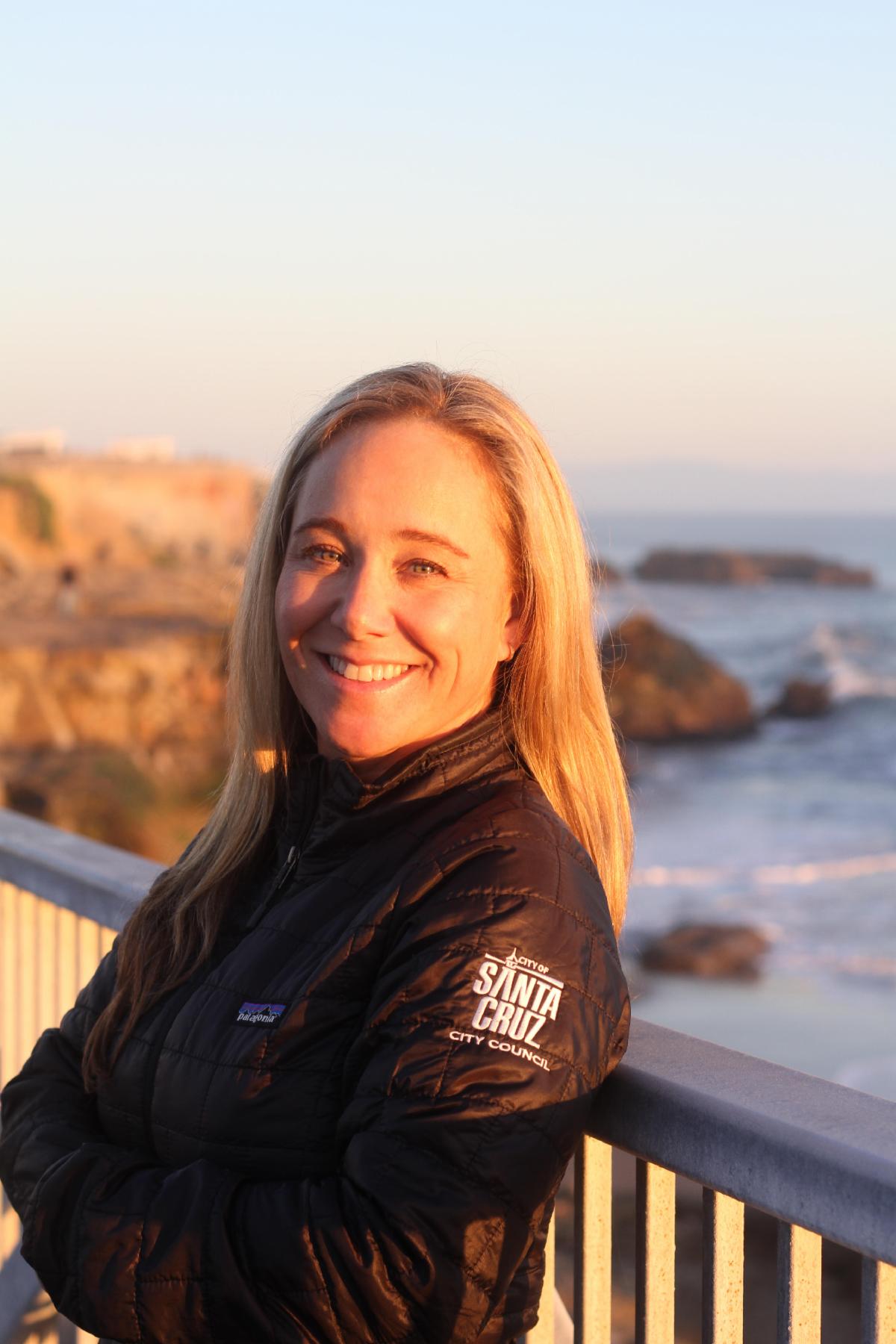
Renée Golder
Candidate, Santa Cruz City Council District 6
What are your top 3 priorities as a candidate for public office?
- Affordable and workforce housing so families, educators, and working people can continue to live here.
- Supporting children, families, and public safety by investing in healthy, connected neighborhoods and community programs.
- Protecting what makes Santa Cruz special our neighborhoods, environment, public spaces, and sense of community.
| | | |
What would racial equity look like in Santa Cruz under your leadership—and how would people actually feel the difference in their daily lives?
- Racial equity means every child and family feels seen, supported, safe, and connected to opportunity.
- In practice, that means equitable access to housing, education, enrichment programs, parks, mental health support, and community resources.
- As both a principal and councilmember, I’ve supported implementation of Health in All Policies, an approach that incorporates health, equity, and community well-being into city decision-making, along with the Children’s Fund, Measure Z, and community-based programs because long-term systems change and early investment in children and families matter.
- I believe equity work happens through relationships, listening, accountability, and sustained investment over time. I have spent 25 years working in a title 1 school to ensure demographics do not determine outcomes in our community.
To what extent does racial equity factor in the way you make decisions? For example, if you were elected, how would you operationalize the County’s Equity Statement and declaration of racism as a public health crisis? What would that look like?
- Equity should be part of every major decision we make, especially around budgeting, housing, youth programs, public safety, and community investment.
- Health in All Policies is one example of how Santa Cruz began embedding equity and health considerations into city decision-making.
- I believe operationalizing equity means asking who has access, who is being left out, and how we create better outcomes for all families.
- As an educator, I’ve seen firsthand how access to enrichment, mentorship, and supportive programs can change a child’s trajectory.
What changes are needed in Santa Cruz schools to ensure Black students not only succeed, but thrive?
- Black students deserve to feel safe, valued, represented, and supported in our schools.
| |
- We need to continue supporting affinity groups, culturally responsive teaching, staff training, and strong partnerships with families and community organizations.
- Most importantly, we need to keep listening directly to students and families about what they need to succeed.
- As a principal, I believe relationships, belonging, and high expectations all matter.
As a candidate for local office, how do you ensure that Black voices are not just heard, but meaningfully shape policy decisions?
- I believe leadership starts with listening and showing up.
- It’s important to go into the community, build relationships, and hear directly from people about their experiences and priorities instead of expecting them to come to City Hall.
- Some of the best policy decisions come from ongoing conversations with the people most impacted.
How do you envision making a dent in the affordable housing problem in the city and county of Santa Cruz?
- We need housing at all income levels so working families, young people, seniors, and educators can continue to live in Santa Cruz.
- I’ve consistently supported affordable and workforce housing while also working to preserve neighborhood character and quality of life.
- Housing is connected to educational success, economic opportunity, and community health.
- We need long-term collaboration and practical solutions that help people stay and thrive here.
What drives your commitment to public service, and what gives you hope right now?
- I’ve spent my life serving this community as a teacher, principal, parent, volunteer, and councilmember.
- I truly believe local government and public education can make a meaningful difference in people’s daily lives.
- What gives me hope is seeing students grow, families support one another, and community members continue to step up during difficult times.
- Santa Cruz is filled with people who care deeply about this community, and that gives me hope for the future.
| |
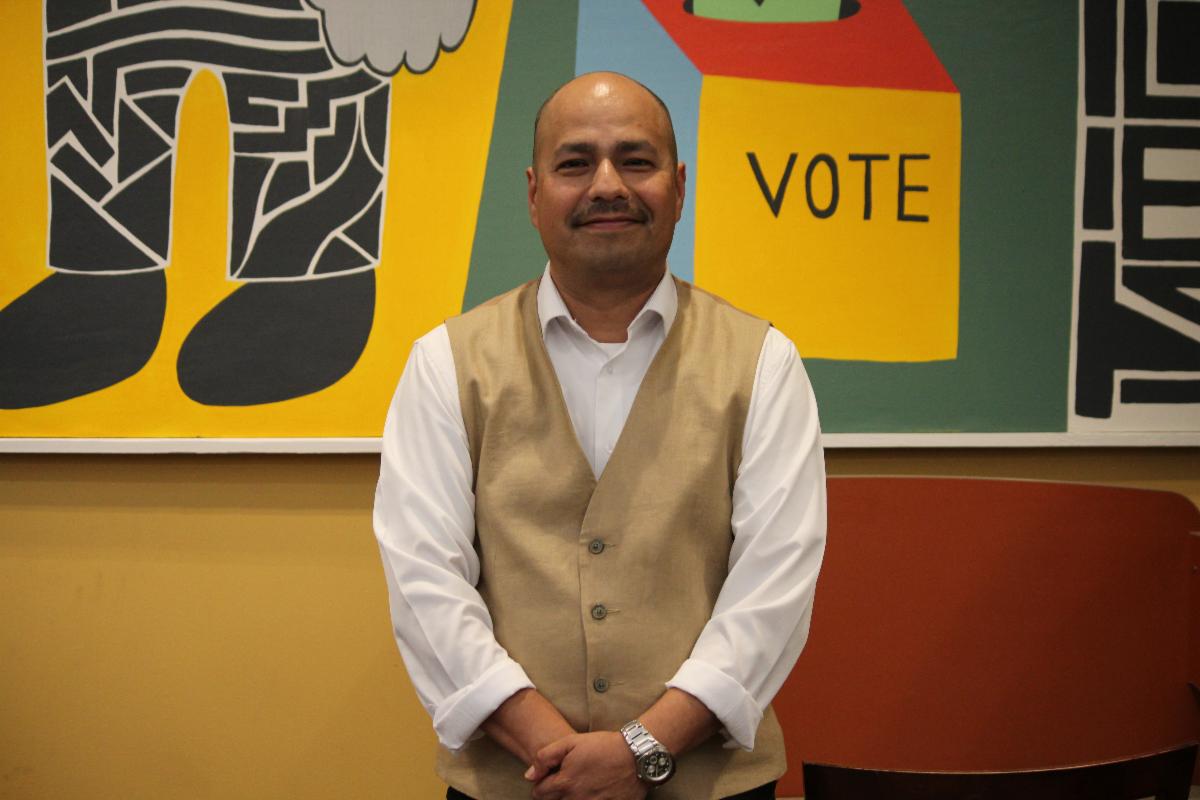
Elias Gonzales
Candidate, Santa Cruz County Supervisor 4th District
What are your top 3 priorities as a candidate for public office? My top priorities are affordability, stability, and community.
First, I am focused on addressing the housing crisis in a way that actually keeps people in Watsonville and the Pajaro Valley. That means accelerating truly affordable housing, protecting tenants, and making it possible for working families to stay in the communities they’ve built.
| | | |
Second, I believe public safety must include mental health response, youth investment, and prevention. People deserve to feel safe, and that comes from stable housing, access to care, and trust in institutions.
Third, I am committed to transparency and community-driven governance. Residents should have a real voice in decisions, especially those most impacted. Government should not feel distant or inaccessible.
What would racial equity look like in Santa Cruz under your leadership—and how would people actually feel the difference in their daily lives? Racial equity means that outcomes are no longer predictable by race in Santa Cruz.
In daily life, that means Black, Indigenous, and other communities of color can access stable housing without disproportionate barriers, youth feel supported in schools rather than pushed out through discipline, and families trust that local systems will treat them fairly.
It also means representation in decision-making, culturally competent services, and real investment in communities that have historically been excluded. Just as important, it means people feel a sense of belonging and dignity.
It looks like participatory budgeting and ongoing, meaningful community engagement where residents directly shape how resources are allocated.
To what extent does racial equity factor in the way you make decisions? How would you operationalize the County’s Equity Statement and declaration of racism as a public health crisis? Racial equity is not a separate consideration in my decision-making. It is a core lens.
Operationalizing the County’s Equity Statement means moving from statements to measurable action. That includes using disaggregated data to guide policy, requiring equity impact assessments on major decisions, and aligning budget priorities with equity goals.
If elected, I would push for clear benchmarks tied to outcomes in housing, health, and infrastructure like streets and sidewalks, along with regular public reporting so the community can track progress.
Declaring racism a public health crisis must translate into funding community-based solutions, expanding access to culturally competent care, and addressing root causes like housing instability and economic exclusion. We know what people need to thrive. We need to invest in it and be accountable for results.
What changes are needed in Santa Cruz schools to ensure Black students not only succeed, but thrive? We need to move beyond focusing only on achievement gaps and instead build systems where Black students are supported, affirmed, and able to thrive.
That includes investing in culturally responsive curriculum, increasing the recruitment and retention of Black educators, and ensuring discipline policies do not disproportionately harm Black students.
Mental health support is also critical. Students need access to counselors and safe spaces where they feel seen and supported.
| | |
Equally important is partnership with families and community organizations. Schools cannot do this work in isolation. When students see themselves reflected in their education and are supported holistically, outcomes improve.
As a candidate for local office, how do you ensure that Black voices are not just heard, but meaningfully shape policy decisions? It starts with shifting power, not just inviting input.
That means creating structures where Black residents and organizations are part of decision-making from the beginning, not brought in after decisions are already shaped.
I support participatory budgeting, community advisory bodies with real authority, and compensating community members for their time and expertise.
It also means building long-term relationships, not transactional engagement. Trust comes from consistency and follow-through. Listening matters, but what matters most is whether that input changes outcomes.
How do you envision making a dent in the affordable housing problem in the city and county of Santa Cruz? There is no single solution, but there are clear steps we can take.
We need to accelerate the production of deeply affordable housing, not just market-rate units. That means using public land strategically, streamlining approvals for affordable projects, and strengthening partnerships with nonprofit developers.
At the same time, we must protect existing residents through tenant protections, rental assistance, and anti-displacement policies.
I also support exploring social housing models and expanding funding mechanisms that prioritize long-term affordability. If we are serious about this crisis, we must treat housing as essential infrastructure.
What drives your commitment to public service, and what gives you hope right now? My commitment to public service comes from a belief that local government should improve people’s everyday lives in tangible ways.
What drives me is seeing the gap between what is and what is possible and knowing that with the right leadership and community partnership, we can close that gap.
What gives me hope is the level of engagement I see from community members, especially young people, who are demanding more inclusive and accountable systems.
There is a real opportunity right now to build something better, and I believe Watsonville and the Pajaro Valley have the people and energy to do it.
My commitment is also rooted in my work alongside community members fighting for ethnic studies and educational justice. I believe it is essential to understand our history and how we got here, not just as individuals, but as systems shaped by power. That understanding is what allows us to clearly name inequities and work collectively toward a more just and inclusive future.
Real change is possible when there is political will to act, and I am ready to do that work.
| |
Gillian Greensite
Candidate, Santa Cruz City Mayor
What are your top 3 priorities as a candidate for public office? My top 3 priorities are:
- Ensuring that locals and local workers are given preference for the city’s affordable housing with a tracking, verification and enforcement system
- Adjusting the city’s budget priorities to restore funding to the Parks and Recreation department and away from needless consultants and the over-hiring of top management in two city departments.
| | | |
3. Slowing down the overbuilding of large housing projects that are at a pace far beyond state requirements, are negatively impacting existing neighborhoods and the city’s infrastructure, and are making affordable housing less affordable by attracting newcomers with higher incomes thus raising the Area Median Income on which affordability levels are measured.
What would racial equity look like in Santa Cruz under your leadership—and how would people actually feel the difference in their daily lives? I would be looking into the racial make-up of the city staff and city commissions to encourage and ensure ethnic diversity, especially at the higher-income levels of staffing. Depending on the results, people should feel a difference in their interactions with staff and attendance at city commissions.
I would review the outreach efforts from city departments, especially those that offer programs to the community. I would be looking for effective outreach to marginalized communities. If this culturally sensitive outreach needs improvement, people should notice the change when that is accomplished.
To what extent does racial equity factor in the way you make decisions? For example, if you were elected, how would you operationalize the County’s Equity Statement and declaration of racism as a public health crisis? What would that look like?
I try to make decisions through a racial equity lens. My 30 years’ work at UCSC as head of Rape Prevention Education was a successful example of attention to racial equity. My many teams of 12 peer educators were consistently a majority of students of color, through focused recruitment and retention.
The city can effectively use the County’s Equity Statement of “support, dignity and compassion” and create an environment “where everyone can thrive and belong” by intentionally bringing this practice into the city’s functions. It can be incorporated into the city’s Health in All Policies framework.
What changes are needed in Santa Cruz schools to ensure Black students not only succeed, but thrive? I hesitate to give an opinion about changes in Santa Cruz schools without further knowledge. From my conversations with some parents of students of color, bullying is still an issue and not well handled by some schools. That should be addressed and stopped.
As a candidate for local office,
| | |
how do you ensure that Black voices are not just heard, but meaningfully shape policy decisions? By starting with outreach; by listening, and by ensuring the policies incorporate input from Black voices and reflect that input.
In the late 1970’s, members of the Black community shared with me that they were key in the drive to secure London Nelson Community Center. When it came time to choose the first head of the Center, Black voices and Black hard work were invisible. The first head was White. I made the commitment to them, that when our effort to secure the West side Community Health Center was successful, the first director would be a person of color. When the council was about to appoint a white male, I objected. He was subsequently replaced by a woman of color. That person went from a small community health center to a national position.
How do you envision making a dent in the affordable housing problem in the city and county of Santa Cruz? By ensuring that the affordable housing built and about to be built is first offered to locals and local workers who increasingly are forced to move away from the city and commute long distances to their jobs in the city. Currently there is no system in place to verify local and local worker preferences is being achieved. The current city data is not based on tracking and evidence. Much of the affordable housing is going to people from outside the city and outside the county. The city must focus on local and local worker housing needs. We cannot provide affordable housing for everyone in the state.
What drives your commitment to public service, and what gives you hope right now? I have been involved in city public service for the past 46 years, although mostly from the public side of the podium. I served on two city commissions with three terms as chair. I decided to try for public office as a candidate for mayor to challenge the overbuilding that is happening in our city. City management and council are approving construction of large projects at a rate far beyond what is required by the state and far above what our resources, infrastructure, medical facilities and environment can handle. Overbuilding does not lower the cost of housing. Even affordable housing is put further out of reach. (See 3rd priority above.)
I have a strong commitment to democratic process which I see slipping from City Hall. What gives me hope is the people of Santa Cruz.
| |
Chris Krohn
Candidate, Santa Cruz City Mayor
What are your top 3 priorities as a candidate for public office? 1. Restore trust in local government. As our institutions in Washington, D.C. crumble before our eyes by way of a failed Presidency, our local government’s abilities to be fair, transparent, and open have in tandem with D.C., faltered. Too many decisions about luxury housing development have taken place in “closed session” meetings with consultants while the voice of the people languishes in an outside hallway, or is thought of by the council as only an after-thought.
| | | |
Right now, one zoom meeting is required of high-rise developers before a project is approved. This is inadequate. Our downtown skyline has been negatively impacted and I am running for mayor to restore balance to the process of government. The voice of the people has to be what the next city council and mayor base their decisions on, not the whims of for-profit housing developers from NYC or Dallas or Sacramento.
I recommend at least three changes:
- One council meeting every year in each of the 6 districts;
- At least 3 town hall meetings in the Civic Auditorium on the most current and pressing issues;
- Minimize city council closed session meetings;
-
Open up the city budget process to the public through neighborhood committee input…Dr. King said, Budgets are moral documents…What values are reflected in the current Santa Cruz budget?
“…that this nation, under God, shall have a new birth of freedom, and that government of the people, by the people, for the people, shall not perish from the earth.” (Abraham Lincoln, 1863)
2. Address the affordability crisis
Yes, housing costs are eating away at family budgets to the tune of 50-70% of total income. Grocery and restaurant prices have fast out-paced wages. And of course, with gasoline prices similar to the oil war days of 1975, and great fear of $1 dollar a gallon gasoline, the people of Santa Cruz are now facing a triple economic shock wave. (By the way, one-dollar in 1975 is worth $6.19 today. I paid $6.09 for a gallon of gas last week.) The next mayor must address affordability in Santa Cruz and create pathways for locals to be able to not only live here, but thrive where they call home. This also includes addressing the needs of the unhoused through compassionate care and working with our county partners (Supervisor Cummings and others) in directing state funds to those entities and community non-profits who will do the most for the most vulnerable. Addressing homelessness is at the core of confronting the affordability crisis.
I certainly stand with Dr. King when he stated: “The arc of the moral universe is long, but it bends toward justice.” I believe justice will prevail and the pilfering of resources so in vogue in Washington, and quite apparent here in Surf City, will end.
“I do not pretend to understand the moral universe. The arc is a long one. My eye reaches but little ways. I cannot calculate the curve and complete the figure by experience of sight. I can divine it by conscience. And from what I see I am sure it bends toward justice.” (Thomas Parker, 1853)
3. Stand up to the UCSC administration, outside developers, and Wall Street bankers
Another triple threat that was always present, but neutralized in past years by a local government that did not daily sell off our community seed corn to the highest outside bidder, that is, the for-profit luxury housing developer. These outside, faraway influences were held at bay for years by progressive local governments that protected our economic and cultural heritage and understood that Santa Cruz was special. But now, the owners of large amounts of capital–Dinnerstein (Houston), Anton Pacific (Sacramento), Eagle Point Partners (Brooklyn, NY)--are literally the foxes in charge of what they perceive as our beach-city chicken coup. Of course, a local Judas Iscariot has loomed large over such capital intrusions and deal-making. (Owen) Lawlor LandUse and Consulting has fast been making lucrative deals. These once on-the-horizon-vultures have moved center stage and claim as their disciples a majority of councilmembers, including the mayor. Through the investment capital of Wall Street firms, including Goldman Sachs, our community is fast becoming unrecognizable due to the “needs” of folks who demand(?) $7500 town houses and $5500 2-bedroom units that have been built along a fragile San Lorenzo River ecosystem. Perhaps the greatest tale of woe in this monied transformation story is the fact that this same Goldman Sachs, “a global investment banking, securities, and asset and wealth management firm,” bought the Hilltop apartments on Western Drive for $55 million and then resold it a few years later for $117 million to the University of California’s real estate investment group, not for affordable housing or for student housing, but for their market rate investment portfolio. Satnta Cruz is most certainly on the Wall Street radar screen, and more of our community will be sold off if the next mayor and city council do not stand up and fight for this community. In fact, the current council is wheeling and dealing and quite cozy with the Golden State Warriors, a team most locals very much cherish, but not an organization we should be giving or lending money to. Sportico estimates that the current value of the Warrior organization is $11.33 billion. They have a project in the pipeline to build 1700 mostly unaffordable units of housing.
“And Jesus went into the temple of God, and cast out all them that sold and bought in the temple, and overthrew the tables of the moneychangers, and the seats of them that sold doves, and said unto them, It is written, My house shall be called the house of prayer; but ye have made it a den of thieves.” (Mathew 21: 12-13)
What would racial equity look like in Santa Cruz under your leadership—and how would people actually feel the difference in their daily lives?
- Raise the minimum wage to a livable wage and work with other cities in the county to do the same so as not to put SC in a vulnerable position of being the only county with a higher wage.
- Involve the city more in Black History month events and help spread the word.
- Provide more affordable housing opportunities to help keep people living in the city they work in.
- I take very seriously the issue of discrimination in employment, housing, and education. We must be ever vigilant and when needed, intervene in situations of discrimination and make sure the whole community knows about these issues.
- Be a bridge between community members and UC Santa Cruz students, staff, and faculty to make our downtown, and whole community, more welcoming to Bipoc (Black, Indigenous, people of color) people.
| | |
To what extent does racial equity factor in the way you make decisions? “Equity in action in Santa Cruz County is a transformative process that embraces individuals of every status, providing unwavering support, dignity, and compassion. Through this commitment, the County ensures intentional opportunities and access, fostering an environment where everyone can thrive and belong.”
I believe race, gender, and economic status ought to be a part of any elected official’s calculus in how individual and institutional decisions are made. So yes, racial equity is a high priority for me and I would bring that mind-set to the office of mayor. I am very impressed with the county’s graph, “Process of Inclusion,” which maps out how the public and elected officials might wrestle with the issue of inclusion and equity–”Ignore, Inform, Consult, Involve, Collaborate, Defer to.”
For example, if you were elected, how would you operationalize the County’s Equity Statement and declaration of racism as a public health crisis? What would that look like? “In 2020, the Board declared racism a public health crisis, and directed staff to address inequities* in County systems.”
First, I would ensure that all current laws are being followed. Then, I would follow the last two steps and “collaborate,” make myself and city institutions available, and “defer to,” that is, open up the process, be curious, and learn from the experiences and knowledge that community members already possess.
What changes are needed in Santa Cruz schools to ensure Black students not only succeed, but thrive?
- Constant vigilance
- Constant opportunities to discuss, communicate, and mediate
- Good-paying jobs for parents to afford to live here
- A community where housing is affordable
As a candidate for local office, how do you ensure that Black voices are not just heard, but meaningfully shape policy decisions? By making myself available, going to places where Black voices are, opening up local government to those voices, and actually bringing to the city council pieces of legislation originated by those Black voices.
How do you envision making a dent in the affordable housing problem in the city and county of Santa Cruz?
- Lobby for a city Department of Housing
- Obtain at least three more votes from city council members to form a city “Housing Commission” where tenants and landlords can be heard and where this body can pass on the ideas and possible ordinance language to the city council.
- Significantly increase the budget for Tenant Sanctuary, a housing rights group that lobbies for tenants and helps obtain legal representation for them.
- Increase the hotel and real estate transfer tax. Place this money in a fund to buy and remodel existing apartment buildings with the goal of keeping them “affordable” in-perpetuity for locals.
- Use the office of mayor, the “bully pulpit,” to drive out the current group of “money-changers” from our city’s planning department and direct staff to prioritize working with affordable housing providers.
- Trumpet loudly to the community what the city is doing and let everyone know we are working on behalf of working people to address the affordable housing crisis.
What drives your commitment to public service, and what gives you hope right now? Nice question. Right now, I feel deep down that Santa Cruz is being sold to the highest bidder. We are literally watching the resources of this community monetized, usually by outside interests. I served almost two terms on the city council and a stint as mayor and I thought I would likely not be back, but when I witnessed no one running against the current front runner, who is a developer and who reaped hundreds of thousands of dollars working for Redtree Properties, Lawlor LandUse Development, and Nielsen Architects, I felt anguished and bereaved for my community. I helped organize a series of meetings with others who felt similarly and four candidates with diverse political views emerged from those meetings. We just could not see this luxury housing development trend continue, which is leading to a very different place than it was when most of us arrived, or the one many were born into. We simply need to find some balance in the “build-baby-build” Santa Cruz era of greed. What adds insult to injury is the fact that all this building is not even providing good jobs for locals. Most of the construction crews are from S.J., L.A. or as far away as Mexico, according to local labor leaders I have spoken to. This boom era is not even providing work for those who need it most in Santa Cruz.
My notion of public service really comes from my mother who worked for years as a recreation therapist in a nursing home on Long Island. She just believed in people, especially the most down-trodden. My notion of public service extends to not capitalizing off the information I learned or the people I met while in public office. I promise you I will work tirelessly for this community and never go through that revolving door of profiting off of the mayor’s office. Public service for me also involves listening to the community, creating opportunities in which the public can have actual input into the decisions the city council makes, and creating an inclusive city in which everyone has the chance to thrive. Finally, I believe strongly in an open and transparent government. Not only will my office calendar be open to all, I will also let you know who I am meeting with and why.
What gives me hope?
The open and honest and friendly people I meet right here in Santa Cruz. What gives me hope is that in elected office you have the ability to positively affect people’s lives in meaningful ways; to protect and defend the natural environment that has been bestowed upon us here; and to hopefully lead and find the balance needed in this era of domestic chaos which daily brings more stress and strain to the people who live here…offering some comfort in uncomfortable times also gives me hope.
| |
Ami Chen Mills
Candidate, Santa Cruz City Mayor
What are your top 3 priorities as a candidate for public office? These have evolved over time.
1) Bringing transparency, education and public dialogue to both the housing crisis and our state mandates to address it. I want to implement a “dashboard” to demystify what is happening with local development, which many locals are deeply concerned about–even incredibly upset. Are all our building efforts working? Are local folks getting into truly affordable housing?
| | | |
Overall, I think we need a reprieve from incredibly high RHNA (housing allocation numbers from the state) in our city, but must continue to build and support truly affordable housing and missing middle housing, including opportunities for people to buy into the market.
We must build shelter for unhoused people in our city and in the county; more 24-7 safe parking; more managed and semi-managed encampments and/or tiny home/cobb home projects. So folks who are camping outside have a place to go, to be, to become stabilized and then begin to go up the rungs of the ladder to permanent housing and/or to recovery if needed.
2) Limiting surveillance of the population and protecting privacy rights. Surveillance is the tip of the authoritarian spear. This impacts migrants, immigrants, POC, women, the LGBTQ+ population, activists, journalists and who knows who else “up the food chain.” Ryan Coonerty (a “co-candidate” in this race for Mayor) is not concerned. This is so not OK for me, I don’t even know how to express it properly.
We protect ALL people in Santa Cruz and that also means looking at the most effective means of ensuring public safety without surveillance. We must protect cash payments in Santa Cruz too. The city is moving toward no-cash parking systems. This is also a huge mistake under the current administration, and at any time. Requiring parking apps for public parking is discriminatory for people who lack access to credit cards and smart phones, for people who are in poverty, for seniors–who often to not know how to use apps–for some people in the disabled community, and for those who value their privacy.
3) Restoring ecosystems and protecting trees and wildlands wherever possible. We are losing biodiversity by the second, worldwide, and we must do all we can to protect species in our city and surrounding areas. Justin Cummings is a strong environmentalist, and I will work with him and the County Board in their efforts–and now, the city’s efforts–to protect the coastline from offshore drilling and deep sea mining. The city is also attempting to bring salmon and steelhead trout back to the San Lorenzo and tributaries. What a joyful accomplishment this would be! Let’s do this together, as a community. Let’s stop pesticide spraying near Watsonville schools. Let’s see all that needed tree canopy added to the Beach Flats and elsewhere. Let’s protect our heritage trees. As Mayor, I will use my platform to advocate for all these things, plus organic and regenerative agriculture countywide.
What would racial equity look like in Santa Cruz under your leadership—and how would people actually feel the difference in their daily lives? I would speak about it openly, as a woman of color, as an Asian-American, and as a long time social and racial justice advocate. Did you know that Santa Cruz is actually 10 percent Asian? I would work to protect the community from surveillance by the federal government through preventing the installation of local surveillance infrastructure and a blanket “Sensitive Data and Data Broker” ordinance, as enacted in Huntington Park, CA. I would work closely with the SCPD and the community to figure out the best ways of protecting public safety, including police alternatives focused on de-escalation, like the mobile crisis response network.
I would encourage police to live in our community and I would support affordable and social housing programs here to ensure that both local workers (like police, teachers, service workers, etc.) and people of color have access to housing. I would establish an anti-racism and racial healing committee for the city to investigate and propose policies to further the cause of people of color in our city.
To what extent does racial equity factor in the way you make decisions? For example, if you were elected, how would you operationalize the County’s Equity Statement and declaration of racism as a public health crisis? What would that look like?
See my ideas above. I am interested in incubation of local businesses and businesses run by people of color, especially cooperatives. My ideas for building community include racial healing education and mutual aid. Building community brings increased mental health and a sense of belonging, which impacts physical health. I support the county’s efforts toward public health clinics and would support the women’s health clinic and–God willing–the return of Planned Parenthood. My idea for an anti-
racist committee for the city would bring a sense of inclusion and involvement for people of color here.
What changes are needed in Santa Cruz schools to ensure Black students not only succeed, but thrive? As mayor, I would not be in charge of Santa Cruz schools, but would like to strengthen and amplify the process of connecting students–particularly students of color–but all students to internships and jobs pipelines through local unions, Work Force Santa Cruz county and other county economic development programs. I would like to see a teen jobs and volunteer center in a downtown Santa Cruz store front, staffed on certain days by volunteers or city employees to connect young people with local jobs and housing.
I would be happy to work with the school district about fundamental principles of classroom success–which I have written about, based on
| | |
my long experience working in communities, in a book called State of Mind in the Classroom. This involves working with school staff and educators to increase belonging and connectedness in schools–one of the major factors for academic success for Black students and all students.
As a candidate for local office, how do you ensure that Black voices are not just heard, but meaningfully shape policy decisions? As written above, I would like to institute a city committee or commission on Anti-Racism and Racial Healing. I have already been speaking to Black leaders in our community about this. This could also include folks from other POC groups and immigrants, of course. I am also concerned about the LGBTQ+ population at this time.
How do you envision making a dent in the affordable housing problem in the city and county of Santa Cruz? There is more at my website about this, at www.AmiChenMills.com. We need to promote social housing across the spectrum of affordability, promote workforce housing for working class people and missing middle housing.
We need to be more transparent to local residents about affordable housing we are building and who is eligible and how much these units rent for. We need to take advantage of every source of housing funds to build more affordable housing and to also focus on homes people can buy. We need to add funds to the affordable housing funds generated by Measure C and ensure the Howard Jarvis Association and others do not overturn this real estate transfer tax in November by educating the public to vote against their proposition. I am interested in possibly raising the TOT and considering other, progressive taxes as forms of revenue for affordable housing. I am also interested in establishing a land trust and possibly self-funded city housing.
What drives your commitment to public service, and what gives you hope right now? I don’t actually know what drives my commitment to public service. I just do it. It’s something I was born to do, I believe. And I have been doing it all my life. One word might be: Love. There are too many problems in the world to ignore them.
Making a lot of money was never a goal for me. I have always cared deeply about issues of social and racial justice. At Northwestern, I spent a lot of time interviewing Black students and adults about their life experiences, because I was so impacted by the racial disparity I saw in Chicago and in the city where I went to high school, Miami. I protested the CIA and our racist foreign adventures and imperialism, and wrote about that in a book published by South End Press in 1990.
I have spent a lot of time protesting for racial equity, speaking up about and even co-founding a BIPOC group for my professional community (3 Principles psychology).
I’d like to state here that I have found it very saddening to experience a kind of strange disinterest in the fact that I am both a social justice activist, and a Chinese American here on the part of so many community leaders, as I am running for mayor.
I wrote this today and shared it on my social media, because I was feeling discouraged:
I actually just made a video where I talk about the anti-Chinese history of this community. (Quite virulent.) And, even though it does not qualify me specifically to be Mayor (there are other things that qualify me to be Mayor), the fact that my Chinese heritage is not even an *issue* for the (white run) news media and actually for a lot of proclaimed “progressive” folks in town has been sad to me.
It is not even mentioned, most often—nor that I am a woman who would be, at least by title, leading a council of *five* women, as opposed to a white man who keeps claiming “third generation” status.
Well, many more Chinese would be “third generation” if they were not run out of town and out of the nation by folks like Duncan McPherson, past publisher of the Sentinel and founder of the “Caucasian Society.”
For me, it means something in this community that I am running and that I have been speaking out about about these issues now for years.
And rather than stay silent and sad about this, I would rather open up a conversation. I don’t mean that you should vote for me *because* I am a Chinese American, but I don’t think that should be ignored either—and in fact, I think it should be celebrated.
… But there is actually a somewhat deafening silence.
So, what brings me hope?
I have hope in all the “regular” people, activists and advocates who work hard in our community to do good things. That might include a lot of you. And this certainly includes a lot of folks on my own campaign team–who work in dialogue, co-counseling, anti-surveillance and anti-pesticide work in Watsonville.
I have hope, overall, in humanity and have been keeping my eyes on this community mostly, of course, during this campaign.
Focusing locally gives me hope, because I believe most people are good people; and many can change their minds when presented with the right evidence, and within the right tone. I really do love human beings, even those who disagree with me. Maybe human beings give me hope. Not the folks in power at the federal level, but nearly everyone else.
| |
Scott Newsome
Candidate, Santa Cruz City Council District 4
What are your top 3 priorities as a candidate for public office? My top 3 priorities are to be a fighter for housing affordability, to work towards solutions for homelessness, and to increase investment in our local infrastructure.
Housing Affordability: Every Santa Cruz resident deserves a safe, stable, and affordable place to call
| | | |
home. During my first term, I have been a fighter for housing affordability. I played a role in bringing forward measure C, a successful local housing measure that will raise an estimated $100 million over 20 years for affordable housing and homelessness prevention programs in the
city of Santa Cruz. I am also proud that over half the units either under construction or just finished and occupied in my district over the past 3 years are affordable homes.
Homelessness: Homelessness in our community is a complex issue exacerbated by our expensive housing market. During my first term, I have supported expanding supportive housing options and adding more shelter capacity. I have also worked to prevent homelessness in our community by expanding programs that help people stay housed through one-time emergency eviction prevention financial assistance and by bringing forward and passing a rent cap ordinance that was later replaced by a legal settlement that prevented 56 low-income residents in my district at the St. George Apartments from being displaced.
Infrastructure: Well-maintained infrastructure is essential to a livable city, and providing alternative transportation options promotes equity in our community. I have worked the past four years to secure over $3 million in transportation improvements in my district like repaved roads and protected bike lanes, and, as a member of the Metro Board of Directors, I have supported expanding the frequency of and access to public transit, especially for K-12 students and seniors.
What would racial equity look like in Santa Cruz under your leadership— and how would people actually feel the difference in their daily lives? As a husband to an African American woman and the father to two biracial children, I want everyone in our community to feel welcome and have a sense of belonging and support. I think a way to go about this is to increase minority representation in our local government, and during my first term, I supported policies aimed at doing so on our city commissions such as supporting recommendations for diversification from the “City Like Me” report like paying those who serve on our city commissions. I also think another way to do this is to increase investment in trusted organizations and community centers in communities of color, and I have supported such policies in my first term such as increasing CDBG funding by 50% to the Nueva Vista Center in the Beach Flats over the past three years.
To what extent does racial equity factor in the way you make decisions? For example, if you were elected, how would you operationalize the County’s Equity Statement and declaration of racism as a public health crisis? What would that look like? Every agenda item that comes before the City Council has a Health in All Policies section that outlines how a proposed action either promotes, hinders, or has no impact on racial equity. This section of each agenda item factors into every decision I make. To operationalize the County’s Equity Statement, I would focus on budget allocations that direct investment towards historically underserved communities, supporting the collection and reporting of data that allows for disparities to be identified, tracked, and addressed, and
| | |
including impacted communities, particularly communities of color, in designing solutions to issues that impact them. Declaring racism a public health crisis was an important step, and I think the budgets we pass and the policies we adopt are the next step.
What changes are needed in Santa Cruz schools to ensure Black students not only succeed, but thrive? The City Council does not have jurisdiction over Santa Cruz city schools and I do not teach in a Santa Cruz city school, so I am not able to substantively answer this question. However, I am an educator at the University level, and I think leaders in a classroom should work to foster an inclusive, respectful environment where everyone in their class has a sense of belonging, that their voice is valued, that their perspective is respected, and that they are respectful of others.
As a candidate for local office, how do you ensure that Black voices are not just heard, but meaningfully shape policy decisions? I want everyone in our community to have a sense of belonging and a place at the table when community decisions are being made. I think a way to go about this is to increase minority representation in our local government, and during my first term, I supported policies aimed at doing so on our city commissions such as recommendations from the “City Like Me” report that included paying those who serve on our city commissions. Another way is to include representatives from trusted organizations in communities of color such as the NAACP in discussions on important community decisions.
How do you envision making a dent in the affordable housing problem in the city and county of Santa Cruz? As noted in question 1, affordable housing is one of my top three priorities. Together with affordable housing advocates, our community, and my colleagues on the Council, I have been a fighter for housing affordability in the City of Santa Cruz. During my first term, I played a role in bringing forward measure C, a successful local housing measure that will raise an estimated $100 million over 20 years for affordable housing and homelessness prevention programs in the city of Santa Cruz, and I am proud that over half the units either under construction or just finished and occupied in my district over the past 3 years are affordable homes. Additionally, I worked with members and groups in our community and with my colleagues on the Council to prevent homelessness in our city, bringing forward and passing a rent cap ordinance that was later replaced by a legal settlement that prevented 56 low-income residents in my district at the St. George Apartments from being displaced.
What drives your commitment to public service, and what gives you hope right now? My children and their generation drive my commitment to public service. I want to help build a Santa Cruz where kids in our community, no matter their background or zip code, can thrive, and where young people can choose to stay and build a life and career here, like their parents did. They are also what gives me hope in the current moment. I see and work with young people who are determined to build a more inclusive and just world. This gives me optimism for the future.
| |
Tony Nuñez
Candidate, Santa Cruz County Supervisor 4th District
What are your top 3 priorities as a candidate for public office? My top three priorities are strength-ening South County’s economy, making life more affordable for working families, and protecting the essential services people rely on every day. I am centering South County because Watsonville, the Pajaro Valley, and our surrounding communities help power this county.
| | | |
Our workers, small businesses, agricultural economy, families, schools, and health care systems are essential to the region. When South County is stronger, the whole county benefits through a more stable workforce, a healthier economy, stronger schools, less pressure on emergency systems, and more opportunity for families to build their lives here.
My approach to equity is both place-based and people-specific. South County has been underinvested in for too long. Residents of color across Santa Cruz County deserve policies that directly address their experiences in housing, education, health, public safety, economic opportunity, and civic representation. Equity is not a zero-sum project. Investing in communities that have been overlooked strengthens the whole county, while still requiring us to be honest about the specific barriers different communities face.
My experience has prepared me for this work. As a journalist, I learned to ask the right questions, follow the facts, listen carefully, and hold systems accountable. At Community Bridges, I have worked across programs serving children, families, seniors, farmworkers, and vulnerable residents. As board chair of the Pajaro Valley Health Care District, I helped lead the effort to save Watsonville Community Hospital, return it to public ownership, pass Measure N, and begin reinvesting in local health care after years of neglect.
My priorities come from that experience: good local jobs, affordable housing, child care, safe roads, youth opportunity, strong health care, environmental justice, and accountable government.
What would racial equity look like in Santa Cruz under your leadership — and how would people actually feel the difference in their daily lives? Racial equity would look like a county where communities that have been overlooked are no longer asked to wait their turn for investment, respect, or basic access.
For me, that starts with South County because Watsonville and the broader Pajaro Valley have carried so much of this county’s labor, culture, caregiving, agriculture, and economic strength.
But racial equity also requires being specific about Black residents’ experiences. In a county where the Black population is smaller than in many larger metro areas, it can be too easy for Black families, students, workers, business owners, and community leaders to be treated as invisible in public policy. Smaller numbers should never mean smaller attention, smaller investment, or smaller accountability.
Under my leadership, people should feel equity in practical ways. A parent should feel it when their child has a safer route to school. A Black student should feel it when they are supported, mentored, and seen as a leader. A farmworker should feel it when housing and health care are closer to home. A small business owner should feel it when county economic development efforts reach communities that have not always received the same level of support. A family should feel it when public services are easier to access and public institutions treat them with dignity.
My work has taught me that inequity is often built into systems quietly: where services are located, whose data is tracked, who gets called first, who gets funded, who gets followed up with, and who is expected to wait. Racial equity is how we change those patterns through budgets, policy, appointments, data, and public accountability.
To what extent does racial equity factor in the way you make decisions? How would you operationalize the County’s Equity Statement and declaration of racism as a public health crisis? Racial equity has to be part of decision-making from the beginning, not added at the end after the major choices have already been made. Importantly, a real racial equity agenda also has to be willing to name anti-Black racism specifically, even in a county where Black residents are a smaller share of the population.
My background as a journalist shapes how I approach this work. I ask: Who benefits from this decision? Who carries the burden? Who was consulted early enough to shape the outcome? What does the data show? What does lived experience tell us that the data might miss? Those questions matter because government decisions can look neutral on paper while having very different impacts depending on where people live, what language they speak, how much money they make, and whether public systems have historically served them well.
To operationalize the County’s Equity Statement and declaration of racism as a public health crisis, I would push the County to connect those commitments to budgets, timelines, implementation, and public reporting. The County should publicly track whether its decisions are reducing disparities in health access, housing outcomes, behavioral health, youth program participation, infrastructure investment, contracting, appointments, and access to services.
In South County, one example of this work is language access in health care. As a board member at the Pajaro Valley Health Care District, I have supported our effort to launch a language access tool that does more than simply ask what language a patient speaks. The goal is to better understand how confidently patients can communicate with their nurses, doctors, and care teams, because access is not real if people cannot explain what they are feeling, understand their treatment, or advocate for themselves in a moment of crisis.
That work is especially important for smaller language populations, including Indigenous language speakers in our community. Just because a population is smaller does not mean their needs should be forgotten or treated as too difficult to address. That same principle applies to racial equity more broadly. Whether we are talking about Black residents, Indigenous language speakers, farmworkers, or other communities that have too often been overlooked, the County should work in partnership with community to identify barriers, measure whether people are actually being served, and make practical improvements that people can feel.
Good intentions are not enough. We need measurable goals and public accountability to show whether we are actually closing gaps.
What changes are needed in Santa Cruz schools to ensure Black students not only succeed, but thrive? Black students deserve schools where they are safe, supported, challenged, respected, and fully seen. Thriving means more than graduating. It means having trusted adults on campus, culturally relevant curriculum, access to rigorous courses, mental health support, mentorship, leadership opportunities, and clear pathways to college, trades, careers, and public service.
Black students should not have to prove they belong in advanced classes, leadership spaces, arts programs, athletics, or college and career pathways. Our systems should be built to recognize their talent early, support their growth, and remove barriers before they become outcomes.
County government does not run school districts, but it has an
| | |
important role in shaping the conditions around students and families. Housing stability, health care access, transportation, food security, behavioral health, parks, libraries, youth programs, and family support all affect whether students can thrive in the classroom.
At Community Bridges, I have worked within systems that support children, families, and seniors across the county. I have seen how family stability affects a student’s ability to learn. Through my work with Watsonville Community Hospital, I have also seen how health care access, maternal health, emergency care, and public health are connected to opportunity.
For Black students specifically, the County and school districts need to listen directly to Black students, parents, educators, and community leaders. Their experiences should shape the programs meant to support them. We should also look closely at discipline disparities, culturally competent mental health support, educator and mentor representation, and whether students feel a true sense of belonging.
Strengthening South County can be part of a broader model for the entire county. When we invest in youth programs, safe routes to school, family resource centers, internships, apprenticeships, and local career pathways in underserved communities, we build systems that can support every student while still being intentional about the specific barriers Black students face.
As a candidate for local office, how do you ensure that Black voices are not just heard, but meaningfully shape policy decisions? Black residents, parents, students, workers, business owners, educators, and community leaders should help define the problem, shape the solution, and evaluate whether the policy actually worked. Meaningful engagement has to happen early, when community voices can still change the direction of the work.
As supervisor, I would support regular engagement with Black community leaders and organizations, stronger representation on county advisory bodies, public reporting on racial disparities, and direct community input before major decisions on housing, youth programs, health, behavioral health, economic development, public safety, and transportation. I would also want the County to create clearer feedback loops so residents know how their input influenced the final decision.
My background as a journalist deeply shapes this approach. I do not believe leadership means pretending to have all the answers. Good leadership means asking better questions, listening carefully, checking assumptions, and being accountable for the outcome.
South County understands what it feels like to be asked for input but not always given influence. I want to help change that culture of government for every community that has experienced it. When Black voices meaningfully shape policy, the whole county benefits because decisions become more grounded, more honest, and more likely to solve the actual problem.
How do you envision making a dent in the affordable housing problem in the city and county of Santa Cruz? We need to treat housing as essential infrastructure. Housing affects health, education, economic development, transportation, climate resilience, and whether working families can remain in the county at all.
South County has to be central to the solution. Watsonville, Pajaro, Freedom, and the broader Pajaro Valley are home to many of the workers, families, caregivers, small businesses, farmworkers, and service providers who keep this region moving. When people who work here cannot afford to live here, the entire county pays the price through longer commutes, workforce shortages, school instability, health stress, and a weaker local economy.
My approach would be to build a stronger South County housing partnership between the County, Watsonville, nonprofit housing developers, school districts, agricultural partners, health care providers, major employers, and community organizations. We should work from a shared plan to identify sites, align funding, reduce barriers, and move affordable projects faster.
We need affordable rentals, farmworker housing, workforce housing, missing-middle housing, and first-time homeownership opportunities. We also need to use public land wisely, pursue state and federal dollars more aggressively, improve permitting, and make sure infrastructure investments support housing production.
I also believe that a serious housing strategy should include tenant protections, anti-displacement policies, fair housing enforcement, pathways to ownership, and attention to who actually benefits from public investment.
My experience gives me a practical lens on this. At Community Bridges, I have seen how housing instability affects families, seniors, children, and access to services. I have also been part of efforts to respond more directly to that instability, including Community Bridges’ work with partners through an eviction defense collaborative to help keep families housed and connect residents to legal support, rental assistance, case management, and other resources before a housing crisis becomes homelessness.
That experience has reinforced for me that affordable housing is not only about building more homes, although that is essential. It is also about preventing displacement, stabilizing families, and making sure people can actually remain in the communities they help sustain.
What drives your commitment to public service, and what gives you hope right now? South County made me who I am. Watsonville is where I grew up, where I am raising my family, and where I learned the values that guide me every day: hard work, humility, patience, accountability, and service to others.
I am the grandson of a campesino and the son of working-class parents. I come from a community that works hard, contributes deeply, and still too often has to fight for basic investment. That experience shapes how I see public service. I care about whether the systems we all rely on actually work for regular people and whether they are strong enough to be there when people need them most.
My path has always been rooted in this community. As a journalist, I covered the people, institutions, and decisions that shape daily life in the Pajaro Valley. I learned that the right questions can reveal what is broken and what is possible. At Community Bridges, I have worked to support services that help families, children, seniors, and vulnerable residents across the county. At the health care district, I helped lead one of the most important community efforts in recent South County history: saving Watsonville Community Hospital, bringing it into public ownership, passing Measure N, and beginning the work of rebuilding a hospital our community depends on.
What gives me hope is that communities continue to show up for one another, even when systems fall short.
We are not asking for special treatment. We are asking for investment, respect, and accountability that match what our communities already give to this county. When South County and communities of color are healthier, more affordable, safer, and more economically vibrant, Santa Cruz County becomes stronger too.
| |
Joy Schendledecker
Candidate, Santa Cruz City Mayor
What are your top 3 priorities as a candidate for public office? My campaign is focused on three core priorities: keeping people housed, supporting workers, and building a city people can actually afford.
That means expanding permanently affordable housing and protecting existing affordability, investing in good jobs and strong public systems,
| | | |
and making sure local government is responsive to the real conditions people are living through. I also see climate justice, racial equity, and economic justice as deeply interconnected rather than separate issues.
What would racial equity look like in Santa Cruz under your leadership—and how would people actually feel the difference in their daily lives? Racial equity means more than representation or symbolic statements. It means materially different outcomes.
Under my leadership, people should feel the difference in housing stability, school experiences, policing and surveillance practices, environmental health, wages, access to public space, and participation in civic life.
It would mean fewer Black and Brown residents being pushed out by housing costs, fewer punitive responses to poverty and mental health issues, stronger protections for immigrants, more investment in youth and families, and local government that actively includes historically marginalized communities in decision-making.
To what extent does racial equity factor in the way you make decisions? How would you operationalize the County’s Equity Statement and declaration of racism as a public health crisis? Racial equity should be integrated into every major policy and budget decision—not treated as a separate initiative or symbolic statement.
Santa Cruz already uses a “Health in All Policies” framework, but too often these frameworks become a rubber stamp for policies that may still produce harmful outcomes. We need to move beyond equity language as branding or “carewashing,” and toward real accountability for how policies actually impact people’s lives.
Operationalizing these commitments means evaluating housing, policing, transportation, environmental exposure, wages, and access to services as public health issues—and being honest about when policies increase harm, displacement, or inequality.
It also means collecting and publicly reporting results, funding programs that reduce disparities, ensuring impacted communities help shape decisions early in the process, and being willing to change systems—not just language—when outcomes remain inequitable.
What changes are needed in Santa Cruz schools to ensure Black students not only succeed, but thrive? Schools need more culturally responsive curricula, stronger mental health support, restorative rather than punitive discipline practices, and more meaningful family and community involvement.
| | |
Students thrive when they feel safe, respected, challenged, and represented. That includes addressing disparities in discipline, academic access, and support services, while also ensuring that housing instability, transportation, and economic stress are not barriers to learning.
As Mayor, I would also prioritize stronger collaboration between the City, schools, youth organizations, and families.
As a candidate for local office, how do you ensure that Black voices are not just heard, but meaningfully shape policy decisions? Meaningful participation requires more than public comment periods after decisions are already underway.
It means proactive outreach, relationship-building, compensated participation where appropriate, language access, and involving impacted communities early enough to shape outcomes.
I also believe elected officials need to build long-term accountability and trust by consistently showing up in community spaces—not just during campaigns or moments of crisis.
How do you envision making a dent in the affordable housing problem in the city and county of Santa Cruz? We need both more housing and stronger protections for the affordability we still have.
I support permanently affordable housing models such as community land trusts, nonprofit and public housing development, cooperative housing, inclusionary requirements, tenant protections, and preservation of existing affordable units.
I also support infill housing near transit and jobs, stronger renter protections, and policies that reduce speculative pressure on the housing market.
Housing should be treated as essential infrastructure, not primarily as a commodity.
What drives your commitment to public service, and what gives you hope right now? My commitment comes from years of involvement in housing justice, houselessness, mutual aid, and environmental work—both in Santa Cruz and earlier in London and Baltimore. Through that engagement, I’ve seen how much unnecessary suffering is created by inequality, displacement, under-funded systems, and political choices that treat some people as disposable.
What gives me hope is people’s continued willingness to care for one another anyway.
I see hope in mutual aid networks, labor organizing, young people becoming politically engaged, and communities continuing to imagine and fight for better futures even during difficult times.
| | NAACP Santa Cruz County's strength is rooted in its membership. Memberships provide the support we need to ensure that Black voices are present for community conversations about education, law enforcement, public transportation, local politics, and more. Thank you! | | | | |