Kelly Crosbie, MSW, LCSW

Assistant Secretary, DMH/DD/SUS


Special Edition Hot Topics

Mental Health Across the Lifespan

Articles from the NC Medical Journal

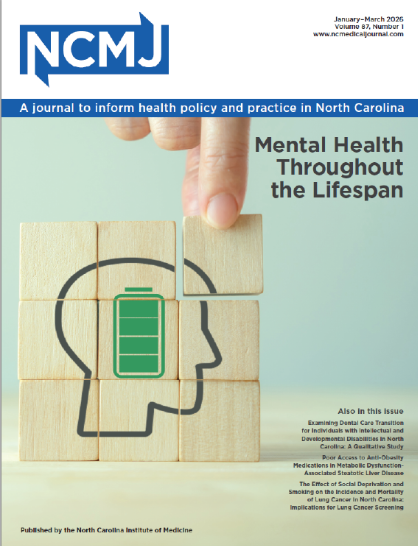
Assistant Secretary for Mental Health, Developmental Disabilities, and Substance Use Services Kelly Crosbie served as guest editor for the newest edition of the North Carolina Medical Journal, focused on Mental Health Across the Lifespan. Throughout Mental Health Awareness Month, we are sharing featured articles from this issue.


The first article highlighted this week points to system-level challenges that drive DMH/DD/SUS’s commitment to strengthening mental health supports for children and youth. The author emphasizes the need to improve crisis response, expand access to community-based care, and better support young people with complex needs. The second highlights a school-based telehealth program that helps us move us toward a more responsive and equitable system for North Carolina’s children and families.

North Carolina’s youth mental health system has seen decades of reforms but limited measurable improvement, with families still facing unstable access, administrative hurdles, and rising mental health crises. The commentary argues for shifting from constant restructuring to stable rules, shared learning, and stronger community-based care, aligning Medicaid transformation with clear statewide priorities. By building consistent oversight, durable measures, and collaborative local networks, the state can move toward reliable, prevention-focused mental health support for children and families.

The Healthier Lives at School & Beyond (HLSB) program expands access to mental and behavioral health care for rural youth by providing evidence‑based telehealth services in schools using a brief, skill‑focused treatment model coordinated with families and community providers. Integrated with (Multi-tiered System of Supports (MTSS), the program supports early identification and student well‑being while addressing common concerns such as anxiety, depression, adjustment issues, trauma, and grief.


HLSB also functions as a major training site, preparing graduate behavioral health interns under licensed supervision to help strengthen the rural workforce. As a model for statewide initiatives, it shows how school-based telehealth can reduce barriers, improve coordination, and enhance outcomes for rural students.

Stay Connected with DMH/DD/SUS

Stay Connected and Get Involved with the work happening at DMH/DD/SUS!

Attend our Side by Side Webinars

Sign up for our Mailing List

View as Webpage