Special Edition Newsletter: Domestic Violence Awareness Month
Understanding Domestic Violence: More Than Physical Abuse
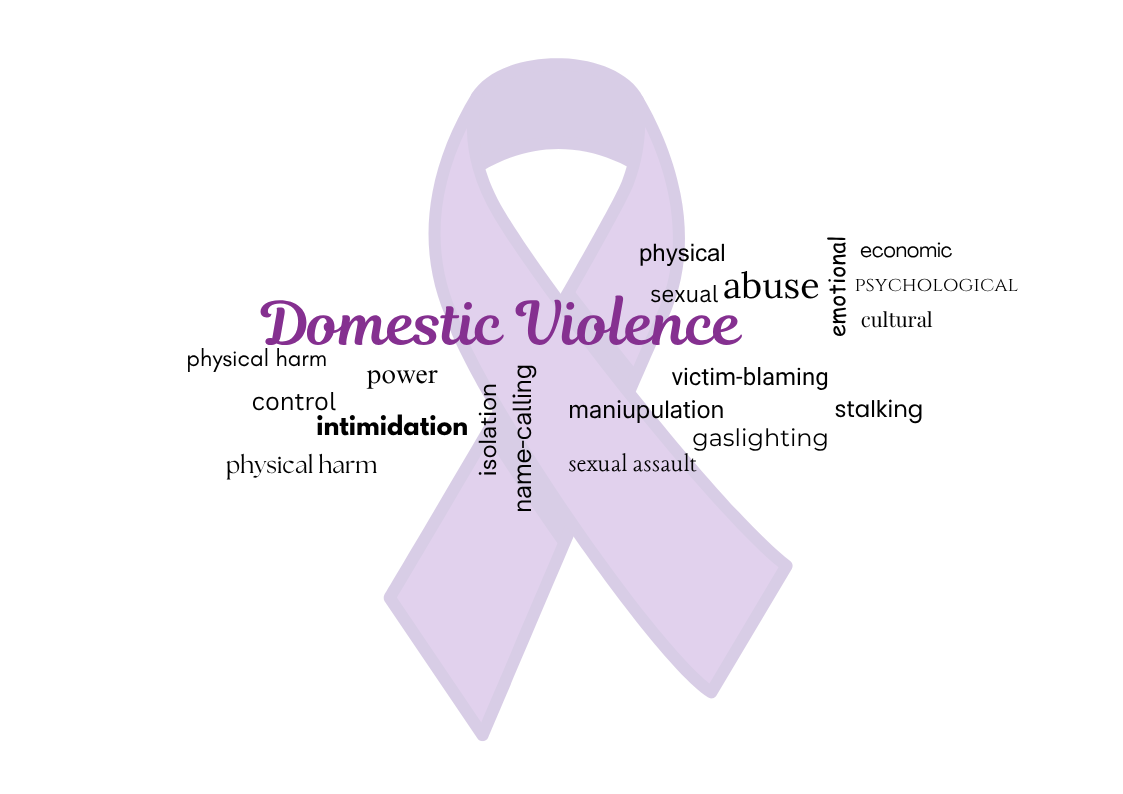
Domestic Violence is defined as "a pattern of abusive behavior in any relationship that is used by one partner to gain or maintain power and control over another intimate partner."
While domestic violence is often associated with physical violence, abuse can take many forms and it's not always visible.
By learning about the different types of abuse and increasing awareness, we have a better understanding of how domestic violence shows up, recognize warning signs, and support survivors by creating more informed and empowered communities.
Mental/Emotional: Verbal and non-verbal behaviors used to harm another person mentally or emotionally, and maintain control over another person.
Examples: Name calling, insults, making threats to harm oneself or loved ones (including pets), gaslighting
Physical: The intentional use of physical force with the potential to cause injury. Physical violence can also included coercing other people to commit acts of violence.
Examples: Scratching, pushing, throwing items, grabbing, biting, hitting, burning, use of a weapon or restraint, strangulation
Sexual: A sexual act that is committed or attempted without the other person’s consent, or when a person is unable to give consent.
Examples: Forced or alcohol/drug facilitated rape, forced sexual activity, non-consensual sexual acts
Technological: Misuse of technology to control, monitor, harass, or intimidate an intimate partner.
Examples: Accessing accounts without permission, use of location services and tracking apps, monitoring web history and phone use, sharing private information about the survivor online, revenge porn
Financial: Controlling, exploiting, or restricting a person's financial resources.
Examples: Denying access to bank accounts and credit cards, withholding or stealing money for food or transportation, ruining partners credit, interfering with a person's efforts to go to work, harassing the person at work
Cultural: Using aspects of a person's cultural, religious, ethnic, gender, or sexual identity as a means of control.
Examples: Preventing a partner from observing the dietary or dress customs of their faith, using racial slurs, threatening to ‘out’ someone as LGBTQ+ , isolating someone who doesn’t speak the dominant language in their community
Why "Just Leave" Doesn't Work
One of the most common questions people ask when learning about domestic violence is, "Why don't they just leave?"
The reality is that leaving an abusive relationship is often the most dangerous time for a survivor. Survivors face numerous barriers that can make leaving difficult, complicated, and even life-threatening.
Fear and Intimidation: Abusers often threaten to harm the survivor, children, pets, or other family members in order to avoid the survivor leaving them and maintain power & control. The risk of violence can escalate when attempting to leave, making safety a major concern.
Financial Control: Many survivors have limited access to money, transportation, housing, or other essential resources due to economic abuse. This can make leaving feel impossible and survivors may be forced to depend on their abuser to meet basic needs.
Isolation: Abusers often cut off survivors from the closest people to them whether that's friends, family, or other support networks. Without people to turn to for support, leaving becomes much more difficult.
Emotional Manipulation: Gaslighting, blame-shifting, and long-term psychological abuse can shatter a survivor's self-confidence. Many survivors internalize the blame the abusers put on them and believe it is "their fault" which can often make them feel like they don't have the right to leave.
Children and Family Concerns: Survivors with children may worry about their children's safety, custody arrangements, or the impact of leaving on their family. Cultural, religious, or familial expectations can also create additional pressure to stay in the relationship.
Love and Attachment: Survivors often stay because they hope that someday the abuser will change, go back to the person they once fell in love with, or simply because there's too much history to leave. Survivors often don't want the relationship to end; they want the abuse to.
Rather than asking, "Why don't they just leave?" a more helpful question is, "What support do survivors need to be safe?"
Listen, Support, Believe: Talking to Someone Experiencing Domestic Violence
If someone you know or care about is experiencing domestic violence, knowing what to say can feel difficult. You may be worried about saying the wrong thing or not know how to help. The good news is that you do not need to be an expert.
Sometimes, simply being a safe, supportive, and non-judgmental person can make a lifesaving difference for someone experiencing domestic abuse.
Initiating the Conversation: When starting the conversation, make sure you are in a private place where you will not be interrupted. Make sure you have enough time to talk, should they choose to open up.
Avoid Labels: Words like "abuse", "victim," and "domestic violence" can feel intimidating and overwhelming. Unless the person you are talking to mentions them, it's best to avoid labeling their experience.
Be Prepared for Resistance: The person may deny that anything is wrong or avoid talking about the situation as a whole. If you notice that they are resistant or uncomfortable talking about it, it's best not to push and be patient with them.
Use Supportive and Validating Language: Listen without judgment and validate their feelings and experiences. Let them know you care and that they are not along with phrases like " I believe you", "I'm glad you told me", "I'm here for you, how can I help?"
Respect their Decisions: Every survivor's circumstances are unique, and there is no one-size-fits-all solution. While it can be difficult to understand their choices, it is important to respect their decisions and avoid pressuring them to take action before they are ready.
Above all, remember that your role is not to "fix" the situation. By listening, believing, and supporting without judgment, you can help create a safe space where a survivor feels seen, heard, and empowered.
This Domestic Violence Awareness Month, let us commit to being informed, compassionate allies. A single conversation, a listening ear, or a supportive response can make a profound difference in a survivor's journey toward safety and healing.
And to any survivor reading this:
We see you. We believe you.
No matter where you are in your journey, you are not alone.