U.S. Forest Service R&D News: June 2021
News from the Washington Office and Research Stations
SPECIAL ISSUE ON CLIMATE CHANGE RESEARCH
|
|
FEATURED STORY
Forest Service R&D Improves Climate-Smart Management of America's Forests and Grasslands
Climate change is a defining challenge of this century. Forest Service scientists are at the forefront, providing data and adaptive management and mitigation strategies that make forests and grasslands more resilient, communities more prepared, and green markets and initiatives more viable. In response to the administration’s focus on climate change, Forest Service R&D produced Research Improves Climate-smart Management of America’s Forests and Grasslands, a special report that highlights the agency’s contributions to climate science and land management.
|
|
|
|
Climate Change Creating "New Normal" for Pacific Northwest Fire
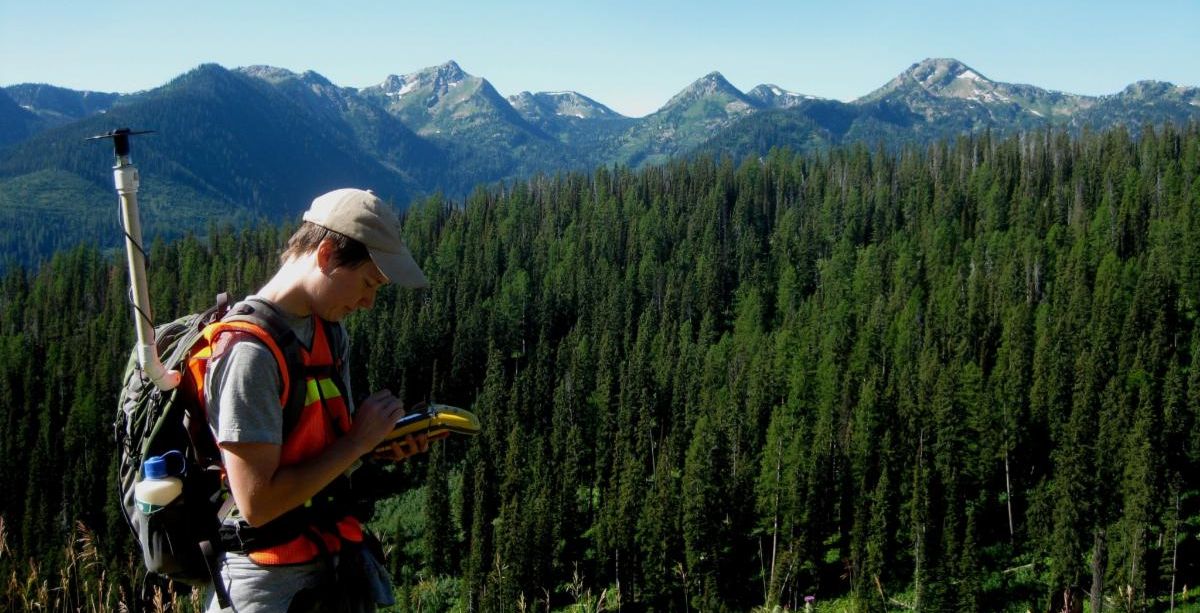
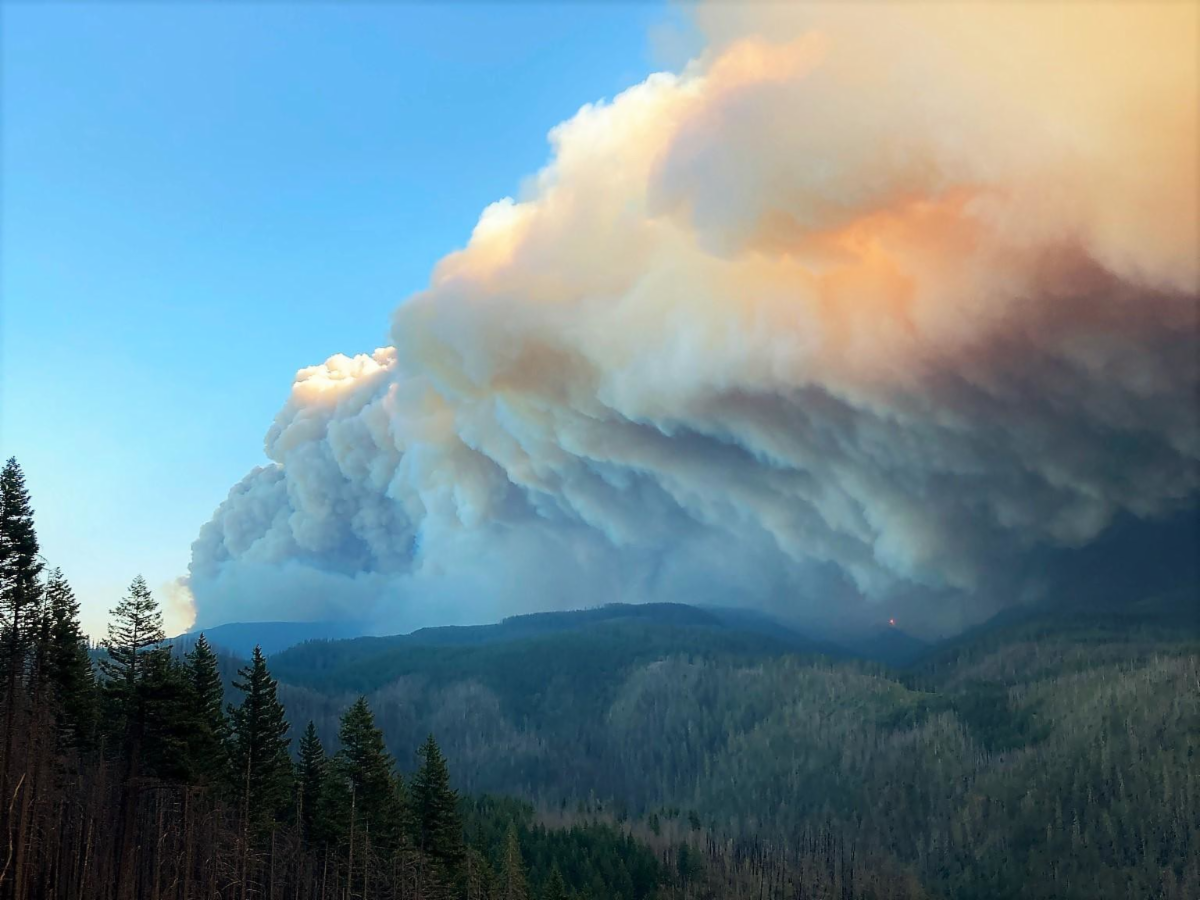
As the climate becomes warmer and drier, the dense, evergreen forests of the western Cascade Range are experiencing longer fire seasons, larger burns, and increased wildfire risk. A new story map explores the effects of climate change in the region and the goals of the Westside Fire Research Initiative, which is supporting the health, safety, and economic well-being of local communities.
|
|
|
|
Not Just More Wildfire,
But More Severe Wildfire
|
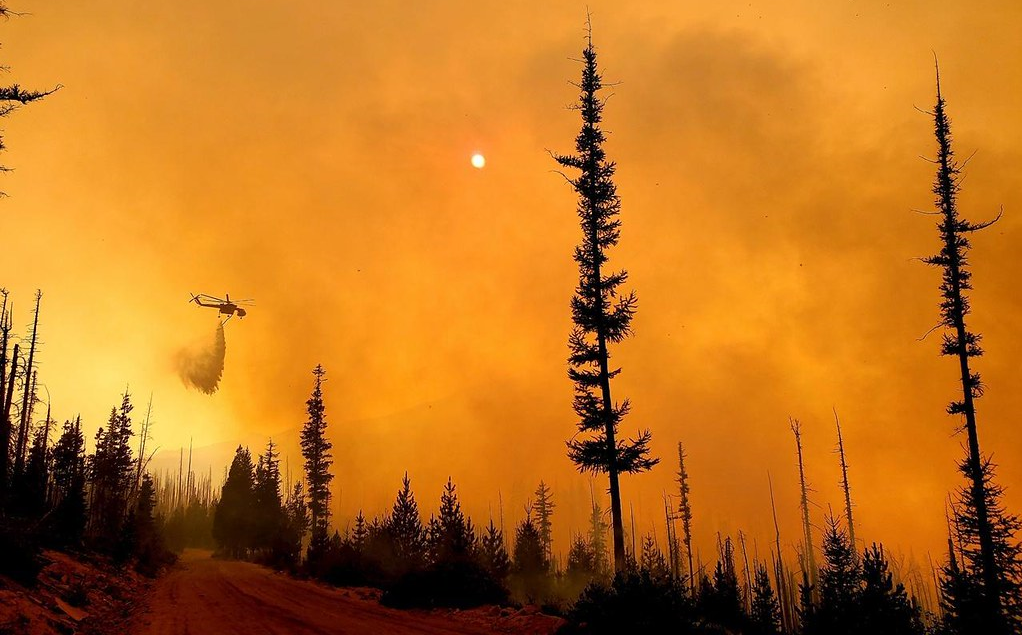
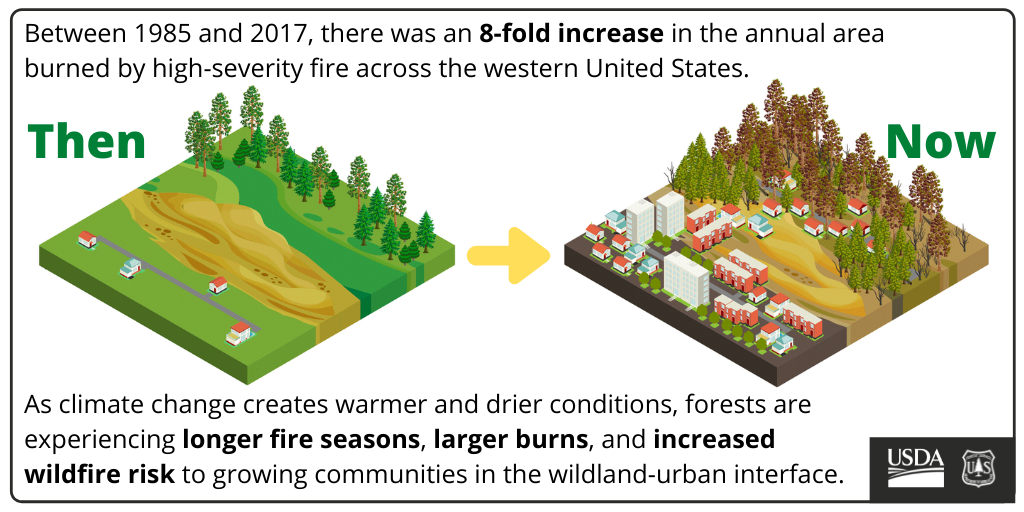
Forest Service scientists found that warmer temperatures and drier conditions drove an eight-fold increase in annual area burned by high-severity fire across western forests since the mid-1980s. In total, annual area burned by high-severity wildfires—defined as those that kill more than 95% of trees—increased by more than 450,000 acres.
|
|
|
|
Improving Predictions of Extreme Fire Events
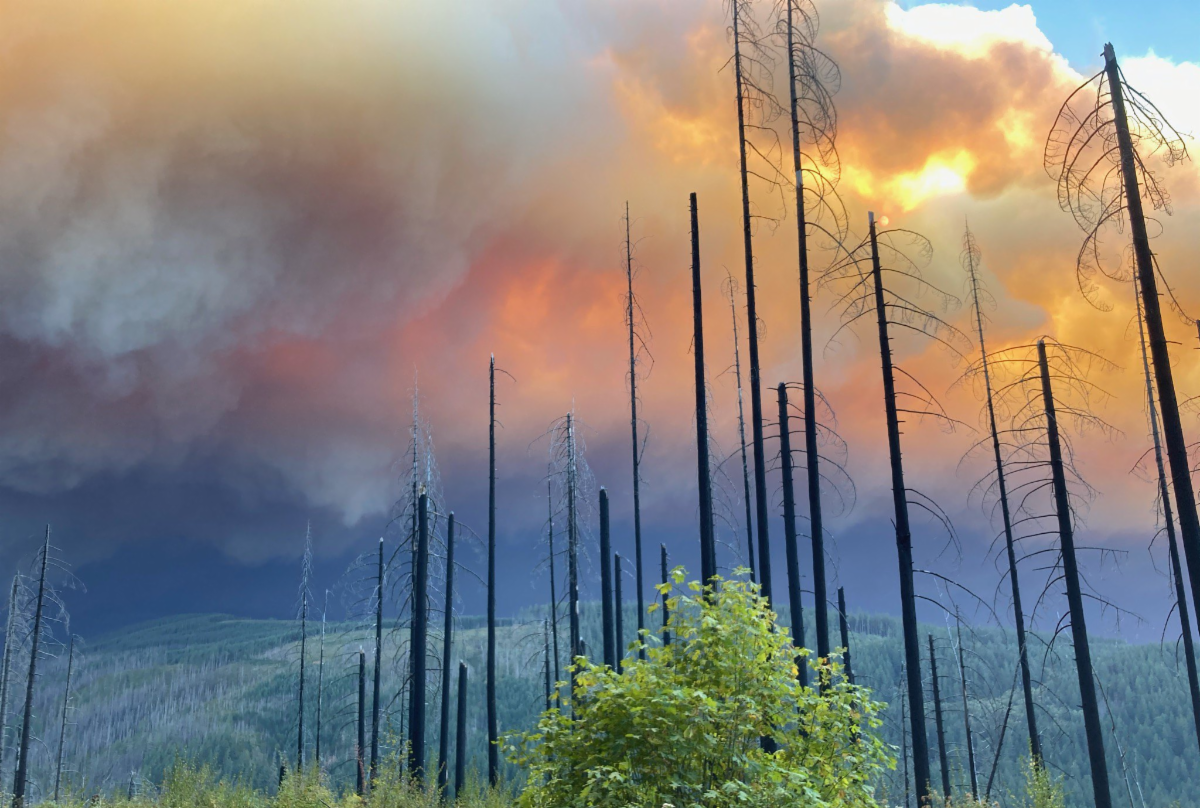
Extreme fire events are increasing with climate change, but predictive models typically use data averages, which limits their ability to forecast such extreme events. Forest Service scientists conducted the first study to model large-scale extreme wildfire events, which provides a foundation for improving future wildfire disaster predictions.
|
|
|
|
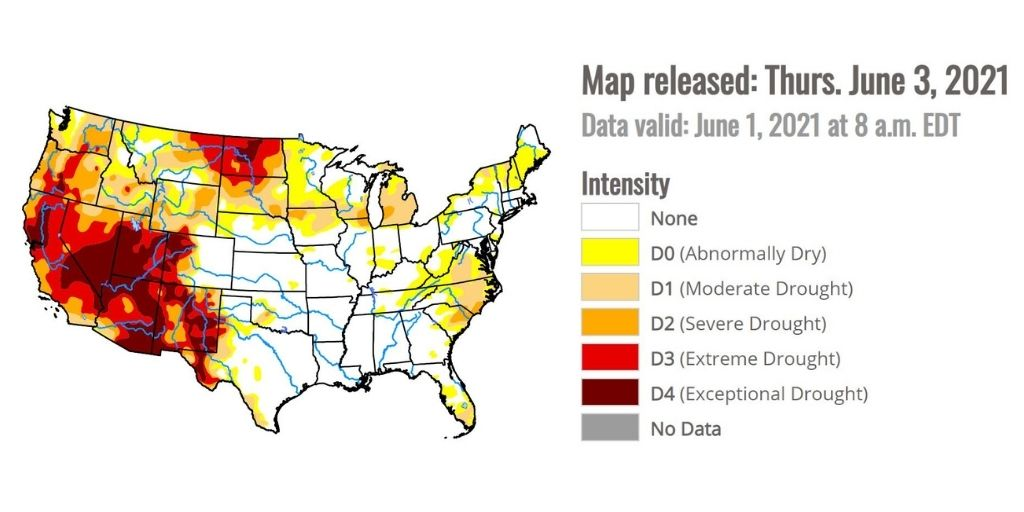
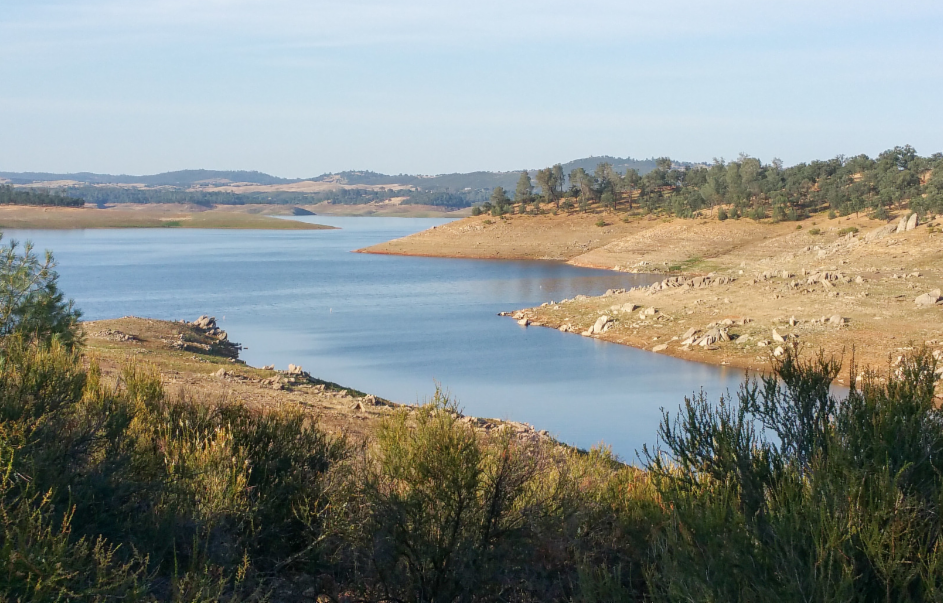
Water Scarcity in a Hotter, Drier Future
Photo courtesy of U.S. Army Corps of Engineers
|
|
CLIMATE CHANGE AND LAND MANAGEMENT |
|
|
|
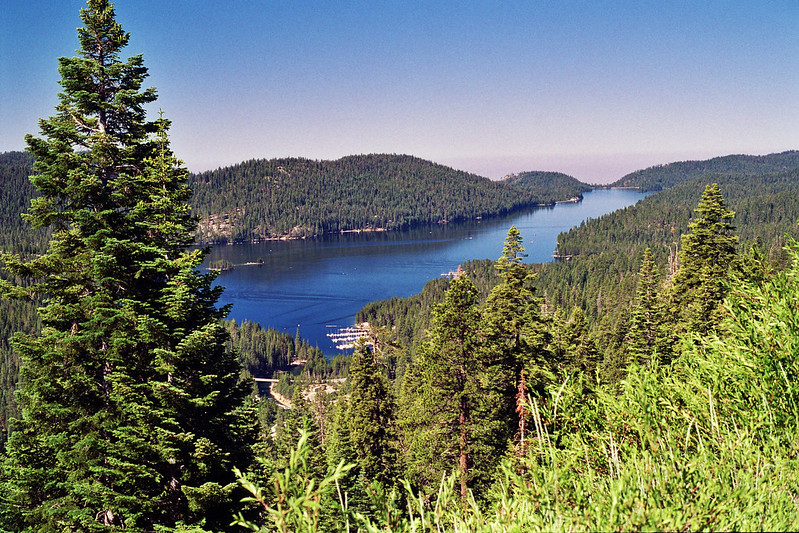
Predicting Climate Change Impacts in the Central Sierra Nevada
High-mountain ecosystems, like the Sierra Nevada, are uniquely sensitive to a changing climate and can provide early signals of significant climate-driven changes. Forest Service scientists created a decision-support tool for managers in a 2.4 million-acre area of the Tahoe-Central Sierra landscape in California and Nevada to support the development of a new, climate-conscious 20-year management plan.
|
|
|
|
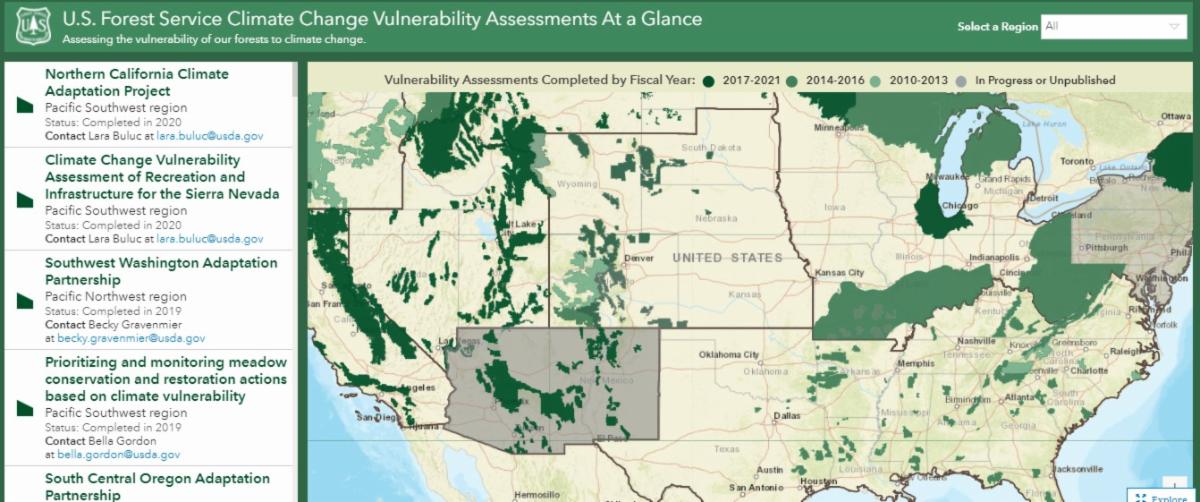
Interactive Map Highlights Climate Change Vulnerability Assessments
Climate change vulnerability assessments synthesize scientific research to explore the impacts and consequences of climate change and possible management responses. The Forest Service's Office of Sustainability and Climate created an interactive story map that highlights the vulnerability assessments conducted on Forest Service-managed land across the country.
|
|
|
|
These Lands: A New Podcast from the USDA Northwest Climate Hub
The USDA Northwest Climate Hub launched a new quarterly podcast, These Lands, focused on the creative and engaging delivery of regionally-relevant climate change adaptation information. The podcast explores pressing climate adaptation issues and highlights useful resources, tools, and science geared towards practitioners and managers.
|
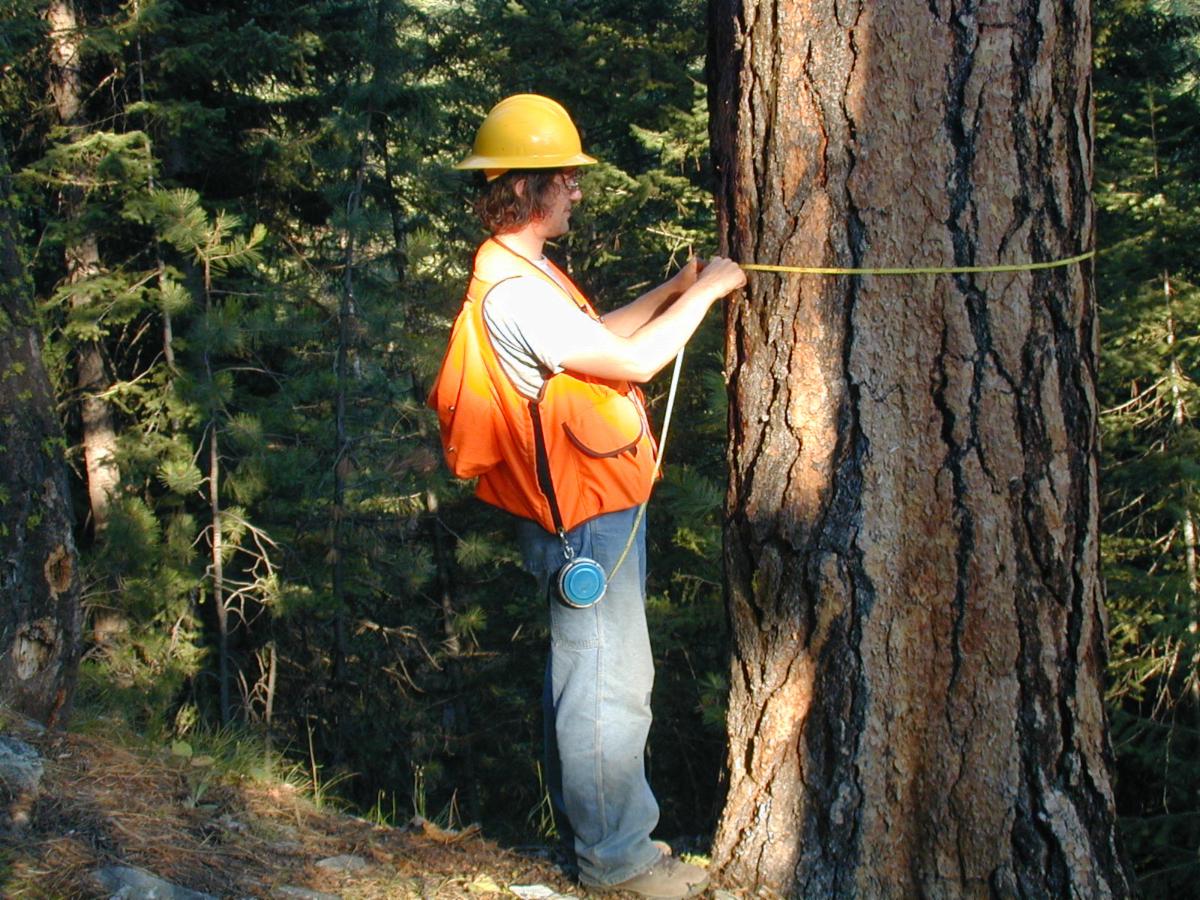
Forest Inventory and Analysis: The Foundation for U.S. Forest Carbon Estimates
|
|
|
|
Updated Seed Zones for Eastern U.S.
Support Climate-Conscious Planting
Climate considerations were key in the development of a new seed collection zone map for the eastern United States. Forest Service scientists and partners with the Eastern Seed Zone Forum delineated 245 seed collection zones across 37 states. A promising application of the new zones is the ability to source seeds appropriately for expected future climate conditions to ensure long-term conservation success.
|
|
CLIMATE CHANGE AND WILDLIFE |
|
|
|
Same Habitat, Different Responses
to Climate Change
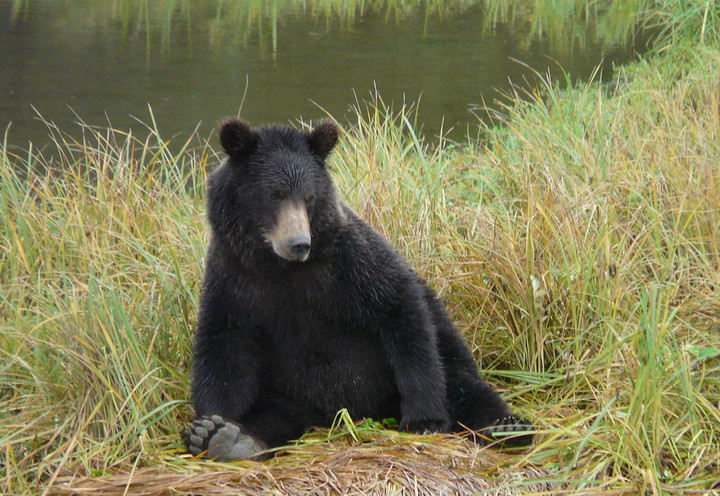
Wildlife species with overlapping habitat ranges can be affected in very different ways by climate-related habitat alterations. Forest Service scientists examined the habitat linkages of multiple wildlife species and incorporated projected land-use changes to help managers identify effective climate-informed conservation strategies for individual species.
|
|
|
|
New Framework Supports Wildlife Managers Facing Climate Change Challenges
Climate change is predicted to create warmer conditions overall, but uncertainties in local temperature and precipitation projections pose significant challenges to wildlife management. Forest Service scientists and partners are identifying ways to support managers facing climate challenges, which led to the recent creation of a framework for evaluating the effects of climate change on bird biodiversity.
|
|
|
|
A New Tool for Managing
Salmon as the Climate Changes
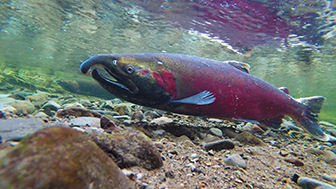
Forest Service scientists worked with their colleagues to develop a new tool to assess the adaptability of salmon and related fish to changing river conditions. Combining long-term records of river flow characteristics and fish behavior, the tool offers new insight into the ability of these fish to survive in a range of future river conditions.
|
|
CLIMATE CHANGE AND INVASIVE SPECIES |
|
|
|
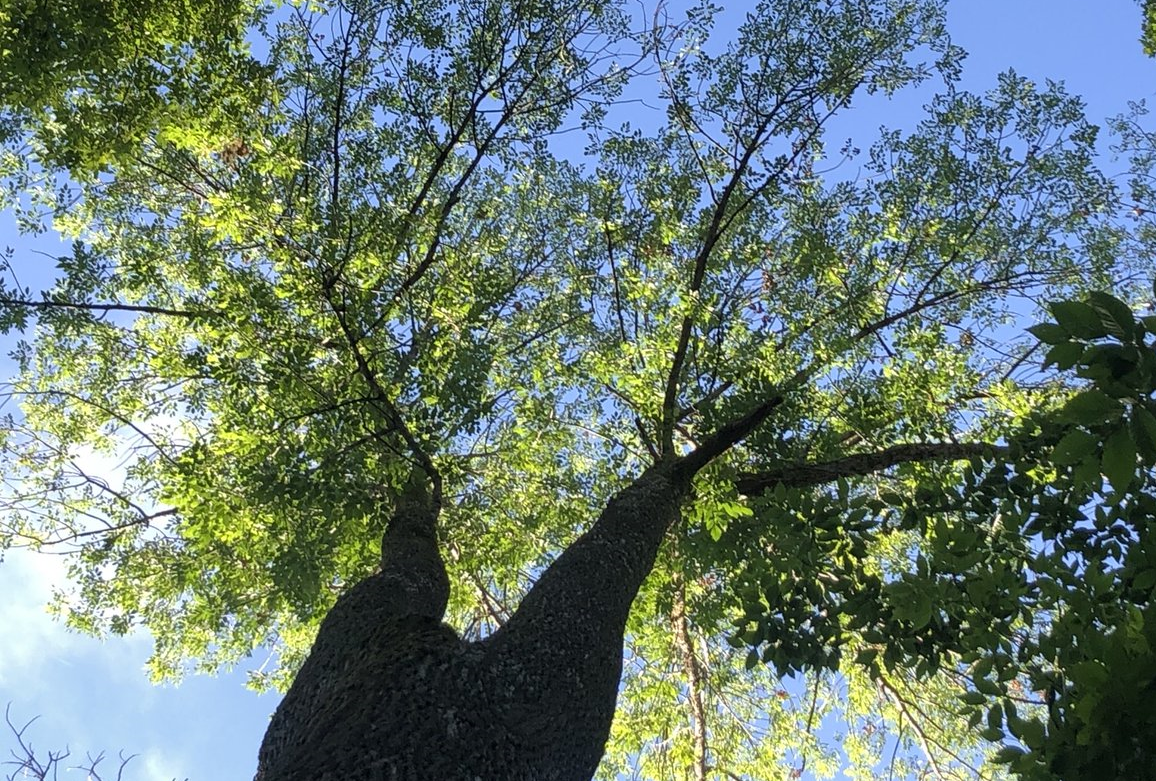
Fighting Back Against the Emerald Ash Borer and Hemlock Woolly Adelgid
Climate change can exacerbate existing threats, like invasive species. Not only can invasive species damage the environment, but they can also compromise local and regional economies and human health. Forest Service scientists are exploring the impacts of invasive species in forests and rangelands and developing strategies for restoring impacted landscapes.
|
|
CLIMATE CHANGE AND EXTREME WEATHER |
|
|
|
Some Communities More Vulnerable to
Future Increased Flood Risk
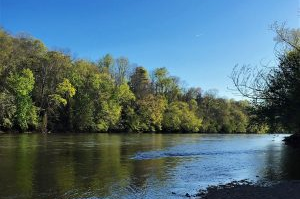
Forest Service scientists are providing information on the socioeconomic factors that influence climate change risk management. Combining projections of future flood risk with the capacity of local communities to bear the consequences, Forest Service scientists are supporting strategic forest management that can help mitigate the impacts of increased flooding on vulnerable communities in the future.
|
|
|
|
Enabling Rapid Assessment of
Forest Damage after Windstorms
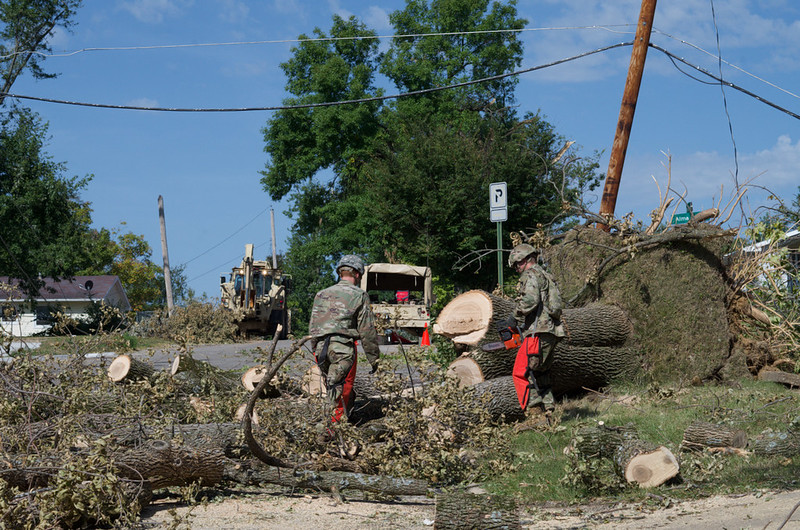
Forest Service scientists helped develop a rapid, reliable method to assess forest damage after wind disturbances using forest inventory and aerial survey data. This method was used to assess damage after the 2020 Midwest Derecho, where an estimated 2.67 million trees were damaged or killed on over 56,000 acres of forest land in Iowa and adjacent states. Photo by Staff Sgt. Jason Everett, U.S. Army National Guard
|
|
|
|
List of Top Climate Scientists Includes Forest Service Researchers
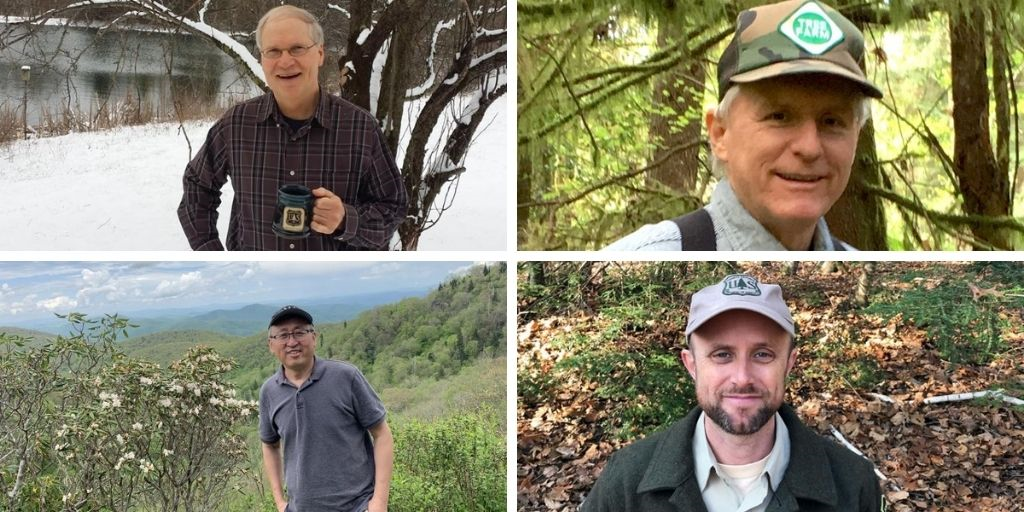
Forest Service scientists Louis Iverson, David L. Peterson, Ge Sun, and Christopher Woodall were included on the Reuters Hot List of influential climate change scientists. The news media organization considered three measures of scientific influence—number of publications, citations, and public reach—and identified 1,000 scientists from around the world with the greatest impact on climate change science.
|
|
|
|
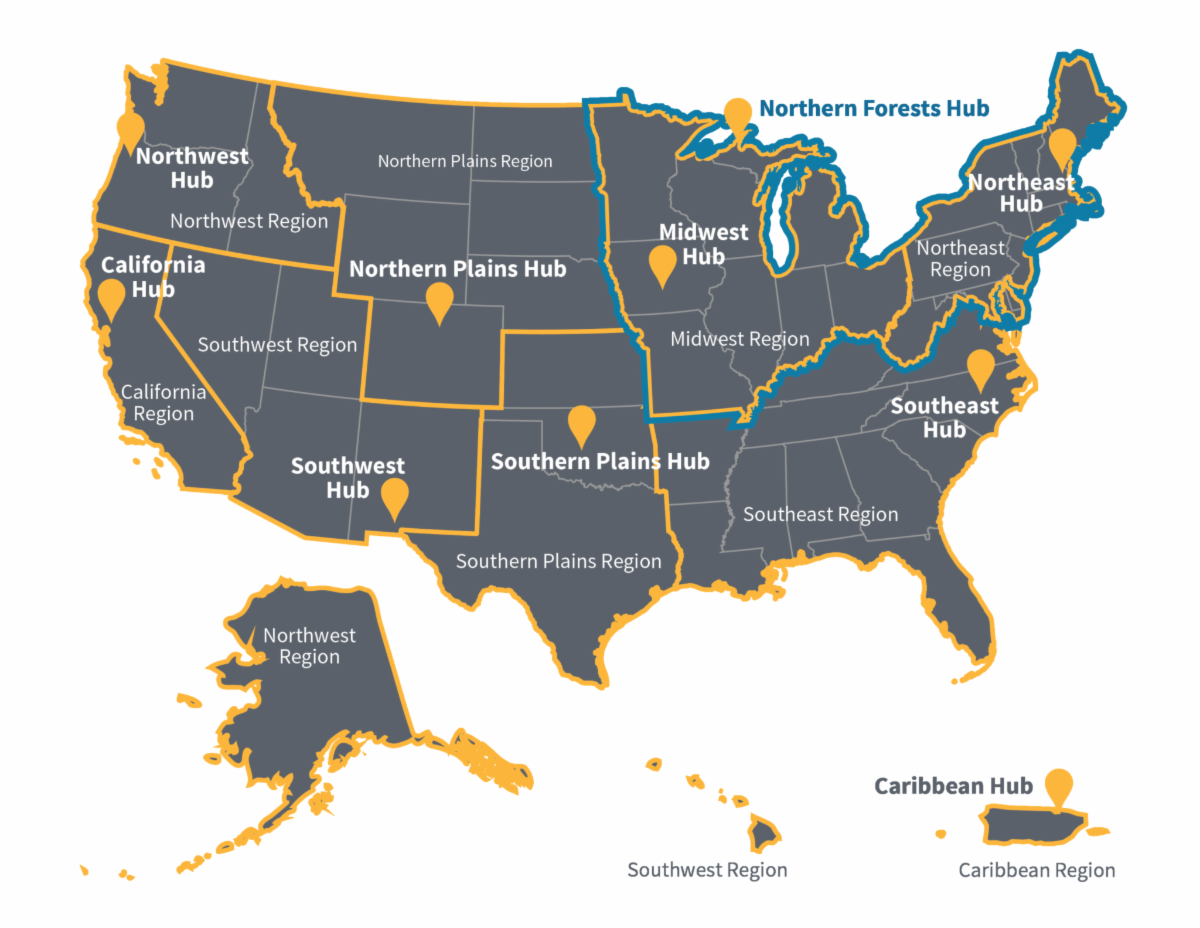
There are ten regional USDA Climate Hubs, led and hosted by the Forest Service and Agricultural Research Service, along with other agency collaborators.
The Hubs develop and deliver science-based, region-specific information and technologies to agricultural and natural resource managers that support climate-informed decision-making and provide assistance to implement those decisions.
|
|
 |
The Forest Service’s SCIENCEx webinar series brings together scientists and land management experts from across the agency’s research stations and beyond to explore the latest science and best practices for addressing large natural resource challenges across the country. SCIENCE x Climate is scheduled for October 25-29, 2021, from 2-3 PM EDT, and will feature the latest resources and management guidance for climate change-related natural resource management challenges. More details will soon be posted on the SCIENCEx webpage.
The Natural Inquirer is a free science education journal written for middle through high school age students. Check out the Natural Inquirer's Climate Change Resources, which include articles and scientist spotlights.
The Forest Service’s Climate Change Resource Center is a web-based, national platform that connects land managers and decisionmakers with useable science to address climate change in natural resources planning and management.
The Forest Service's "Urban Forest Connections" webinar series brings together experts to discuss the latest science, practice, and policy on urban forestry and the environment. The next webinar, "The Influence of Municipal Pruning Practices on Urban Forest Health and Storm Resilience," will be held on July 14, 2021 from 1:00-2:15 PM EDT.
|
|
|
|
The Forest Service's Northern Research Station hosts a "Rooted in Research" webinar series, scheduled for 12:30 PM ET on the first Wednesday of each month. This series features the latest research from the station with a direct land management application.
The Forest Service's Southern Research Station hosts the "Science in Practice" webinar series, which summarizes recent research with a focus on practical takeaways for land managers and practitioners.
The Forest Service's Rocky Mountain Research Station hosts a "Science You Can Use" webinar series, with one-hour webinars held twice a month. They feature the latest research from the station's scientists and cover a wide range of topics, including wildland fire, forest restoration, rangeland management, and wildlife conservation.
The Forest Service co-hosts a monthly biochar webinar series that covers basic information about biochar, its applications, and environmental benefits. The July Webinar, “The Link Between Woody Biochar, Forest Industry, Agriculture, and Benefits for Different Users," will be held on July 8, 2021 from 11 a.m. to 12 PM EDT.
|
|
|
|
Message from the Forest Service R&D Deputy Chief |
|
Deputy Chief Alexander L. Friend |
|
A Legacy of Research Excellence and Leadership in Climate Science
|
For nearly 100 years, Forest Service researchers have studied stressors on our nation's forests and grasslands, with the goal of supporting healthy, diverse, and productive ecosystems. Over the last two decades, our research has studied the impacts of a changing climate specifically, even before climate change emerged as a critical consideration in resource management and before it dominated news headlines.
I am proud to lead a research organization that has scientists across five research stations, two environmental threat centers, the Forest Products Laboratory, and the International Institute for Tropical Forestry who are at the forefront, studying climate change from many angles and working closely with managers to share their research to inform adaptation and mitigation strategies.
This month's newsletter provides a glimpse of some of the extensive climate science work we are conducting and the difference it is making in the resilience of our national forests and grasslands and communities. I also invite you to browse Research Improves Climate-Smart Management of America's Forests and Grasslands, a new report we just released that highlights our contributions that are helping the USDA—and the nation—move closer to achieving its climate and carbon goals.
Our climate change research has been buoyed by renewed interest and support. We are eager to continue building on the legacy we established some 100 years ago into the century ahead.
|
|
|
|
|
|
|