|
Special June 2025 edition, featuring a tree of
special interest.
| | |
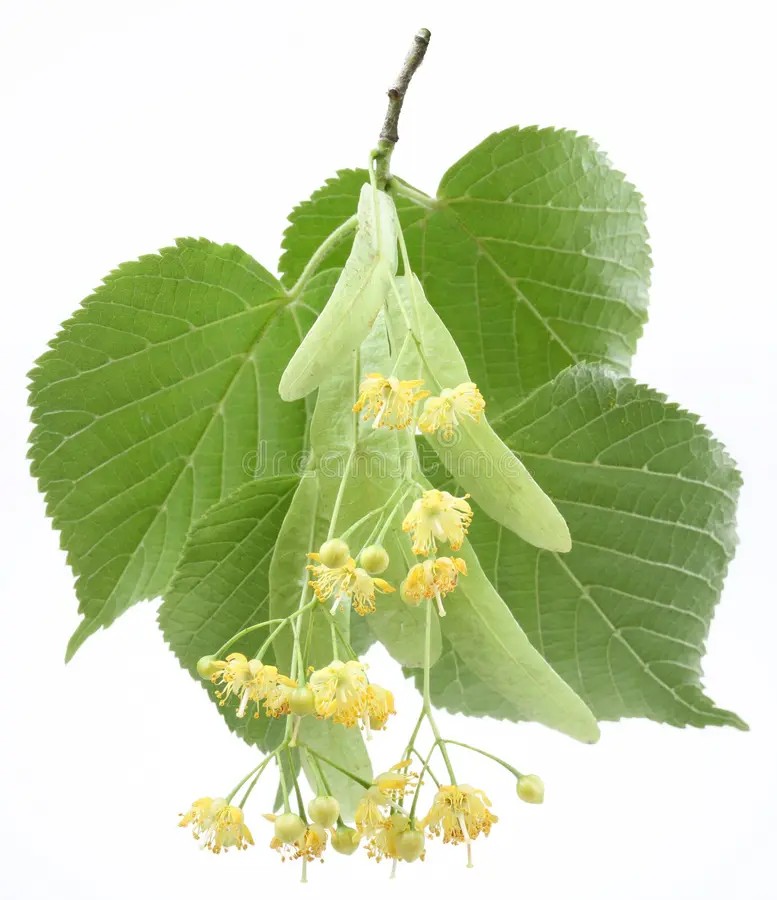
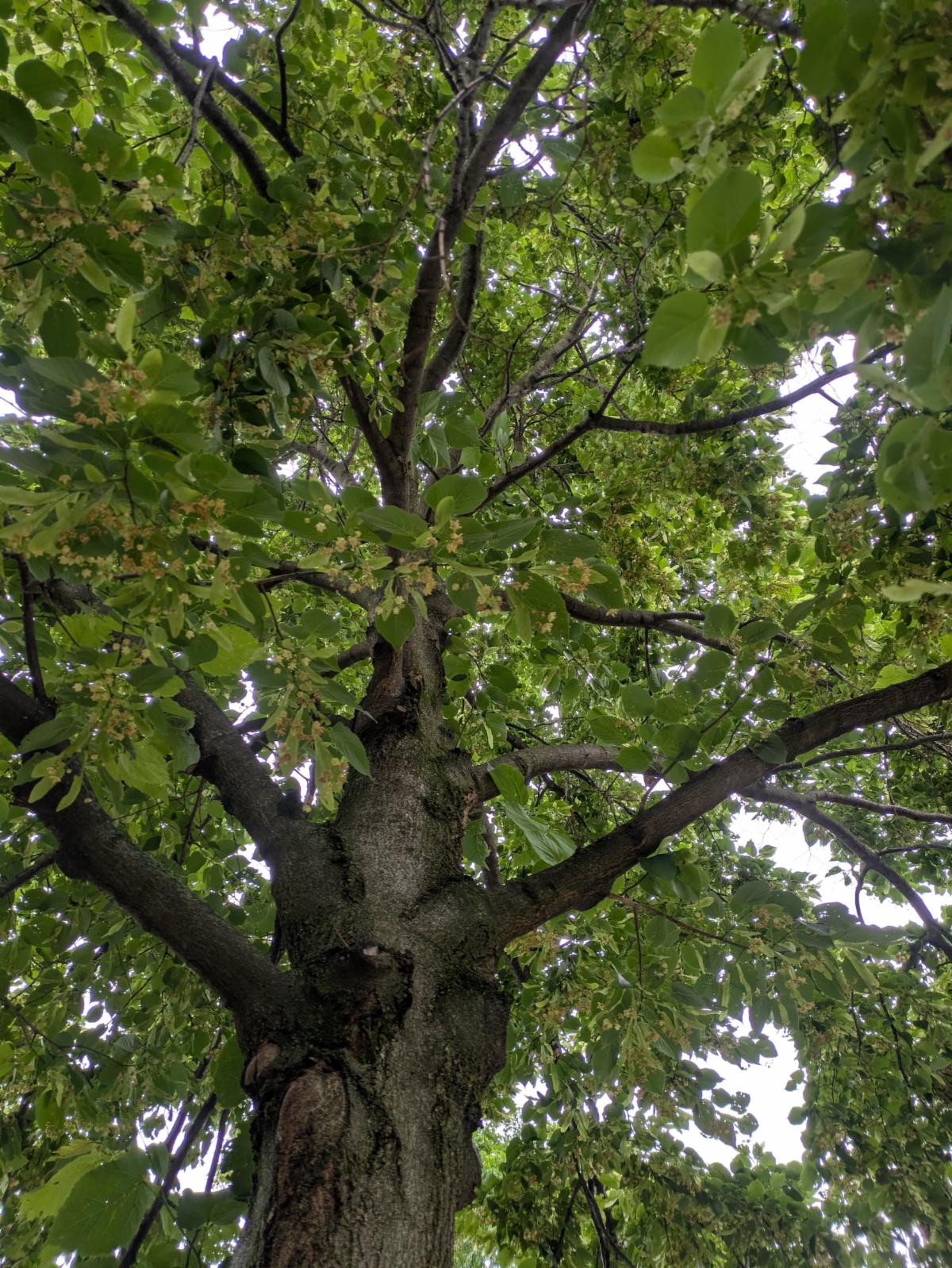
Linden trees (genus Tilia), also known as Lime trees in Europe and Basswood in North America, are stunningly beautiful. They delight the senses with their thick rounded canopies of heart-shaped leaves and large clusters of intensely fragrant yellow-white flowers in early summer. These attract pollinators, especially bees; thus, the nickname “bee tree.”
In addition, Lindens were an early contender in tree evolution, predating Oaks, and are long-lived. Indeed, there is a Linden in England estimated to be 2,000 years old. So, it is not surprising that the Linden has been celebrated in song, poetry, and mythology since ancient times.
| | |
A Tree of the Ages
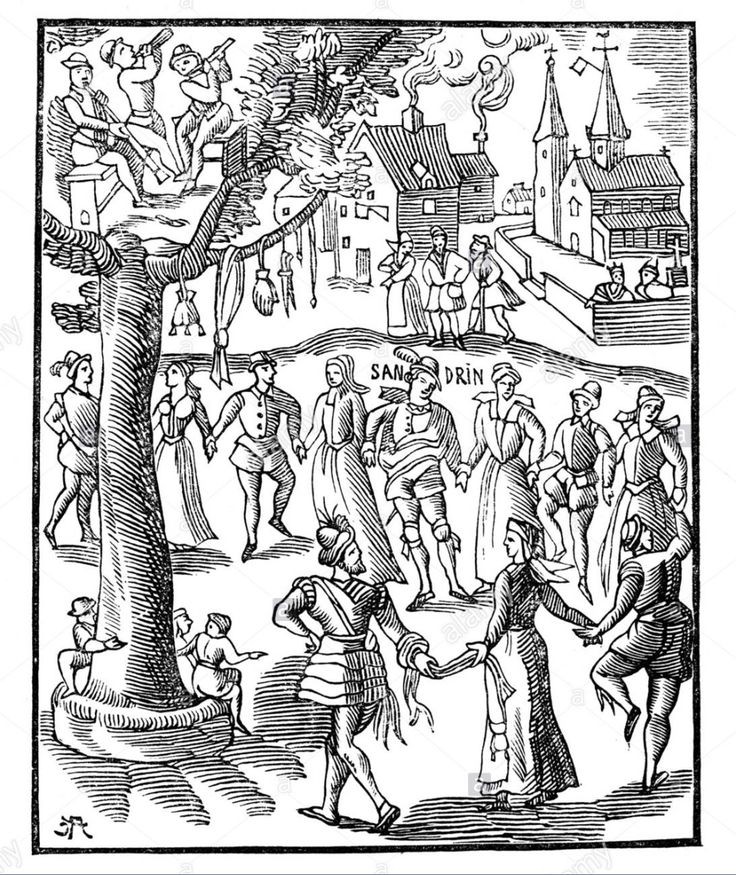
In classical Greece, the Linden tree was a cultural icon with almost sacred status. Because of its heart-shaped leaves, the Greeks dedicated it to Venus, the goddess of love. Similarly, it became associated with Freja, the Germanic goddess of love – but also of truth. It was even believed that one couldn’t tell a lie under its branches. Consequently, under Linden trees became the place to hold weddings, but also to create laws and render judicial decisions.
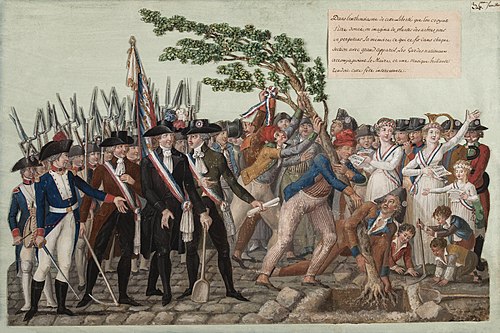
| | A remnant of this belief carried through to the time of the French Revolution, during which the Linden tree was consecrated the “tree of liberty,” leading to the planting of some 60,000 throughout France. In part, this was a re-assertion of the tree’s original common-man symbolism, since monarchs and nobles had for centuries planted lines of these spectacular trees to exalt their palaces and estates. | |
In part, this was a re-assertion of the tree’s original common-man symbolism, since monarchs and nobles had for centuries planted lines of these spectacular trees to exalt their palaces and estates.
| | In other words, the revolutionaries were harkening back to the Middle Ages, when the Linden was emblematic of social healing and resolution. Indeed, Lindens were typically planted in the center of medieval villages and near hospitals because of their presumed health-giving properties, while villagers carried pouches of Linden bark to protect against illness and injury. Its bark, leaves, and flowers were used as medicines for fevers, colds, and digestive issues, as sedatives, and as poultices on wounds and burns. | | |
A Tree for Today
Not just a pretty face, Linden trees are extremely hardy and resilient. They remain treasured trees in yards, parks, and along streets – perhaps most famously along Berlin’s Unter den Linden. Nonetheless, there are some 180 Lindens along the borough’s streets, including those lining Linden Avenue.
| | In addition, Linden tree wood continues to be used not only for guitars, violas, drum shells, wind instruments and sculptures, but also window blinds and shutters. Moreover, its leaves and flowers continue to be touted for their medicinal value. Research confirms that Linden tree tea, while providing digestive and respiratory support, is particularly effective at quelling anxiety and treating insomnia. Now, who couldn’t use a little of that? So, harvest its flowers (or buy them online) and tea proudly! | |
Brew a Cup of Linden Flower Tea
- Put 1 tsp of dried flowers or 2 tbsp of fresh in an 8 oz. cup.
- Add boiling water.
- Steep 10 to 15 minutes.
- Add honey or lemon, if desired.
| | | |
Is there a tree in town that piques your interest? Contact the Shade Tree Commission with your suggestion for a
special tree feature.
| | |
The Shade Tree Commission wants to be your resource
on all things "trees." If you have concerns, questions or issues, do not hesitate to contact us at shadetree@glenridgenj.org.
You can also request a street tree inspection or sidewalk review at the
Borough Tree Service Request Center.
| | |
Elizabeth Baker, Chair
Kayla Armstrong
Joan Lisovicz
Tina Seaboch
Julie Zichelli
| | | | | | |