|
JUNE 2026 SPOTLIGHT ON:
Placer County's Creative Economy
| | |
By J Ross Parrelli
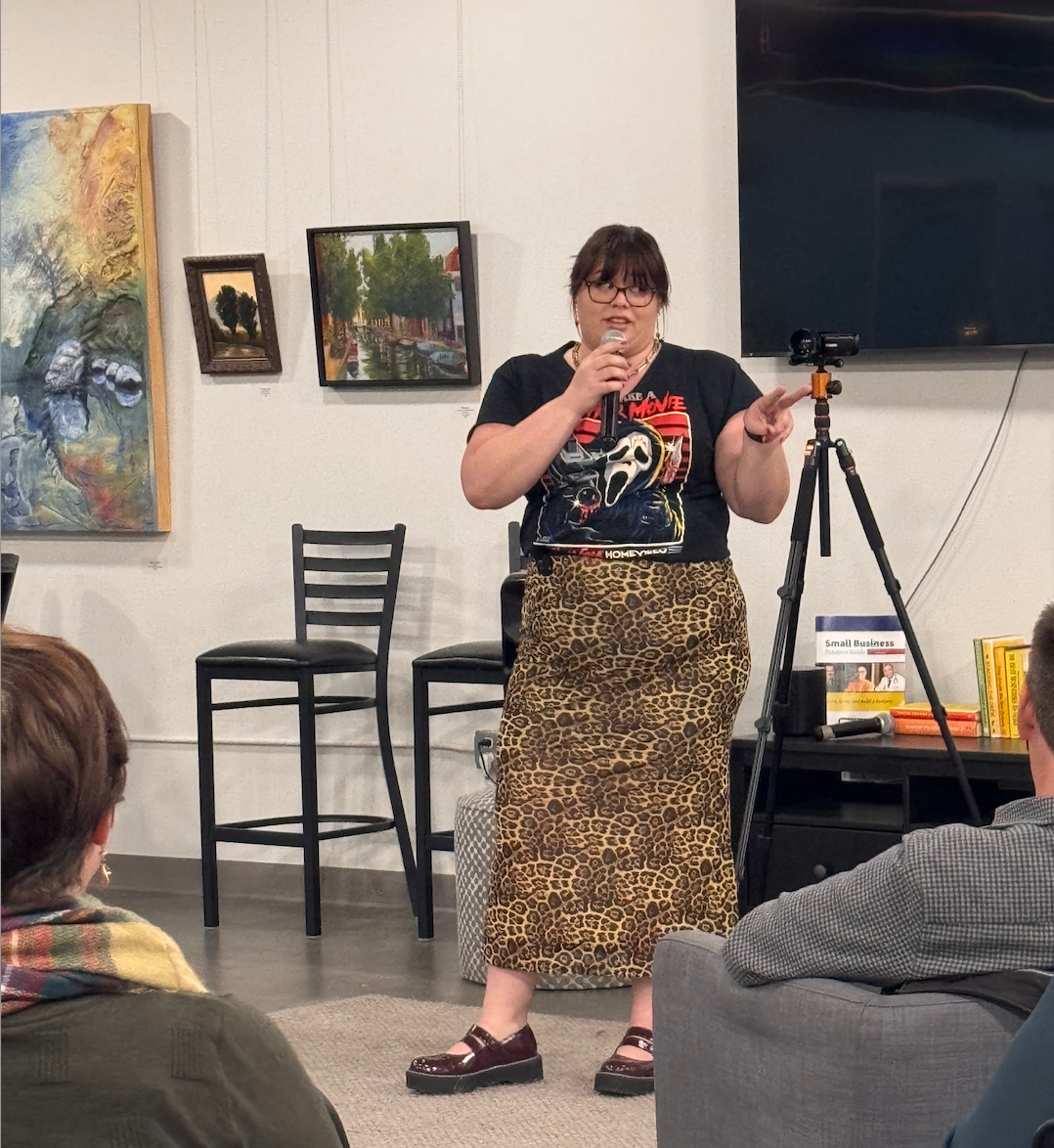
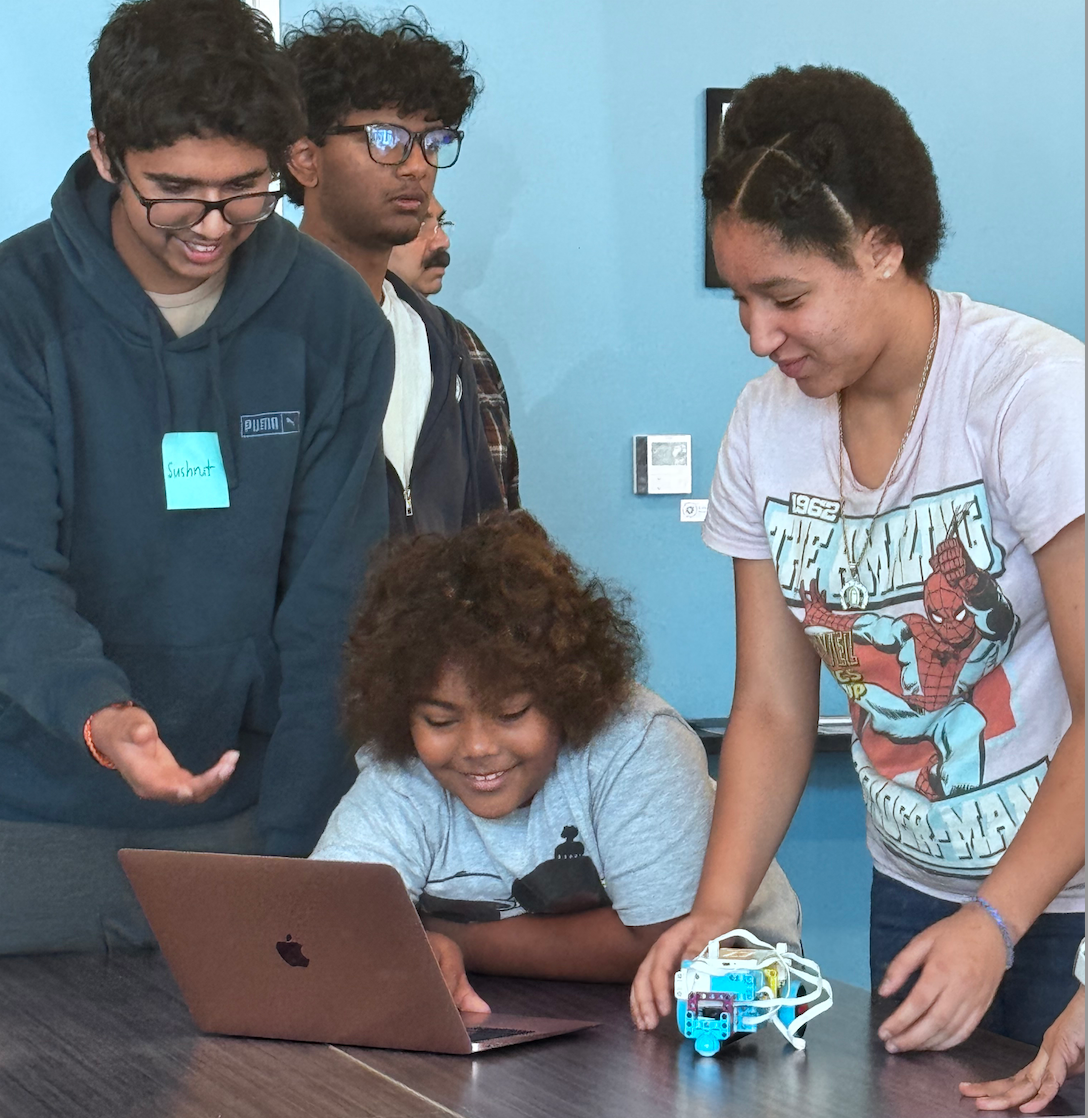
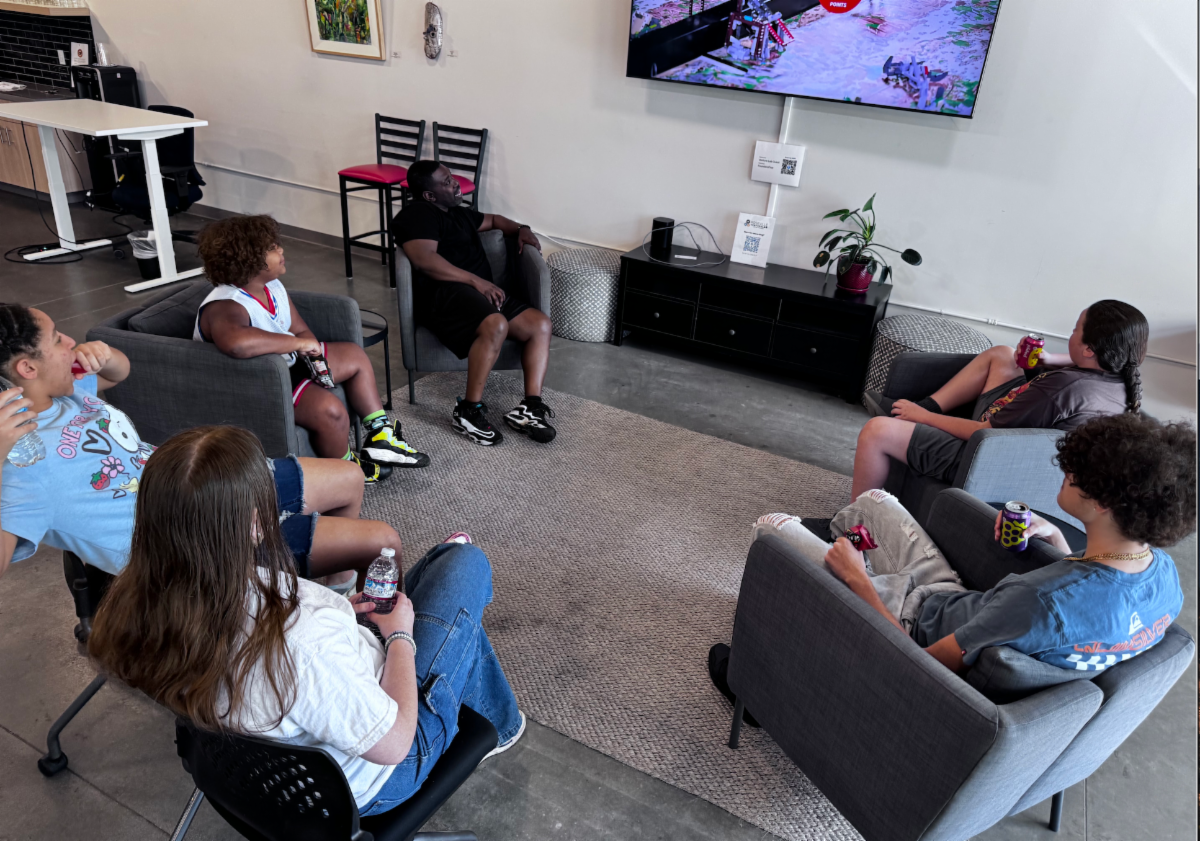
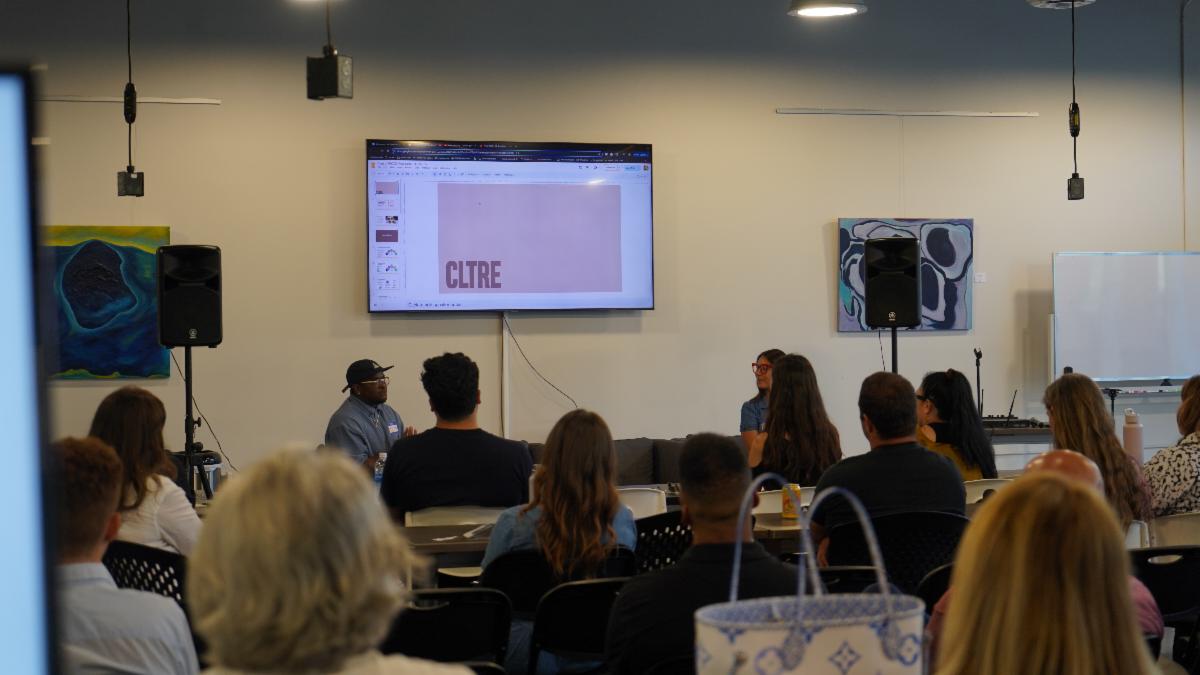
A poet steps up to a microphone on a Tuesday night in Downtown Roseville. In the back of the room, a comedian who spent the afternoon learning about LLC formation is taking notes on a napkin he’ll never throw away. A few tables over, a high school coder from a 100 Black Men mentorship program is teaching a younger student how to build a robot out of Lego bricks. None of this looks like economic development. All of it is.
This is the heart of the Creative Economy — the reciprocal relationship between a city, its community, and the artists, musicians, chefs, designers, and craftspeople who give that community its character. It's the date night that starts with a babysitter and ends with dinner and theater tickets. It's the mural that turns a blank wall into a reason tourists stop, linger, and shop downtown. It's where art, technology, history, commerce, and entrepreneurship meet — and in Placer County, it's becoming one of the more interesting case studies in how a region grows its economy not by recruiting outside industry, but by investing in the talent already living in it.
A Sector Hiding in Plain Sight
The creative economy rarely shows up in the headlines reserved for tech campuses or logistics hubs, but the numbers tell a different story. Statewide, the creative economy now accounts for 7.7% of California's economy, outpacing agriculture, transportation, construction, and education — sectors that rarely cede that kind of ground. Locally, the most recent Arts Economic Prosperity 6 (AEP6) study put a dollar figure on what many in Placer County already sensed: the creative sector generated $26.1 million in economic impact and $4.8 million in local, state, and federal government revenue. That figure represents artists, musicians, designers, cultural venues, galleries, museums, nonprofits, and creative small businesses functioning as a genuine economic sector — one that competes for dollars and jobs alongside any other industry in the region.
The harder question has always been how to convert that cultural energy into something sustainable: paychecks, businesses, careers. That's the gap Arts Council Placer County (ACPC) has set out to close.
| |
From Open Mic to
Open for Business
The groundwork was laid at Roseville Venture Lab, where ACPC's Artrepreneurship series began pairing working creatives with entrepreneurs and small-business experts willing to demystify the parts of running a business that art school never covers. Workshops on film permitting, professional headshots, grant writing, and coalition-building followed, each one chipping away at the assumption that being a working artist and being a business owner are two different paths.
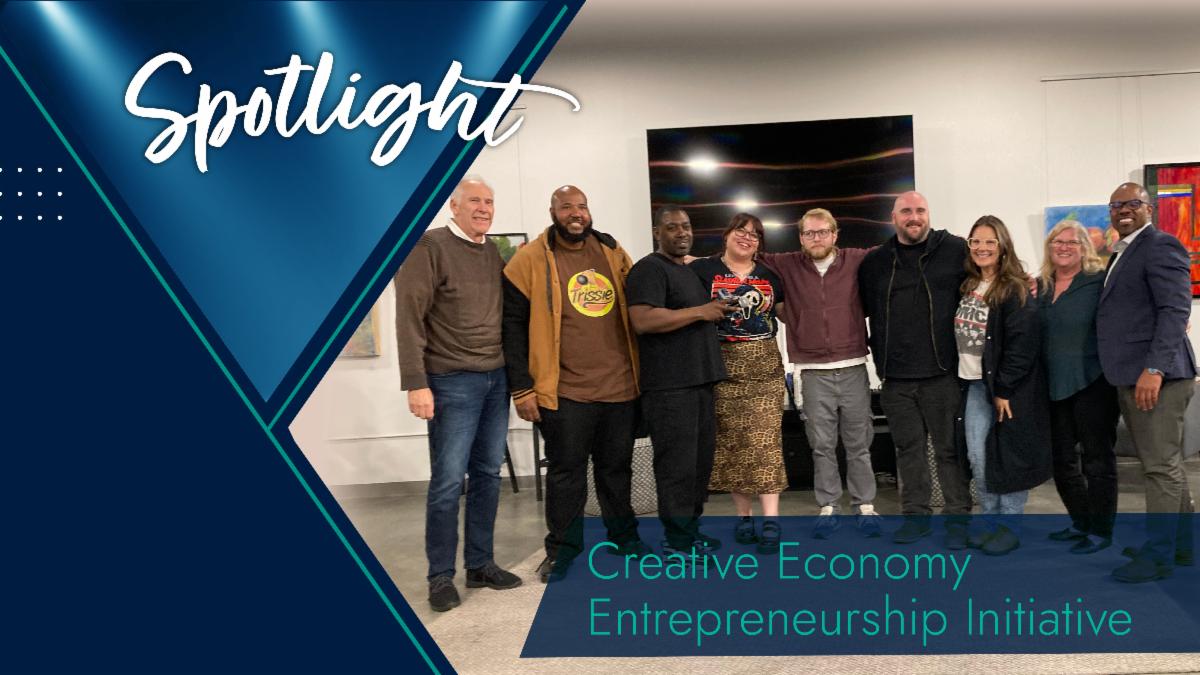
Along the same time, Roseville Venture Lab and Kidzapalooza.org began supporting the Creative Economy Entrepreneurship Initiative (CEEI), built on a collaborative, peer-driven model that recognizes the value of creatives learning from creatives. Rather than relying solely on traditional business instruction, CEEI empowers working musicians, poets, comedians, designers, and other artists to share the real-world knowledge they've gained building successful creative careers. The person best positioned to explain how to price a gig, pitch a client, or negotiate a contract is often someone who has navigated those challenges firsthand as a performer or creative entrepreneur. The approach reflects Roseville Venture Lab's broader commitment to cultivating a diverse innovation ecosystem through workforce development, career exploration, entrepreneurial support, and hands-on learning opportunities that prepare individuals for success in an evolving economy.
"Strong local economies are built by investing in people and creating pathways for talent to thrive," said Wayne Wiley, Executive Director of Roseville Venture Lab. "By connecting workforce development, career exploration, and entrepreneurship with the creative economy, we're expanding opportunities for residents while advancing the City's vision of fostering innovation, supporting small businesses, and strengthening Roseville's long-term economic vitality," explains Wayne Wiley, City of Roseville Economic Development Manager.
The Coalition Behind the Curtain
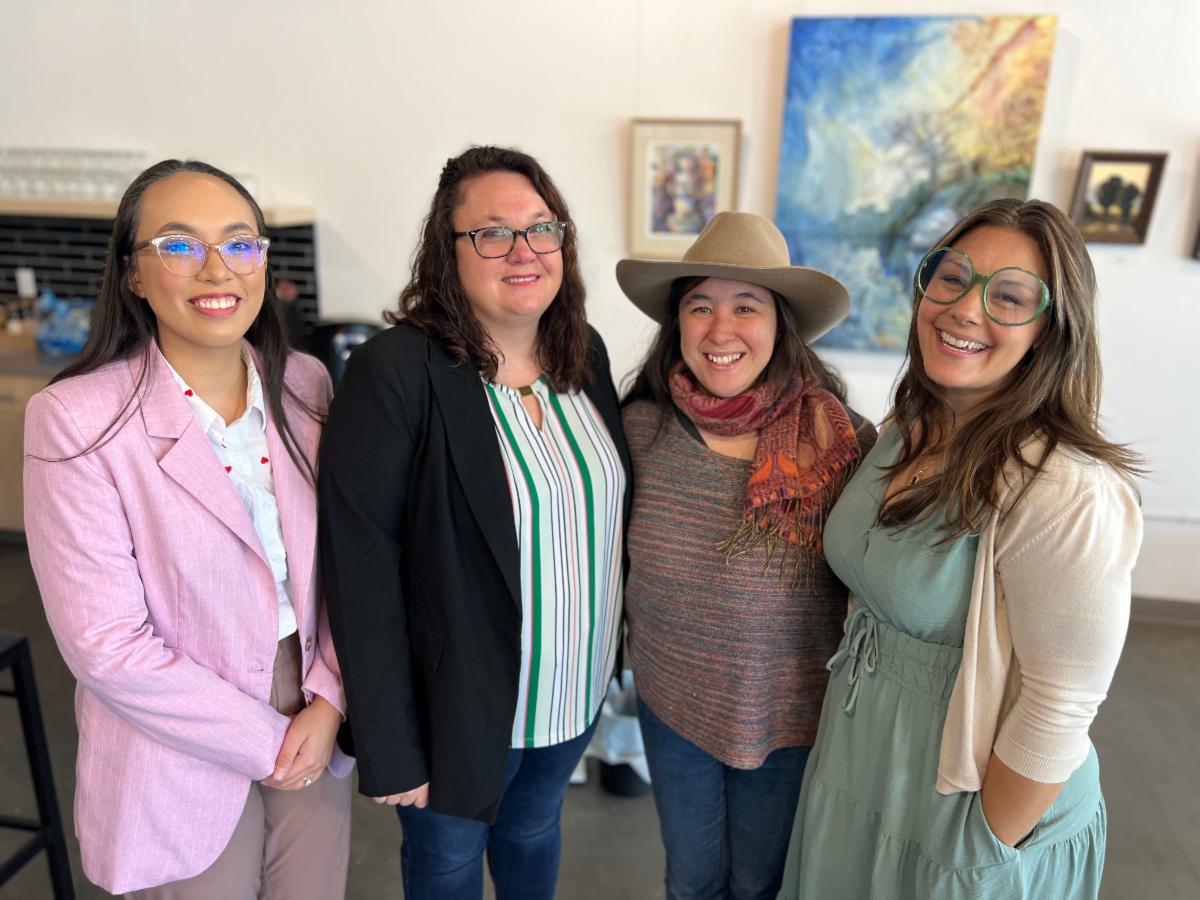
No initiative like this runs on inspiration alone, and CEEI's growth has leaned heavily on a coalition that spans the county's cultural infrastructure: Arts Council Placer County, the Placer County Film Office under liaison Juli Johnston, the Rocklin Arts Commission, the Art League of Lincoln, the Placer County Arts Education Strategic Plan and PCOE, Parkour and Performance Arts Center, CLTRE, Auburn Arts Commission, Russell Cummings and Mahogany Poetry, 100 Black Men, Lego League, and the Sacramento poet laureate emeritus Andru Defeye. It's an unusual mix of arts commissions, education partners, community leaders, and grassroots mentorship organizations — and that range is precisely what allows CEEI to reach artists at every stage, from a teenager building robots to a poet laureate shaping the region's literary identity.
| |
What Gets Measured Gets Real
The most telling number isn't attendance, though that's been strong. It's compensation. CEEI has directly paid more than a dozen creative entrepreneurs this quarter alone — high school mentors from 100 Black Men, comedians, poets, DJs, and social media strategists among them. In a sector often asked to work for "exposure," that detail matters. It's the difference between a program that talks about valuing creative labor and one that puts a number on a check.
That distinction is the quiet thesis running underneath all of this: the creative economy isn't a metaphor, and treating it as one is what keeps talented people from ever turning their craft into a livelihood. When a city, like Roseville, pays its poets, mentors its young coders, and treats its comedians as small-business owners in training, it's not charity. It's economic development with better lighting and a sound system.
Why This Matters Beyond Placer County
Plenty of regions talk about supporting the arts. Fewer build the infrastructure — workshops, mentorship pipelines, direct compensation, a coalition of a dozen-plus partner organizations — to turn that support into a functioning pipeline from passion to paycheck. What Arts Council Placer County, Roseville Venture Lab, and CEEI are building looks less like a cultural nice-to-have and more like a replicable economic development model, one that other counties watching their own creative talent leave for bigger cities might want to study closely.
When a community invests in its creatives, it builds more than art — it builds confidence, collaboration, and the courage to try something new. The poet at that Tuesday open mic, the comedian with the napkin full of notes, the teenager teaching robotics — none of them may think of themselves as economic indicators, but in Placer County this quarter, that's exactly what they were. This June, Arts Council Placer County is proud to spotlight that work — and the entrepreneurs making it real.
| | Arts Council of Placer County is proud to be the state and local partner of California Arts Council and Placer County Economic Development |
| | | |