Spring Newsletter
June 2023
|
|
|
COUNCIL CORNER
Council Election of Executive
At the Council's first meeting after the end of the Election, the members put forward nominations for the Council Executive.
The following three Council members have been re-elected to Council Executive for the next year:
- Dr. Jane Pritchard - President
- Dr. Michele Martin - Vice President
- Mr. Gian Sihota - Treasurer
|
|
|
Outgoing Council Members
The CVBC Council would like to sincerely thank Dr. Jane Mancell and Mr. Chris Finding for their dedication and contribution as members of the CVBC Council. We will sincerely miss working with you and best wishes to you both.
Welcome to our Newly Elected Council Member
After the conclusion of the CVBC election cycle, Dr. Michele Martin was re-elected to Council for her second term with Dr. Justin McLash joining Council for his first term.
|
|
|
EDI Working Group
The CVBC EDI Assessment Survey
Hi everyone, for the past 8 months, the CVBC has been working with an external Equity, Diversity and Inclusion (EDI) firm, The Commons Consulting, to better understand existing barriers and identify opportunities towards establishing and sustaining equitable and inclusive practices at the College.
This organizational assessment project is guided by an advisory group comprising CVBC registrants, staff, and council members.
The Survey
As part of the project, The Commons and the committee have collaborated on developing a survey to assess the CVBC’s organizational practices. The assessment will result in a final report that showcases findings and recommendations to support the College’s ongoing work in creating an inclusive and equitable culture.
Your voice and lived experiences matter and will help enhance organizational policies and practices, promote systemic change, and contribute to future inquiry around dismantling systemic discrimination within the CVBC.
The survey will be open until Monday, June 19th. The survey link can be found here.
Privacy & Confidentiality
Your personal information will be collected and protected under the BC Freedom of Information and Protection of Privacy Act (FIPPA) and the BC Personal Information Protection Act (PIPA).
The survey is hosted on the online survey platform Alchemer. Alchemer servers are located in Canada, and data collected on Alchemer is encrypted and stored directly on its server.
Access to your responses will be limited to The Commons Consulting team and will be password protected. All information will be anonymized and participants will not be identifiable based on responses.
Megan Bergman
|
|
|
Canine Devocalization Working Group
Canine Devocalization Survey Results
The College experienced a high response rate from CVBC registrants with respect to the practice of non-therapeutic devocalization. The majority of respondents support the prohibition of non-therapeutic devocalization.
Canine devocalization survey summary
The College received 330 responses to the Canine Devocalization (Debarking) survey. Most registrants who responded do not perform the procedure (98%; 323/330). Seven respondents do perform non-therapeutic canine devocalization (2%); six at the request of clients and one at the request of both clients and breeders.
Most respondents who perform the procedure do so in response to barking (5/7), with several indicating that it is a last resort to prevent relinquishment, euthanasia, or loss of housing. Respondents indicated that the procedure is a very small percentage of their surgical caseload (6 responded 0-1%; one person responded 1-10%). Of the 7 respondents who perform the procedure, 3/7 support a ban and 4/7 do not.
Among respondents who do not perform the procedure, the most frequent reason given was that they consider the procedure inhumane (87%; 276/317). Other reasons included preferring to refer these cases (7%; 21/317) and not feeling proficient performing the procedure (21%; 65/317). Themes appearing in the additional write-in section included: out of practice scope/retired, belief that the procedure is ineffective and/or does not address the underlying problem, concerns for complications, and clients not asking for the procedure.
All respondents had the opportunity to respond to the question about frequency of client requests for devocalization, with a majority selecting “Never” (57%; 180/316), followed by “Fewer than once a year” (40%; 125/316). Eleven respondents (3%) selected “1-10 times a year,” with no respondents receiving requests more than 10 times a year.
The final survey question asked respondents whether they support a CVBC regulatory change banning non-therapeutic canine ventriculocordectomy. Responses were 93% (302/323) in favour and 7% (21/323) opposed. There were a number of write-in comments, most in support of a regulatory ban. Themes among comments in favour included: ban is overdue, procedure is inhumane, underlying issues should be addressed, concerns for long-term complications encountered by practitioners (aspiration pneumonia, difficulty intubating, scarring, etc.), and concerns that the procedure is not effective at stopping vocalization. Themes among comments in opposition included: it should be available as a last resort (alternative to euthanasia) to enable the dog to stay with the family, and health care decisions should be between a vet and their client.
Click here to view the full survey results. Please send any additional feedback to feedback@cvbc.ca. The College thanks registrants who took the time to respond to this survey. The results will be used to inform future bylaw updates.
Our thanks to the working group members for their support and engagement:
- Dr. Theresa Burns
- Dr. Emilia Gordon
- Dr. Michele Martin
- Dr. Holly Tillotson
- Dr. Hannah Weitzenfeld
|
|
|
Companion Animal Dentistry Standard Working Group
Our thanks to the working group members:
- Dr. Christiane Armstrong
- Dr. Adam Avitan
- Dr. Sylvia Hurdle
- Dr. Loic Legendre
- Dr. Kristina Ringness
- Dr. Judy Rochette
- Dr. Tom Sholseth
- Dr. Holly Tillotson
|
|
|
DR. MEGAN AND CREW'S REGULATORY REVIEW |
|
|
Have you visited the CVBC's blog page yet? Created in the summer of 2022, there are already a dozen posts providing useful information for registrants and their staff on issues encountered frequently by the CVBC staff. Bookmark the page and check in regularly, because there are more to come!!
Check out the recent posts on:
And be on the Lookout for Future Blog Posts on:
- What Staff can Do in an Emergency When no Vet is Present
- Medical Record Transfer Responsibilities
- Mobile Services - What Should you Have for Resuscitation?
- Large Animal Medical Records
|
|
|
CONTINUING COMPETENCE CORNER |
|
|
CE Audit Update
The CVBC’s audit of registrants’ 2021-2022 Continuing Education requirements is well underway.
This year’s audit involves both Random and Directed audits.
A randomized selection of 2.5% of active registrants (= 46 auditees) are receiving Random audits to verify their reported CE hours against the requirements of the CE Approval Criteria Policy.
Additionally, registrants who did not report their minimum required number of CE hours by the December 31st, 2023 deadline are the subjects of Directed audits. Much to our surprise, over 200 registrants failed to report their required CE hours for 2021-2022.
It’s expected that the audit process will continue through the summer, with an expected resolution of all audit files by the Fall. Once complete, a global summary will be provided in the newsletter.
|
|
|
CE Opportunity from the CVBC!
The CVBC and Work Safe BC are partnering to bring three no charge CE opportunities to Registrants. There will be a one-hour webinar with an opportunity for questions. This series is a result of dialogue between the CVBC and Work Safe BC; Work Safe has recently reviewed their mandate to ensure employee safety in veterinary facilities. This means veterinarians and their staff may expect unannounced Work Safe inspections in the future.
The first webinar is Tuesday, June 13th, 2023 at 7:00 p.m. and is presented free of charge for 1 CE hour. Please click here for full details and information on how to register.
|
|
|
PRACTICE FACILITY ACCREDITATION CORNER
Monitoring and Recording During the Anesthetic Recovery Period
One of the most common deficiencies seen by inspectors when inspecting a facility relates to small animal facilities and anesthetic records. A lack of any mention or detail of what occurs during the recovery period is commonly missing from the anesthetic monitoring sheet and/or the main part of the medical record. Please view the link here for the full article.
|
|
|
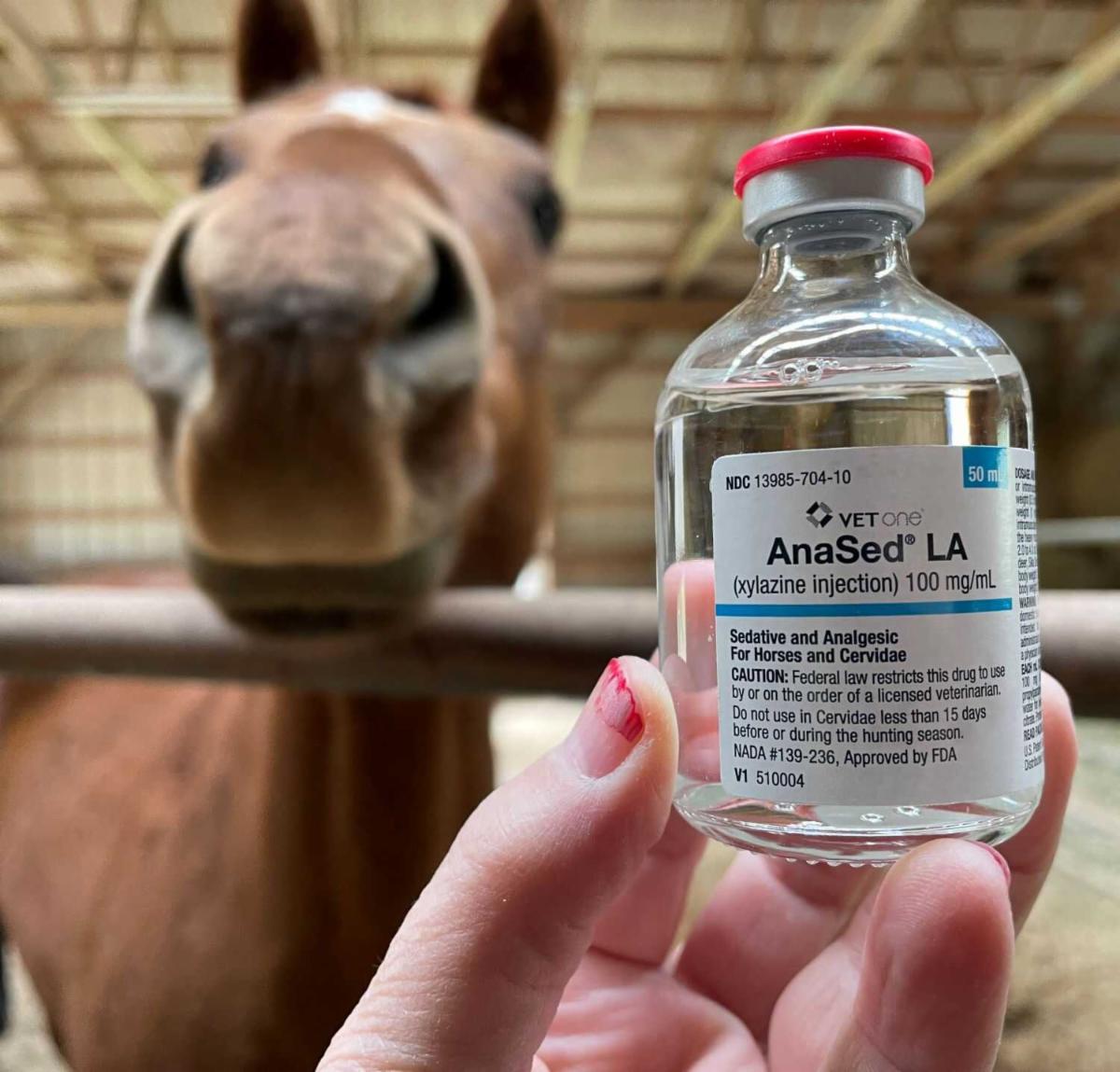
Xylazine in Illicit Drugs
Global News article from January 13, 2023 raises concerns regarding Xylazine being detected in illicit drugs. The CVBC is notifying registrants of the potential abuse concerns and would ask anyone to report if they have concerns of theft or unexplained losses. In the interim, facilities should consider securing the drug.
|
|
|
Case Summary
Veterinarians have a responsibility to provide safe, quality care. The College assists veterinarians in doing so when matters are reviewed by the Investigation Committee. The public has a right to ask questions about the care that was provided to their animal(s) and this process provides veterinarians with feedback on whether they have met the standards of practice or whether there are improvements needed to mitigate risks in practice. The Committee provides advice or may request a veterinarian enter into an undertaking when remediation would reduce risks and support a veterinarian in meeting the standard of practice
This example touches on common issues identified by the Investigation Committee and is offered as a self-reflection tool to support veterinarians in understanding how to meet the standards of practice. More information on the CVBC complaints process can be found here.
Keeping good medical records facilitates good patient care, continuity of care, and ensures you are meeting your ethical and regulatory obligations as a professional. To review a hypothetical case that mirrors common issues seen by the Investigation Committee click here.
|
|
|
Complaints & Investigation Progress Report
The CVBC has been progressively working towards addressing areas for improvement in the CVBC Complaints and Investigation Process. Please click on this link for full details.
|
|
|
Callout for Discipline Committee Members
The CVBC is initiating a call for volunteers to fill vacancies that will be occurring in CVBC Committees over 2023.
Interested registrants should submit an application indicating Committees of interest and resume. For more information on each Committee please click here.
Vacancies are anticipated in the following Committee:
Discipline Committee: 2 Registrants
More information on Committee Member reimbursement click here
|
|
|
Falsified Vaccination Records
The CVBC has received several reports this year with respect to falsified vaccination records being provided to buyers of new pets by the sellers. The content of these falsified records vary but typically include the name of a veterinary clinic in BC, the use of the name of a veterinarian practicing in BC, and in some cases a registration number as well. We ask that practitioners pay careful attention to vaccination records when they are presented by an owner, and if you have concerns please contact the veterinarian or veterinary clinic named in the records to determine if they are legitimate. Veterinarians affected by these falsified records can contact the CVBC at reception@cvbc.ca for assistance in reporting these incidents.
|
|
|
CVBC Professional Practice Standard:
Managing Stray or Found Animals
The CVBC has worked collaboratively with the SPCA to develop a Professional Practice Standard and supporting guidelines regarding the management of stray or found animals when presented at the practice facility.
|
|
|
Animal Health & Welfare
Help inform your clients on how owners and veterinarians can work together in protecting the health and welfare of animals. Please see this Best Care Poster.
|
|
|
Bat / Wild Animal Euthanizing
Vancouver Coastal Health is seeking to partner with vet clinic(s) who may be able to assist with euthanizing of bats that have had exposure to humans prior to be shipped for rabies testing. We are hoping to find at least one clinic within each of our health service delivery areas of Richmond, North Shore and Vancouver. If you are interested to discuss terms of the arrangement, please contact Serena Lai, Senior Communicable Disease Environmental Health Officer at 604-675-3917.
|
|
|
Vesicular Stomatitis in the US
The Chief Veterinarian of BC has requested that this information be provided to registrants as there have been reports of horses with vesicular lesions being turned back to the United States at the border. For full details, please click on the link.
|
|
|
DOES YOUR PRACTICE RECEIVE LIVESTOCK?
Important message for you below:
CFIA Consultation on Proposed Changes to Part XV of the Health of Animals Regulations (Identification and Traceability)
The Chief Veterinarian for the Province of British Columbia has asked that practice facilities that receive ruminants be made aware of the current consultation on proposed amendments to Part XV of the Health of Animals Regulations - Identification and Traceability, to review the sections that pertain to veterinary hospitals click here.
If you are a large and mixed animal veterinary practice, you may wish to provide feedback on the proposed amendments. Provide feedback by clicking this link.
|
|
|
Survey-Ticks & Tick-Borne Diseases
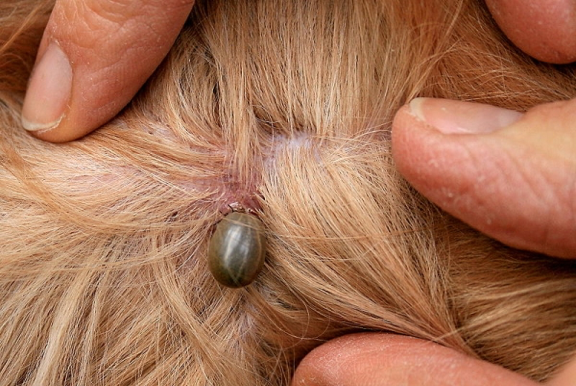
The CVBC has been approached by the Centre for Disease Control to share a survey with veterinarians and animal health technologists.
Stephanie Cooper, a grad student from Simon Fraser University, along with Dr. Anne-Marie Nicol, are conducting a survey of BC veterinarians and technologists about knowledge, attitudes and practices around tick-borne diseases.
If you would like to participate, full details regarding the survey can be found here and the link to the survey, which will take approximately 20-30 minutes can be found here.
|
|
|
Homewood Health has partnered with Togetherall as their “risk escalation” partner in Canada.
Togetherall is currently available for free to all veterinarians in Canada through CVMA. Please see below for more information on Togetherall.
About Togetherall
Togetherall is the clinically moderated, online community where individuals give and get support on concerns affecting their mental health. Individuals share what’s on their minds, anonymously, safely, and in the moment with peers who have similar lived experiences. Togetherall provides an unmatched level of clinical rigor. All our online moderators are licensed mental health clinicians, ensuring 24/7 oversight of our peer-to-peer community and immediate risk-detection and clinical intervention, if the need arises. To date, over 4.6 million individuals worldwide have access to Togetherall with the majority of users joining citing feelings of depression and/or anxiety.
Registration link to all Veterinary’s in Canada:
************************************
Free to CVBC Registrants and Eligible Family Members
Welcome to the Homewood Pathfinder Suite. We trust you’ve heard of the new Homeweb experience, with intuitive functionality that enhances your EAP experience.
YOUR CUSTOMER ACCOUNT NAME IS: College of Veterinarians of British Columbia
YOUR TRANSITION DATE (DD-MM-YYYY) IS: 28-02-2022
YOUR INVITATION CODE IS: CVB883
There is something for everyone with Homewood Pathfinder
We’ve built a platform that learns about you and your unique needs, recommending the clinically indicated care, service or resource at the right time. Pathfinder features new and evolving content, an easy-to-follow online service matching solution and our evolutionary MeetNow capability.
Important program information and next steps:
As of your transition date, you must register with Homewood Pathfinder by creating an account on Homeweb.ca using your organization’s invitation code.
When registering, you will be asked to provide the following:
- First and last name
- Date of birth
- Email address
- Password, and
- Your organization's invitation code
Welcome to Homewood Pathfinder!
- Visit: Homeweb.ca
- Click 'Sign Up' to create an account and enter your invitation code
- Enter your name, preferred email address and a few other pieces of information to create your profile
- A key component of Pathfinder, Homewood PulseCheck will ask for a few additional details including how you’re feeling and your primary area of interest or concern
That’s it. Welcome to Homewood Pathfinder and the start of your simplified and innovative EAP journey.
|
|
|
|
|
|
|
|