Logo Horizontal

Spring Update From MHAIP

Spring 2026

Recent Trends in the Industry

Health Plans Not Paying Authorized Claims


Despite prior authorization being a standard requirement for many medical services, healthcare providers and patients continue to face significant challenges when health plans fail to pay authorized claims. We are seeing new trends where facility claims are approved for longer periods, but denials, delays, and “mistakes” (nearly always resulting in non-payment) are occurring at an increased frequency.


Read the full article: Health Plans Not Paying Authorized Claims →

Fighting for the coverage your family deserves.


When insurance companies deny medically necessary care for children and adults with autism spectrum disorder or mental health conditions, MHAIP steps in. We help families, providers, and facilities navigate appeals, filing regulatory complaints, and securing coverage through every legal avenue available.

How We Help

ADVOCACY SUPPORT

We navigate the insurance system on your behalf; from understanding your rights to taking on insurers directly.


APPEALS & COVERAGE

We write and file appeals for coverage and medical necessity denials, request independent external reviews, and engage state regulators when insurers don’t comply with the law.

FREE CONSULTATION

Not sure where to start? Reach out. We’ll review your situation at no cost and tell you exactly what your options are.


News Articles:


Patients Are Using Chatbots to Fight Medical Bills, With Mixed Results - The New York Times


It’s the ‘gold standard’ in autism care. Why are states reining it in?


43 State have Mental Health Insurance Disparities: 4 Trends


The Boom In Autism Therapy is Medicaid’s Fastest Growing Jackpot


Heightened Scrutiny of Medicaid Funded ABA Services – Key Takeaways for Providers


Insurer Agrees to Pay Millions for Failing to Fix Errors That Made It Harder for Customers to Get Mental Health Care

Recent Wins

paper_cutout_family.jpg

SCA for Residential Treatment for Northern CA Kaiser client 


A 15 year old teen from Alameda County, CA, with ASD and pathological demand avoidance (PDA) had refused all forms of outpatient therapy, had attended no school for several months, and was languishing at home.  Kaiser offered a WRAP program (intensive therapy based in the home), and a facility that had no expertise in treating Autism with PDA.  We appealed to Kaiser, who denied, alleging that the facility could offer an individualized plan.  There was a waiting list for the WRAP program.  We insisted that he needed milieu therapy with expertise in treating ASD, and filed an appeal with the CA Department of Managed Health Care (DMHC).  DMHC would not send the case to external review, wanting the client to try the facility that Kaiser offered.  Eventually, a space opened in the WRAP program, and the family tried it.  The program only offered a few hours a week, which was not enough to address his extreme issues.  When we informed DMHC of this, they ordered Kaiser to approve at least 60 days of services in the facility that had expertise in autism.  The entire process took over five months, and a lot of back and forth with DMHC.   


36 extra days granted 


MHAIP secured an additional 37 days of coverage for a female teen diagnosed with OCD, ADHD, agoraphobia and GAD. We reported on this case previously because we had asked for intervention from the state regulator (New York Department of Financial Services) to get the initial 82 days paid. 


Involving the regulator got the first period covered, but the remaining treatment period went on to a full external review for clinical necessity. The review organization, IMEDECS, noted that "outpatient levels of care had failed to provide a remission” and they accepted what we asserted, which was that the records showed it was medically necessary for the patient to remain in care after the point at which authorization had been withdrawn. They accepted that the treatment plan was clinically appropriate, and included a plan for safe discharge and eventual step down to lower level service. 


We are now trying to level up the paid amounts to the Single Case Agreement that was reached with the provider. Getting plans to pay what they have already agreed to is becoming an increasing problem as described in the lead story. 

ABA - Cuts in hours


MHAIP works with families who face cuts in their authorized hours of applied behavioral analysis. This happens more often as children age, and has at that time an acute adverse impact, if other programming is not available.  Even though California has a rule stating that Health plans may not deny medically necessary behavioral health treatment for autism spectrum disorder based on the availability of educational, social, or another non-healthcare services (regardless of age) our experience is that plans are highly likely to review and try to cut hours as children approach adulthood (cutting hours before 21 also ignores the requirements of the Early and Periodic Screening and Detection Treatment rules for Medicaid-eligible individuals). 


When a 19-year-old female with autism spectrum disorder saw her ABA treatment authorization abruptly withdrawn, we immediately filed an expedited external review with the DMHC. The health plan then self-referred out to an independent reviewer.  We won reinstatement of 30 hours.  We were unsuccessful in a further external review for reinstatement of the additional ten (using a different independent medical review organization). This case shows that external reviews still remain somewhat of a lottery. 

External Review Overturns Aetna Denial


As noted above MHAIP has been fighting an ongoing battle with Aetna and other health plans to pay for claims that they authorized ahead of time. In one case involving a teen female from NYC attending an RTC in Utah, Aetna requested medical records and then denied treatment based on quality of the submitted records, stating that they did not support the treatment provided. 


Their concerns included the following: 

1) Daily progress notes sometimes lacked provider name/signature/credentials.

2) Dates that services were performed were not written on every page and

3) Lacking patient identifiers (member name, dob or ID#) on every page (this was readily easily addressed by records administrators) 


After Aetna denied previously authorized care through two rounds of appeals and numerous resubmissions of amended records, we fought and won the right to get the case submitted to external review.  The external reviewer found that the care was medical necessity, did not have any issues with the submitted records, and ordered the 49 days in dispute to be paid. 


Providers may want to reach out to their electronic medical records providers to make sure they are able to format the notes in ways requested by payers, and take care to ensure that all notes are appropriately entered, signed and logged by credentialed providers. Flexible systems which allow dates to carry over from one page to the next are desirable. If you have encountered these aggressive practice in denial of authorized care, please reach out to us and we can try to troubleshoot with you. 


Highlights from Pre-Authorization


A 14-year old boy from New Jersey with MDD and GAD received his entire residential stay of 102 days covered from AETNA.


A 17-year old non-binary from New Jersey with OCD, AHDH and MDD received 70 days covered from UMR at a treatment center in New Hampshire.


A 17 year old girl from New York with Specific Phobia, OCD and Panic Disorder received 86 days covered (to date) from Fidelis at a treatment center in New Hampshire.


Support MHAIP

Different Ways to Donate

There are several ways to support us. Your donations make a big difference and help us to better serve the families we support.

THE GENERAL FUND


The General Fund supplements our sliding scale program, funds educational seminars and workshops, supports policy work, and allows us to provide free advice to families navigating insurance denials.

THE FEDA ALMALITI FUND


We need your continued financial support to keep this wonderful program, which allows us to provide assistance to financially struggling families and keeps Feda and Mohammed’s memories alive in our hearts.

THE iGIVE PROGRAM


Every time you shop at any of the 1,500+ online stores in the iGive network, a portion of what you spend benefits MHAIP directly, at no extra cost to you. Sign up is quick and easy.


MHAIP Welcomes New Marketing Consultant


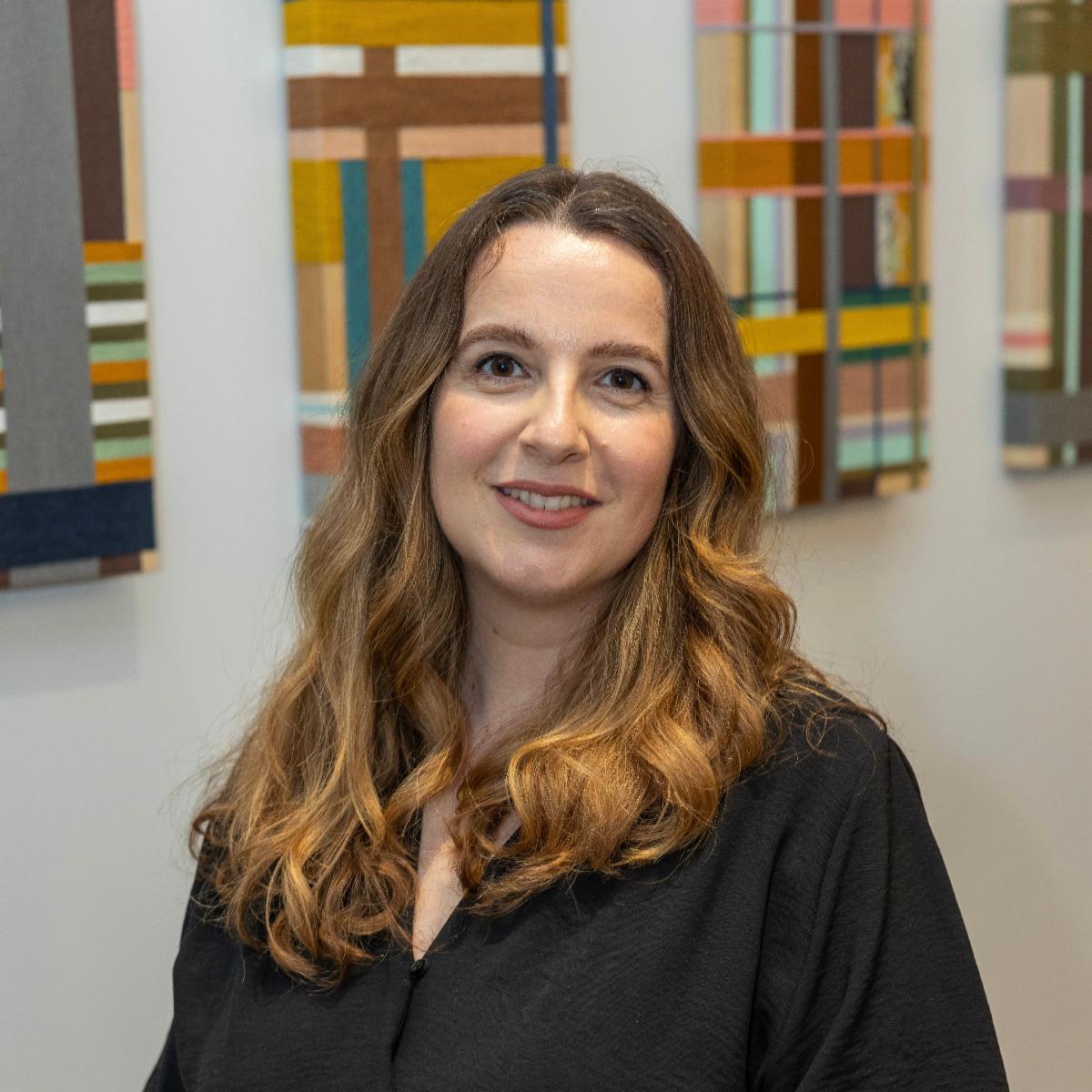
Meet Natalie Ciccoricco, who joined MHAIP in April 2026 to lead marketing efforts. A Dutch native, Natalie lives in the San Francisco Bay Area with her family. She has a background in marketing, graphic design, and art, with experience supporting small businesses and her own art practice. She is passionate about using design and storytelling to help MHAIP reach more of the families and providers who need them.​​​​​​​​​​​​​​​​

Facebook  X  Instagram  LinkedIn