The Wyoming Health Council works to ensure that all people can access equitable, inclusive, high-quality, and affordable reproductive and sexual health care. | |
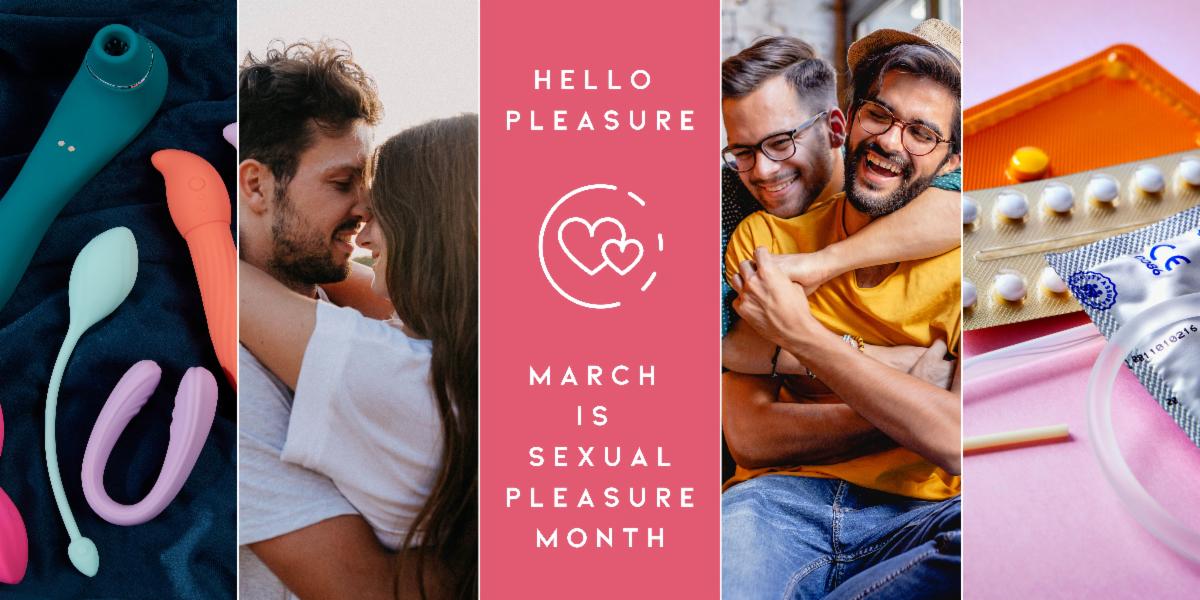
March is Sexual Pleasure Month, a time to broaden our understanding of sexual health beyond just disease prevention and risk!
According to the American Sexual Health Association, sexual pleasure and satisfaction are essential parts of overall wellbeing and deserve recognition, conversation, and celebration. From exploring how our bodies respond and what feels good to promoting communication, consent, and healthy relationships, this month invites us to embrace pleasure as a positive, natural, and empowering aspect of human life. Whether solo or with a partner, sexual pleasure supports stress reduction, better sleep, and stronger connections, and ASHA’s resources help guide us toward more informed, joyful experiences.
| | |
Sex is pleasurable. It should feel safe too.
What does it mean to feel safe during sex these days?
From feeling comfortable with your partner to having access to public health interventions and medication, "safety" comes up a lot in sex. And having the tools you need to feel confident in your own sexual health is an essential part of the pursuit of pleasure. Brittany Luse is joined by Dr. Leisha McKinley-Beach, founder and CEO of the Black Public Health Academy, and Dr. Jasmine Abrams, a research scientist at the Yale School of Public Health, to give us a booster on how to live our best sex lives.
| | |
Has your relationship become a sexual desert? These tips should help spice things up again
A dry spell doesn’t necessarily mean it’s over, say the experts. They share their advice on how to restore intimacy, from changing venue to writing a ‘menu’ and finding your kink
Know it’s normal
First up, don’t panic! “Every couple goes through dry spells. It doesn’t mean either of you is broken, and is not an indicator that something is ‘wrong’,” says Dr Tammy Nelson, sex and couples therapist, author of Open Monogamy, and host of The Trouble With Sex podcast. Dr Laurie Mintz, sex therapist and author of Becoming Cliterate: Why Orgasm Equality Matters – and How to Get It agrees: “The limerence stage, where you can’t keep your hands off each other, lasts six months to two years, then fades, but people think there’s something wrong with them or the relationship.”
| | |
8 Ways to Have Better Sex in 2026
According to some statistics, this year’s top New Year's resolutions are saving more money, eating healthier, exercising more, and losing weight—kind of boring, if you ask us, when you could resolve to have more and better sex (which can be a workout in itself!). After all, great sex boosts your mood, reduces pain, improves sleep, and helps you feel closer to your partner. And switching up your sex life even just a little bit can lead to lasting benefits for both you and your relationships.
Below, some super-simple tips for enjoying the best sex you’ve ever had in 2026.
| | |
March is Women’s History Month — a time to recognize and celebrate the countless ways women have shaped our world, including the field of medicine.
For centuries, women have served as healers, midwives, researchers, nurses, physicians, and public health leaders — often advancing care and innovation despite significant barriers. Their contributions have transformed patient care, expanded scientific knowledge, and strengthened communities. This month, we honor the resilience, expertise, and leadership of women in medicine — past, present, and future — and the lasting impact they continue to make on health and wellbeing for all.
| | |
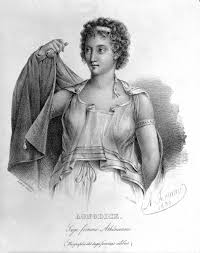
Agnodice of Athens: History’s First Female Midwife?
Agnodice of Athens is generally credited with being the ‘first known female midwife’. The tale of her life suggests that she disguised herself as a man, was educated under one of the key medical practitioners of her time and went on to practice medicine in ancient Athens.
When she was tried for practicing medicine illegally, the story goes, the women of Athens defended Agnodice and ultimately earned the legal right to become physicians.
The tale of Agnodice has been oft-cited in the 2,000 or so years since. Particularly in the medical world, her life has become a symbol of female equality, determination and ingenuity.
The truth is, however, it remains unclear as to whether Agnodice actually existed, or if she was simply a convenient device through which to channel stories of myth and overcoming adversity. We will likely never know, but it makes for a good story.
Here are 8 facts about Agnodice of Athens.
| | |
Trota of Salerno and the Problem of Medieval Women’s Medicine
Imagine it is the twelfth century, and you have woken up experiencing some trouble breathing. Fortunately, you have the financial resources to hire a top-tier, exquisitely learned physician to attend you. He listens closely to your problems, and knows at once what to do. Your uterus, he tells you, has wandered up into your chest cavity and is interfering with your lungs.
Sounds reasonable, you say, but what do we do about it?
It was male-crafted theory that led practice until the late twelfth century when a woman physician by the name of Trota of Salerno took it upon herself to write not about what ought to work in the curing of women’s diseases, but about what actually did work in practice. The resulting texts on the practical aspects of women’s health would stand as the definitive works on the subject for three full centuries.
| | |
The Nation’s First Black Female Doctor Blazed a Path for Women in Medicine. But She Was Left Out of the Story for Decades
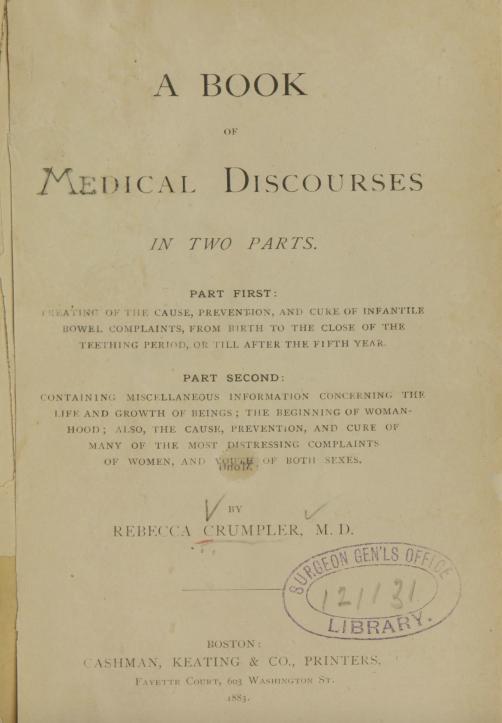
In 1864, newspapers in Boston noted a milestone: The latest students to receive degrees from the New England Female Medical College included a “colored graduate,” one Rebecca Lee Crumpler. It was a brief mention, almost an afterthought, but what it marked was monumental: Crumpler had just become the first Black woman in the United States to earn a medical degree. Yet for decades, her name faded from public memory.
“When people think about Black women in medicine, they think that it didn’t happen until the advent of affirmative action,” Gamble says. “The fact that in 1864 a Black woman got a degree is important for people to know.”
| |
National Reading Month
Want Better Sex in 2026? Start With These 5 Books
Most people don’t want sex that’s necessarily wild or performative. They want it to feel easier. More connected. More reliably pleasurable. And yet many adults walk around with a vague sense that sex is supposed to be better than it is, that everyone is having more sex than them but that they lack the language or tools to change it.
That gap isn’t accidental. In the U.S., there’s no federally mandated sex education. In states that do legislate it, the material tends to solely focus on reproduction and the dangers of STIs and unplanned pregnancy. We do a remarkably poor job of teaching people how sex actually works, especially when it comes to pleasure, desire, and communication. What fills that vacuum are myths, shame, and unrealistic expectations. The result is sex that feels confusing, inconsistent, or quietly disappointing, even in loving relationships.
The good news is that better sex is not about luck or libido. It’s about understanding how desire works, learning skills we were never taught, and letting go of stories that were never true to begin with. Reading, especially the right kind of reading, can be one of the fastest ways to make that shift.
| | | |
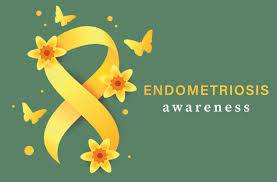
How Did Endo Awareness Month Begin? Five Fast Facts
Each March, millions worldwide observe Endometriosis Awareness Month in recognition of the estimated 176 million women suffering from the disease. But how and where did it all begin? For those answers and more, The Blossom did a little digging, and that led us to the founding mother of Endometriosis Awareness Month herself, Mary Lou Ballweg, president, executive director and founder of The Endometriosis Association.
Birth of a New Movement...in Milwaukee
Back in 1993, Mary Lou Ballweg says she was one of eight women who founded an Endometriosis Awareness Week during The Endometriosis Association's roundtable in Milwaukee. Those eight founders soon grew to 22, and shortly after that, recalls Ballweg, the designated week took on a new life of its own. "We could not do everything all around the world in just a week, so we expanded it to a month," Ballweg tells The Blossom. The idea stuck. Today, she adds, "activities are carried on all over the world.” When asked how many people work for the association today, Ballweg states, “I cannot even tell you, there are so many people. We are in endo awareness month right now, so every day we are just swamped with requests for stickers, ribbons, and brochures. As they say, every generation builds on the shoulders of the generation before it. So it is very exciting to see a lot of things happening.”
| | |
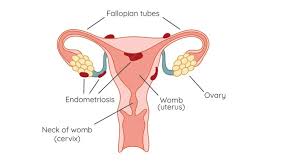
What is endometriosis? A Mayo Clinic expert explains
Endometriosis (en-doe-me-tree-O-sis) is an often-painful condition in which tissue that is similar to the inner lining of the uterus grows outside the uterus. It often affects the ovaries, fallopian tubes and the tissue lining the pelvis. Rarely, endometriosis growths may be found beyond the area where pelvic organs are located.
Endometriosis tissue acts as the lining inside the uterus would — it thickens, breaks down and bleeds with each menstrual cycle. But it grows in places where it doesn't belong, and it doesn't leave the body. When endometriosis involves the ovaries, cysts called endometriomas may form. Surrounding tissue can become irritated and form scar tissue. Bands of fibrous tissue called adhesions also may form. These can cause pelvic tissues and organs to stick to each other.
Endometriosis can cause pain, especially during menstrual periods. Fertility problems also may develop. But treatments can help you take charge of the condition and its complications.
| | |
The Significant Link Between Endometriosis and Ovarian Cancer
A recent study has revealed a substantial connection between endometriosis and ovarian cancer, with researchers finding that approximately 25% of ovarian cancer cases are associated with the painful gynecological condition. The findings were recently discussed on NewsNation by endometriosis excision specialist and EndoFound’s co-founder, Dr. Tamer Seckin, and reporter Diana Falzone.
The research reveals that people living with endometriosis face a 4.2-fold higher risk of developing ovarian cancer compared to those without the condition. For those with severe forms of the disease—including ovarian endometriomas and deep infiltrating endometriosis—the risk increases dramatically to 9.7 times higher than the general population.
While this information has been long-understood by endometriosis specialists and researchers alike, it is only more recently that major health organizations have begun to acknowledge the significance of these findings. The American Cancer Society has now added endometriosis to its list of potential risk factors for ovarian cancer on their official website, marking a critical step in recognizing the connection between these two conditions.
During the interview, Dr. Seckin provided important context about the nature of endometriosis-related ovarian cancer. He clarified that most ovarian cancer doesn't actually originate in the ovaries themselves, noting that endometriosis-related ovarian cancer often has tubal origins. This distinction is crucial for understanding how the disease develops and progresses.
| | |
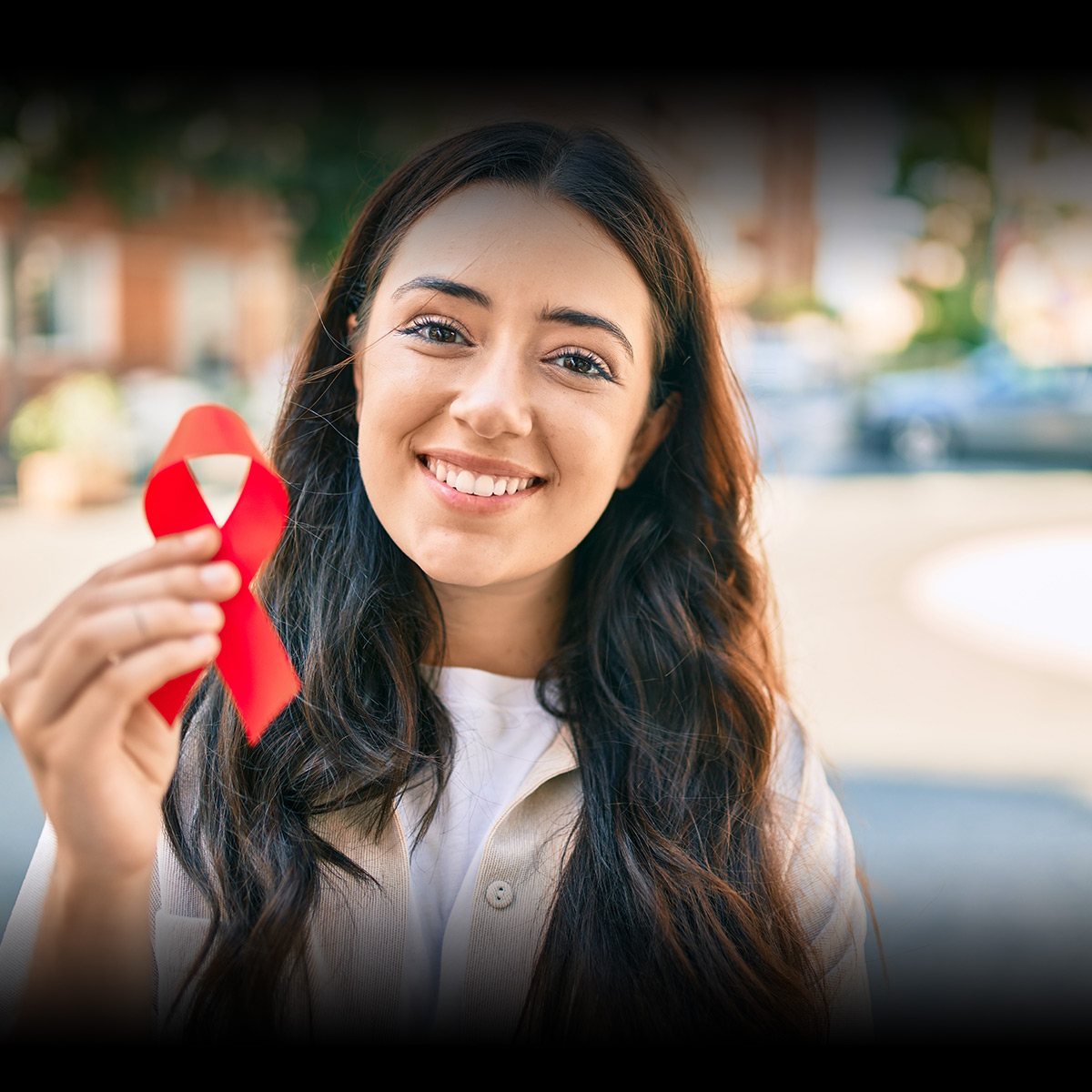
Women and Girls HIV/AIDS Awareness Day
March 10th
March 10 marks National Women and Girls HIV/AIDS Awareness Day during Women’s History Month, implemented by the Health and Human Services’ Office on Women’s Health.
The human immunodeficiency virus (HIV) is a disease that attacks the immune system, and if left untreated, can lead to acquired immunodeficiency syndrome (AIDS). It was first reported among gay men in America in the early 1980s, in what would become known as the AIDS Epidemic. This early association quickly led to discrimination and stigma that would delay and hinder care and research, especially for women. Transmission most commonly occurs through exchange of bodily fluids but was later found to also be transmitted during pregnancy, childbirth, and through breast milk — making it crucial for women and girls to be made aware of the disease and take steps to decrease risk of infection. In 1988, HIV/AIDS was the eighth leading cause of death among women of reproductive age. It was not until 1993, and after many protests, that the CDC revised the definition of HIV/AIDS to include women, thus allowing them to be included in clinical trials and testing for treatment.
| |  | |
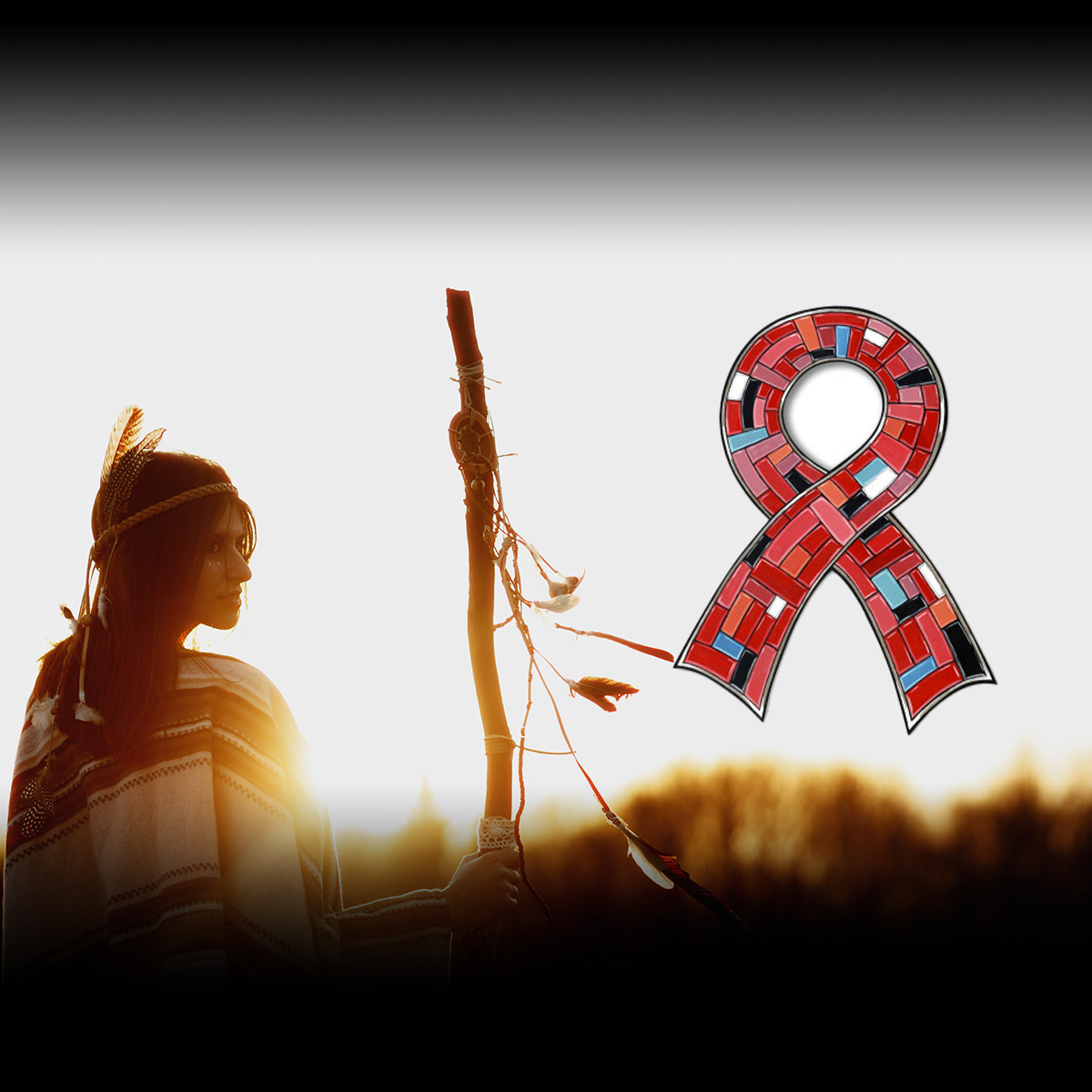
National Native HIV/AIDs Awareness Day
March 20th
National Native HIV/AIDS Awareness Day (NNHAAD) is a national mobilization effort designed to encourage American Indians, Alaska Natives and Native Hawaiians across the United States and Territorial Areas to get educated, get tested, get involved in prevention and get treated for HIV.
NNHAAD was founded in 2007 by three collaborating agencies whom at the time were called the National Native Capacity Building Assistance (CBA) Network, which included Commitment to Action for 7th-Generation Awareness & Educations (CA7AE), Inter Tribal Council of Arizona, Inc. (ITCA), and National Native American AIDS Prevention Center (NNAAPC)]. The three network agencies were funded by the Centers for Disease Control and Prevention (CDC) to provide capacity building assistance to Native organizations, tribes, state health departments and any Native-serving organizations.
The first day of Spring was the chosen as the date to celebrate National Native HIV/AIDS Awareness Day. This day was chosen by individuals in the community who had participated in a national survey to determine what day would be most appropriate. It was acknowledged that in many Native cultures across the United States, the four seasons are highly respected because they closely represent the cycle of life. Spring also represents a time of equality and balance and is the only day when day and night are at equal lengths. It is considered a time of profound change, new beginnings and birth; A celebration of life for all people.
The cycle of life is defined by the change in seasons, and ceremonies are held to recognize the passing of one season and the beginning of another.
| | | |
Developmental Disabilities: Types, Causes, Coping
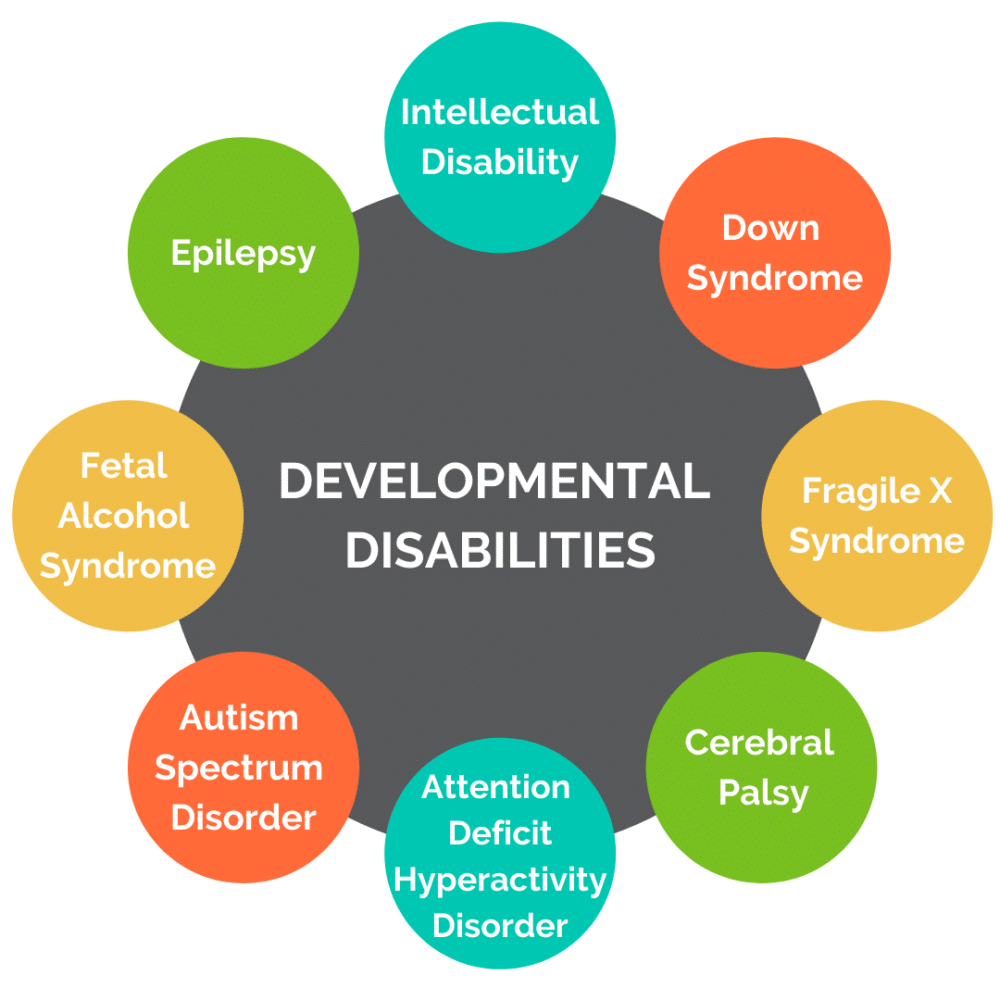
Developmental disabilities are a group of conditions that begin in childhood and impact intellectual abilities, physical abilities, language, behavior, and development. These disabilities are usually identified in childhood and affect people throughout their lives, requiring lifelong support, accommodation, or services.
Examples of developmental disabilities include ADHD, autism, learning disabilities, and cerebral palsy. According to the Centers for Disease Control and Prevention (CDC), these disabilities are common, affecting about 1 in 6 children.2
Here, we'll look at the most common developmental disabilities, their causes, how they are diagnosed, and how they are treated.
| | |
Sexuality and Adults with Developmental Disabilities
The topic of sexuality is one that’s a challenge for many people to talk about. The challenge is compounded when individuals have specialized learning needs.
What if we were able to engage with people with developmental disabilities, enlist them in sexuality education efforts, and support them in being sexual self-advocates? What kind of impact would this have on their sexual health and safety?
In our culture, overall messages about sexuality can sometimes be quite negative. This is particularly true for many individuals with developmental disabilities. It’s even been said that it can sometimes be easier to be a self-advocate than a sexual self-advocate.
The cultural message is often “You are not sexual,” while paradoxically, another message is “You are oversexed”—or variations on the theme of “You can’t handle this subject because it will give you ideas” or “You won’t be able to control yourself if we talk about your emerging sexuality.”
Disability activist Anne Finger says it best: “Sexuality is often the source of our deepest pain. It’s easier for us to talk about and formulate strategies for changing disability discrimination in employment, education and housing than to talk about our exclusion from sexuality and reproduction.”
| | |
National Teenager Day
March 21st
This Is Why Doctors Make This 1 Controversial Request During Appointments For Teens
When doctors make this request, it makes many parents nervous. But they say it's an important opportunity for teens to gain independence and get support.
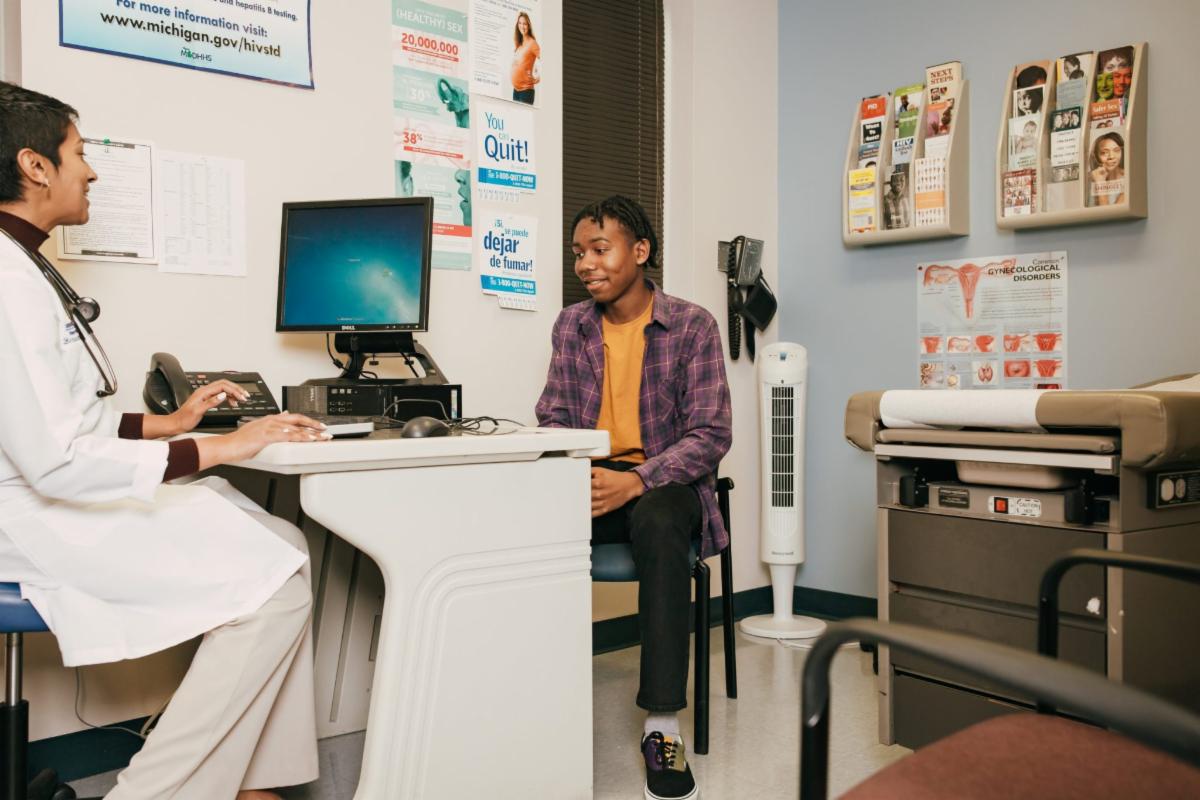
In a typical pediatrician visit, routine questions about sleep, appetite and school follow discussions of vitals and growth charts.
But as children grow into preteens and teens, doctors sometimes ask parents to step out of the room for a brief moment, giving kids a private space to speak openly with their medical provider.
This scenario has sparked a heated conversation after a TikTok on the topic sparked debate among parents, teens and medical professionals. In the comments, one person summed up a recurring skepticism: “Not a chance and not on your life. There is no way a parent can know if they trust that doctor or not based on the three-minute visit they gave six months before.”
Experts say doctors aren’t shutting parents out — they’re creating a space where teens can be seen and heard on their own terms.
“Having a private moment with a pediatrician provides a second opportunity for kids to discuss sensitive topics with a well-informed adult who is trained to stratify risk and respond appropriately to whatever adolescents share,” Dr. Bronwen Carroll, a pediatric emergency physician, and professor at Boston Medical Center and Boston University, said. “If kids aren’t comfortable speaking to their parents, then speaking to their pediatrician is clearly a better option than not receiving any support or guidance from anyone at all.”
| | | |
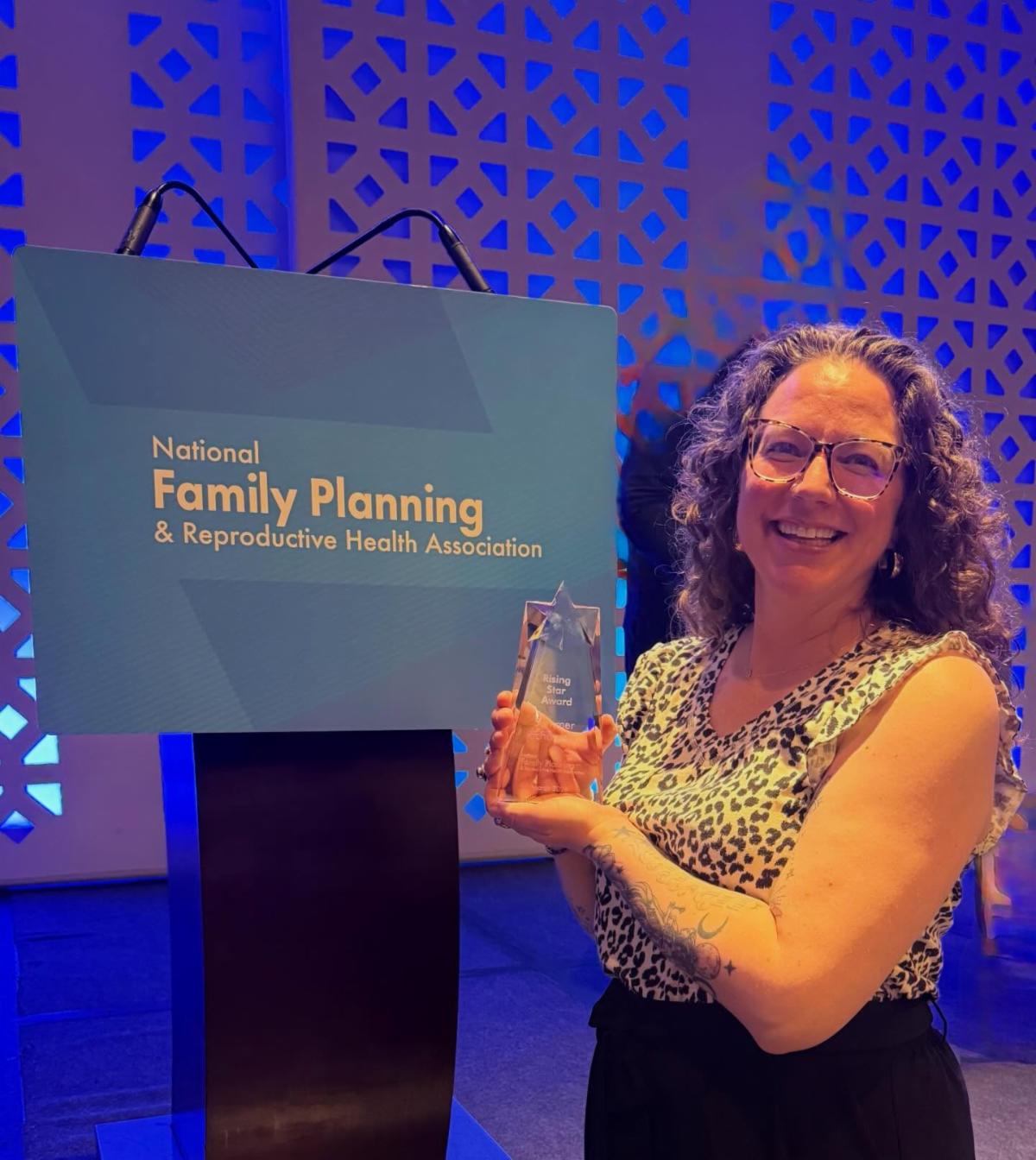
The Wyoming Health Council is so proud to celebrate Summer Richardson, our Program and Promotion Coordinator, for receiving the NFPRHA Rising Star Award from National Family Planning & Reproductive Health Association!
This award honors an early- or mid-career leader who goes above and beyond, creating meaningful programmatic change that benefits their organization, patients, and community. With more than seven years of dedicated service to family planning, Summer’s passion is making sure people across Wyoming know about and can access the reproductive and sexual health care services available to them.
Her commitment, leadership, and heart for this work truly make a difference. Congratulations, Summer!
| | | |
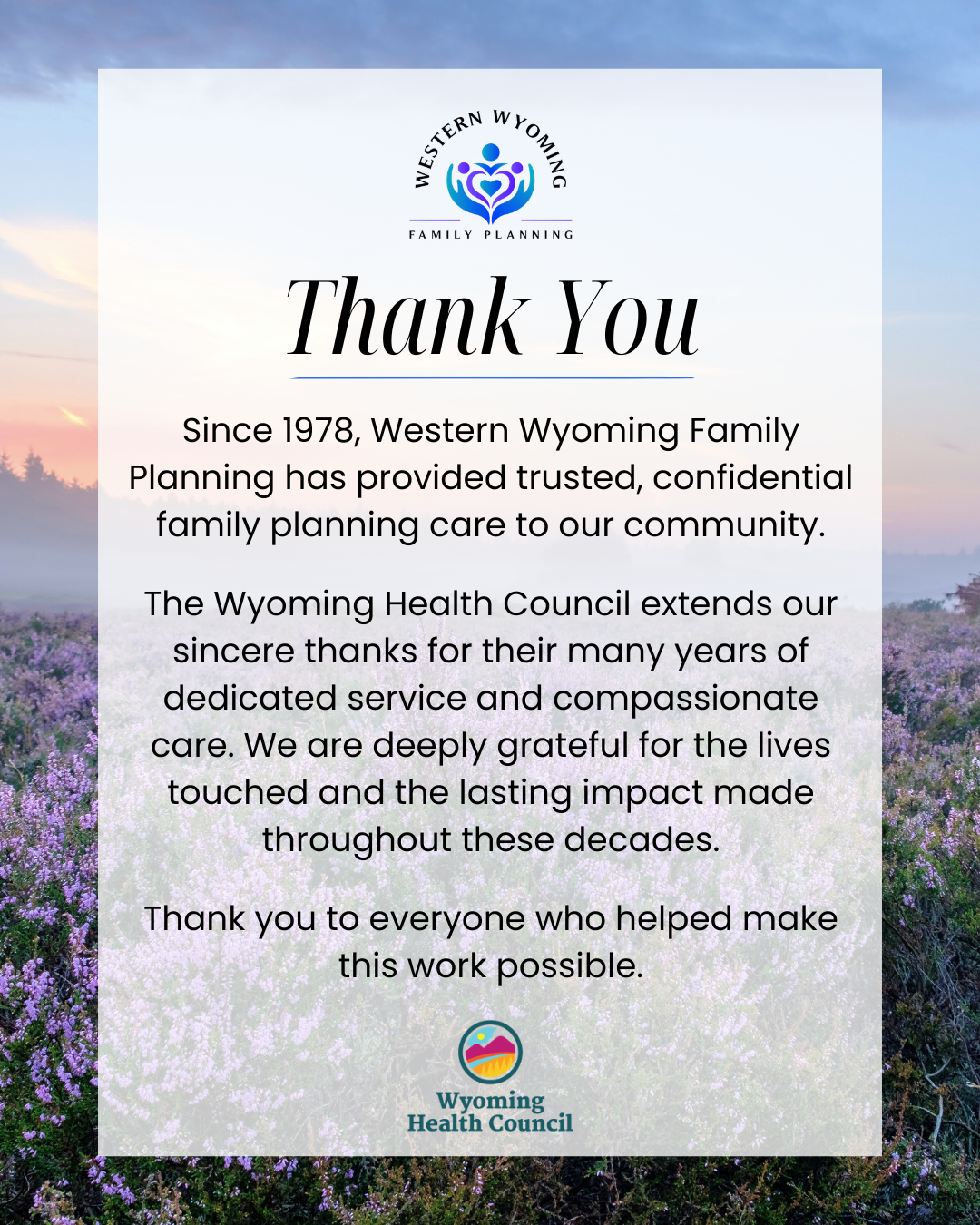
Honoring a Legacy as We Say Goodbye
After 48 years of compassionate, dedicated care, our Title X Family Planning Clinic in Rock Springs, WY , Western Wyoming Family Planning, is closing its doors.
Please join us in honoring and celebrating their decades of service, commitment, and the countless lives they have impacted in their community. Their legacy of care will not be forgotten.
-Wyoming Health Council
| |
Please consider supporting reproductive and sexual health care in Wyoming!
You can donate directly to us—100% of your contribution goes toward supporting health care access in our state.
| | |
This newsletter was developed (in part) with federal funds from the Office of Population Affairs. For more information on the rules and regulations that apply to our programs, please visit
https://opa.hhs.gov/grant-programs/title-x-service-grants
This project is supported by the Office of Population Affairs (OPA) and the Office of the Assistant Secretary of Health (OASH) of the U.X. Department of Health and Human Services (HHS) as part of a financial assistance award 1 FPHPA 006541-0-00 totaling $978,380 with 100 percent funded by OPA/OASH/HHS. The contents are those of the author and do not necessarily represent the official views of, nor an endorsement, by OPA/OASH/HHS or the U.X. Government.
| |
WYOMING HEALTH COUNCIL
111 S. Durbin, Suite 200
Casper, WY 82601
Call Us: (307) 439-2033
| | | | | |