Kathy Hochul, Governor
Mark M. Finkle, Chairman
John C. Callaghan, Executive Director
| |
|
Message from the
Executive Director
| |
The end of May finds elevations on reservoirs under the Regulating District’s jurisdiction at summer levels…well for that matter April found elevations at summer levels. A healthy snowpack combined with an early, steady thaw and significant precipitation meant that the annual spring runoff and associated refilling occurred at roughly the average pace, but well ahead of schedule. Our crews recently assisted NYSDEC personnel with placing navigation buoys on Great Sacandaga Lake, as sure a sign of spring as there ever was.
As we move further into 2026, the Regulating District continues to advance long-awaited and critically important infrastructure improvements in the Black and Hudson River basins. In the last four years, our team has undertaken the comprehensive rehabilitation of four of our six dams, with one (Hawkinsville) completed, another (Indian Lake) nearing completion, and construction just ramping up at Old Forge and Sixth Lake. Concurrently, the Regulating District continues to work closely with the Office of General Services on the final stages of design for the Conklingville Dam, scheduled to go out to bid this summer. Our team remains focused on our core mission: delivering essential flood protection and flow augmentation benefits to downstream communities through the operation of storage reservoirs. Ensuring that the dams that provide these impoundments are structurally sound and fully compliant with modern dam safety standards is key to achieving these objectives, and there is no higher priority for our organization.
Throughout each of these projects, the Board has committed to maintaining normal water elevations during construction, in some cases necessitating specific sequencing, and/or different construction methods, to make this possible. With each of these projects spanning multiple summer and winter recreation seasons, it is essential that construction does not impede the important economic, ecological, and recreational benefits these bodies of water provide while the work progresses. For instance, we know that there continues to be great interest in the upcoming project at the Conklingville Dam, particularly with regard to water levels. We want to emphasize that the project has been designed in a way that utilizes the reservoirs normal fill and drawdown cycle, and that no changes to normal water levels or releases or proposed as part of the project.
While we continue this progress on generational infrastructure investments, our team members are doing the same commendable work they do day in and day out, year after year. I feel so fortunate to be working with the dedicated, skilled colleagues I have here at the Regulating District. We truly have some of the best public servants I have ever seen over three decades in State government, and if you’ve had the opportunity to work with them or see them in action, I hope you’d agree.
In our last newsletter, we reported that the Regulating District ended its 2024-2025 fiscal year with a positive net position of $535,670, marking the first time in nearly a decade that its net position has been positive, according to the results of an annual independent audit. The significant improvement in the Regulating District’s finances – nearly $11.1 million over the last six years – was a result of belt-tightening, revenue enhancement, and successful work with Governor Kathy Hochul and the New York State Legislature to secure State funding for required capital improvements to critical infrastructure, and to address the responsibility for real property tax payments to local municipalities and school districts.
The improvement in the Regulating District’s net position of 105% in just a six-year period was achieved despite the Regulating District losing a major source of revenue in its Hudson River operating area, namely $1.5 million in annual revenue from Erie Boulevard Hydropower, L.P., a subsidiary of Brookfield Renewable Energy, for the right to use Conklingville Dam and Great Sacandaga Lake for hydroelectric power generation. We continue to fight to see this revenue restored so that we can continue to operate under a sustainable funding model in the decades ahead.
Lastly, as we begin the summer boating season, we are wishing everyone a safe and enjoyable season out along and on the water.
| | | | |
MAY 31st IS NATIONAL DAM SAFETY AWARENESS DAY
| | |
Next Sunday is National Dam Safety Awareness Day, a particularly significant date on the Regulating District’s calendar. Observed each year on May 31, the day commemorates the tragic failure of the South Fork Dam above Johnstown, Pennsylvania in 1889. The resulting Johnstown Flood claimed more than 2,200 lives and remains one of the deadliest infrastructure disasters in American history. The observance was established to promote public awareness of the importance of proper dam design, inspection, maintenance, and emergency preparedness. Across the country, dam owners, engineers, emergency managers, and water resource agencies like the Regulating District use the occasion to highlight the critical role dams play in protecting public health and safety, supporting economies, and managing water resources safely and responsibly.
National Dam Safety Awareness Day directly reflects the Regulating District’s long-standing mission of protecting life, property, and water resources throughout the Upper Hudson and Black River watersheds. Since the creation of the Black River and Hudson River Regulating Districts by New York State in 1919 and 1922, respectively, and the merger of the two in 1959, downstream residents in these river basins have received significant health and safety benefits through the flood protection and flow augmentation provided by storage reservoirs under the Regulating District’s jurisdiction. These benefits are directly related to, and dependent on, the Regulating District’s vigilance in ensuring that its dams are maintained and operated in accordance with the highest possible dam safety standards and best practices. Fortunately, the Regulating District’s Engineering Department led by Chief Engineer Rob Foltan and supported by Operations Engineer Mike Mosher, Engineering Assistant Tom Baker, and a team of dedicated operations and maintenance professionals, is more than up to the task.
The Regulating District’s current generational investment in its water-retaining infrastructure illustrates the Board’s ongoing commitment to safeguarding downstream communities, protecting natural resources, and keeping its water-retaining infrastructure structurally sound and operating as designed. For the Hudson River – Black River Regulating District, every day of the year is Dam Safety Awareness Day.
| | |
Construction Begins at Old Forge and Sixth Lake Dams
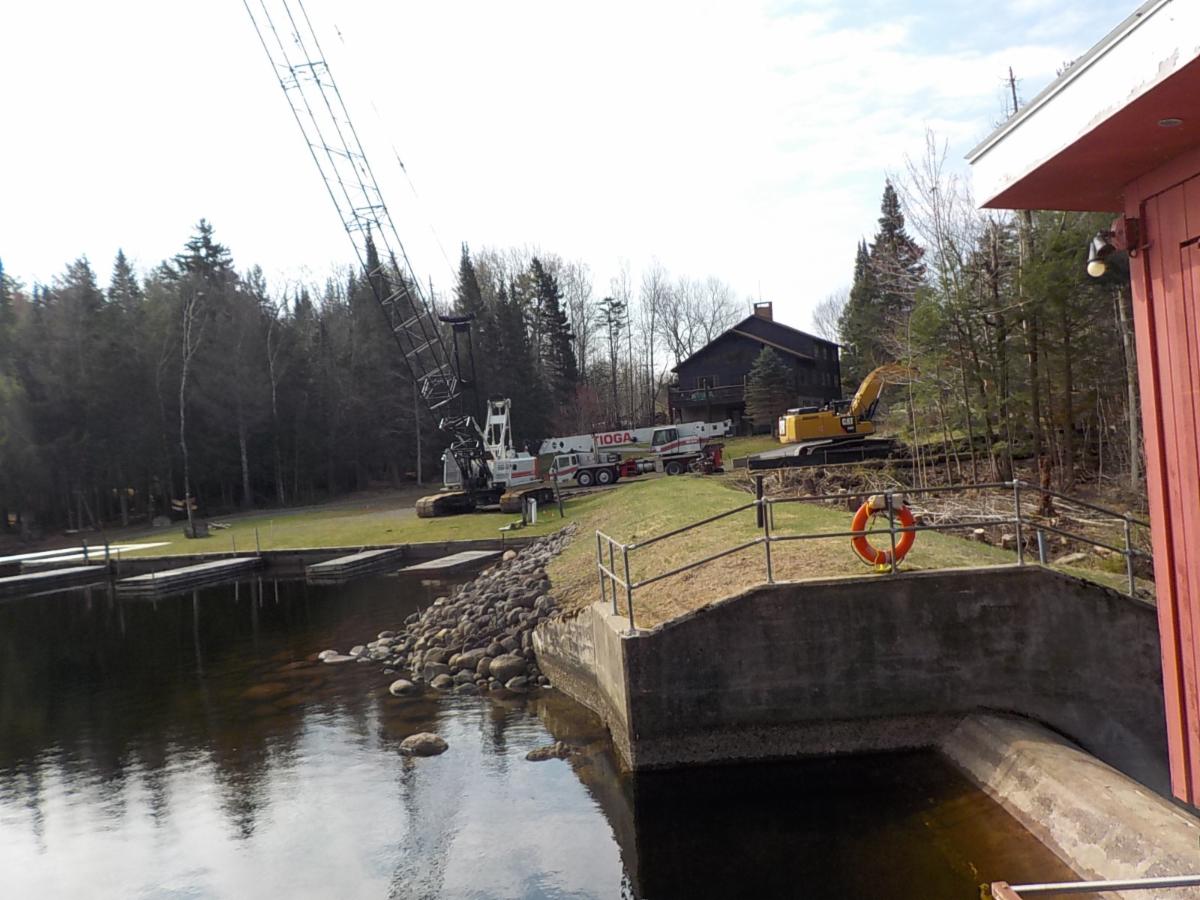
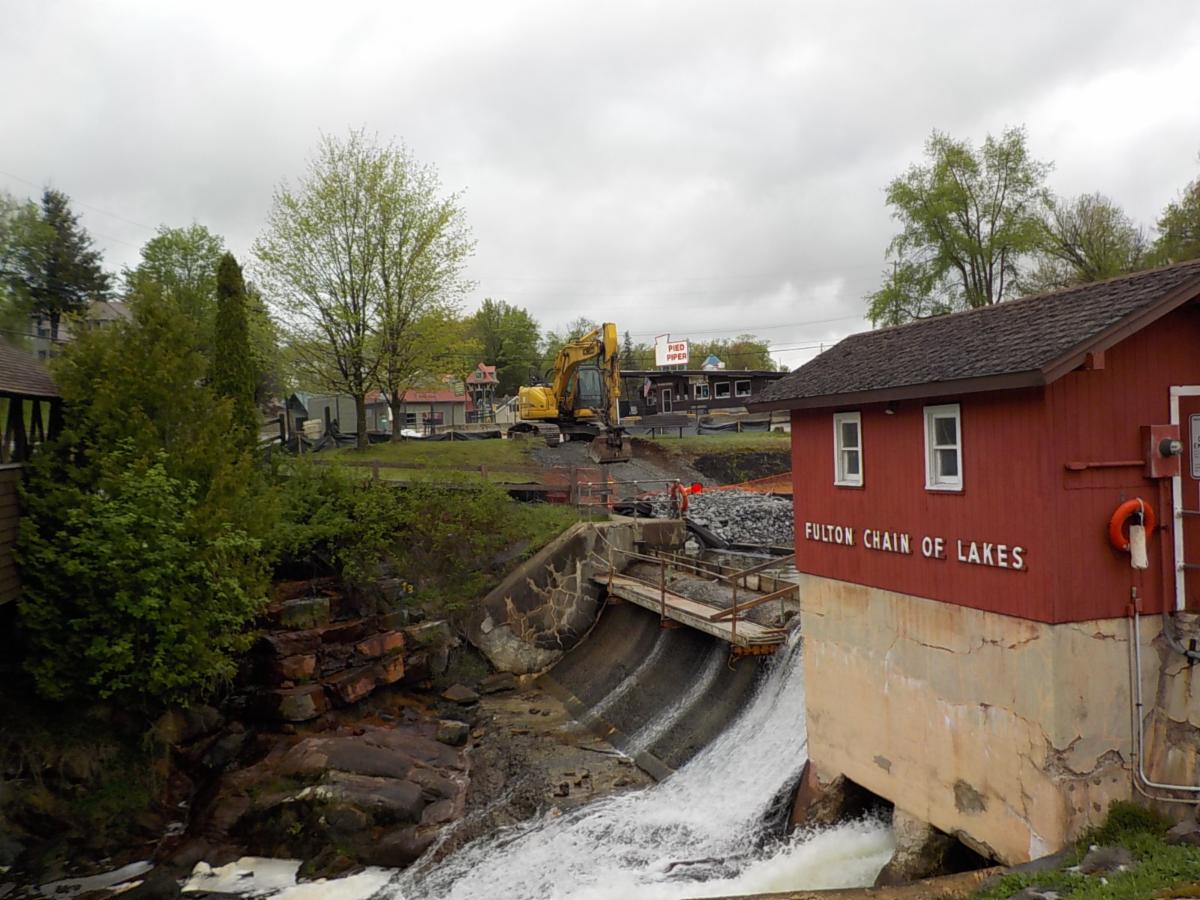
Work to rehabilitate the Old Forge and Sixth Lake Dams has recently begun, representing an investment of $16.4 million in the century-old structures. The project will improve water regulation, and enhance the safety, reliability, and operational efficiency of both structures, ensuring long-term community benefits.
The project was made possible through funding initially appropriated by Governor Kathy Hochul and the Legislature in the FY 2023-2024 State budget. In all, this commitment of funds in the Adirondacks is part of an overall investment in the Regulating District’s critical water-retaining infrastructure of nearly $100 million during the current 10-year period.
Work on the dams, which will continue through the end of 2027, will include replacement of spillways with new “labyrinth” spillways to increase capacity and improve water regulation, construction of new gate enclosure structures that will retain the architectural style of existing gatehouses, replacement of water control gates, reconstruction of downstream concrete aprons, installation of emergency standby generators, embankment improvements, and other community enhancements. Importantly, the new spillways will have greater capacity to convey water, resulting in less fluctuation in water levels. The utilization of temporary coffer dams at both locations during construction will mean that normal water levels will be maintained, with no “draw down” of the reservoirs necessary to complete the work.
At Sixth Lake Dam, the Regulating District has heard from the Sixth and Seventh Lakes Association regarding concerns over residential parking during the project. Construction sequencing will ensure that existing parking is not impacted during summer construction activities. The project will also incorporate improvements to an existing bulkhead and dock used by residents to access seasonal camps.
At Old Forge Dam, the Regulating District has worked closely with the Town of Webb to incorporate elements of the Town’s Waterfront Revitalization Plan, including improved access, lighting, and docking facilities. At both locations, the project will incorporate new “hand launch” access points for paddlers.
According to HRBRRD Chair Mark Finkle, “This rehabilitation is not just about maintaining infrastructure, it's about safeguarding downstream communities from potential flooding and enhancing our natural resources, while ensuring that the Fulton Chain of Lakes can remain a treasured resource for the Western Adirondacks well into the next century.”
These impoundments in the Fulton Chain of Lakes date back more than a century. In 1879, to further reduce impacts associated with diversions from the Black River to supply water for New York’s Canals, the State of New York authorized construction of new dams at Old Forge – the site of John Brown’s original 1799 dam – and Sixth Lake. Completed in 1880, the reservoirs created by these dams would not supply canal navigation directly. Rather, they would be “compensating” reservoirs which would ensure a reliable source of water year-round for downstream mills that would otherwise lose precious flow for the sake of canal navigation.
Upgrades to the two dams, including new concrete spillways, were completed in 1905 (Old Forge) and 1920 (Sixth Lake), respectively. Following the creation of the Black River Regulating District in 1919, the State transferred jurisdiction over the dams to the Regulating District, which has managed them ever since. Together, the dams create the impoundments which provide water for First Lake through Seventh Lake (including Old Forge Pond) on the Fulton Chain of Lakes.
Following revisions to New York’s Dam Safety Regulations by the NYS Department of Environmental Conservation (NYSDEC) in 2009, the Regulating District has been working collaboratively with NYSDEC to develop a timeline and approach for addressing deficiencies identified at the more than century old structures. In 2017, engineering and design firm Arcadis completed a hydrologic, geotechnical and stability assessment of the structures, as well as a recommendation for rehabilitation.
Once the rehabilitation of both dams is complete, area residents will enjoy improved water regulation (less variation due to intense short duration summer rainfall) and an enhanced community asset, as well as the peace of mind which will accompany completion of the critically-important dam safety improvements driving the project.
| |
| | |
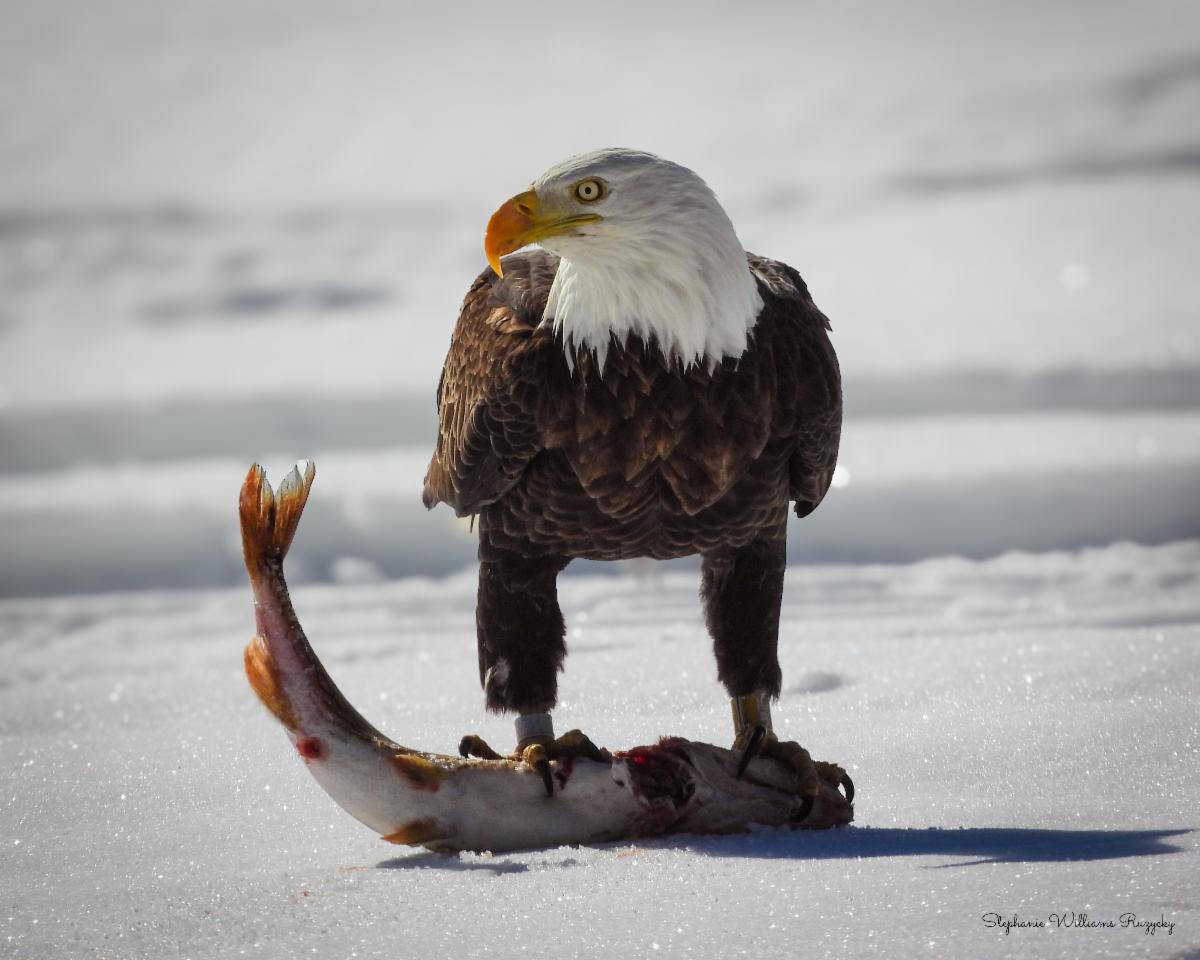
📸Lens on the Lake: The Bald Eagle
-
Ice Hunters: Bald eagles frequently hunt for food directly off the frozen reservoir ice during winter and early spring.
-
Local Recovery: Once rare, multiple breeding pairs now permanently nest and thrive across the watershed due to clean water protections.
-
Massive Size: These raptors boast wingspans up to 8 feet, with females being 25% larger than the males.
| | | | |
From the President of the Great Sacandaga Lake Association
Jane Kinney Denning
President GSLA
It is finally spring and the Great Sacandaga Lake is coming back to life after a long, cold and snowy winter and while it was great to see the fishing huts, cross country skiers, and snowmobilers enjoying the lake, it is very exciting to think about the summer days ahead.
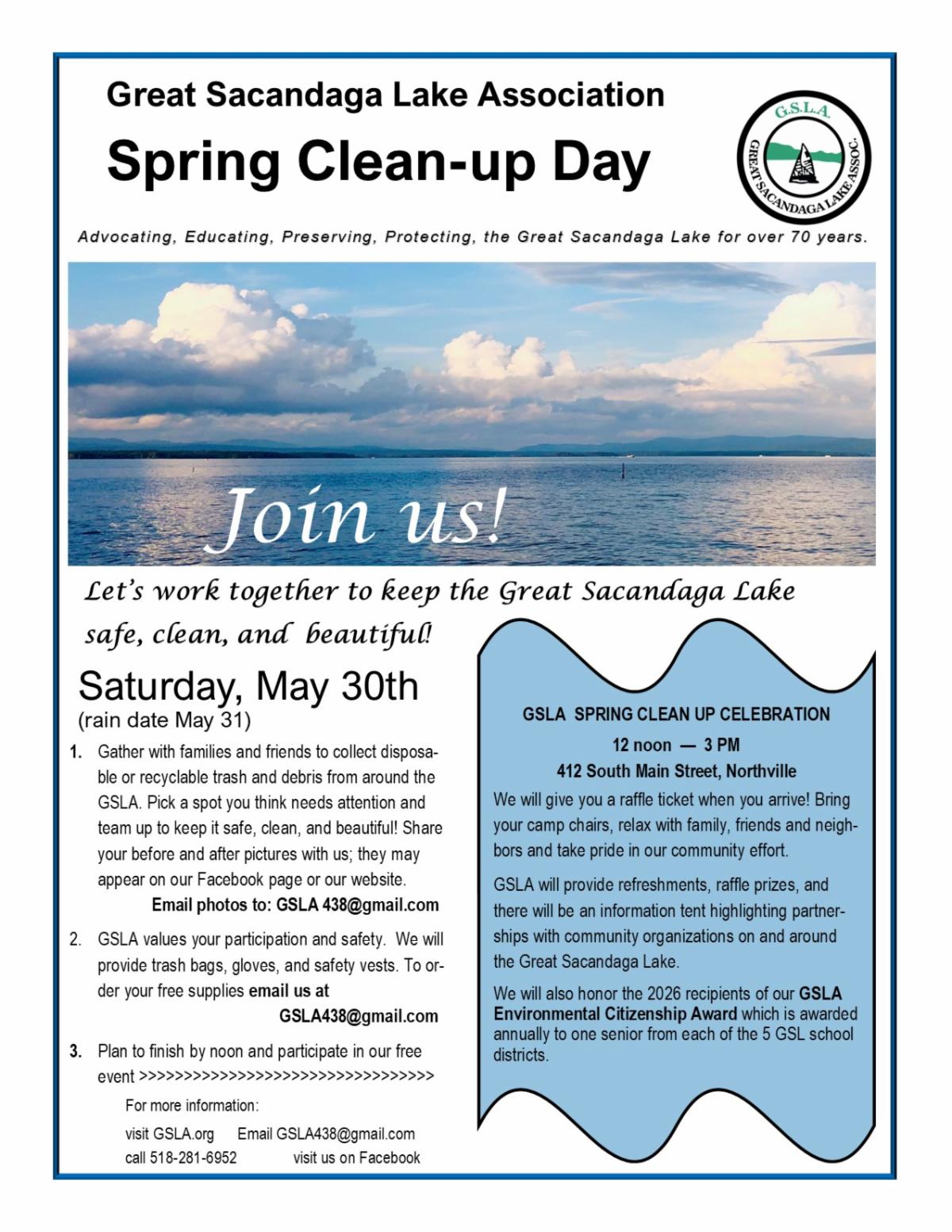
The winter thaw is a great time to start cleaning up our roads and beaches of trash that has accumulated over the winter months and the GSLA is excited about our second annual GSLA Clean-Up Day (https://www.gsla.org/clean_up_day) event which will be held on Saturday, May 30th at the Northampton Town Hall from 12:00 to 3:00.
We hope you will join us in our efforts to keep the area surrounding the GSL beautiful and join us in celebrating our community and environmental stewardship.
The idea of the Clean - Up Day is for everyone, independently, in the morning of the 30th to do some trash pick-up: on your own road, together with your neighbors or even in an organized group at a selected location, however you want to participate. The GSLA will supply you with “clean-up kits” that include large clear plastic bags, rubber gloves and a safety vest.
We would appreciate it if you could email us some pictures of your efforts along with our permission to post on our website.
If you are interested in supplies, you can email us at gsla438@gmail.com and we will get them to you. We will also be sharing them with neighbors and neighbors and local businesses.
At 12:00 on the 30th we will gather at the Northampton Town Hall to celebrate our community, volunteers and the recipients of the Great Sacandaga Environmental Citizenship Award (https://www.gsla.org/citizenship_award) given to 5 seniors from the school districts around the lake. There will be special guests, great conversation and lots of donuts and refreshments and all guests will be eligible for a raffle of some great prizes.
We hope you will join us and support the work the GSLA has been doing for over 70 years to protect and preserve the Great Sacandaga Lake.
Spring is also a great time to become a volunteer for the GSLA. Our volunteers are interesting and passionate about the GSL and protecting and preserving it for all to enjoy.
Our next monthly board meeting is Thursday, June 18th at 6:30pm at the Northampton Town Hall. Members are encouraged to join us. Being a member is a great way to help us in our efforts. You can become a member here: https://www.gsla.org/membership.
| | |
GLSA Honors 5 Local Students with Environmental Citizenship Awards
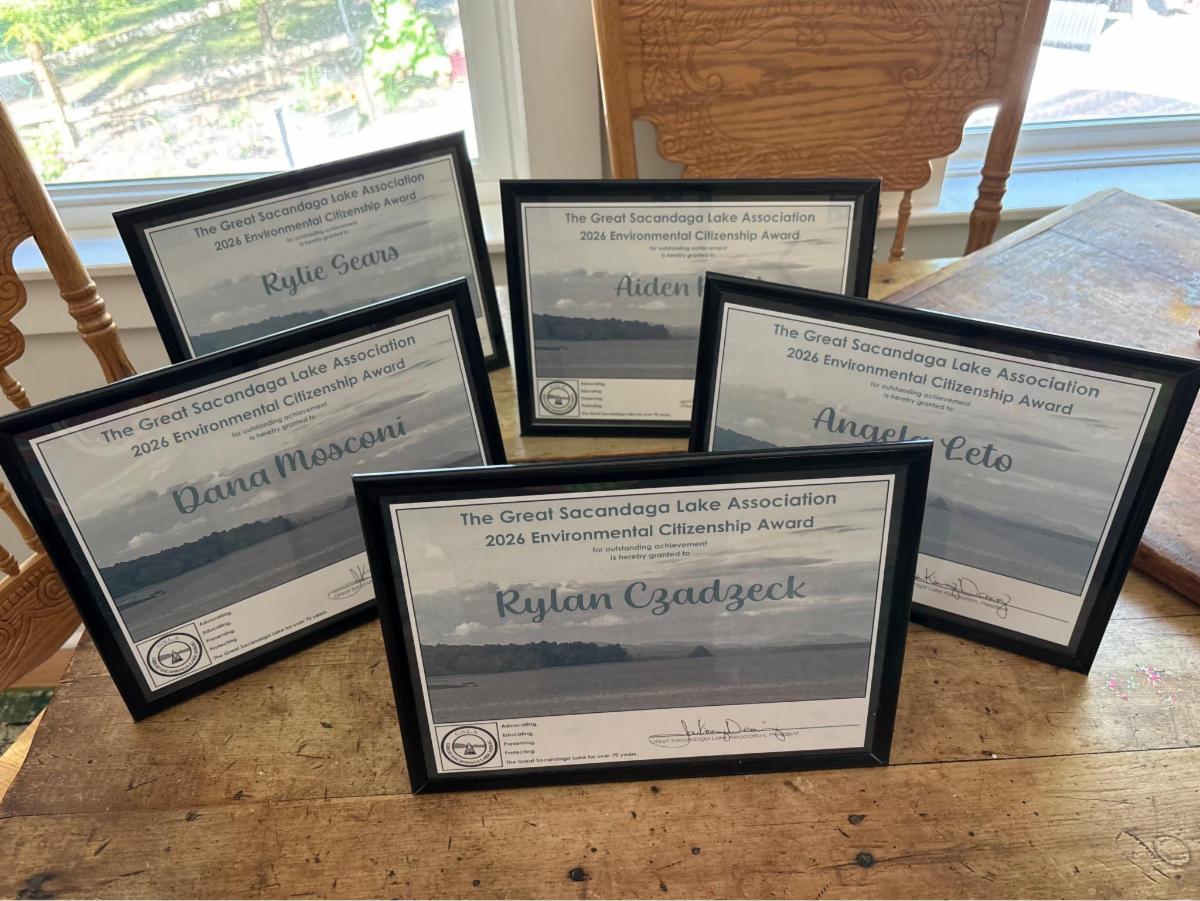
The Great Sacandaga Lake Association (GSLA) recently honored five local graduating seniors with its 2026 Environmental Citizenship Awards. One student from each school district bordering the lake was selected for exceptional environmental stewardship and civic engagement: Angela Leto (Broadalbin-Perth), Aiden Pettit (Corinth), Rylie Sears (Hadley-Luzerne), Dana Mosconi (Mayfield), and Rylan Czadzeck (Northville). These inspiring seniors are being celebrated for their outstanding commitment to environmental stewardship, community service, and leadership throughout the Great Sacandaga Lake region.
| | The GSLA is a member-supported non-profit dedicated to the care of Great Sacandaga Lake. Their annual Environmental Citizenship Award recognizes students who take active roles in protecting the woods, water, and communities of the Sacandaga region. | | | |
INVESTING IN DAM SAFETY
Recently the New York State Legislature began voting on components of the State’s fiscal year 2026-2027 budget, including appropriations for capital projects. The Regulating District’s infrastructure has benefitted from up to $77.5 million in appropriations from prior State budgets to support rehabilitation projects at the Conklingville, Indian Lake, Old Forge and Sixth Lake dams. In this year’s budget, the Governor and Legislature agreed to add an additional $24 million in capital investment in the Regulating District’s critical water-retaining infrastructure, bringing the total investment by the State to over $100 million in just the last six years.
| | | |
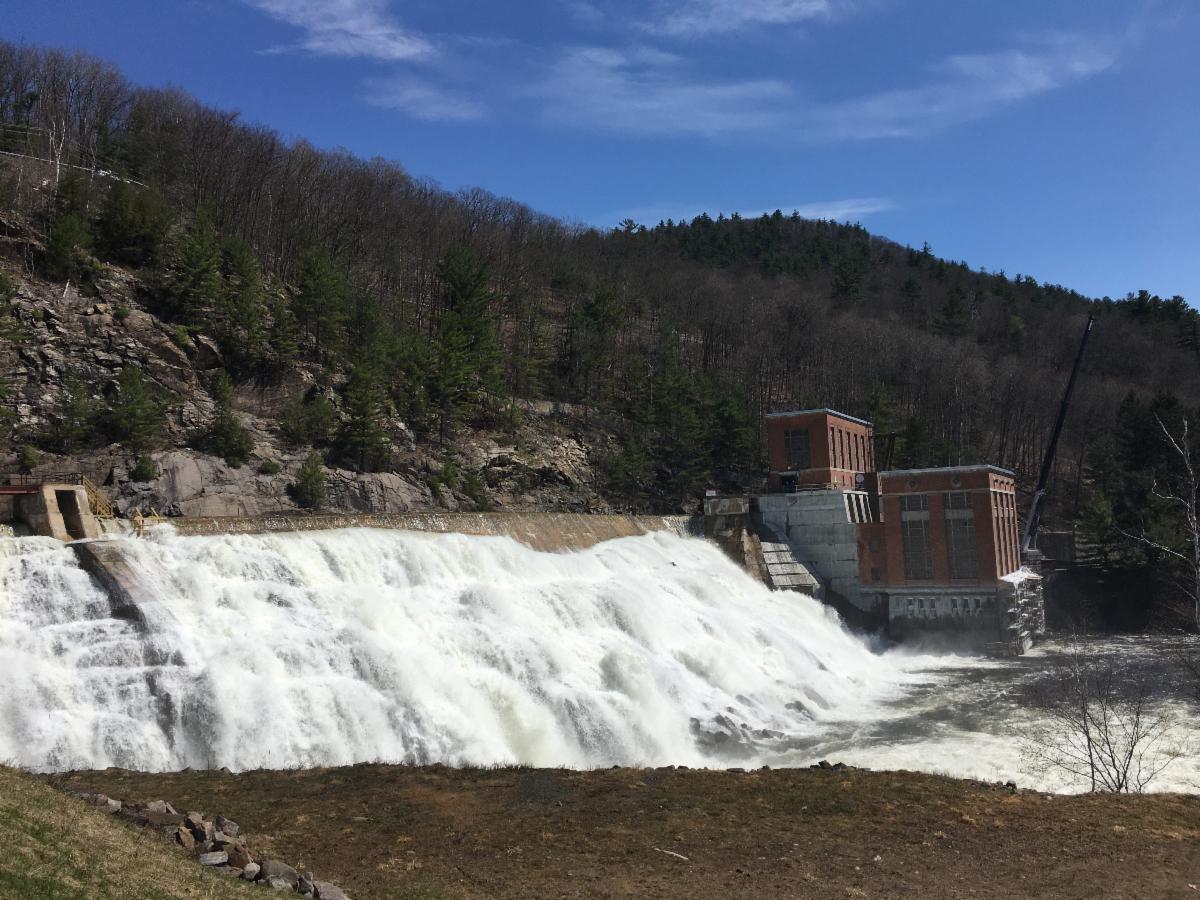
Importantly, this support from Governor Hochul and the Legislature will enable the upcoming rehabilitation of the Conklingville Dam to go out to bid this summer, with expected completion in time for the dam’s 100th anniversary in 2030. The project, which like other major rehabilitation projects underway at the Regulating District will not necessitate any changes to normal water levels during construction, will bring the nearly century-old dam into compliance with modern dam safety standards. This generational investment in dam safety improvements will ensure that structures like Conklingville Dam can continue to function as intended, providing vitally important flood protection and flow augmentation benefits to downstream communities in the decades ahead.
The State’s enacted budget also includes $1.25 million in operational funding to cover the State’s share of assessments as stipulated in the Environmental Conservation Law. The Board and staff at the Regulating District are grateful for the support of the Governor and Legislature as we seek to operate and maintain the critical water-retaining infrastructure under its jurisdiction in the greatest public interest!
| | 🧠 The Spillway Quiz: Eagle Eyes Only | | |
Question:
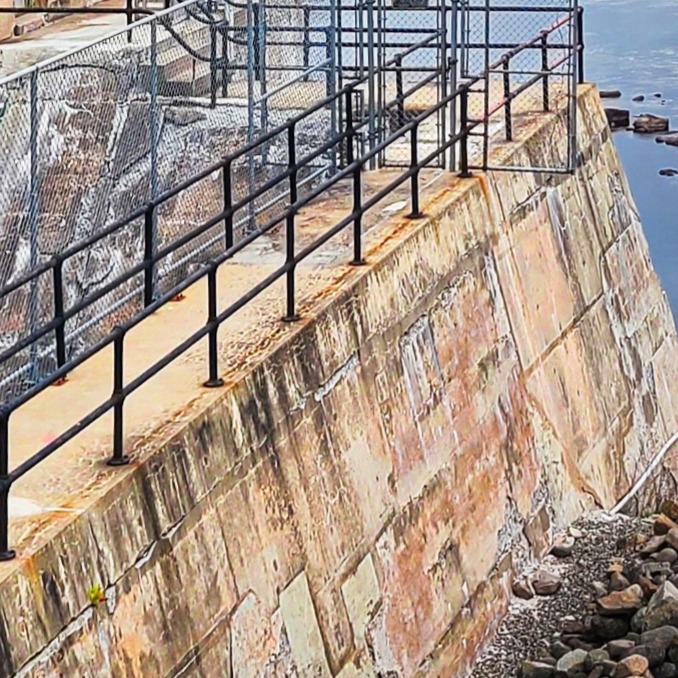
Our resident bald eagles aren't the only ones keeping a sharp eye on the shoreline. Take a close look at the weathered structure pictured above. This historic asset is gearing up for a massive, multi-year infrastructure rehabilitation project overseen by the NYS Office of General Services. Can you guess which District facility this is? Find the answer here!
| | | | |