President's Message
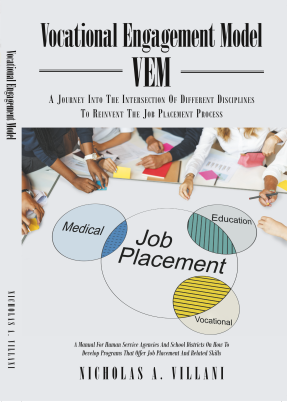
I am proud to announce the publishing of my book, The "Vocational Engagement Model” also known as VEM. The book was conceived as a means to improve the services within my own agency while testing inconsistencies I strongly felt were simply ineffective business legacies from years of practice in the field. As I began to accumulate data and integrate concepts into VEM, I accumulated models and changes that finally became a manual for the restructure of managing programs and implementing services.
While my son was undergoing treatment for cancer, I recognized the medical community's treatment process contrasted with the disciplines in the education and vocational field where I provide services. The VEM concept started with these observations of the medical community and juxtaposed against the structure of special education, the vocational rehabilitation community and their interface with the business community.
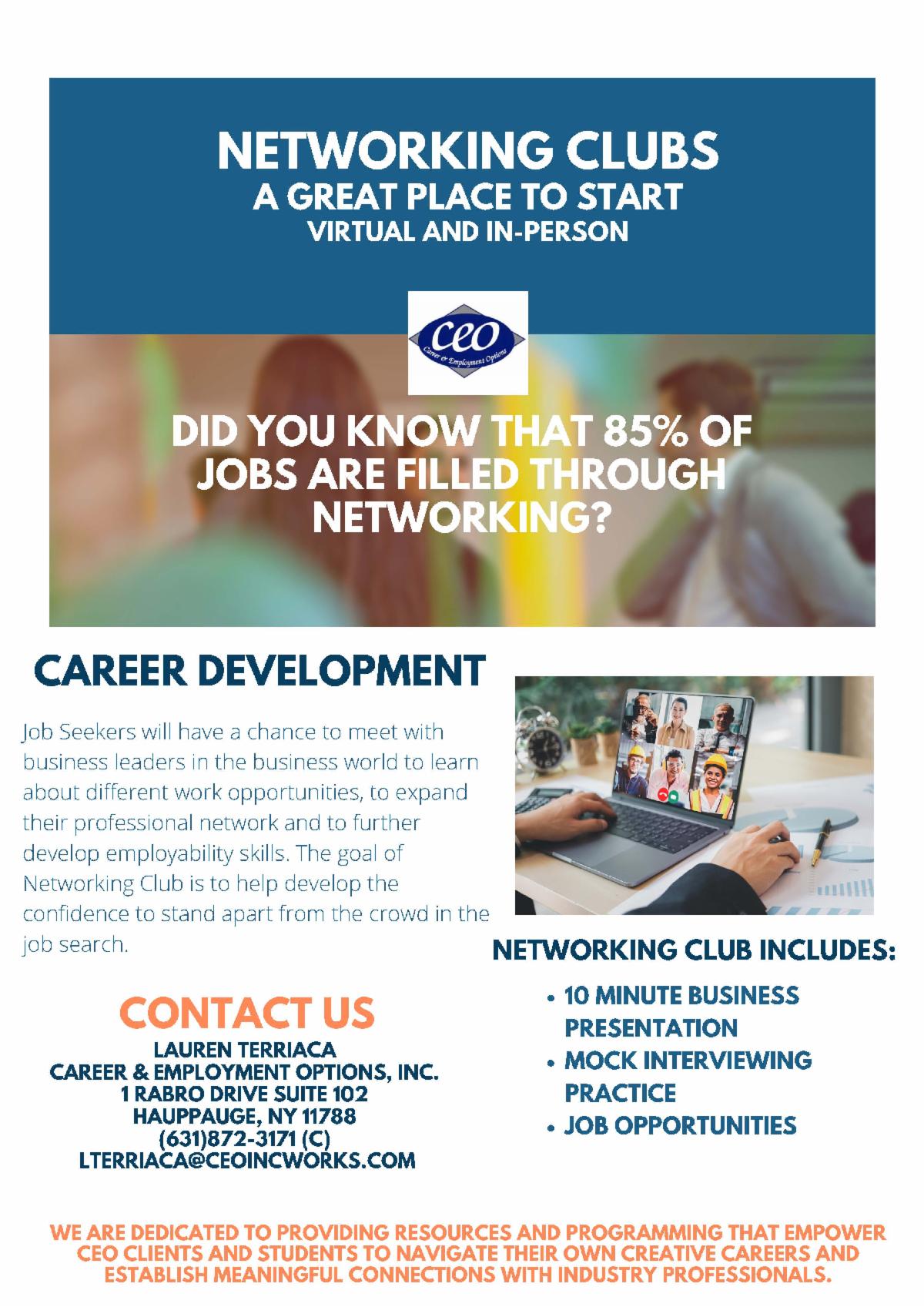
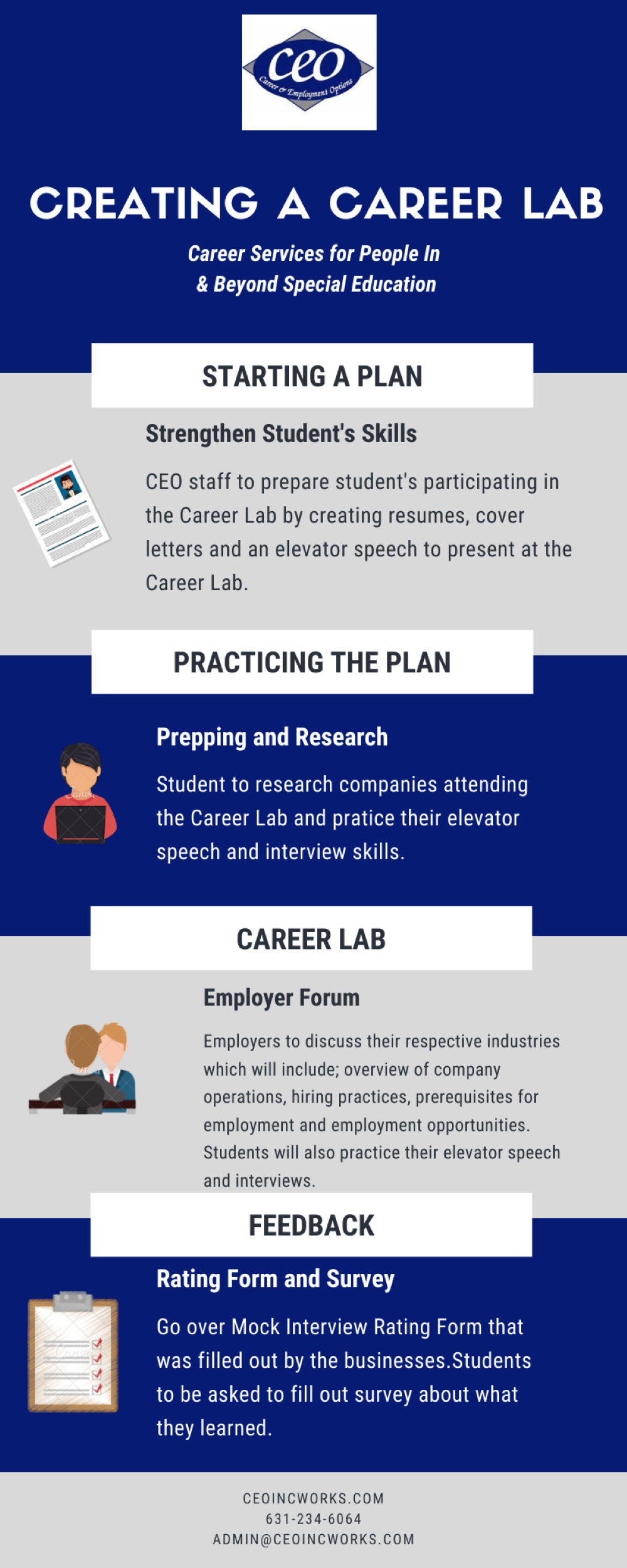
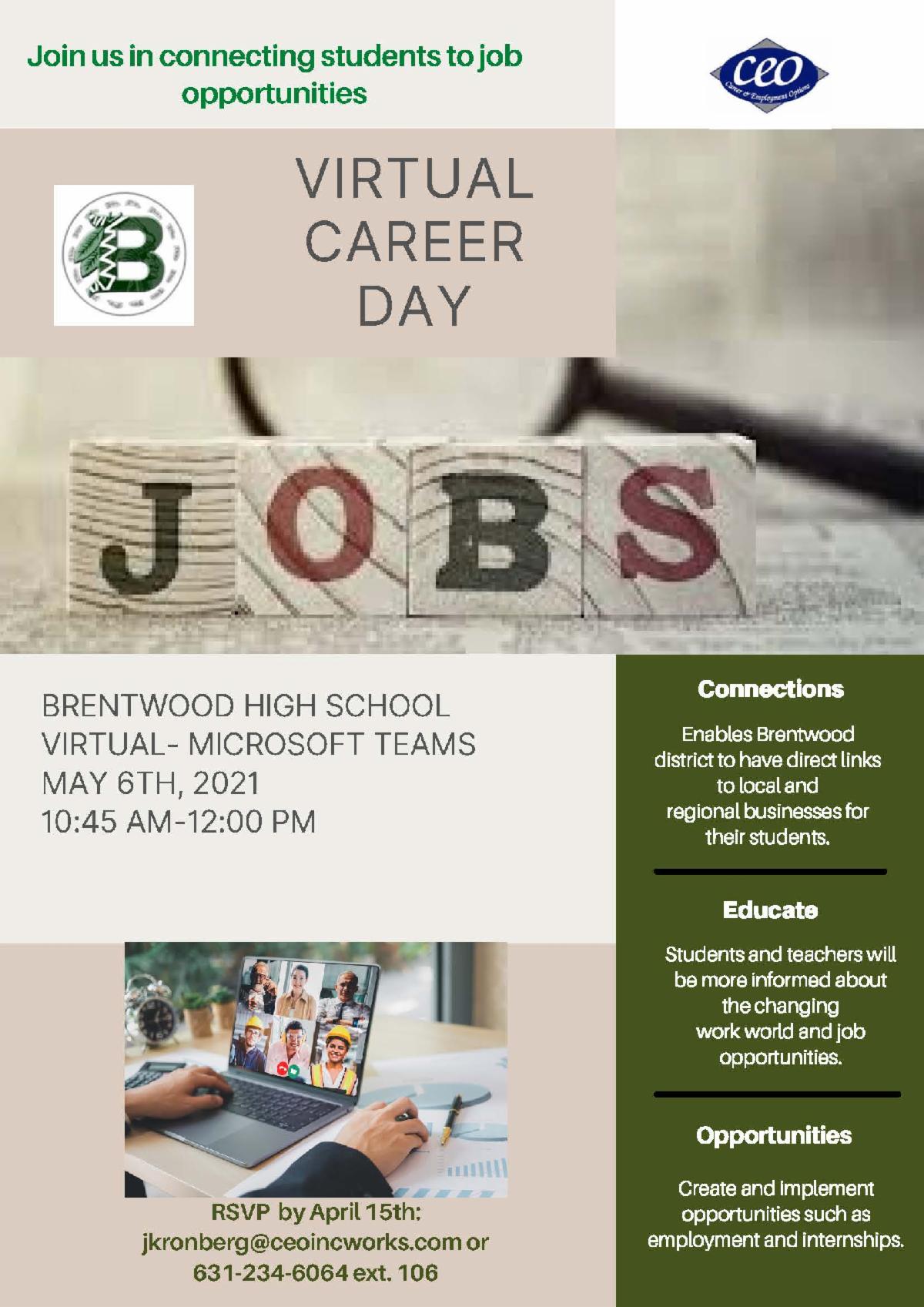
What VEM does is re-evaluates how the vocational rehabilitation and special education community must rethink its practices from the onset. It challenges how schools can integrate these processes into their often rigid schedules that focus upon academic graduation. It integrates practices in the medical community by providing clear and concise employment information to perspective student and client, while utilizing the grand rounds methodology to structure an effective and peer support system. VEM also integrates the business community into schools and adult placement activities through the Career Labs and Networking Clubs. The business community can now have an active part in developing the skills for future employees.
The end result has been an effective model within our company. The goal is to share with others and synthesize all the parties involved in the employment process for people with disabilities. It is my hope that the reader will get what they need from the book, but more importantly use the model to improve their job placement rates. It is our collective goal to “change the course of history by being the catalyst to closing the employment gap”.
Thank you,
Nicholas A. Villani