WI-CARH Spring 2026

Newsletter

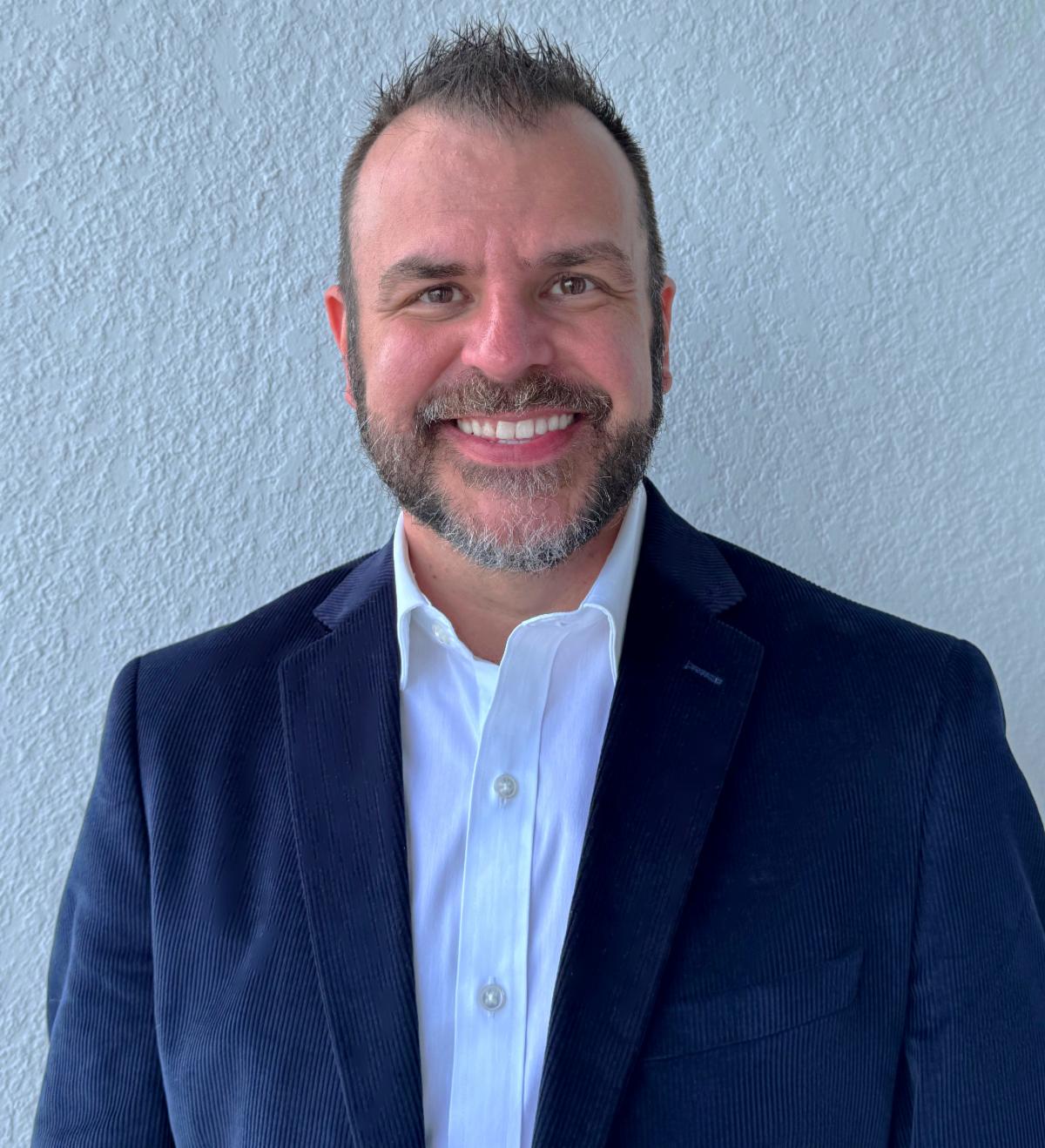
Message from Russell Kaney, WI-CARH President

yellow-tulip-field.jpg

Spring Brings Growth & Renewal


I just finished changing my clocks last weekend. It is a reminder that spring is rapidly approaching. That is good news: longer days, warmer weather, and knowing that the dire-looking landscape (especially without snow) will soon green up and burst with new growth. I am looking forward to the changes this season brings.


Spring also brings our annual training sessions, sponsored by WI-CARH. Just as our Brewers are practicing for a full season of baseball, WI-CARH is providing training that will reinforce and provide confidence in your compliance responsibilities for your residents and properties under management. Look for the dates and registration material later in this newsletter. We hope to see you in Madison in April.


I had the opportunity to attend the Council for Affordable and Rural Housing (CARH) mid-year meeting in January. See my notes in a subsequent article. Unlike the 2025 mid-year meeting, which was uplifting and full of promise, I left this conference a bit dissatisfied. Since January 2025, Rural Development has seen significant downsizing and changes in personnel. With the implementation of DOGE, reductions in force, retirements, and the 40-day shutdown in October-November, the agency has been playing catch-up ever since. I am confident that RD-USDA will figure it out, but that does not make your work any easier. Long delays and policy changes need to be corrected, and it starts with people. Just as you are responsible and responsive to your residents, Rural Development needs to be responsive to your needs, including timely lease approvals, fair and timely management fee increases, and budget approvals. We also look forward to regulatory reform that will eliminate redundancy (like multiple inspections) and make your job easier.


Have a suggestion or idea we can pass along to Rural Development or HUD? Feel free to contact us, and we will make sure it gets some attention.


In the meantime, enjoy your spring; it is a great time of year!


Russell D. Kaney

President, WI-CARH 

WI-CARH's Spring Training - April 22-23, 2026

Join your housing colleagues for the 2026 Spring Training sessions sponsored by WI-CARH. Wisconsin Council for Affordable and Rural Housing (WI-CARH) is proud to team up with US Housing Consultants for their expertise and excellent training services.


Day 1 - Wednesday, April 22, 2026


HOTMA Today


Join Gary Kirkman, Director of Compliance Training at US Housing Consultants, as he explores the current status of HOTMA implementation under Rural Development USDA, highlights key changes introduced under the rule, and discusses what the industry still needs from HUD. During this session, Gary will walk through important updates related to household composition, income, assets, and adjusted income, incorporating interactive knowledge checks throughout to reinforce learning and deepen discussion.  


**Please note that annual and interim recertifications under HOTMA will not be addressed during this training.**


Day 2 - Thursday, April 23, 2026


Fair Housing Update - Where Are We Today?


Join Gary Kirkman, Director of Compliance Training at US Housing Consultants, for an engaging discussion on fair housing changes we have seen so far and why fair housing continues to matter for the residents we serve. Gary will discuss current expectations, common challenges, and practical ways to apply fair housing principles in our daily work, leaving attendees with a renewed commitment to creating inclusive communities for everyone.


Verifications - Telling the Story of Compliance


In the affordable housing industry, many professionals have heard the phrase the file has to tell a story, and there is a good chance you have heard Gary Kirkman, Director of Compliance Training for US Housing Consultants, say it more than once. Verifying household information is essential for program compliance, but documentation requirements can vary across housing programs. In this session, Gary will explain how programs such as LIHTC, HUD, RD, HOME, and the Housing Trust Fund differ when it comes to file documentation. Attendees will learn how to ensure that the story each file tells is accurate, complete, and based on fact rather than fiction.


Wednesday, April 22, 2026

8:00-8:30 - Registration 

8:30 - Noon - Session

Noon - 1:00 pm - Lunch will be provided

1:00 - 4:00 pm - Session


Thursday, April 23, 2026

8:00-1:00 pm - Session


Fees


WI-CARH Members: $450 or three or more at $400

Non-Members:  $485 or three or more at $450


Payment


Payment can be made via PayPal or by check. Please make check payable to: WI-CARH, P.O. Box 258098, Madison, WI 53725. Sorry, credit card payments are not accepted.


Location of Spring Training and Hotel


Hotel Information: Call the hotel directly at (608) 244-4703 or Hilton reservations at 800-445-8667 and mention the Wisconsin Council for Affordable and Rural Housing or code CDT93B. Alternatively, you can book online at the Wisconsin Council for Affordable and Rural Housing Reservation Booking Link.

Meet the Speaker - Gary Kirkman, Director of Compliance Training, US Housing Consultants 

Mr. Gary Kirkman has acquired over 19 years of valuable leadership experience within the affordable housing industry and now serves as the Director of Compliance Training for US Housing Consultants.


Having started in the industry as a Regional Property Manager, Mr. Kirkman managed Rural Development and HUD properties before being promoted to Training Specialist, where he was responsible for overseeing multiple affordable communities while training personnel on the affordable housing programs.


Mr. Kirkman later became a Training Director and was responsible for developing company policies and procedures and overseeing the training program. In that position, Mr. Kirkman aided owners and developers in speaking at town councils and public meetings to establish new affordable housing properties in the needed areas.


Before becoming a compliance trainer, Mr. Kirkman was an award-winning Community Manager and was awarded Best Overall Compliance in Affordable Housing for the Southeast Region for a property management company portfolio.


Mr. Kirkman is an experienced and engaging public speaker. He conducts public and private trainings and speaks at housing conferences, providing training on all major affordable housing programs.


Mr. Kirkman has received praise from former colleagues who have stated, “He has the ability to learn complex compliance requirements and teach them in a manner that others can learn” and “Because of his positive disposition, his reflective way of operating, and all of the character traits that make him so special, Gary’s questions never go unanswered, and his searches always bring him to exciting new discoveries.”


Mr. Kirkman’s areas of expertise focus on the following programs:


 Low-Income Housing Tax Credit (LIHTC) Program

 HUD Multifamily Housing Programs

 USDA RD Rental Housing Program

 HOME Investment Partnerships Program

 Fair Housing and Accessibility

 Violence Against Women Act (VAWA) 


Join us as a Sponsor at WI-CARH's Spring Training

You are invited to join us as a Sponsor at the 2026 Spring Training. Please consider signing up today to be a Sponsor and help make this education and training opportunity affordable to all in the rural housing industry. Please click on Register as a Sponsor to complete the form

Thank you to the 2026 Spring Training Sponsor

Please click on logo to go to the sponsors website


CARH Mid-Year Meeting Covers Multiple Topics Important to Rural Housing

The Council for Affordable and Rural Housing (CARH) held its annual mid-year meeting from January 26-28 in Islamorada, Florida. Here is a summary of the sessions held during the three-day conference.


Day 1

The first day of the conference is made up mostly of committee meetings, which are well attended.


State Affiliated Association Committee


1.   Welcome & Introductions


2.   Meetings Reports on 2025 Fall Meetings

  • Upcoming meetings scheduled for 2026
  •  Speaker recommendations


3.    Update to Committee Recommendations to the Board from the June 2025 Meeting:

  • Continue to encourage RD and Congress to find IT development to support multifamily housing programs.
  • Encourage agencies to bring back harmonization efforts to simplify the process whereby customers using federal government resources would not need to resubmit the same information for multiple agencies and would be able to access needed information in one place.
  • Encourage local RD to come to state meetings and restart local trainings.
  •  CARH to draft a letter to the national RD with a list of upcoming state meetings that would like to have representatives from RD to speak/attend (either in person or virtually).


4.   Other Concerns/Issues


5.   Recommendations to CARH Board of Directors


After introductions around the room, each state organization reported on activities, conferences, and trainings happening in their state. Wisconsin held its fall conference on October 22, 2025, in Wisconsin Dells, WI. Speakers and topics included US Housing Consultants, Mental Health Issues, Washington Updates with Colleen Fisher (CARH Executive Director), Overview of Stand-Alone Rental Assistance (SARA), lease update and real estate law changes, Wisconsin Housing & Economic Development Authority (WHEDA) financing tools, and the WHEDA Foundation Grant program. The Badger State Housing Alliance was introduced as a group following state housing legislation. A final session reviewed federal funding and resources for affordable housing. A spring training will be held April 22-23, 2026, in Madison, WI, with Fair Housing and HOTMA being the topics. The fall conference is scheduled for November 4, 2026, in Wisconsin Dells, WI.


Indiana holds a multi-day conference each year. Topics included fire safety and inspections led by a fire chief of a municipality, artificial intelligence for managers, and a property insurance session. The Carolinas association held discussions on insurance and HOTMA. Alabama discussed property insurance issues, maintenance training, and fair housing training provided by the E & A Team. Florida provided attendees with Home Depot HD maintenance training, a review of their lease, and the keynote speaker was Jan the Work Lady.


The Texas association had Karissa Stiers from RD via Zoom. Michigan also had Karissa Stiers speak on RD topics via Zoom. The Michigan association used an association agency called GAP to arrange their conference, fees, and general organization. Mississippi held their conference in Biloxi and also provided fair housing training at 10 separate locations around the state to accommodate its members. Joe Henry was the speaker. April is fair housing month. Indiana has held several webinars of one hour duration, promoted as fireside chats to discuss housing topics. Each state association briefly discussed its scholarship programs. Alabama leads the way with sixty scholarships per year. They have a separate foundation and a separate board to handle this activity. CARH reminded state representatives that the CARH scholarships are now submitted online.


Best Practices and Education Committee


1.   Welcome and Introductions


2.   Best Practices - CARH member-company best practices

  • Employee retention
  • Resident relations
  • Administrative cost-cutting


3.   Training Options through CARH Members


4.   Update to Committee Recommendations to the Board from the June 2025 Meeting: Encourage RD to have non-executive level staff attend state-affiliated association meetings - specifically the staff that services that state. If unable to attend in person, ask RD to push for attendance of the servicing staff to attend training or participate in sessions via Zoom or other internet conference service. (This is a recurring recommendation. Over the last year, there have been several state meetings where RD regional staff have attended meetings.)


5.   Other Concerns/Issues


6.   Recommendations to CARH Board of Directors


Employee retention was discussed. The owner in Indiana provides awards to property managers throughout the year. Quarterly bonuses are extended if maintenance is caught up and tenant certifications are sent in on time. Maintenance can earn a bonus if a unit is turned over and ready to lease in seven days or less. Management companies have gone to virtual trainings. Wages for property managers ranged from $26.00/hour to $18.00/hour. Maintenance averages $30-$33.00/hour. It is harder to find maintenance personnel, who used to be recently retired handyman, mechanics, etc., wanting part-time work to fill retirement hours, but are now harder to find. The Ohio company has a 30% turnover in personnel yearly, and offers few benefits on their mostly RD portfolio. The website has become the best recruiting tool for most companies. Florida management companies will have monthly Zoom calls with all managers/maintenance. Training was discussed, and several training firms were in attendance. HD Supply can do in-person trainings and has a library of online webinars, and training is at no charge. Spectrum Training (Steve Rosenblatt) does all training online. This is their 40th year, and they are planning a celebration August 26-28 in Portland, Maine. Zeffert provides in-person and online trainings. Applying the HOTMA rules has been the main request. The E & A Team provides accessibility and fair housing training, both live and online. Sessions can be recorded for new employees. US Housing Consultants were not present. The new reserve account policy of RD was discussed briefly.


Lenders Committee


1.   Welcome and Introductions


2.   Section 538 Program

  • 50-year amortization
  • Increase in the Loan-to-Cost ratio to 85%


3.   Impact on Possible Changes to GSEs’ Operations


4. Underwriting and Lending Issues


5. Update to Committee Recommendations to the Board from June 2025 meeting: For the Section 538 program, continue to advocate for 50-year amortization (including lining up a conversation with the Government National Mortgage Association (GNMA).

  • Increased the Loan-to-Cost ratio from 70% to 90%, and
  • Reduced Debt Service Coverage Ratio (DSCR) from 1.15 to 1.11.
  • All of these are documented in the CARH letter sent to Secretary Rollins on March 28, 2025.


Continue to advocate for the suggestions made by the Rural Multifamily Lenders Council (RMLC) surrounding task delegation to lenders, to relieve the burden on the RD workforce plagued by the RIF, which will reduce bottlenecks and speed up review/approval times.


6.   Other Concerns/Issues


7.   Recommendations to CARH Board of Directors


Chris Mullen of Bonneville Multifamily Capital led the discussion. Rural Development fees on guaranteed 538 loans have been reduced. Other incentives to ramp up the use of the 538 loan product were discussed. $400 million guaranteed loan authority continues to be allocated, but less than 50% utilized. A 50-year amortization on loans (program allows 40 years currently) is still being pushed. Discussions are ongoing with Ginnie Mae to raise the loan-to-cost value to 85% (currently at 70%), which would help with transactions that are considered workforce housing. Approaching Ginnie Mae first for approval before approaching RD. A proposal was discussed to raise the $6,500/unit limit on rehabs eligible for refinancing. The $6,500 limitation has not changed in years. RD development fee caps of 15% for rehab and 8% for acquisitions were discussed. The Rural Multifamily Lenders Council (https://www.rmlc.org) is made up of the majority of the 538 lenders nationwide.


Development fees are an administrative/regulatory issue, not in the statute, and mainly affect portfolio deals. Since the November 2025 shutdown and reopening, there has been a lack of response on processing, and checklists are being changed without notice. Review times have been excessively slow. The HUD process is worse, with fewer people. NEPA environmental regulations were discussed. Categorical exclusions need to be expanded, especially on 515 transfers. 1924 Instruction needs updating. Appropriate for new construction, not needed for rehabs. Subordination agreements continue to be an issue. Dan Rogers has been temporarily reassigned. Question raised as to who is running the program? Can Administrator George Kelly change the process?


Management Committee


1.   Welcome & Introductions


2.   Operational Issues:

  • Budgets for Properties
  • Retaining & hiring staff
  • Insurance costs


3.   Rental Assistance Needs/Issues – RD and HUD


4.   Management Fees: Formation of Management Fee Subcommittee


5.   New Replacement & Reserve Process


6.   Physical Inspections: Possible MOU to Reduce the Number of Inspections on Properties Per Year Due to Multiple Funding Sources


7.   Update on Committee Recommendations to the Board from the June 2025 meeting:

  • Encourage RD to issue Rental Assistance for all RD units. This action would help provide affordable housing for more low-income families in rural communities and improve the utilization of units.
  • Until RA can be provided for all units, encourage RD to establish a budgeting mechanism to offset revenue losses when Housing Authority payment standards are lower than the Basic Rent for tenants with Section 8 tenant-based vouchers in non-RD subsidized units. Currently, the shortfall between the voucher rent and Basic Rent is paid from the owner's Return to Owner (RTO). As RD rents have increased to CRCU levels or near, this issue has become more common in our non-assisted units.
  • Continue to request that owners be permitted to resize replacement reserve deposits of up to $600 per unit per year (PUPY) without the need to submit a Capital Needs Assessment (CNA) and rent comparability study to support the request. Most projects under development size reserves to this level, as it more accurately reflects current labor and material costs.


Continue to urge RD to revoke the CARES Act requirement that owners/agents provide a 30-day notice before filing for eviction.


Encourage RD to issue updated Management Fees no later than June 30 each year to better align with property budget cycles.


Recommend that RD allow owners/agents to conduct a complete utility analysis with usage data once every three years, with utility allowances adjusted using OCAF in years two and three. The administrative burden of gathering information for the annual utility analysis has increased significantly. Most Public Utility Districts (PUDs) now require signed releases from tenants for each request (rather than accepting a release that authorizes data retrieval for the duration of the tenant's residency in the unit) and often fail to provide the usage data on time, causing delays.


Request clarification from RD on where the RA goes when properties exit and how RA assignment is determined, since it appears to be inconsistent across the RD portfolio.


Encourage RD to explore the possibility of reduced rents for non-RA units. In addition to helping to attract HAP voucher holders, it may help in finding applicants without vouchers, but who could pay a reduced basic rent amount.


8.   Other Concerns/Issues


9.   Recommendations to CARH Board of Directors


Discussion: Budgets had pushed back this year on rent increases and costs. Staffing and management companies are competing with retail hourly wages now, the same all over the country. Insurance costs in budgets have been 25% higher for all insurance, including property, general liability, workman’s comp, and more.


Rental Assistance: Make a suggestion that RD focus on the chronically vacant units. The comment was made that MINC was not set up initially to handle SARA contracts. RD is pulling RA on some units that show over-income on units.


Management's fees: No increase for 2026. RD thinks RD fees are higher than HUD, poor comparison, smaller properties, more remote, RD seems to have an attitude that you should be happy with what you have.


The issue brought up is to have a review of what is included in the management fee, and there is a need for more inclusion, such as IT expenses, software expenses, etc.


Consider OCAF adjustment rather than RD consideration? Use a “Bundle of Services” as a strategy to raise management fees.


New reserve process was discussed. Ari Severe & TM were beta testers. Realized a 48-hour turnaround on requests. RD promises a no longer than 5-day turnaround if all paperwork complies.


Developers & Owners Committee


1.   Welcome & Introductions


2.   Preservation and Operational Issues


3.    New Construction Challenges


4.   Development Costs

  •  Materials and construction costs
  • Hiring skilled workers


5.   Legislative and Regulatory Issues


6.   Update to Committee Recommendations to the Board from the June 2025 Meeting:

  • Schedule a meeting with Rural Development staff to discuss expectations and timeliness for the processing of transfer applications.
  • Encourage Rural Development to create benchmarks and procedures for transfers that are consistent across the agency.
  • Further impress upon Rural Development the importance of making certain Rental Assistance and rent increases are in place at the initial closing on all 515 properties.
  • Aggressively advocate for 100 percent RA for the RD portfolio.
  • Seek further clarity on the SARA/decoupling program-specific.
  • Seek a blanket waiver regarding the Build America Buy America Act requirements.
  • Advocate for a 30 percent basis boost (LIHTC) for rural housing.


7.   Other Concerns/Issues


8.   Recommendations to CARH Board of Directors


Discussion on construction costs and pricing, consensus is that costs have settled down and are not as turbulent as early 2025. Transfers have slowed down, and OGC is now looking at 60 days rather than 30 days for closing. The comment was made that CARH should suggest private attorneys or contract attorneys to speed up the process.


A New York owner has been asked to decommit their 2018 funds reserved under MPR. A request letter will be sent to CARH for follow-up.


Return to Owner has been an issue on bond transactions. The development fee cap also issues on same deals.


Question raised as to how unused rental assistance is being reallocated. RD & OGC only ones who know the number of rental assistance slots available.


Washington Report


Tom Reynolds of Holland & Knight, Nick Tsimortos of Arnell Golden Gregory, and Colleen Fisher of CARH discussed appropriations for RD-USDA. The agency is fully funded for fiscal year 2026. Decoupling was authorized at 5,000 units to participate, up from 1,000 units authorized in 2025 and 2024. Fifty developments are eligible.


The RRH 515 budget is $50 million, down from $60 million last fiscal year. Of the $50 million appropriated, $15 million can be used for new construction. IT improvements were budgeted at $75 million. At HUD, $1.25 billion was approved for the HOME program.


The Road to Housing Act was passed by the Senate but was stripped from the NDAA bill in the House at the end of the year and may come back in 2026. The original bill would have made decoupling a permanent program.


The Public Welfare Investment Authority, being discussed in Washington, proposed an increase from 15% to 20% of capital for banks that can claim LIHTC investment as a credit; banks generally support the issue.


The HOME program is being discussed for reauthorization and would increase HOME funding through 2029, eliminate and reform NEPA regulations on HOME projects, and remove Build America Buy America (BABA) from HOME


The White House Affordability paper/statement will have little effect. More importantly, the FY 2027 budget starts with the administration when they release proposed funding targets in February/March.


Strategies for Navigating Insurance Costs


Two speakers from USI provided their thoughts on where the industry is now. When capacity is tight, rates go up. Capacity has increased recently as fires are down this year, the hurricane season was mild, and other disasters have been fewer than in years past. They predict a 10% reduction in flat increases on premiums for 2026. Claims have been reduced from 5%-20% across the country.


General Liability: General liability costs are increasing from 10-15%, Umbrella coverage increases expected from 0% to 20%; these two coverages are typically a lender requirement. False advertising is a part of general liability, along with injury on a property. USI does benchmarking across the country.


Seeing more secondary coverages and ancillary coverages, such as active shooters and molestation. Look for exclusions in coverage. Assault and battery coverage is becoming popular, cooking grills, dog bites, habitability, and mold all can be considered.


Have a recovery plan developed in writing for an insurance company to read if a disaster were to put tenants out of their housing in case of fire, flooding, etc. This will help with the premium discussion.


Frivolous lawsuits such as discrimination, wrongful termination, etc., can be mitigated with a clear policies and procedures manual; this is risk control. Trying to minimize exposure with defined hiring practices, having an employee handbook


Discuss with the insurance agent whether their policies are subject to discovery in a lawsuit. Opposing lawyer will typically sue to the limits of coverage.


Ask the insurer if you have the right to name your own counsel, rather than use the insurer's counsel. Depending on the carrier, negotiate at renewal.


Tenant data breach can be covered by IT coverage. Look at policies 120 days out from the renewal. Doing a claim review, closed claims are important, open claims at renewal can increase your premium.


Adjust your deductibles, update your valuations for the best premium comparisons. More carriers are out there; the best strategy is to have an alternative quote on your portfolio before the renewal discussion with your current carrier.


Day 2


Emerging Trends from HUD-RD


Jen Larson represented HUD, and Michael Cummings also attended, both via Zoom. Michael heads up SW Housing Compliance as a contractor and reports to Jen Larson. He oversees 850 properties, of which ninety-five are RD properties. Properties are in Texas and Arkansas, and they monitor compliance, occupancy review, contract renewals, and do tri-annual reviews, one of forty-two in the US.


At HUD, HOTMA has been pushed off to January 1, 2027, for implementation. The NEPA proposed rule change will be out soon, and the E-tool appears to be working. Do uploads of CNAs every 10 years.


Karissa Stiers and Michael Reznick of RD spoke via Zoom. Approving budgets took priority during the end of the calendar year work, with 93% of budgets approved by December 31, 2026. Rental assistance processing had a system error that caused a delay, but it is now fixed.


The new reserve account process will be fully implemented by February 5th. The five-day response time or less is the stated goal for reserve requests.


Decoupling, RD received eighteen applications with 415 units. FY2026 will allow up to 5,000 units to participate and have fifty-two eligible borrowers with maturing mortgages falling between October 1, 2025, to September 30, 2026. Going through the clearance process now to notify borrowers.


Concept calls are ongoing.


538 loans no longer need approval and review through DOGE. Improvements to the program and recommendations are being considered from CARH and from the Rural Housing Multifamily Lenders Council.


Transfer Process recommendations from January 16 are being reviewed by the Administrator, and look for implementation and announcement on changes in June.


Simple Transfer Process changes are going through clearance now, and the PILOT has expired. Expect the release of the simple transfer process and extension in February.


Rural Opportunity Zones will be effective January 1, 2027, with July 2026 targeted for area eligible designations.


MPR responses to applicants are expected by mid-February. The new MPR/515 NOFA is still going through the clearance process. The oldest MPR approvals are coming up on their 20-year balloon cycle in 2027. RD does not have a policy as to how these will be handled. RD welcomes/needs input from stakeholders. Rosa Scarcelli of Stanford Management in Maine has several and has no guidance on what will happen. She has been working with Larry Anderson of Get RD Done Right, and they have submitted a white paper on what RD can do.


The end-of-2025 calendar year priorities were approving budgets and end-of-year closings (40+ in all). SARA IT fixes have been made.


The management fees discussion has not taken place internally yet at RD. Stakeholder feedback is needed and requested.


In the appropriations bill, there is a $1 million automation increase.


Karissa Stiers expects to have more announcements on all of the above by the March Board Meeting of CARH and the June meeting.


Housing Strategies – State of the Markets


Cinnaire, Enterprise, Churchill Stateside Group, and Rose Community Capital participated in a panel discussing debt and equity for the LIHTC and the general market.


HUD d4 loan product is providing the bulk of loans on LIHTC deals. Equity drives the deal; a developer will typically pin down their equity before committing to debt. Equity pricing ranging from seventy-one cents to ninety cents. High end of the range driven by CRA markets, economic investors expecting a 9-10% return, and a $29 billion overall market. GSE caps (Fannie & Freddie) went to $2 billion each. Banks are 80-85% of the market. GSE’s want big deals as they have more dollars to invest, but no additional staffing. Freddie Mac invests only in proprietary funds and wants deals of $15 million equity minimum. Fannie Mae is investing in multi-investor funds, including regional and local equity funds (like Cinnaire).


Advice for developers: talk to your investors early, update your financial statements to a current status, explain thoroughly your problem properties, and have a list of your contingent liabilities.


Advancing AI in Affordable Housing


The session was led by Jeffrey Promnitz, CEO of Zeffert & Associates, a compliance training firm. He reviewed practical applications of AI in the workplace, including organizing notes, writing emails, summarizing documents, and doing spreadsheets. He emphasized the review of material for accuracy, and always needs a human in the loop (HITL).


Day 3


Here Comes the Sun-Capitalize on Federal Solar Credit Before They Expire


Rob Dicke of Baker Tilly (WI-CARH Board Member & Vice President) reviewed Section 48 of the tax code. Expect energy costs to keep increasing, with the AI demand for energy driving up pricing. Commercial tax credits are still available until July 1, 2026, and require a minimum of 5% be spent on your project by the July 1 deadline. If met, you have until 2032 to finish your project. There are heat pump rebates available in individual states. Fleet Development in Oregon has specialized in solar and batteries for a few years and has a pipeline of work for several years.


The Oracle of 25%: Prophesies, Pitfalls, and the New Age of 4% Bonds


This session reviewed the effect of bond financing with the recent lowering of the 50% test to 25% and how states are reacting that issue bonds. Also reviewed the states with state tax credits that can make a deal potentially work. The effect of the lower test has reduced equity pricing. Knowing your capital stack, knowing your issuers/programs, and knowing your underwriting are all important.


Exit Strategies and Aging Properties


Belmont Development of Oklahoma led the discussion. They bought a portfolio 20 years ago and are now realizing negative capital accounts. The MPR program has twenty of the first eighty approved, and they are coming due in 2027 on their 20-year deferrals. RD has no current policy on what they will allow. Would they forgive debt? Allow new debt or a refinancing? Also discussed was the need for Return to Owner reform and the need for an exit ramp policy for current owners.


Advice given on LIHTC year 15 strategies. Make sure you have a call option to buy out the investor at year 15. Do not be in a position where you are forced to sell/liquidate at year 15. The goal is to get a $0 capital account at end of year 15. Strategy starts with the language of letters of intent. Ask the investor how they want to be bought out or their preferred exit. The current preferred option is for the general partner pays 10% of the fair market value to the investor to leave.


Russell D. Kaney

President, WI-CARH

USDA Rural Development Publishes Final Rule Removing 30-Day Notice Requirement for Nonpayment of Rent

USDA Rural Development sent this bulletin at 02/26/2026 09:02 AM EST


The U.S. Department of Agriculture's Rural Housing Service (RHS) is delivering on the Trump Administration's mandates to reduce regulatory burden by publishing a final rule rescinding the regulatory requirement of the minimum 30-day notice for nonpayment of rent before initiating eviction proceedings. The final rule removes burdensome and duplicative requirements for RHS Multifamily Housing Program borrowers.


The final rule previously introduced additional unnecessary regulatory oversight for RHS Multifamily Housing properties for compliance with the Coronavirus Aid, Relief, and Economic Security Act (CARES Act). Additionally, the requirement for the borrower to disseminate information on Federal funding available during a Presidentially declared national emergency will be rescinded, as RHS will distribute the associated information during such circumstances.


For more details, please refer to the final rule published in the Federal Register.


USDA is an equal opportunity provider, employer, and lender.

Technical Assistance for Rural Organizations

The Housing Assistance Council (HAC) is now accepting applications for the 2026 OneRural Technical Assistance Program.


Through OneRural, rural organizations receive customized, one-on-one technical assistance to strengthen operations, build organizational capacity, and advance affordable housing and community development initiatives.


Participants gain access to HAC’s expertise, practical tools, and targeted guidance to help navigate challenges and expand their impact in rural communities.


Applications received by March 31 will receive priority consideration. Additional applications may be accepted through April 15 if space remains.


Learn more and apply here. If you have questions, feel free to reach out or contact apply@ruralhome.org.

WI-CARH Participates in A Home for Everyone Conference Planning

The State of Wisconsin is fortunate to have numerous groups, developers, not-for-profits, and associations involved in affordable housing.


Since 1994, the Home for Everyone (AHFE) conference has brought together a wide variety of speakers and topics that cover the spectrum of housing Wisconsin residents. Each year, the conference is held in a different location around the State. This year’s venue is the Ingleside Hotel in Pewaukee, Wisconsin. The dates of the conference will be July 29-30, 2026. If you or someone you know has an interest in speaking at this year’s conference, see the information below.


Call for Workshop Proposals: AHFE 2026

Wednesday, July 29 & Thursday, July 30, 2026

Ingleside Hotel, Pewaukee, WI


We're accepting proposals for conference workshops until March 13th! If you have a compelling topic, proven best practice, or bold idea to share, we’d love to hear from you.


Last Chance for Workshop Proposals!


  • Workshop proposal submission deadline: Extended to March 13, 2026
  • Notification of accepted workshop proposals: April 30, 2026
  • Submissions should focus on one of the conference's areas of interest: Housing Development, Homelessness, Homeownership, Fair Housing, or Leaders & Future Leaders.
  • Format: Sessions are approximately 75 minutes in duration. Audience size varies, and can reach up to approximately 50 participants.


Ready to submit your idea? Complete the online form HERE


Need more info? Learn more by visiting the event website HERE


Questions? Contact Heather Boggs at ahfe@wphd.org

WHEDA - You're Invited to Make Housing Happen

You're Invited to Make Housing Happen

Developer & Community Matchmaking Session in Wausau


Wednesday, March 25, 2026

2:00 to 4:00 p.m.

Jefferson Street Inn - 201 Jefferson Street, Wausau, Wisconsin 54403


Building connections and partnerships with stakeholders in the housing ecosystem is key to making housing happen. WHEDA is excited to host an interactive matchmaking session to help communities connect with developers in the affordable housing industry.


If your community has a priority site for affordable housing development, this is your opportunity to pitch your project to interested developers. Come prepared with site information, community housing needs, and site plans, if available.


If you're a developer seeking new affordable housing opportunities in welcoming Wisconsin communities, come meet leaders with innovative ideas.


Who should attend? 

· Single-family and multifamily housing developers

·    Municipal employees  

·    Members of Tribal Nations  

·    Rural county representatives

·    Elected officials

Space is limited. Please register by Thursday, March 11, 2026.


Reserve Your Spot


WHEDA is proud to partner with the League of Wisconsin Municipalities for this event, held in advance of the Urban Alliance Meeting on March 26, 2026. While attendance at the Urban Alliance Meeting is limited to members, all Make Housing Happen event attendees are welcome to join an informal happy hour hosted by the League immediately following this WHEDA event. Please indicate your interest upon registration.

WHEDA - 2026 Development Training Program

Wednesday, April 29, through Friday, May 1, 2026

8:00 a.m. to 5:00 p.m.


Hilton Garden Inn Green Bay

Lombardi / Lambeau Meeting Room

1015 Lombardi Avenue, Green Bay, Wisconsin 54304


WHEDA's Development Training Program offers valuable, practical information for anyone interested in developing affordable multifamily rental housing for families, seniors, and individuals with disabilities.


If you are a contractor, developer, real estate agent, engineer, government official, or entrepreneur, this class is for you. Over three days, attendees will interact with WHEDA staff and seasoned developers who will share their experiences, including how they overcame obstacles on their path to success. You will leave with knowledge of the key components of multifamily housing development, including:


  • Understanding the timetable and complexities of the development process
  • Pursuing financial resources specifically for multifamily housing developers, including through WHEDA and other sources
  • Becoming familiar with underwriting criteria
  • Assessing your organization’s capacity to pursue multifamily housing
  • Evaluating resources that are available through WHEDA and other providers


For a small investment, you will have the information you need to pursue a career in affordable housing, which is in high demand throughout Wisconsin.


This course is available only to first-time participants and will not wholly prepare an individual to develop multifamily or commercial real estate developments. Registrations made for individuals who have previously taken the class may be cancelled and refunded.


Register here


Agenda


Day 1


  1. Overview
  2. Planning Considerations
  3. Site Selection
  4. Project Feasibility
  5. Site Control
  6. Development Team
  7. Design Considerations

Day 2


  1. Financing
  2. Construction Considerations
  3. Loan Closing
  4. Glossary of Terms

Day 3


  1. Guest Speakers
  2. Tour of WHEDA-financed Affordable Housing Developments


Please send any questions to Ronald.Slade@wheda.com.


      Wisconsin Housing and Economic Development Authority (WHEDA)

908 E. Main Street, Suite 501

Madison, WI 53703 US


RD and HUD Final Rule Removing 30-Day Notice Requirement for Nonpayment of Rent

CARH’S BROADCAST EMAIL – Regulatory Update


February 26, 2026


The Rural Housing Service (RHS) issued a Final Rule entitled, Rescinding 30-Day Notification Requirements Related to Eviction Based on Nonpayment of Rent in Multi-Family Housing Direct Properties.


The Coronavirus Aid, Relief, and Economic Security Act (CARES Act) took effect on March 27, 2020, and imposed a permanent requirement that owners of “covered properties” must provide residents a 30-day notice to vacate prior to eviction for nonpayment of rent, which included Sections 514, 515, and 538 RHS multifamily properties. Although the CARES Act’s statutory 30‑day notice requirement applied directly to RHS properties, because it was enacted through emergency legislation rather than existing RHS regulations, RHS issued its own rule in 2024 to incorporate the CARES Act requirement into the Section 514/515 regulatory framework. That rule was intended to align RHS procedures with the CARES Act and ensure consistent enforcement across all covered properties. The 2026 Final Rule issued today, rescinds RHS’ regulatory 30‑day notice requirement because RHS determined that the rule it adopted in 2024 was unnecessary, duplicative, and added oversight that did not improve resident protections.


Through this final rule, “RHS is amending § 3560.156 by revising paragraph (c)(18)(xvi), “Lease Requirements,” to remove the required minimum notice of 30 days. The rule will also remove § 3560.159 paragraph (a)(3) under “Termination of Occupancy,” to remove the 30-day minimum notice and additional information including information as required by the Secretary during a presidentially declared national emergency. Finally, the rule will remove § 3560.160 paragraph (c)(4) under “Tenant Grievances,” that also details the requirement to disseminate information as required by the Secretary during a presidentially declared national emergency.”


RHS states in the Final Rule that they are “confident the longstanding guidelines and regulations in Section 515 and Section 514 Multifamily Housing tenant recertification process, which predate the 30-Day Notice Final Rule and the CARES Act, protect its tenants from being evicted less than 30 days from receiving notice of non-payment.” According to RHS, the Final Rule will reduce the regulatory burden by “rescinding the regulatory requirement of the minimum 30-day notice for nonpayment of rent before initiating eviction proceedings. The final rule removes burdensome and duplicative requirements for RHS Multifamily Housing Program borrowers.”


CARH applauds the agency for issuing this final regulation, but it is important for CARH members to keep in mind that the 30-day notification is still required under the CARES Act, which has yet to be repealed by Congress. Legislation has been introduced in Congress which would remove this statutory language but until such legislation is passed, the 30-day notification requirement will remain in effect. 


HUD has taken parallel action by issuing its own Final Rule, revoking the 30‑day notification requirement prior to terminating a lease for nonpayment of rent in HUD‑assisted housing. Like RHS, HUD determined that maintaining a separate regulatory requirement created confusion and added administrative burden without providing additional resident protection. By rescinding its own rule, HUD is aligning its regulations with the statutory framework and ensuring that if Congress acts on the CARES Act language, the agency can implement the change immediately without conflicting regulatory text.

WI-CARH 2026 Residential Lease Is Available

The WI-CARH Lease is available and approved for use in any Rural   

Development supervised property. Using this lease for your property will ensure that you are in compliance with Wisconsin law and RD regulations while saving you the expense of hiring a lawyer to do the same thing. Just like last year, it is available in three formats:


  • FHA Software Generated Lease - WI-CARH has teamed up with Simply Computer Software to give FHA Software users the access and ability to generate their WI-CARH Residential Lease and Amendments forms within their FHA Software program. Users of this program can generate the lease through the RD 3560-8 Tenant Certification - PRINT options window. All of the applicable project, unit and tenant information will automatically be inserted.


  • Stand-alone WI-CARH Lease Generation Program - A link will be sent to you from Simply Computer Software that will allow you to download and install the WI-CARH Lease Generation Program which includes pre-entered property listing information you provided. To produce a lease, just open the program, select the property, enter pertinent tenant information, and print.


  • Paper Lease - A package of 10 leases and 10 amendments will be shipped to you which you will use to handwrite all pertinent tenant information.


To purchase the lease, complete the lease order form and mail it in with your payment to the WI-CARH Office at: P.O. Box 258098, Madison, WI 53725.

Youth Activities and Scholarship Funding Available

Wisconsin Council for Affordable and Rural Housing has funding to help you in your extracurricular activities, and scholarships to continue your education beyond high school.


Download the attached grant and scholarship flyer and post it in your lobby or breakrooms. Please contact the WI-CARH office at info@wicarh.org with any questions.

Become a 2026 Member of WI-CARH

Renew your Membership today! Not a current member?  Now is a great time to join!


WI-CARH is dedicated to assisting you in the rural housing industry.  

Through your membership, you help support an organization comprised of your peers and housing professionals within the State of Wisconsin and nationally. WI-CARH members include builders, developers, lenders,   

management companies, owners, non-profit agencies, and vendors. You also have the opportunity to meet industry leaders and to align yourself with a diverse group of businesspeople involved in every sector of the affordable housing community.


When you become a member of WI-CARH, you gain access to important tools, information, and services. The monetary benefits range from discounts on conferences, training, and leases to savings through the CARH Preferred Buyers Club program. 


US Housing Consultants will be available to answer questions on leasing, income and asset compliance issues that members confront due to the Housing Opportunity Through Modernization Act (HOTMA) which will take effect in 2025. This legislation passed in 2016, has been delayed several times while the regulations were rewritten and finalized. 


The contract with US Housing Consultants will allow you to submit questions and issues to Diane Hamm at WI-CARH, which will be passed along to our housing specialists at US Housing Consultants. This service will be free to all WI-CARH members in 2025.


WI-CARH acknowledges that not all housing management agents and owners have the resources to hire consultants to assist with difficult issues. USDA-RD response times are not always consistent and timely. The service will run through 2025, when the bulk of the HOTMA changes are effective. We encourage every member to contact WI-CARH, diane@wicarh.org if they have questions.


More information on the benefits of membership can be found on our website and here is the form to complete

Welcome New WI-CARH Member

welcome_flowers_pear.jpg

Please join us in welcoming the following new member:


Traci Cares, LLC

Traci Lawrenz, Owner

Save the Date - WI-CARH's 27th Annual Fall Conference


WI-CARH's 27th Annual Fall Conference will be held on

November 4, 2026, at the Wilderness Resort in Wisconsin Dells, Wisconsin. More information to come.

WI-CARH's Board of Directors

Russell D. Kaney, President - ruskaney@msn.com


Rob Dicke, Vice President - Rob.Dicke@bakertilly.com


Brittany Leonard, Treasurer - bleonard@hawkinsashcpas.com


Russ Endres, Secretary - rendres@wimci.com


Denise Loveland, Director - dloveland@horizon-management.net


Donna Braun, Director - donna@dodgehousing.org


Duane Tinsley, Director - Duane@SimplyComputer.net


Rebecca Giroux, Director - Rebecca.giroux@wheda.com


Have you considered joining the WI-CARH Board? Help us plan for future trainings and conferences. Your ideas are welcome here. Please contact Diane Hamm for additional information.

Mark Your Calendars for WI-CARH Events

April 22-23, 2026 - WI-CARH's Spring Training will be held at the DoubleTree in Madison, Wisconsin.


May 5, 2026 - WI-CARH Board of Directors Meeting


September 15, 2026 - WI-CARH Board of Directors Meeting


November 4, 2026 - WI-CARH's 27th Annual Conference will be held at the Wilderness in Wisconsin Dells, Wisconsin.


November 5, 2026 - WI-CARH's Board of Directors Meeting at the Wilderness in Wisconsin Dells


October 21, 2027- WI-CARH's 28th Annual Conference will be held at the Wilderness in Wisconsin Dells, Wisconsin


October 22, 2027 - WI-CARH's Board of Directors Meeting at the Wilderness in Wisconsin Dells

Do you have news to share?
We would love to hear about it!
Please submit your news to info@wicarh.org
Facebook