|
Do I Really Have to Stop Saying That?
An essay on language and gentle change by Heather McQueen
Hello Friends. I am the facilitator of Feedback and Problem-solving at the Friendly Harbor, and I have some things to share that you may find helpful this month. The ability and way we communicate, to give and receive information with others, shapes our reality. I'm sure we've all witnessed enough discourse in comment sections on social media, had uncomfortable family dinners or sat biting our tongues during tense work meetings for a few lifetimes but I'd like to help, if I can, by addressing the topic of the casual use of language that perpetuates stereotypes or minimizes very real mental health conditions. Sometimes people say Spring has "Bipolar weather", refer to hospital treatment as "the nut house", say something or someone is "crazy" when they mean unbelievable or frustrating, say someone is "delulu"- meaning delusional - when someone says something impossible or unexpected. Have you noticed it? When is this type of language okay to use? And how do you approach it when someone else is saying it? The information I'm about to share can be applied to so many other sensitive or controversial topics that even if you don't agree with the topic of what I'm sharing, perhaps you could apply it somewhere else.
Things to consider…
Conflict is an opportunity to grow. Many people fear conflict, but it's usually the pieces and parts that escalate conflict, feelings of anger, potential for lying, or greater harm that people don't actually like. At its core, either someone cared enough to bring something to your attention, or it is proof that you care enough to try to change things. Remember that healthy conflict, disagreement, and collaboration is a sign of a functional relationship.
Whether we acknowledge it or not, people live their lives and interact with one another under millions of mutually understood assumptions. When you think about it, it's actually fascinating that two people can agree on anything, ever. Personally, I do not like the notion of "common sense" because it becomes a vehicle for shame when you don't have it. I find it's much easier when operating under assumptions to ask questions to clarify what a person is actually saying versus what you think they're saying.
Throughout our lives, we are learning how important and powerful our words are, and this writer would encourage examining the motivations for using this type of language and its impact on not just others but ourselves. When someone with a mental health condition uses language that perpetuates stereotypes against themselves, it's often a coping mechanism or an attempt to blend in with what's already been deemed acceptable by society. Peer Specialists know the best sort of change is internal, meaning when someone is motivated by themselves into action. But these sorts of changes are often also driven by external forces. Imagine being dropped into a new country and having to learn a new language, how much of a challenge it would be. The motivation for learning the language is quite literally survival! Yet another example would be when the ageing population struggles with using computers and the internet as household use exploded and children are being taught computer skills since before Kindergarten.
We would hope that we give each other grace when grandma needs help scanning and emailing a document, and likewise, when someone slips up and uses language that could potentially harm someone. The stakes aren't quite as high as surviving in a new country or nearly as low as helping your loving grandma, but through awareness and practice, we can change the landscape to be more inclusive and supportive for everyone just by changing how we speak.
Okay, so I want to change the way I speak but it's hard...
Yes! Changing your behavior is hard, but you've decided this matters to you and you're going to try. Great! The best policy is to connect, correct and move on. An example of self-accountability would be when you recognize you've used potentially harmful language (connect) to take a moment and say, "Hey I said that situation was 'crazy' earlier, and I didn't mean that. I meant it's challenging." (correct) and carry on with whatever you were doing before. When you overhear someone else say something that made you uncomfortable, an example would be, "That was funny (connect) but did you mean the weather is hard to plan for, not really Bipolar?" (correct) listen for their response and do not harp on the mistake they've made, simply move on. You've made your point by simply making them acknowledge what they said. Be gentle with yourself and others, and keep trying as opportunities present themselves. One organic moment of change is worth 100 forced ones.
Remember; asking clarifying questions reduces the mistakes made when operating under assumptions, and that sometimes people with mental health conditions, especially, may not be receptive to correction because they're coping with life under the harm using this language has already caused. When you model for yourself and others what change looks like, it makes it that much easier for others to do too. Sometimes people won't be receptive to correction for whatever reason, and that's okay too. Being consistent and gentle in your responses with others and yourself when you mess up is all part of the change process.
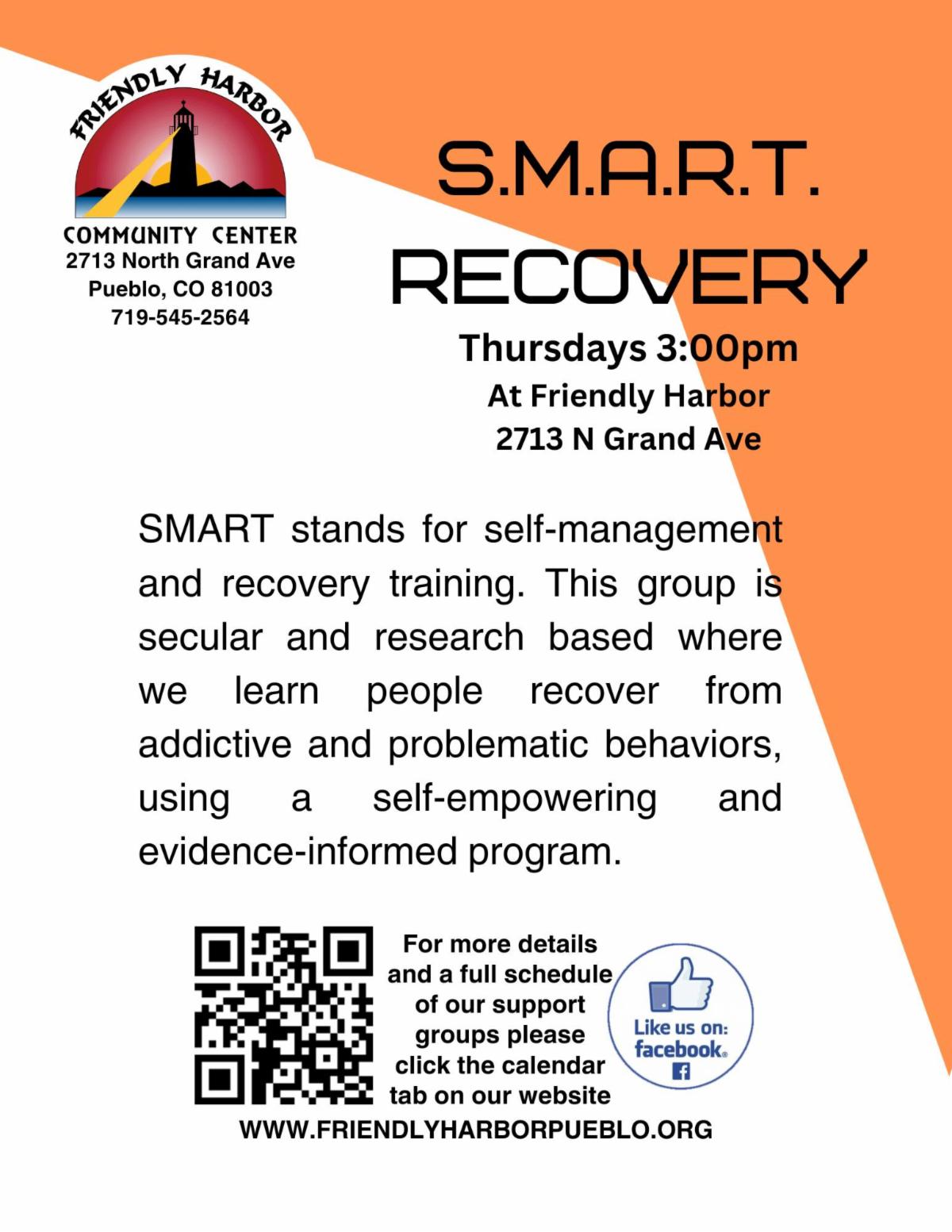
Want to discuss all this?
Come to Feedback and Problem Solving on Mondays at 12:30!
|