Geiger Institute to Present at 18th Annual Conference on Crimes Against Women in Dallas, Texas, May 22-25, 2023
The Conference on Crimes Against Women (CCAW) is the national clearinghouse of best practices for law enforcement, prosecuting attorneys, advocates, medical professionals, emergency telecommunicators, probation and parole officers, and others who work in the area of crimes against women. Recognizing that these crimes are unique in nature, CCAW provides the most up-to-date, relevant, and effective training and techniques that exist to battle this epidemic.
Members of the Geiger Institute will be presenting on:
IF IT’S PREDICTABLE, IT’S PREVENTABLE: THE DANGER ASSESSMENT FOR LAW ENFORCEMENT
Research has shown that the escalation of domestic violence to a lethal level follows an identifiable pattern with identifiable indicators. The Danger Assessment for Law Enforcement (DA-LE) is an 11-question, evidence-based risk assessment instrument that identifies victims at the highest risk of intimate partner homicide (IPH) and near-lethal assault.
As many law enforcement agencies across the country begin to adopt the best practice of using evidence-based risk assessment to identify our most dangerous cases, this workshop will provide an overview of the DA-LE and attendees will learn how it has helped countless communities improve their response to intimate partner homicide prevention.
DOMESTIC VIOLENCE HIGH RISK TEAM MODEL
The Domestic Violence High Risk Team (DVHRT) Model is a nationally recognized domestic violence homicide prevention framework, identified by the Department of Justice, Office on Violence Against Women (OVW) as a “leading promising practice in the field.”
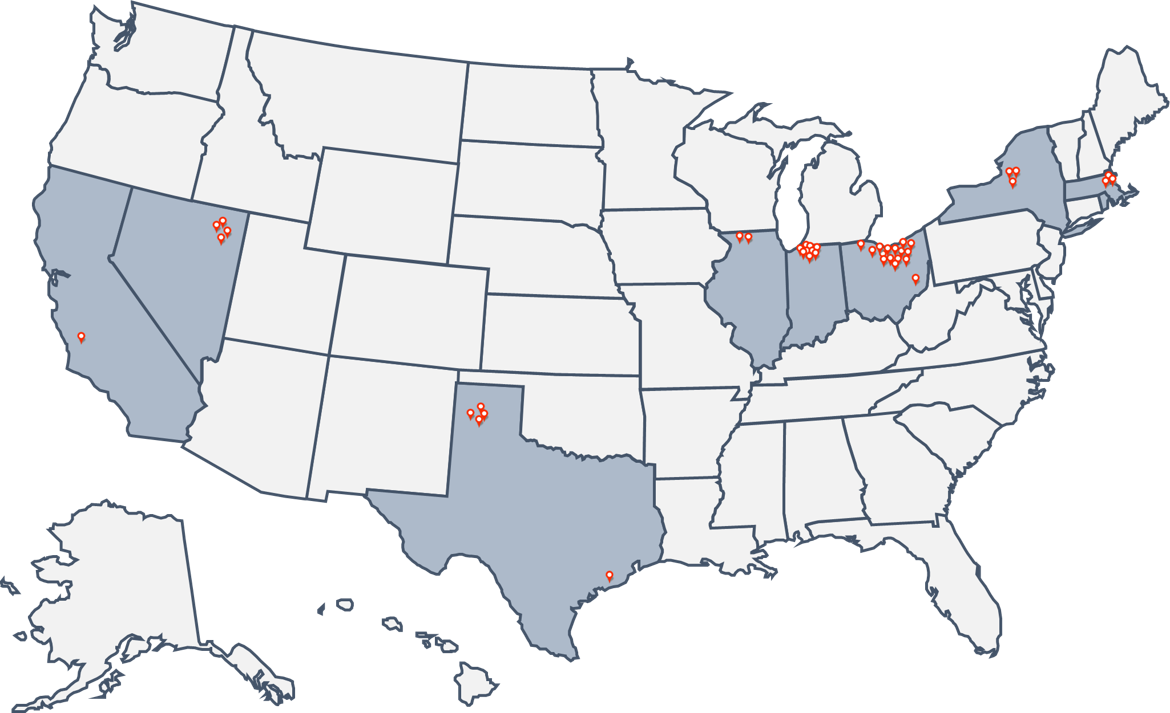
With a goal of preventing intimate partner homicides (IPH) and near-lethal assaults, the Model has been successfully replicated in a variety of jurisdictions across the country. The Model has had significant growth across communities and many lessons have been learned. Attendees will gain a deeper understanding of the Model and how it can impact their response to intimate partner homicide prevention.
To learn more about CCAW, click here.
|