IMPORTANT SPRING SEASON INFORMATION: PLEASE REVIEW THE NEW U.S. SOCCER REFEREE ABUSE PREVENTION POLICY | |
|
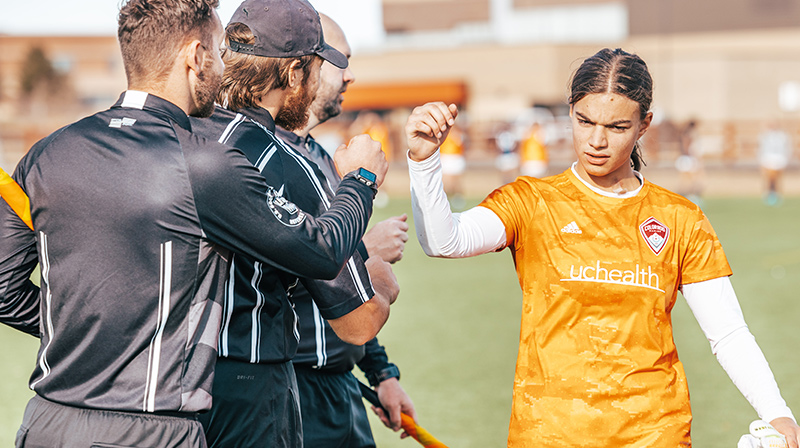
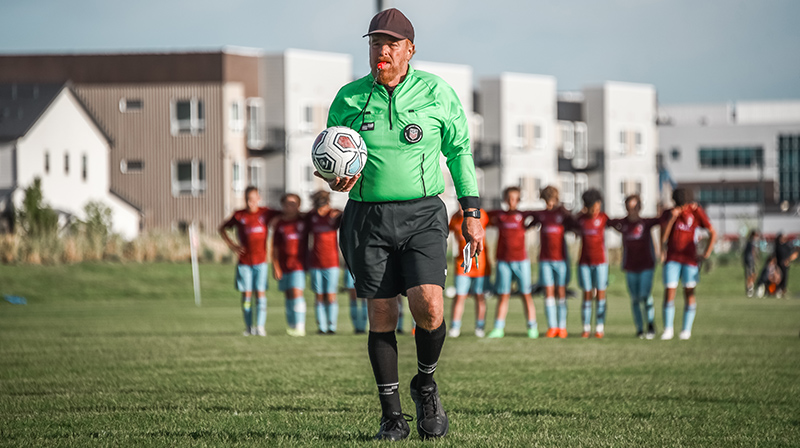
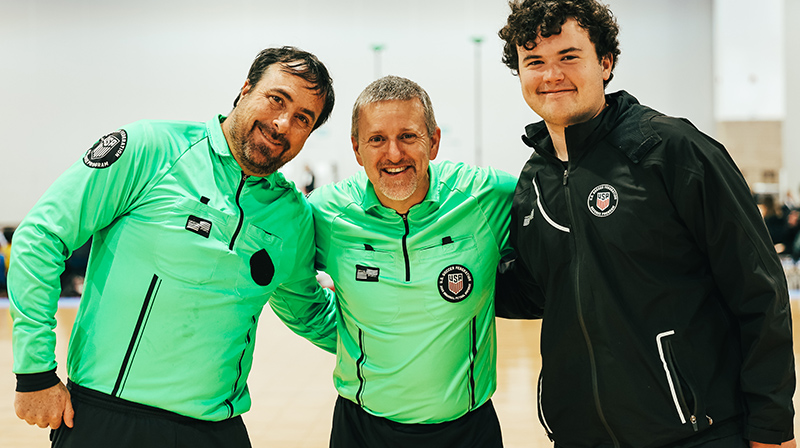
As of March 1, 2025, U.S. Soccer will enforce stricter policies to protect referees from misconduct before, during, and after games. These rules apply to all youth and amateur matches and are designed to ensure a safe and respectful environment for referees.
KEY POINTS FROM THE NEW POLICY:
-
Misconduct Against Referees: Any physical or verbal abuse, threats, or harassment toward referees will result in strict penalties. This includes both in-person and online behavior.
-
Automatic Suspensions: If a referee is assaulted, abused, or grossly mistreated, the offender will be suspended immediately until a formal hearing is held.
-
Reporting and Enforcement: Referees will submit reports on any incidents, and hearings will take place within 30 days. The severity of the penalty will depend on the offense, with decisions subject to appeal. Individuals can appeal disciplinary decisions within 14 days.
-
Tournaments and Events: If an incident happens at an out-of-state tournament, reports will be sent to the relevant organizations for review.
- Non-Physical Offense Suspension Breakdown:
-
2-game minimum for insulting, belittling, insinuating, or taunting behavior undermining referee authority.
-
4-game minimum for harassment, intimidation, retaliation, abusive, or threatening non-physical language.
-
6-game minimum, 6 to 26-month suspension for aggression, attacking, derogatory, cyberbullying, doxing, or threatening (physical/violent) language.
-
10-game minimum, 12 to 24-month suspension for offensive or discriminatory acts.
- Physical Offense Suspension Breakdown:
-
3-game minimum, 1 to 6-month suspension for minor or slight deliberate touching.
-
10-game minimum, 6 to 24-month suspension for pushing, grabbing, pulling, squeezing, pinching, lightly slapping, use of an object in a non-striking manner, or physical property damage.
-
12-month suspension to a lifetime ban for hitting, punching, elbowing, kicking, biting, spitting, choking, tackling, throwing or use of object or any part of the body (forearm, knee, head) in a striking manner.
These rules apply not only to players and coaches but also to parents and spectators, meaning actions like yelling insults, making threats, or questioning a referee’s integrity can lead to disciplinary action. U.S. Soccer and CRYSC are aligned in our aim to create a positive experience for players and support the retention of referees, who are essential to the game.
Below, you will find information on CRYSC's internal discipline policies, which are separate from the U.S. Soccer referee abuse prevention policies. Club policies apply even when referees are not present, and may be collected through personal accounts, staff accounts, video, or community accounts of actions.
Follow the link to read the full policy before your player(s) kick off the new season!
| |
TAKE A STAND THIS SPRING SEASON WITH LET US PLAY! (LUP) | |
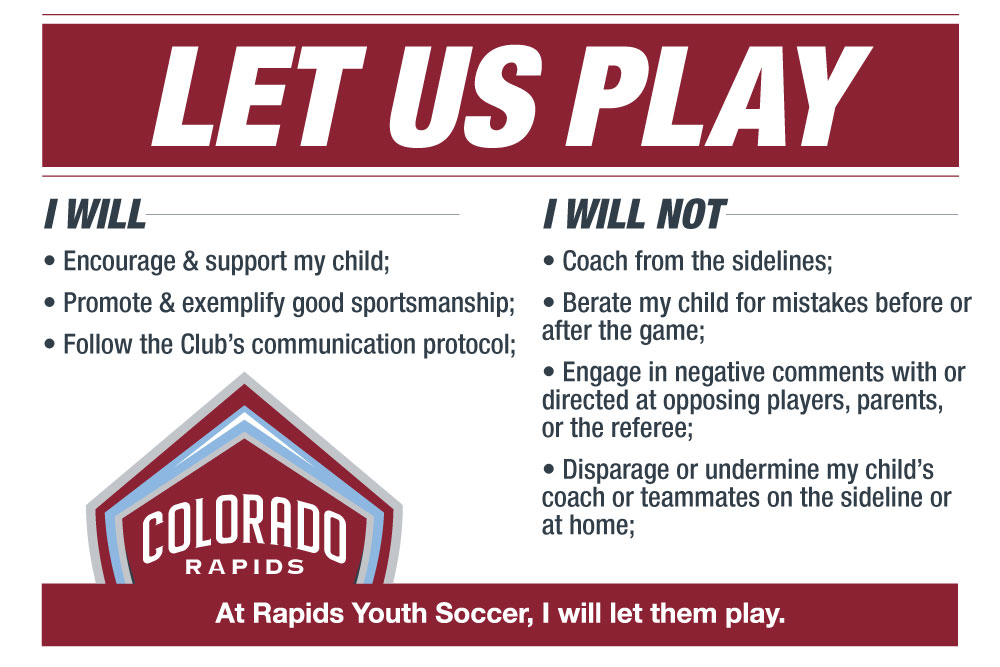
The Let Us Play campaign is a Rapids Youth Soccer initiative to support a positive player experience and give the game back to the kids! This spring, we need YOUR help creating a better sideline culture focused on positivity, facilitating fun, and recognizing our impact on our players at all ages and levels of the game. Whether you're out on the fields, in the car, or at home, remember to: | |
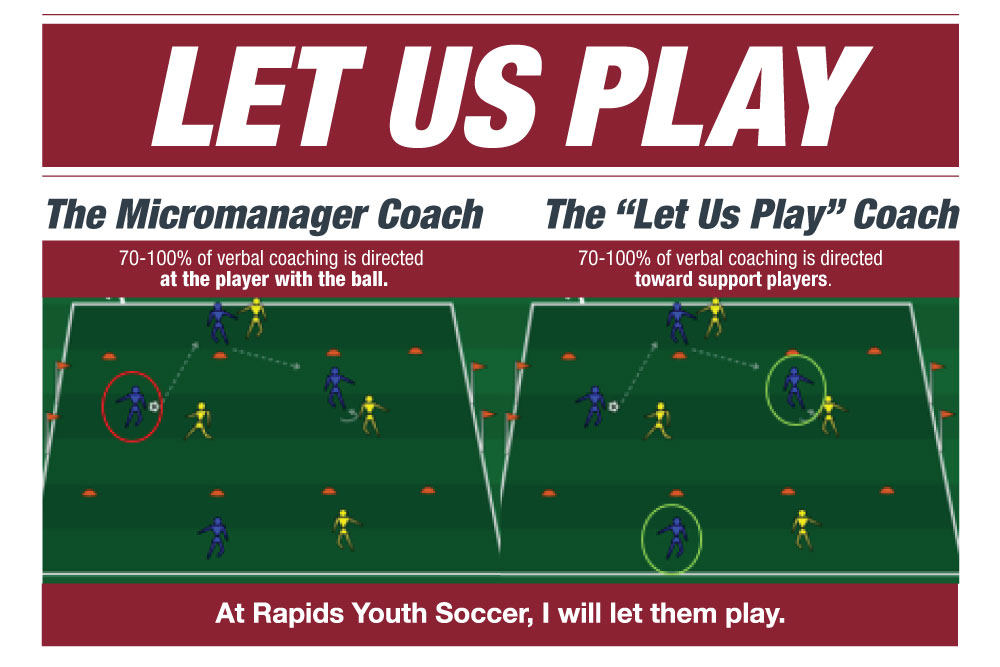
LET THE PLAYERS DO THE THINKING | |
Every weekend, the sidelines are filled with parents and spectators eager to see their team/player succeed. While this enthusiasm is usually shown by chanting, cheering, and clapping, it can sometimes lead to well-intentioned but counterproductive behavior, such as shouting instructions or attempting to coach from the stands. Young and impressionable players are often unable to focus on their game when the sidelines get too involved, and this creates stress where there is supposed to be fun. | |
ENCOURAGE POSITIVITY & A HIGH STANDARD OF SPORTSMANSHIP | |
As parents and mentors, we set an example for players. We must be aware that the choices we make throughout the day greatly affect the experience of players and teams. To encourage a high standard of civility and sportsmanship, Let Us Play has created a simple set of guidelines to ensure players leave the fields happy and excited to return: | |
REVIEW SIDELINE BEHAVIOR RULES & DISCIPLINE ACTIONS | |
|
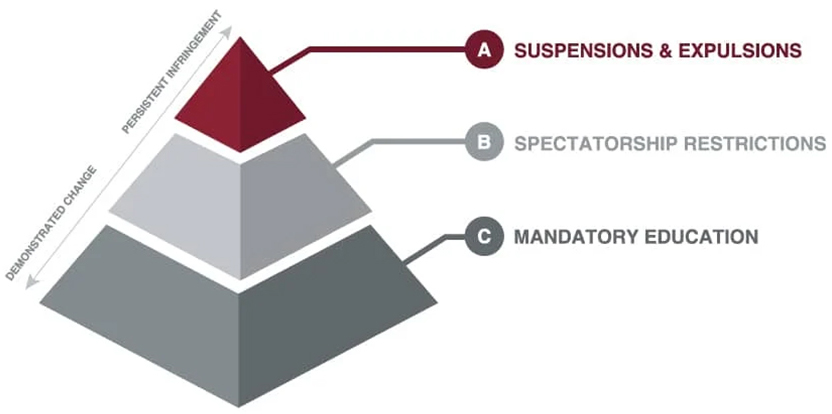
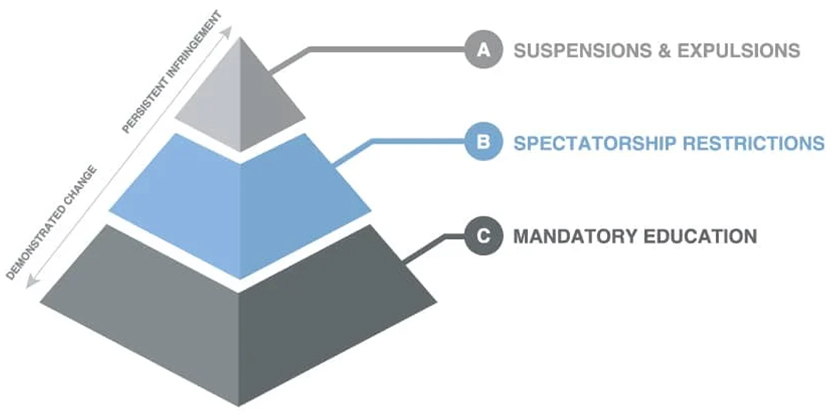
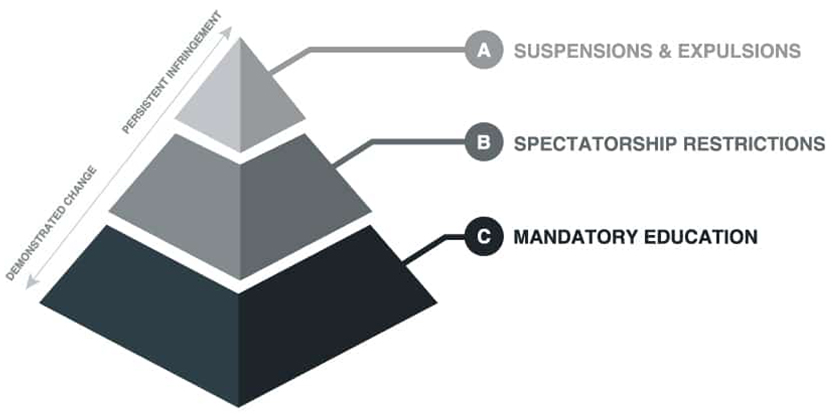
At Rapids Youth Soccer, we expect our sidelines to be respectful and will take action if they are not. When parents and spectators cross the line, games can quickly get out of control. To help understand where that line is, Let Us Play has created a "Discipline Ladder" that clearly explains the disciplinary action that will be taken when CRYSC sideline and behavior rules are breached. The Discipline Ladder will be enforced regardless of the presence of a referee, with information gathered by the club.
Review the discipline ladder information below or on the CRYSC website so that you are fully informed of the consequences that come with unacceptable sideline behavior.
| | |
|
Tier A | Suspensions and Expulsions: This applies to parents and spectators whose conduct willfully and egregiously stands in contrast to Let Us Play tenets, club policy, and basic standards of civil decency. Tier A behaviors are extreme, flagrant, and grave. Examples include, but are not limited to physical altercations, verbal altercations, violent conduct, and substance abuse. | | |
|
Tier B | Spectatorship Restrictions: This applies to parents and spectators whose conduct and demeanor willfully stands in contrast to Let Us Play tenets. Tier B behaviors are stark, intentional, or consistently subversive. Examples include, but are not limited to audible derogatory comments directed at any player, coach, or referee, and overtly unsportsmanlike body language or posturing. | | |
|
Tier C | Mandatory Education: Applies to parents and spectators whose conduct and demeanor, despite benign intentions, stand in contrast to Let Us Play tenets in a nagging way. Tier C behaviors often stem from a desire to be helpful, but prove to be persistently disruptive. Examples include, but are not limited to coaching players from the sidelines, "joysticking”, and neglect of informal warnings. | | | | |