|
Advancing Colorado's Opioid Response Through Structure, Accountability, and Collaboration
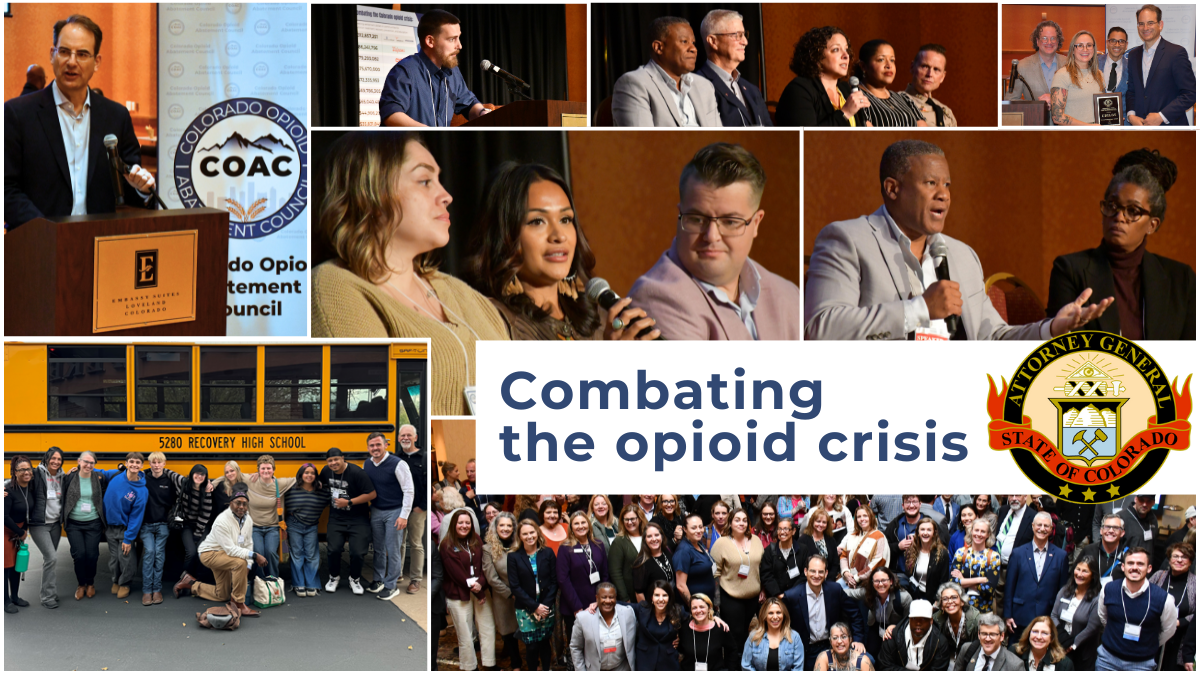
As we move into spring 2026, Colorado’s opioid response continues to take shape through strengthening systems, clarifying expectations, and reinforcing transparent, coordinated, and strategic use of opioid funds.
Last year marked a major milestone: more than $48 million in opioid settlement funds were put to work across the state—supporting treatment, harm reduction, recovery, prevention, and community partnerships that are saving lives.
This work reflects a shared commitment to responsible stewardship, supported by growing structure around how funds are allocated, tracked, and evaluated. Under the leadership of Attorney General Phil Weiser, Colorado continues to advance a coordinated, public health-centered approach grounded in transparency and accountability.
This spring, we are continuing to build on that foundation—advancing funding opportunities, strengthening coordination across regions, and reinforcing the systems and guidance needed to ensure funds are used effectively and with lasting impact.
| | |
By the Numbers
- 100% of required expenditure reports submitted (90 total) by mid-February 2026
- $48M+ invested statewide in 2025
- 54 eligible applications for Infrastructure Round 4 funding
- 287 applications for the Resilient Colorado grant
| | |
Leading Together in Behavioral Health:
Attorney General Phil Weiser
| |
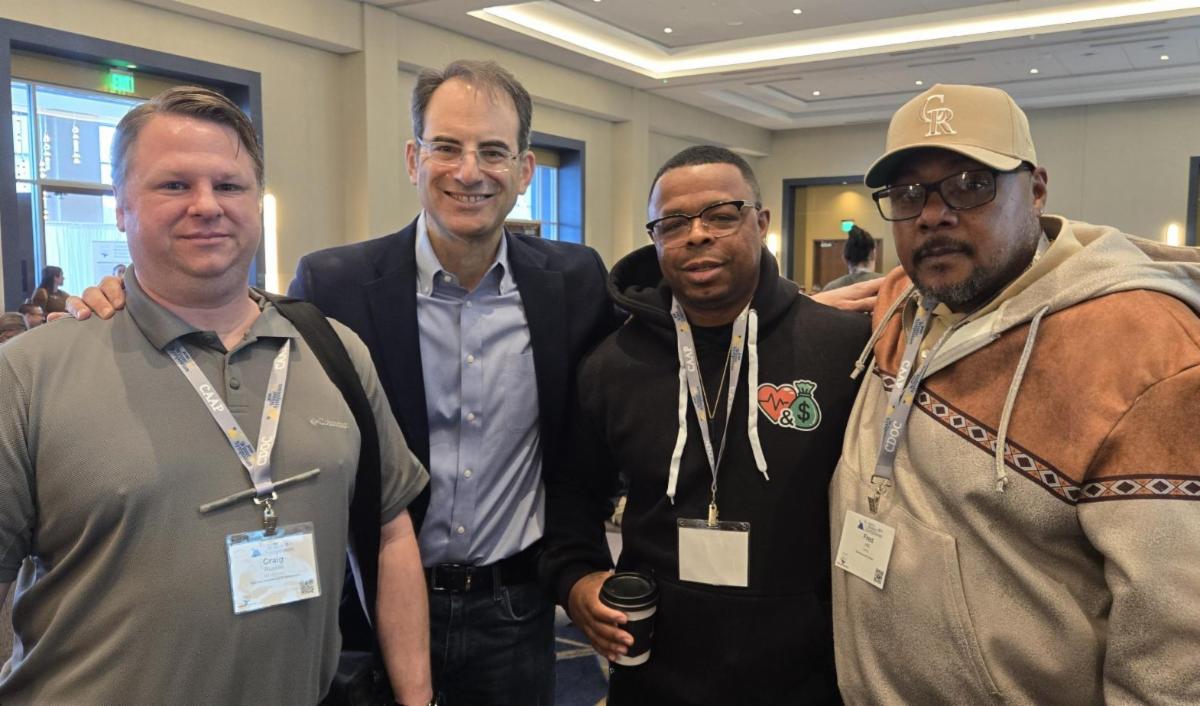
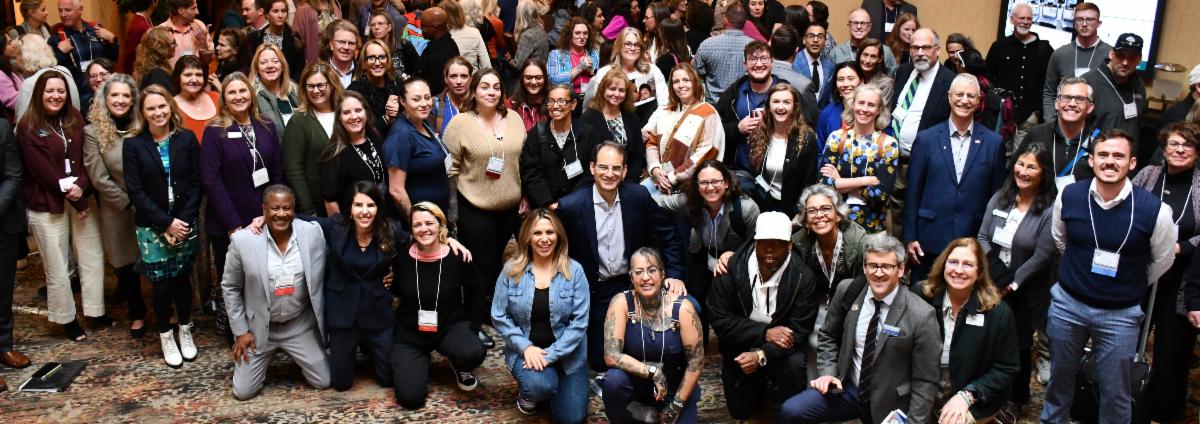
Attorney General Phil Weiser recently joined behavioral health leaders from across Colorado at the Winter Symposium on Addictive Disorders, Behavioral Health, and Mental Health in Colorado Springs.
“In Colorado, we are strongest when we lead together—bringing partners across sectors to build a more coordinated and effective response.”
His remarks emphasized the importance of collective action, shared accountability, and sustained investment in prevention, treatment, and recovery.
This convening reflects Colorado’s continued commitment to working across sectors to strengthen behavioral health systems and save lives.
Read full remarks: Leading Together Collective Action for Colorados Resilience and Well-Being (opens new window)
| Strengthening Accountability: Supplantation Guidance | | |
To support partners in using opioid settlement funds effectively, the Colorado Opioid Abatement Council recently released guidance on supplantation.
This guidance helps clarify how funds can be used to expand and enhance services without replacing existing funding, ensuring investments are aligned with settlement requirements and long-term impact.
What does this mean in practice?
Settlement funds can be used to expand treatment or launch new programs, but cannot replace funding that is already supporting existing services.
We encourage partners to review the guidance and reach out with questions as they plan and implement projects.
Access the Supplantation guidance (opens new window)
| Data and Transparency in Action: Thank You for 100% Reporting | |
Thank you to all regions, local governments, Infrastructure recipients, and State Share recipients who submitted timely expenditure reports. Colorado achieved 100% completion by the mid-February 2026 reporting goal, with all 90 required reports submitted.
This milestone reflects growing capacity, strong engagement, and a shared commitment to accountability across Colorado.
Preliminary data shows continued increases in spending year over year, demonstrating that funds are reaching communities and supporting real services.
We are now reviewing final submissions and will publish updated data on the public dashboard this summer.
Explore the dashboard (opens new window)
| | Up to $23M in Funding Opportunities Under Review | | |
We saw record demand in applications for funding with the most recent Infrastructure Share and Department of Law/State Share grant opportunities, reflecting both the need for and expansion of behavioral health services across Colorado.
- 54 applications were received for Infrastructure Round 4, requesting $39 million in funding for up to $11 million available — the most competitive Infrastructure Share funding opportunity to date
- 287 applications were submitted for the Department of Law Resilient Colorado grant, requesting $171 million in funding for up to $12 million available — the largest and most competitive funding opportunity in Opioid Response Unit history
Funding applications are currently under a fair and comprehensive review.
| Naloxone Access to Build a CO Recovery Friendly Workplace at the Colorado Department of Law | |
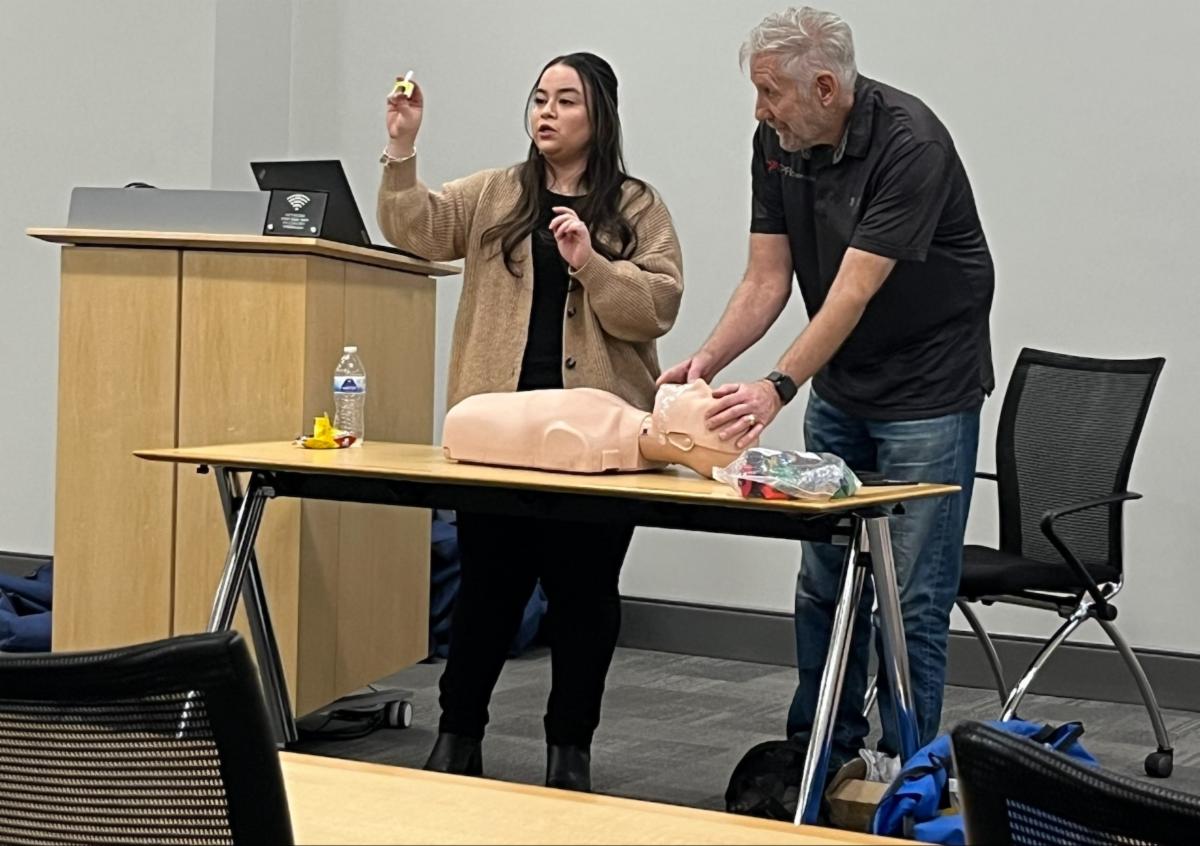
The Opioid Response Unit recently partnered with CPR Colorado to provide hands-on training for Department of Law staff on recognizing overdose, responding effectively, and administering naloxone.
This training reflects our commitment to “walking the walk” by building a Recovery Friendly Workplace and ensuring our staff are equipped to respond to overdose and support individuals impacted by substance use.
Participants received practical instruction from Natalie Sandoval, Opioid Response Unit Program Coordinator and tools to respond in an emergency, helping ensure more people are prepared to act when it matters most.
| Protecting Public Health Resources | | |
Recent legal actions led by Attorney General Phil Weiser have secured key wins protecting public health and behavioral health funding:
- Courts blocked cuts to approximately $11 billion in federal public health funding, preserving resources that support behavioral health and overdose response
- A federal judge halted reductions to NIH research funding, protecting investments in treatment and prevention innovation
- Roughly $400 million in AmeriCorps funding was restored, sustaining programs that provide recovery support and community-based services
These actions help ensure continued investment in prevention, treatment, and recovery efforts across Colorado and nationwide.
| | Northeast Colorado Updates & Highlights | |
Collaboration Is Key
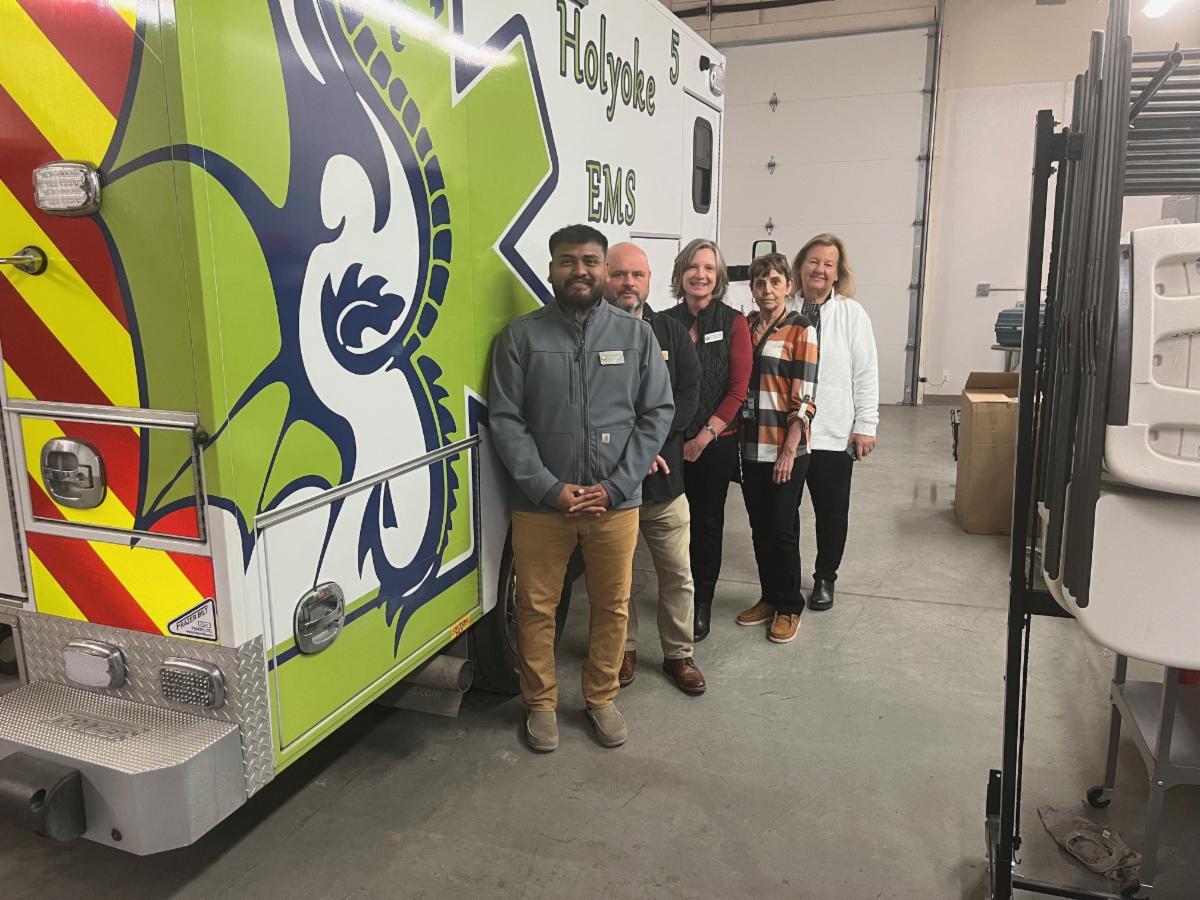
No matter the work we take on or the outcomes we strive for, collaboration remains at the heart of every success—especially in rural communities, where resources can be limited or even nonexistent. During recent travels across Northeast Colorado, our Bilingual and Rural Outreach Specialists connected with two organizations that truly exemplify the power of partnership. Below, we spotlight the inspiring work of Melissa Memorial Hospital in Holyoke and The Recovery, Access, Navigation for Community Health (RANCH) Collaborative in Sterling.
(Pictured Left to Right: Oscar Hernandez-Soria, DOL Bilingual Outreach Specialist, Michael Hassell, MMH CEO, Mindy Baumgardner, DOL Rural Outreach Specialist, Mary Kay Knode, MMH Patient Coordinator, Maribeth Olson, MMH Chief Nursing Officer)
Melissa Memorial Hospital
In partnership with Region 4 – ROAC, Stader Opioid Consultants, and Milestone Community Wellness, Melissa Memorial Hospital launched a withdrawal management clinic in early 2026 using Round 3 (Spring 2025) Infrastructure Share Funding. Located within the hospital, the clinic offers a safe and confidential setting for medical withdrawal management services. The program is helping close treatment gaps and strengthen coordinated addiction care throughout Northeast Colorado.
The RANCH Collaborative
The RANCH Collaborative—formed by Advocates for Recovery, North Colorado Health Alliance, and Porch Light Health—brings together a powerful network dedicated to providing free, affordable, and equitable access to support and care. The collaborative helps individuals find connection, resources, and pathways to health services, including substance use support, treatment, and recovery. For more information, visit The Ranch Collaborative website (opens in new window).
| | Don't forget, you can reach the entire Opioid Response Unit team at Opioids@coag.gov | | | | |