Spring 2026 Quarterly


Updates from Multitudes

Dear Friends,


This spring, Multitudes is reaching scale—approaching 250,000 students screened for reading difficulties across a third of California’s public schools, with ongoing research and field feedback shaping what comes next.


A new wave of features is on the way—designed to support clear interpretation of results and communication with families—bridging insights to action in practice. We are very grateful to the more than 150 schools that piloted our research suite of progress monitoring, math, and TK measures this winter. Your partnership—through implementation, feedback, and collaboration—is expanding our platform and shaping the next generation of tools.


We’d also like to extend the Governor’s recent message of thanks to you, our research partners and advocates—whose alignment around shared goals for California’s students is making this work possible.


We’re excited to continue growing and learning with you!


Best wishes,

Francesca Pei, COO Multitudes


A message from California Governor Gavin Newsom to our partners in research
 

Strengthening Your Practice


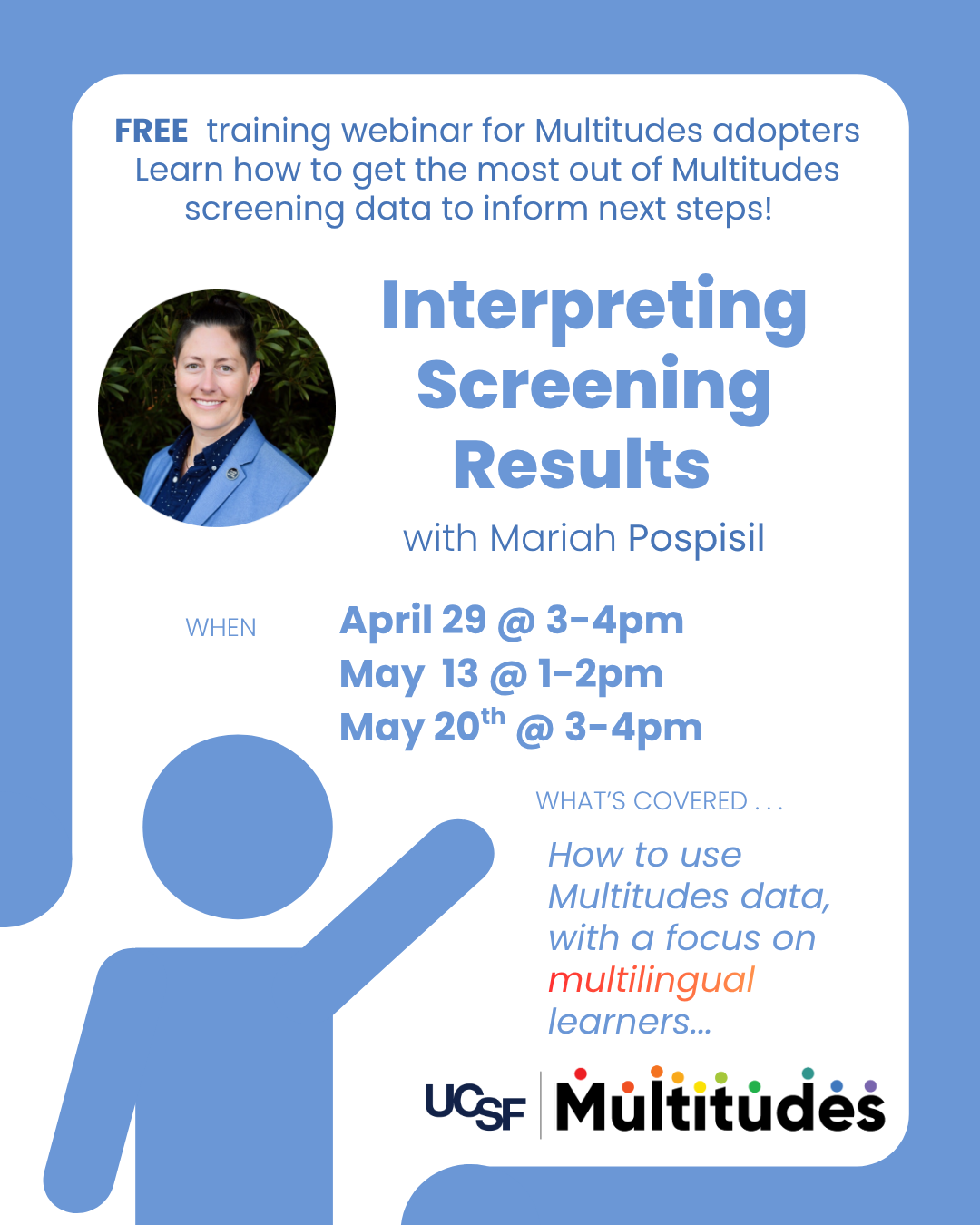
Learn how to interpret screening results, navigate the resources of the Multitudes platform, and use data to make next steps easier! In partnership with SCOE, Multitudes' professional development lead Mariah Pospisil will continue to offer this free webinar this spring. A previously recorded webinar is available here, or select a link below to sign up today!


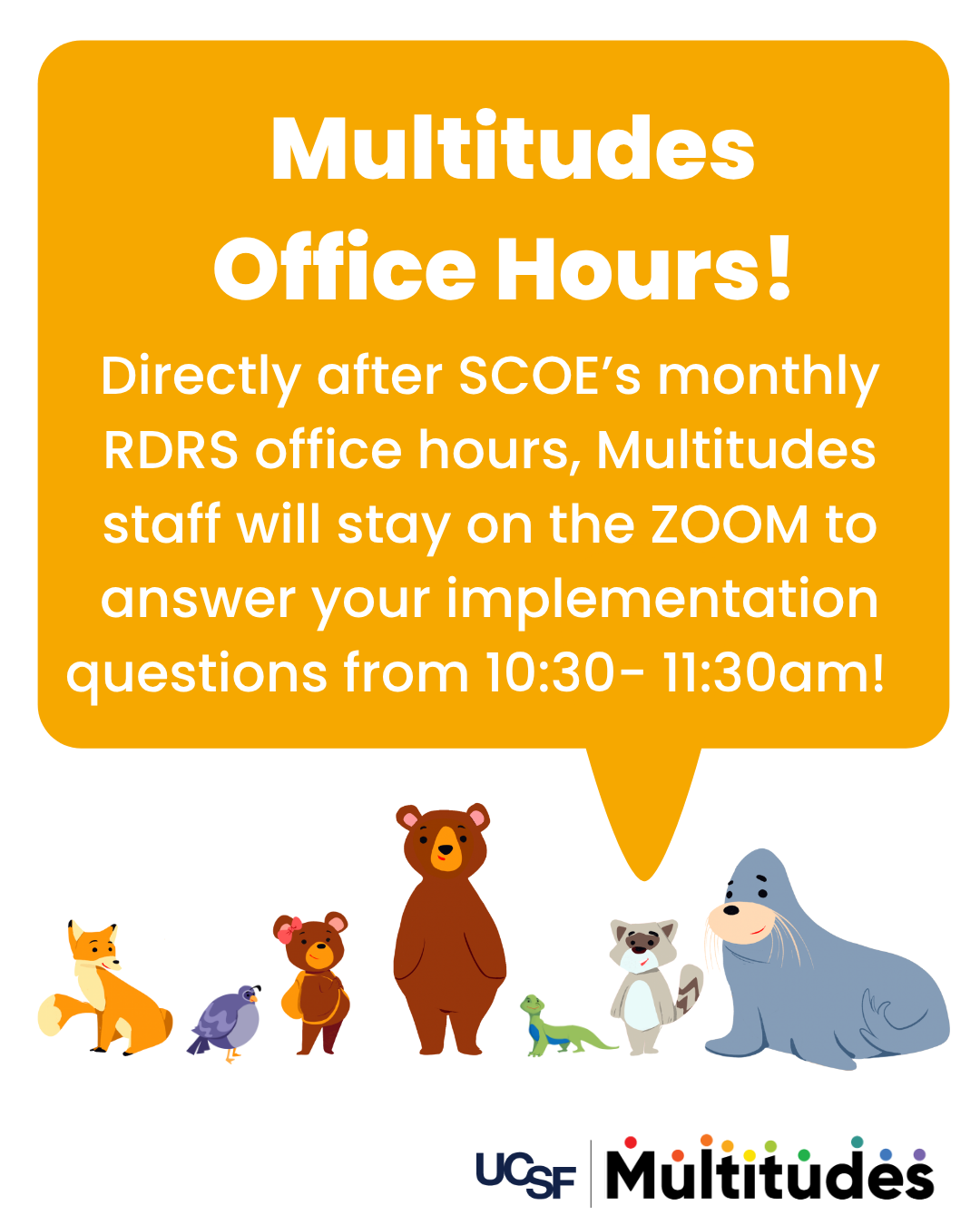
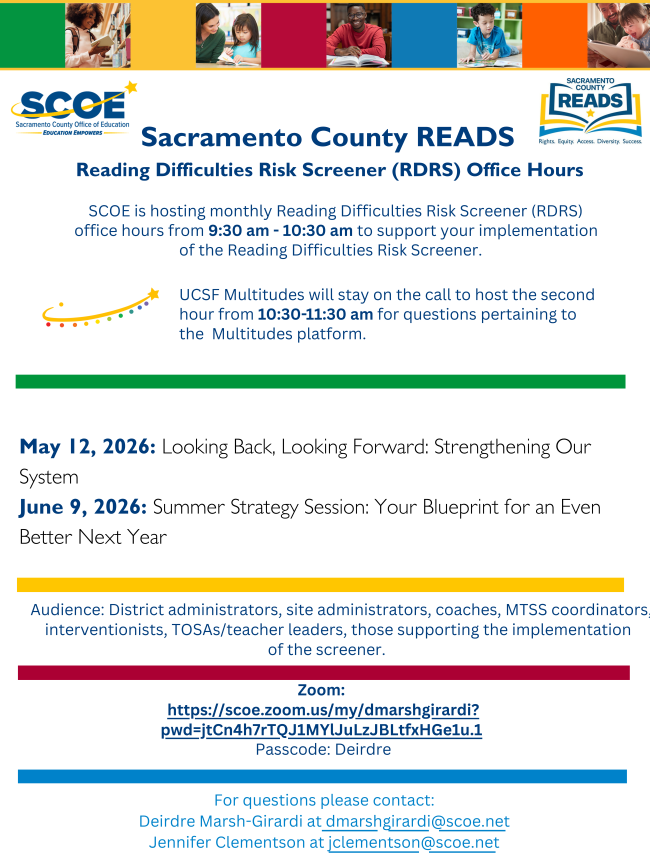
SCOE + Multitudes Partnership


CDI Webinar Series


Want to learn more about screening and how it fits into an MTSS system?


Watch Dr. Jessica Toste’s webinar titled: Understanding Dyslexia: Screening and Assessment Across Tiers of an MTSS Framework. After watching the video, be sure to check out the companion document to further explore this topic through additional articles, podcasts, and mini-modules with accompanying questions to consider.


Watch Here

From the Field

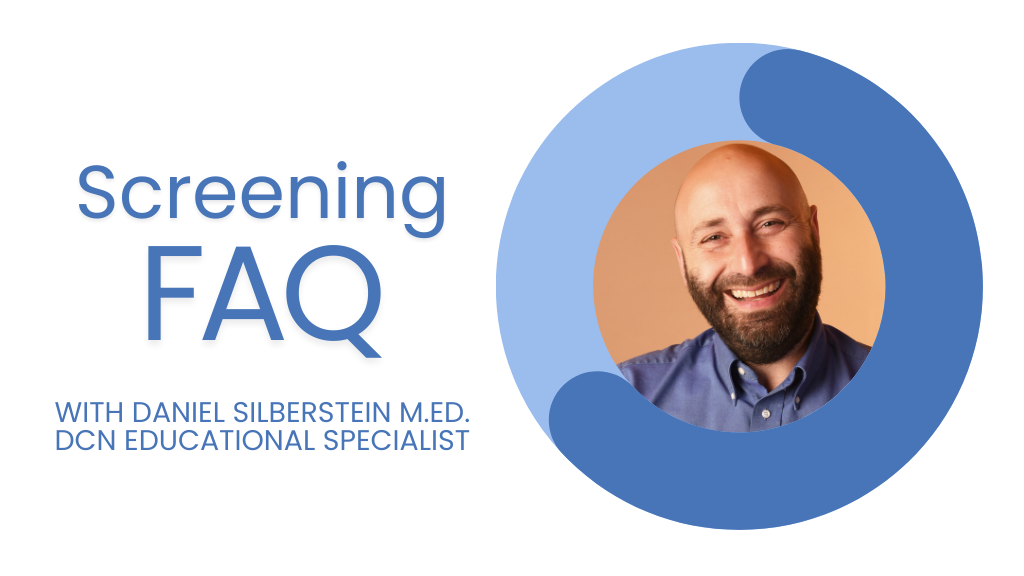
Daniel Silberstein is an Educational Specialist with the Diagnostic Center of Northern California (DCN-CDE) and a former Director of Oakland Unified School District's Reading Clinic. With over 20 years in special education and literacy intervention, and through his work with the California Dyslexia Initiative, he shares knowledge and practice guidance for educators. Watch this space!

____________________________________________________


Q: "I’ve screened my class using Multitudes; how do I explain these results to parents, so they understand the data?"


A. Communicating screening data to families can be challenging. The goal is to move beyond raw numbers and help families understand what the results mean for their child’s learning. To support consistency and clarity, we recommend providing and using the Multitudes Result Explainer, at your parent meetings.


When sitting down with parents, frame the conversation around the building blocks of reading. Explain that Multitudes is a universal screener designed to assess how children are developing the foundational skills needed to learn to read. These results help identify which skills are developing well and where additional support may be helpful now. Every child develops at their own pace.


Breaking Down the Results


Rather than focusing on a percentile score, category, or risk, explain what each domain means for their child’s daily learning:


  • Language (Vocabulary): This measures how well a child understands and names the world around them—the foundation for reading comprehension and understanding instructions.
  • Phonological Awareness: The ability to hear and play with sounds. Can they hear the individual sounds in a word? This skill is essential for learning to decode.
  • Alphabetic Knowledge: Simply put, do they know their letter names and the sounds they make?
  • Processing Speed (Rapid Naming): Think of this as the brain’s retrieval speed. It reflects how quickly a child can retrieve familiar information, like colors or letters, which supports reading fluency and orthographic mapping.
  • Reading + Spelling: The application of their skills—how they are currently translating sounds to print and vice versa.


What Next?


Always pair the data with a plan. Families feel much more at ease when results are immediately followed by: “Here is the specific instructional strategy we are starting to support this,” and “Here are ways you can help at home.”


By keeping the focus on understanding, support, and next steps, these conversations can strengthen the partnership between schools and families—and ensure that every student receives the support they need to thrive.

Partner Spotlight

Anaheim Elementary School District

Multitudes continues to grow alongside school communities across California, with more than one-third of districts now adopting it as their K–2 screener for reading difficulties. This expansion builds on early collaborations with districts such as Monterey Peninsula USD, Compton USD, and San Francisco USD—and on the leadership of districts like Anaheim Elementary School District.


Anaheim Elementary School District: Partnership in Action


Serving a dense, urban community in central Orange County with a highly diverse, multilingual student population, Anaheim Elementary School District offers dual-language programs at each of its twenty-four schools. As district leaders considered screening options, they were drawn to Multitudes for its validation in California classrooms, ensuring results would be meaningful for their students. Anaheim thoughtfully integrated Multitudes into its assessment calendar and is using results to inform both classroom practice and system-level decisions.


As early data became available, Anaheim partnered closely with our team to examine how results were being interpreted and used—surfacing questions that are guiding deeper analysis and instructional planning in this first year of implementation. Karen Gray, a curriculum specialist with Anaheim’s Department of Assessment, Translation, and Accountability (DATA), noted that the results aligned closely with other indicators the district uses to understand student learning. “It’s really eye-opening,” she shared, “we are learning about the intervention and remediation that is needed in our Tier One instruction.”


These insights are already informing broader decisions, including refinements to the instructional calendar. Anaheim currently screens earlier in the year than Multitudes recommends, creating an opportunity to examine how timing influences the interpretation and use of results. Their experience is contributing to broader state and field research on when and how often to screen.


The partnership with Anaheim is a two-way exchange. Anaheim educators have engaged directly with Multitudes researchers, asking questions and sharing feedback that continues to inform ongoing improvements. At the same time, Anaheim is sharing what they are learning from their instructional response—helping to answer a critical question for the field: What happens after screening?


Together, this work reflects what meaningful implementation looks like. It’s through collaborations like this that Multitudes continues to better serve students across California.


New Research and Publications


How did the pandemic kindergarten year affect early literacy development?


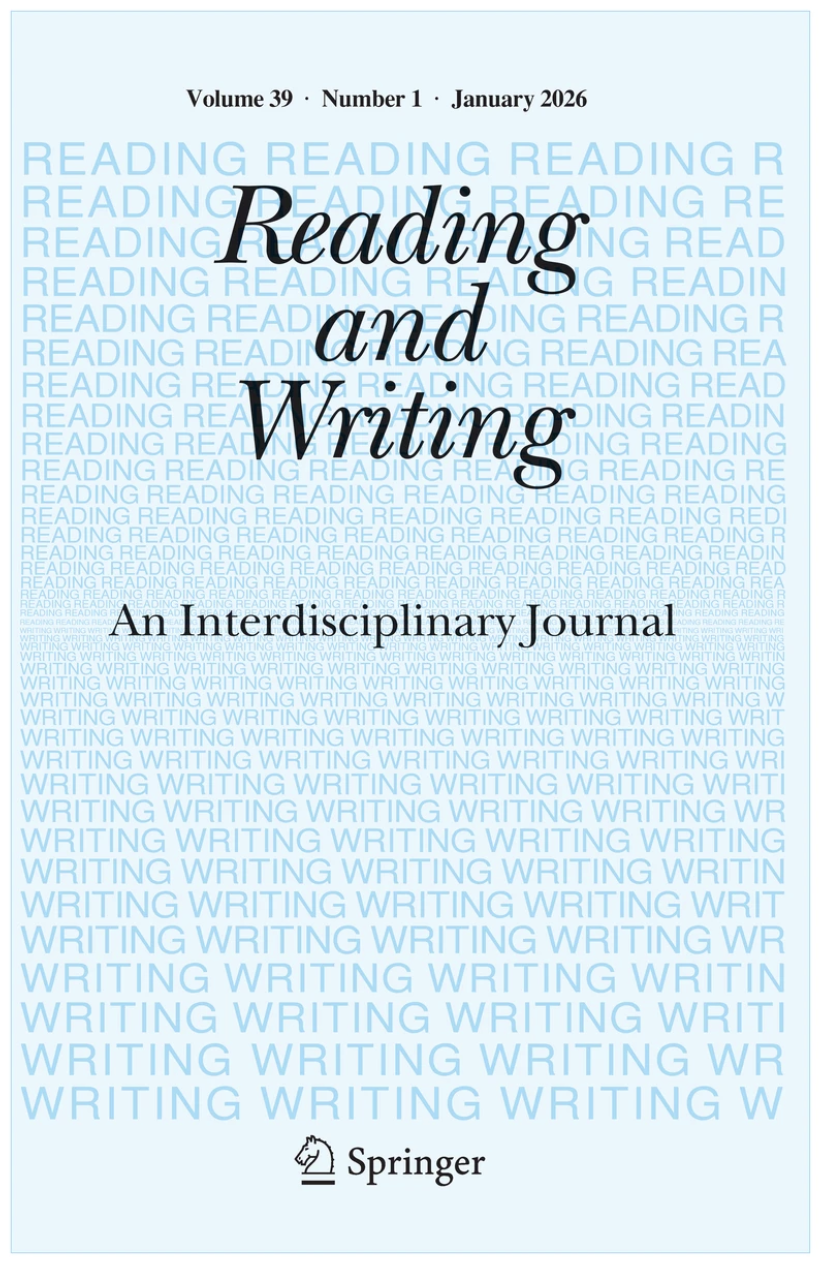
We’re pleased to share a new publication in Springer Nature's "Reading and Writing", based on our unique sample of California schoolchildren. The findings contribute to ongoing efforts to understand how disruptions to early schooling may shape foundational language and reading development.


Read More


Recent Events


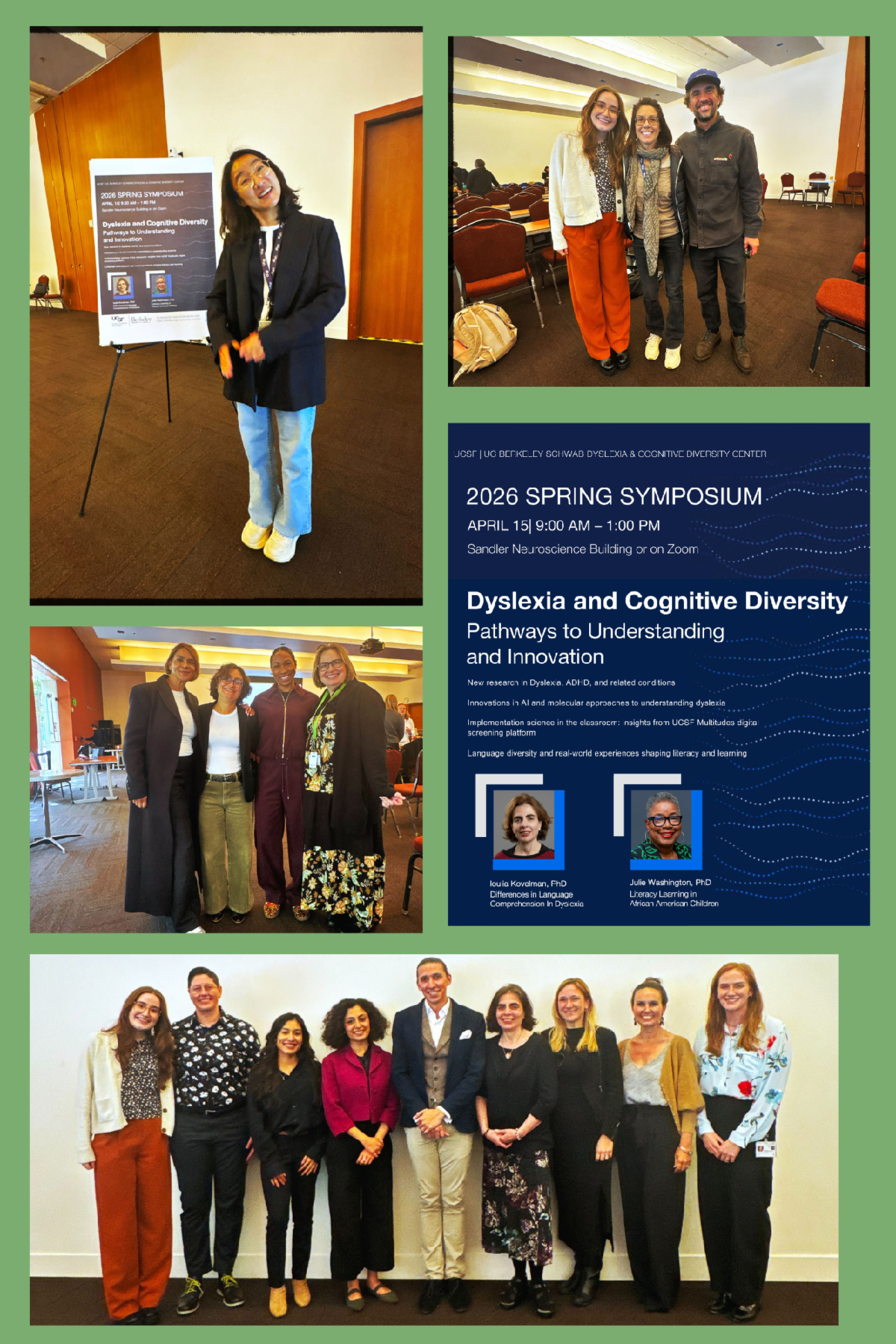
Multitudes researchers, collaborators, and supporters (above) participated in the 2026 UCSF UCB Spring Symposium of the Schwab Dyslexia and Cognitive Diversity Center on April 15. Recordings of the talks will be available on the UCSF | UCB Schwab DCDC website.


Staying Connected


Facebook  Instagram  LinkedIn