Digital Content Accessibility—A Marathon and a Sprint
| | |
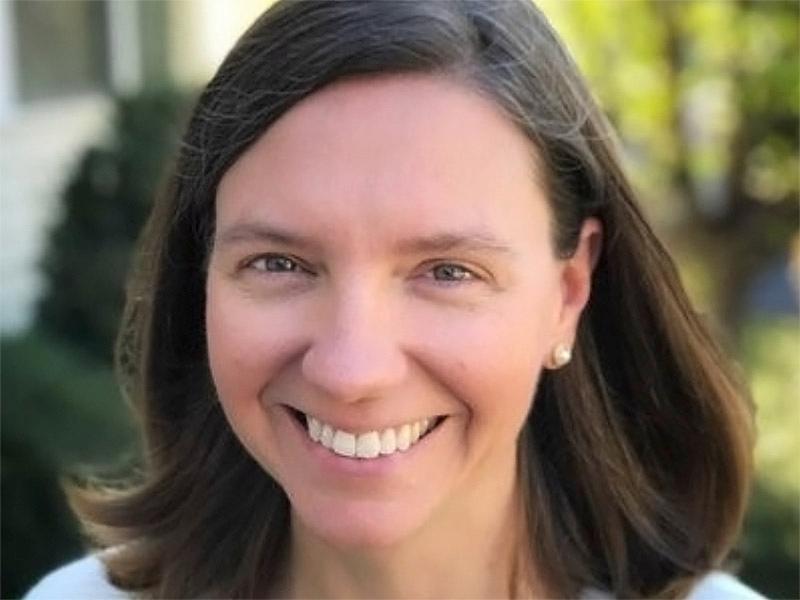
Guest writer Kerry S. Leuders relays her personal journey of learning to create accessible content. Many readers will relate to her experience of discovery and rewards.
Her story concludes with an exciting resource she developed specifically for general education teachers who are on their own accessibility journey. Dr. Lueders is an associate professor and Director of the Low Vision Rehabilitation Program in the Department of Blindness and Low Vision Studies at Drexel University.
Pictured: Kerry S. Leuders, EdD, COMS, TVI, CLVT
| | Strengthening Accessible Digital Learning at CSUN 2026 | | |
The annual CSUN Assistive Technology Conference (ATC) happened in March, and we were there. This global platform brought together accessibility and assistive technology professionals, advocates, consumers, and vendors to discuss the latest trends, policy, and practice in accessibility.
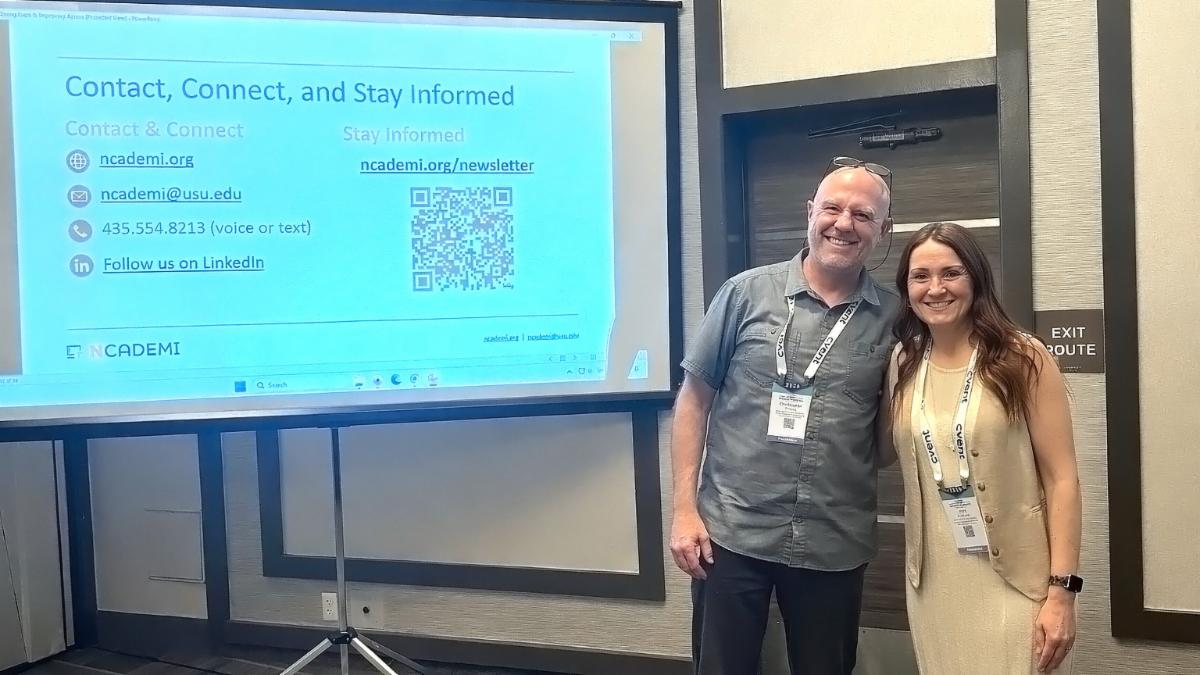
NCADEMI members Christopher Phillips and Jena Fahlbush led two sessions designed specifically for educators navigating digital accessibility. You can find a summary, packed with the resources they presented, on our blog.
Pictured: Christopher Phillips and Jena Fahlbush
| | Using Data to Improve the Provision & Use of Accessible Formats | | |
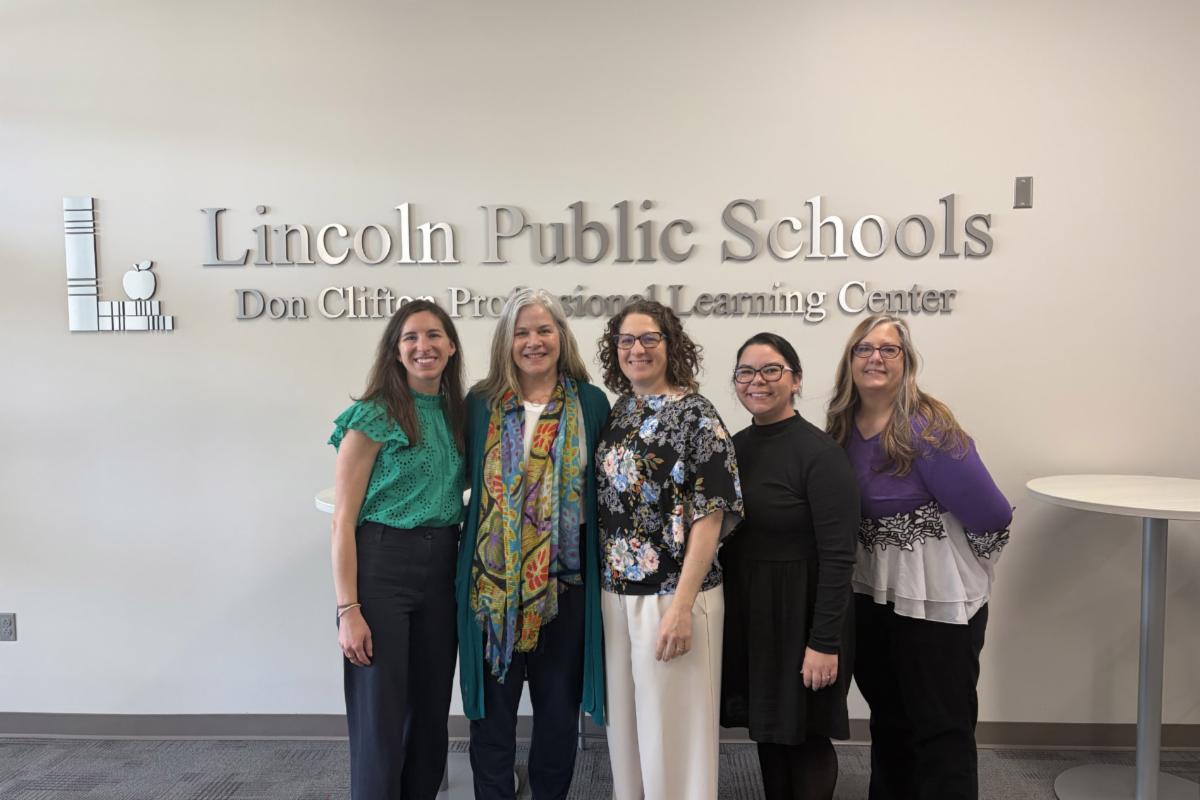
How do states and districts improve the provision and use of accessible materials by students who need them? Collect and use relevant data! With our partner AEM Corp, NCADEMI has been working with the Nebraska Department of Education and Lincoln Public Schools (LPS) to pilot a data collection process for IEP teams. We held an onsite training for LPS staff in March.
Pictured: Jackie Hughes, AEM Corp; Cynthia Curry, NCADEMI; Emily Rang, AEM Corp; Kristen Perez-Rickels, NCADEMI; Gena Peth, AEM Corp
| | NCADEMI Student Accessibility Stories Video Project | | |
Is your district improving how digital materials and tools work with assistive technology (AT)? We’re looking for real stories that show what’s working for students with disabilities. NCADEMI is inviting school districts to participate in a new video series, Student Accessibility Stories. These short videos will highlight how students use accessible digital materials and AT to learn, engage, and make progress in the general education curriculum. Participating districts will receive a professionally produced video they can use locally, while contributing to a national effort to highlight effective practices.
Have a story to share? Email a brief description to ncademi@usu.edu or call us at (435) 554-8213 by May 8. Our team will follow up for more information.
| |
U.S. Department of Justice Issues “Interim Final Rule”
On April 20, 2026, the U.S. Department of Justice announced a revision to the compliance dates related to the ADA Title II requirements for web content and mobile app accessibility. An "Interim Final Rule (IFR)" extends the compliance date for state education agencies from April 24, 2026, to April 26, 2027. For local education agencies that serve census population areas of less than 50,000 people, the IFR extends the compliance date from April 26, 2027, to April 26, 2028. A 60-day comment period ends on Monday, June 22. NCADEMI encourages all education agencies to stay the course toward continuous digital accessibility improvement.
| |
Title II ADA: Are You Ready?
Jena Fahlbush and Rob Carr of NCADEMI joined the Center on Inclusive Technology & Education Systems (CITES) to discuss the upcoming Title II deadlines regarding digital accessibility standards. Access their presentation and slides on the CITES website.
NIMAC Refresher
As special education leaders prepare to complete the annual IDEA Part B application for federal funds, the timing is right for a refresh of why it's important to choose to coordinate with the National Instructional Materials Access Center (NIMAC). Coordinating with the NIMAC for Timely, High Quality Accessible Formats includes a recording of the webinar, plus resources presented by NCADEMI and NIMAC.
Accessible Digital Content for Learners with Disabilities
Educators, if you missed us at CEC you can still access our slide deck on Accessible Digital Content that Works for Learners with Disabilities and discover ways to create accessible documents, along with practice files in Word and Google.
Have an Accessibility Question? Ask AIMee.
Our partners at WebAIM have launched AIMee, a new AI‑powered chatbot that helps people learn about digital accessibility. You can ask simple questions about WCAG, check code for common accessibility issues, or get clear explanations of accessibility concepts. Designed to be accessible itself, AIMee is a helpful starting point for educators and teams working to create more inclusive digital content. Learn more and Ask AIMee!
| | |
State and Local Educational Agencies: Enroll in our virtual Professional Learning Group that's implementing NCADEMI's Quality Indicators. Prerequisites apply, so find out more on our SEA page. You can also stop by our open virtual forum, Access Point LIVE! on the fourth Wednesday of every month from 3:00 – 4:00 p.m. ET.
Part C Lead Agencies and Early Intervention: Join the Early AEM ECHO Community that's exploring how to better prepare infants and toddler with disabilities, and their families, for the learning materials used in early childhood education. Sessions are every fourth Tuesday from 3:00 – 4:30 ET.
Parent Centers: Attend our AEM Tips that focus on the basics of accessible materials and ways parent and caregivers can communicate the related needs of their children with disabilities. Sessions are on the fourth Tuesday of every month, 3:00 – 4:30 p.m. ET.
Educator Prep Programs: Participate in our Preparing Educator for Digital Accessibility Community of Practice for faculty, administrators, and clinicians in higher ed teacher and administrator prep programs. The goal is to improve the integration of digital accessibility topics in both special ed and general ed prep programs. Meetings are held the third Wednesday of each month, 2:00 – 3:15 p.m. ET.
OSEP-Funded Centers: Schedule a consult during our open office hours for OSEP-Funded Centers for when you need a thought partner to improve the digital accessibility of a new product, service, or technology. Hours occur weekly on Tuesdays from 2 to 2:30 p.m. ET.
| | |
A new report from the National Instructional Materials Access Center addresses two key questions: (1) What are the positive benefits to timely delivery of newly created accessible instructional materials when NIMAS files for the materials are already in the NIMAC system? (2) What practices, including procurement contracts, facilitate the timely delivery of accessible instructional materials?
The Monarch Student Pilot Project for students in grades 1–12 at American Printing House for the Blind (APH) is now accepting nominations! This project works to expand student access to Monarch, a cutting-edge refreshable braille technology. The goal is to empower young braille readers by providing them with year-round access to the technology, while also gathering valuable insights from both students and educators to help improve the technology and its classroom integration.
In addition, the Monarch RISE Project aims to create and empower a sustainable community of adult Monarch users who can independently share strategies and success stories to advance their own and others’ success in preparing for, achieving, maintaining, and progressing in competitive integrated employment. Monarch RISE is accepting new applications from college students, individuals who have just started in their career field (2 or fewer years), and individuals who are underemployed.
Zero Barriers in STEM Education, the Smithsonian Science Education Center’s initiative provides resources and learning opportunities for educators. Explore how this program is improving equitable STEM opportunities for students with disabilities.
| | | | |