Spring into a Healthy, Beautiful Landscape | | Spring has arrived, and it's the perfect time to give your lawn and trees the care they need to thrive all season long! At Autumn Tree Lawn & Landscape, we’re here to help you get your property looking its best with essential spring services like lawn aeration, overseeding, tree planting, plant health care, and pruning. In this month’s newsletter, we’re highlighting the benefits of these services and how they help create healthy, vibrant landscapes that not only look beautiful but also support our environment. Let’s work together to make your lawn and landscape stronger, greener, and ready for a great season ahead! |
| |
The Benefits of Lawn Aeration
Give Your Lawn Room to Breathe
| | |
|
Lawn aeration is one of the best things you can do for your lawn this spring! Over time, soil becomes compacted, and thatch builds up, creating an environment where grass struggles to thrive. Aeration helps your lawn in many ways:
Why Aerate?
- Reduces thatch buildup which is harmful to your lawn
- Loosens compacted soil for healthier roots
- Helps oxygen, water, and nutrients reach the grassroots
- Encourages lasting, healthy growth
- Increases the efficiency of fertilizer
- Restores patchy or thin lawns when combined with overseeding
Ready to Aerate?
Be sure to include “Lawn Aeration” in the description field.
Already authorized? We’ll begin scheduling aerations once sprinklers are turned on. Please flag your sprinklers for our crews so they can aerate efficiently.
Reminder: If you are overseeding after aeration, keep your lawn consistently wet for 14 days to ensure germination.
|
|
Why Overseeding Works Best with Aeration
Overseeding is most effective when done in conjunction with aeration, especially when temperatures range between 50-65°F. Aeration opens up the soil, allowing seeds to settle in and grow deep roots.
Overseeding Benefits:
- Fills in bare or thin areas
- Prevents weeds from establishing
- Builds a lush, dense lawn — the best defense against weeds
- Adds new, greener, and younger grass
- We use only the best grass seed — no fillers, no compromises!
- New seed varieties are more drought, pest, and disease resistant
| | |
Tree Check-Up Time
Inspect Your Trees for Winter Damage & Disease
| | |
|
As we transition into spring, it's the perfect time to inspect your trees for any signs of stress or damage caused by harsh winter conditions. Cold temperatures, heavy snow, ice, and wind can take a toll on even the healthiest trees. Early detection of problems is key to preserving tree health and preventing safety hazards.
What to Look For During a Tree Inspection:
- Broken or Hanging Branches
- Hollow Cavities
- Trees Leaning or Shifting
- Sucker Growth (Water Sprouts)
- Small Holes in the Bark
Why Tree Inspections Matter
Even a healthy-looking tree can have hidden issues. Structural weaknesses, pest infestations, or decay may not be obvious to the untrained eye — and unfortunately, the consequences of neglect can be severe. Tree failure can result in property damage, personal injury, or the loss of a valuable landscape feature.
Not Sure What You're Seeing?
If you're unsure whether a tree on your property poses a risk, don’t leave it to guesswork. Autumn Tree Lawn & Landscape's certified arborists are trained to assess tree health and safety. We'll evaluate your trees, diagnose any issues, and recommend the best course of action whether it’s pruning, pest treatment, or removal and stump grinding.
Contact us today to schedule a free professional tree inspection. Your trees, and your safety depend on it.
|
| |
Watering Tips for Newly Planted Trees & Shrubs
Give Your Flower Beds the VIP Treatment
| | |
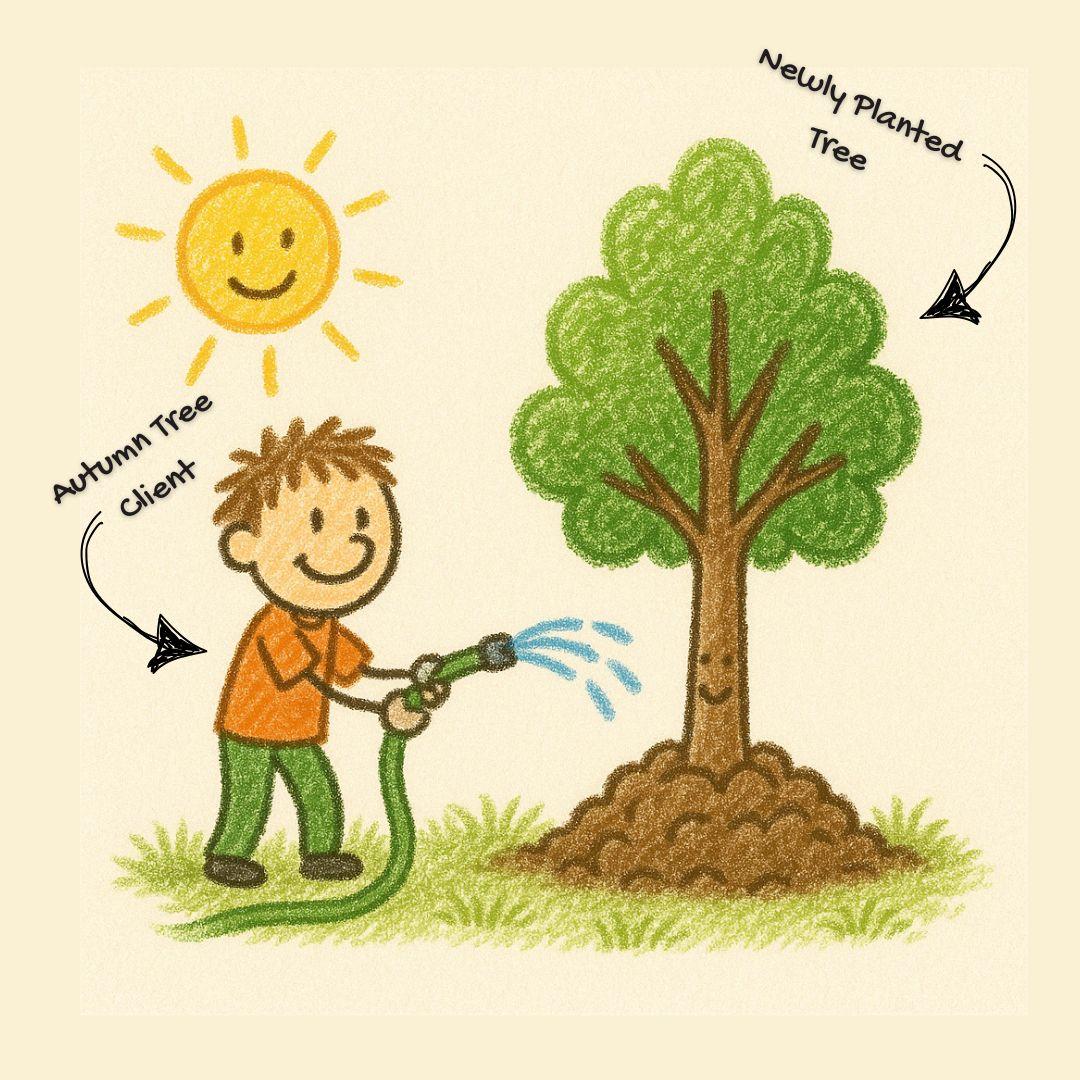
Newly planted trees and shrubs need consistent watering during their first two years to establish strong roots, even in irrigated areas!
Here’s what you need to know:
- Check soil moisture every few days by digging 4–6 inches near the base.
- If soil is moist and clumps together, no watering needed.
- If it’s dry and crumbles, it’s time to water.
- Avoid overwatering—too much water can harm roots!
Recommended Schedule:
- First 6–8 weeks: Check every 4–5 days and water deeply as needed.
- After 8 weeks: Water every 10–14 days, adjusting for weather.
Trees still need water when your irrigation system is off. Winter dehydration is a top cause of plant loss.
Need help? We offer supplemental watering services, including winter watering and vacation coverage.
| |
IPS Beetles
Know the Risk, Protect Your Trees
| | |
|
Did you know there are 11 different species of IPS beetles in Colorado?
Often called “engraver beetles,” IPS beetles are a type of bark beetle that attack Pine and Spruce trees. These pests develop beneath the bark, creating girdling tunnels that disrupt the tree’s nutrient flow, ultimately leading to the tree's death.
Important Facts:
- IPS beetles cannot be treated once they’ve infested a tree
- Preventative treatment is the only effective defense
- Several generations of IPS can occur in a season.
- IPS rarely attack healthy trees.
We are currently wrapping up our spring IPS preventative applications, so if you haven’t scheduled treatment for your Pine or Spruce trees, now is the time!
READ MORE
|
| |
Swamp White Oak (Quercus bicolor)
Looking to add a beautiful, long-living, and resilient tree to your landscape? Meet our Tree of the Month: the Swamp White Oak. Known for its adaptability and strength, this oak variety is a standout choice for Colorado homeowners and property managers alike.
Key Features
-
Majestic Form: With a broad, rounded crown and strong branching structure, the Swamp White Oak provides excellent shade and year-round presence.
-
Attractive Foliage: Leaves are glossy green above and silvery-white beneath — creating a shimmering effect in the breeze. In fall, expect a show of yellow to russet-colored foliage.
-
Bark Character: Its flaky, textured bark adds interest and contrast, especially in winter landscapes.
-
Wildlife Friendly: Produces acorns that attract birds, deer, and other wildlife, contributing to the health of local ecosystems.
A Hearty Tree for Colorado
Despite its name, the Swamp White Oak is highly adaptable and establishes well in Colorado’s varied climate.
Once established, it is:
✓Tolerant of drought
✓Not as susceptible to pests and diseases
✓Strong in heavy clay soils
✓Hardy, making it a reliable choice for Front Range landscapes
Its ability to thrive in both dry uplands and poorly drained soils makes it one of the most versatile and durable oaks you can plant.
Care & Considerations
- Prefers full sun and benefits from deep watering during establishment
- Grows up to 50–60 feet tall and 40–50 feet wide
- Low maintenance once mature
Request a planting estimate. Be sure to include “Planting” in the description field.
| | | | | |