|
Office of Early Childhood Advances with bipartisan support
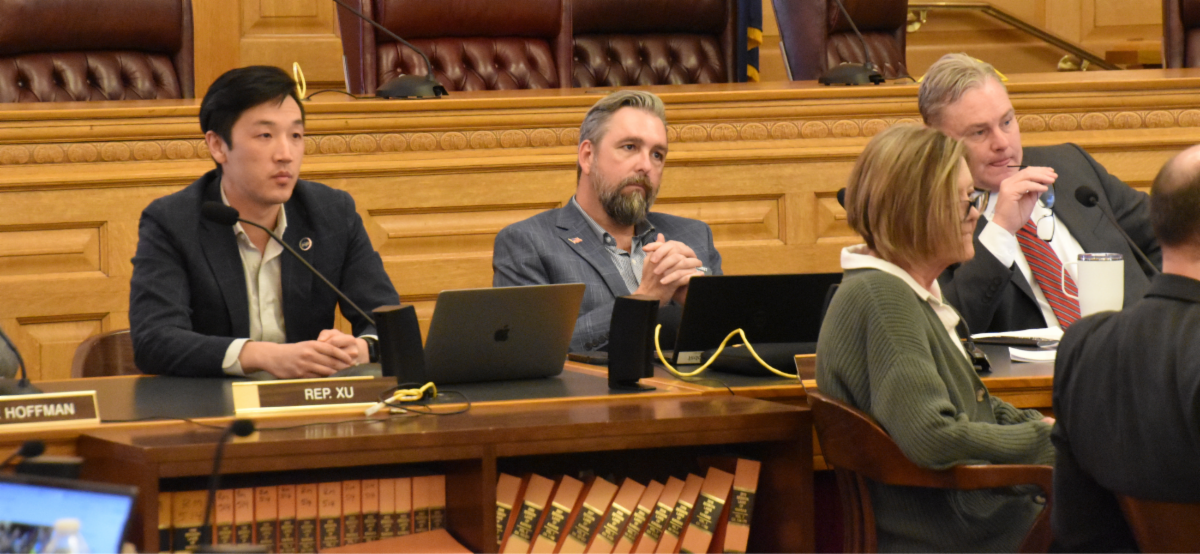
Governor Laura Kelly's push for the establishment of an Office of Early Childhood is making headway. The House Commerce, Labor, and Economic Development Committee recently merged House Bill 2785, encompassing the office proposal, with Senate Bill 96, which seeks to alter child-to-staff ratios in childcare facilities.
The amalgamated bill, now a House substitute for SB 96, can bypass the committee process if passed by the House, allowing the Senate to vote on its concurrence directly. This move aligns with Committee Chairman Sean Tarwater's plan to streamline the legislative process by consolidating these bills.
The proposed Office of Early Childhood aims to consolidate around 20 existing early childhood programs into one entity. Early childhood services are currently dispersed among four state entities, including the Kansas Children’s Cabinet and Trust Fund, the Kansas State Department of Education, the Kansas Department for Children and Families, and the Kansas Department for Health and Environment. However, an amendment from Rep. Tory Marie Blew, R-Great Bend, suggested placing the office under the Department of Commerce, with the commerce secretary appointing the executive director. This alteration sparked debate within the committee, particularly among Democrats like Rep. Jason Probst and House Minority Whip Stephanie Sawyer Clayton, who expressed concerns about the Commerce Department's suitability for overseeing childcare regulations.
Additionally, the bill incorporates provisions from Senate Bill 264, which seeks to enhance the income tax credit for household and dependent care expenses. However, the most contentious issue revolves around proposed changes to childcare ratios. While proponents argue that these adjustments would reduce bureaucratic hurdles and offer providers additional flexibility, critics fear compromising child safety. The proposed ratios would allow for increased capacity in childcare homes, prompting concerns about potential pressures on providers to maximize their ratios.
Governor Kelly's stance on both proposals remains pivotal, as she previously established the Early Childhood Transition Task Force to examine the issue. While the task force recommended consolidating early childhood services into a single entity, Kelly vetoed the regulatory-related bill last year, citing concerns about loosening safety requirements for childcare centers. The task force sent regulatory update suggestions to Kansas Attorney General Kris Kobach in October 2023, and those regulations are still pending approval.
As the legislative process unfolds, the bill's fate ultimately hinges on whether Governor Kelly can reconcile her previous stances with the current proposals and navigate the delicate balance between needed regulatory reform and child safety.
Budget Update
The House budget bill was debated on the floor before the full House this week. No significant funding provisions were added. Budget negotiations between the House and Senate will begin next week. There are numerous differences between the two chambers’ budgets, and negotiations could take two or three days.
House Appropriations wrapped up their business with updates from the Lottery and Kansas airport funding. Airport funding for small facilities addresses maintenance, with air ambulance services being a constant issue.
The Senate Ways and Means committee held hearings on funding homeless shelters, the Law Enforcement Training Center, and maintenance at our universities. The Ways and Means Committee members also took part in the Joint Medicaid Expansion hearing held this week with the Public Health Committee.
No budget committees are scheduled for next week.
Read our full Kansas legislative report.
Key 2024 Legislative Deadlines
- March 28 - Last day for non-exempt bills in either Chamber
- April 5 - First Adjournment (Drop Dead Day)
- April 29 - Veto Session begins
In other news
|