Volume 2 Issue 2 - June 2021
While summer brings about a brief break from the hunting season, it is critical to use this extra time to your advantage. Now is a great opportunity to sight in that new firearm, enhance your archery skills, practice your favorite duck or goose call, and start thinking about scouting your new (and old) hunting spots. We hope this latest issue of Hunter Highlights finds you well!
|
|
Hunter Calendar: Upcoming Dates |
|
Small Game:
-
Woodchuck: 3/15/21-11/15/21
-
Gray Squirrel: 9/1/21-2/28/22
Furbearers:
|
|
Migratory Game Birds:
-
Crow: 8/14/21-10/8/21 (W, F, Sat.)
-
North Zone Early Goose: 9/1/21-9/30/21 (excluding Sunday)
-
South Zone Early Goose: 9/15/21-9/30/21
|
|
|
The Conservation Education/Firearms Safety (CE/FS) Program has offered “Modified Field Days” since August 2020, and the plan is to conduct Modified Field Days through the end of 2021. As Connecticut’s reopening progresses, some Traditional Firearms Courses (16 hours with no online requirements) may become available in the late summer or fall. Additional changes will be announced as they come up.
There have been 63 courses offered since mid-March 2021; of the 63, 12 were cancelled due to low or no enrollment. DEEP staff has conducted up to four courses each week since March; however, limited courses will be offered until mid- or late summer due to low enrollment. Staff will conduct more consistent course offerings ahead of the fall hunting seasons.
|
|
2021 Advanced Hunter Education Opportunities |
Advanced hunter education offerings for fall of 2021 are currently in the works. The format, either virtual or live, will be determined by late summer/early fall. Programs will include the following:
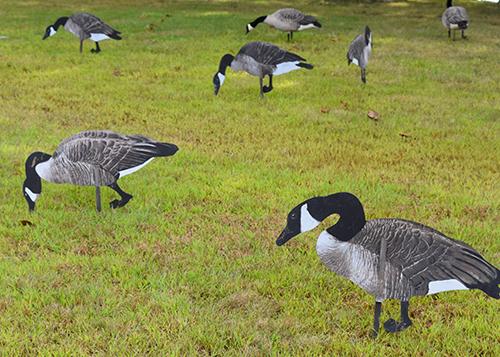
Waterfowl Hunting Seminar - Sponsored by the Connecticut Waterfowl Association (CWA), this seminar provides participants with basic information needed to get started or become a more successful waterfowl hunter! Expert instructors will provide presentations on various aspects of duck and goose hunting, including decoy spreads, biology, shooting, calling, and hunting techniques.
Small Game Hunting Clinic - Small game hunting is one of the most overlooked types of hunting. This clinic is designed to give hunters the tools and knowledge to hunt small game in Connecticut. Habitat, techniques, tactics, and game care will be covered.
|
|
Glastonbury Public Shooting Range to Open June 12, 2021 |
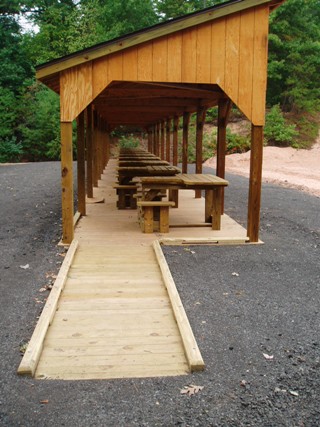
The Glastonbury Public Shooting Range will be open for reservations starting the weekend of June 12 and 13, 2021. Two sessions will be available per day for shooting, and we expect to expand to our usual 3 sessions per day once the Wildlife Division has completed the hiring and training process for Range Safety Officers.
General firearms reservation time slots are 90 minutes in length and scheduled as follows: 10:00 AM – 11:30 AM and 11:45 AM - 1:15 PM. A 15-minute break will occur between each shooting session.
Reservations should be obtained through the Online Outdoor Licensing System for shooters 18 and older. The individual requesting the reservation must have a CT Conservation ID number in order to access the online system. Individuals securing an online reservation may bring up to two guests on the date of their reservation. Online reservations will be available every Monday starting at 7:01 AM.
|
|
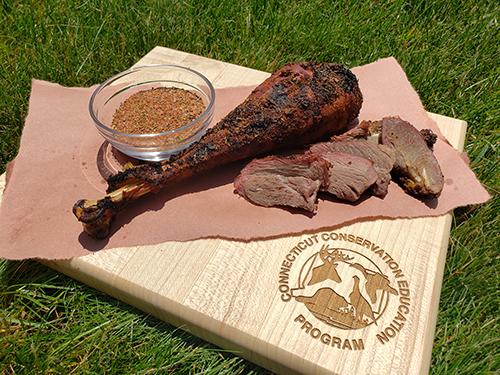
Seasonal Recipes: Smoked Turkey Legs |
Ingredients
2 wild turkey legs (skin on or off)
½ cup Cajun dry rub (see below)
Wet Brine (see below)
Cajun Dry Rub:
4 tsp. salt
4 tsp. garlic powder
6 tsp. smoked paprika
2 tsp. black pepper
2 tsp. onion powder
2 tsp. cayenne pepper
2 ½ tsp. oregano
2 ½ tsp. thyme
½ to 1 tsp. red pepper flakes (optional based on heat preference)
Wet Brine:
1/4 cup kosher salt
2 tablespoons brown sugar
2 cups hot water
2 cups ice
2 tablespoons peppercorns
2 lemon slices
2 orange slices
2 onion slices
2 minced garlic cloves
1 bay leaf
Cooking Instructions
Brine the turkey:
1. Mix the salt and brown sugar in the hot water until they are fully dissolved. Add in the orange, lemon, peppercorns, onion, garlic, and bay leaf and allow them to steep in the warm water. Add in the ice to cool the brine down. Ensure the salt and sugar are fully dissolved; this will ensure it does not fall to the bottom of the solution.
2. In a large enough container, pour the brine over the turkey legs and ensure they are fully submerged in the brine. You can add additional cold water if turkey is not submerged. Cover container and refrigerate up to 24 hours.
Prepare the smoker:
1. Heat your smoker to 225 degrees F. For a more subtle smoke flavor that highlights the taste of the turkey, try using a milder fruit wood, such as cherry or apple. If you prefer a stronger smoke taste, try using hickory or mesquite.
2. Remove the turkey legs from the brine and dry them with a towel. If you keep the skin on your turkey legs, then drying the skin will help crisp the skin during the cooking process.
3. Combine all Cajun dry rub ingredients. Coat legs with olive oil and season the turkey legs with rub. You can also use a rub of your choosing. Any unused dry rub can be stored in an airtight container.
4. Put the turkey legs on the smoker. Smoke at 225 degrees F until the leg reaches an internal temperature of 165 degrees F. Remove the legs from the smoker and tent with aluminum foil. Rest for 10 minutes. Serve after resting.
Tips
1. If you do not have a smoker, you can use your grill to smoke the turkey legs. Heat your grill to 225 degrees F. Place wet wood chips in a foil pouch and poke holes in the foil. The chips and turkey should be placed over indirect heat.
2. This brine may need to be doubled depending on the size of the turkey legs. If two turkey legs fit fully submerged in the brine, then there is no need to double the brine. If you need more space, be sure to double the ingredients to guarantee the proper salt to water ratio. The salt to water ratio in this brine is ¼ cup of kosher salt to 1 quart of water.
3. The legs will continue to cook during the rest. You can remove the legs from the smoker between 155 and 160 degrees F, but make sure they reach 165 F during the rest and prior to eating.
|
|
Connecticut Gray Squirrel Hunting |
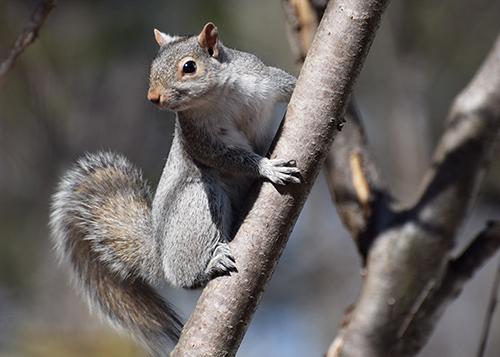
In Connecticut, the gray squirrel is the most abundant small game species and incurs very little hunting pressure. This species can have two litters a year and populations can grow rapidly in years following abundant acorn productivity. With nearly 60% of Connecticut being forested, and much of these forests prevailing in an oak/hickory forest type, squirrel habitat is not limited. Squirrel hunters who put forth minimal effort will have no problem finding hunting locations on public and private lands.
Late spring is an excellent time to begin preparing for the squirrel hunting season. Hunters should scout potential ridges to learn the amount and location of oak and hickory trees, focusing on preferred foods, such as white oak acorns and shagbark hickory nuts. This also is a good time of year to sight-in your bow and arrow, rifle, and/or pattern your shotgun. Becoming proficient with your hunting implement will help ensure ethical harvest.
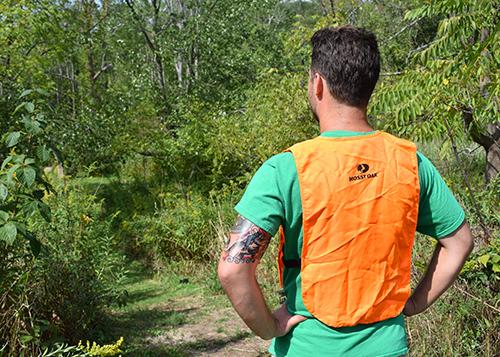
Squirrel hunting equipment can be simplistic or complex. A wide variety of hunting implements can be used for squirrel hunting including: .17 and .22 caliber rifles, shotguns from .410 to as large as 10 gauge, and bows and arrows tipped with judo points or broadheads. Squirrel hunting often involves hunting from a stationary position so a soft cushion to sit on will make your day afield much more enjoyable. For those hunters who prefer to still hunt for bushy-tails, a good set of binoculars can be invaluable. On successful harvest days, a sharp knife will allow a hunter to skin and dress the squirrel while in the field. This may be particularly important during the warm days of the early portion of the squirrel season. A hunting vest is also essential equipment; this item will allow hunters to carry harvested squirrels in a game pouch and remain ready to capitalize on harvest opportunities as they become available.
Connecticut’s squirrel harvest regulations provide hunters with great opportunity due to many potential days afield and large daily and season bag limits. The squirrel hunting season dates run from January 1 to February 28 and September 1 to December 31. The bag limits for squirrel are eight daily and 40 annually. Squirrel is excellent table fare and can be the base for many culinary dishes. Squirrel hunting also provides many unique challenges, which are sure to enhance any hunter’s skill set.
|
|
Participate in the Annual Turkey Brood Survey |
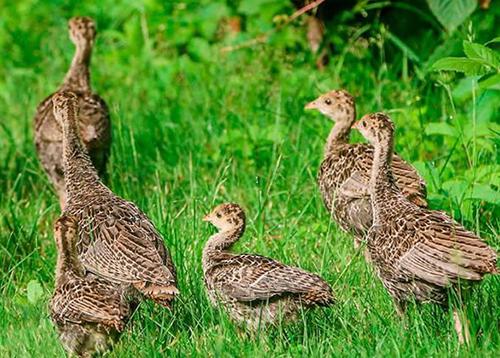
The Wildlife Division invites Connecticut residents to participate in the annual Wild Turkey Brood Survey from June 1 to August 31, 2021. During this time, volunteers record all of the hens and poults (young turkeys) observed during their normal travel. Observations of male (tom) turkeys are not requested for this survey. Survey results allow biologists to determine turkey productivity and reproductive success by estimating the average number of turkey poults per hen statewide. This year, surveys can be submitted online by following the link below. You can also participate by using our traditional form HERE. Your help is greatly appreciated! Photo courtesy of Michele Nevue Titus.
|
|
Habitat and Hunting Area Update |
The 10-year Management Plan for Franklin Swamp WMA, in North Franklin, mentioned in the previous issue, has been approved. Look for further information on the DEEP website in the near future.
The Wetland Habitat and Mosquito Management Program has completed the rebuilding of the tide gates at Hammock River WMA in Clinton. While this has allowed for some tidal flooding control, in line with the original design and an improvement over previous years' conditions, the Migratory Game Bird Program has submitted an application to modify the gates for improved control. This enhancement is expected to better the habitat for saltmarsh nesting bird species.
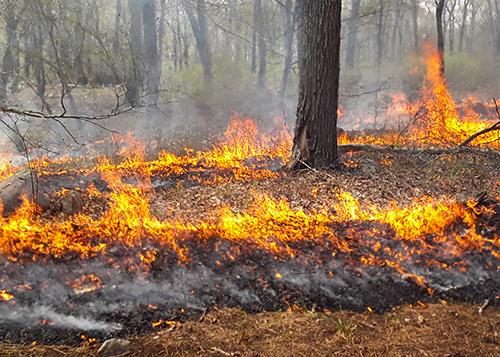
Through the past few months, the Forestry Division has conducted prescribed burns in Pachaug State Forest and Nehantic State Forest. The approximately 90 acres burned in Pachaug were intended to promote favorable conditions for oak seedlings to grow, as well as provide opportunity to seed pitch pine. In Nehantic, the 17 acres burned were intended to sustain an open oak forest. The Nehantic parcel has been regularly burned for the purpose since 1993. As deer prefer oak seedlings to other species, hunters should note that harvesting deer in these areas will contribute to forest management goals.
From March through May, the following additions were made to hunting areas within the state:
Area: Paugnut State Forest Acreage Added: 74.75
Please note: Recently acquired parcels need to be border marked and so indicated as open before hunting can take place. If you have any questions, please contact the district biologist for the area (East: 860-295-9523; West: 860-424-3011).
|
|
Preparing Yourself for a Healthy Hunt |
There are many ways to prepare for your next hunt; practicing with your hunting implement, making sure your tree stand and harness are in good working order; or that you have scouted the right area for your target species. One aspect of preparation not to be overlooked is your physical fitness. Whether you are planning a backcountry hunting trip this fall or simply putting up your tree stand locally, it is important to be physically ready for your outdoor pursuits. Maintaining a good level of fitness does not mean you need to be a marathoner or squatting the most weight at the gym, but able to deal with the many situations that can arise while hunting. Things like climbing a tree stand and performing self-rescue in your harness requires core strength and good flexibility in the hips and shoulders. Packing equipment or game out of the field across rough terrain requires cardiovascular fitness and muscular endurance. Even simple things like stabilizing your gun or bow in the moments before firing are improved through better fitness.
Building up your cardiovascular fitness, muscular endurance, and flexibility are goals you can work towards this season as you prepare for your fall hunt. Start small, like with a daily stretching routine, and slowly build up from there. Add in some general strength and core training, choosing functional movements like lunges over isolated single joint exercises like knee extensions. Running is great for some, but if it is not your thing, go for a hike instead, or add a little weight to your backpack and take a walk. Being self-sufficient is a common goal for sportsmen and women and being fit and healthy is one of the best ways to reduce risk factors that could lead to an acute health crisis in the field. If you are just starting out with a new exercise routine, you should talk with your doctor about your health goals and see what recommendations they have for you personally.
|
|
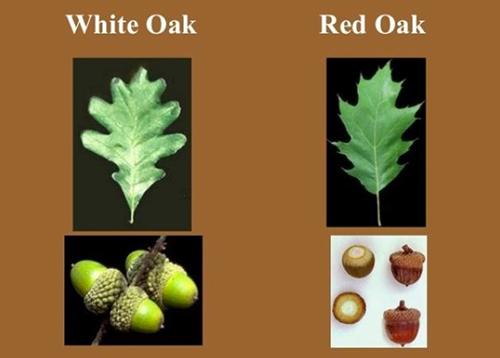
Both red and white oaks produce acorns, which are highly sought after by many species of wildlife. Acorns are a major protein source for deer, bears, turkeys, squirrels, ducks, and countless species. However, not every tree produces a bumper crop of acorns every year. Healthy red oaks have the capacity to produce acorns every year, with large crops being produced every two to five years. White oaks can also produce acorns annually but may go longer intervals between large crops, four to 10 years typically. Because these tree species are widely distributed across the state and growing conditions vary significantly from one site to another, many areas may not have much for acorns one year but may have a bumper crop the next and vice versa. Select the link below to obtain some great scouting tips that will certainly help increase your scouting skills for this coming fall season!
|
|
Hunter Profile: Chris Zins |
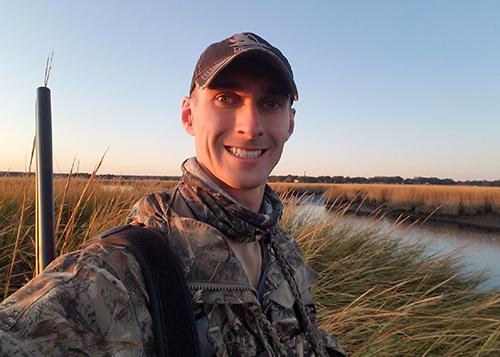
Growing up in central Massachusetts, I was surrounded by nature. Our property abutted a large state forest so wildlife was a common feature of the land, and my childhood was filled with all kinds of outdoor adventure. Neither of my parents were sportspeople though, staying far away from early morning fishing or even the thought of taking a rifle into the woods to hunt. However, as I grew into my teens, I met many neighbors and friends who revered the woods through hunting and fishing. It became clear that they were deeply connected to nature in an intimate and powerful way that resonated with my own appreciation for the land and my food.
When I was 16, I began my own journey as a sportsman. I relied on the guidance of my hunter education instructor Dave and my neighbor Howie to learn all I could. Soon, I was hooked. There were pitfalls and struggles, like missing a deer with my bow as my shoulder dislocated or going two years chasing turkeys to no success. The memories along the way and the successes at the end made it all worth it. I’ll never forget the thundering gobble of the first turkey I took or the following thanksgiving meal where we shared and celebrated the harvest among friends. The early morning boat rides to a duck blind, the setting sun from a deer stand, and the common comradery that comes from spending time on the land is unmatched.
When done under the guidance of fair chase and sportsmanship, hunting is a surreal experience that has brought me closer to the natural world than I ever could have imagined. It has challenged me to learn and understand the natural world more than any other activity I have taken up, from hiking to fishing to bird watching. The respect and admiration I have for the game animals I pursue stays with me each day, whether or not I am in the field or on the water.
Today, I hunt to sustain this connection. There is a sense of pride that comes from supremely owning what you eat, especially in the current days of factory farming and a growing disconnect from where our produce comes from.
The hunter education instructors at my old gun clubs (Leominster Sportsmen's Associations and Nimrod League of Holden) were the backbone of support I got when I started out. Their volunteer efforts have led to hundreds of hours in the field, countless memories, and a drive to bring more people into the outdoors. Every hour spent in the classroom by these volunteers earns Pittman-Robertson funding for their state’s wildlife programs and widens people’s knowledge of nature, even if they choose never to hunt. It’s an invaluable service I am now honored to be part of as a Conservation Education and Firearms Safety Instructor for Connecticut.
To anyone considering picking up a fishing rod or a bow, do it.
Go forth and be brave: take a chance, find your own nature, act like you belong there because everyone belongs in the outdoors.
|
|
You are making a difference and we thank you for your support!
|
|
Need to contact the DEEP Wildlife Division? Send email to deep.wildlife@ct.gov or call 860-424-3011
|
|
The Connecticut Department of Energy and Environmental Protection is an Affirmative Action/Equal Opportunity Employer that is committed to complying with the requirements of the Americans with Disabilities Act. Please contact Barbara Viadella or Cenit Mirabal, DEEP Office of Diversity and Equity at 860-418-5910 or by email at deep.accommodations@ct.gov if you are requesting a communication aid or service, have limited proficiency in English, need some other type of accommodation, or if you wish to file an ADA or Title VI discrimination complaint. In order to facilitate efforts to provide an accommodation, please request all accommodations as soon as possible following notice of any agency hearing, meeting, program or event.
|
|
|
|
|
|
|