Comments on the OMB Rule

Along with thousands of other public health proponents, last month we submitted comments in opposition to the Office of Management and Budget's (OMB) proposed rule on the "Regulation for Federal Financial Assistance," which would have significant implications for racial and Indigenous health equity research funding. Our comments drew from our experience as a national health equity research grantmaking program over the past decade; noting that if implemented, the proposed changes would “have detrimental impacts on advancing health outcomes for communities across the nation and will stall scientific progress in America.”

What We’re Reading

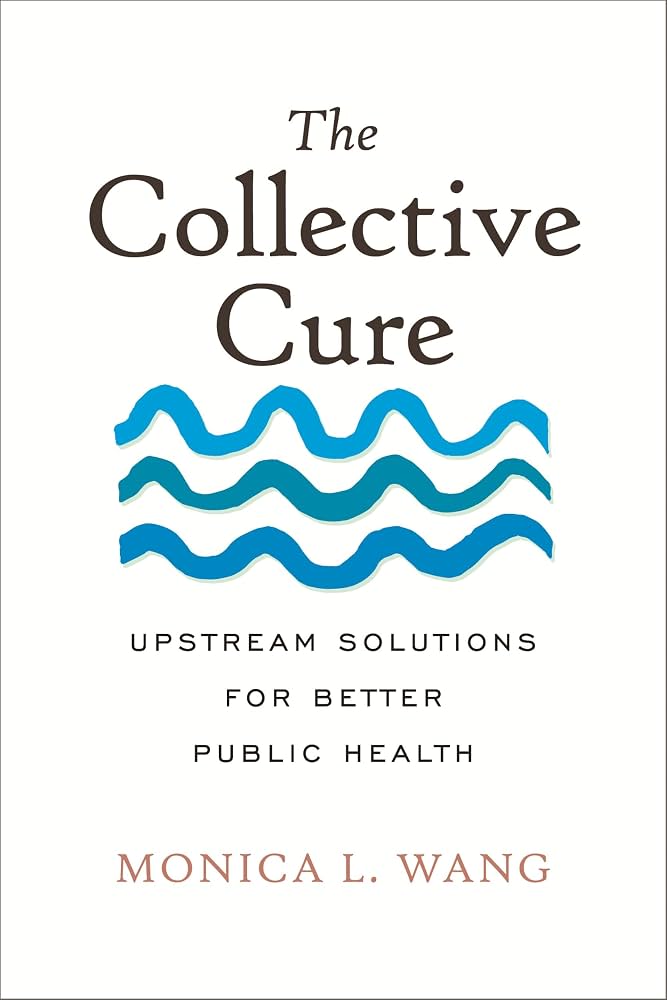
The complexities of how social and structural factors shape our health are often best understood through personal stories. InThe Collective Cure: Upstream Solutions for Better Public Health, health equity researcher Monica Wang weaves her own story with those of three other women to show how everyday spaces, shaped by income, education, race, and living situation, determine health and wellbeing. Data and statistics tell one side of the story, but they aren't always accessible or resonant. Wang's book translates that evidence into narrative; a fitting companion to E4A's decade of funding the very upstream research she draws on.


You can access an interview about her book through Boston University’s School of Public Health.


What We're Learning

Validating the Exposure to Racism-Based Police Violence Scales

In a recently published article from a former E4A grantee, their project team confirms what many young Black and Latinx adults already know: exposure to racism-based police violence is linked to real psychological distress, giving researchers and social workers solid evidence to inform more responsive mental health care.

Addressing missing demographic information in administrative records can improve the accuracy of population-level assessments and help better identify community needs. Three recently published articles delve into how one E4A grantee team is addressing this issue.

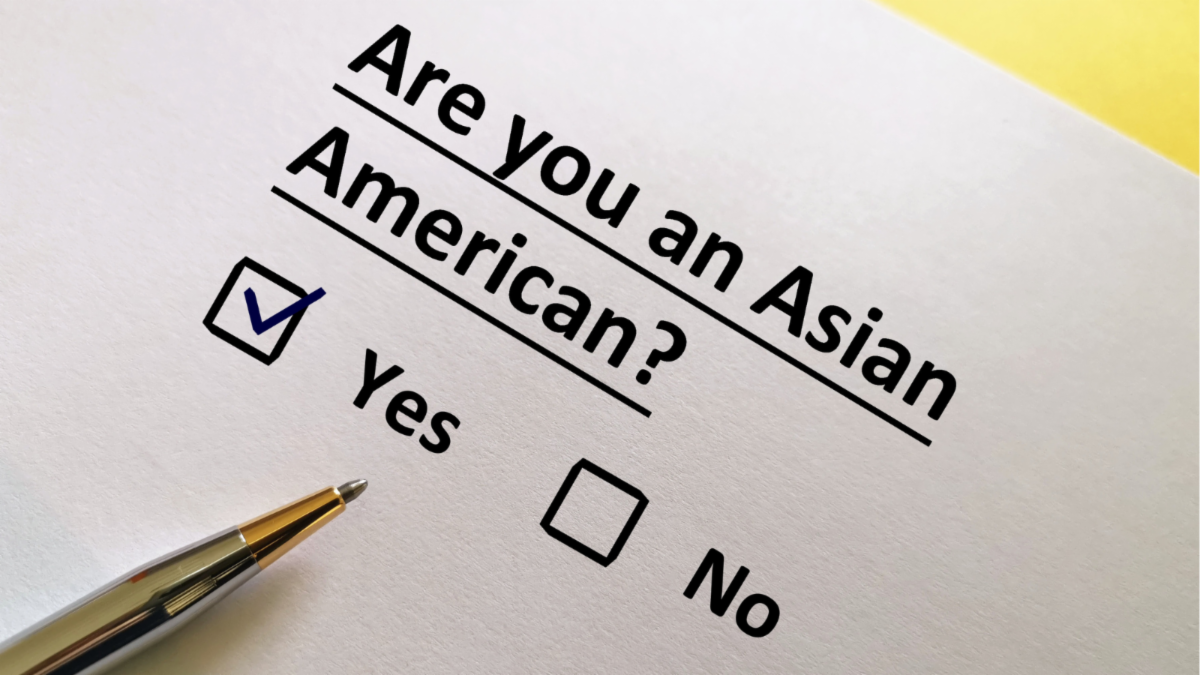
Enabling disaggregation of Asian American subgroups: a dataset of Wikidata names for disparity estimation

To fill a critical gap in disaggregated race data, the research team developed a dataset of Wikidata names for disparity estimation. They found that combining these name-based data with publicly available geographic information predicted Asian subgroup membership more accurately than existing methods, improving researchers' ability to identify disparities that might otherwise be hidden when Asian Americans are treated as a single group.

Bias Delayed is Bias Denied? Assessing the Effect of Reporting Delays on Disparity Assessments

Delays in the availability of demographic information can hinder efforts to identify and address health inequities in a timely manner. In "Bias Delayed is Bias Denied? Assessing the Effect of Reporting Delays on Disparity Assessments," researchers found that delays in race and ethnicity reporting can distort disparity assessments, forcing decision-makers to choose between timely but less accurate estimates and slower, more accurate monitoring of health disparities.

Evaluating the impact of discordant and missing demographic information on population health assessments using linked electronic health records and Census Bureau microdata

After linking two large administrative datasets, the research team found substantial discordance in recorded race and ethnicity data for the same individuals, leading to different conclusions about health disparities. To help address these discrepancies, the team identifies potential systematic sources of discordance, including differences in how race and ethnicity are collected on patient intake forms.

Latest E4A Blog Posts

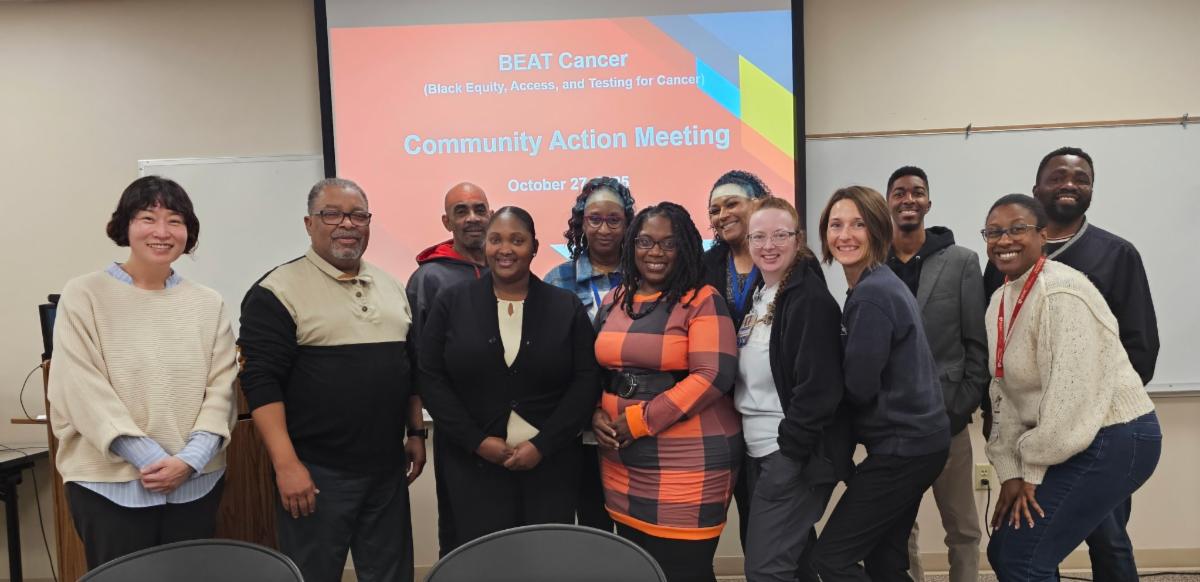
Community Action Board for the BEAT Cancer Study, from left to right: Jungyoon Kim (Project Director), Bobby Waters, Quintin Griffin, Dwan Jones, Jovetta King, Elizabeth Grayer, Tasha Conley, Alicia Whitehill, Kiley Petersmith, Brandon Williams, Keyonna King, and Philip Abutu

Assessing the Partnership Dynamic of a Community Action Board: The BEAT Cancer Study

Other News & Opportunities

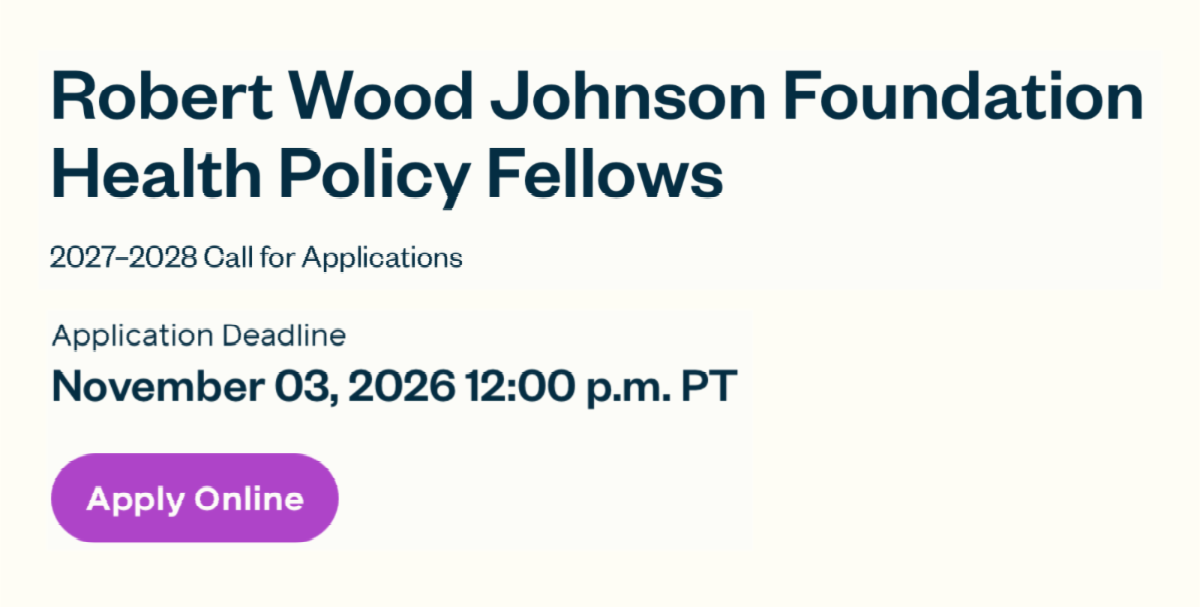
Robert Wood Johnson Foundation Health Policy Fellows

Through a year-long, full-time fellowship in Washington, D.C., the Robert Wood Johnson Foundation (RWJF) Health Policy Fellows program offers firsthand experience in the federal policymaking process. It begins with an intensive orientation led by the National Academy of Medicine and is followed by placements in congressional or executive branch offices. Designed for experienced professionals with advanced degrees and at least 10 years of work in health-related fields, the program equips fellows with the knowledge, networks, and leadership skills needed to advance policies and systems that improve the health and well-being of communities across the nation.

Have an opportunity you’d like to broadcast?


Email evidenceforaction@ucsf.edu and we’ll be happy to amplify opportunities that align with E4A.

Evidence For Action at UCSF

LinkedIn  Instagram  Web  YouTube
LinkedIn Share This Email