|
Bone Density: Why Strength Training Is Non-Negotiable as We Age
By Brad Gerein, Exercise Specialist/Fitness Lead
Of all the components a training program can include, strength is one you can least afford to ignore as the years add up.
Strength training improves your ability to produce force, control your body, and handle external loads. That capacity doesn't just show up in the gym. It carries over into nearly every facet of life—from carrying groceries and climbing stairs to getting off the floor and maintaining independence.
As we age, strength training becomes even more important because it doesn't just help maintain muscle. Appropriately loaded resistance training can also help maintain—and in some cases improve—bone density and bone strength.
Bone is living tissue that continually remodels itself. When the skeleton is exposed to sufficient mechanical loading, the body receives a signal to maintain and strengthen that structure. When those demands disappear, we lose an important stimulus for maintaining bone.
This becomes increasingly important with age, when losses in muscle mass, strength, balance, and bone density can begin stacking on top of one another.
This is where the fragile-versus-capable mindset matters.
Treating an aging body as though it should never lift anything challenging can unintentionally remove the very stimulus it needs to remain strong. The goal isn't reckless loading. The goal is appropriate loading—challenging the body at a level it can currently tolerate and gradually increasing that challenge as its capacity improves.
Think about two people in their 60s who experience a similar fall. A person who has consistently strength trained may have several protective advantages: stronger muscles, better balance, greater ability to control their body, and potentially stronger bones. Those factors can influence both the likelihood of falling and the body's ability to tolerate the forces involved when a fall does occur.
Strength training can't eliminate injury risk, but it can help build a body that is better prepared to handle the physical demands life throws at it.
How to Train for It
For most adults, 2-3 well-designed strength-training sessions per week is an excellent target.
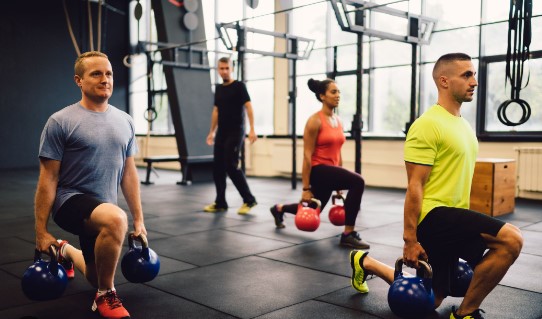
A practical starting point is to include several exercises that train the major muscle groups and fundamental movement patterns. Most exercises can begin with approximately 2-4 sets of 6-12 repetitions, depending on the individual's experience, goals, and current capabilities.
Prioritize movements that allow you to progressively and safely challenge the body, such as:
- Squat and sit-to-stand variations
- Hinge and deadlift variations
- Step-ups, lunges, and split squats
- Rows and pulling exercises
- Pressing exercises
- Loaded carries and other weight-bearing movements when appropriate
The key word is progressive.
Doing the same easy resistance indefinitely isn't the goal. Start at a level appropriate for your current ability, develop good technique, and gradually increase the challenge over time.
Age alone isn't a reason to stop loading the body. Your exercise history, current abilities, medical considerations, and individual limitations should determine where you start and how you progress.
The goal isn't simply to exercise as you age. The goal is to maintain enough strength and physical capacity to keep doing the things you want to do for as long as possible.
If you're unsure where to start or aren't confident performing strength exercises safely, speak with one of our fitness professionals. We're happy to help you establish an appropriate starting point and build from there.
|