Water-Wise and Fire-Wise Landscaping Work Hand in Hand | | |
With drought and rising temperatures comes the potential for increased fire danger in Thornton this year and beyond. Residents are encouraged to consider both fire-wise and water-wise landscaping practices to help reduce their water use and protect their homes and businesses.
Simple changes can reduce your outdoor water use and protect your home, including:
- Clearing yard waste and debris from gutters, under decks and porches, and near structures.
- Moving woodpiles at least 30 feet away from existing structures.
- Using non-combustible hardscaping materials, such as gravel or stone, to create a space around your home.
-
Choosing water-wise plant varieties for your landscaping. Many plants that are native to Colorado are also naturally fire-resistant.
- Trimming grasses back under four inches to reduce available fuel.
- Avoiding using plant pots or landscaping as an ashtray.
-
Using the cycle and soak watering method (break watering times into three short cycles) to encourage deeper roots and higher moisture content for a natural barrier to ignition.
Read our fire-wise landscaping blog to learn more about defensible space and how to protect your home with fire-wise landscaping.
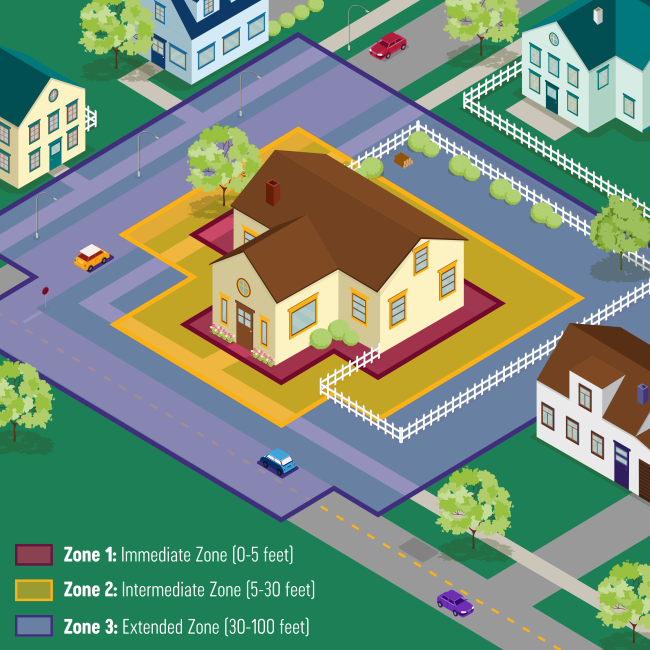
| | Graphic of the defensible space near a home, broken out into the three zones: immediate zone (zero to five feet), intermediate zone (five to 30 feet), and the extended zone (30 to 100 feet). | | |
Did you know that small sprinkler leaks can waste thousands of gallons of water? Regular inspections can help identify hidden leaks before they lead to unnecessary water waste. Leaks aren't always obvious — they can be hidden and easy to miss. Not sure where to start? Check these common irrigation system components:
-
Sprinkler Heads – Check for broken or leaky sprinkler heads during your watering cycle.
-
Valves – Inspect valve boxes for standing water, wet soil, cracked components, or valves that may be stuck open.
-
Lateral Sprinkler Lines – Watch for soggy areas, pooling water, or other signs of excess water near underground sprinkler lines.
-
Sprinkler Main Line – A leak in the main sprinkler line can run continuously even when zones are off. Look for wet spots or unexplained water use in WaterSmart, even when the system is off.
-
Controller Settings – Review your watering schedule throughout the season. Power outages, seasonal changes, or accidental programming mistakes can result in unnecessary watering.
-
Drain Caps – If your system uses drain caps during winterization, make sure they are properly secured after spring startup.
| | Taking the initiative to check your property regularly is the best way to catch issues early, prevent costly damage, and save money on your water bill. | | | |
Get free help checking your sprinklers!
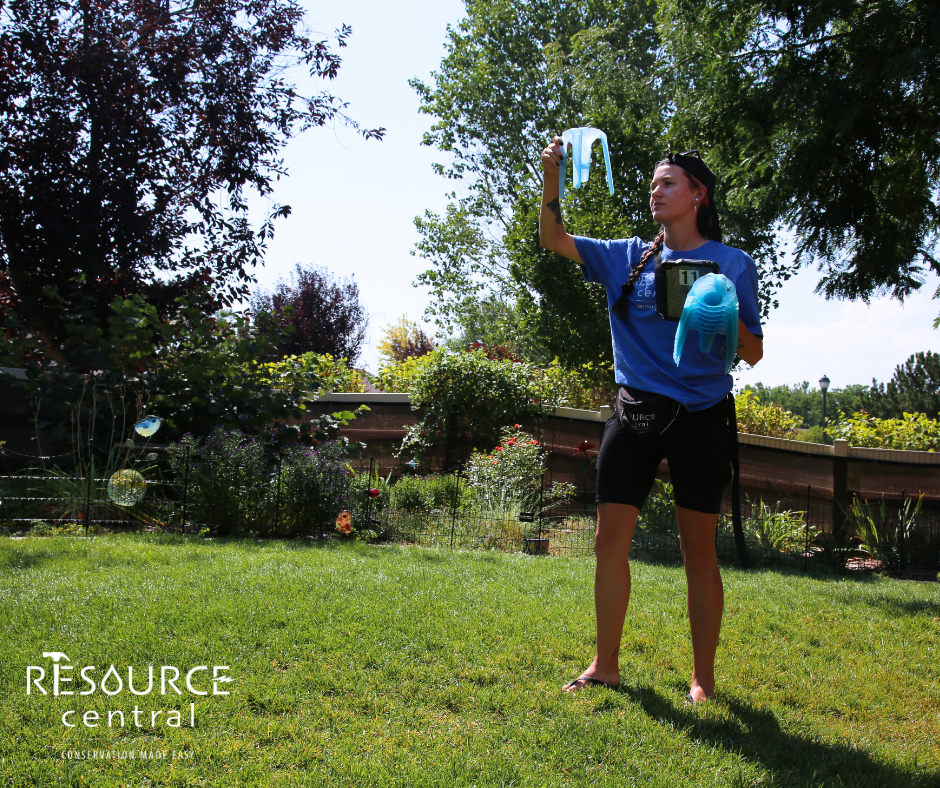
Thornton water customers can sign up for a free Slow the Flow sprinkler evaluation through Resource Central. Trained technicians will inspect your irrigation system, identify potential problem areas, and provide recommendations to improve efficiency while maintaining a healthy landscape.
| | WaterSmart Helps You Stay Ahead of Leaks | | |
Keeping track of leaks just got easier thanks to Thornton’s WaterSmart portal.
Log in to your WaterSmart profile to track water usage, receive alerts, set communication preferences, compare consumption trends, and access personalized water-saving recommendations. WaterSmart can also detect unusual water usage, helping you catch and repair leaks early.
Recent notifications have helped Thornton Water customers:
- Discover leaky outdoor faucets.
- Identify faulty watering systems.
- Make repairs quickly.
- Adjust watering schedules after reviewing water-use data to follow Thornton’s mandatory outdoor watering rules.
“Holy cow, that's a lot of data! It's just what I was looking for. The WaterSmart program is a terrific tool for targeting and reducing water usage. So much better than the old system of logging usage in the thousands of gallons.” - Donna, Thornton Water customer
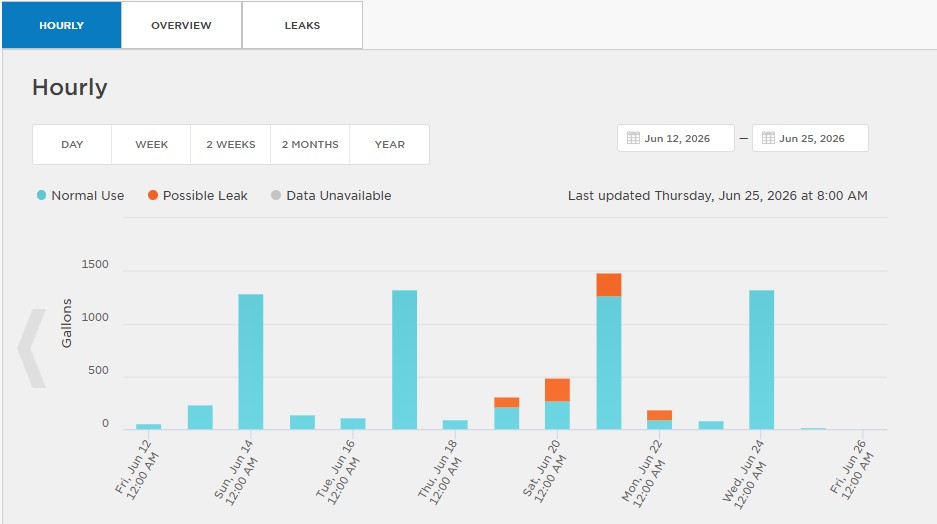
| | This chart shows an example of a home with a two-day watering schedule and a leak. This is from a sample property and does not represent your own water usage. To view near real-time data about your water usage, please visit the WaterSmart portal. | | Thornton Water customer data is available in the WaterSmart portal, which displays charts of both normal usage and alerts of continuous usage and potential leaks, broken down by hourly, daily, and weekly usage. | Read our AMI blog to learn how to track your use and save water. | |
Water Quality Corner
Thornton's Water Treatment Plants
| | |
Ever wondered how your water is treated? In Thornton, two water treatment plants work together to deliver clean, reliable drinking water to its customers.
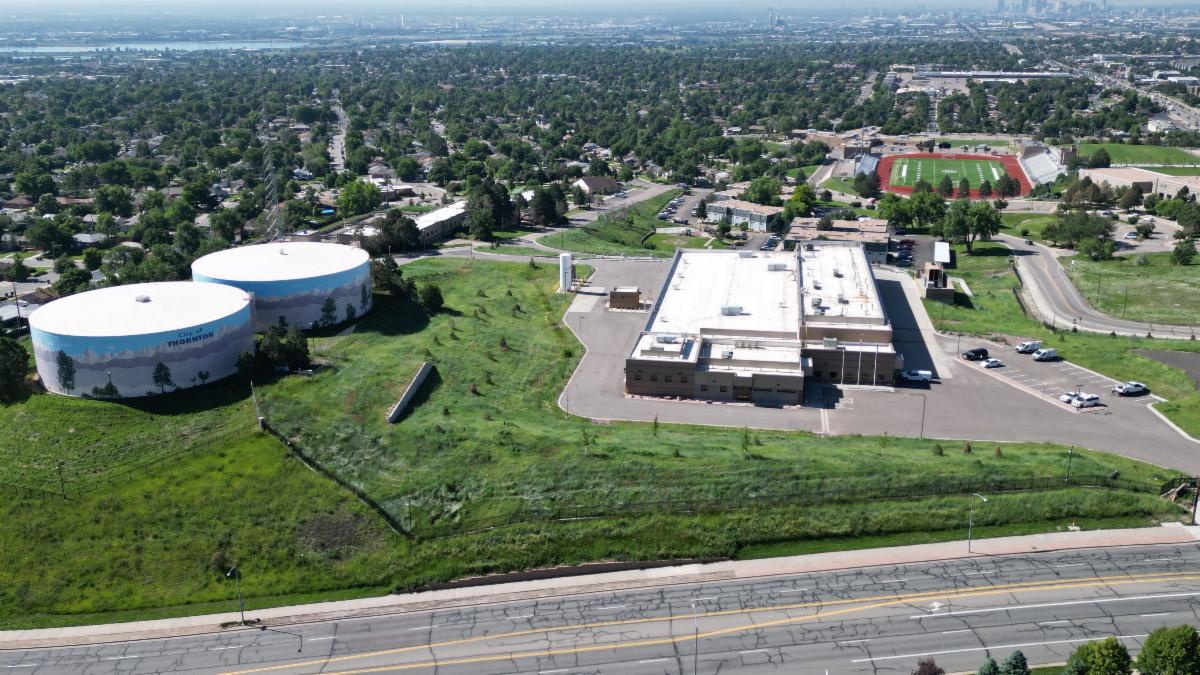
The Thornton Water Treatment Plant, completed in 2020, was built to handle multiple water sources while improving the water's overall taste and odor. It treats water from Upper Clear Creek and the South Platte River using a multi-barrier process that removes metals, particles, and contaminants before final disinfection. The plant blends water sources and uses advanced treatment methods, including ozone treatment and biologically active carbon filters, to ensure consistent water quality. This facility operates year-round and treats most of the community’s water during fall, winter, and spring.
| The Thornton Water treatment plant provides water to customers 365 days a year. | |
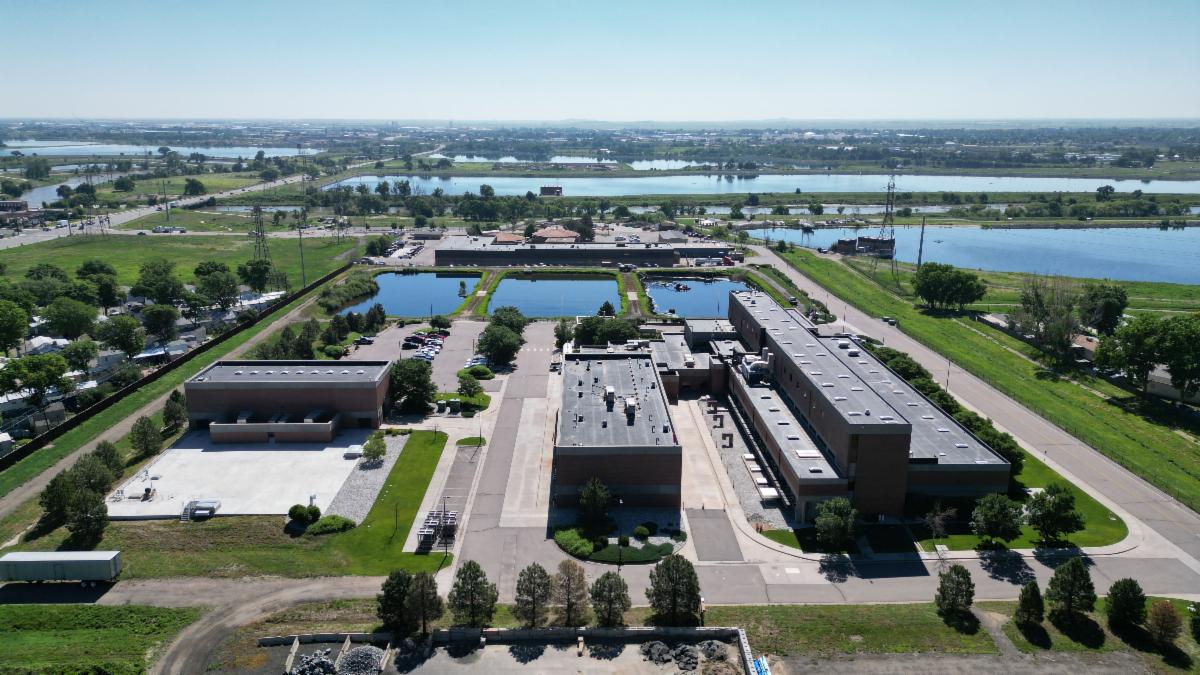
The Wes Brown Water Treatment Plant treats water from the South Platte River and Lower Clear Creek. It delivers about 50% of the city’s total water demands for the year in just seven months. It also uses a multi-barrier treatment approach, including ultrafiltration membranes to remove very small particles like bacteria and viruses. After the first treatment steps, water passes through membranes and is disinfected before it’s delivered to your home. This plant usually runs during the summer months when outdoor watering
increases demand.
| The Wes Brown Treatment Plant operates during the summer season when outdoor watering
increases demand. | Together, these facilities maintain Thornton’s high water quality standards and provide clean, dependable water to the community all year. For more information about how these plants operate and treat Thornton’s water, visit Thornton’s Water Treatment webpage or read our annual Water Quality Report. | | | | |