|
Product Stewardship Updates
April 7, 2025
| | THE FORUM AGENDA IS NOW LIVE! | | |
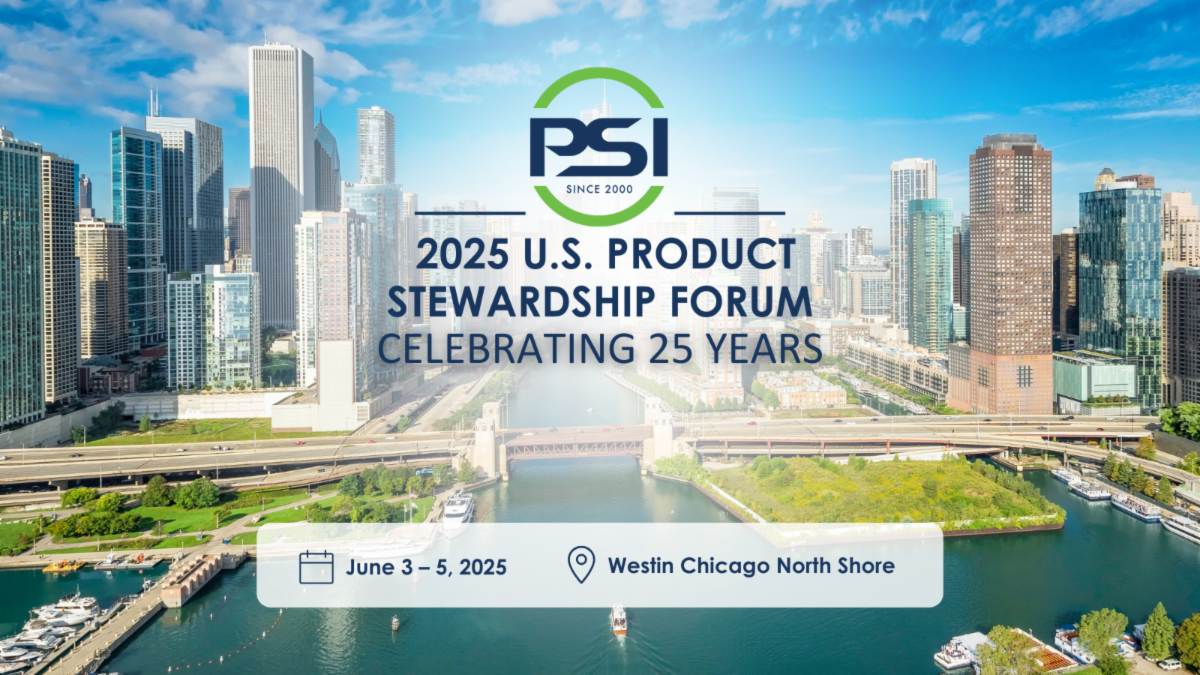
The 2025 U.S. Product Stewardship Forum agenda is here—and it’s packed with cutting-edge policy sessions, national case studies, and real-world insights from the front lines of EPR.
Join us June 3–5 in Chicago for three days of high-impact programming designed to move the conversation forward. This year’s agenda features:
- Updates from EPR leaders in California, Minnesota, Colorado, Oregon, and more
- Industry and local government perspectives on implementation
- Deep dives into packaging, batteries, paint, HHW, and beyond
- Half-day pre-conference workshops on Tuesday, June 3
Whether you focus on policy, operations, or stakeholder engagement, the PSI Forum offers something for everyone—and plenty of time for networking, too.
| | Don’t wait—early-bird pricing ends April 15! Secure your spot today and be part of the conversations shaping the future of EPR. | | PARTSLIFE PARTNERSHIP & EPR COMPLIANCE IN THE AUTO AFTERMARKET | | |
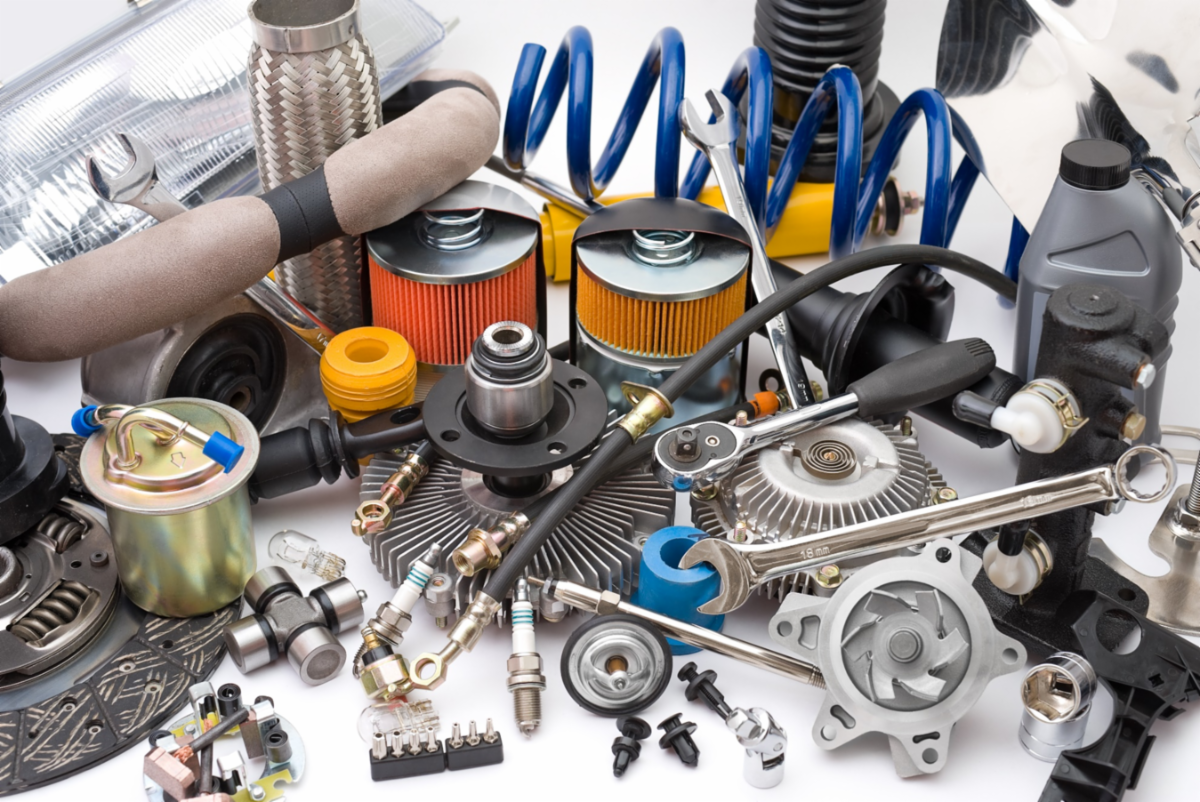
PSI is collaborating with PARTSLIFE (PSI Sustaining Partner) and the Auto Care Association to support companies in the automotive aftermarket sector as they navigate compliance with packaging EPR laws.
Together, we launched the Packaging EPR Compliance Toolkit for the Automotive Aftermarket—a quick-start resource offering state-specific guidance, data collection templates, and practical insights to help businesses understand and meet EPR requirements. The toolkit will be updated regularly to provide the latest information and developments.
This collaboration is also informing broader conversations about refining and harmonizing packaging EPR policies in the U.S. By bringing industry feedback from the implementation phase into the policy development process, PSI is helping to shape laws and regulations that are both practical and effective.
| | CALIFORNIA’S PACKAGING EPR LAW FACES SOME ADJUSTMENTS: WHAT’S NEXT? | | (Nodar Chernishev / Canva Teams) | | |
California’s Plastic Pollution Producer Responsibility Act (SB 54) was designed to be a groundbreaking shift in how plastics and other packaging waste are managed, requiring producers—not taxpayers—to take more responsibility for managing the waste. But less than two years after its enactment, Governor Gavin Newsom has called for revisions to the law’s draft regulations, citing implementation delays, rising compliance costs, and mounting pressure from both industry and environmental groups.
Importantly, this is not a rollback. California is expected to make targeted adjustments to improve feasibility while maintaining the law’s core goals. These changes include simplified eco-modulation fee structures, adjusted reporting timelines, clarified de minimis exemptions, and refined standards for reusable and chemically recycled packaging.
SB 54 still stands as one of the most ambitious plastics EPR laws in the country, requiring:
- A 25% reduction in single-use plastic packaging by 2032
- A 65% recycling rate for covered materials
- A $5 billion mitigation fund paid by producers over 10 years
The adjustments are expected to ease the transition for producers and improve regulatory clarity—without weakening the law’s intent. PSI continues to monitor these developments closely and remains engaged in supporting effective, implementable EPR policies across the U.S.
|
| CALIFORNIA MOVES TO BAN SINGLE-USE VAPE DEVICES | | (Tatiana Kutina / Canva Teams) | | |
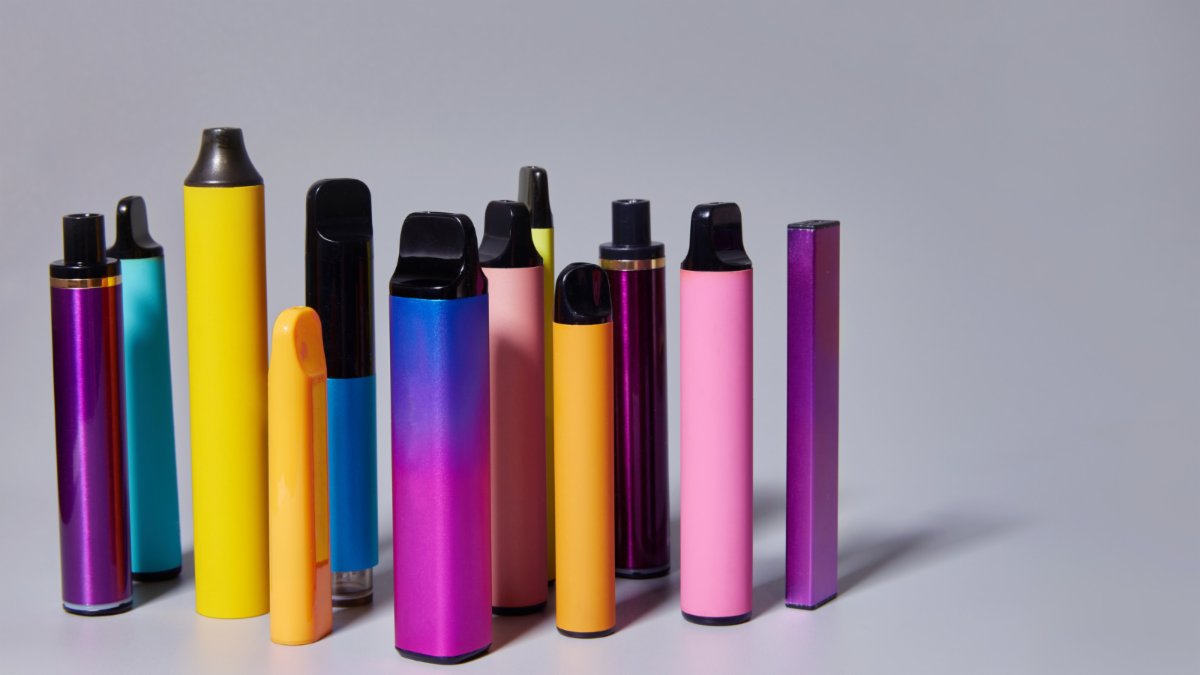
California’s Assembly Bill 762 would prohibit the sale and distribution of all single-use vape devices—products that have become a leading source of toxic e-waste and underage nicotine consumption.
Single-use vapes are inexpensive, brightly packaged, and easy to conceal, making them the product of choice among youth users. But beyond public health concerns, they also pose major challenges for recycling systems. These devices embed lithium-ion batteries directly inside nicotine- or cannabis-filled cartridges, making them nearly impossible to dismantle safely. As a result, most are disposed of due to contamination and fire risk.
Reusable vapes, by contrast, allow batteries and pods to be separated for recovery.
Although many flavored vape products are already banned under state and federal law, enforcement remains difficult. AB 762 would expand the state’s ability to crack down on these devices, including cannabis vapes, and authorizes the Attorney General to pursue civil penalties and recover disposal costs.
This bill is part of a broader product stewardship movement to phase out unnecessary, toxic, and non-recyclable products at the point of sale.
PSI is closely tracking this legislation. You can read the full bill text here. For additional analysis and updates, visit our 2025 Legislative Updates — available to PSI members and partners.
| | FDA-APPROVED OPIOID MAIL-BACK PROGRAM NOW AVAILABLE | | |
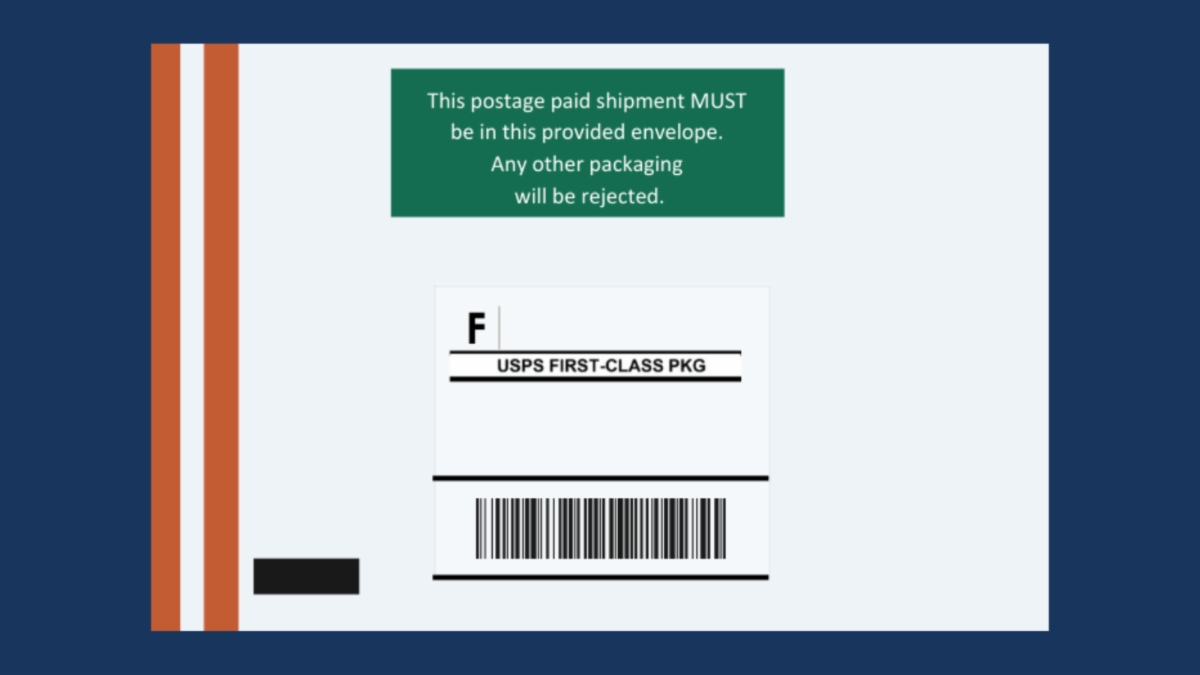
A new federal initiative is helping reduce the risks of opioid misuse through safe, accessible medication disposal. The FDA-approved Federal Opioid Mail-Back Program provides prepaid envelopes for patients to return unused opioid medications—free of charge and from any mailbox. Pharmacies, healthcare providers, and outpatient facilities that dispense opioid medications can now request and distribute these envelopes to improve patient safety, support compliance, and prevent environmental contamination.
Here’s how it works:
- Pharmacies and clinics request FDA-approved mail-back envelopes
- Envelopes are distributed at the point of prescription (i.e., when dispensing eligible opioids)
- Patients seal and return unused opioids via USPS—no cost, no questions
- Medications are destroyed in compliance with federal safety and environmental regulations
This program is part of the Opioid Analgesic REMS—a national effort required by the FDA and carried out by opioid manufacturers to help educate prescribers and reduce the risks associated with opioid use. The program is free for both providers and patients and helps prevent overdose, protect communities, and reduce environmental harm. Learn more here.
| | WASHINGTON’S PACKAGING EPR BILL: A NEW STRATEGY IN A SHIFTING LANDSCAPE? | | |
Washington is now advancing a packaging EPR bill that proposes a phased-in transfer of responsibility to producers—marking a different approach from the fully producer-funded and managed programs seen in Colorado and California.
The bill shares similarities with Minnesota’s model, which gradually shifts financial and operational responsibility to producers over time. While this stepwise structure has gained support from some industry stakeholders, particularly for its perceived predictability and planning runway, others continue to advocate for more immediate and comprehensive producer responsibility.
As policymakers weigh tradeoffs between implementation speed, stakeholder alignment, and administrative feasibility, the question of how—not just if—EPR is adopted remains a central issue.
Key features of the Washington bill include:
- A structured transition period to support PRO establishment and regulatory infrastructure
- Strong roles for local governments in oversight and implementation
- The Reuse Financial Assistance Program, funded by producers, to support eligible entities in expanding reuse and refill solutions in their communities
- A phased-in reimbursement requirement—at least 50% of total net costs by 2030, 75% by 2031, and 90% by 2032 and beyond—mirroring Minnesota’s timeline
- A preliminary needs assessment to inform the PRO’s program plan, followed by a statewide needs assessment every five years, consistent with Minnesota’s approach
- A comprehensive definition of “producer,” closely aligned with Minnesota’s language
Read more about Washington’s latest bill here.
| | A MUST-READ FOR ALL EPR PROFESSIONALS! | | |
PERSPECTIVES ON PRODUCT STEWARDSHIP:
Navigating an extended producer
responsibility path to a circular economy
by Scott Cassel, CEO and Founder of PSI
| | Learn about the emergence of the EPR movement in the U.S., Canada, and Europe; the basic elements and best practices reflected in all effective EPR bills; how to build consensus with other stakeholders; and key definitions, terminology, and issues. Includes in-depth case studies on how EPR bills were developed and laws implemented regarding packaging, paint, and batteries. | | |
Exploring EPR Legislation:
State Innovations and National Trends
from the National Recycling Coalition
April 15, 2025 | 2:00–3:30 PM ET | Free Virtual Event
Join the National Recycling Coalition (NRC) for a timely webinar exploring the evolving landscape of (EPR legislation in the United States. This session will highlight key state programs, recent policy developments, and implementation challenges across product categories. PSI CEO and Founder Scott Cassel will open with an overview of national EPR trends, followed by state-level insights from PSI’s members who are experts in Oregon, Minnesota, and Illinois.
Featured topics include:
- Oregon’s 2025 Battery EPR bill
- Minnesota’s newly enacted Packaging EPR law
- Illinois’ multi-product stewardship programs (electronics, pharmaceuticals, paint, and batteries)
Speakers will offer practical insights on what’s working, what’s not, and how policymakers, producers, and local governments can effectively navigate EPR implementation. A robust Q&A session will follow the presentations.
This webinar is ideal for recycling and waste professionals, policymakers, industry stakeholders, and environmental advocates interested in how EPR is reshaping materials management nationwide.
| | (StudioThreeDots / Canva Teams) | |
- Plastic producers in Washington were required to register and report by April 1 to comply with the state’s recycled content law, with Notices of Violation set to be issued on April 15. Read more.
- Alberta began phasing in its new EPR system on April 1, shifting responsibility for packaging, paper products, and single-use items to producers. Read more.
- At the upcoming Global Pouch Forum in June, leaders will explore the future of flexible packaging, including how recyclability and EPR policies are reshaping design strategies. Read more.
- A new AI-powered study from Closed Loop Partners highlights strategies for improving food-grade plastic recovery in recycling facilities—a key challenge for brands aiming to meet EPR goals. Read more.
- Massachusetts waste leaders are urging faster action on EPR for batteries, universal organics disposal, and local landfill alternatives amid climate pressures. Read more.
| | The Product Stewardship Institute is a policy expert and consulting nonprofit that pioneered product stewardship in the United States. Since 2000, PSI has helped enact 141 extended producer responsibility (EPR) laws across 20 product categories in 33 states — the bedrock on which the circular economy is built. We work with businesses, nonprofits, academia, and governments to ensure that products are responsibly managed from design to end of life. Join us at www.productstewardship.us. | | |
The Product Stewardship Institute, Inc. is an equal opportunity employer and provider. Persons with disabilities who require alternatively formatted materials to ensure effective communication should contact Amanda Nicholson at info@productstewardship.us or 617.236.4855.
| | | | |