|
RSA August 2026 Newsletter | Your Monthly Letter Straight from the Tap |
| | |
Modernizing the Lake of the Woods Vacuum Sewer System
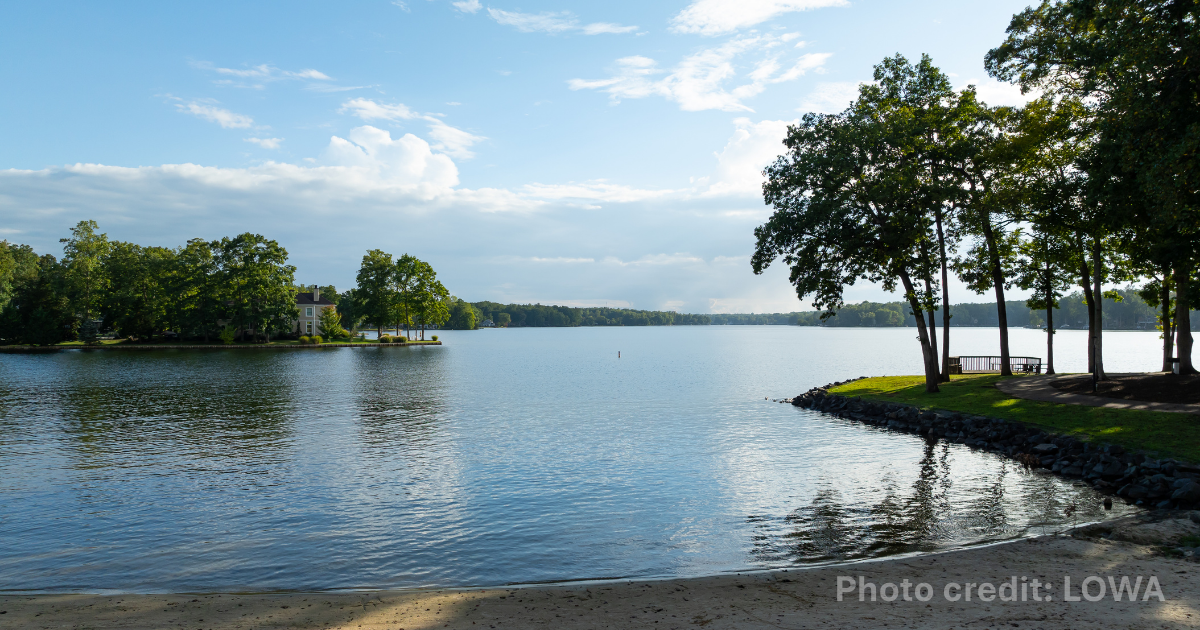
Lake of the Woods (LOW) residents are seeing the first tangible product of the new monthly Vacuum Sewer Upgrade Fee of $23.50, which was established to fund the necessary rehabilitation, replacement, and modernization of LOW wastewater infrastructure.
The Rapidan Service Authority (RSA) Board of Members has directed staff to proceed with an initial project with Wade Trim Associates, Inc., marking the formal launch of a comprehensive sewer system evaluation and implementation plan. This project will enable RSA to proceed in a methodical, responsible manner to address the challenges of an aging infrastructure network.
RSA has rehabilitated the system since first acquiring it in 1987, working to bring the frequency of overflow events from 50-60 per day down to less than 1 per day. These events occur because of the design of the vacuum system—where air is used to pull wastewater to 13 pumping stations. In traditional gravity systems, a small pipe leak isn't a problem—a small amount of groundwater may enter the pipe and increase the burden on the treatment plant. But in a vacuum system, a small piping leak or malfunctioning valve allows air into the pipes, thus destroying the vacuum and the ability to pull sewage from individual collection tanks. Vacuum sewer systems are rare in Virginia, where our rolling topography is more suited for gravity systems. The LOW system was built before the implementation of modern vacuum sewer design standards. It is also one of the largest systems in the Commonwealth, so upkeep and rehabilitation are no small tasks.
Rather than moving forward without a clear map, this first project focuses on building a solid engineering foundation. Wade Trim's team will review historical records, evaluate operational data, conduct targeted on-site field visits with RSA staff, and establish a risk-based prioritization framework to guide future capital investments and station replacements.
RSA is committed to maintaining open, transparent communication with the community and LOWA staff throughout these improvements. As this multi-step modernization effort unfolds, there will be dedicated opportunities for LOW residents to ask questions, review findings, and learn more about the critical work being done to secure the wastewater system's future.
RSA will keep the community informed every step of the way as upgrade fees translate into real, lasting improvements on the ground. For those interested in the details of the scope and schedule, the approved project order is available for review in the August 2026 meeting agenda packet on RSA’s website: https://www.rapidan.org/meeting-agendas.
| | |
Madison County Infrastructure Upgrades
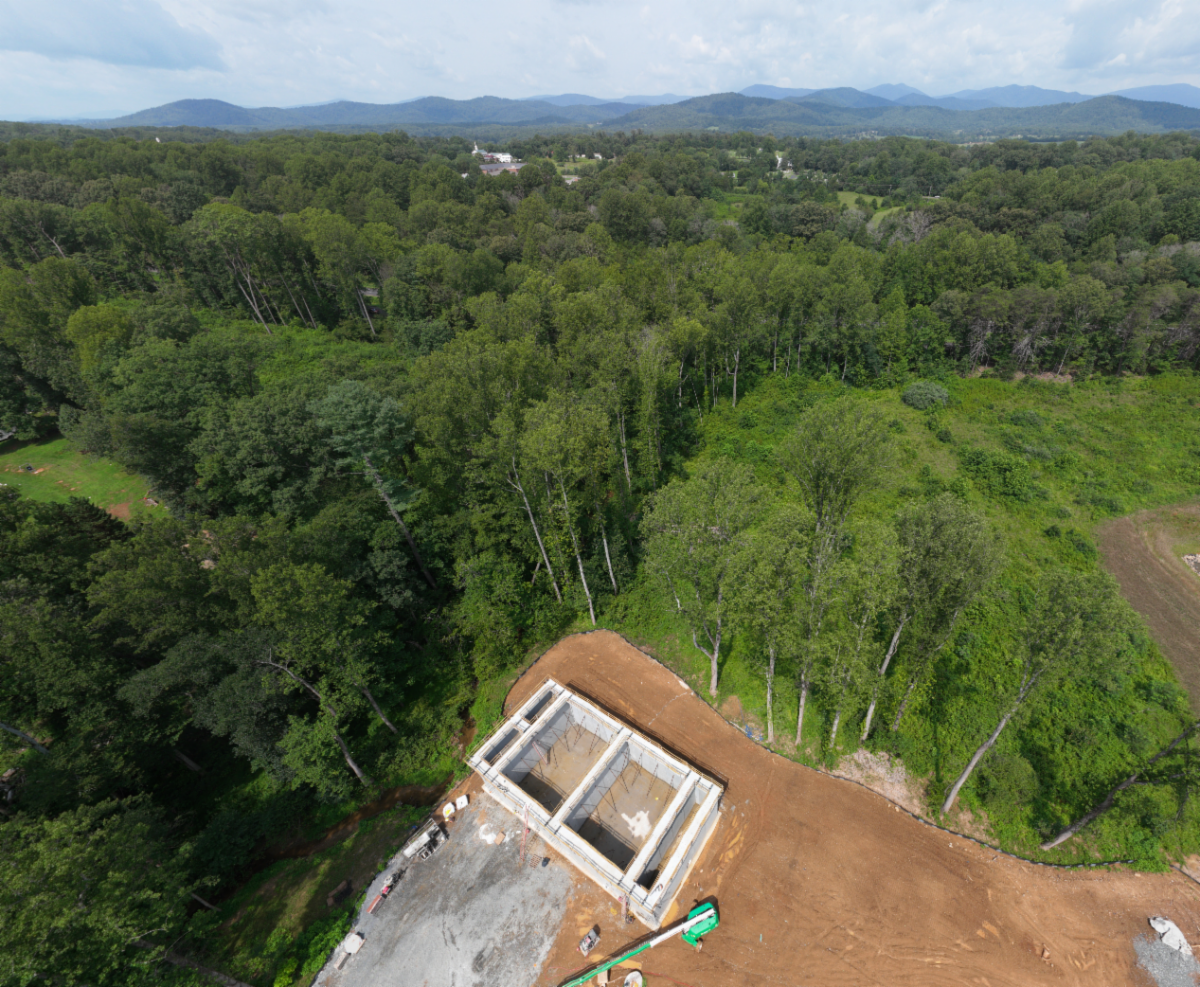
Big plans are in the works for upgrading the water and sewer infrastructure in Madison County. In order to support the economic growth of the region and increase the capacity and resiliency of the water and sewer systems, the Rapidan Service Authority Board of Members approved funding for three major initiatives to that effect. Upcoming upgrades in the county include:
- Enhancements of the drinking water system:
- Construction of approximately 17,500 feet of water lines to replace aging infrastructure and add redundancy
- Completing a new distribution system loop from Main Street to Fishback Road and back to Maple Drive to enhance flow and reliability
- Installation of a water storage tank mixing system and sampling stations
- Electrical upgrades at the water plant, including a generator and ATS
- Our new wastewater treatment plant is already in the works, doubling its capacity from 80,000 gallons per day to 160,000 gallons per day. To accommodate this increased capacity, a new outfall line must be constructed from the plant to a new discharge point in the Robinson River.
- Development of a clear Capital Improvement Plan to ensure sustainable growth in the area by inspecting facility conditions, creating new Hydraulic models to replicate operating constraints, and to outline future projections, alternatives, financial structures, and prioritized recommendations for growth in the region.
The water system improvements will be made possible by a $6 Million loan from the Virginia Department of Health, including $1.3M in grant funding. RSA is eager to see these proposed improvements become reality over the next few years.
| | |
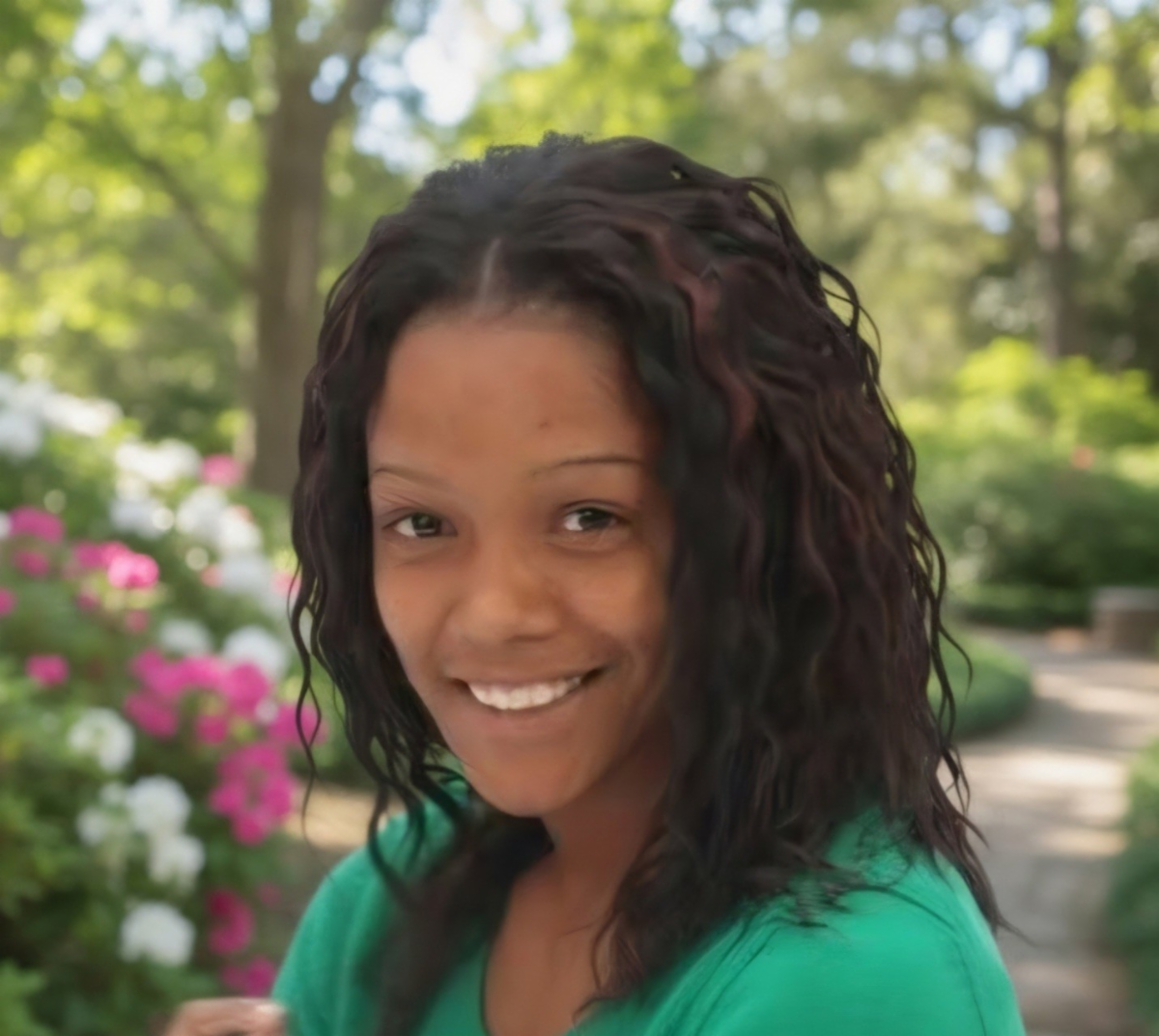
Rachel Washington, Customer Service Representative
I began working for the Rapidan Service Authority in November 2023. What makes working here so special is the supportive environment and my colleagues. Every day, I enjoy helping our customers navigate the things they might find confusing, whether that’s setting up autopay or simply walking them through a required form. Knowing I can make someone's day a little easier brings me genuine happiness.
One of my favorite parts of working at RSA is the customers; they never cease to amaze me. A couple of days after my grandmother passed away in 2024, a customer came in to make a payment and gently asked, "What’s wrong? You’re not yourself today." I told her about my loss and she said, "Sweets always make my down-in-the-dumps days better—what are your favorite treats?" I told her and to my absolute surprise she returned an hour and a half later with homemade chocolate chip cookies and peanut butter cookies. It was a nice reminder of how incredible the people in this community can be.
When I'm out of the office my world revolves around my little one! We like soaking up sunshine at the park and playing games. Keeping up with him keeps life feeling wonderfully vibrant and full of energy.
| | |
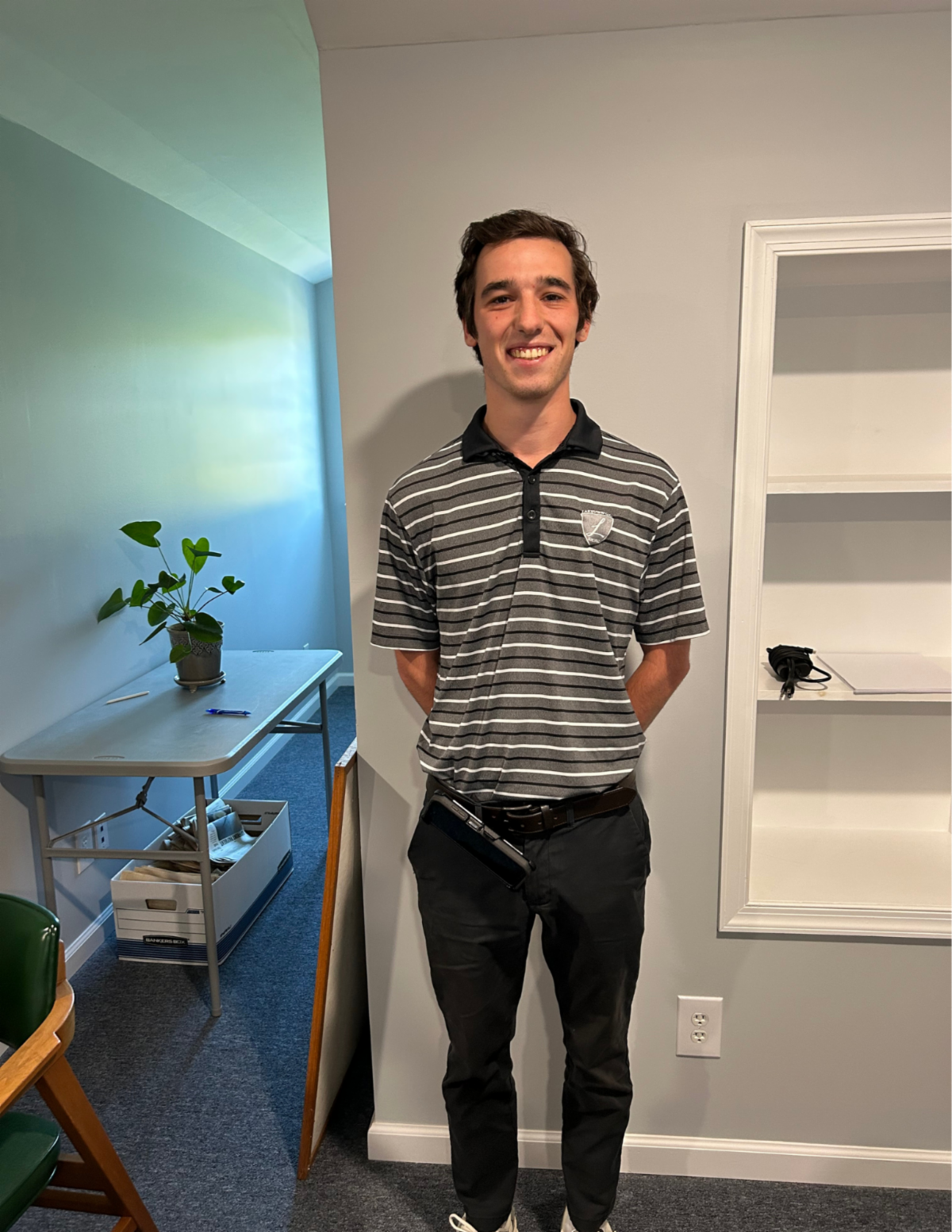
Nolan Carney, GIS/CMMS Technician
I started working for the Rapidan Service Authority just under three years ago, and I'm still learning every day. That's been one of my favorite parts about working here actually—I really enjoy learning and then applying my skills for practical issues. The water industry is endlessly interconnected, there's always room for optimization, and being able to employ my GIS training to a system like this is really satisfying work.
It doesn't hurt that our office is a great place to work either. One of my favorite things we do is each month we hold a joint breakfast celebration for everyone's birthdays that month. Eggs, skillet potatoes, and gravy have become the staple, and I don't think anyone ever wants to change that up. It's really nice to have all of your coworkers gathered around a meal, feel some camaraderie, and hear about all of the various interesting projects people are working on.
If my girlfriend and I aren't busy taking a road-trip or visiting an amusement park on the weekend, you can usually find me playing golf and watching football.
| | |
Groundwater Shortage in Eastern Virginia
Problems old and new
A new study released by the Department of Environmental Quality (DEQ) this year lays bare a startling water landscape for Eastern Virginia. The report analyzes the groundwater supply east of I-95—an area generally encompassed by the Virginia Coastal Plane (VCP) aquifer system, and home to intense industrial water consumption.
The study outlines a few Key Points, calling out some less than expected industries:
- Under current conditions, the "VCP aquifer system has limited capacity for [any] significant new withdrawals" (upper being 360,000 gallons per day). This means that any new industrial water-use application would be denied.
-
Within the VCP as of 2024, the Franklin and West Point paper mills account for 67.2 million gallons of water per day — or 43%, of total reported groundwater withdrawals across the VCP for all use types.
- Because of major withdrawals, the inland groundwater levels have declined to below sea level, causing subsidence (sinking), and the potential for saltwater to enter the aquifer.
This article arrives on the heels of increased data center permit applications. A recent study shows that data centers in the Washington Metropolitan area consume a combined 4 million gallons per day on average and are expected to increase fourfold by 2035. While data centers account for a large amount of current and future water withdrawal, the report signifies that tech isn't the only industry deserving of scrutiny as Virginia moves to manage its strained water supply.
The brighter side
Groundwater in eastern Virginia has its own champion though, and that is Hampton Roads Sanitation District's (HRSD) Sustainable Water Initiative for Tomorrow (SWIFT). This avant-garde sewage treatment facility is treating wastewater to meet drinking water standards and directly injecting it into the Potamic aquifer (the largest part of the VCP aquifer). This is a tactic that's becoming more common across the US in areas where population density and agriculture are putting a strain on water-availability. The research plant for SWIFT will inject up to 16 million gallons (MGD) back into the aquifer per day by the end of the year and has a target of 50 MGD by 2029.
Engineers at HRSD have long had eyes on the VCP and the Potomac aquifer's lowering water levels. Groundwater in the Hampton Roads area is much more susceptible to subsidence (sinking) because of saltwater intrusion near the coast and is more at risk for contaminating their drinking water. Refilling the aquifer restores pressure to the area and prevents subsidence. The SWIFT facility just hit their benchmark of 1 billion gallons of water returned to the Virginia Coastal Plane aquifer system.
|
Record Breaking $302 Million Funding for Virginia Farmers
Virginia farmers and water quality won big this legislative session, with a record breaking $304 million funding grant through the Virginia Agricultural Best Practices Cost-Share Program. Known as the VACS program, it provides financial assistance to qualifying farmers to adopt or install over 60 Best Management Practices to improve soil and water health. It began in 1984 to improve the quality of water entering the Chesapeake Bay and has since expanded across the entire Commonwealth. VACS is administered through the Virginia Soil and Water Conservation Districts, and promotes measures like installing riparian buffers, planting cover crops, and developing nutrient-management plans.
This funding is especially important during a drought year, as implementing Best Practices in agriculture has direct implications to water use and quality. Practices such as cover crops and conservation tillage improve soil health, making it better at absorbing rainfall and resisting drought effects. You can apply for funding through your local Soil and Water Conservation District: https://www.dcr.virginia.gov/soil-and-water/cmwarehouse.
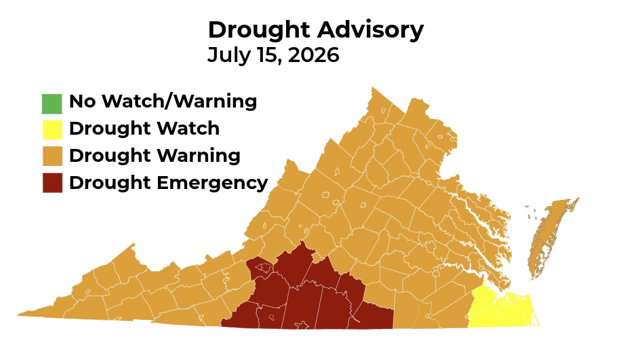
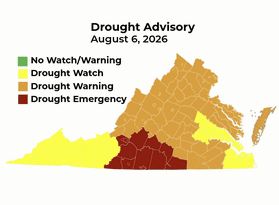
Speaking of drought, conditions across Virginia improved, with 6-10 inches of rain failling from mid-July to mid-August across much of the Commonwealth. Most of Virginia is still under a Drought Warning, but DEQ brought 10 counties down to a Drought Watch level, and Extreme drought dropped from 8% of the Commonwealth to 4%.
DEQ drought maps for July and August:
| | |
Water Wins
Water management sciences are far from stagnant, and there's an exciting array of finalists for Europe's Water Discovery Challenge. The challenge is part of the Water Innovation Fund and is designed to accelerate technology that can help us respond to increasing environmental and water challenges. Here are some of the top breakthroughs that brought contestants to the final round;
- Treating wastewater through tertiary systems, primarily water fleas
- Destroying forever chemicals by using ultrasound technology to create microscopic bubbles
- Using black soldier fly larvae to help clean sewage sludge and screenings
While Europe was developing future technologies, Virginia celebrated multiple conservation wins. A major shoreline restoration project on Ragged Island was recently completed, which rebuilt 1.09 miles of shoreline, 2.6 acres of new marsh, 2.2 acres of oyster reef, and cut hundreds of tons of sediment from entering the Chesapeake Bay.
Upstream of Ragged Island, the James River Association is celebrating 50 years of stewardship. In 1975, the James was closed to all fishing from Richmond to Hampton Roads, due to a spill of an insecticide called Kapone. The James has arguably gone from one of the most polluted to one of the healthiest rivers in Virginia since the Association formed in 1976. They have spearheaded conservation initiatives such as the Lower James River Corridor Study, which tied historic and man-made features along the river to its natural beauty and benefits—creating a framework for conservation on the river. Continued advocacy and integration with neighboring groups eventually led to the passing of the Virginia Water Quality Improvement Act.
Other Water News
| | | Rapidan Service Authority | 2445 S Seminole Trail | Madison, VA 22727 US | | | | |