|
July Letter from the CEO
Krystin Albert; RN, BSN
Staying Safe in the Summer Heat
Summer brings sunshine, longer days, and more opportunities to enjoy time at home and outdoors. While the season can be refreshing and uplifting, warmer temperatures can also pose serious health risks for some individuals.
Older adults and those living with chronic health conditions are especially vulnerable to heat. Their bodies may not adjust as efficiently to rising temperatures, increasing the risk of dehydration, heat exhaustion, and even heat stroke. Certain medications and reduced mobility can further heighten these risks.
Paying close attention to small details can make a meaningful difference in keeping a loved one safe, comfortable, and well during the summer months. Staying properly hydrated is essential—encourage drinking fluids regularly, even if there is no feeling of thirst. In general, aiming for about 6–8 cups (48–64 ounces) of water daily is helpful unless otherwise directed by a healthcare provider. Fluid intake should increase during hot weather or physical activity, and good choices include water, electrolyte drinks, and low-sugar beverages, while limiting caffeine and alcohol. Foods with high water content, such as fruits and vegetables, can also support hydration.
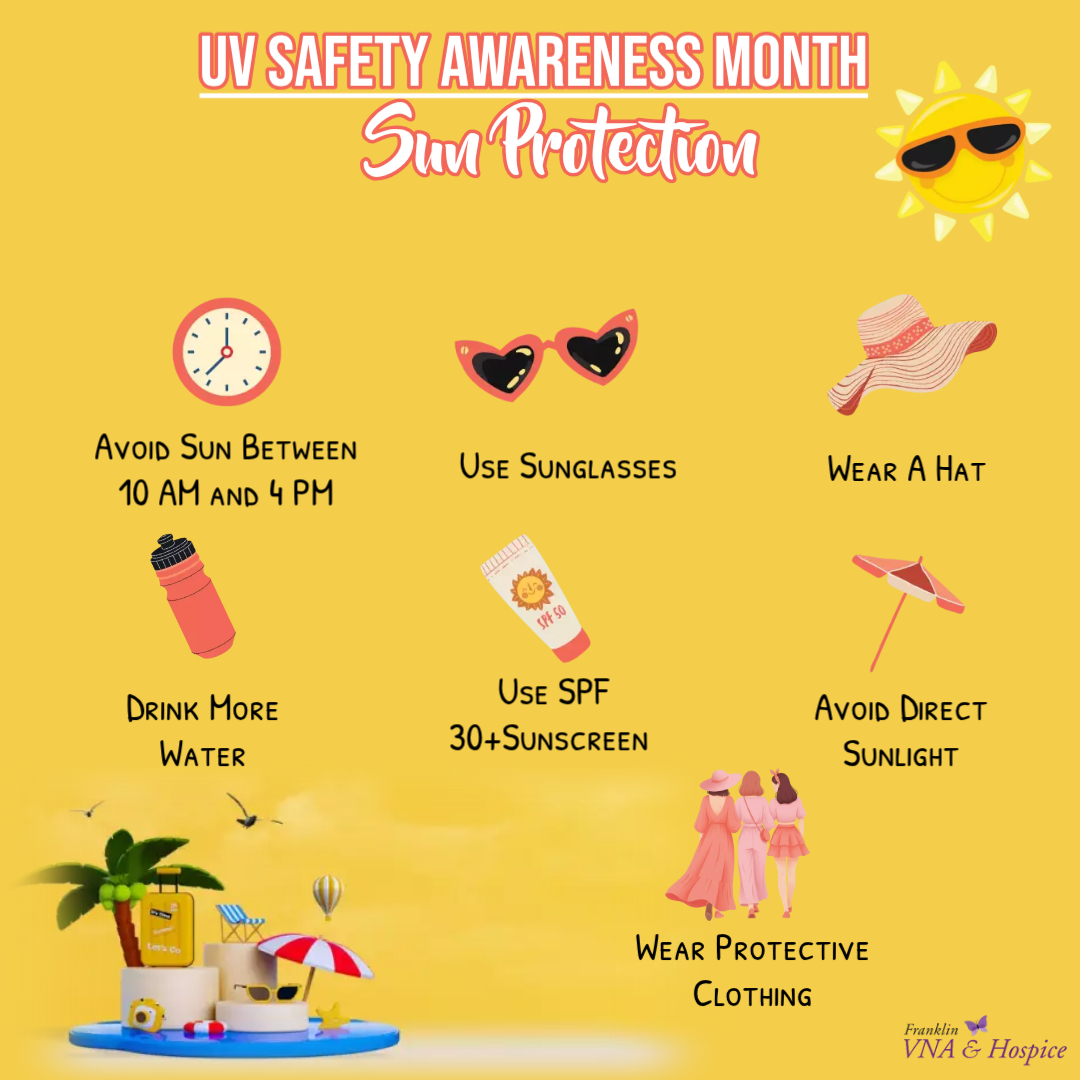
Keeping cool is equally important. Using air conditioning or fans and avoiding prolonged exposure to hot environments can help maintain a safe body temperature. Dressing in lightweight, loose-fitting, and light-colored clothing can improve comfort, and outdoor activities should be limited during peak heat hours, typically between 10 AM and 4 PM. When spending time outdoors, applying a broad-spectrum sunscreen with SPF 30 or higher is key, along with reapplying it every two hours. Sunscreen not only protects the skin but also helps prevent sunburn, which can interfere with the body’s ability to regulate temperature.
It is also important to recognize early warning signs of heat-related illness. Symptoms such as dizziness, fatigue, headache, nausea, muscle cramps, or excessive sweating should not be ignored. More serious warning signs include hot, dry skin, confusion, rapid pulse, or changes in mental status. If these symptoms develop—especially confusion, fainting, or a high body temperature—medical attention should be sought immediately, as they may indicate heat stroke, a life-threatening emergency.
With care, awareness, and preventive action, you can help ensure that summer remains a safe and enjoyable time for everyone.
Thank you for choosing Franklin VNA and Hospice as your Home Health and Hospice agency and for sharing your experience with our services with others. It is because of you that we are able to continue to remain a small independent hometown agency.
|