Your Complete Guide to Health and Safety in the Workplace | |
March 2026
Stay alert and drive safely as we transition into the warmer months.
|
| 25 Years of Wilkens Health and Safety Solutions (WHSS) | | |
This March, we’re proud to celebrate Wiebke Wilkens and her 25-year journey as a dedicated health and safety consultant!
Since founding Wilkens Health and Safety Solutions in 2001, Wiebke has provided businesses with expert guidance on evaluations, training, and managing WSIB claims. Her extensive career includes leadership roles at Queen’s University and the Ontario Ministry of Labour, along with significant volunteer contributions to community safety initiatives.
Wiebke’s commitment to injury prevention and workplace safety has earned provincial and national recognition, including awards from the Canadian Association of University Business Officers (CAUBO), the former Health and Safety Association, the Industrial Accident Prevention Association (IAPA), as well as induction into the Most Venerable Order of the Hospital of St. John of Jerusalem.
Read more about her inspiring journey in the Fine Lifestyles Magazine “Women of Achievement” edition!
| | Steps For Life 2026 - Walk With Us May 2nd, 2026 | | |
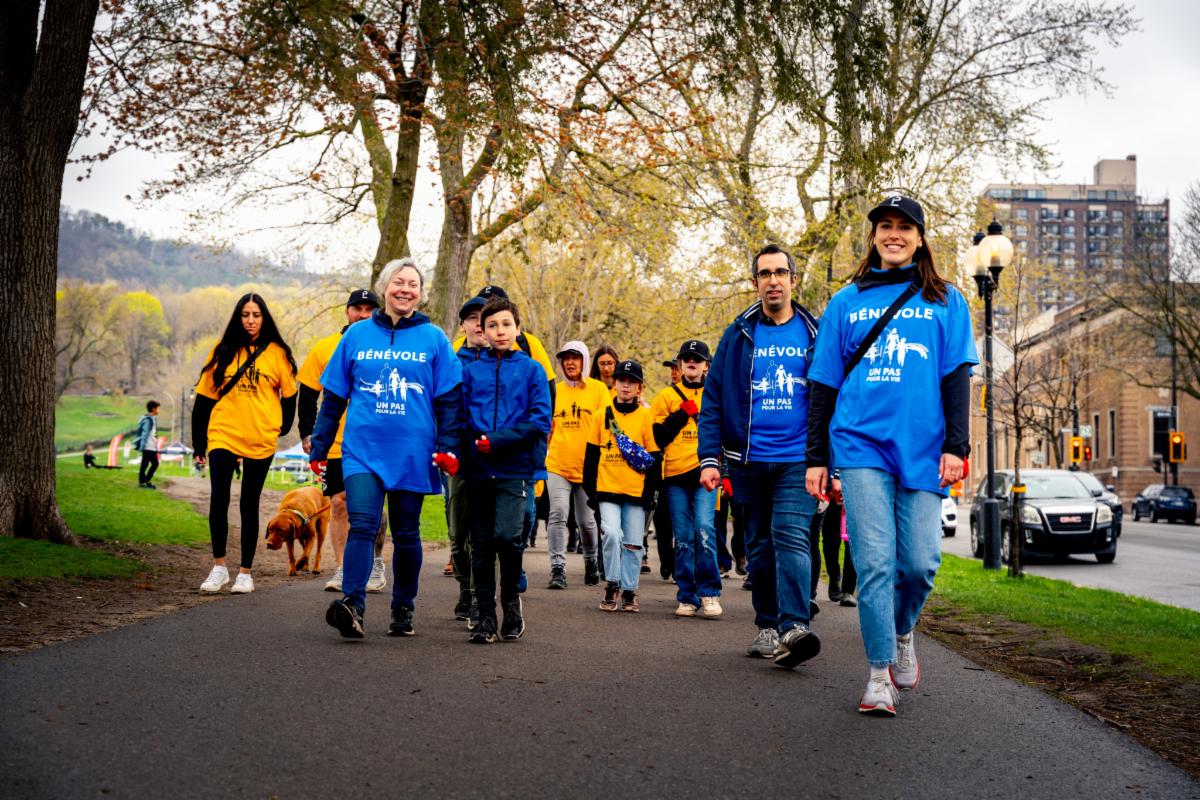
On Saturday, May 2, 2026, our community will come together for Steps for Life, the annual 5-km walk in support of families affected by workplace tragedy.
Every year in Canada, close to 1,000 workers are killed on the job or die from work-related injuries or illnesses. Behind every number is a person, a family, and a story that deserves to be heard.
Steps for Life is the premier national fundraising event for Threads of Life, raising awareness and critical support for families who have lost a loved one or whose lives have been forever changed by a workplace tragedy. This meaningful event is proudly hosted in Kingston by Wilkens Health & Safety Solutions at the Little Cataraqui Creek Conservation Area.
We are currently seeking walkers, teams, volunteers, and donations to help make this event possible. By participating, you’re helping ensure these families know they are not alone and that their loved ones are never forgotten.
If you’re interested in registering yourself or a team, volunteering, or learning more about the Kingston walk, please contact Rebecca Sousa at rsousa@whss.ca.
Together, we walk to remember. Together, we walk to support.
Keep updated by following @stepsforlife_kingston
| | Daylight Savings Reminder | | |
As we spring forward this Sunday, March 8th, 2026, at 2:00 AM for Daylight Saving Time, Wilkens Health & Safety reminds you to set your clocks ahead one hour. While the extra evening light is a welcome change, it's important to be aware that this shift can temporarily disrupt sleep patterns, alertness, and circadian rhythms. This adjustment is linked to an increased risk of traffic collisions, workplace injuries, heart-related events, and general fatigue during the transition period. To help ease the transition and stay safe, consider the following tips:
Ease the transition for your body
• Start adjusting your sleep schedule a few days before the change by going to bed and waking up 10–15 minutes earlier each day.
• Prioritize good sleep hygiene by sticking to a consistent bedtime, avoiding screens before bed, and limiting alcohol and heavy meals at night.
Drive with extra care
• Be especially alert on Monday and the following days as traffic accidents tend to be more frequent as people adjust.
• Allow extra travel time, avoid distractions on the road, and be mindful of pedestrians and cyclists as routines shift.
Protect health and alertness
• Get morning sunlight when possible as exposure to natural light helps reset your body clock.
• If you're feeling especially tired, plan lighter tasks early in the week or consider flexible scheduling.
Daylight Saving Time brings longer evenings, but the transition can affect your sleep and safety. By taking a few proactive steps, you and your team can stay healthy and focused as we welcome the season of longer days.
| | Road Safety Presentations Available | | |
The Ontario Outreach and Education office is pleased to offer a variety of road safety presentations for the public. These presentations are FREE, available in both English and French, and can be delivered in person or online, typically lasting one hour. They are now booking for the Spring and Summer months. Below is a list of available presentations, each designed to address different road safety topics:
Winter Driving:
Learn how to prepare your vehicle and yourself for winter conditions, practice safe winter driving techniques, and understand winter road maintenance.
Vulnerable Road Users:
Gain insight into protecting pedestrians, cyclists, motorcyclists, and yourself as a vulnerable road user. Review the rules of the road and how to safely navigate around buses, commercial vehicles, and more.
Renewal of Licence for 80+:
Understand the requirements for drivers over 80, including what to expect at Service Ontario, how to protect yourself from fraud, and who must pass a driving test.
Micromobility and E-Scooter in Ontario:
Explore what micromobility and e-scooters are, the requirements for riders and vehicles in Ontario, and where you can ride them.
General Road Safety:
Covering pedestrian safety, seatbelts, child car seat safety, school bus safety, emergency vehicles, distracted driving, impaired driving, and more.
How to Get Your Driver’s Licence:
Learn the steps to obtain your Ontario driver’s license, including the graduated licensing system, road safety priorities, and the rules of the road.
Child Car Seat Installation:
This hands-on presentation offers detailed instructions on properly installing car seats and provides valuable safety tips for keeping children safe on the road.
Impaired Driving:
Using the Intoxiclock party simulator, explore the effects of alcohol on the body, bust myths about sobering up, and learn how to stay safe at parties and plan a safe ride home.
Distracted Driving:
Learn about the dangers of distracted driving, the myths surrounding mobile phone use, and tips to avoid distractions while driving.
Safe ATVing & Snowmobiling:
Review key statistics, stay safe on and off the road, understand the rules, and learn about the consequences of unsafe riding.
Cycling & Pedestrian Safety (Children):
Learn helmet fitting, bike safety, safe walking practices, and how to stay safe around rail crossings and vehicles.
If you’re interested in booking a presentation or would like more information, please reach out to the Ontario Outreach and Education office directly. Let’s work together to promote a safer road environment for all.
| | Snow Days for the Workplace: Legal Risks for Employers | | |
As winter storms continue to impact Ontario and Quebec, employers need to be aware of the potential legal risks associated with calling snow days, or deciding not to. From unsafe work refusals to human rights considerations, winter weather can create several challenges for both employees and employers. Employment lawyer Aaron Zaltzman of Whitten & Lublin explains how these issues can affect workplace policies and employer responsibilities.
Commuting and Refusal of Unsafe Work
Employers should consider the safety implications when asking employees to commute during dangerous weather. If an employee refuses to work due to unsafe travel conditions, it could trigger an obligation under the Occupational Health and Safety Act for refusal to perform unsafe work, as commuting is considered part of the work process. Zaltzman advises employers to carefully assess whether in-person attendance is truly necessary, particularly when public safety advisories warn against traveling.
Emergency Snow Day Plans and Policies
Employers are encouraged to have a flexible work arrangement in place, especially for emergency snow days. This can include using remote work when possible. Zaltzman emphasizes the importance of being proactive by identifying roles that can be done remotely and ensuring that communication channels are clear during storm events. Establishing clear policies for vacation scheduling and snow-day closures can help reduce confusion during emergencies.
Family Status and Accommodation
With school closures often occurring during snow days, employees may face unexpected childcare challenges. Employers must be cautious about handling family status issues. If an employee is unable to work due to childcare needs, such as a child being home from school, employers must make reasonable accommodations to avoid potential discrimination claims.
When Work Refusal Becomes Insubordination
Not all disagreements about whether to come into work during a storm will be classified as unsafe work. In some cases, employees may refuse to work, believing the conditions are too dangerous, while employers may view the refusal as insubordination. Zaltzman advises employers to approach these situations carefully, ensuring that they respond in a way that respects legal boundaries and workplace policies.
Workplace Safety Obligations During Winter Weather
Employers must remember that their usual obligations to provide a safe working environment remain in effect, even during extreme weather conditions. Ensuring that parking lots, walkways, and entrances are clear and safe is essential. Any injury resulting from unsafe conditions could be considered a workplace injury, subject to WSIB claims.
Read the full article on Snow Days for the Workplace: Legal Risks for Employers here
| | International Women's Day 2026: 'Give To Gain' | | |
The theme for International Women's Day 2026 is 'Give To Gain.' When we give, we gain. Together, we can forge gender equality through generosity and collaboration.
The Give To Gain campaign encourages a mindset of reciprocity and support, emphasizing that when people, organizations, and communities give generously, opportunities for women increase. Giving is not a subtraction, but intentional multiplication. When women thrive, we all rise.
Whether through donations, resources, visibility, advocacy, education, or mentoring, contributing to women’s advancement helps build a more supportive, interconnected world.
What will you give to gain gender equality?
As individuals, giving support can mean calling out stereotypes, challenging discrimination, celebrating women’s success, and sharing knowledge. From small gestures to large commitments, there are endless ways to make an impact.
The Give To Gain movement invites us to show solidarity through the simple, powerful gesture of open hands—representing giving and receiving. Strike the Give To Gain pose and share your image and statement using the hashtag #GiveToGain.
How will you give to gain?
Ideas for supporting the campaign:
- Give respect, donations, visibility, knowledge, and resources
- Give funding, justice, mentorship, safety, and equal pay
- Give opportunities, growth, role models, and access
Remember, all IWD activities are valid. Whether it’s through workplace initiatives, community outreach, or personal actions, every contribution counts. Let’s all come together to celebrate the 115th International Women’s Day and make a meaningful difference in the fight for gender equality.
Learn more at www.internationalwomensday.com
| | Moral Injury: The Hidden Psychosocial Risk Health and Safety Leaders Can't Ignore | | |
Moral injury, a form of psychological harm caused by situations that conflict with an individual’s core values, is often discussed in high-risk professions but is increasingly relevant in everyday workplaces. The Canadian Armed Forces (CAF) defines moral injury as a severe response to events where personal values clash with professional actions, leading to guilt, anger, diminished trust, and sometimes suicidal thoughts.
Moral Injury in the Workplace
Moral injury isn’t limited to military or emergency services. In everyday workplaces, such as retail, moral injury can arise when employees face dangerous situations like armed robberies, and the employer fails to offer adequate support or follow-up. This lack of response can lead to feelings of betrayal, especially when safety concerns are ignored.
Education and Workload
Moral injury is also evident in schools, where teachers face rising violence and institutional constraints. Similarly, when employees are overloaded with work and their concerns go unaddressed, they may feel that their employer is not taking steps to protect their mental health, which can lead to moral injury.
The Role of Safety Leaders
Health and safety leaders must treat moral injury with the same attention as physical hazards. This means identifying potential moral stressors, implementing structured debriefs, and training leaders to respond constructively to employee concerns. By addressing these issues, organizations can help prevent moral injury and protect the well-being of their workers.
Read the full article on Moral Injury: The Hidden Psychosocial Risk Health and Safety Leaders Can’t Ignore here.
| | |
Off-the-job safety
February 11, 2026 – Wayne Pardy: Off-the-job safety is often presented as a natural extension of an employer's commitment to worker wellbeing. In principle, that sounds reasonable. In practice, it often overreaches and risks undermining credibility and trust. At worst, it comes across as paternalistic and preachy.
Read more…
| | |
With Valentine's Day approaching, shoulder employers consider 'heartbreak' leaves?
February 2, 2026 – Stacy Thomas: A new report reveals that although the idea of formal "heartbreak leave" may sound unconventional, the policy already exists, albeit informally.
Read more…
| | |
Upcoming WHSS Courses
Register Your Employees Today!
All courses scheduled are offered following safe distancing protocols, as well as all other mandated safety protocols - this means fewer people being allowed to register for each course - allowing for safe participation.
Private on-site courses can also be arranged for groups of six (6) or more. Please contact Rebecca Sousa at 613.546.9814 ext. 2224 for more details.
WHSS continues to be a training partner for Working at Heights with the Infrastructure Health and Safety Association (IHSA). Contact us today to arrange your full or refresher course. Courses are scheduled on an as needed basis and can be held at your site or at a suitable training location.
For a complete listing of upcoming courses, click here or contact Rebecca Sousa at rsousa@whss.ca by email or 613.546.9814 ext. 2224 for more details.
| | |
"Specializing in incident prevention and mitigation strategies."
- Wiebke Wilkens
|
|
Contact Us
t: 613-546-9814 e: info@whss.ca
www.whss.ca
|
| | | |