|
Diabetes remains a significant health concern in Michigan. Nearly 11% of Michigan adults have been diagnosed with diabetes, with prevalence increasing sharply with age, according to the American Diabetes Association.
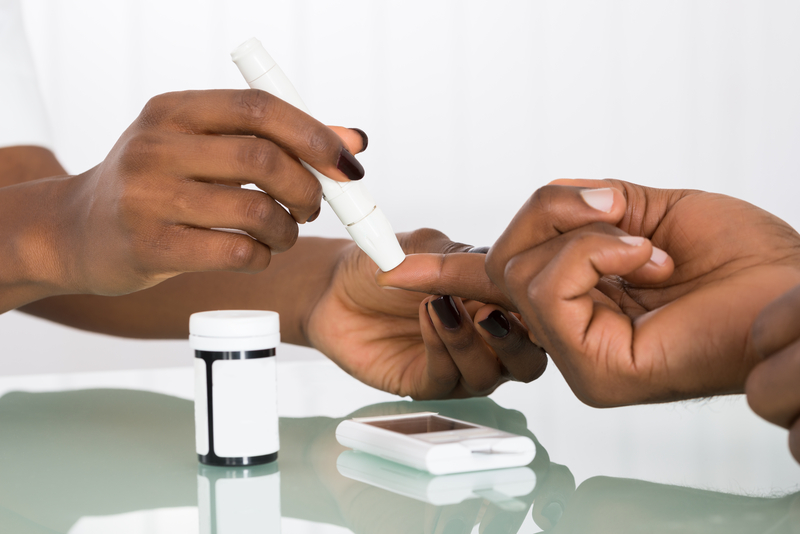
For these patients, regular A1C testing and active engagement in managing blood glucose are critical. Better glycemic control can help reduce the risk of serious complications, including heart disease, stroke, kidney failure, vision loss and nerve damage.
The HEDIS® "Glycemic Status Assessment for Patients With Diabetes" measure looks at patients ages 18–75 and their most recent A1C or glucose management indicator (GMI), including the percentage with glycemic status below 8% and the percentage in poor control, above 9%.
That makes two things especially important:
- helping patients improve their A1C
- making sure they get it checked regularly.
There is room for improvement in The Physician Alliance diabetes quality performance - and every patient interaction can make a difference.
Consider these opportunities:
- Know who is due. Use pre-visit planning and outreach to identify patients overdue for A1C testing.
- Make every result actionable. Discuss what the number means and set realistic, individualized next steps.
- Engage the whole care team. Nurses, pharmacists, care managers and other team members can reinforce education and follow-up.
- Close the loop. Ensure abnormal results lead to timely outreach, treatment adjustments and repeat testing when appropriate.
The Physician Alliance created a Diabetes Management Toolkit that helps practices engage patients in their care - the toolkit includes patient education materials, coding tip sheets, social media graphics and more. Find it here.
Improving A1C control is more than a quality measure. It can mean fewer complications and better outcomes for patients. It also strengthens practice performance on an important HEDIS measure tied to broader quality and value-based care initiatives. In Michigan, a statewide collaborative recently reported that hundreds of patients newly achieved A1C control through focused improvement efforts—proof that consistent attention can move the needle.
Every A1C checked is an opportunity. Every patient engaged is a step toward better health and better quality performance.
|