|
Turn and Live (Ezekiel 18:1-4, 25-32)
There are seasons when a community can feel tired of its own story.
We inherit things we did not choose. Family patterns. Cultural wounds. Systems that formed us long before we were old enough to name them. Sometimes it is easier to sigh and say, “This is just how it is. This is just who we are.”
In Ezekiel 18, the people of Israel voice a proverb that sounds suspiciously familiar: The parents have eaten sour grapes, and the children’s teeth are set on edge. In other words, we are suffering because of what they did. We are stuck because of the past.
God interrupts that narrative.
Through the prophet, God says something both bracing and liberating: each life belongs to me. Each soul matters. You are not locked inside someone else’s failure.
This is not a denial of history. Scripture never pretends that generational harm is imaginary. Trauma travels. Injustice echoes. Sin has consequences that ripple outward. We know this in our own families, in our nation, in the church.
But Ezekiel refuses fatalism.
God does not say, “You are doomed.”
God says, “Turn and live.”
It is one of the most pastoral lines in all of prophetic literature. God insists, “I have no pleasure in the death of anyone.” Not in literal death alone, but in the slow spiritual dying that happens when we give up. When we resign ourselves to repeating what wounded us. When we believe we cannot change.
Ezekiel 18 places both responsibility and hope in our hands.
Yes, our choices matter.
Yes, we are accountable for how we live.
But we are also free to begin again.
Our world often swings between blame and denial, this passage calls us into holy maturity. We do not scapegoat those who came before us, nor do we excuse ourselves from transformation. Instead, we stand before God as beloved, responsible, capable of repentance, capable of renewal.
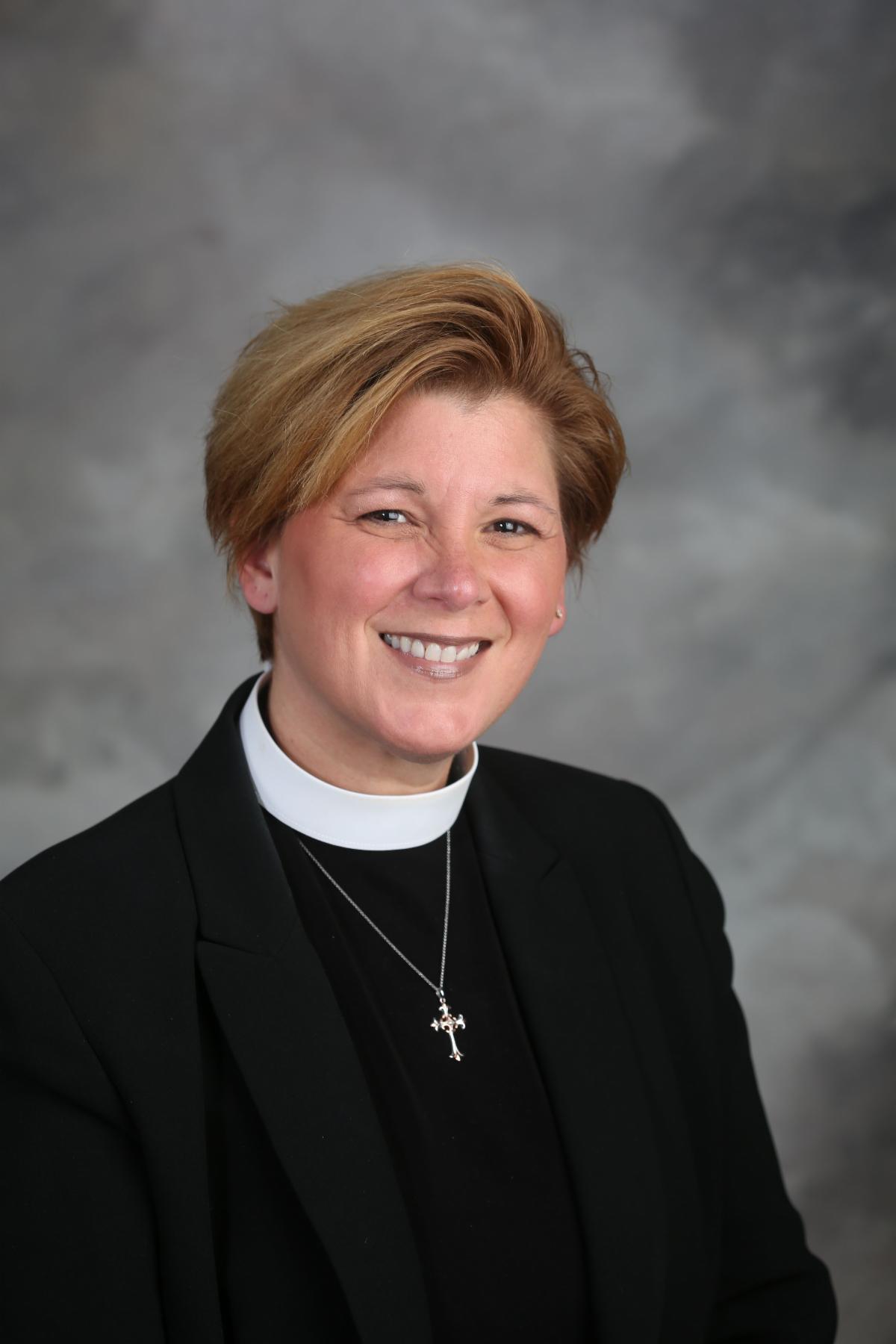
As your rector, I find this passage deeply encouraging for us as a parish family.
We are not bound to repeat patterns that no longer serve the Gospel. We are not trapped by yesterday’s missteps. We are not required to live out of old fears. If something in our common life needs turning, then we turn. If something in our hearts needs softening, then we soften. If something in our witness needs courage, then we ask the Spirit for courage.
The invitation is not harsh. It is tender.
Turn. Live.
This is the rhythm of Lent, and of every season. This is the quiet work of discipleship. This is what it means to trust that the God who formed us is still forming us.
Beloved, whatever you carry from your past, whatever story you think defines you, hear this clearly: you are not condemned to repeat it. You belong to God. And the God who claims you delights in your becoming.
May we have the courage to turn where we must, and the faith to trust that life waits on the other side.
With love and steady hope in Christ,
Mo. Allison+
|