|
Small Bites
August 2026
Creating opportunities to support & amplify regional food by sharing info & resources for relocalizing sales in a global marketplace
| | |
It is August, we want to be joyful with celebratory agriculture at farm & field day fairs, luscious Vermont creemees, & farms cranking out the products we are so well known for.
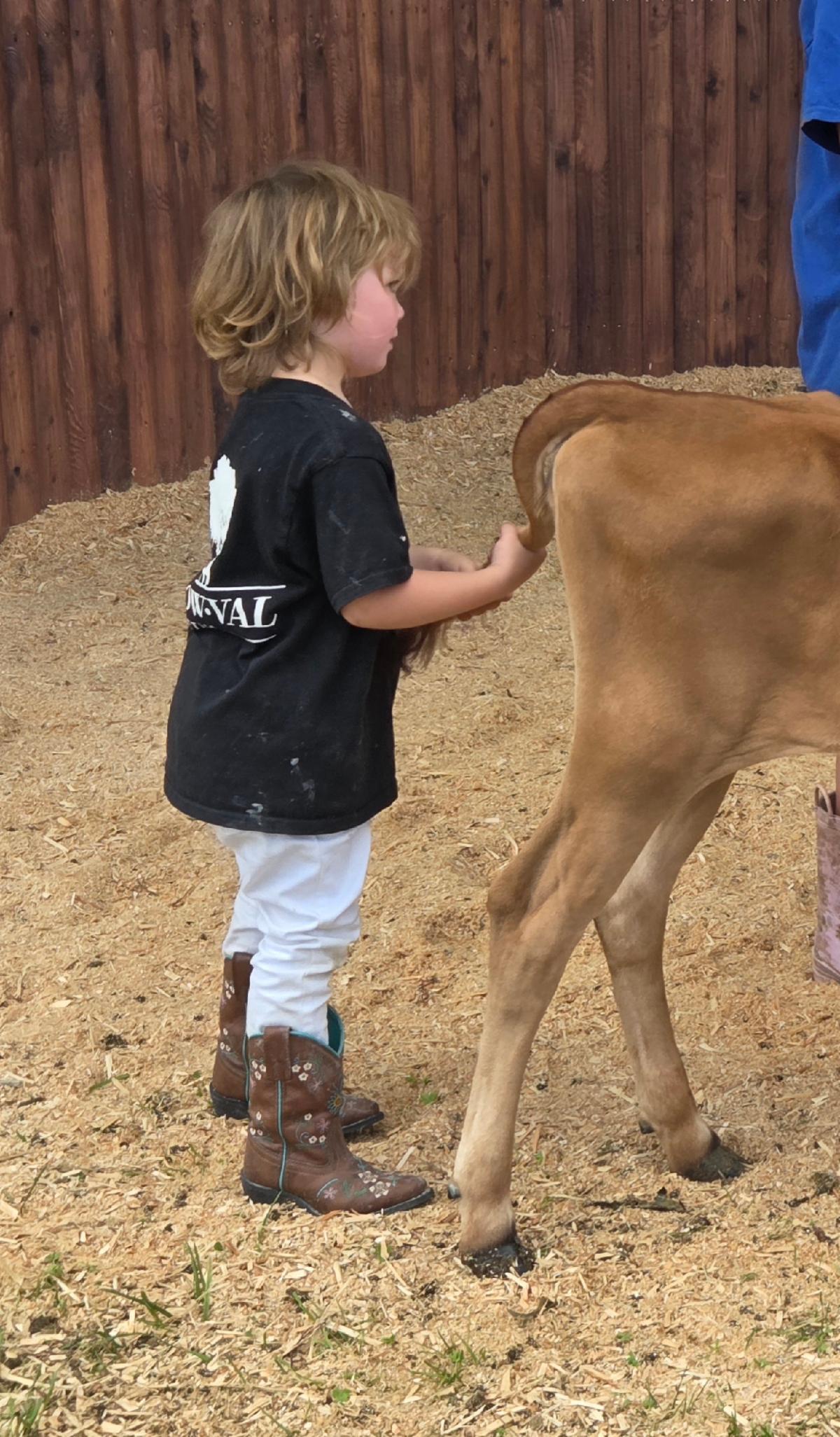
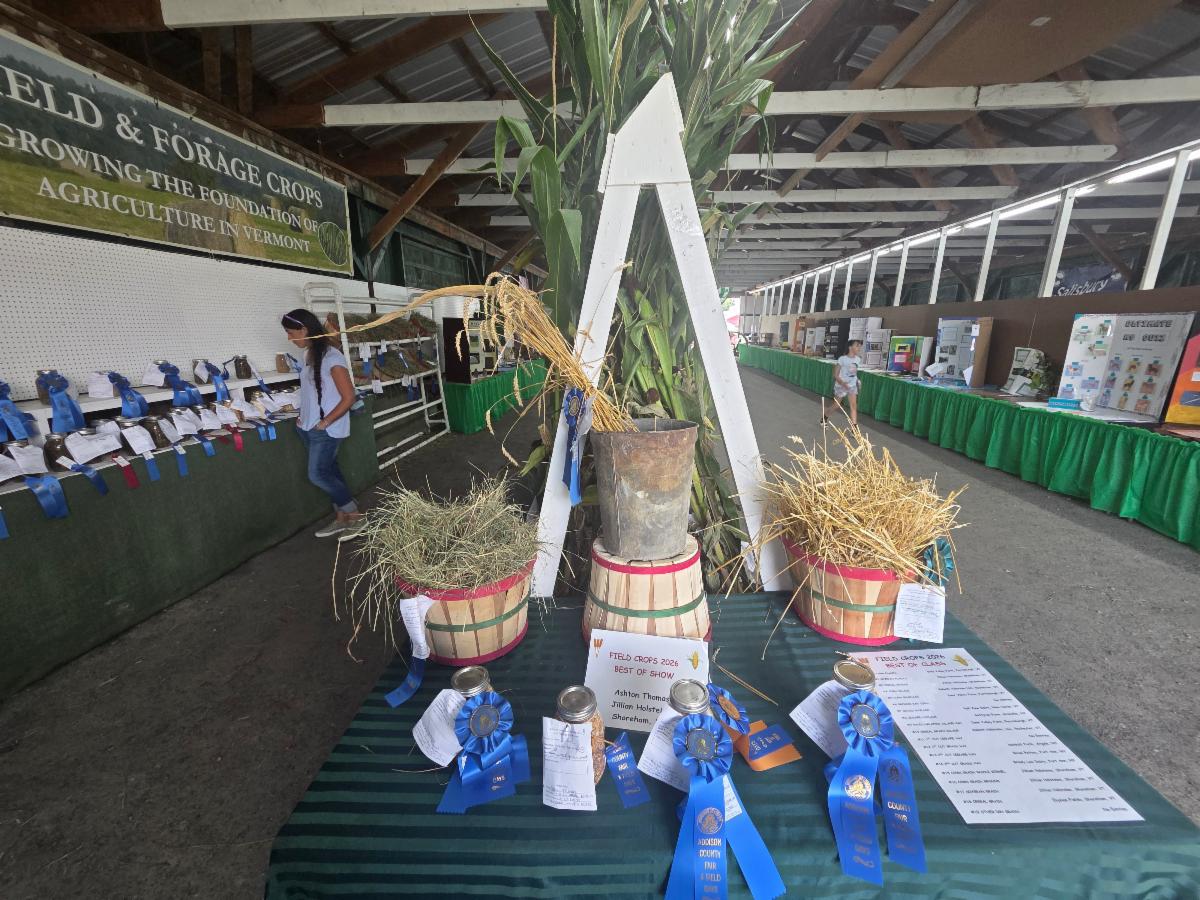
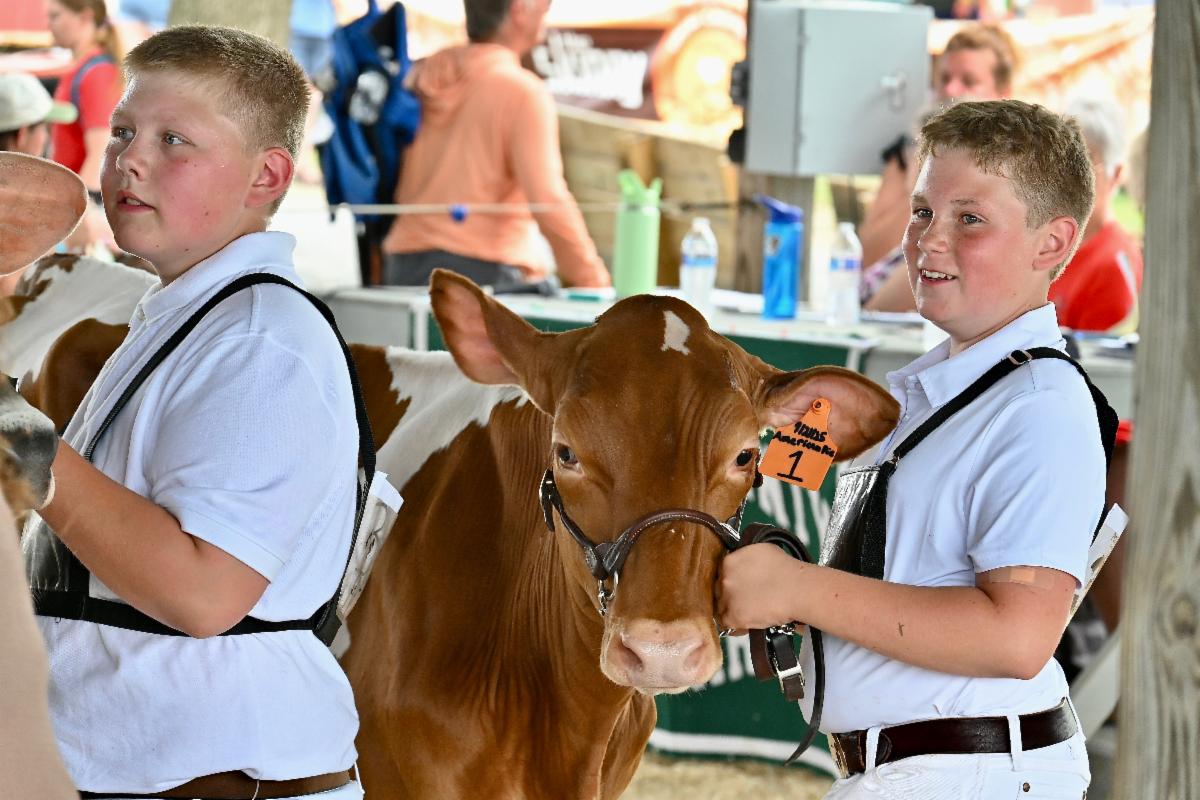
At Addison County Fair & Field Days, 4H kids showed their beautiful animals, crafts, art & summer projects. Blue ribbons were awarded for premium hay & straw along with vegetables in the Exhibition Hall. Recognition will continue across the state as “fair season” hits its stride. Farm work will continue as calves are born to cows & milk flows for our favorite summer food: creemees. We love our produce, but nothing is quite like a Kingdom Creemee on any day!
Speaking of produce. Our veg, berry, & orchards are humming along. With federal labor oversight, most of our large farms hire workers through a program to ensure they have the workforce to manage extensive needs across the season. Many come to us from Jamaica through the H2A program. Without them, medium & large farms would not operate. Worker programs sustain our produce industry. The same cannot be said for our dairy farms & associated processing facilities. They are dependent on the “underground railroad” of undocumented workers often from Central America.
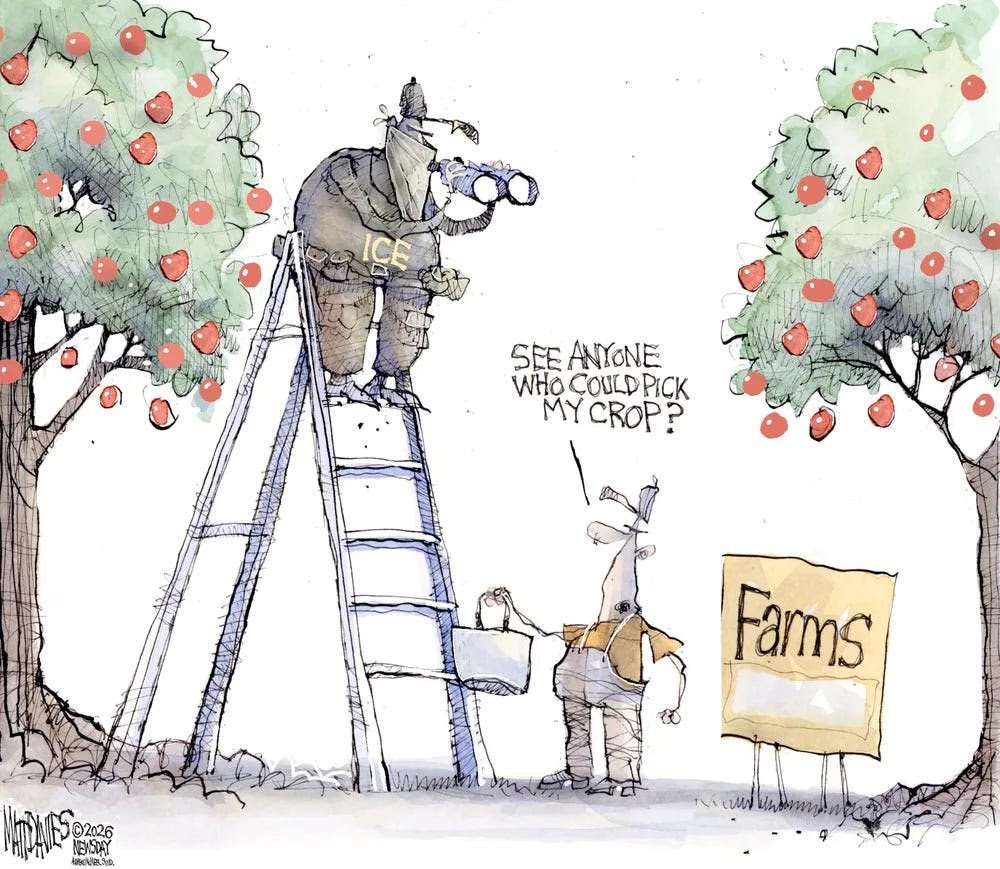
We talk a lot about a food system, but we are often quiet about the actual structure of state & local policies built upon extraction, cruelty. Labor raids & abductions are currently happening across the state paid for by our taxes. Sheriffs, ICE, & Border Patrol are active in Vermont stopping vehicles detaining passengers. It is getting to the point in our dairy industry that every farm knows a business that has been impacted by the loss of undocumented workers. Stretching that out, that means all our stores & their customers are within a degree of impact of the separations. Dairies are operating under a constant state of fear, & when workers are taken away, farmers work the untenable hours left by the vacancies.
| | |
It is high summer when kids are showing their animals, hay is being cut, cows are calving, & manure is being spread. Losing dairy workers has a monumental impact. We in the retail sector are not immune to the challenges, but we are quiet about what is actually happening on our farms.
So as August moves on, not everything is as fresh as newly cut hay or as rosy & sweet as a day at the fair with a Vermont creemee in hand.
| | |
Read on for more about local impacts, new Vermont legislation to protect pricing transparency, SNAP changes for retailers, & our next Meet the Maker event. Of course we always have good stuff about our stores, food companies, & farms & our collective need to address inequities across sectors.
| | |
General Stores:
August Vermonting
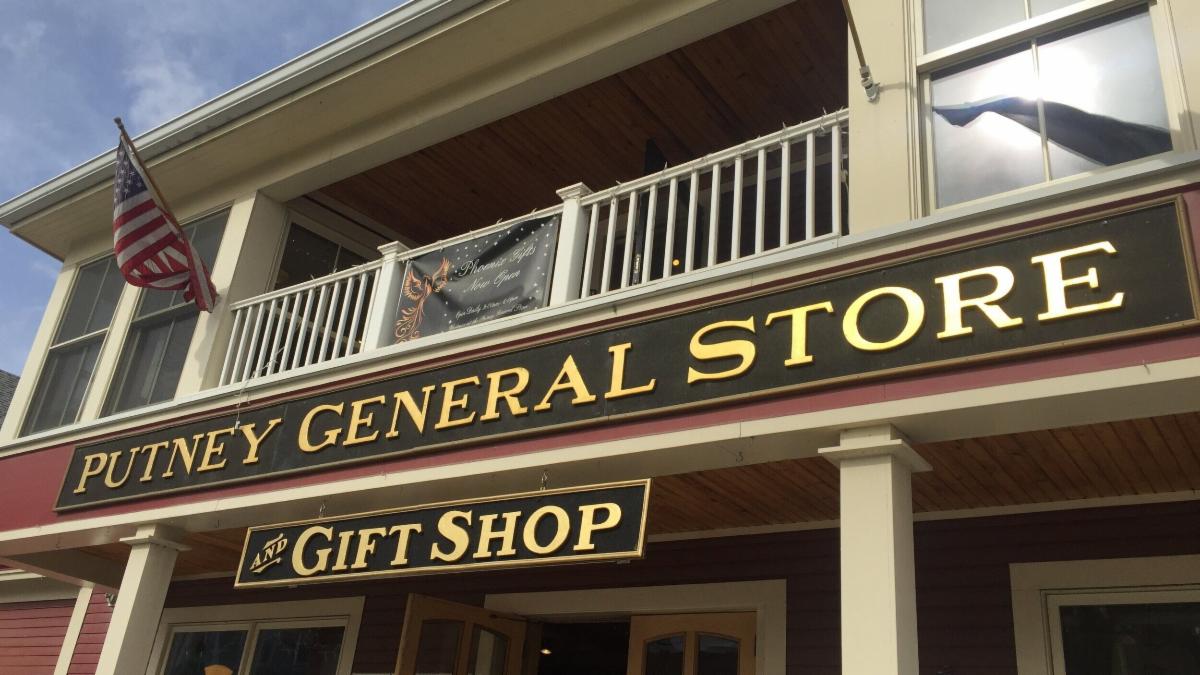
Putney General Store like so many of our old stores, is the center of town, literally & figuratively. With a reputation for excellent on-site prepared meals the store is also adept in community engagement. Less than a mile off Interstate 91 (exit 4), right in the center of Putney Village, the General Store is the town’s beating heart.
It is more than a place to buy groceries, it’s where people stop to prepare for their day, or pick up supplies for home, see the friendly faces of our staff or have a short talk with a neighbor & find out what’s going on in & around town. It’s a place where you know you’ll be taken care of, where the shelves are stocked with things you need, & the food is prepared with care specifically for you.
| |
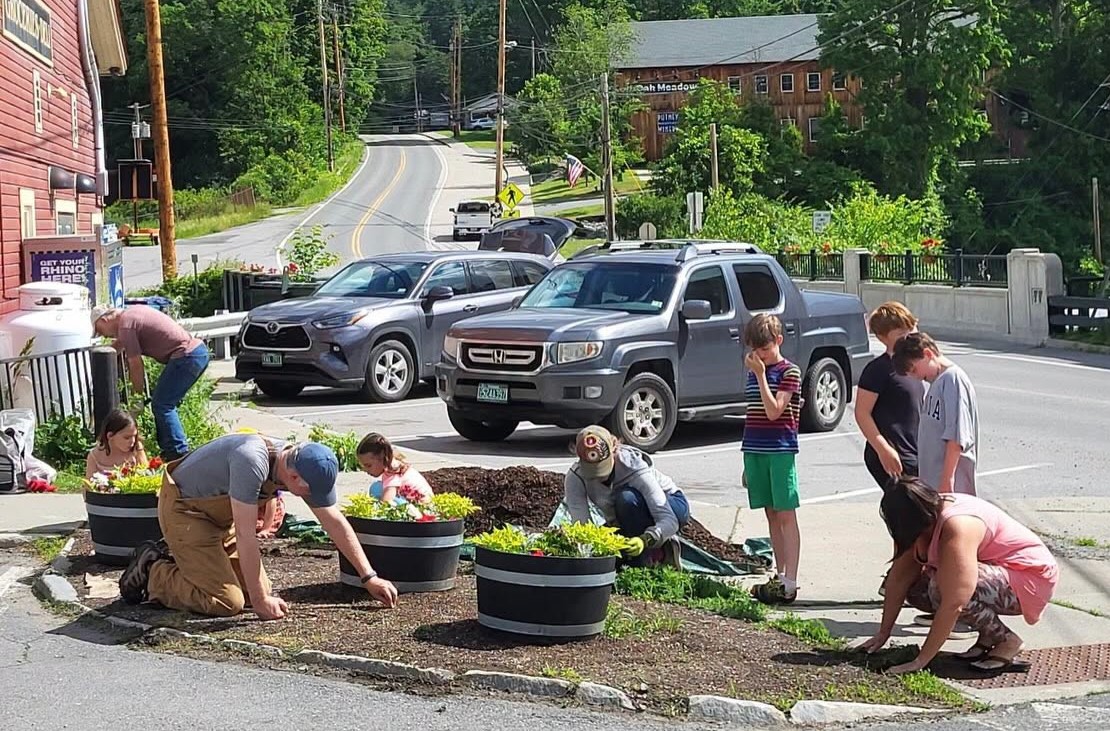
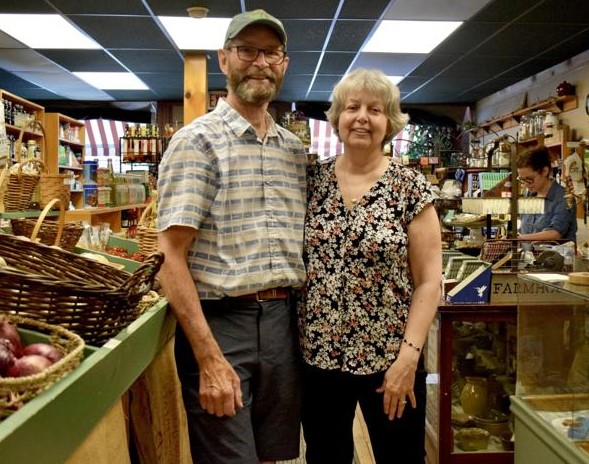
Owners Mike & Kim continuously engage with the community. When school got out in June, they helped rally kids to work in gardens. This level of activity promotes values attached as a sense of place. It also provides an opportunity to show that a store is more than a place to buy a maple creemee or other summer treat. It is a place that cares & cares to foster working together for something beautiful.
August soon winds down & kids will head back to school. The store will still be there for after school treats, & who knows, maybe the kids will be back to put the garden to rest in the fall.
| |
Cha-Cha-Cha-Changes
In the July issue we touched on what happens when a food manufacturer closes down. There is a waterfall of outcomes. Store buyers lose products & need to shift gears finding substitutes, shoppers miss products etc.
When a store closes hundreds of products lose an outlet distributors as distributors lose an account. Then there is the impact to a small town. In the center of Enosburg the Wood Meadow Market was the place to buy Vermont food, organic & natural products, & bread from French Canadian bakeries (pre-trump tariffs), & wonderful local crafts. Due to health issues, the store closed in July leaving a hole for all the locals & rail-trail bike riders who came through town.
As Kirsten & Pat Hayes settle into the changes retiring from Wood Meadow Market, the Grocers Project along with their many shoppers & the greater business community wishes them well.
| |
Reaching Summer Goals
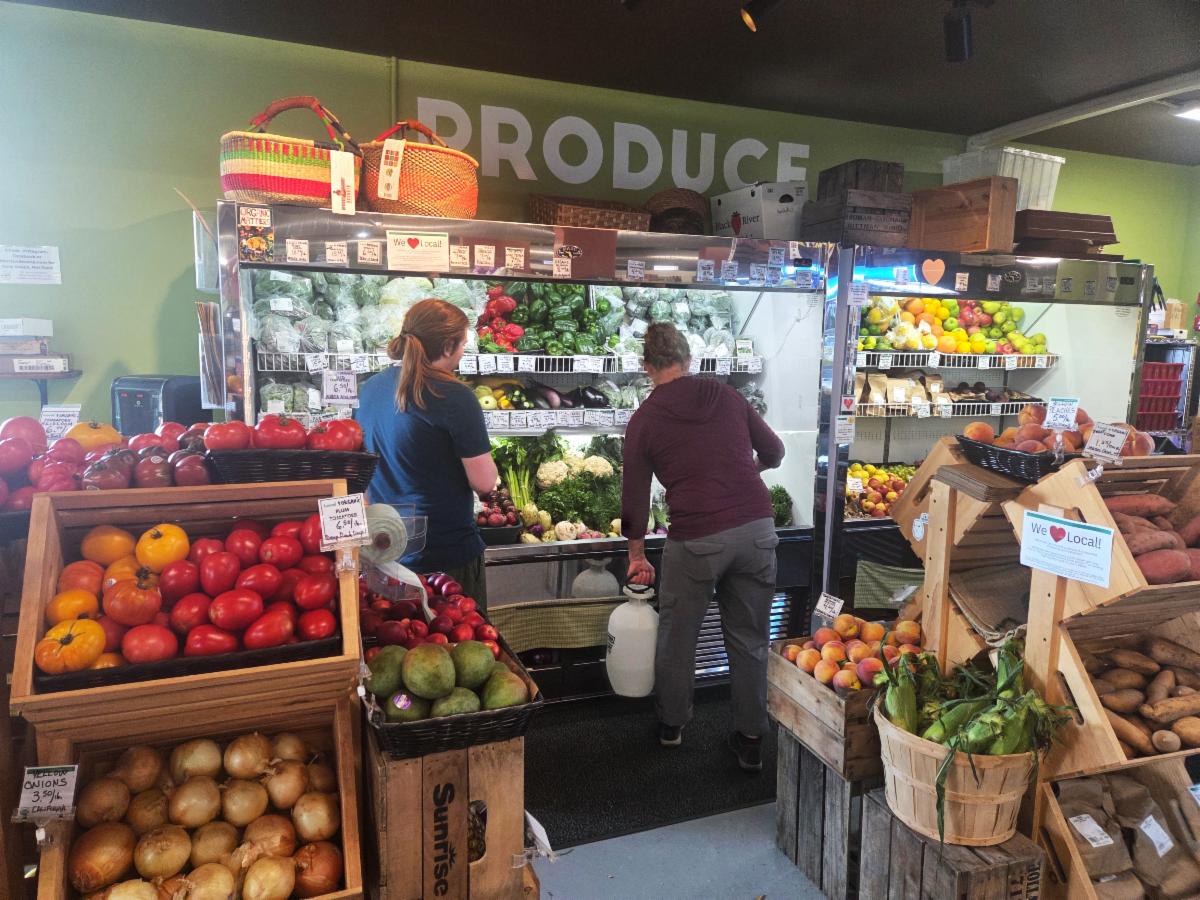
Produce folks are a unique lot. No doubt about it. It always seems the team has more fun than other departments. Lots of hard work goes into keeping quality up, prices in check, direct customer interaction to high standards, & displays colorful, & setting challenges to reach sales goals.
The metaphor "no two days are the same" is so true in Produce. The team at the Morrisville Coop is riding high having blasted their challenge goal for summer strawberry sales with a goal to sell 1200 quarts...they sold 1346! Now they are cranking on blueberry sales sourced from Sandy Log, Bear Swamp & Waterman Orchards.
| |
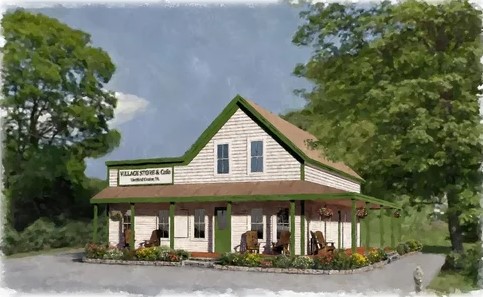
The Thetford Village Store began as a corn crib — a farm structure owned by C.F. Porter, standing near the Sayre Bridge on Tucker Hill Road. Around 1895, the building was moved to its present location, expanded, & opened as a store. For the century that followed, it became something a town can't easily replace.
In January of 2026 a 501(c)(3) nonprofit trust purchased the building based on a model well adapted in Vermont: a community nonprofit owns the building, raises funds to rebuild it, & leases it to a seasoned local operator. The operator will be Margaret Loftus of Crossmolina Farm & the well-loved Cookeville Market.
In 2028, with a refreshed look & updates for modern retail, the “old store” will once again be a place where neighbors stop for coffee, chat on the porch, & pick up groceries. It will return to its historic role as a hub of town life, following the village-store model that has revived communities across Vermont & will bring Thetford Center’s store back.
| |
Grab & GO GO GO
“Know your customer” is a retail adage. “Know your costs” is another. Yes, they can change, especially in Vermont with so many seasonal variables. Put them together & you have a suite of decisions to generate sales & good margins that link to category margin tolerances.
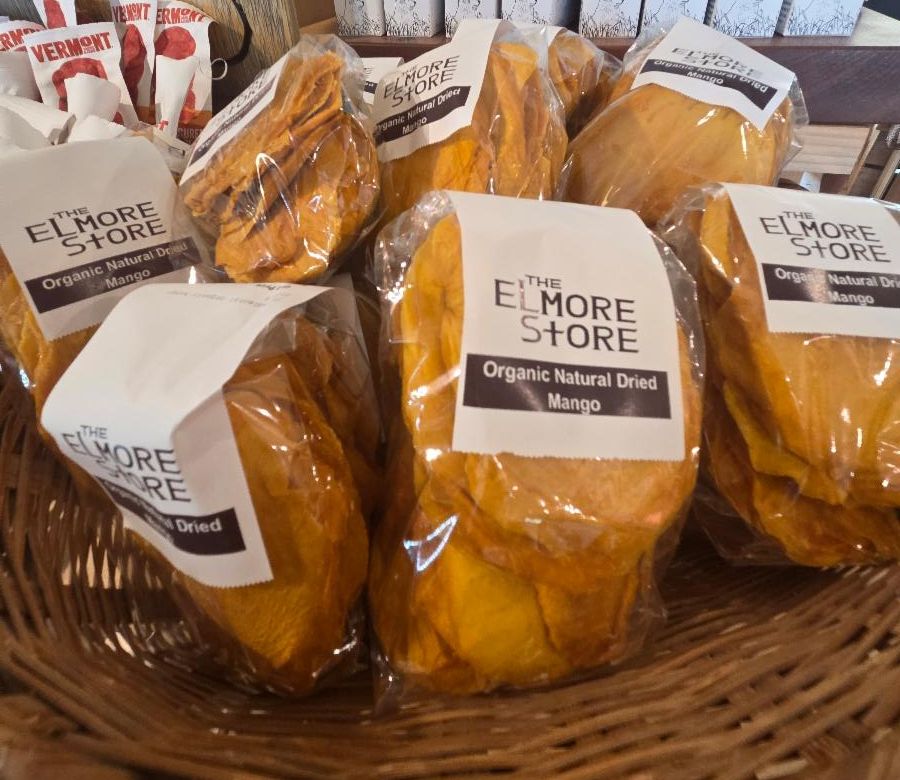
At the Elmore Store in August, grab & go in-store packaged products entice summer folks taking a break from water sports, biking, hiking, & hammock activities. To make such decisions they consider the actual expense of repackaging beyond simple material costs to include labor for filling & sealing with a watchful eye on waste management that can otherwise erode expected profit margins. Unpackaged bulk foods typically yield around a 50% profit margin, significantly higher than the 15%–35% margins standard for pre-packaged goods. BUT, higher sales volumes can result especially when well merchandised.
While bulk purchasing cuts down packaging expenses upfront, in-store manual repackaging introduces hidden micro-costs—including container materials, custom scale-labels, sanitation compliance, & continuous waste/spillage shrinkage. Making adjustments in products to push seasonal sales are most effective when accounting for labor, packaging & waste.
| |
50 Years
So Far, So Good
1976 was the year the Middlebury Natural Foods Coop started. A community came together to provide natural & organic food unloading trucks in all weather conditions in open spaces. Overtime it evolved into a vibrant community market with strong local economic impact.
The store continues to support local producers while juggling all the pressures of a global food supply. Consolidation & other factors across the food sector makes value-based decisions challenging for buyers. For instance Earthbound products from Taylor Farms, might be available from its distributors but may not be purchased by the coop produce buyer. This could limit availability of products favored by customers- think romaine- which is not always readily available from our Vermont growers.
For 50 years the buyers at MNFC have navigated new & complex variables in making decisions as changes occur across the full supply chain. On August 22nd, the town comes together on the green with a Coop celebration where food, music & lots of engagement will take place.
| |
Where Did The Margin Go?
In stores, inconsistent pricing, lack of receiving oversight, improper invoice coding, & missed credits / returns are just a few reasons department or categories are not meeting their margin goals.
When training new staff each of these details -& many more- need to be addressed. Every store has its own unique variables impacting margin. Helping staff understand how money is made & lost is an important part of training. Nipping bad practices will help strengthen the outcome. This includes an understanding of shrink in addition to other good retail practices.
| |
Merch Swagger
What do concerts & general stores have in common? Folks love to buy branded Merch.
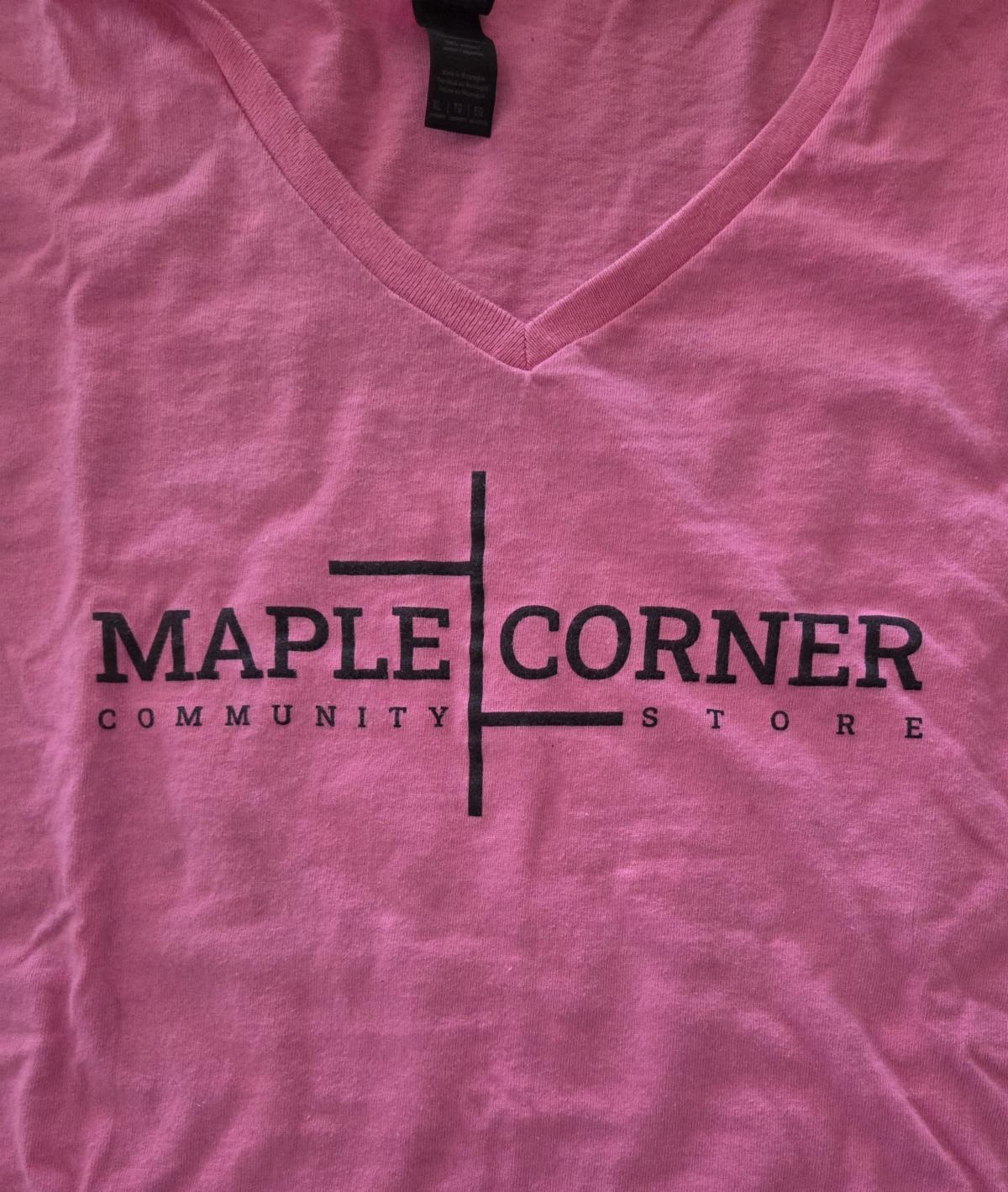
From 6o years ago when Stanley Mouse & Alton Kelley created iconic designs for the Grateful Dead & where merch took off, to today when local artisans & graphic designers create fun branding, our stores sell a truck load of cool merch.
Maple Corner is both a general store & is home of the legendary music scene the Whammy Bar. Their merch signals a connection to good food & good local music branding as a place "where the pavement ends".
| |
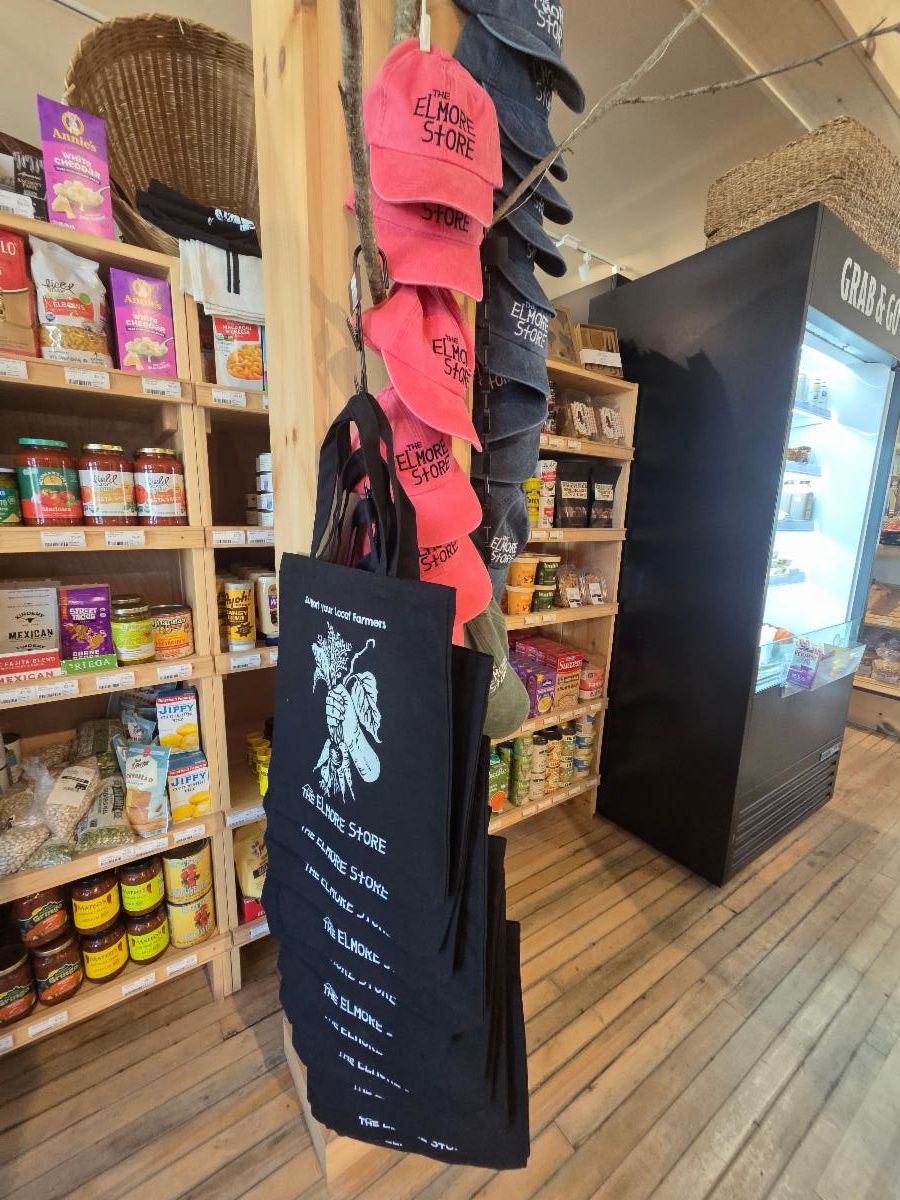
Up the road a piece the Elmore Store makes sure everyone can cover up with hats & other garb to protect from the bright sunshine of summer.
| |
Store Pricing & Labeling
What to Know
On June 18, 2026 ACT 167 was signed by Governor Scott.
There is a lot in the Act that extends beyond store price labeling, but for Small Bites we'll tease out some of the implications. Please review this truncated summary. Though the pricing is geared to stores larger than 7000 square feet, there are valuable considerations for other stores too.
With the intention of making it clear to shoppers just what they are buying the label & unit prices are now written into law for more continuity. One favorable consideration: the
bill prohibits the use of ‘real-time dynamic pricing’ by retailers – this emerging practice is truly insidious & VT prohibits it.
| |
The use of electronic shelf labels to increase prices or otherwise use real-time dynamic pricing to increase prices when a retail establishment is open to the public is prohibited.
Retail establishments may only increase prices on electronic shelf labels during business hours to correct genuine and documented pricing errors and shall inform individuals present in the store of the price correction.
| |
Mission Aligned
Rhode Island recently took a “major step towards lowering grocery bills” by prohibiting grocery stores from imposing real estate restrictions that block competitors. Local governments can address the same problem through zoning and land use policies.
Front line recommendations: Pick an essential service in your community — or a service that’s currently at risk — & identify the public official with the power to shape what happens next. Ask them to take a specific action that reduces corporate dependence. For example, follow Seattle’s example by passing an ordinance that prohibits any negative use restrictions limiting a property’s use as a grocery store or pharmacy.
| |
Further Considerations
When buyers develop purchasing strategies there can be conflicts. Food comes attached to so many social issues, political influences, tech & financial considerations. Coops & many independent stores have strong 'mission' & purchasing parameters.
A few sources cited for resources across intersecting food issues:
| | |
Meet the Maker
The Grocers Project of Farm to Plate is hosting a Meet the Makers Series.
Our first one with Butterfly Bakery was excellent! I tell you, there is nothing like have folks in a room together learning & sharing business insights.
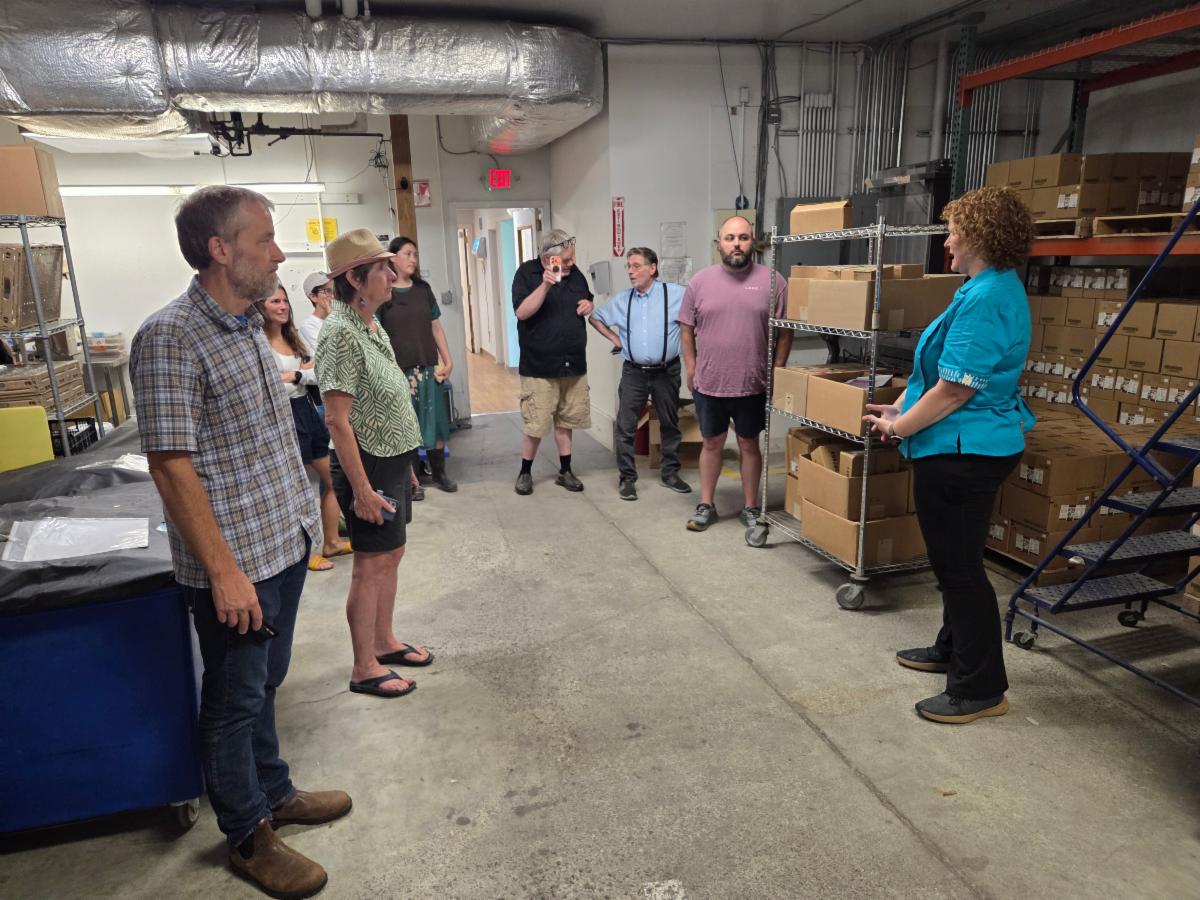
We design this series to educate & discover the intricacies of developing a specialty food brand. Participants will also learn from each other in a production facility, fostering a greater understanding of the food you sell.
Stay tuned for the sign up links through selective email lists.
| |
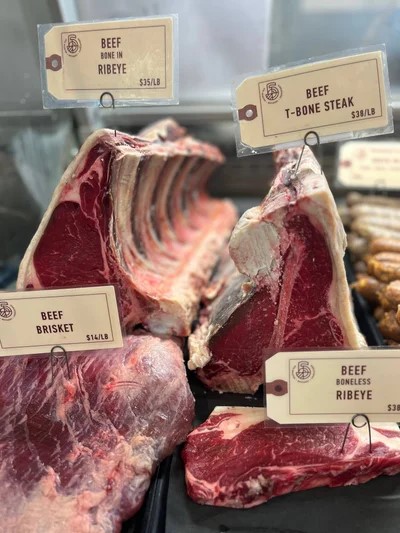
Our next one is in late September at 5th Quarter. Located in the heart of the Mad River Valley in Waitsfield; we will hear first hand from Josh how his business sources local meat, processes it, & sells both wholesale & retail. The date & time are still being hashed out. What we do know, it is limited to ten people. If you'd like to receive a special early invitation to register, let me know asap.
| |
SNAP Changes for Retailers
We'll be saying more about this as time goes on, but keep in mind that in November SNAP stocking standard changes will come into effect at stores. This is going to make it harder for small grocery stores, convenience stores, etc. to meet SNAP retailer requirements. USDA estimates 5,000 retailers will lose authorization.
The staple food breadth of stock standards increases from 3 varieties to 7 varieties in each of the 4 staple food categories & raised the number of varieties that must be perishable from 1 variety in 2 different staple food categories to 1 variety in 3 different staple food categories. Here's a little summary to get you started.
Additionally, it is recently reported that in Vermont, the number of SNAP recipients dropped from 64,900 participants in April 2025 to 58,900 in April 2026, according to the latest USDA data. That accounts for a 9.4% drop year over year.
| |
Keep on Truckin'
“The historic origins of the philosophy of space & time focuses on a number of issues, including whether time & space exist independently of the mind, whether they exist independently of one another, what accounts for time's apparently unidirectional flow, whether times other than the present moment exist”.
When it comes to building a distribution company, the mind is awash in time & space considerations.
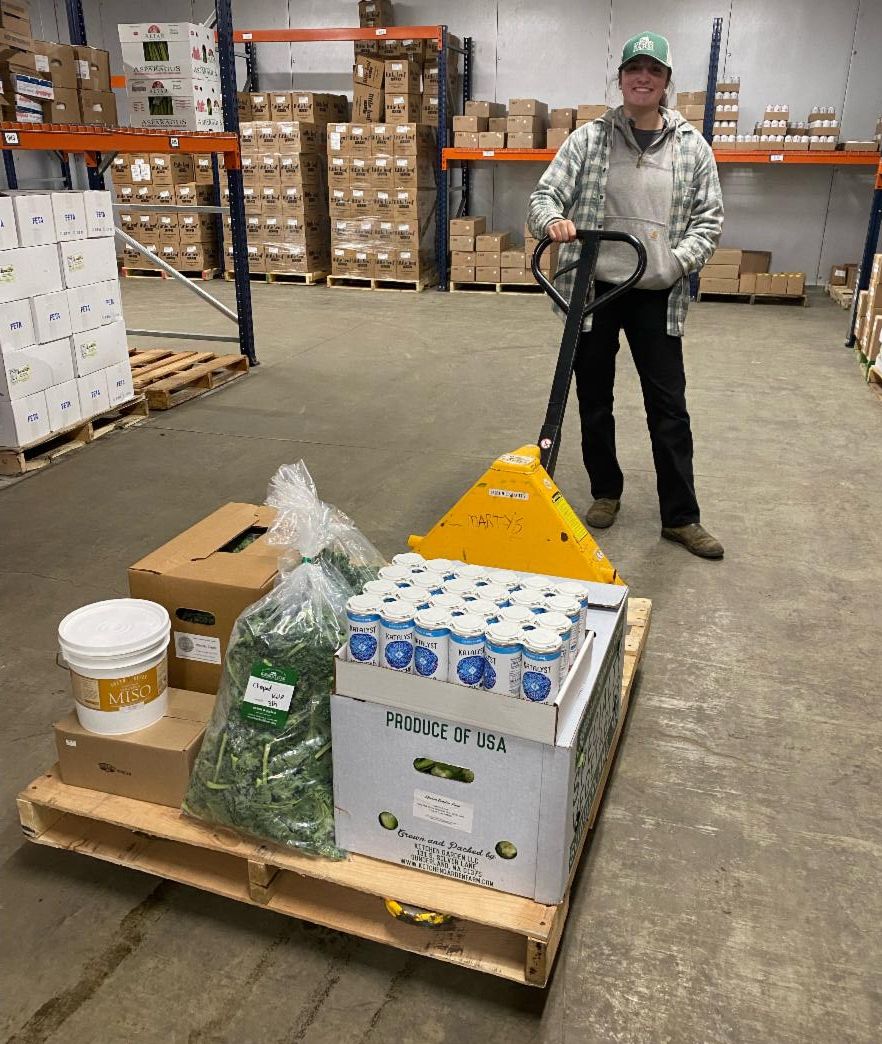
For ten years Marty’s Local in South Deerfield, MA has juggled the decisions to grow a regional food shed concurrent with a slew of decisions to properly handle products. Moving food & effectively growing the business requires ongoing analysis, ability to run positive cash flow, & a continuation of risk assessment to tackle changes that come up.
The significance of warehouses, trucking, & logistics in the regional food system cannot be understated. It is all about time & space. Marty's recently doubled the size of the facility to 25,000 square feet, adding 4,500 square feet of new cooler & freezer space.
By working with dozens of Vermont-based businesses they understand that time & space is not independent of the mind! It takes a lot of wrangling to build distribution space along with sales so that food is received & shipped in a timely manner. Since 2018 Marty’s team has successfully helped many New England businesses grow including Garuka, by reaching a wider audience. Cheers to the ten years & many more ahead!
| |
From Blue to Green
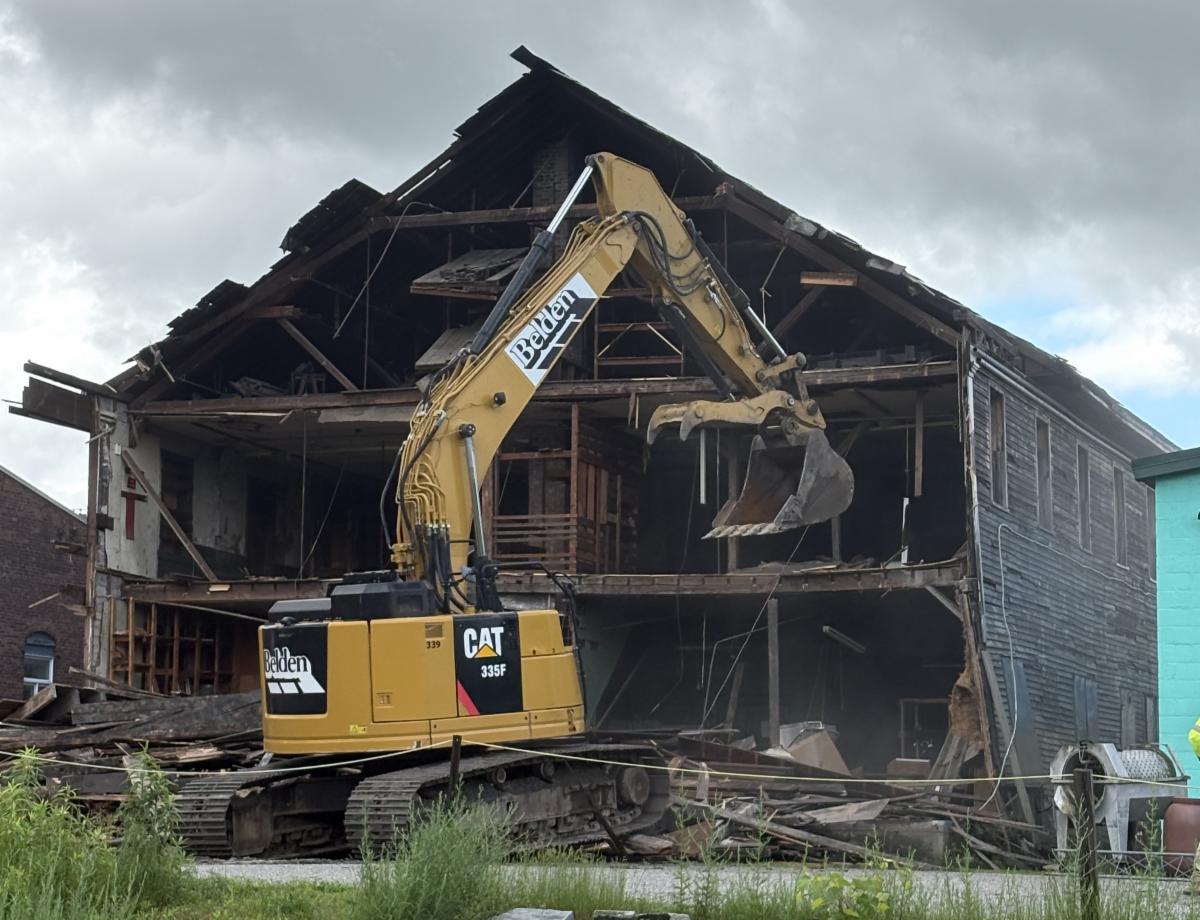
Big things are happening in Rutland at VFFC with building renovations to create new food aggregation, storage & distribution facilities. To make way, it was time to say goodbye to "Old Blue" the historic Blue Building built in the 1860s.
When VFFC began redeveloping the campus in 2021, years of environmental assessment & remediation kept the focus on the “Green Building” while “Old Blue” waited for its turn. The original plan was to rehabilitate Blue transforming it into a shared-use commercial kitchen with processing & climate-controlled storage space. However, updated structural assessments revealed a difficult reality: the cost and timeline for rehabilitation had grown beyond what was financially feasible. Ultimately, renovating the Green Building & constructing an addition would meet the same goals while staying financially feasible, allowing the project to move forward much faster with the demolition of Blue. This reaffirmed the commitment to invest in facilities & infrastructure to advance its mission of long term sustainability.
In true VFFC fashion it became a community effort, with local contractors generously donating their time, equipment, & services to support the demolition. It was akin to a modern-day community barn raising, or perhaps in this case, a community barn razing.
| |
Specialty Food Manufacturing Space Available
Located in Burlington, a 650 SF commercial space is available, ideal for food producers, artisan/craft makers, or caterers. Fully renovated in 2021, new electric, plumbing, lights, paint, flooring, although the building itself is old & floors & walls are a little uneven. Set up for food manufacturing it is inspected with VT Dept of Health approval. There is no loading dock, but trucks regularly deliver with a lift gate. Street parking is available for free, no permit required.
Standard electric service included; 3-phase power is available in the building and can be extended to the unit — actual costs will depend on equipment this is needed for.
Heat/AC via electric split-unit heat pump. Contact Garuka Mike for more building & cost details.
| |
Farmer as Retailer
We love to highlight great retail practices! But first, let's announce that on September 1st NOFA hosts a retail workshop at the Last Resort & Full Belly farms in Monkton. Grab a spot to talk shop & meet the farmers in their stores.
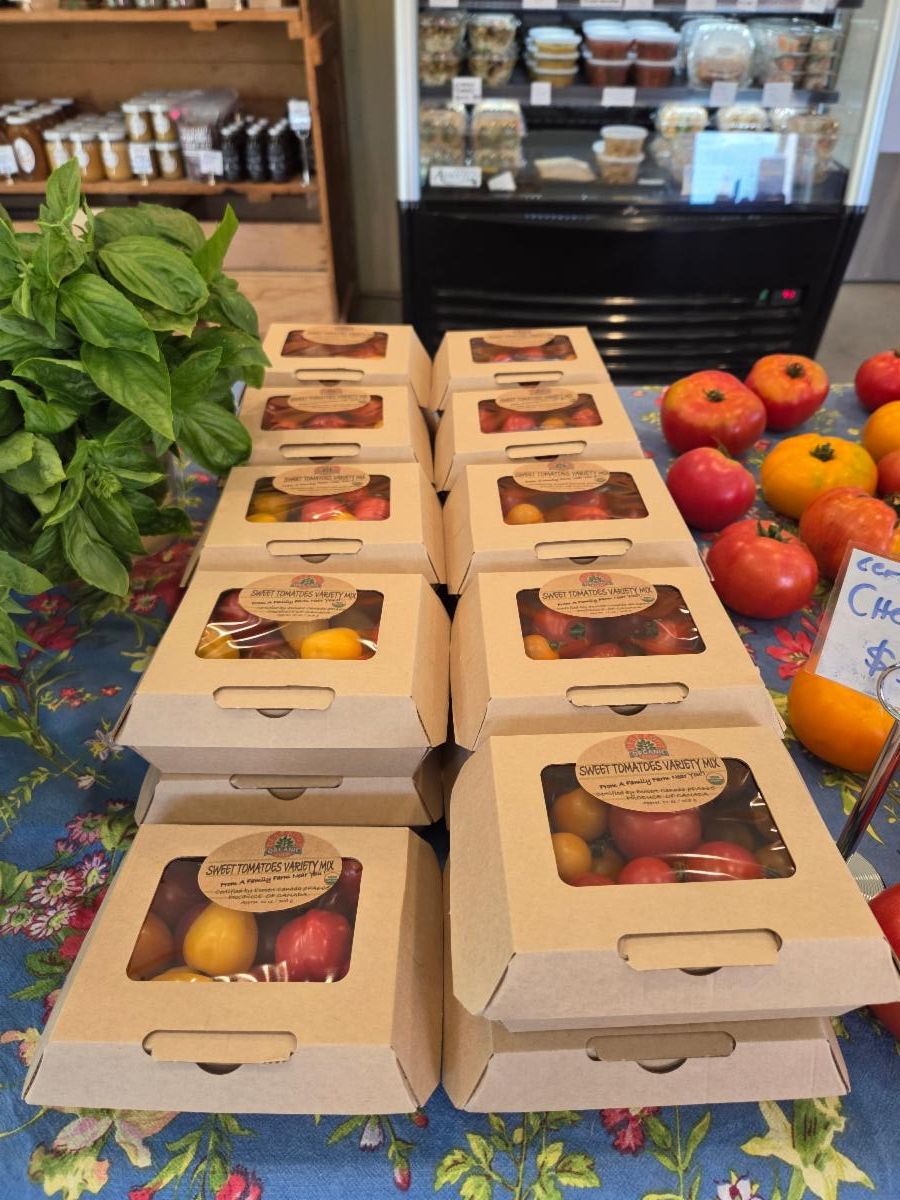
When it comes to merchandising farm stands, there is a balance of scaling fresh produce displays with anticipated sales. This connects to pricing & 'ease of shopping' with proper care & handling.
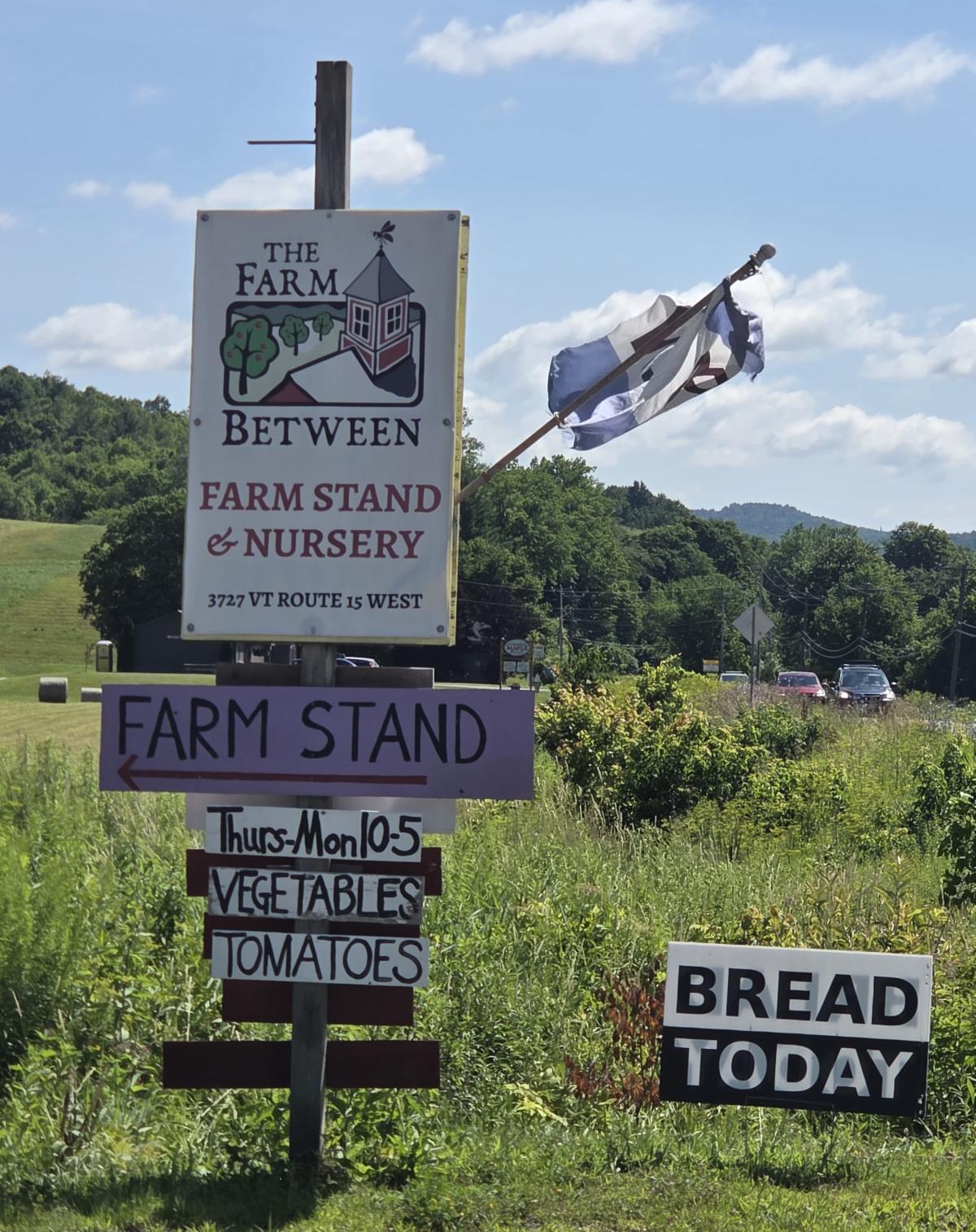
Above, The Farm Between has made their tomato display scaled with the added basil to encourage sales of both & tomatoes. Across the new farmstand are local products direct from the farm or delivered through food hubs connections & DSD from local vendors. Their farm kitchen produces fabulous grab & go offerings.
| |
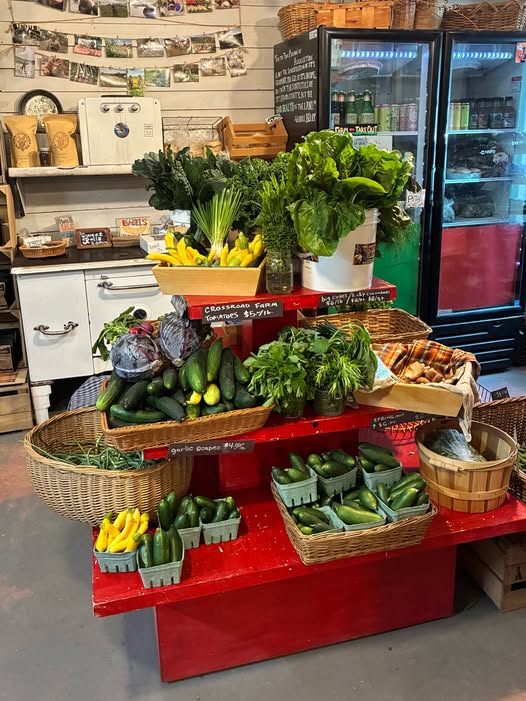
Cross Molina Farm's Cookeville Market, is a four season farm stand stocked with their own fresh produce, artisanal wood-fired bread, eggs & pastured pork, poultry, lamb & beef. They partner with over thirty other local farms, brewers, artisans, bakers & producers offering a full grocery experience.
Their unique farm stand kitchen serves breakfast & lunch along with a weekly menu of Farm to Takeout dinner options - all made with farm raised ingredients always cooked with love while serving their community.
Both the Farm Between & Cross Molina direct their retail efforts to offer fresh local food & "homemade" meals to differentiate their farmstands.
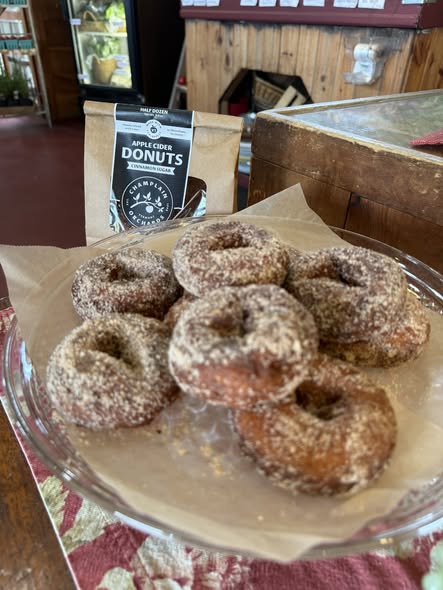
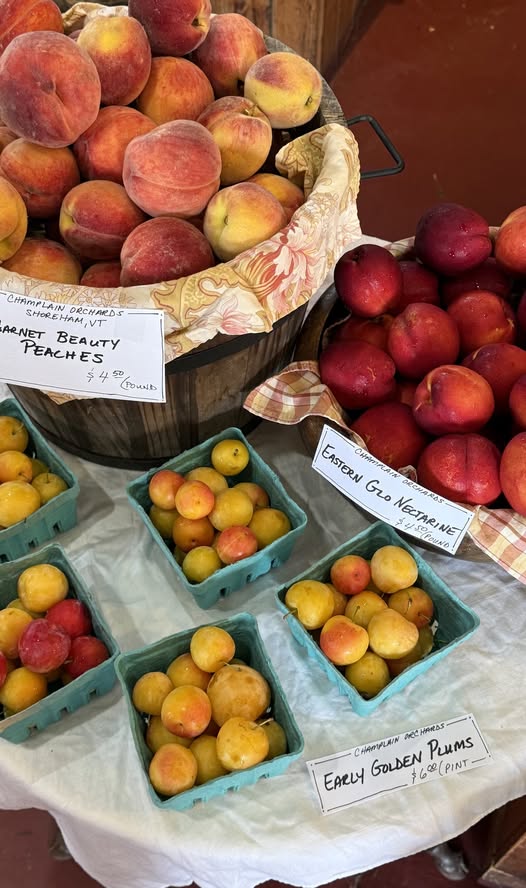
| Harlow Farm in Westminster is jamming on their stone fruit display with fruit from Champlain Orchards. The orchard has spent the past 20 years adjusting tree plantings to changes in climate & customer demand for regional food. | |
Signs of the Times
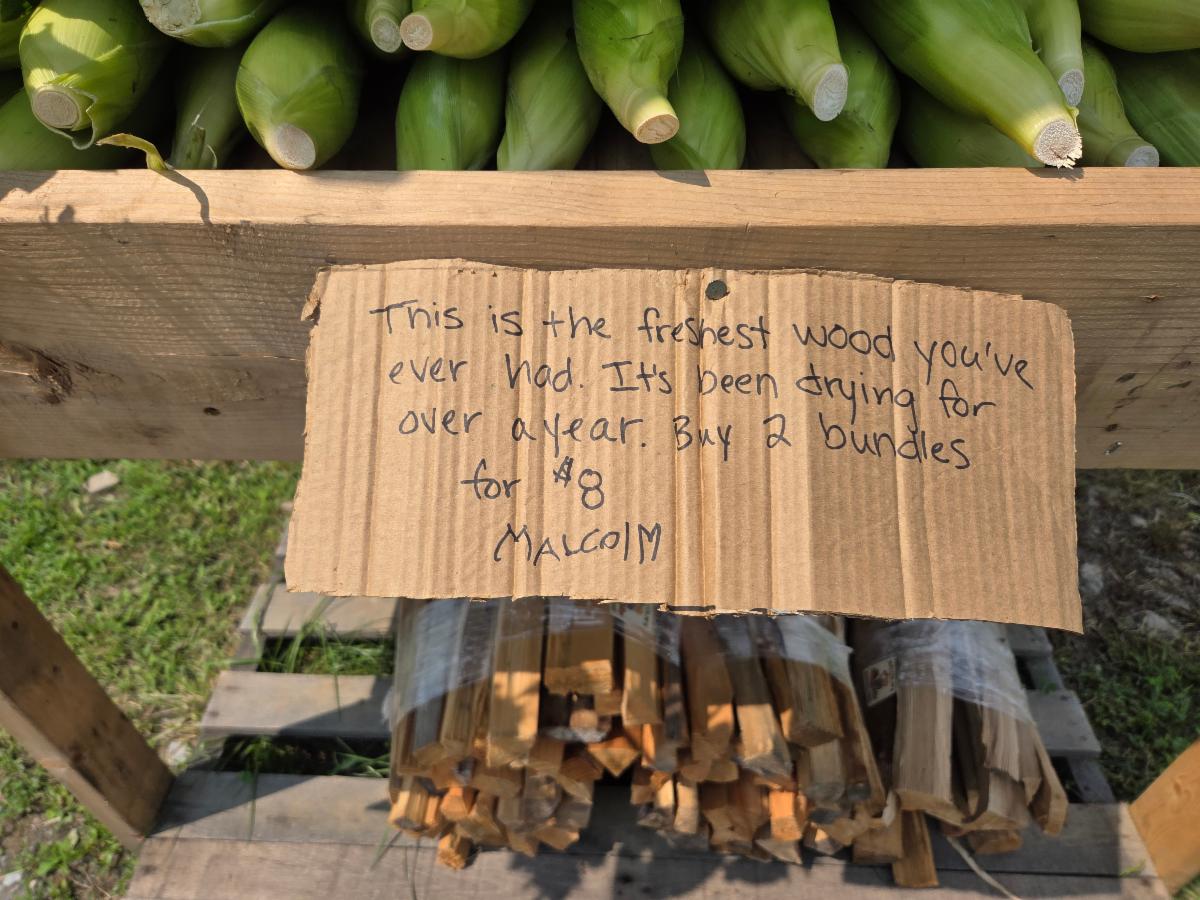
This sign is made by Malcomb, a budding farm entreprenuer. He is selling the "freshest wood!" This is fabulous example of a youth farmstand with fun signage. The corn & blueberries they sell are also fresh & tasty.
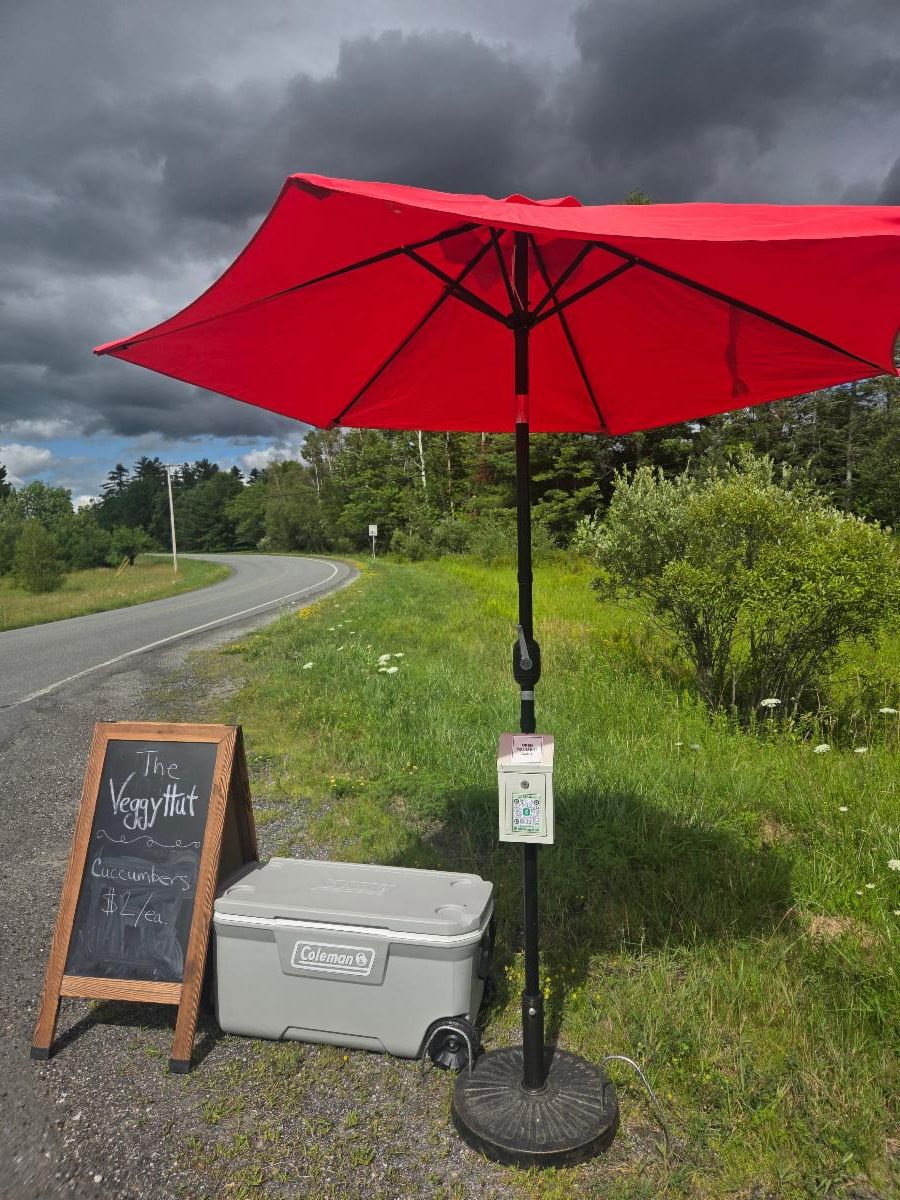
Below, "quick-stop produce" is for sale as part of the roadside Vermonting experience.
| |
Mark Your Calendar!
November Gathering
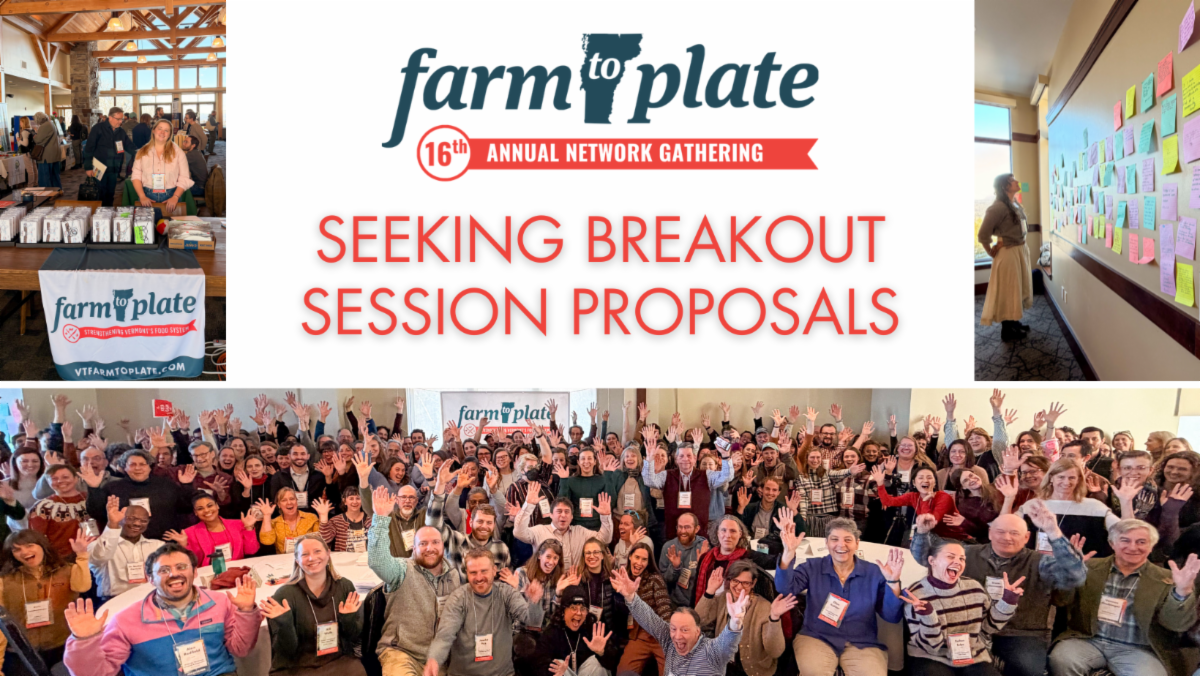
Vermont Farm to Plate is now accepting breakout session proposals for the 16th Annual Farm to Plate Gathering, taking place November 19 to 20, 2026 at Burke Mountain
Hotel.
This year’s theme, “Taking Stock and Quilting the Future: Stitching Land, Farms, & Markets Together for a Stronger Food System,” reflects on progress, shared lessons, & will help shape the next phase of Vermont’s food system work. For more info & to submit your proposal
| | |
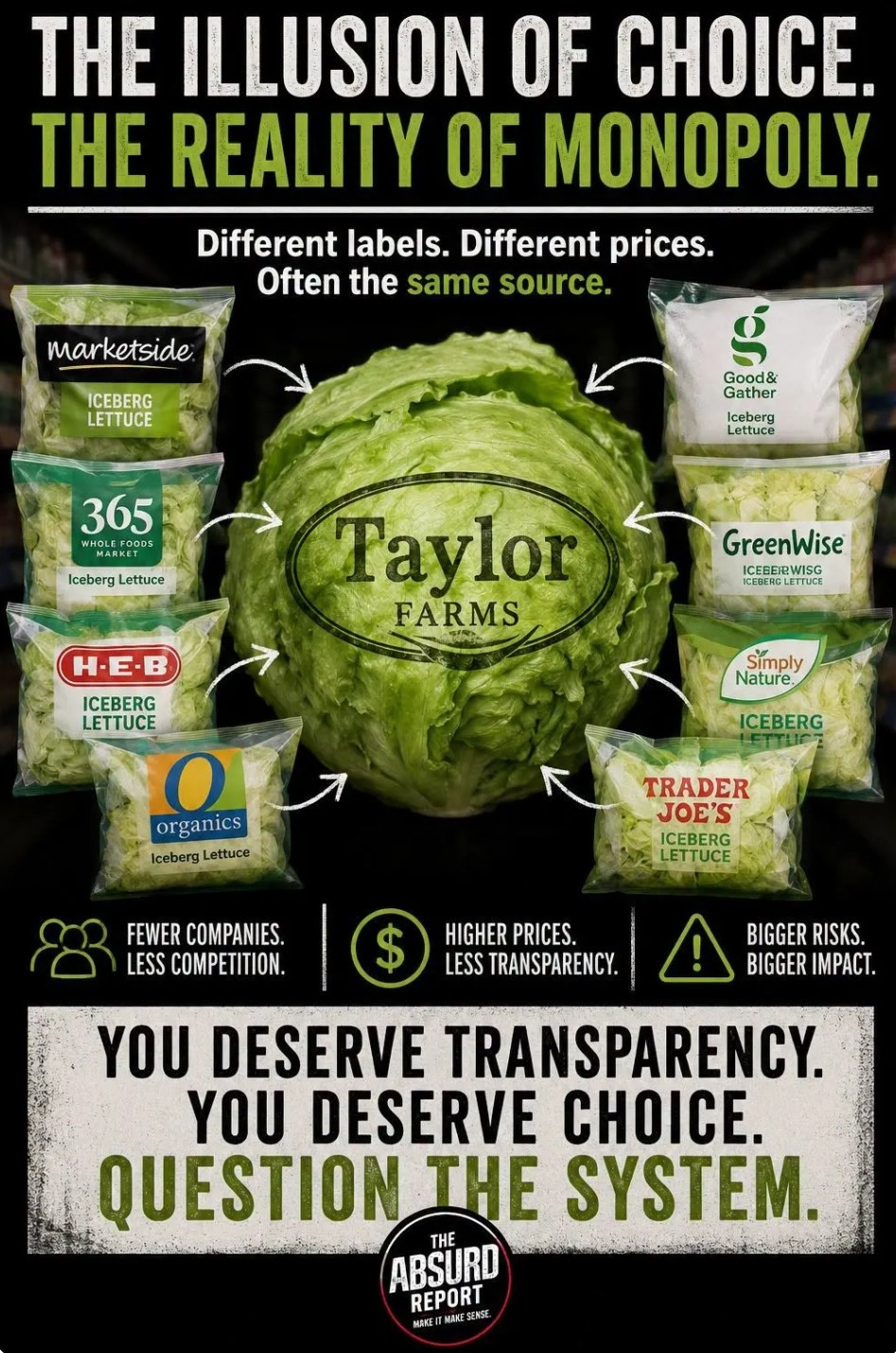
Beyond labor issues & the impact in Vermont mentioned above, everyone now knows a little more about the hidden underbelly exposed through Taylor Farm. It’s multi-branded produce is , the source of current Cyclospora & Salmonella contamination. Current national recalls across products under many labels sold to grocers including but not limited to Earth Bound Organics, Green Giant, & many private labels including products sold at Walmart & Trader Joe’s.
$17 Billion in sales, Taylor Farms is family-owned, led by founder, chairman, & CEO Bruce Taylor. In 2025 he donated $1 million to MAGA INC & $1 million to the Congressional Leadership Fund supporting House Republicans. It has been reported that a large donation was placed in March of 2025 just after DOGE & the FDA announced a delay in implementing the Food Traceability Rule regulation that would help trace contaminated produce during outbreaks.
| | |
Who is up to join a conversation around creating a regional distributor trade group or shop-talk distribution for smaller businesses? Let Small Bites know!
| | Meraki: when you do something with soul, creativity or love; putting a piece of yourself into what you do | |  | | | |
It's a little rough out in the world, apologies for any oversights & errors.
All info is subject to change (including distributor product lines) .
Thanks to everyone who contributed to this issue with more cool stuff ahead in August.
Photo Credit: Fair cow & boys Beth Duquette
Created with gratitude for the support from the Henry J Kendall Foundation
Small Bites directly supports the New England State Food System Planners Partnership effort to strengthen the regional food economy.
Contact: Annie Harlow
smallbites802 @ gmail.com
Commentaries, cartoons, & songs, are 100% my own perspective.
They do not necessarily reflect the Small Bites sponsors.
| | | | |