|
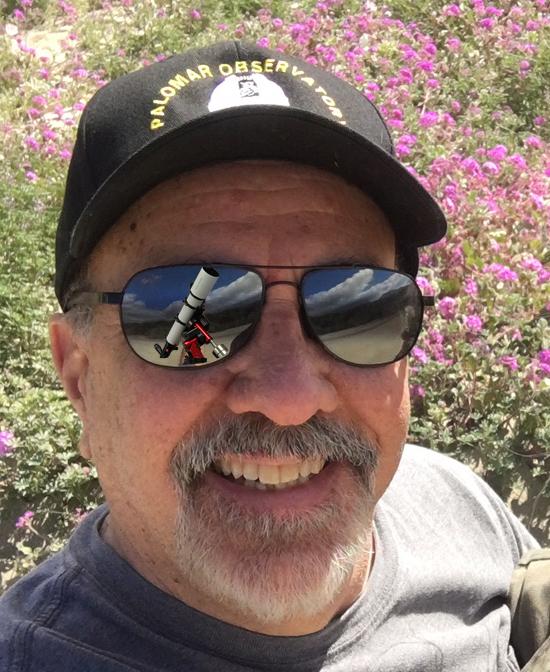
As a very young man, Bob would observe the night sky with his father and Grandfather, from their backyard in Phoenix, Arizona. He mentions how astronomy “brings people together, especially observational astronomy. You have a telescope out and people will look through it and you bring people together whether it's neighbors, friends or family.” Early on, Bob was awestruck by that which he observed through the various telescopes he used. “When you look up in the night sky you see the Moon, but you don't see the craters and the lava flows and all the detail. And a telescope does that for you and blows people's minds. Saturn is the same way, you look up in the night sky and Saturn is just a pale-yellow starlike object, but when you look through a telescope you get the rings. I think that is exciting.” Another aspect of Bob’s passion for observational astronomy is the familiarity it brings and the ability to lose oneself in the night sky. “Because I've been looking at the sky for as long as I have, I see patterns and shapes and sometimes I don't get lost in the stars. So, when I go to new skies or very dark skies it's very fun for me to have that “being lost in the sky” feeling again and see the sky for the pure beauty that it is.”
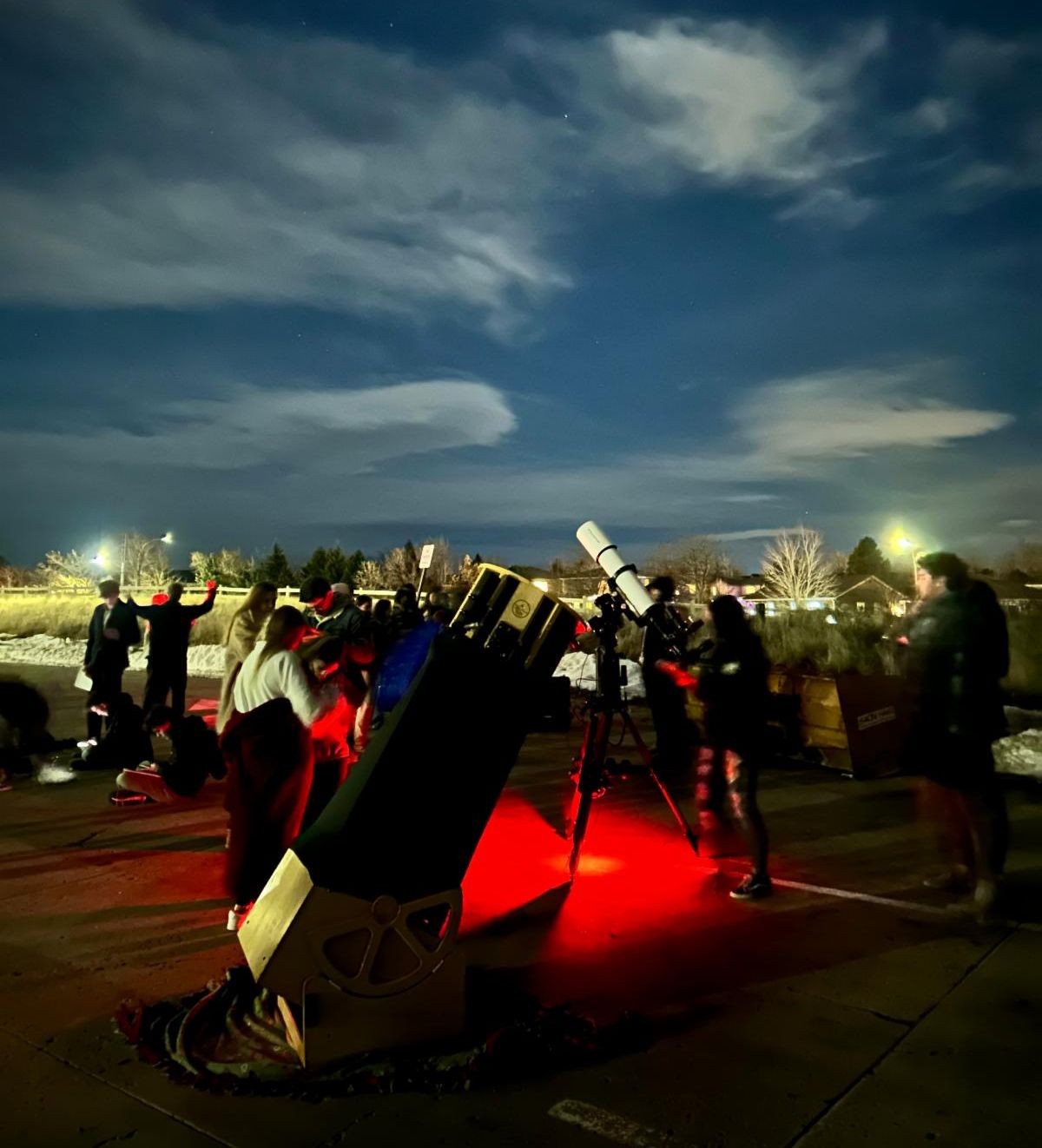
Back when Bob first started attending college, he signed up for a number of science classes including astronomy. Over a year's time span, this experience reignited the same excitement for the night sky that he had once known at a younger age. “During my sophomore year I actually started volunteering at Lowell Observatory in Flagstaff and that was amazing. I had been up there when I was a kid, but now I was actually there using the 24-inch Clark telescope for public programs. I used a 16-inch telescope to help with an online astronomy program. I was giving tours about the history of Lowell Observatory, and I fell in love with it…I fell back in love with astronomy.” After graduating from college, Bob landed a job as a high school science teacher in Denver, Colorado. He has been teaching there since 2002 and takes great pride in all that he has shared, with each class along the way. “I've done star parties, I'll do solar viewing, and I love sharing my passion for geology and meteorology and astronomy with my students. I'll bring my personal telescopes to school for my students to look through. Experiential education is a big part of my teaching philosophy. I've taken students to Mauna Kea to see the Keck telescope. I've taken students to Iceland, and we've seen the Northern Lights. I've taken my students to the South Pacific and we've seen the southern cross and the southern skies. So, I love sharing my passion for astronomy with my students.”
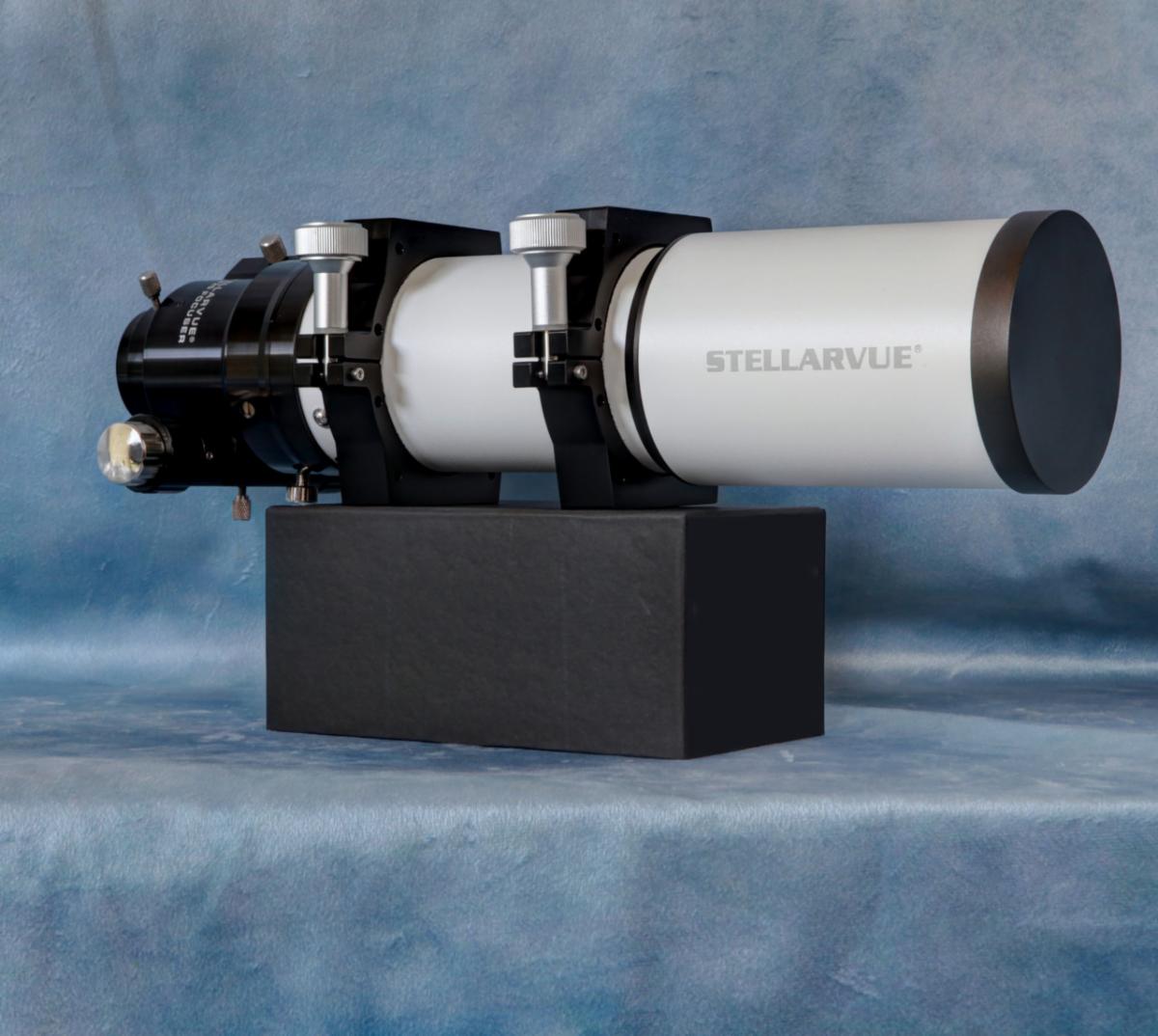
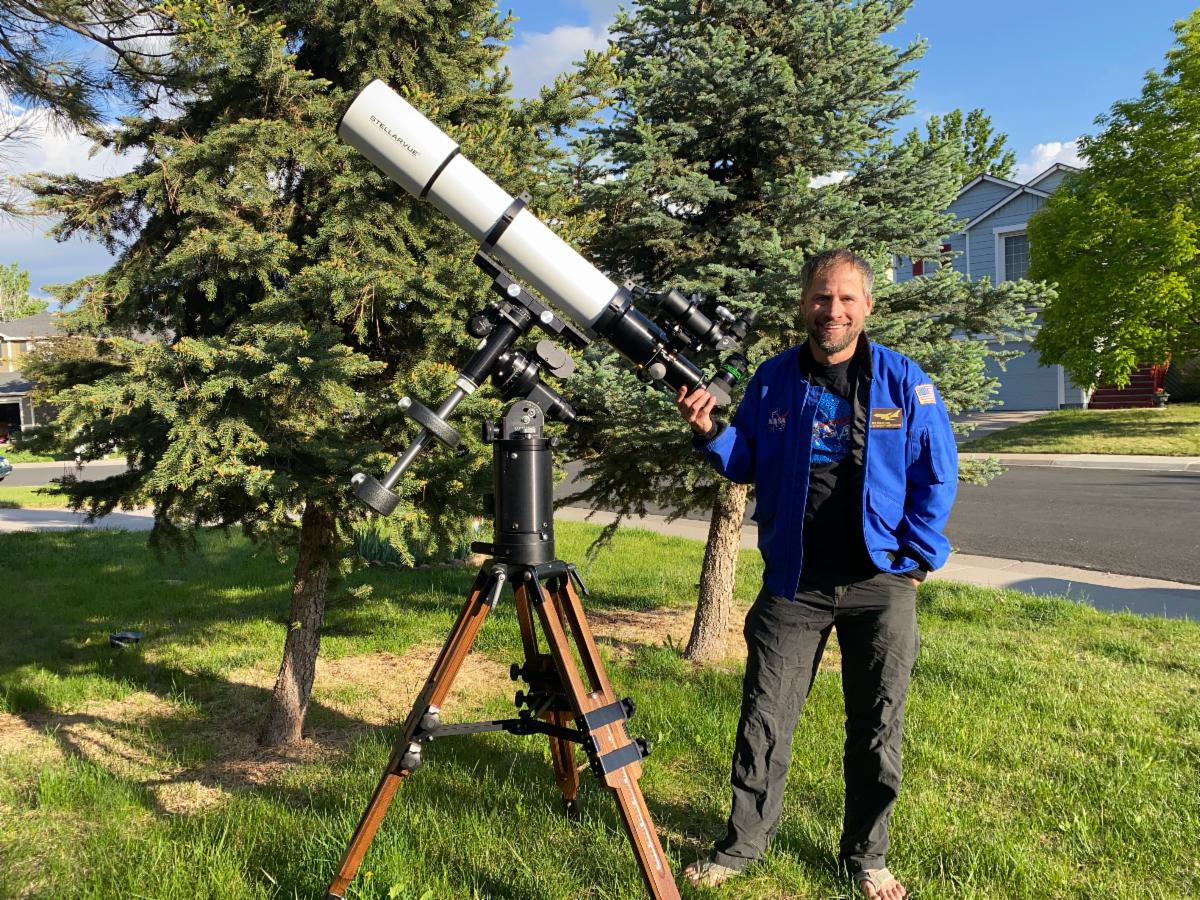
When Bob first began to pursue his passion for observational astronomy, he was introduced to Stellarvue Telescopes by the community that surrounded him. “I've always heard of Stellarvue in my astronomy circles whether it was the local astronomy clubs or online forums. After looking through a bunch of refractors of all different companies, I landed on Stellarvue for a lot of reasons…a high-quality scope with the optics made here in the United States. The customer service, I mean it's awesome and you Vic, you're always willing to answer questions and help your customers and the same for your staff. I have always appreciated that, so that's kind of my journey to Sellarvue right there. I will say that the SVX127D and SVX90T are mind-blowing telescopes and I'm not just saying that. I literally mean that. When I look at star clusters, when I look at binary stars, when I look at the planets and the moon, the views are breathtaking. It is how we're supposed to see the sky." In relation to how astronomy has contributed to Bob as a person, he states that, “It is something that has always been there for me, you know. Growing up I could count on astronomy and as an adult I can count on it. I can look up at the night sky and things are familiar and comforting to me. It's when sometimes the world seems chaotic or when you feel lost that the stars are there. Whether it's looking through a telescope or just looking at the night sky without a telescope, it will be part of me for my whole life, because it's also something that keeps me close to my family and keeps me close to who I am.”
When asked what advice Bob would give to up and comers pursuing astronomy as a hobby or career, he responded by saying “just look up.” This is what Bob tells his students who are pursuing fields in astronomy. “I say don't forget to look up, because that's what got us into astronomy. Just getting connected with people in the field. Maybe attend a star party. There are a lot of really great star parties across the country whether it's the Grand Canyon Star Party, Okie-Tex, Nebraska Star Party, or the Texas Star Party. Ask your teacher about starting or sponsoring an astronomy club. Really it is just connecting with people in the field. Any way you can, just look up and feed that excitement for the night skies.” As our interview with Bob came to a close, he left us with this last note of wisdom to share with you all:
He said, “always share your passion because you never know who you're talking to. You never know who you're going to inspire. You never know how you're going to inspire them. So always share your passion and never be afraid to ask questions. Because it is questions that lead to answers, that lead to more questions, that lead to the expansion of our knowledge and wonderment of astronomy and the universe.”
|