view in browser

Every child deserves a community that responds when family life becomes unsafe or overwhelming. For many children in the child welfare system, domestic violence or substance use is a part of their daily lives. These experiences shape what home feels like, what support their family needs, and how quickly help becomes available.


October is both Domestic Violence Awareness Month and National Substance Abuse Prevention Month. These observances point to the same truth: Prevention matters before a family reaches crisis. Children are better supported when communities understand what families face and know how to connect them with help sooner.


In this month’s Step Up for Kansas Kids newsletter, we feature two articles written by community partners, DCCCA and The Willow Domestic Violence Center. DCCCA views substance use prevention as everyday community work. The Willow reflects on 50 years of supporting survivors, building community connections, and helping young people understand healthy relationships. 

Check out the latest news & updates from Step Up:

Community Solutions for Substance Use Prevention: A Message from DCCCA


Substance use often affects the families and children CASA volunteers advocate for, making prevention an important part of strengthening child welfare work. During National Substance Abuse Prevention Month, this partner message from DCCCA explores how communities can reduce harm before crises deepen.


DCCCA works with communities across Kansas to prevent substance use and provide practical tools that support safety and well-being. In this article, their Community-Based Services team shares what prevention looks like in everyday life, including simple ways families and community members can store and dispose of medications safely, prepare for overdose emergencies, and get involved locally.

50 Years of The Willow: Community, Connection, and the Fight to End Domestic Violence


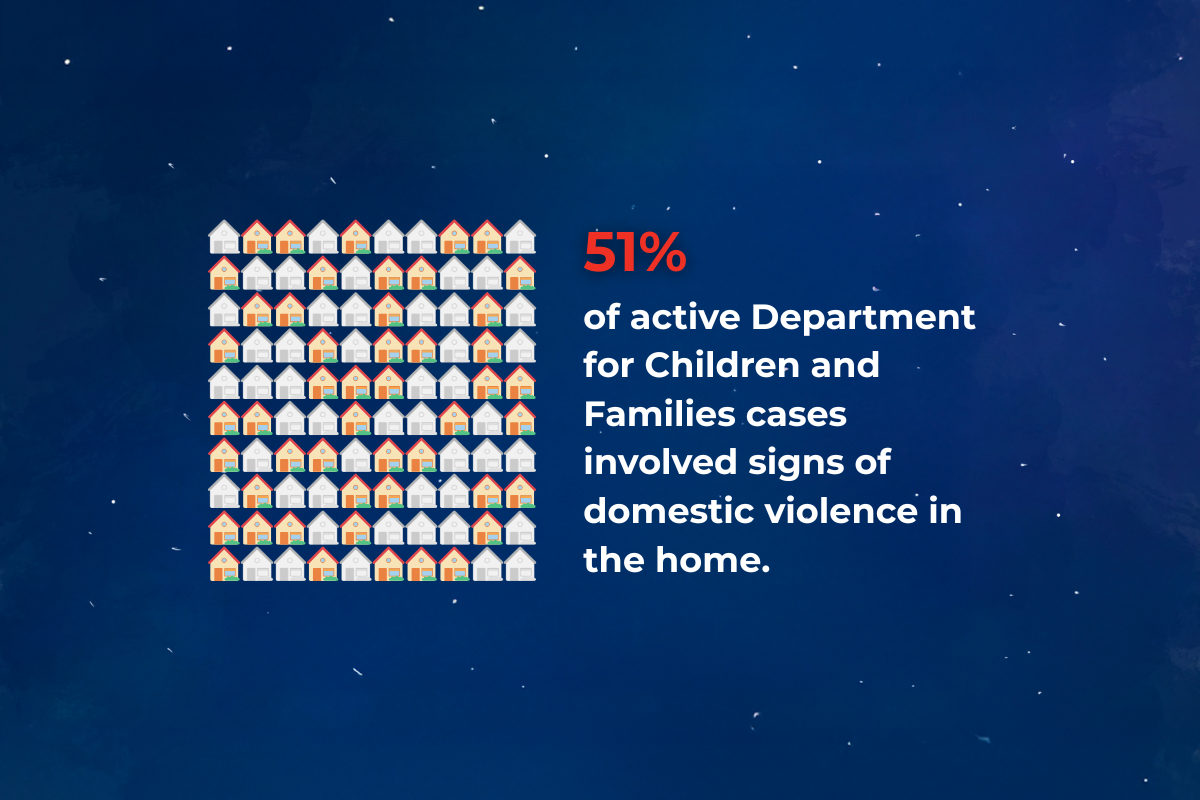
Domestic violence and child welfare are often deeply connected. When children witness or experience violence, the effects can shape their sense of safety, relationships, and long-term well-being. During Domestic Violence Awareness Month, this feature from The Willow Domestic Violence Center looks at why survivor support, youth education, and community partnership matter.


The Willow has served survivors across Douglas, Franklin, and Jefferson counties for 50 years, making it Kansas’s first domestic violence agency. What began as a student-led effort at the University of Kansas has grown into a trusted community resource for survivors, families, and young people. In this article, The Willow shares its history, the partnerships that sustain its work, and how education can help interrupt cycles of violence before they continue into the next generation.

Domestic Violence Awareness Month and National Substance Abuse Prevention Month remind us that prevention starts with practical steps, shared information, and communities ready to support families before crises deepen.


Support domestic violence awareness and survivor services:

  • Attend The Willow’s October 22 event: Reserve a spot for Behind the Rage: Inside America’s Domestic Violence, a special screening and panel.
    
  • Share support information: Help make sure people know The Willow’s 24-Hour Hotline is available for anyone who needs support. Visit www.willowdvcenter.org to learn more.
    

Support substance use prevention:

  • Clear out unused medication: Drop off expired or unused medications at a local disposal box to prevent misuse and keep them out of reach.
    
  • Store medications safely: Request a medication lock bag from DCCCA to make safe storage easier at home or while traveling.
    
  • Be prepared to respond: Request a naloxone kit and join a free overdose prevention training through DCCCA to learn how to act in an emergency.
    
  • Get connected locally: If you are in the Douglas County area, connect with DCCCA’s local community coalition and follow their updates on Facebook or Instagram.


Additional Information on Substance Use, Domestic Violence, and Child Welfare


  • Children Affected by Parental Substance Use (Urban Institute) | Explore how parental substance use shapes children’s experiences in the child welfare system. This fact sheet clearly shows why prevention and family support matter, especially for young children and families facing pressures like housing instability, incarceration, and longer stays in care.
    
  • Domestic Violence: A Primer for Child Welfare Professionals (Child Welfare Information Gateway) | Learn how domestic violence and child welfare involvement can overlap and why coordinated support matters for children and nonoffending caregivers. This primer helps readers understand the dynamics families may be navigating and how child welfare professionals can respond with safety, accountability, and care.


Douglas County CASA, Inc. | 725 N. 2nd Street Suite M | Lawrence, KS 66044 US

Facebook  LinkedIn  Instagram
 
Constant Contact