|
|
|
www.stephenpuleo.com
facebook.com/ stephenpuleoauthor
@spuleoauthor
|
|
|
|
My Latest Updates and My Thanks to You
|
|
Greetings and Happy Thanksgiving weekend. I hope you're enjoying time with family, friends, and loved ones.
This is an especially appropriate time to express my gratitude to all of you. If you're receiving this message, it means you've supported and encouraged me in one or many ways -- asked me to speak, attended a presentation, corresponded with me, purchased my books, or simply asked me how things were going with the writing process. I so appreciate your interest and loyalty.
Writing may be a solitary act, but "authoring" takes teamwork, and it's great to know that you are members of my team. I write with you in mind. You make any and all success possible, and as always, I am enormously humbled by and grateful for the help you've given me.
It's been a busy 2019 and -- with my new book,
Voyage of Mercy
due out in March -- 2020 should be a fun year too. I hope you find this edition enjoyable and as always, I welcome your feedback. Let's get started!
|
|
Coming in early March:
Voyage of Mercy
Both in hardcover and as an audiobook!
|
Thank you for your enthusiastic response to my announcement earlier this year of my upcoming book,
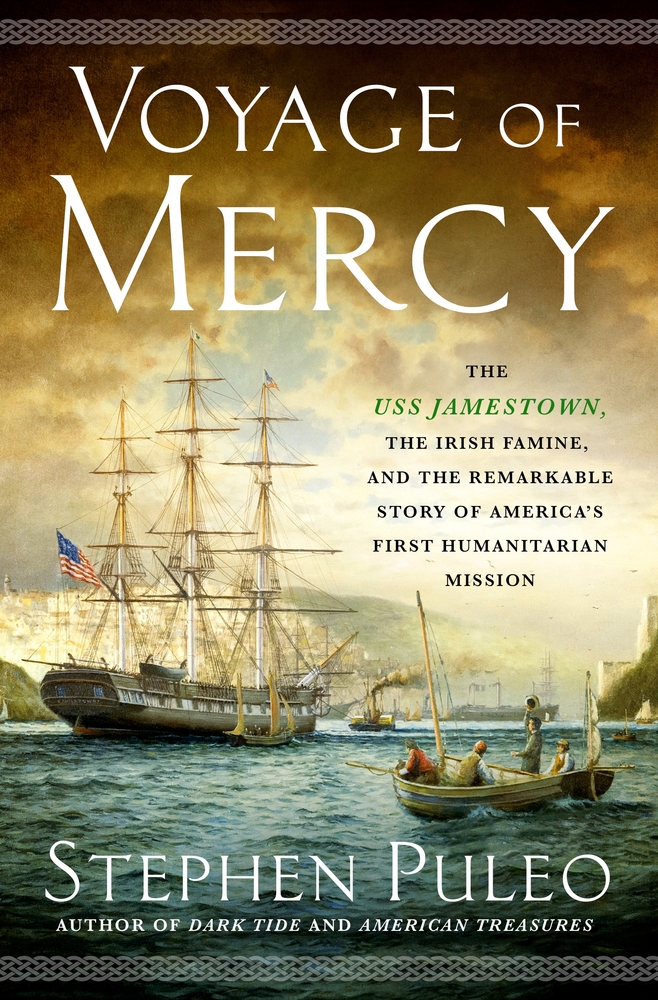
Voyage of Mercy: The USS Jamestown, the Irish Famine, and the Remarkable Story of America's First Humanitarian Mission
, to be published in March by St. Martin's Press.
Voyage of Mercy, my seventh book, recounts for the first time the remarkable and unprecedented relief effort by the government and citizens of the United States to assist Ireland during the terrible famine year of 1847. It's
remarkable because the mission undertaken by Captain Robert Bennet Forbes and the crew of the
USS Jamestown to deliver tons of donated food to Ireland was just the first step in a monumental effort that involved contributions from citizens of virtually every community in the United States, and the official imprimatur of the U.S. government.
It's unprecedented because it's the first time the United States -- or any nation for that matter -- extended its hand to a foreign neighbor in such a broad and all-encompassing way for purely humanitarian reasons. Prior to 1847, the bulk of interaction between nations consisted mainly of warfare and other hostilities, mixed with occasional trade; the entire concept of international charity existed neither in the moral consciousness nor as part of the political strategy of monarchs, elected leaders, or diplomatic professionals. If anything, such a philanthropic gesture toward a foreign nation would likely have been viewed as a sign of national weakness. The
Jamestown mission and the American people change that view.
As I say in my author's note,
Voyage of Mercy is a story about hope, generosity, and soaring goodwill against a backdrop of wretched and nearly unfathomable despair -- one nation's struggle to survive, and another's effort to provide a lifeline. You'll learn much about the Irish famine in the book, including its profound influence on Ireland and in Irish-British relations, as well as how the American relief effort in 1847 cemented the strong alliance between Ireland and the U.S. to this day.
That Americans from across the U.S. contributed to Irish relief was extraordinary enough, but it was the nature of most of their donations that was most impressive. While many people sent small amounts of money, the vast majority planted, cultivated, and harvested the crops and then shipped food that normally would have been reserved for their families.
The
Jamestown voyage and the subsequent outpouring of charitable relief captured hearts and minds on both sides of the Atlantic. The events of 1847 inspired, and served as a blueprint for, hundreds of American charitable relief efforts since; philanthropic endeavors that have established the United States as the leader in international aid, and enabled it to assist millions of people around the world victimized by famine, war, and catastrophic natural disasters.
More than 5,000 ships left Ireland during the great potato famine in the late 1840s, transporting the starving and destitute away from their stricken homeland. The first vessel to sail in the other direction -- to help the millions unable to escape -- was the
USS Jamestown, whose voyage inspired thousands of Americans to offer additional relief to Ireland.
I'll be saying more about
Voyage of Mercy in early 2020 -- meantime, I welcome your reaction to this remarkable story.
|
|
You can pre-order your copy of
Voyage of Mercy
here
.
|
Announcing the
Voyage of Mercy
audiobook!
I'm thrilled to announce that the audiobook version of
Voyage of Mercy
will be available at the same time as the hardcover version of the book. The narrator is Sean Patrick Hopkins, whose rich voice puts you in the moment! Keep in mind as you listen that the clip was recorded as an audition prior to final book edits -- so the clip may vary slightly from the final audio (and printed) version.
You can pre-order your audiobook version of
Voyage of Mercy
here
|
|
My thanks to these great authors for their pre-publication
praise of
Voyage of Mercy...
|
|
From William Martin,
New York Times
bestselling author of
Back Bay
and
Bound for Gold:
"Voyage of Mercy
is why we read. It's history as it should be written. It reads like a terrific, page-turning novel, with characters who live and breath and struggle and yearn, with grand dramatic moments, with settings so vividly described in a world so impeccably researched that you think you're there, with powerful themes that will resonate long after you've finished reading. It's Stephen Puleo's best book and a voyage that every reader should take."
|
|
From Eric Jay Dolin, author of
Black Flags, Blue Waters
and
Leviathan
:
"Voyage of Mercy
is a fascinating and moving tale of America as we wish it would always be—kind, generous, and humane to people who are in dire need of help, wherever they may live. Puleo is a master storyteller who seamlessly weaves together the personal and the political in this enthralling narrative of the United States' philanthropic and humanitarian roots. In today's fractious and divisive world, this book is a tonic to the soul, and a potent reminder that we are at our best when we follow the 'better angels of our nature'."
|
|
|
______________________________________________________
And I'm thrilled with this excerpt from a great pre-pub review from the prestigious
Kirkus Reviews
:
"...In his latest narrative history, Puleo focuses on a remarkable event in 1847 to illuminate a broader discussion about U.S. aid to other nations...the author effectively shows how 'the events of 1847 have served as the blueprint and inspiration for hundreds of American charitable relief efforts since, philanthropic endeavors that have established the United States as the leader in international aid in total dollars.' An uplifting historical account of humanitarianism with lessons in this increasingly isolationist time
.
Please note that the full review will be available December 1 on the
Kirkus
website
|
|
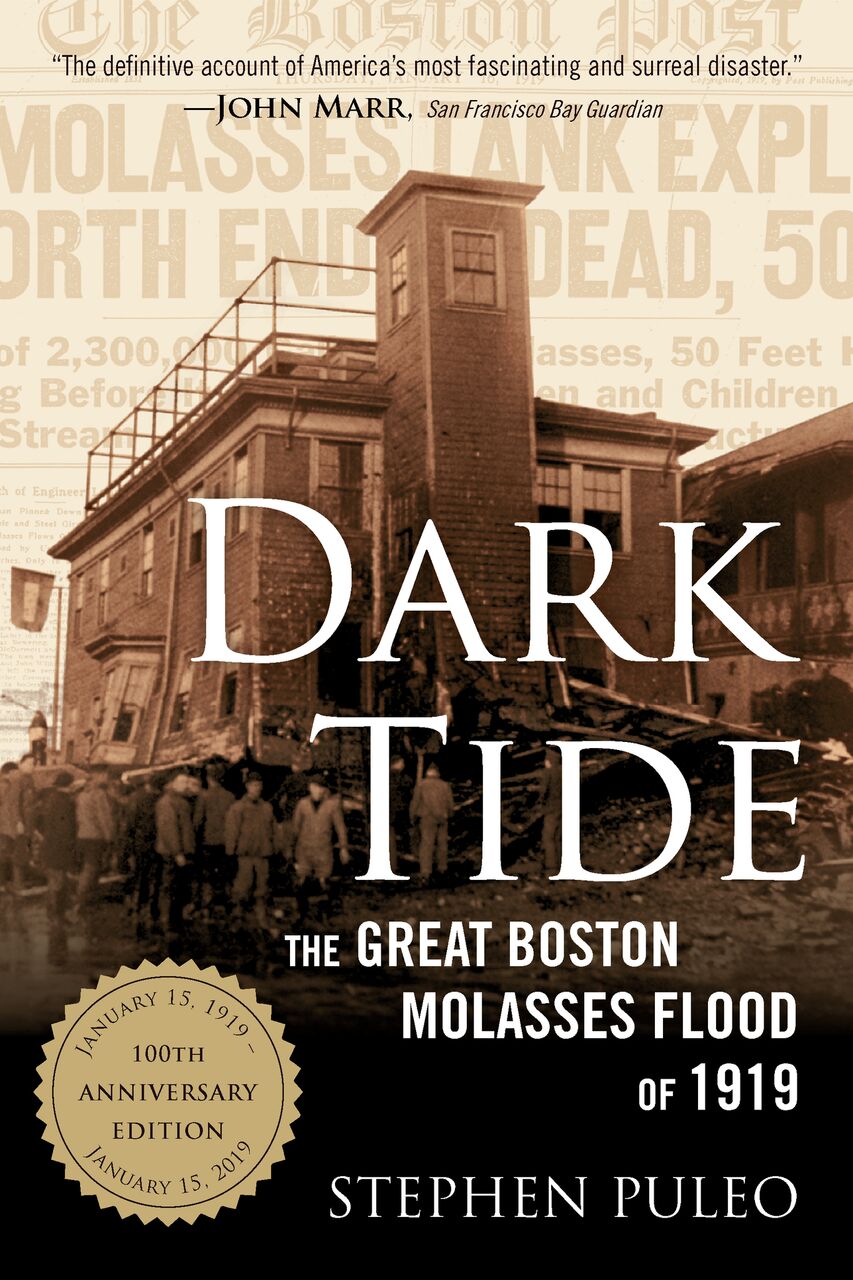
Dark Tide
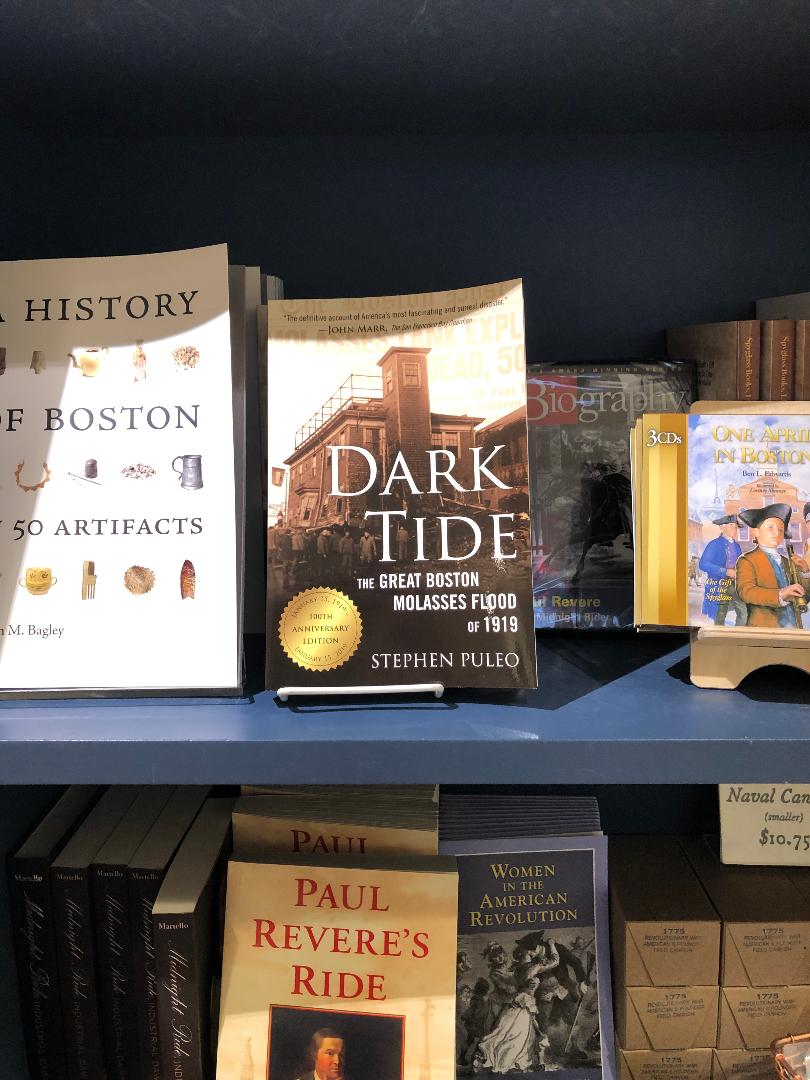
now available at the Paul Revere House!
|
I'm thrilled to announce that the
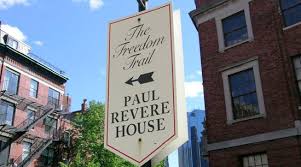
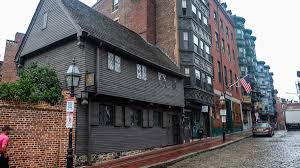
Paul Revere House
gift shop now carries my book,
Dark Tide: The Great Boston Molasses Flood of 1919. My thanks to Paul Revere Foundation Executive Director
Nina Zannieri and Program Director
Alexandra Powell for making this happen. The Paul Revere House in Boston's historic North End is one of the region's most popular attractions for visitors from around the world, and I'm honored that my book is on its gift shop shelves. Please visit the
Paul Revere House website for more on the great work the Foundation does.
|
|
|
Thanks to all who organized, attended my Fall speaking events...
|
|
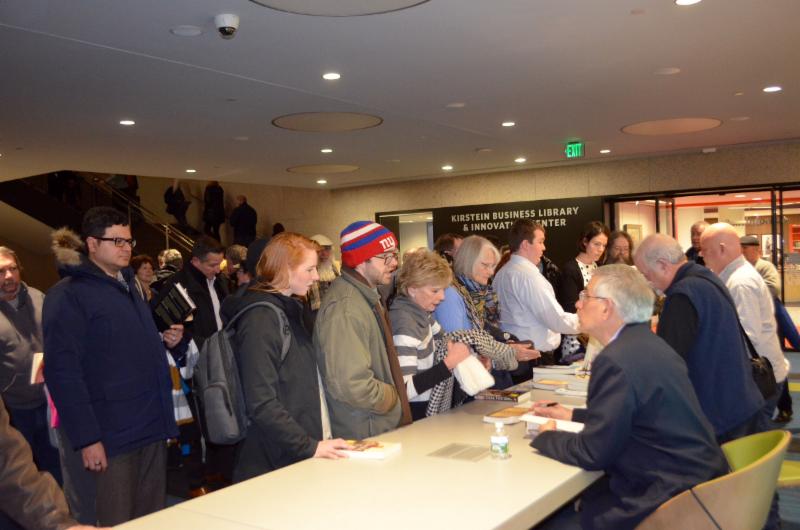
I
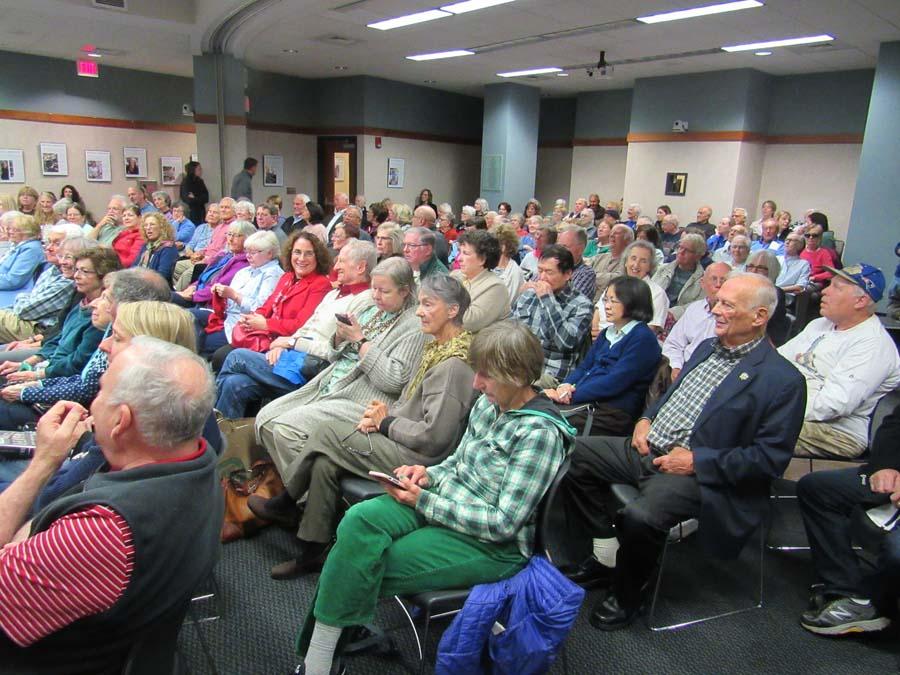
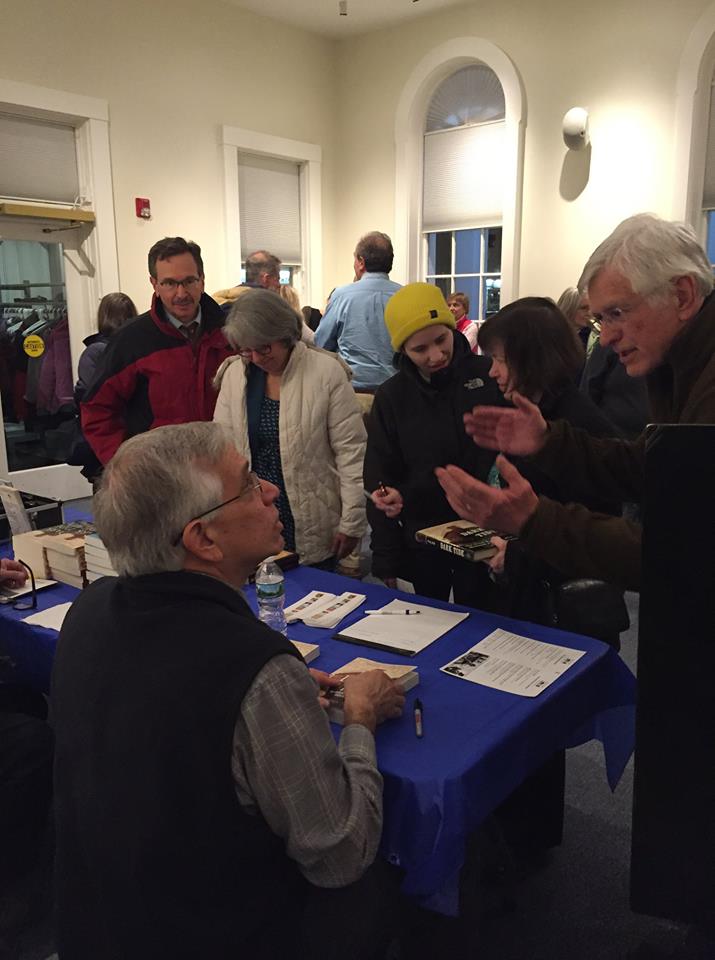
'm winding down a very busy and enjoyable Fall speaking season, with just a couple of events remaining before the close of 2019. By year's end, I'll have made
580 career author appearances
since the publication of my first book,
Dark Tide
. I thank those people and organizations who work so hard to put these events together, and those who take time from their busy schedules to attend. This Fall was no exception.
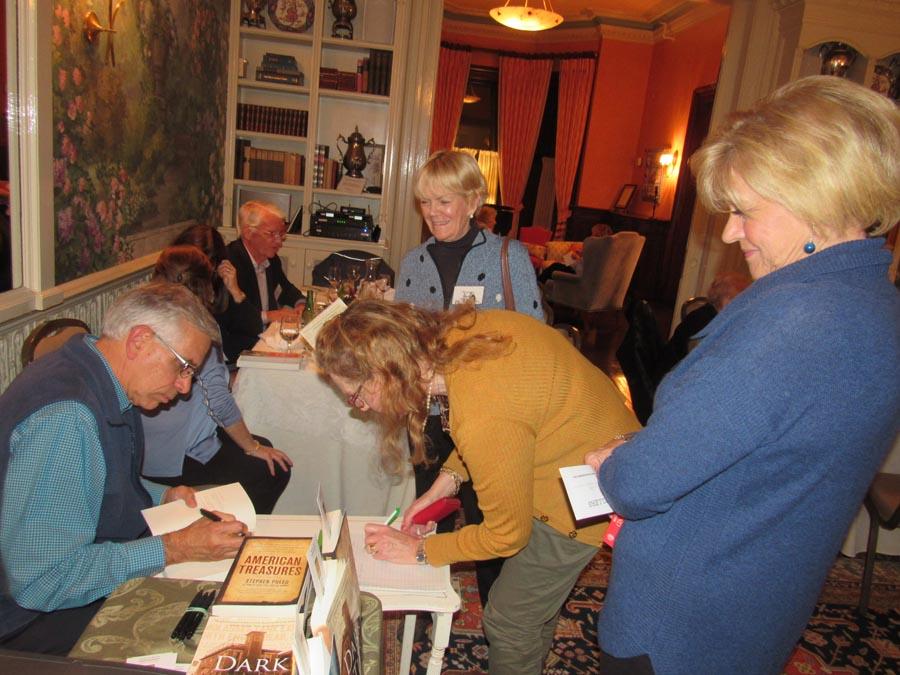
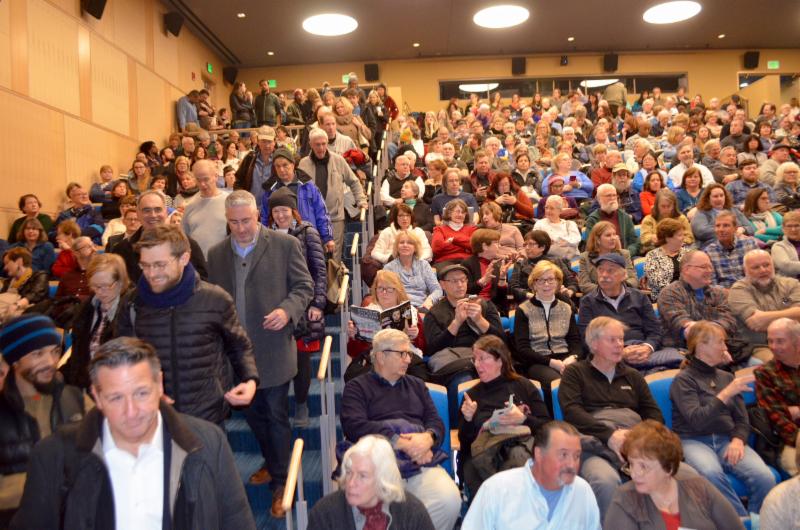
I thoroughly enjoyed participating in the
Perkins School for the Blind's
"Libraries Without Walls," an interesting and lively conference call during which I discussed my book,
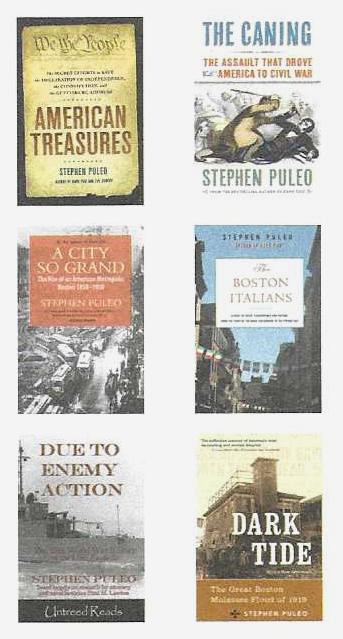
American Treasures
. In
Wellesley, MA, more than 150 people turned out to hear my presentation on
The Boston Italians,
while I had a great time discussing
A City So Grand
with the
College Club of Boston
, the nation's oldest continually operating women's club. I also enjoyed appearances before the
Justinian Law Society
(
The Boston Italians
), at the
Eldredge Library in Chatham, MA
(
Dark Tide
), at the Oak Point community in Middleborough (
Dark Tide
), and at the
Boston Druggists Association
quarterly meeting (
Dark Tide
).
In addition to my last appearances in December, I'm already
scheduling events for the spring. Time moves fast, so please reach me at this address to schedule an appearance.
|
|
...And an extra thanks for a very special "Top 10" event in Boston's North End
|
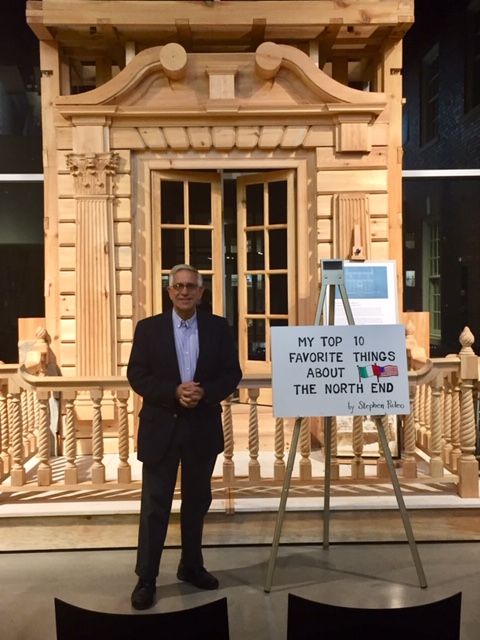
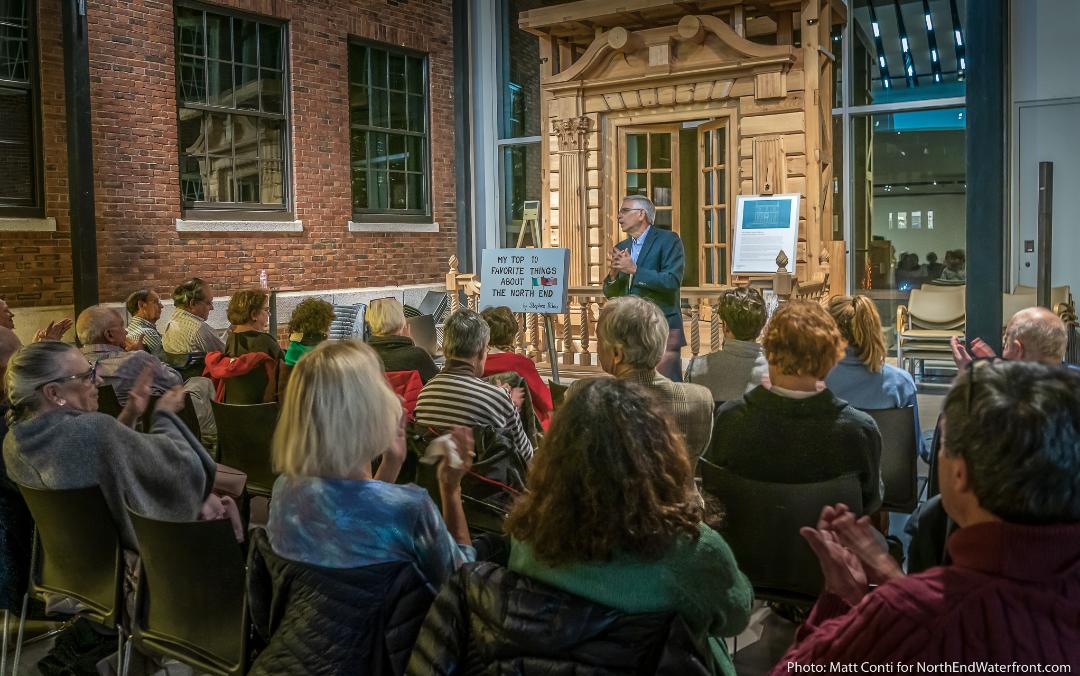
I was honored to be the guest speaker at the
10th anniversary commemoration of
Boston's North End Historical Society (NEHS),
whose Founder and President
Alex Goldfield
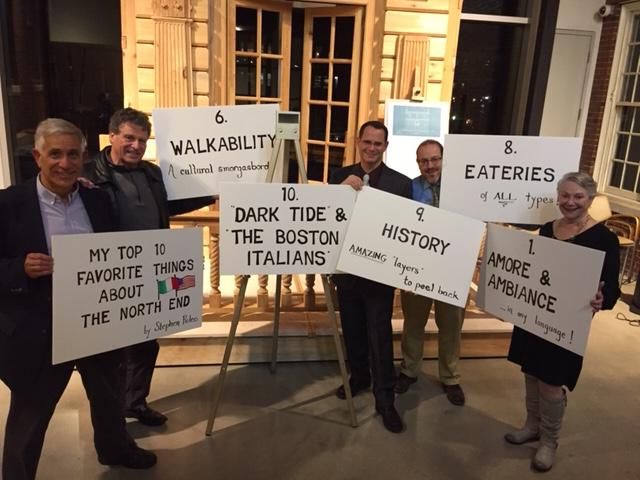
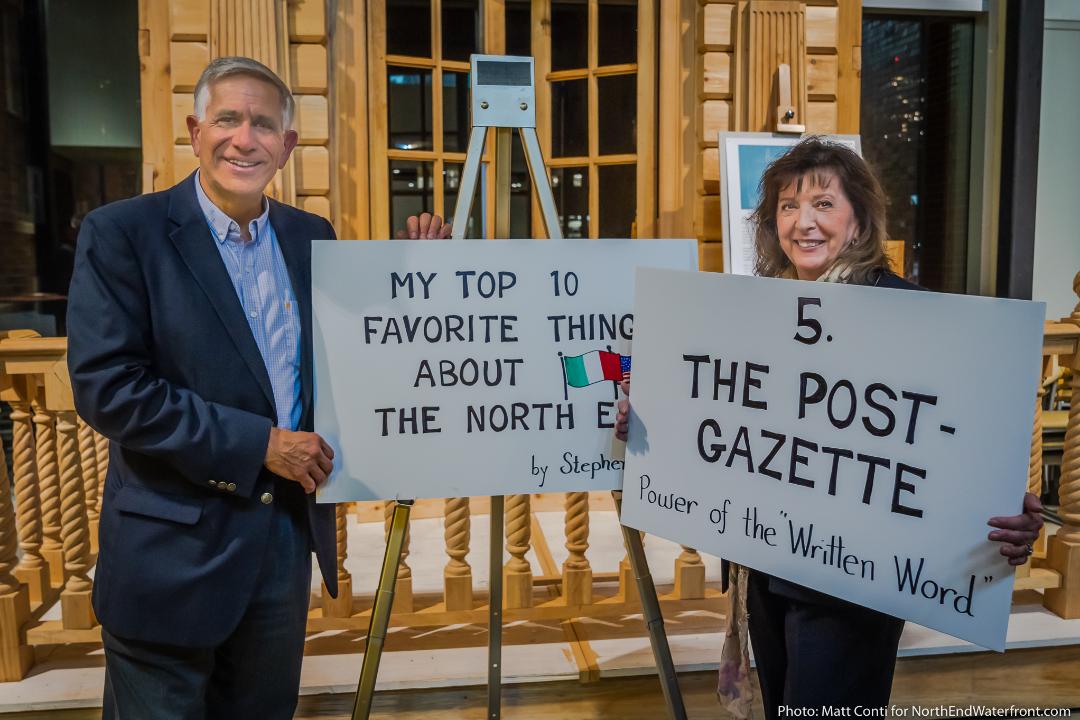
asked me to discuss my "Top 10 Favorite Things" about Boston's oldest and most historic neighborhood.
The event was great fun and a warm, engaging way for NEHS to honor the neighborhood which encompasses Boston's (and the nation's) amazing colonial and Revolutionary history, and is also the home of the city's first free African-American enclave, and successive waves of German, Irish, Jewish, and Italian immigrants. For most of the 20th century, the North End was almost exclusively an Italian neighborhood, and while the Italian-American population has dropped, it still remains the center of Italian history and culture in Boston.
The NEHS celebrated the event at the world-renowned
North Bennett Street School
(now located on North Street), famous for its coursework and expertise in precision musical instrument manufacturing, restoration carpentry, and award-winning furniture-making and craftsmanship. During the days of the great immigration period, the North Bennett Street School held English classes six and seven nights a week for Italian immigrants eager to assimilate.
The "10 Favorite Things" idea was Alex Goldfield's brainchild -- my hat's off to Alex and his team for the outstanding work that they do to preserve North End history and the Italian-American cultural experience. In the
group photo
in this section, Alex is shown in the center with his arm resting on "Number 10." I'm at the far left of the photo and I'm joined by NEHS Board members (from left):
Tommy Damigella, Mike Chisholm, and Phyllis Viti
. In a separate photo, holding the sign for "Number 5," is
Pam Donnaruma
, owner and publisher of the
Post-Gazette
, the nation's oldest ethnic newspaper. Pam's grandfather, Italian immigrant advocate James Donnaruma, founded
La Gazetta del Massachusett
s
at the end of the 19th century, and the paper has continuously published since, chronicling the North End and the Italian-American experience in Boston. Like the North End, the
Post-Gazette
is one of Boston's treasures.
|
|
My thanks to my wife Kate, and to Matt Conti, Editor of the
North End Waterfront,
for the great photos in this section.
|
|
|
|
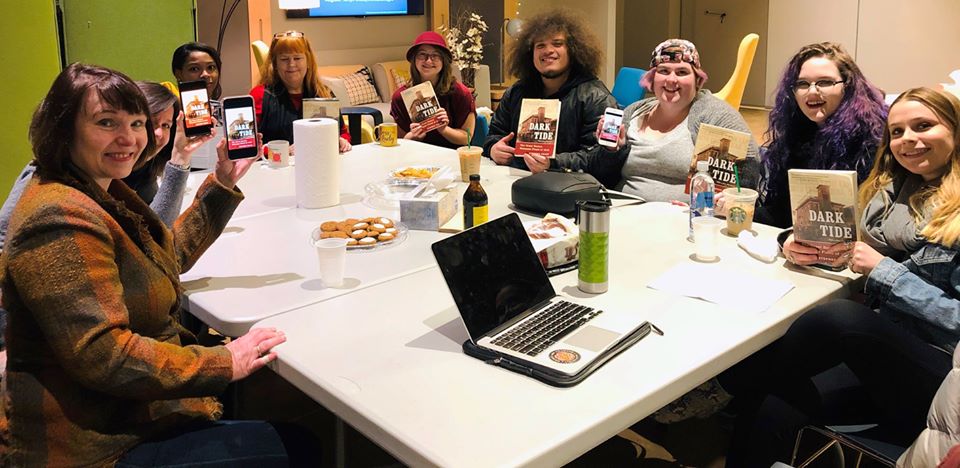
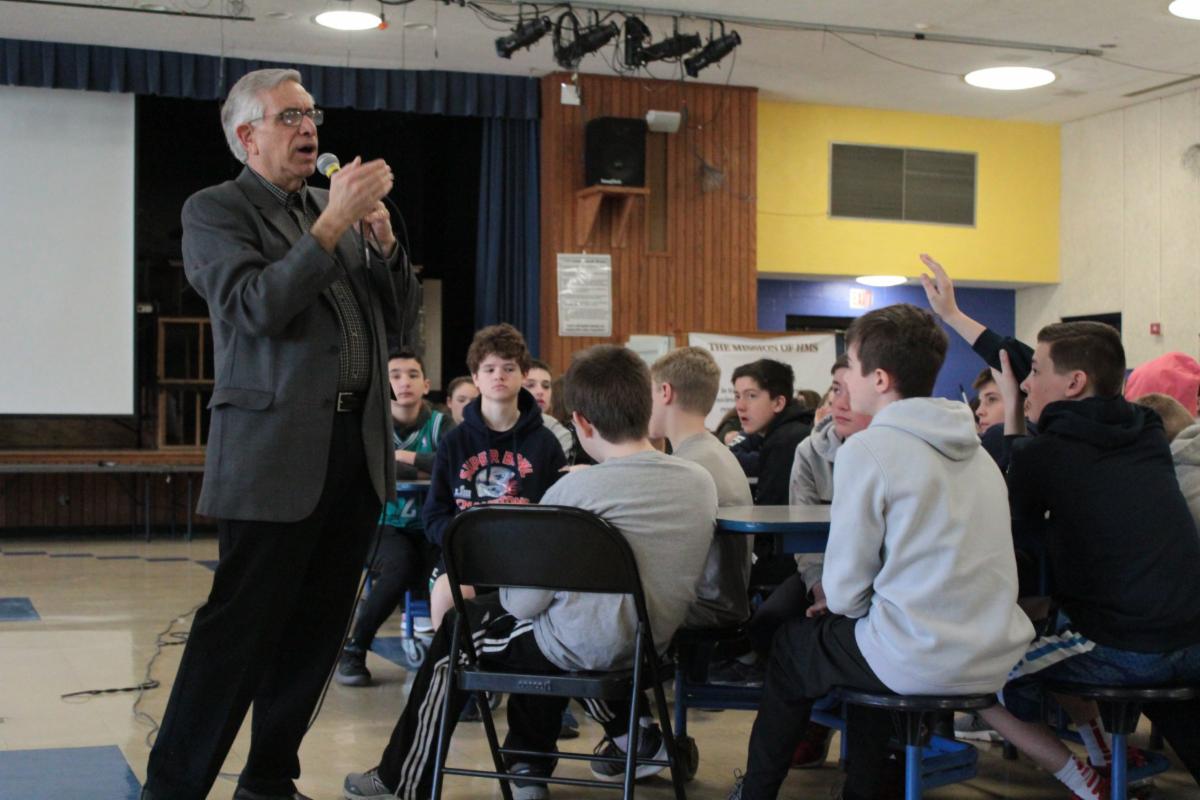
My gratitude to teachers, students, and book clubs
|
Thanksgiving weekend is also an appropriate time to offer my thanks to
students, teachers, and book clubs
.
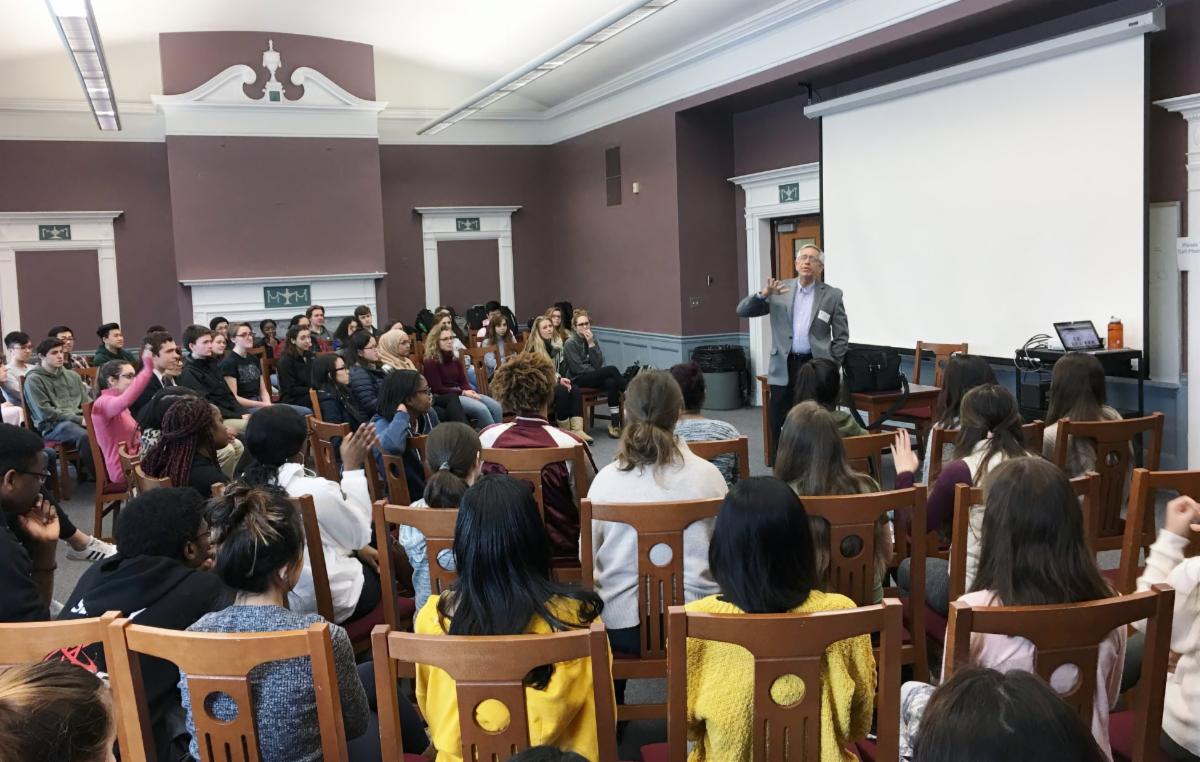
I've had the opportunity to speak to
several thousand elementary, middle, high school, and college students
during my career as an author. I've also worked with dozens of students on projects, papers, theses, and History Day presentations. I always find students among the most engaged readers and they ask incisive questions. I've also worked with many teachers, either in preparation for appearances in their class, or in workshops on how best to convey historical topics to their students. These are among my most enjoyable appearances, and I wanted to say thanks to educators and students who have helped bring my books and history to life.
Book clubs
have also been very supportive of my work, and I can't say enough about how much this means to me. This year alone, I offer thanks to the following
Massachusetts book clubs
who have selected my books to read: the
Norwood Historical Society
, the
Towns of Upton and Westwood
, the
Seekonk Public Library
, the
Lutheran Church of Our Redeemer
(Foxboro, MA), and the
Metropolican Waterworks Museum
(Boston) "Waterworks Book Clubs."
Visits to schools and book clubs have accounted for well over 100 of my total appearances and are among my favorites --
educators and book club representatives can request a visit by responding to this email.
And once again, thanks so much for your support!
|
|
|
|
|
Thanks for your enthusiasm for
Dark Tide
during the 100th anniversary year of the Great Boston Molasses Flood
As I wrap up the
100th anniversary year of the Great Boston Molasses Flood, I want to offer thanks to the many hundreds of people who hosted workshops, attended my presentations, wrote or conducted broadcast events about the flood and
Dark Tide, selected
Dark Tide as community-wide reads, and -- last but not least -- for purchasing Dark Tide.
There are too many people, communities, libraries, historical societies, and other organizations to thank individually for setting up and attending events; and too many regional, national, and international press outlets to mention here who did stories on the flood and the book.
So consider this a collective thanks to all who showed their interest in
Dark Tide. The book was published 16 years ago, and the 100th anniversary year of the molasses flood was very special.
|
|
|
And finally, a few books for your reading pleasure (besides mine!)
Those of you who have received my e-blasts before know that I like to recommend nonfiction books from other authors that I think you'll enjoy. Many of you have let me know that you appreciate this, which pleases me greatly -- I like conversations about books, so consider this our online conversation. I recommend four books for your Christmas/holiday/winter reading list, three of them related to World War II and one from the American Revolution. Enjoy them all.
- Valley Forge: by Bob Drury & Tom Clavin -- I thoroughly enjoyed this book. If you ever had any doubt about George Washington's leadership capabilities (though I'm not sure why you would), this book should dispel those notions. Through sheer force of will, Washington keeps the Continental Army together through the brutal winter of 1777-78. At this point, the Continental Congress is in exile and the American Revolution appears to be lost. Washington, along with advisers Alexander Hamilton and Marquis de Lafayette, know Valley Forge is the Revolution's last chance at redemption. He holds the army together and -- after six months at Valley Forge -- leads them to a stunning victory at the Battle of Monmouth Court House. The momentum is never again with the British Redcoats. This book is inspirational.
- Church of Spies: The Pope's Secret War Against Hitler, by Mark Riebling - The Vatican's silence in the face of Nazi atrocities remains one of the great controversies of our time. History has accused wartime Pope Pius XII of complicity in the Holocaust, and dubbed him "Hitler's Pope." But this book casts a different light on the role of the Pope and the Vatican during WWII. Pius, in fact, ran the world's oldest spy service and secretly worked to undermine Hitler at every turn. Based on newly unsealed files and secret transcripts, this book reveals how -- under Pius's leadership -- the Vatican spy ring actively plotted against Hitler and the Third Reich.
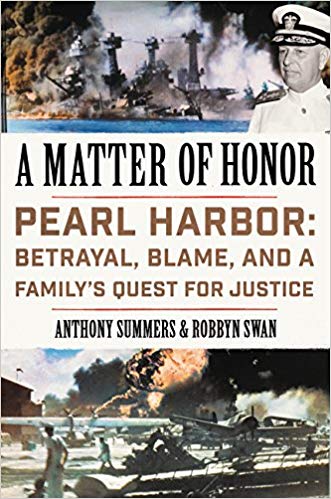
- A Matter of Honor: Pearl Harbor - Betrayal, Blame, and a Family's Quest for Justice by Anthony Summers & Robbyn Swan -- One of the great injustices in the aftermath of Pearl Harbor was the treatment of Admiral Husband Kimmel, commander-in-chief of the Pacific Fleet. The fact that Pearl Harbor was caught unprepared for the Japanese attack on December 7, 1941 was attributed to his leadership shortcomings. He was relieved of command, accused of dereliction of duty, and publicly disgraced. The fact was, however, that top brass in Washington failed to provide Kimmel with vital intelligence -- and in the name of protecting the biggest U.S. intelligence secret of the day, allowed Kimmel to become a scapegoat. Today, his grandchildren are continuing the struggle to fully clear his name. This book reveals the extent of U.S. intelligence knowledge leading up to Pearl Harbor; particularly due to the decryption of so-called "MAGIC" diplomatic intelligence by code-breakers. Great book.
- The Arsenal of Democracy: FDR, Detroit, and an Epic Quest to Arm an America at War by A.J. Baine -- This book has been sitting on my shelf for some time, and I finally got around to picking it up. I'm so glad I did. You may think you know the full story of the re-tooling of the U.S. economy during the Second World War, but this book focuses on how FDR turned to the auto industry -- and specifically the Ford Motor Company -- to provide America with the tanks, jeeps, and most important, airplanes, that it needed to fight World War II. Both Henry Ford and his son Edsel -- whose relationship with his father was mostly strained and often torturous -- are key characters in this book, as are the men and women who staffed the factories that made Detroit the "arsenal of Democracy." The remarkable effort on the American home-front likely will never be replicated here or anywhere else -- this book provides a remarkable lesson on how home-front unity helped the allies win World War II.
|
|
|
I'll conclude my "Thanksgiving message" the same way I began -- by offering my profound thanks to you for your support and encouragement. It is reassuring, inspirational, and humbling to know that you are in my corner.
I wish you all the joy of a Merry Christmas and Happy Holiday season, and many blessings for a healthy New Year.
I'll see you again in early 2020.
Best,
Steve
|
|
|
|
|
|
|