No Inflation at Henry's Farm Stand!

We heard from many of you last week that Henry has by far the lowest prices at the market for spinach and rhubarb (less than half the price as folks noted at some other stands). We're not sure why this is so. Perhaps some vendors are mirroring the broader trend of rising food prices in grocery stores. But many of those prices have to do with tariffs or other supply chain issues that do not affect us.


As Henry says, "As long as I'm making a living, I figure why raise prices just to match other people's prices?"


Henry has always believed that good food should be accessible and affordable to as many people as possible, so spread the word that inflation has NOT hit Henry's stand, and you can get the best-tasting, healthiest vegetables there at the lowest prices. Also let your friends and neighbors know they can sign up for our weekly emails on our new site.

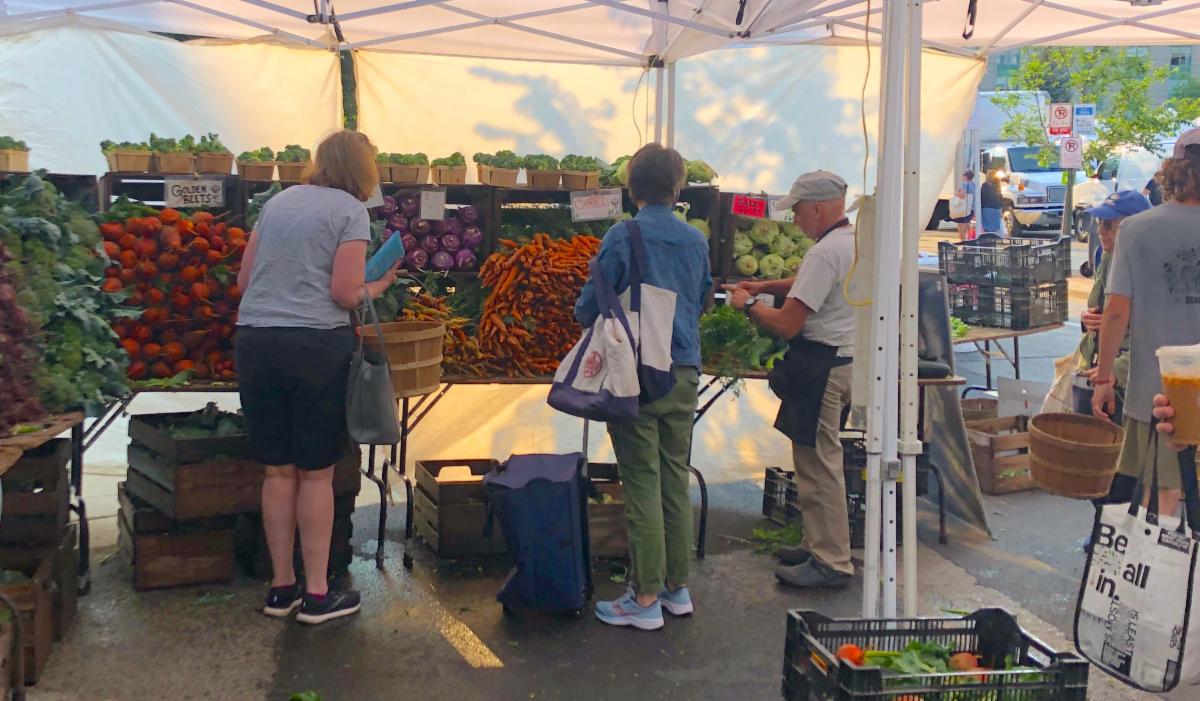
At Henry's Farmstand this week

MORE of All Your Spring Favorites!


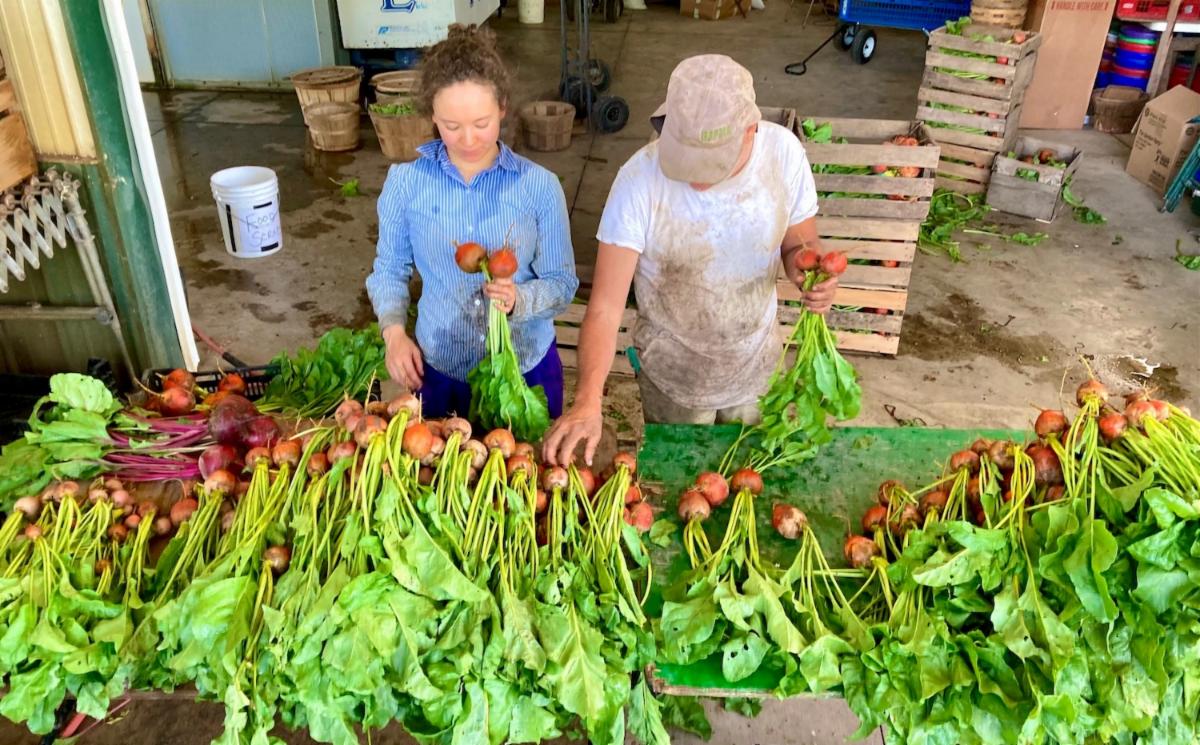
  • Golden Beets, and LOTS of them - These are sweet and delicious, whether roasted, pickled, shaved raw, or made into a beet hummus or beet salad. Many people (including children) who are not so fond of Red Beets adore the milder Golden Beets, so pick up a few bunches this week!
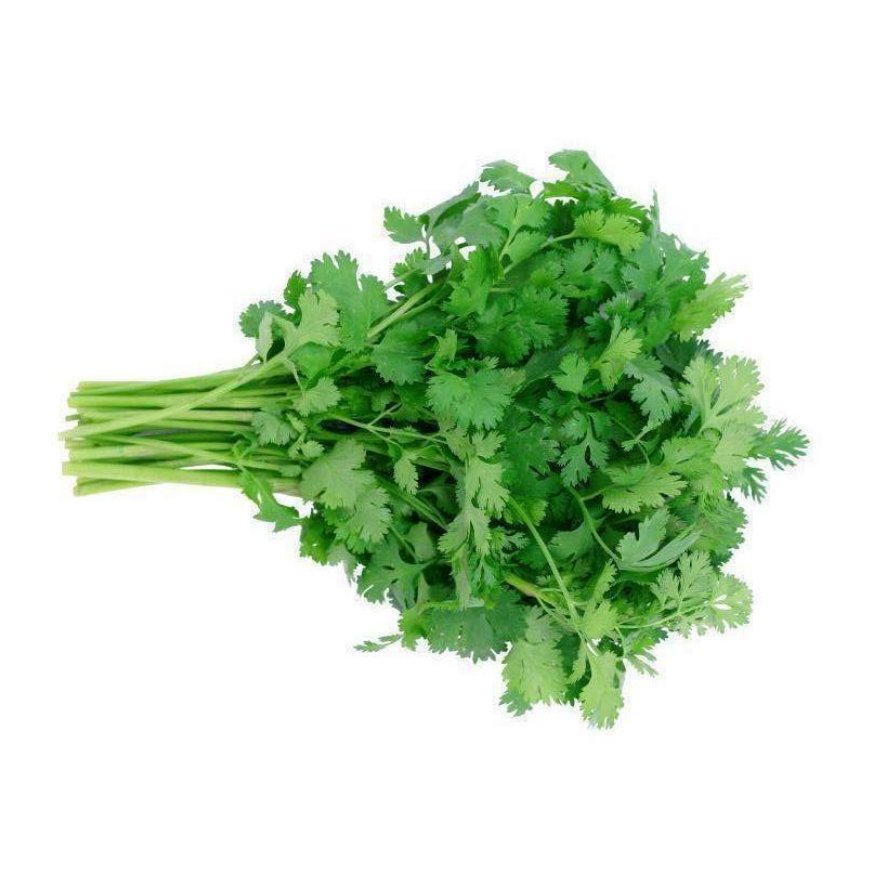
  • Cilantro -- see Food Notes below
  • Dill
  • Parsely
  • Baby Fennel
  • Carrots
  • Lettuce
  • Green Garlic, Green Onions, and Green (baby) Shallots


  • Rhubarb

And don't miss more of the amazing


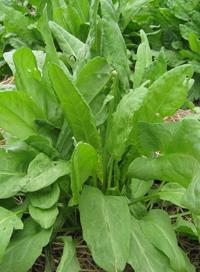
  • Tender Spring Sorrel
  • Spring-planted Spinach
  • Lamb's Quarters (aka Wild Spinach)


  • Spring Radishes


  • Chives -- French (regular, hollow-leaved), Asian, and Mongolian

Food Notes: CILANTRO

Cilantro loves cool weather, so last week's temperatures in the 80s and 90s caused our first planting to start to bolt (send up a stalk that would eventually flower and produce seeds). So before it does that, we will harvest out all of the non-bolting cilantro for you tomorrow.


We encourage you to buy multiple bunches and use them for soft herb salads (like this one based on Ottolenghi), and for a delicious cilantro pesto, possibly mixed with some parsley, baby fennel, and spinach you get from Henry this week.


Here's a simple recipe you can adapt as you like, using whatever kind of nuts or cheeses you have on hand. I usually spread it on toast, maybe topped with raw radishes, but you can also toss it with pasta or rice, or serve it with eggs or fish.


Feel free to double this recipe! As with any pesto, you can make a big batch, eat some now, and freeze the rest to enjoy later.


Easy Cilantro Pesto


4 cloves garlic

1/2 cup nuts (pine nuts, walnuts, almonds)

2 bunches cilantro

1/3 cup extra-virgin olive oil, or more

1/3 cup freshly grated Parmesan, Pecorino, or other cheese

1 Tb lemon or lime juice

1 teaspoon salt, or to taste

1/2 teaspoon cumin (optional)

Freshly ground black pepper (optional)


Put the garlic and nuts in your food processor until finely chopped. Roughly chop the cilantro on a cutting board into 1 to 2 inch lengths and add them to the food processor. Pulse until roughly chopped.


Add about half the olive oil and blend until a paste begins to form, occasionally scraping down the bowl. Add remaining olive oil, cheese, lemon or lime juice, salt, pepper, and cumin. Blend until it's at your desired consistency. Taste, and add more salt, pepper, or lemon/lime juice if desired.

Farm Notes: Hot Week, Cold Week

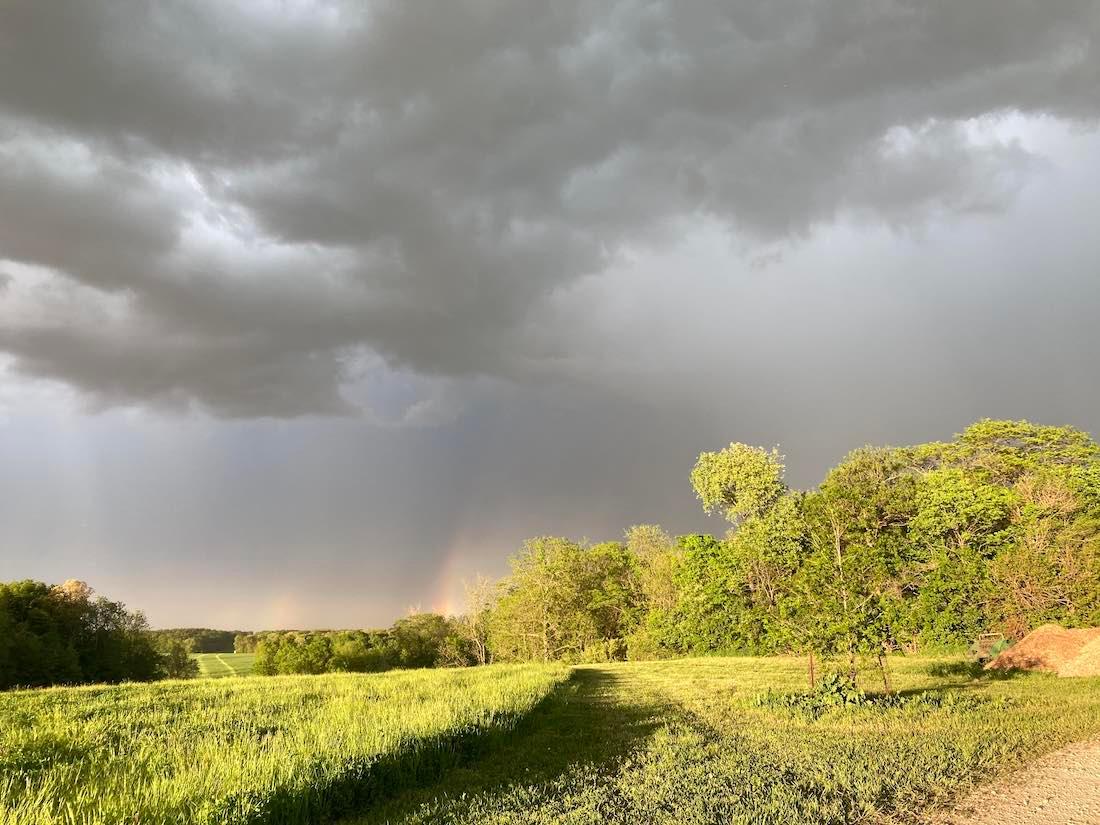
After a week that felt like August, we had this week that felt more like April, particularly in its "April showers" aspect. The clashing warm and cold fronts brought us some nice thunderstorms, including the one above that came with double rainbows on the horizon.

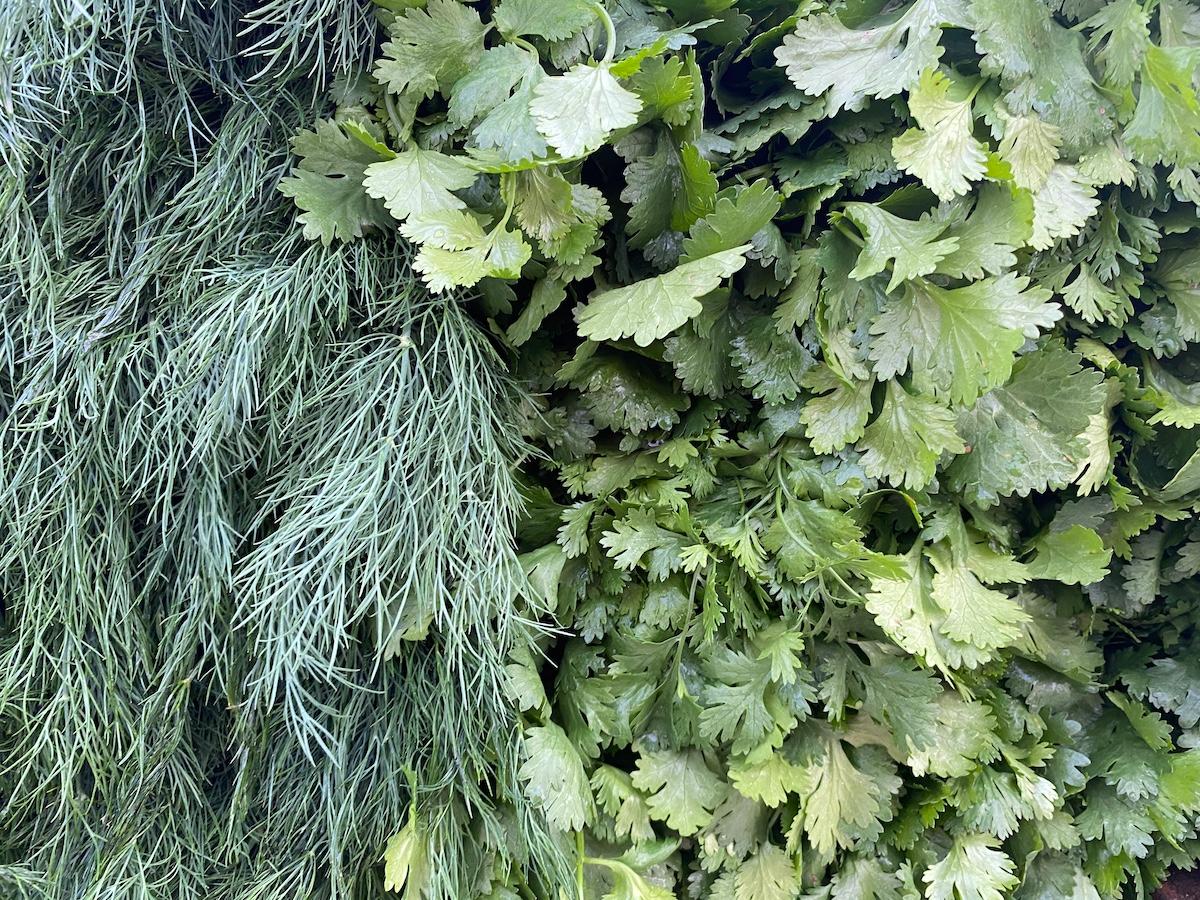
The rains have been wonderful for all of the transplants and seeds that had been waiting thirstily for them. And the cool, wet weather was also welcomed by the cilantro and dill (pictured above), as well as the kohlrabi, lettuce, and other cool-weather crops.

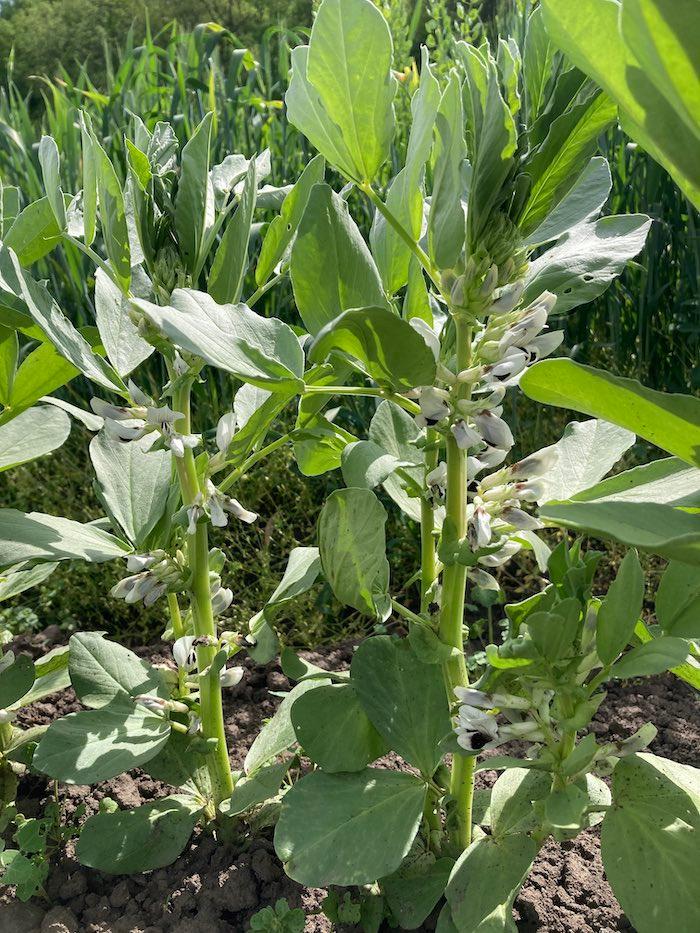
The cool-weather-loving fava beans (above), snow peas, and sugar snap peas are also very happy, as are their friends and collaborators above ground and below. For example, the bees and other pollinators have been happily buzzing from flower to flower, while the nitrogen fixing bacteria in their root nodules have been hard at work transforming atmospheric nitrogen into a form that plants can use as fertilizer.


And of course there are the countless bacteria, fungi, and other life forms who contribute to the health of the soil and of the plants. We are grateful to them all, and strive to make their lives the best they can possibly be.

See you Saturday!


Henry's Farm

432 Grimm Road,

Congerville, IL 61729

Phone: (847) 338 1861

 
Facebook  Instagram