|
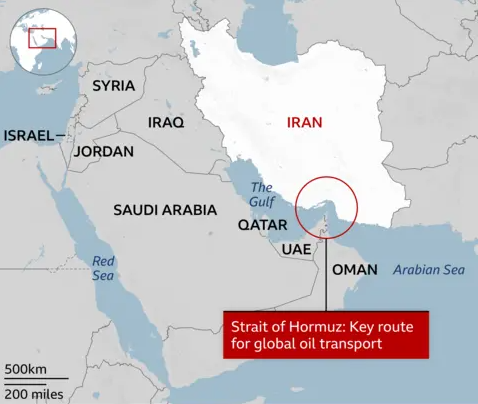
For thousands of years, the Strait of Hormuz has served as one of the world’s most critical trade chokepoints. From ancient empires like the Persians, Greeks, Ottomans, and Portuguese to modern global powers, control of this narrow passage has carried significant economic and strategic importance. Historically, it facilitated the movement of spices, silk, and precious goods. Today, it is a vital artery for global energy markets.
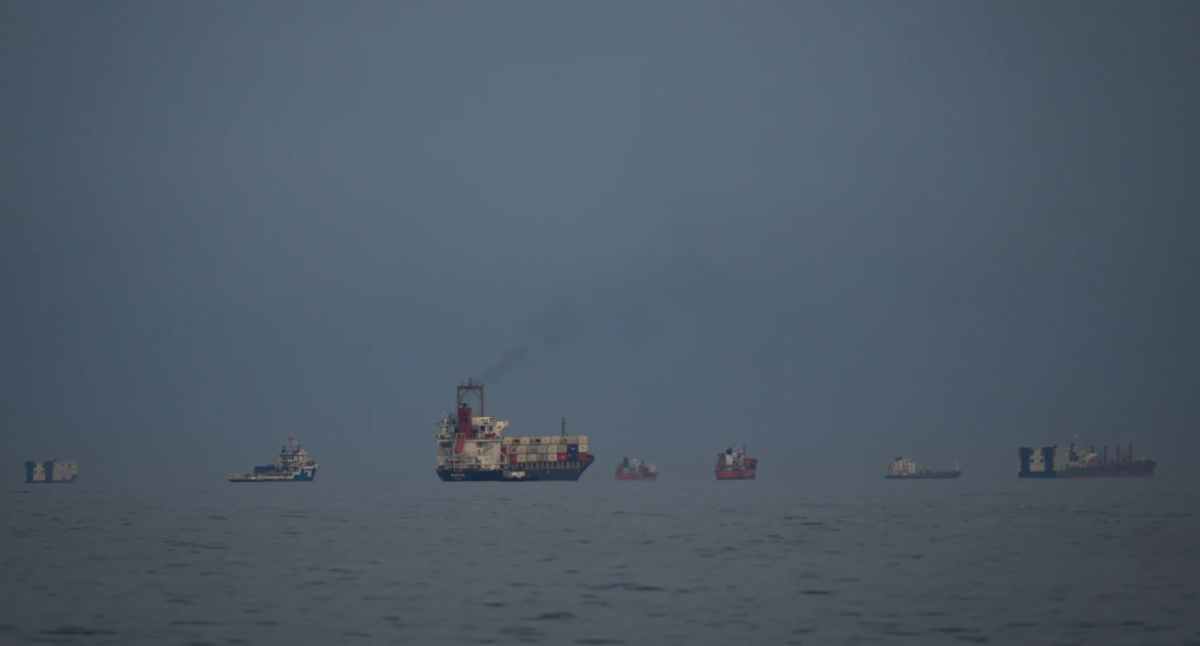
Under normal conditions, roughly 100 to 150 vessels pass through the Strait each day, transporting approximately 20 million barrels of oil, more than 20% of the world’s supply. In the days since February 28, that flow has effectively halted, driving oil prices sharply higher and introducing renewed volatility across financial markets.
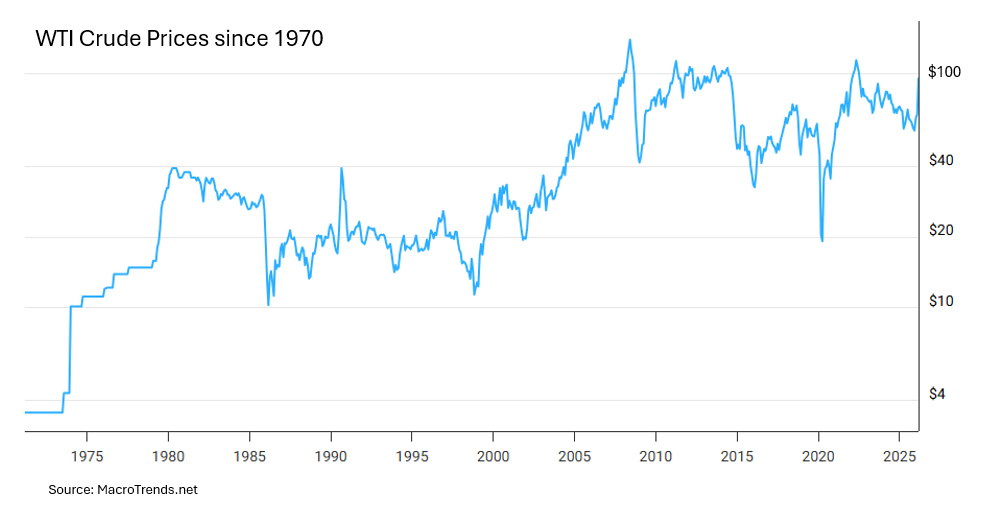
While these developments can feel unsettling, history provides important perspective. I've included a few charts below. The first chart illustrates the price of oil since 1970.
| | |
Over the past 50 years, oil markets have experienced several sharp spikes tied to geopolitical events, including the 1973 oil embargo, the 1979 Iranian Revolution, the Gulf War, the 2008 commodity surge, and the 2022 Russia–Ukraine conflict. In each case, a sudden supply disruption led to higher prices and short-term market volatility, but the pattern that followed has been remarkably consistent.
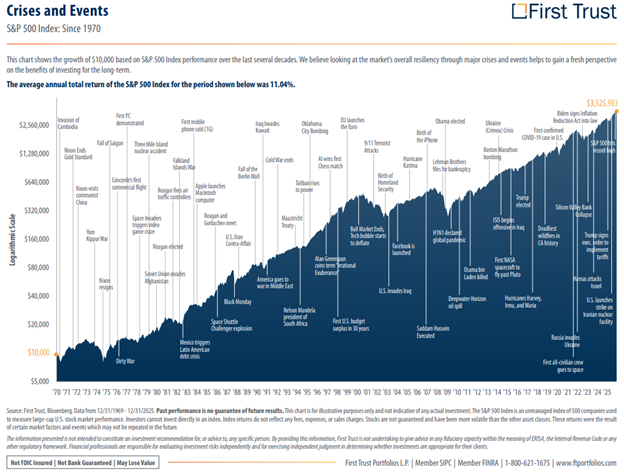
Oil shocks have historically been temporary. Markets adapt as supply responds and demand adjusts. Just as importantly, equity markets have recovered and moved higher in every instance, despite uncertainty at the time. I've included another chart below illustrating the S&P 500 Index over the same period of time along with an overlay of major crisis scenarios that have unfolded.
| | |
The uncertainty that drives short-term volatility is precisely why discipline matters. If you invested $10,000 in the S&P 500 in 1970, that investment would be worth more than $3.5 million today. That equates to an annualized return of approximately 11% and a total gain exceeding 34,000%, achieved despite navigating decades of geopolitical events, oil shocks, recessions, and market dislocations.
Today’s environment is another example of markets working through a sudden external shock. Elevated oil prices, geopolitical uncertainty, and shifting expectations around growth and inflation are creating near-term volatility. At the same time, underlying market behavior is providing useful signals. We are seeing a continued rotation toward quality, with investors favoring companies that have strong balance sheets, durable earnings, and pricing power. Outside of energy, which is benefiting directly from higher oil prices, technology has emerged as the leading sector in the S&P 500 this month. While the market’s current focus is on developments in the Middle East, we believe several meaningful tailwinds will endure once the situation in Iran stabilizes, including favorable tax policy, continued deregulation, a pro-business administration, and ultimately the potential for lower oil prices.
In periods like this, our focus remains on active management and thoughtful positioning. We are continuously evaluating risk, monitoring liquidity conditions, and identifying opportunities created by dislocations, while avoiding the temptation to make reactive, short-term decisions. Our goal is to ensure portfolios remain resilient, well-positioned, and aligned with long-term objectives.
History consistently reminds us that volatility is a normal part of investing, but disciplined investors are rewarded over time. We remain committed to that approach.
As always, please don’t hesitate to reach out with any questions.
Kent
| | P.S. - For the visually-inclined, I've include a few additional images below for reference. | | The Strait of Hormuz is 20 miles wide at it's narrowest point, with two shipping lanes (one in each direction) that are each approximately 2 miles wide. | | Oil tankers and cargo ships at a standstill in the Strait of Hormuz from March 11, 2026. Source: AP | | |
Kenneth C. Brace, CIMA®
Vice President, Investments / Crescent Wealth Management
Address: 124 Verdae Blvd., Ste. 105, Greenville, SC 29607
Direct: 864.900.4905 Office: 864.464.9626
Email: kent@crescentwm.com Website: www.crescentwm.com
Advisory services offered through NewEdge Advisors, LLC, a registered investment adviser. Securities offered through NewEdge Securities, LLC. Member FINRA/SIPC. NewEdge Advisors, LLC and NewEdge Securities, LLC are wholly owned subsidiaries of NewEdge Capital Group, LLC.
NOTICE: This email communication including all attachments transmitted with it may contain confidential information intended solely for the use of the addressee. If the reader or recipient of this communication is not the intended recipient, or you believe that you have received this communication in error, please notify the sender immediately by return email and PROMPTLY delete this email including all attachments without reading them or saving them in any manner. The unauthorized use, dissemination, distribution, or reproduction of this email, including attachments is strictly prohibited and may be unlawful.
| | | | |