|
The EPA launched a first ever agency-wide PFAS Technology, Evaluation, Coordination, and Harmonization (PFAS TECH) strategy. This new effort will help advance technology innovation on PFAS while supporting practical tools, funding, and technical assistance to benefit communities addressing local PFAS challenges.
The EPA is seeking proposals from eligible entities for approximately eight awards totaling $5.3 million in innovative restoration grant funding under EPA's Southeast New England Program (SNEP). The funding will support priorities related to coastal watershed restoration across southeast New England.
The Long Island Sound Partnership shared the “Long Island Sound Eelgrass Mapping and Intercomparison Study” final report, which looked at the advantages and limitations of map products from three different remote sensing platforms.
The Connecticut Department of Energy and Environmental Protection is accepting proposals for the Aquatic Invasive Species Grant Program for the 2026-2027 grant cycle. Applications will be accepted through December 10.
Vermont’s Clean Water Board is seeking public input on the State Fiscal Year 2028 Clean Water Budget by November 12. Vermonters can weigh in on how they would like to prioritize approximately $43 million in funding for projects to protect and improve rivers, lakes, ponds, and wetlands.
An opinion piece by Mary Barry, executive director of the New England Water Environment Association, on the state of New England’s water industry was published in the Concord Monitor. She addresses the challenges and opportunities of workforce development.
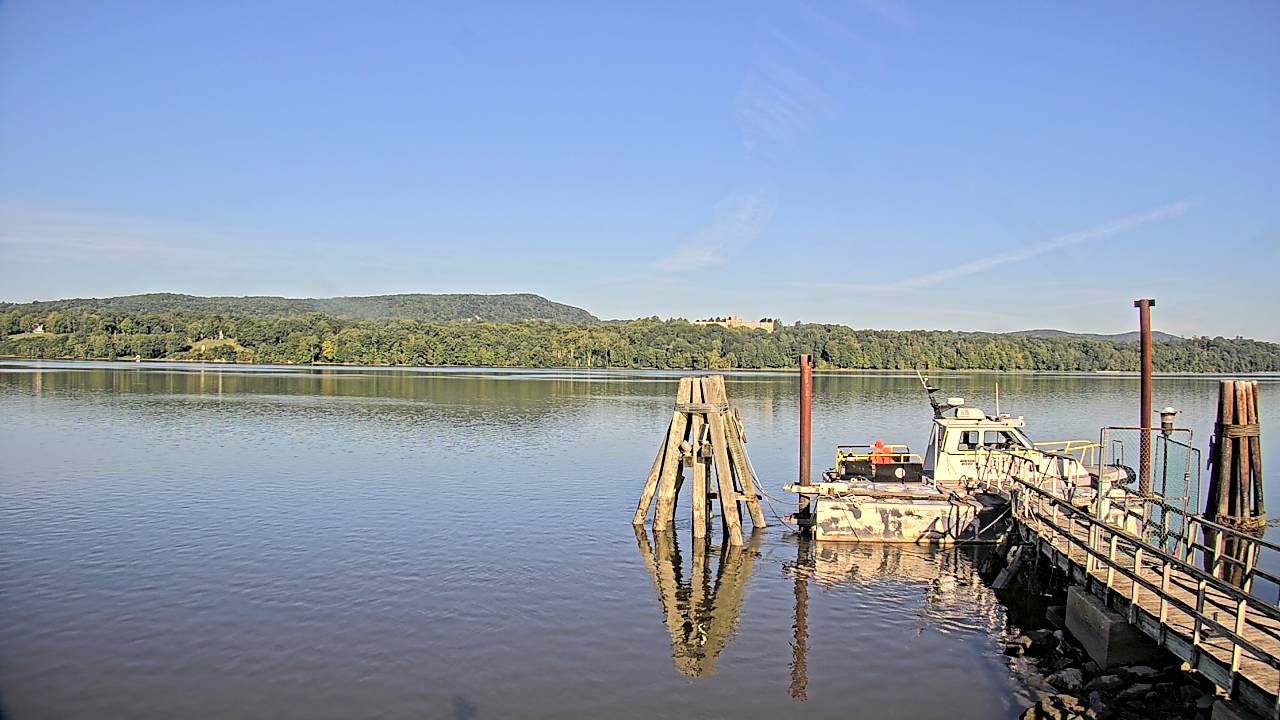
The Hudson River National Estuarine Research Reserve’s monitoring network tracked summer flood events, looking at rainfall, precipitation frequency estimates, and turbidity.
The U.S. Geological Survey (USGS) New England Water Science Center launched two new web applications that use color to indicate the status of certain water conditions at USGS streamgages. Both web tools are colorful, interactive maps that visually depict whether a gage is above or below typical water levels or within certain state-required baseflow limits.
The EPA announced $26 million in funding for states and territories to address lead in drinking water at schools and childcare facilities.
New York State announced more than $249 million in grants for 181 projects to further improve water quality. The grants support projects that help protect drinking water, update aging water infrastructure, reduce contributors to harmful algal blooms and improve aquatic and terrestrial habitat in communities statewide.
|