|
The EPA announced the availability of $10.8 million in grant funding to support training for workers in the water sector. This opportunity aims to develop a strong pool of skilled workers in the water and wastewater utilities sector in light of anticipated retirements, aging water infrastructure, evolving technologies used in the sector, and emerging risks like cyberattacks.
The Massachusetts Department of Environmental Protection is accepting grant proposals for projects that help communities manage, conserve, and protect water resources. Eligible organizations can apply for funding to strengthen local water planning and resilience efforts. Responses are due by September 21.
The Federation of Vermont Lakes and Ponds launched a series of educational videos to inform the public about actions that help preserve Vermont’s lakes. The project was funded by an EPA grant through NEIWPCC and the Lake Champlain Basin Program.
The New Hampshire Department of Environmental Services announced $1 million in funding for the state’s Get the Lead Out of Drinking Water program to remediate lead in drinking water in schools and childcare centers.
The EPA released a guidance document for state partners that are working to ensure public water systems are meeting drinking water standards.
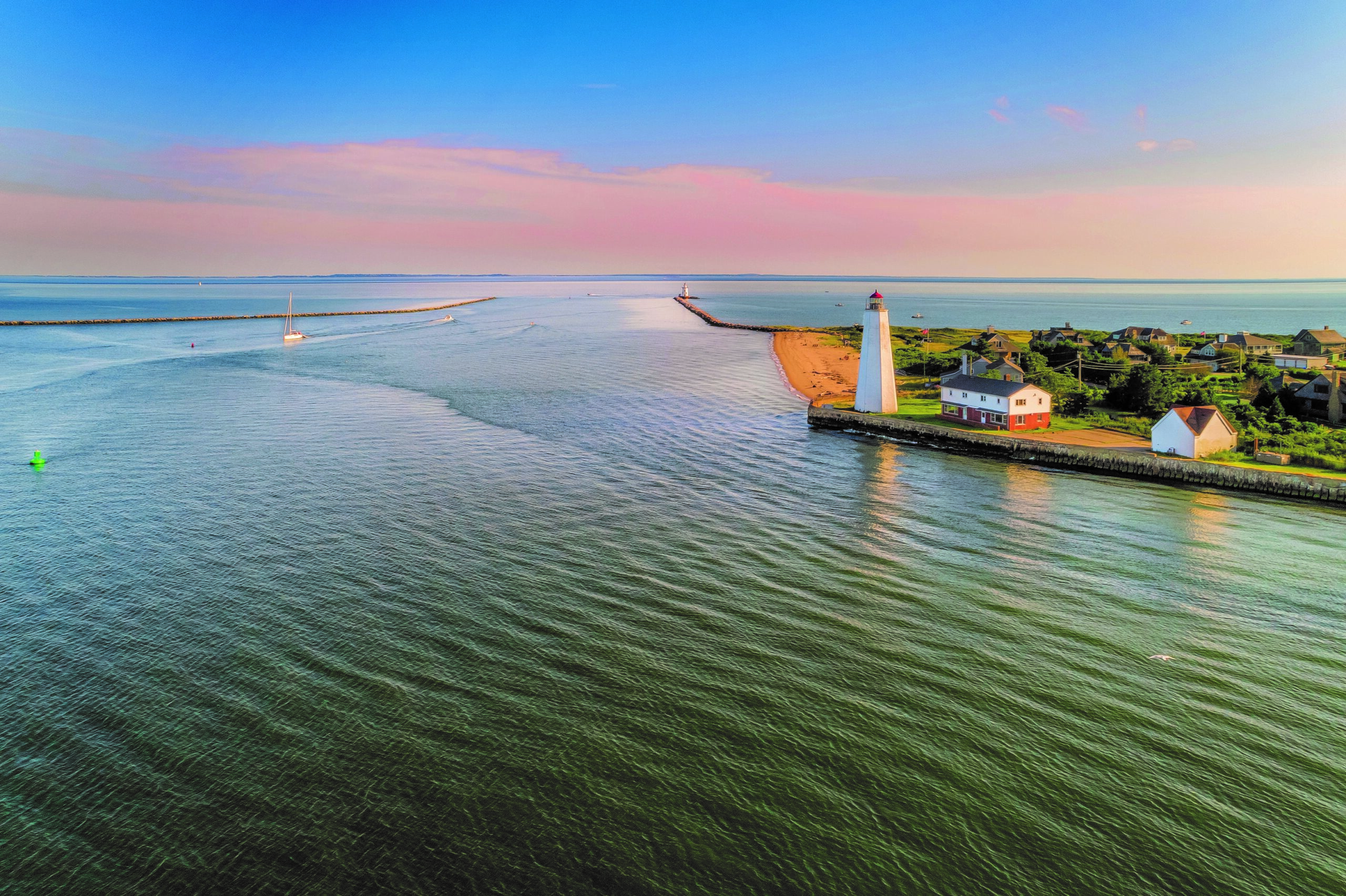
A new story by the Long Island Sound Partnership explores what scientists observed during Hurricane Erin in 2025, a new tool they used to collect data, and lessons learned about weather, mixing, and hypoxia in Sound.
The New Hampshire Bulletin reports on research surrounding high levels of contaminants found in the state’s loon population – particularly PFAS chemicals found in their eggs.
The state of Massachusetts’ new Environment and Climate (ECO) One Stop program awarded more than $45 million in grants to support 97 projects that will help communities better withstand flooding, extreme heat, coastal erosion, and other climate impacts.
|