|
August brings a new school year and an opportunity for families to reset routines and build healthy habits that support children throughout the year. As we recognize National Immunization Awareness Month, National Breastfeeding Month and Children’s Eye Health and Safety Month, we are reminded that prevention starts early. Back-to-school is a great time to make sure children are up to date on immunizations and health screenings and to establish routines around sleep, nutrition, and overall well-being.
It is also an opportunity to help young people reconnect with learning, friends, and the activities they enjoy. Cell-free school time can create more space for face-to-face connection, fewer distractions, and greater engagement in the classroom. Outside the classroom, physical activity whether through sports, walking, dancing, or simply playing outdoors, supports physical health, mental well-being, confidence, and connection.
As we move into a new season, we are also celebrating our One Small Thing Everyday Superheroes, people whose simple acts of support, kindness, and connection are making a meaningful difference in the lives of others. Their stories are a reminder that improving health does not always begin with a big intervention. Small actions, repeated every day, can help strengthen families and build healthier communities.
As students head back to school, let’s make this a year focused not only on academic success, but on helping every child and family develop healthy habits and meaningful connections that can last a lifetime. Let's continue together in health!
Juntos en salud,
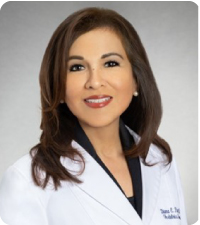
Dr. Diana Ramos
California Surgeon General
| | One Small Thing Everyday Superheroes | | | |
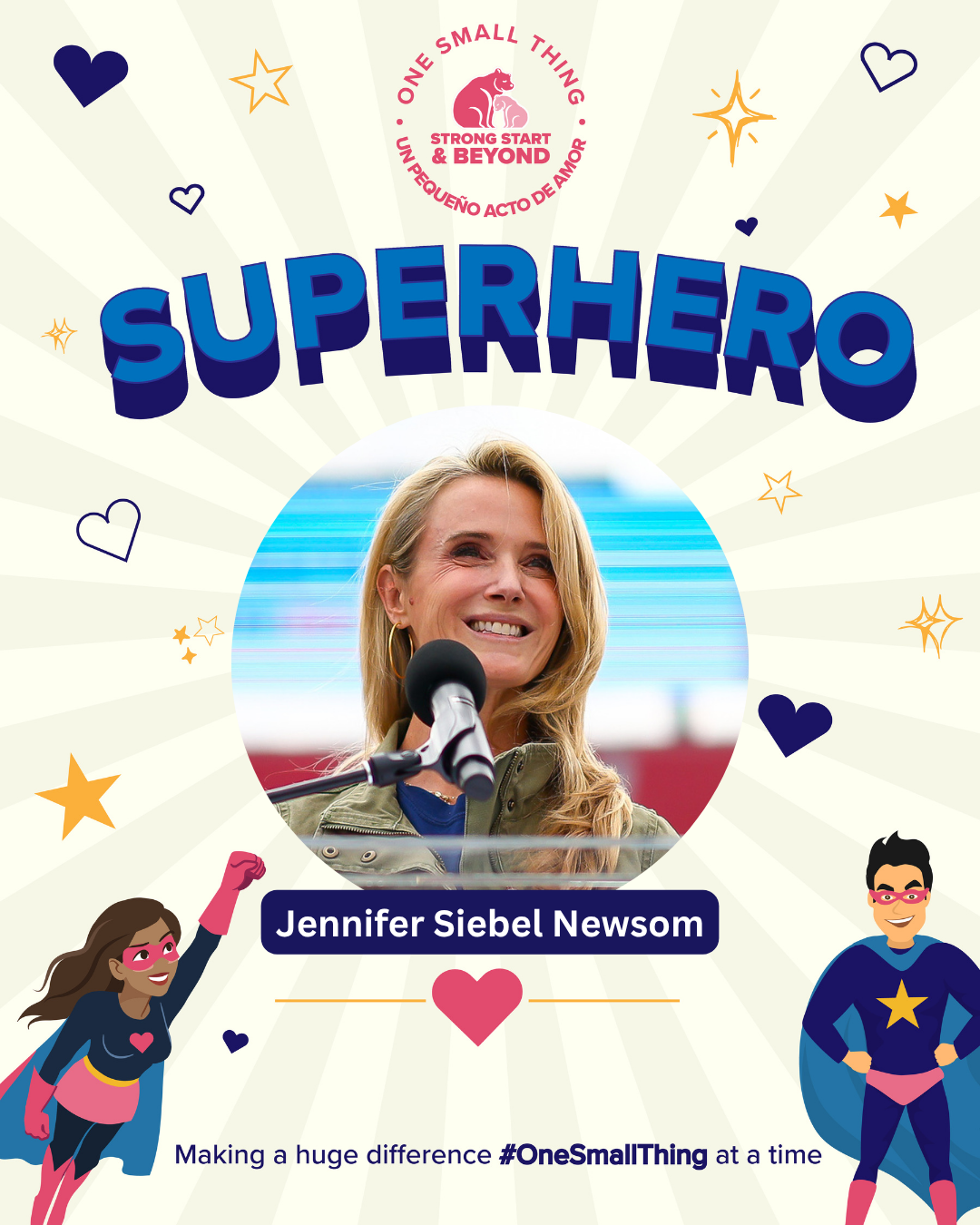
This month, we are excited to launch One Small Thing Everyday Superheroes, a new way to recognize individuals who have helped expand the reach of One Small Thing and bring communities into the conversation around supporting new moms and families.
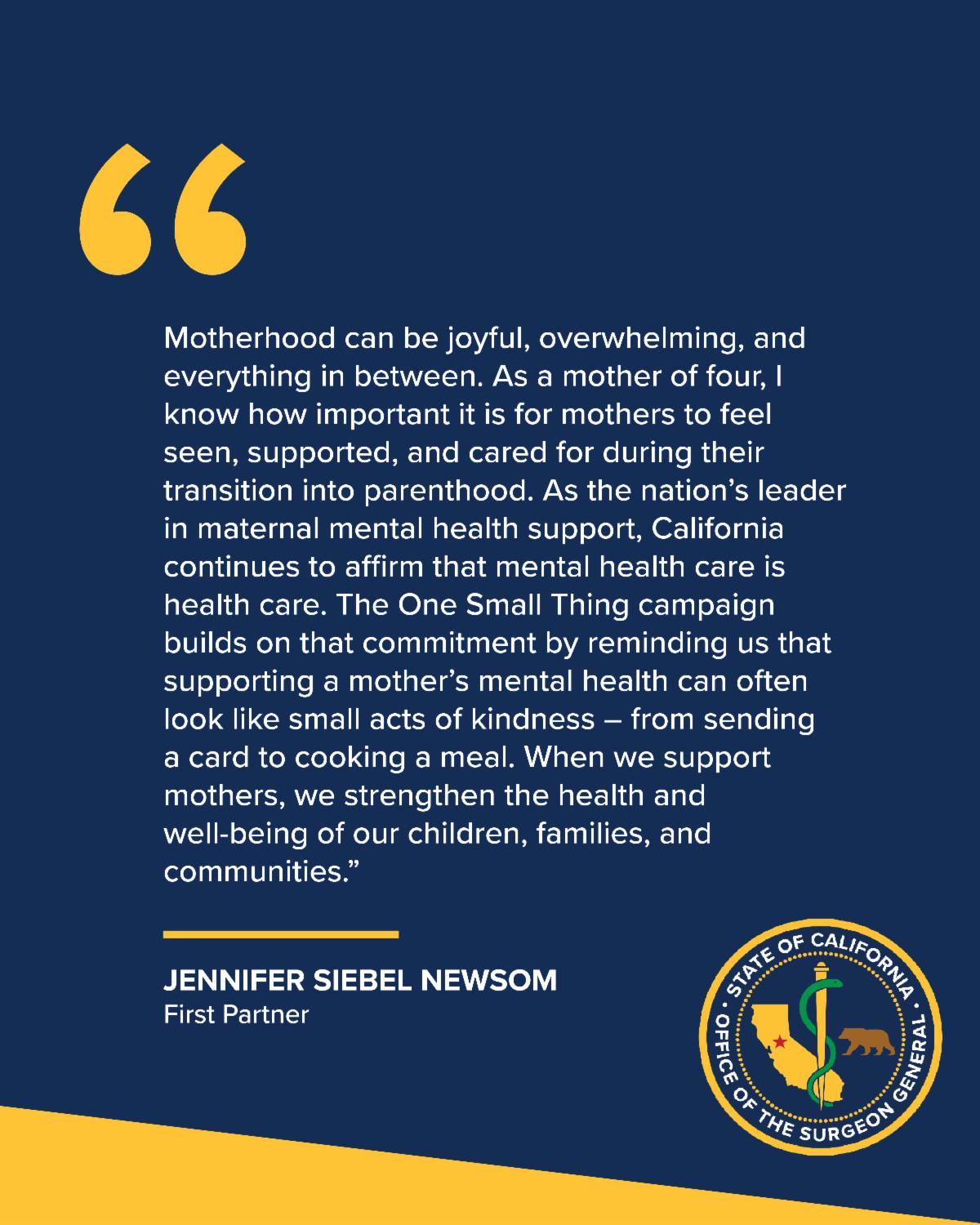
We are proud to name California’s First Partner Jennifer Siebel Newsom as our first superhero! From the launch of the initiative, she was one of our first champions, encouraging Californians to do One Small Thing to support new mothers. Through her social media outreach and continued conversations about One Small Thing in presentations and public engagements, she has helped inspire individuals and communities to take action to support postpartum moms and combat loneliness and isolation.
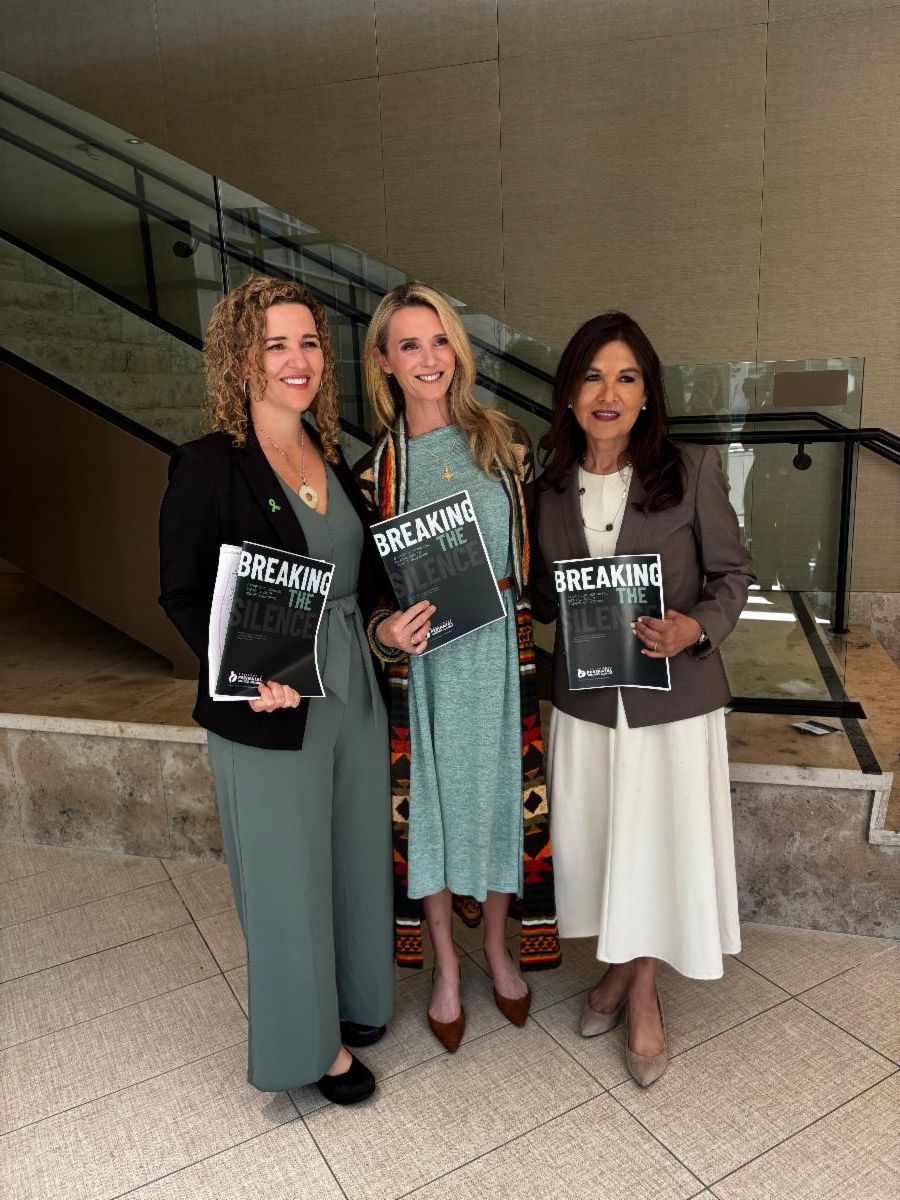
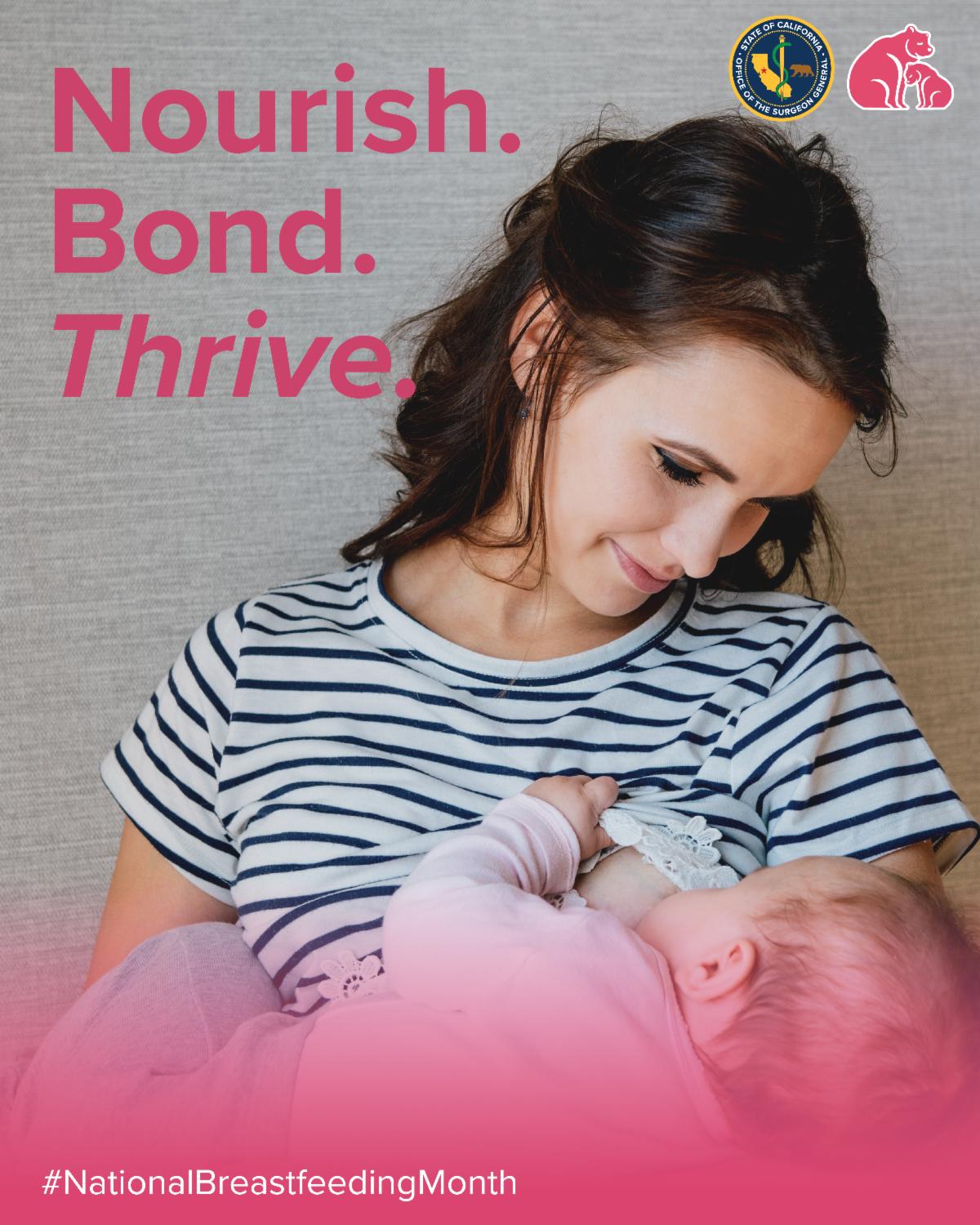
| | Prioritizing Perinatal Wellness | | Creating a Culture of Care | | In April, the First Partner, alongside California Surgeon General Dr. Diana Ramos and the California Perinatal Wellness Alliance, convened statewide leaders to discuss how California can build on its leadership and strengthen the current landscape of maternal mental health services. | | Californians of all ages can offer new moms comfort and connection through simple, meaningful gestures that provide more than convenience. Simple acts of kindness create connection, ease stress, and help loved ones notice when a mom may be struggling with her emotional or physical health. | | National Breastfeeding Month | | |
|  | |
A fed baby is a happy baby! Breastfeeding and chestfeeding offers optimal infant nutrition, while providing long-term health benefits to parents and children.
If you are experiencing challenges with your feeding journey, contact the National Maternal Mental Health Hotline anytime to chat with a trained, caring counselor for emotional support.
California WIC also helps families feed their babies with support they can count on. WIC serves participants and their families from many cultures and communities. Parents can get support from peer counselors and lactation experts.
| | | Heart Health at Warp Speed Tech Think Tank | | |
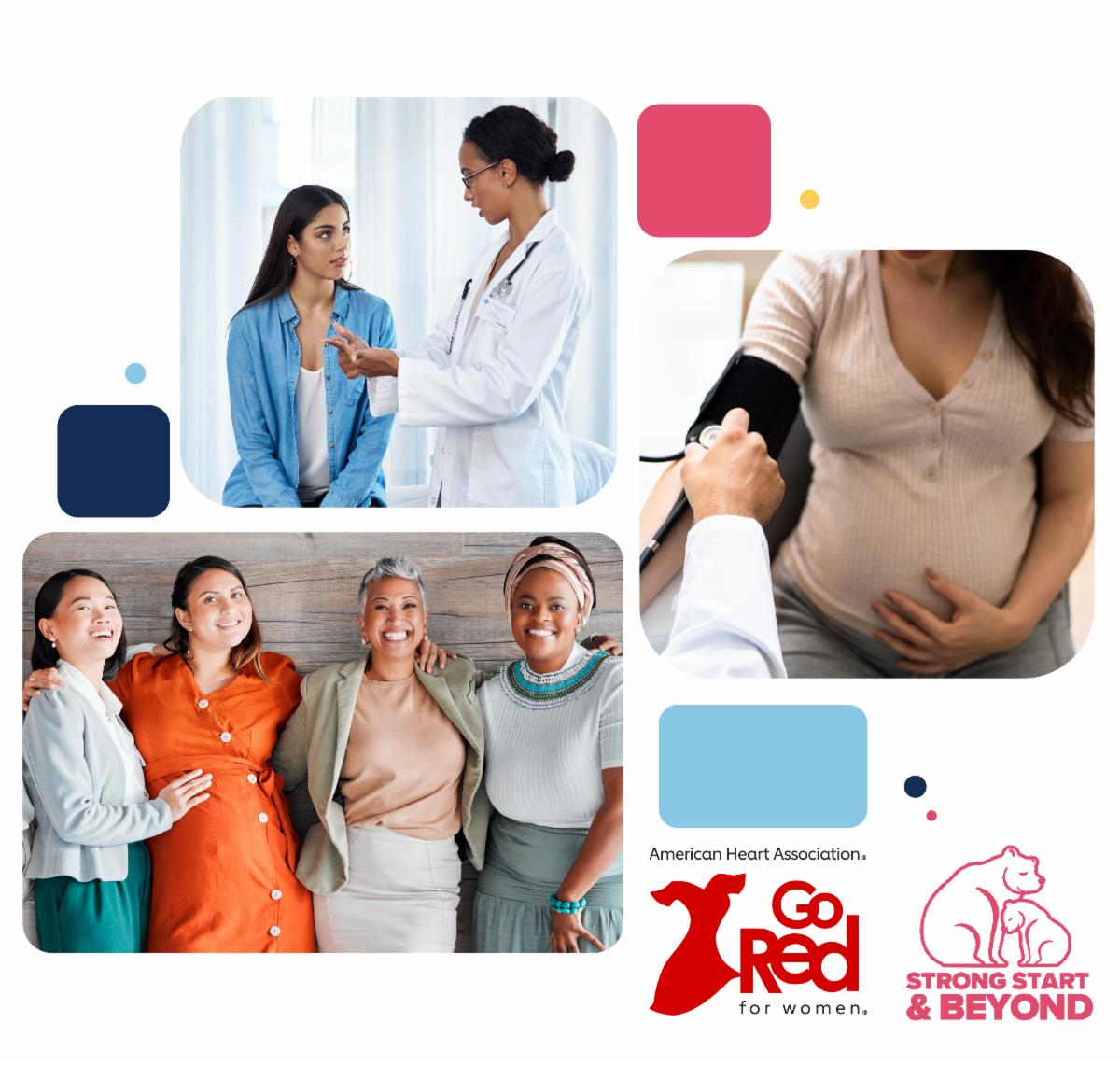
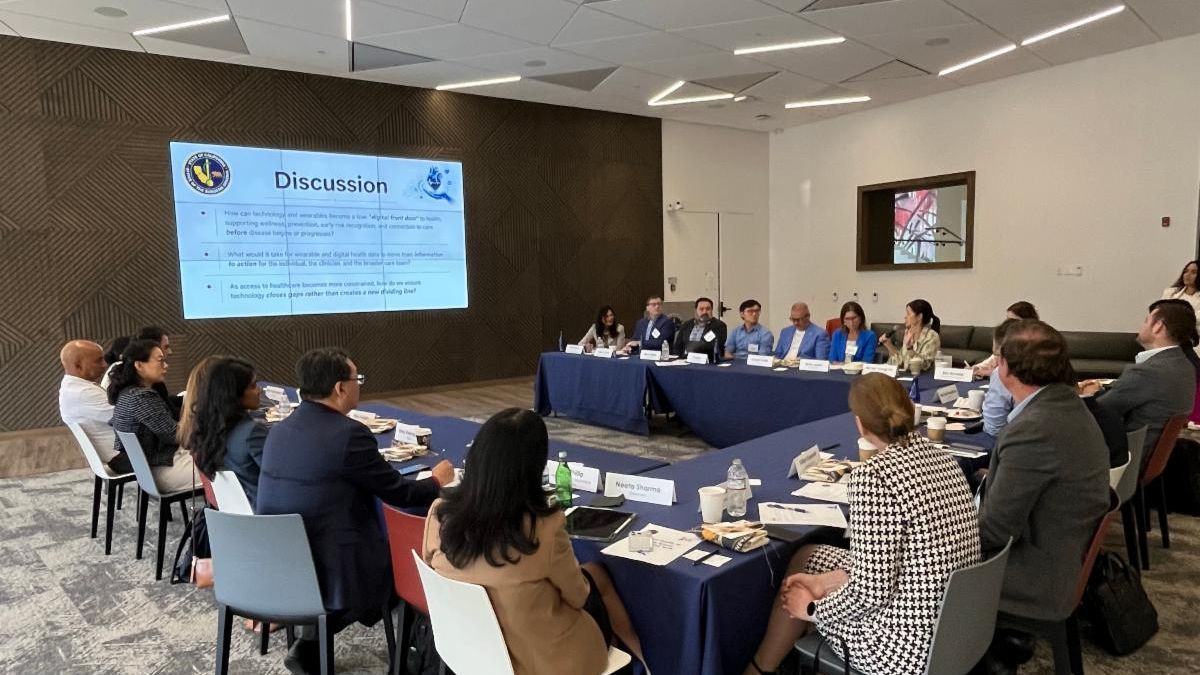
On August 11, we partnered with the American Heart Association to bring together leaders in health technology, innovation, and cardiovascular health around a shared question—how can we use existing tools and technology to change the future of women’s heart health?
Cardiovascular disease remains the leading cause of death for women, yet too many opportunities for prevention, early detection, and coordinated care are still missed. Closing these gaps will take more than one organization or one solution, it will take all of us working differently and working together.
Thank you to all of the innovators, researchers, health leaders, and technology partners for joining us to help turn bold ideas into action and build more connected, sustainable solutions for women in California and beyond.
| | PreMA: Best Practices for Implementation | | |
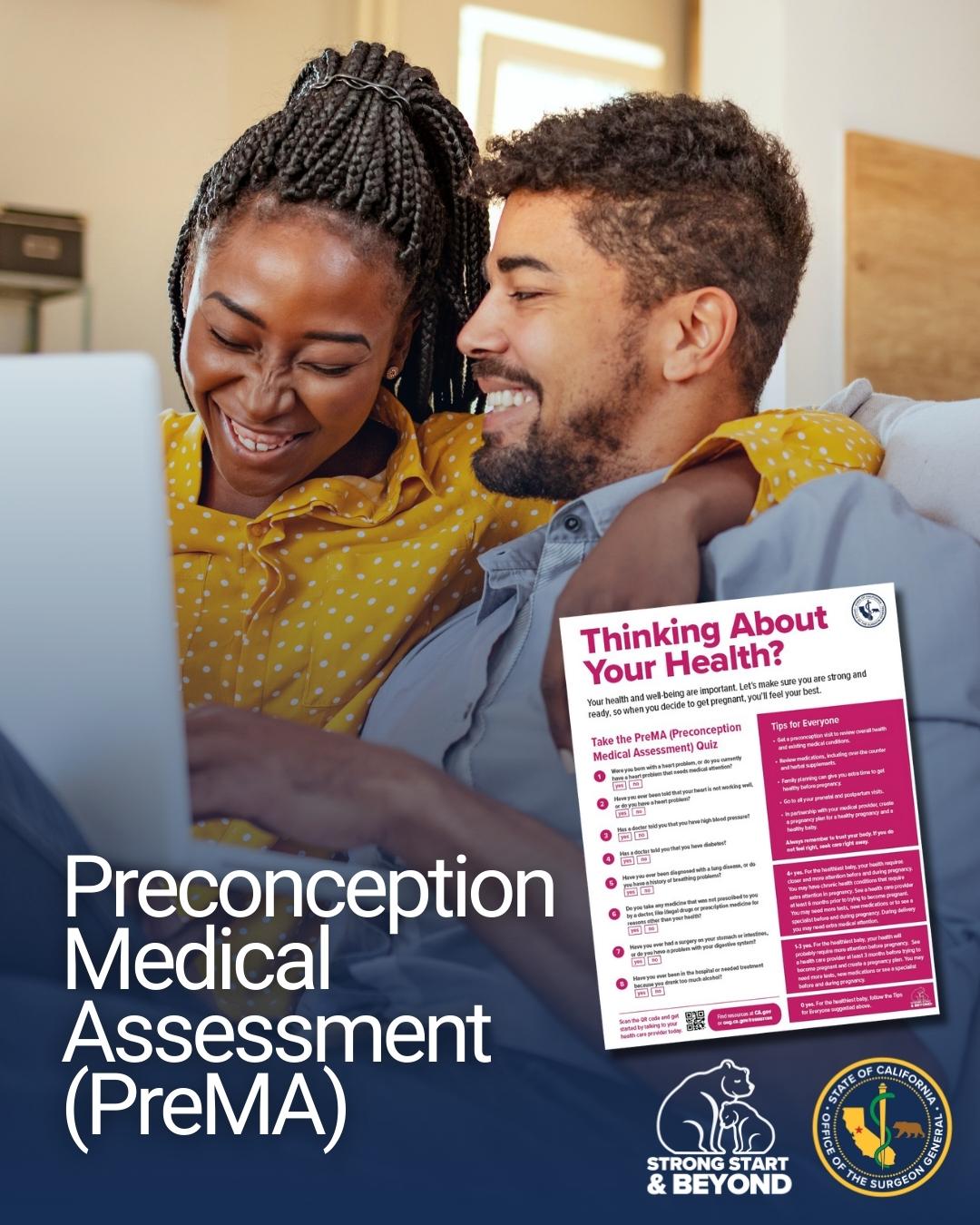
The California Department of Public Health, in collaboration with the Preconception Health Council of California and Office of the California Surgeon General, launched new resources to help expand use of the Preconception Medical Assessment (PreMA). The updated implementation guide offers practical strategies for integrating the validated, 8-question tool into community and health settings.
Also, the refreshed PreMA Partner Toolkit provides ready-to-use communications, social media, graphics, and outreach materials, including a health care provider letter. Explore the new resources and help more people take a proactive step toward a healthy pregnancy.
|
| |
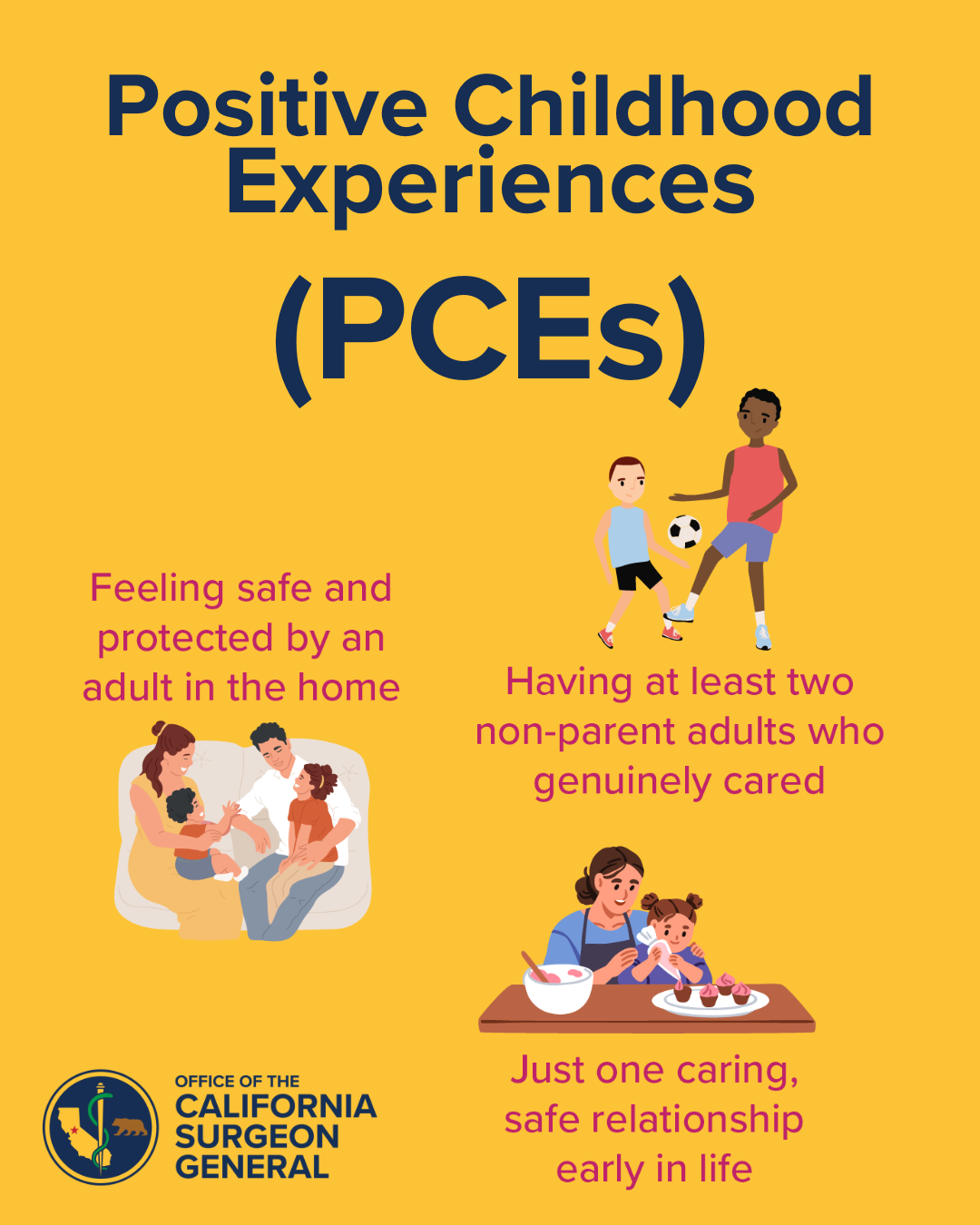
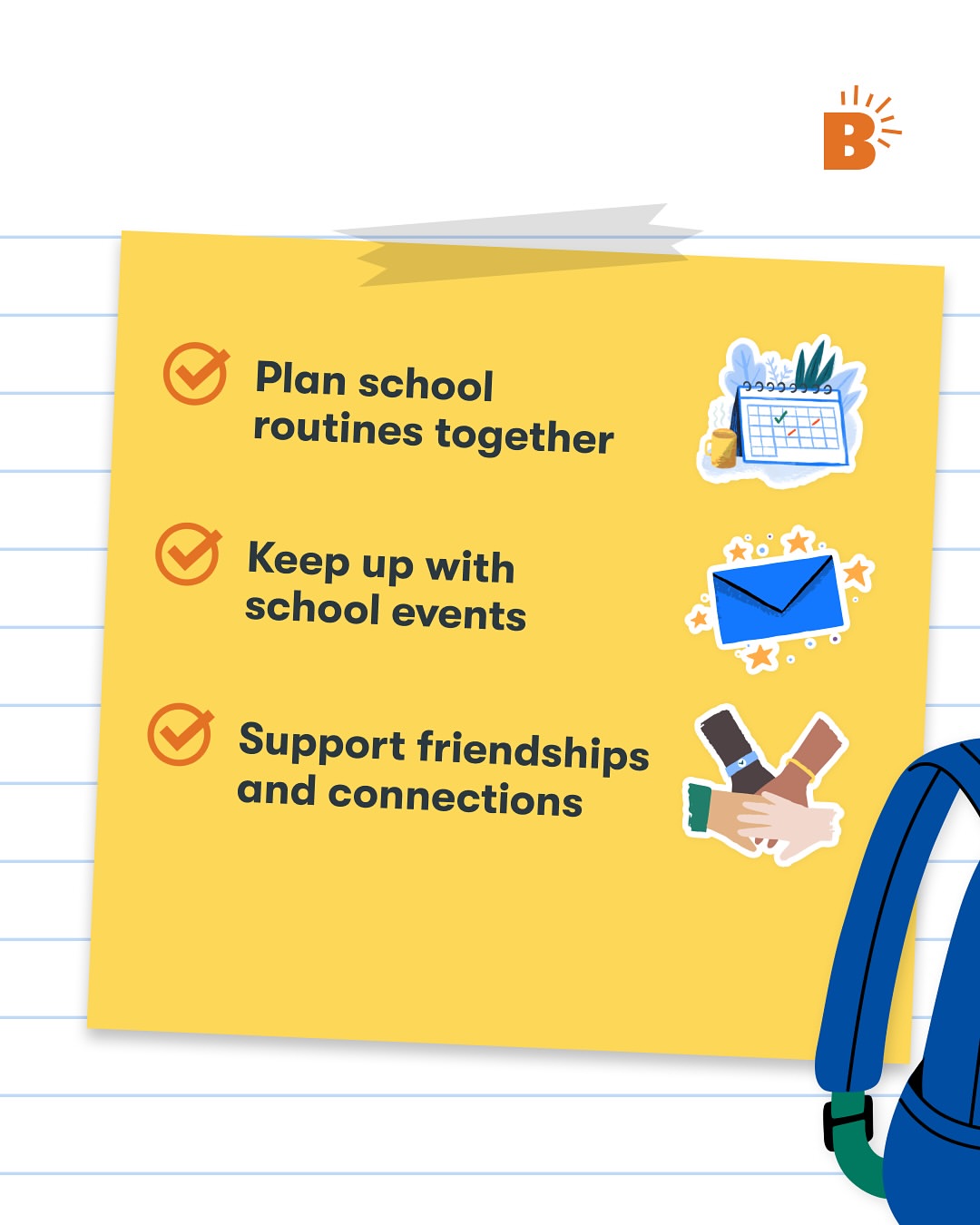
| | Going from summer vacation to school is a big change for everyone in the family. Prepare for a successful academic year with helpful tools and resources, and get valuable insights and guidance on managing transitions, engaging in after-school programs, and prioritizing self-care from California Surgeon General Dr. Diana Ramos, Dr. Daniel Amen, and Victor Dominguez of the YMCA of Metropolitan Los Angeles: | | Adverse Childhood Experiences (ACEs) are stressful or traumatic events in childhood that have profound impacts—like abuse, neglect, or household challenges. The good news? We can learn to live beyond ACEs. Supporting children and youth during this time can improve health, strengthen family stability, and lay the foundation for healthier communities. | | Safe Spaces is a free, online training designed to help individuals working with children and youth recognize and respond to trauma and stress in children. The training gives educators, early care providers and/or school staff tools to help young people experiencing an overactivated stress response feel safe, secure, and ready to engage. | | Make sure to add “vaccines” to the top of your back-to-school checklist. California’s school vaccine requirements have not changed, and all required school vaccines are covered by insurance, including Medi-Cal. Schedule an appointment at MyTurn.cdph.ca.gov. | | Through the Children and Youth Behavioral Health Initiative, discover FREE digital resources right at your fingertips that support children, youth, and families, including BrightLife Kids for families with kids ages 0-12 and Soluna for teens and young adults ages 13-25. | | California State Parks' FREE 4th Grade Pass | | | | | |
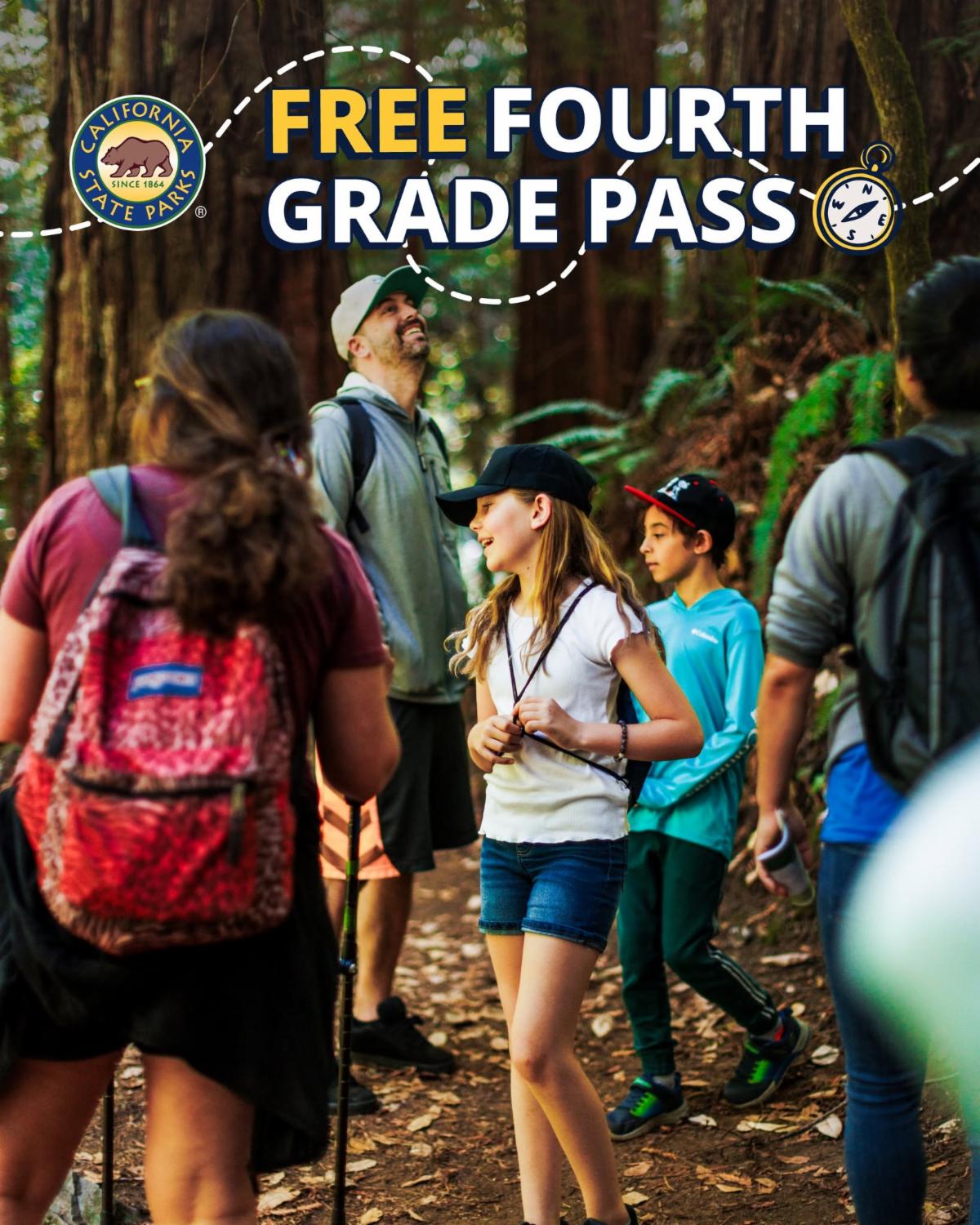
California State Parks’ Free Fourth Grade Pass allows California fourth graders and their families unlimited free visits to 54 participating state parks. Parents and guardians can now download this free pass for their incoming fourth grader at ReserveCalifornia.com.
Just in time for the 2026-27 school year, the program focuses on children 10 years of age — the age of most fourth graders — based on research showing that children ages 9-11 are at a unique developmental stage in their learning where they begin to process how the world around them works and are more inclined to engage with nature and the environment.
|
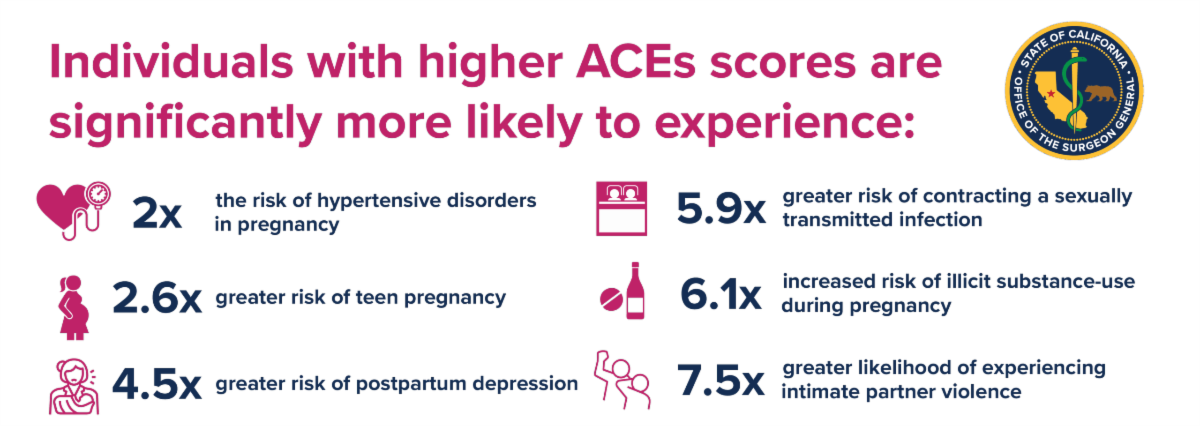
| | A Roadmap to Shared Strategies that Promote Well-Being and Resilience | | Adverse Childhood Experiences (ACEs), suicide, overdose, and mental health concerns are not isolated challenges, they are linked across the life course. ACEs can increase the risk of suicidal behavior, substance use, overdose, mental health concerns, and violent acts later in life. This means that efforts to prevent ACEs from ever occurring can also prevent subsequent negative individual, intergenerational, and societal outcomes. The Association of State and Territorial Health Officials recently released resources that detail evidence-informed strategies to promote well-being and resilience. | | ACEs in Reproductive Health | | When a pregnant person has lived through Adverse Childhood Experiences (ACEs) like poor mental health, stress, or lack of support, the impact can ripple across each stage of their child’s development. The reproductive years—before, during, and after pregnancy—provide a critical window to disrupt intergenerational cycles of trauma and promote long-term well-being. Unaddressed ACEs and untreated life adversity before and during pregnancy are linked to complications like preterm birth, low birth weight and more. | Recognizing and dealing with ACEs early, especially before pregnancy, can dramatically transform the future of both parent and child for the better. With support, connection, and early care, parents can change the path forward. | | Trends in Maternal Mental Health in California | | |
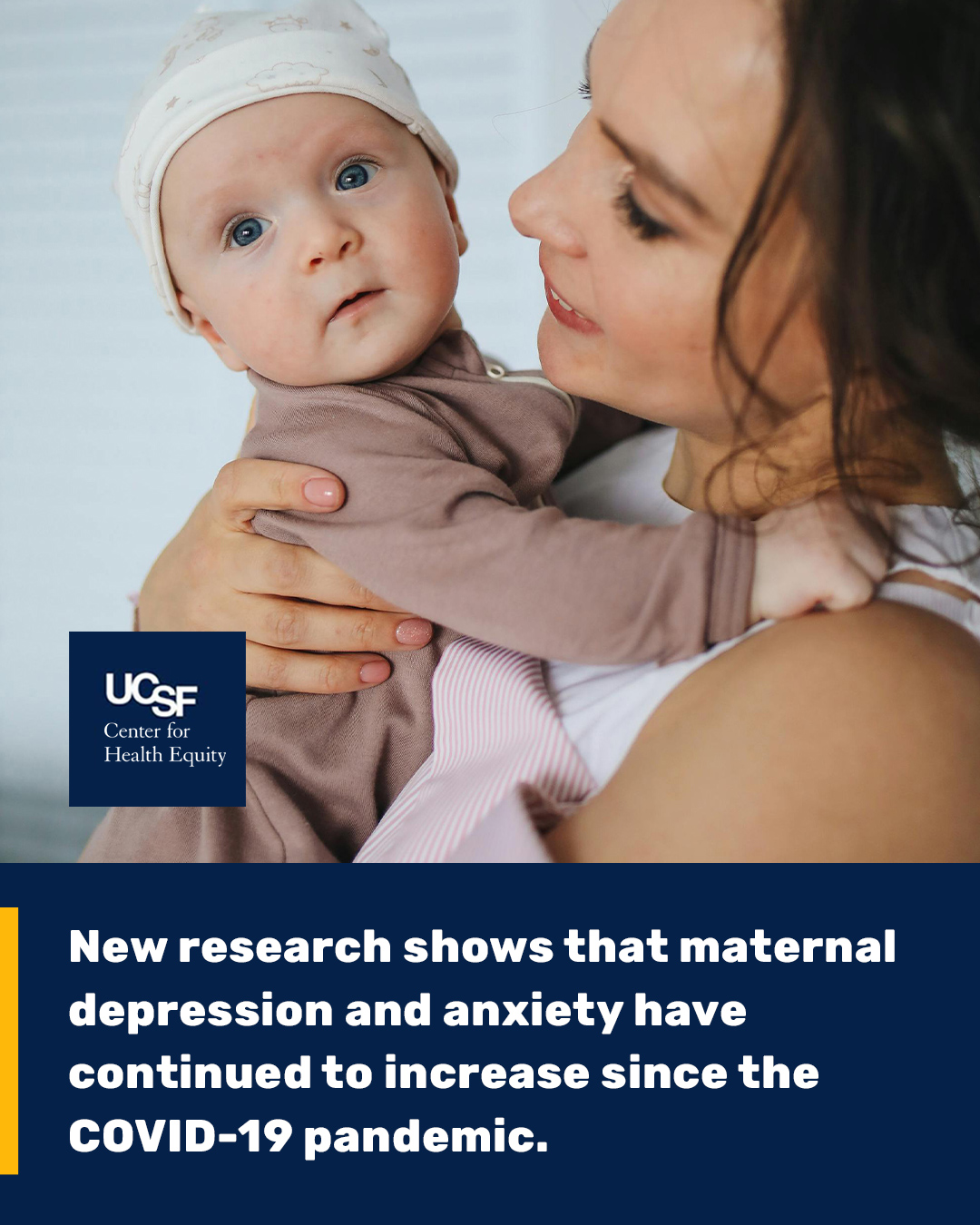
In case you missed it, the UCSF Center for Health Equity (CHE) released a new data brief on depression and anxiety since the start of the COVID-19 pandemic. The brief highlights recent trends in depression and anxiety symptoms during and after pregnancy in California, using data from the 2020-2024 Maternal and Infant Health Assessment (MIHA).
Building on a the Supporting the Mental Health of California Mothers report, the brief provides strategies for improving maternal mental health, including addressing the root causes of mental health conditions, increasing screening and treatment, and strengthening California's mental health workforce.
|
| | | | Hormone Therapy for Menopause | | The American College of Obstetricians & Gynecologists new animated video can help people who have questions about hormone therapy for menopause. This video reviews systemic hormone therapy and local hormone therapy. Share this video to help people learn how hormone therapy can help with symptoms of menopause and how an ob-gyn can help people decide whether hormone therapy is right for them. | | Events, Webinars & Other Opportunities | | |
August 2026
California Rural Health Transformation has grant funding opportunities available to support rural health providers and organizations across California:
-
EHR Modernization – supports technology systems, data exchange, and digital tools that enable coordinated, efficient care delivery across rural networks.
-
Workforce Development Recruitment, Retention, and Relocation – aims to strengthen and sustain the rural healthcare workforce by improving recruitment, retention, and training for health professionals.
| |
September 29, 2026 | Virtual
Save the date, and join the March of Dimes on Tuesday, September 29, at 10:00 a.m. PT for a special virtual webinar, Small Actions: Make a Big Difference for Moms and Babies, featuring California Surgeon General Dr. Diana Ramos and other inspiring panelists. Together, we’ll explore how simple actions can improve maternal and infant health, strengthen communities, and create healthier futures for families. More details will be available soon—we hope you’ll save the date!
| |
October 19-20, 2026 | Los Angeles, CA
This year’s conference centers on the clinical dimensions of perinatal mental health, exploring the diverse range of effective evidence-based practices, as well as community-facing interventions. Early Bird Rate ends August 15, 2026. Register now.
| |
December 14-15, 2026 | Riverside, CA
This year’s California Hospital Association Behavioral Health Care Symposium will tackle the most pressing challenges facing behavioral health care professionals and offer insights into complying with California’s shifting policies. Explore the issues keeping behavioral health care professionals up at night and learn innovative ways to connect patients to community-based care. Registration now open.
| | |
Episode 16 of Office Hours with Dr. Diana Ramos is coming soon to Spotify and YouTube! Hosted by the California Surgeon General, these conversations will dive deep into the topics that matter most to Californians and their community. Whether you’re a health professional, an advocate, or simply passionate about well-being, these episodes deliver insights that inform, empower, and inspire. Be sure to subscribe and follow us for the latest episodes.
| |
In case you missed it, the Department of Health Care Services (DHCS) hosted the Medi-Cal Doula Benefit Townhall on August 7, 2026—an open, statewide forum designed to share key updates on Medi-Cal doula services and support shared learning among members, doula providers, managed care plans, and community partners. During this Townhall, DHCS presented upcoming policy updates for the doula benefit, shared data on doula provider enrollment, and featured presentations from doula workgroup members and Medi-Cal managed care plans. For questions, comments, or to be notified of future events, contact DoulaBenefit@dhcs.ca.gov.
| | Have a suggestion or an interest in collaborating or being featured in an upcoming newsletter or other communication channel? Contact us for consideration at osginfo@osg.ca.gov. | | | | |