IMPACT is often the first step for those in need of substance use disorder services

Featured Collaboration

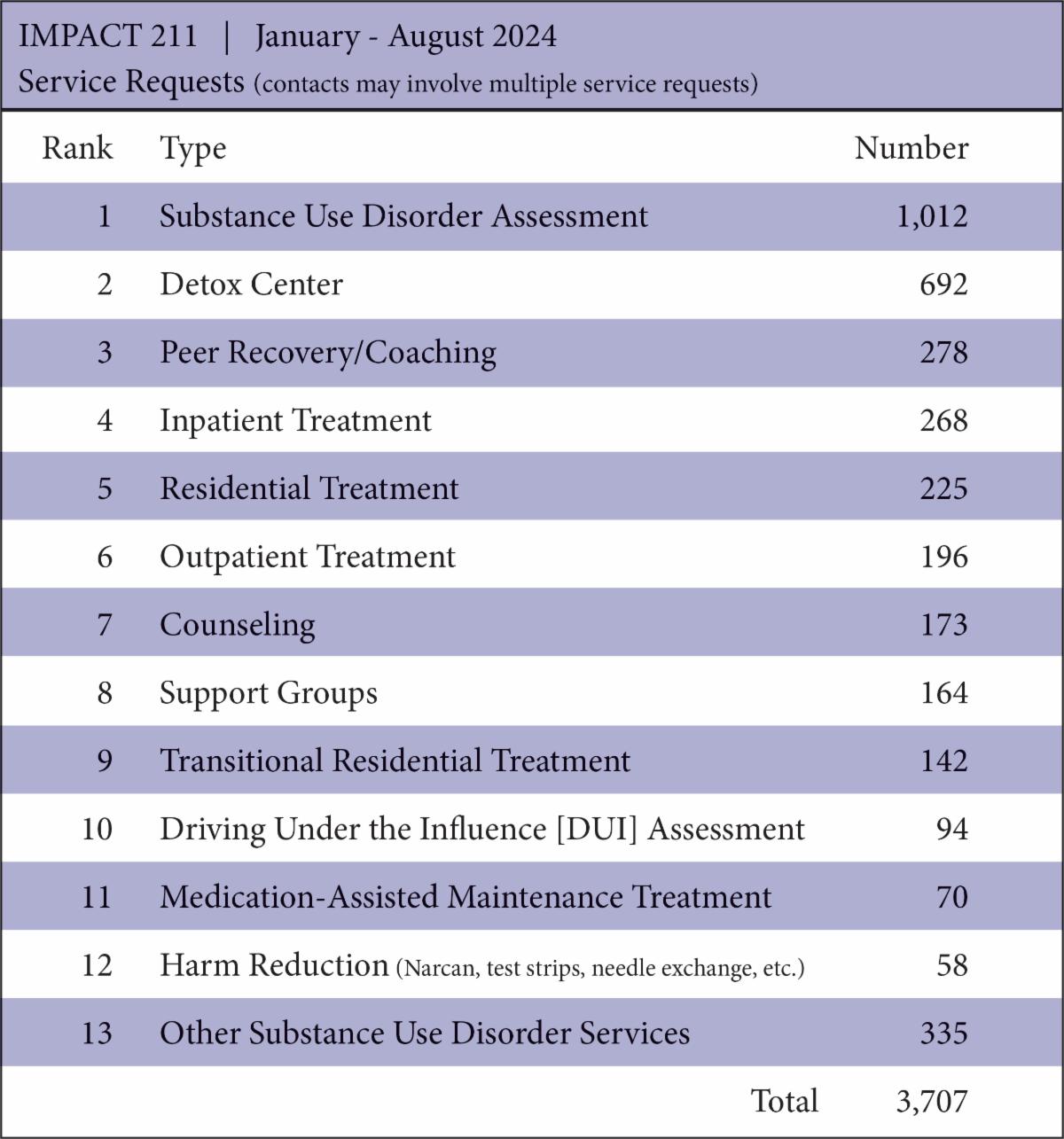
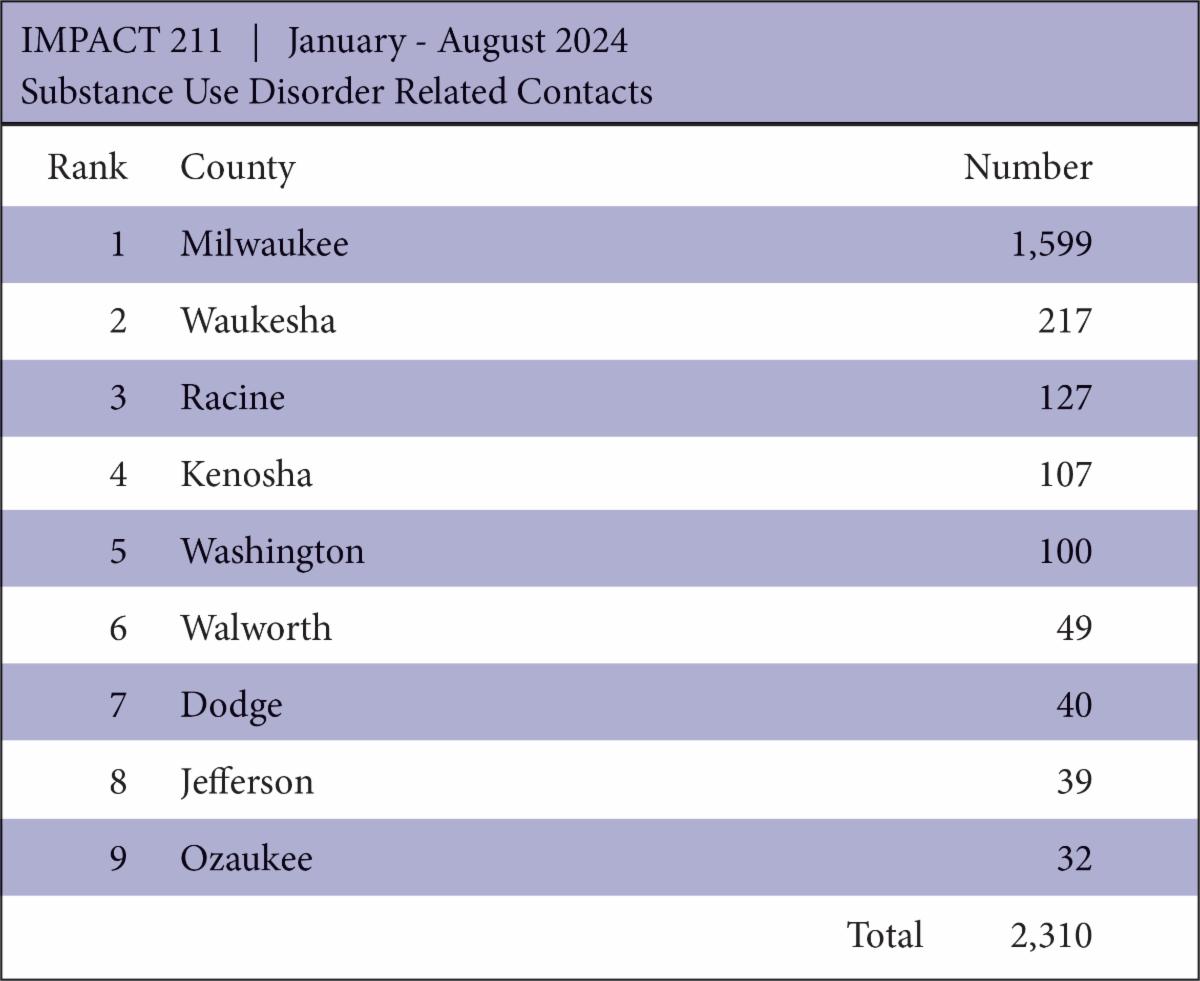
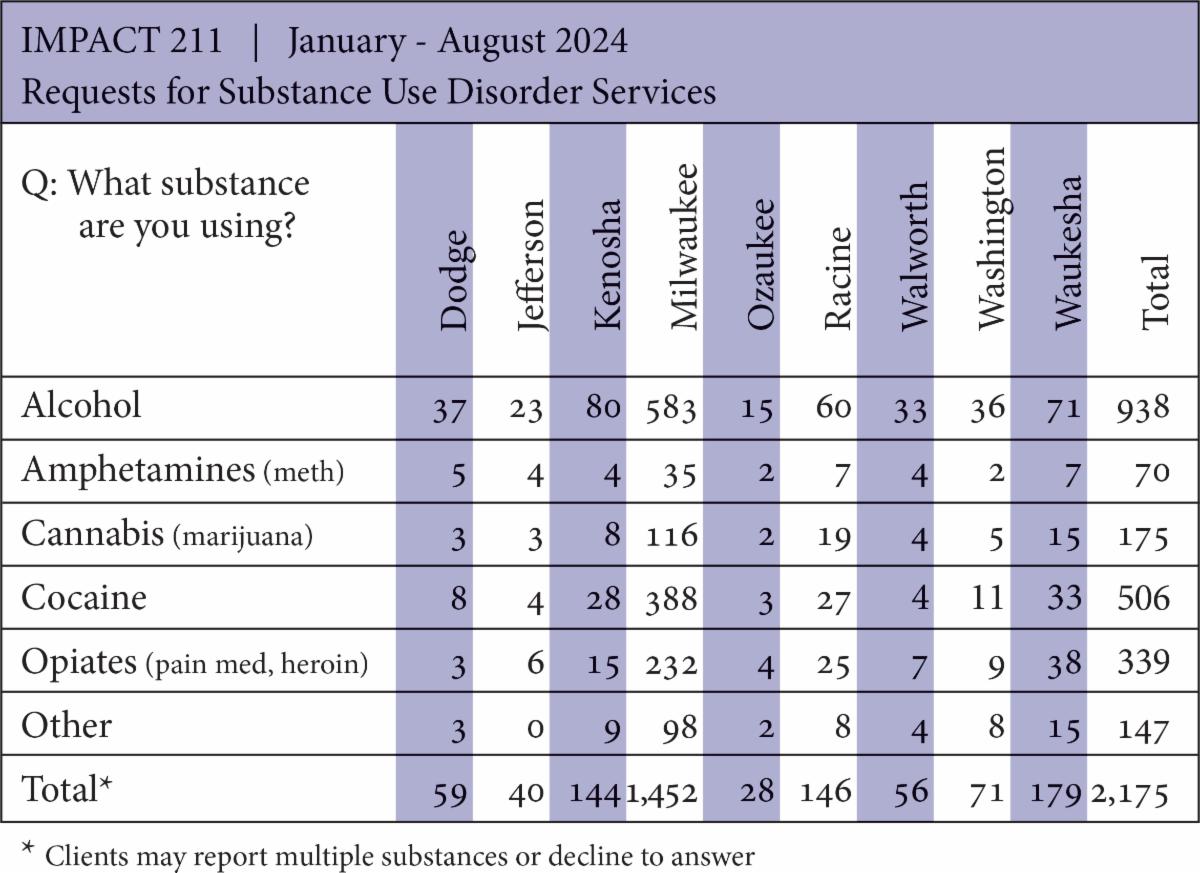
The Wisconsin Addiction Recovery Helpline is a statewide resource coordinated by 211 Wisconsin that helps callers find substance use treatment and recovery support services. IMPACT 211, serving Southeast Wisconsin, is one of eight contact centers throughout the state with trained resource specialists who can help callers understand how to navigate treatment and support options. The helpline is free, confidential, and available 24/7.

IMPACT also participates in several community coalitions to address substance use disorders.

What happens when someone gets an OWI?

Drivers convicted of Operating While Intoxicated (OWI) are court ordered to see a State-trained substance use disorder counselor for an assessment. IMPACT serves as the approved facility in Milwaukee County.


Based on the results of the assessment, IMPACT's Intoxicated Driver Program counselors recommended a course of action, called a Driver's Safety Plan (DSP). It defines the education or treatment program that clients need to complete in order to acquire and/or retain their driver’s license. From January through August, we saw 1909 clients; 873 were referred to treatment and 1,036 to education. 

IMPACT Planning & Evaluation works behind the scenes to strengthen treatment services

IMPACT’s Planning and Evaluation team partners with several Substance Use Disorder treatment providers in Milwaukee to evaluate the outcomes of their services. Evaluation data consistently shows that most people who engage in treatment show significant improvements in their substance use, mental health, and quality of life.


In addition to documenting outcomes, our evaluations have provided feedback to programs on:

  • The integration of medication assisted treatment into treatment models.
  • The value of family-centered services for pregnant and postpartum women in treatment.
  • The efforts being made to decrease the risk of HIV and hepatitis transmission among people in treatment.
  • The role of recovery housing in supporting long-term recovery.

Our evaluations note the important work being done by these providers, contribute to quality improvements, and are used by providers to sustain and expand funding.

Facebook  Twitter  Linkedin  
DONATE