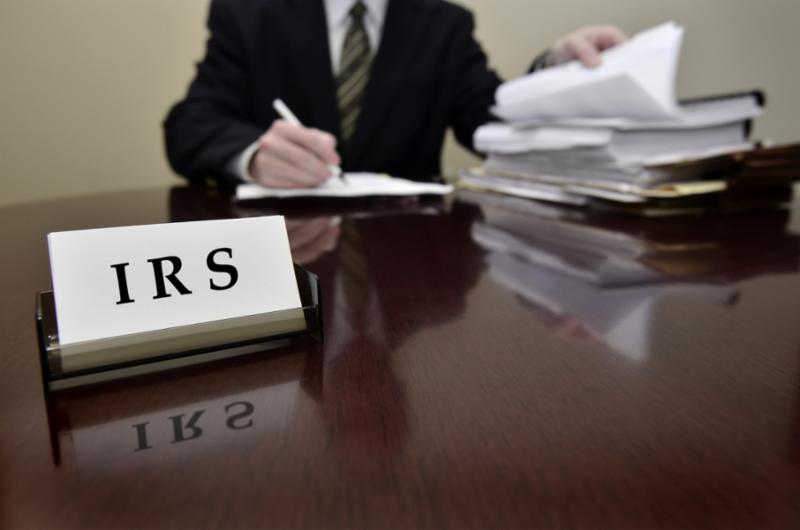
With all of the automated methods for bookkeeping and accounting available today, it is easy to sometimes take for granted that disbursements we choose to record as tax deductible expenses might actually be denied should they ever come under review by the IRS. These 2 cases were recently included in my newsletter, "The General Ledger" from the American Institute of Public Bookkeepers (AIPB). I personally sometimes need a "wake-up call" and cases like these 2 settled in 2021 are small reminders that we cannot relax our detailed practices and documentation for bookkeeping.
"An S Corporation deducted some expenses for travel and meals, independent contractors (ICs), and office supplies.
The IRS then denied all the deductions and the case ended up in court.
Held: For the IRS. For travel and meals, the S Corp provided bank and credit card statements that showed charges to airlines and restaurants equal to the deductions. These statements also showed cash withdrawals equal to the meal and related expense deductions.
But the statements did not satisfy requirements for travel and meal expenses under §274, Disallowance of certain entertainment, etc., expenses. The statements did not identify the business purpose for the trips or the other expenses, or the dates of the trips and expenditures—only the dates the taxpayer’s account or card was charged for them.
For the payments to ICs, the taxpayer offered carbon copies of checks. While the checks provided the payees’ names and the dates and amounts of the payments, the checks did not substantiate the services performed by the ICs or that the payments were ordinary and necessary business expenses.
To support the office supply deductions, the taxpayer provided a bank statement showing charges to Office Max. Although the bank statement lacked details of what was purchased, the court believed the taxpayer’s testimony that she did not do personal shopping at Office Max. Because office supplies expenses are not subject to the enhanced substantiation of §274, the office supply deductions were allowed.
Deductions for groceries—coffee and snacks for the office—were denied because the receipts were illegible and did not state which grocery items were purchased for the office. [Ward v. Commissioner, T.C. Memo. 2021-32]"
Another case caught my attention as well
"Greeting cards deductible—with proper documentation.
A saleswoman routinely sent thank-you cards after her customers made a purchase
and sent Christmas cards to past customers, among others. The cost of the cards was taken as a deduction against income for FIT purposes. The IRS denied the deductions.
Held: Partly for the taxpayer. Receipts and other documentation of the cost of the cards could not be provided because it had been given to an accountant who had died, so the records were unavailable.
The court held that the cards were an ordinary and necessary business expense that could be deducted if she could provide the court with a reasonable basis for estimating the expense.
The taxpayer said she made an average of 18 sales a month for the tax year at issue. The court accepted this and allowed her a deduction based on first-class postage multiplied by 216 (18 cards/mo. × 12 mos.).
No deduction was allowed for the Christmas cards themselves because the taxpayer could not provide a reliable basis for estimating the cost.
[Julson v. Comm., No. 25563-18 (T.C. 2021)]"
If you have concerns or are interested in looking for better methods for corroborating and documenting your tax deductible expenses, let us know! There are many new methods that can reinforce your claims without increasing workload.