NASA Summer 2026 Internship Opportunities

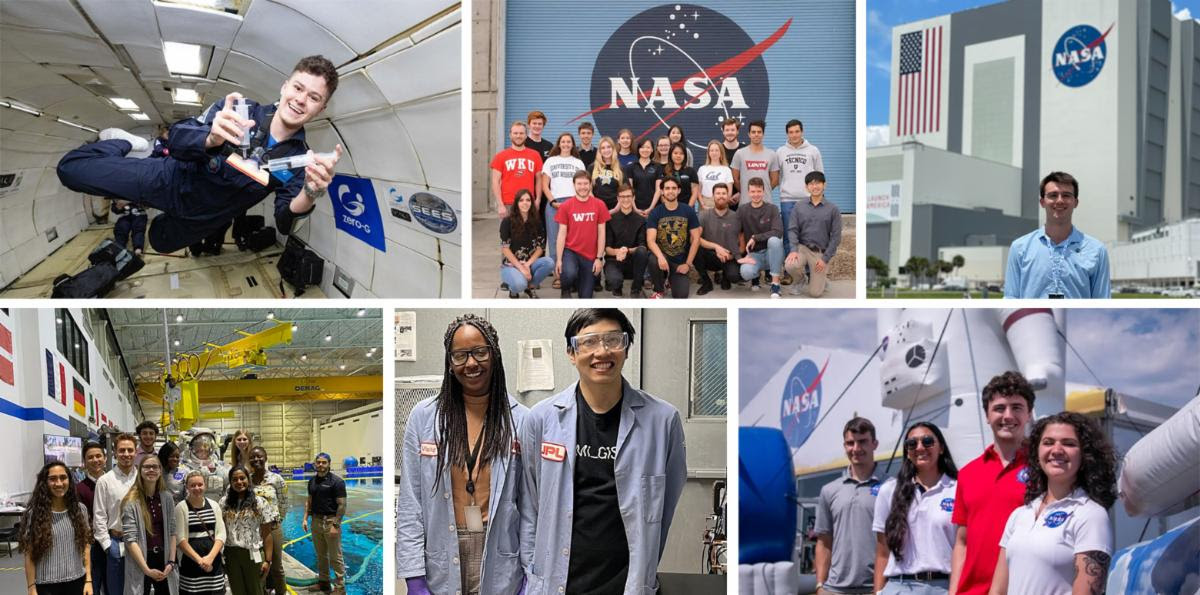
Find your place in space with a NASA internship! NASA offers several opportunities for students to undertake meaningful and challenging projects that truly make an impact on humanity.


Applications for Summer 2026 internships are due Friday, Feb. 27.


Click here to find available opportunities, frequently asked questions, and application details.


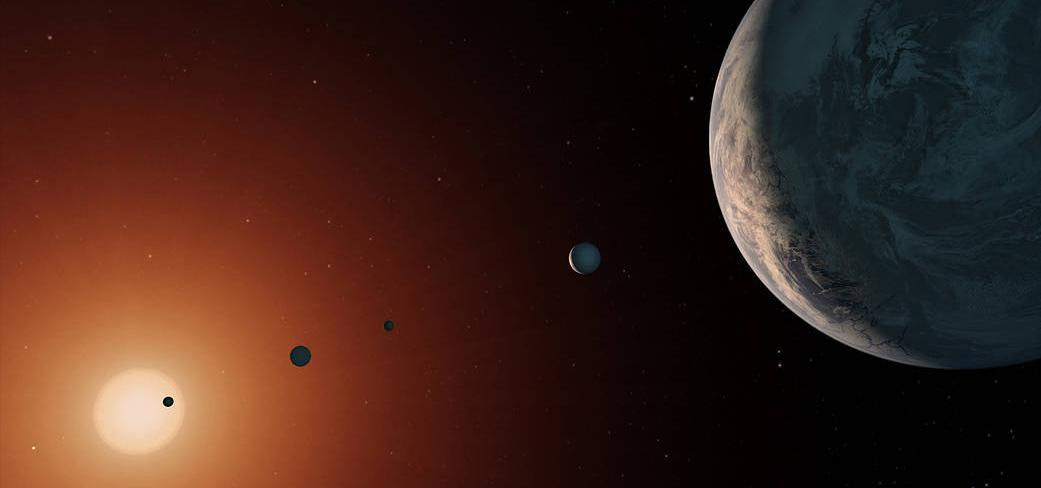
Thirty years ago, astronomers confirmed the first planet orbiting another star – a moment that changed how we see the universe.


Today, more than 5,000 exoplanets have been discovered, revealing worlds that are hot, cold, rocky, stormy, and everything in between.


To celebrate this milestone, NASA’s Universe of Learning invites informal educators, museum staff, and community science leaders to explore the new 30 Years of Exoplanets facilitator guide. This story-first resource brings the science of exoplanets to life through interactive tools, visuals, and adaptable learning activities.


Educators can explore:

  • A narrative journey through 30 years of exoplanet discovery
  • Ready-to-use activities like DIY Planet Search and Exoplanet Trading Cards
  • Visuals from Webb, Hubble, and the Exoplanet Travel Bureau


Looking for more out-of-this-world resources? Visit NASA’s Universe of Learning website to find ways to connect with the science of NASA astrophysics.


PODCAST CLIP

What's My Brain Doing? Goosebumps & Other Strange Phenomena

Ever wonder why you get déjà vu? Or why you keep losing your keys? 

WATCH NOW


ACTIVITIES

Why Won't it Mix? Discover the Brazil Nut Effect

Have you ever noticed that the dried fruits or nuts in your breakfast cereal are not evenly spread out inside the box, or that in a container of mixed nuts Brazil nuts gather at the top? This phenomenon is commonly called the "Brazil nut effect," and the science behind it is surprisingly complex and far-reaching. This phenomenon can be a nuisance when you want to fill silos, bags, or bins with different types of materials. It can also be used to our advantage: an avalanche airbag uses the… Read more

A Candle Seesaw Balancing Act

Do you love playing on a seesaw? Why is it that depending on where you sit on the beam, and the weight of the person on the other side, you either fly up into the air or fall down to the ground? And why is it so difficult to perfectly balance the seesaw? It can all be explained with physics! In this activity, you will investigate the balancing forces of a seesaw—with a seesaw made of candles!

 Read more

Facebook  Twitter  Linkedin  Instagram  

website | email | 602.734.5434