|
WI-CARH Summer 2025
Newsletter
| | |
Message from Russell Kaney WI-CARH President
| | |
2025: A Year of Change
As I write this introductory note to our summer newsletter, we are already past the halfway point of the year. Changes are being put into place for housing programs every month. Sometimes, it is hard to keep up. We hope that WI-CARH can help bridge that gap of information and knowledge. As an example, our spring training session held in May in Madison was well attended and very timely as the HOTMA changes in compliance were about to be implemented July 1.
I had the opportunity to attend the national CARH conference (notes follow in newsletter) in June just prior to Congress taking up the tax bill which was signed into law on July 4, 2025. Changes and enhancements to the LIHTC programs have been debated and pursued for years. The changes will produce more housing. The Stand-Alone Rental Assistance program and Multifamily Preservation Revitalization funding are being implemented along with the simple transfer process. All these changes and programs are designed to help owners and managers maintain the physical and fiscal challenges they have with their properties.
Many of these topics will be covered at the WI-CARH annual conference on October 22, 2025, at the Wilderness Resort and Hotel in Wisconsin Dells. It is one you will not want to miss. The planning committee is busy creating a full day of content with a wide variety of speakers. We hope to see you there. In the meantime, enjoy your summer!
Russell D. Kaney
President, WI-CARH
| | |
CARH Holds Annual Meeting and Legislative Conference
| | |
The Council for Affordable and Rural Housing held their annual meeting and legislative conference on June 23-25, 2025, in Pentagon City, Virginia. Russell Kaney, WI-CARH President, attended the conference and provided these notes.
The first day of the conference is made up of numerous committee meetings revolving around issues important to owners, developers, and management agents involved in affordable housing.
State Affiliated Association Meeting
Well attended with over forty attendees, the meeting gave state affiliates the opportunity to share state activities, conference themes and speaker suggestions. Indiana, Mississippi, Florida, Alabama, Michigan, Mid-Atlantic, and Wisconsin all reported their activities. California and Nevada have both formed statewide organizations and have signed an MOU with CARH. Mississippi sponsored fair housing training in multiple locations around the state. The trainer was willing to travel, and attendance was good. More states are considering multi-state participation as an affiliate. Virginia, West Virginia, and the Carolinas (North & South) have combined their membership going forward. Michigan is looking at benefits of an Indiana or Ohio merger. Discussion continued on the use of social media tools, all affiliates are using social media, some more than others. Mitch Copman, Treasurer of CARH mentioned that the national Board is looking for ideas to restructure dues for CARH. Ideas are welcome for the September Board meeting. The discussion wrapped up on higher operating costs at properties and how management companies are dealing with personnel, especially recruiting, and retaining maintenance staff.
Best Practices & Education Committee
Participants in this meeting shared ideas and practices being implemented with their companies around the country. In Georgia, a management company has been successful with using artificial intelligence programming to answer telephones and answer questions about a property when no manager is on site. Issues with a unit can be converted to work orders. There is an extensive set up, but the process has been very responsive to residents and the public. Every participant in the meeting agreed that automation is being looked at for everything. Employee issues continue to be problematic, especially with maintenance staff. One large management company has significantly increased wages. Others have paid mileage from the time they leave their home until they return. Floating maintenance staff was also discussed. Rent incentives were discussed. Putting the incentives into the budget as an expense seems to work. Several training companies attended the session and gave a brief overview of services offered. They have been training extensively on HOTMA, in person and virtually. Private trainings for company staff have also been popular. HD Supply also offers on-line training for maintenance personnel.
Rural Development can no longer do wage matching. There was general agreement that it is needed, if fraud and abuse of program services is to be recognized, this is a tool that helps.
Lenders Committee
The 538 guaranteed loan program was discussed. Program budget authority is $400 million but only $200 million (approximate) is being utilized each year. RD-USDA is frustrated that the loan volume is not higher. The most ever guaranteed in any one year was $250 million. There have been ideas floated on how to increase loan volume. There is more competition from banks and HUD products that make the 538 less attractive. One proposal is to move the 70% loan to the cost limit to 85-90% for guaranteed qualification. This would help include more workforce housing, not just tax credit assisted housing. Lenders in the session noted that a rural qualified site that has urban market influences (higher incomes, good employment) can make deals work. HUD has a loan product requiring a 1.11 debt coverage ratio (DCR). The consensus in the meeting was that this would not be a favorable request to Rural Development as Housing Finance Agencies and syndicators/investors are still underwriting to a 1.15 DCR. There is still interest in changing the 538 programs from 40-year amortization to 50-year amortization. It was agreed that the interest credit subsidy in place years ago to drop the interest rate by as much as 2% would not be revived. The elimination of this subsidy made the 538-program budget neutral which is looked upon favorably by Congress. Staffing reductions at Rural Development have been significant. Bottlenecks are already occurring. Servicing of loans is being delayed. The organizational chart at RD is changing constantly. HUD has seen a 40-45% reduction in staffing. A discussion was held on the use of a 538 loan with a decoupled property. Cloud Vault, the encrypted process of RD-USDA for sending documents, is widely disliked and very time consuming. The question was raised as to can Rural Development give up some control of the process to make loan processing more efficient and timelier? MPR awards from 2024 are expected in late July. There was consensus that technology and reduced regulations can make up for some of the reduced staffing but not all.
Management Committee
Operational issues for management agents was the prime topic for this session. Retention of staff is a high priority. Turnover as high as 40% has occurred with some companies. A discussion of the interview process highlighted the need to make a judgement as to a prospect fitting into the culture of your organization. Wages continue to be an issue but offset by higher rent increases. Insurance costs continue to increase but at a slower pace than in the last 2-3 years. Being dropped by insurance coverage is still an issue in parts of the country. Several companies have been utilizing utility monitoring services where available. Many suggestions for streamlining RD programs on the management side were included in the March 28, 2025, letter to Agriculture Secretary Brooke Rollins. No response has been received to date. There is confusion over where rental assistance units from loans that are paid off and projects that leave the program go to. Do these funds go back to Treasury? The Senate Banking staff has been made aware of the recaptured rental assistance that has not been accounted for. Management fee adjustments are expected soon for 2026 budget purposes. Wage match issues were discussed. It is not being done now. How do you report obvious abuse? Can social security or IRS verify income in the future?
The Committee made two recommendations to the CARH Board to pursue: simplify the utility allowance calculation, allow utility calculation to be done every 3-5 years rather than yearly.
Development Committee
A discussion was held on the March letter to the Secretary of Agriculture on streamlining the RD programs. No changes have occurred although RD acknowledges receipt of the letter. Tariffs were discussed and have not had a material effect on cost although they may be an issue later in the year. A continued push is underway to eliminate or reform NEPA (National Environmental Policy Act) and to eliminate the Davis-Bacon Wage Act for housing. The Stand-Alone Rental Assistance (SARA) demonstration was discussed. The first contracts have been issued. It was explained that the mortgage maturity date on the mortgage/note determines the date a project is eligible for a SARA contract, an early pay-off would require a reamortization to reach the 50-year maturity date. Owners are notified of SARA eligibility in the year their mortgage matures. The demonstration project of SARA has been extended to the next fiscal year. A maximum of 1,000 units can be considered each year. Prepayment processing requests are expected to slow down. With retirements, there is one person left on RD staff to process prepayments.
Board Meeting of CARH
Each committee meeting brought several recommendations to the Board to pursue. The Board was asked to encourage RD staff to attend state affiliated meetings. Most states are not seeing RD staff attend. A dues committee is looking at restructuring dues for 2026 and beyond. It will be taken up at the September 30-October 1 Board meeting in Washington DC. The mid-year meeting will take place in Florida in January 2026 and in Phoenix in January 2027.
During a Washington Insider session, a review of pending legislation was discussed including an overview of reconciliation, recission issues and the debt limit issue. The two versions of the Low-Income Housing Tax Credit enhancements were discussed, mainly the difference between the House version and the Senate version. Staffing cuts at RD and HUD are real. HUD is experiencing more cuts than RD, seeing a 40-45% staff reduction although the multi-family section is at a 15% reduction. It was noted that the Affirmative Fair Housing Marketing Plan is proposed to be rescinded by HUD and RD is expected to follow.
Day 2
The second day of the conference began with a panel of regulators from Rural Development and HUD. HUD acknowledged their reduction in staff and the issues that it brings to processing and servicing. HUD has not implemented HOTMA yet, the new date is January 1, 2026. Their forms need Office of Management and Budget (OMB) approval first. The Acting Administrator for RD acknowledged the extensive memo submitted by CARH on streamlining the RD process. She expects to respond to these issues within the next 60 days. MPR awards from 2024 are expected to be announced in late July, early August. A NOFA for fiscal year 2025 for MPR applications should be out in September 2025. The first seven SARA contracts have closed from fiscal year 2024. For 538 lending, it is expected that $175 million will be obligated in fiscal year 2025. RD referenced their June 13th notice that HOTMA would be effective July 1, 2025. The mapping process undertaken by RD over the past several months has resulted in 138 recommendations for improvements. The goal is to eliminate redundancy and improve hand-offs between the divisions (servicing, processing, underwriting, closing). The decoupling demonstration program is a year-to-year program, so far. Rental assistance demand continues to be strong. The prepayment program has been shifted to the asset management division under Michael Resnik.
Questions and comments from the attendees were directed at the speakers. Ginnie Mae, which is the primary purchaser of 538 guarantees, is willing to talk to RD about a 50-year amortization of 538 loans (currently 40 years). IT improvements were brought up for both RD and HUD, the AMAS and MINC systems are old and need replacing. The HUD TRACS system is also old and needs replacing. How to do this and the funding to make these changes are being discussed. Staffing issues were brought up. RD is counting on technology to replace some staff functions, the use of bots, as an example, for addressing repetitive issues. Income verification was discussed. HUD has the EIV (Enterprise Income Verification) system in place. RD does not have this system functional yet but is working on it.
A Washington Update session included staff from the House Financial Services committee, Senate Banking committee and a chief of staff for a congressman. Their discussion centered on how legislation moves through the process of getting attention, co-sponsors and eventually to Congressional approval.
A Compliance session keyed in on issues concerning residents with disabilities and making sure your project is meeting its’ obligations. The Fair Housing Act became law on March 13, 1991.
A separate session was conducted on HOTMA compliance issues. HOTMA is effective July 1, 2025, for RD and makes the biggest changes in how assets are computed for eligibility of residents. It has been suggested to RD that a grace period of six months be implemented for any HOTMA mistakes that are being submitted. Medical deductions and a phase in deductions for existing residents is new. Generally, Housing Finance Agencies are already using HOTMA. Chapter 6 of the RD Handbook has been revised to include the HOTMA changes. 529 accounts and 401K accounts are now exempt from asset calculation. HUD has put off implementation of HOTMA until January 1, 2026. They could delay further as the TRACS system they use for processing is the problem. RD properties with Section 8 and properties accepting HUD vouchers are following the old rules until HUD implements HOTMA.
A Debt/Equity panel discussed the House and Senate versions of the LIHTC proposed legislation. Generally, the industry favors the Senate bill as their version makes the 12% tax credit increase, in volume, permanent. However, more credits can decrease pricing. The 45-L investment tax credit is projected to be eliminated. Bonus depreciation is in the new bill. (Note: post conference, the LIHTC enhancements were included in the July 4 tax package signed into law.) Currently, there are more tax credit deals than investment dollars. However, Fannie Mae and Freddie Mac are coming to the market with double the amount of investment in recent years. For 538 loans, a transaction with no 515 funds can take 90 days to secure a conditional commitment. If 515 funds are included, it takes much longer. With staff reductions at RD, the queue is long. For construction related projects, contingencies are trending higher due to uncertainty over tariffs. The standard 10% contingency for a rehab project and a 5% contingency for a new construction is standard. Lenders and investors are not making exceptions.
Opportunity Zones were discussed in a session comparing the old program versus the proposed legislation (OZ 2.0). (Note: July 4, 2025, tax package made permanent the opportunity zone program.) Rural housing investment is most likely to be in market rate housing per the panelists.
Day 3
The final session of the conference was the Asset Management and Servicing Issues: Nitty Gritty with HUD and RD. With HUD, they have maintained their regional directors for routine servicing. RD addressed their transfer process with a mapping process that highlighted 138 recommendations for changes. Priorities include eliminating duplicative requirements and eliminate third party reviews by RD if no new agency funds are being used. The simple transfer process was discussed. The authority for this expedited process was extended to December 9, 2025. So far, this year, 178 referrals were made, 107 concept meetings were held, forty are moving through the process, thirty transactions have closed, twenty are in process with an average of 60 days to close after letter of conditions have been issued. RD encouraged suggestions on how to get more applications into the simple transfer process, this is the third year for this PILOT. Reserve account requests number 44,000 per year. A centralized mailbox is being implemented for requests. Less documentation is being tested. RD looks to put the changes in place by October 2025. Budgeting has a task force looking at faster turnaround for approvals. Less review is needed for minimum rent increases. A separate task force is reviewing the annual audit review process. HUD has proposed eliminating the use of the Affirmative Fair Housing Marketing Plan, they have reduced the mortgage insurance premiums (MIP) on certain loans and continue to review regulations asking: are the regulations statutory? Also, are the regulations purposeful? The e-tool was discussed; the uploading of capital needs assessments seems to be working well.
Mike Reznick of RD discussed the SARA program; seven SARA contracts have closed from the fiscal year 2024 tranche. There were thirty-four mortgages eligible for SARA and eight applied. Other applications went through a reamortization or were involved in a transfer. In all, 76% stayed in the program. For the 2025 fiscal year, forty-six mortgages were eligible, seventeen were elected to pursue the SARA contract. In 2026, fifty-two mortgages are eligible for the SARA provisions. In general, it has taken 45 days from a conditional commitment to a closing in the SARA process. The formal contract for SARA is completed. The SARA program allows an owner to receive 100% rental assistance for their project; they are required to use fair market rents (FMR’s) for their rents. The initial budget is submitted at the time of the contract closing but no other reviews are made after closing. Rents are adjusted yearly using OCAF (operating cost adjustment factors). Contracts can range from 10-20 years at the owner’s discretion. Reserve accounts are initially set at $500/unit/year and physical inspections occur once every three years unless physical issues are present, then every year until the physical issues are resolved. A SARA contract can be assigned to a new owner. CARH is pushing to make this a permanent program. Currently, it is year to year. RD is requesting changes to the demonstration program including allowing mortgages within four years of maturity to be able to apply, gives more lead time, allow up to 5,000 units to be included per year rather than the 1,000 unit maximum per year now in place. With a ramp up of maturing mortgages, it may require a competitive process in the future.
RD acknowledged that no penalties will be enforced for any HOTMA deficiencies between July 1, and January 1, 2026.
HUD mentioned that system improvements are still being made to INSPIRE.
RD anticipates a notification to owners/managers of a fee increase of $5.00/unit for management fees to be used for 2026 budgeting purposes. Updated income limits have been posted for all areas of the country.
Currently, 310,000 units or 80% of total units in the RD portfolio are covered by rental assistance. With current budgets for RA, it is unlikely that 100% of units will be covered by rental assistance. An increase of $34 million is expected in the RA budget this year.
The conference was well attended and loaded with information pertinent to affordable housing. Changes to the affordable housing programs are constant, some changes moving quickly, others on a slower track. The conference was a good opportunity to check in on issues relevant to all owners and managers of multi-family housing.
| | CARH Recommendations to Streamline Rural Development Programs | |
Earlier this year, the Council for Affordable and Rural Housing brought together stakeholders in rural rental housing to address the new administration’s call for reduced regulation and create efficiencies in federal programs. The following letter from March 28, 2025, to USDA Secretary Brooke Rollins addresses many of the redundancies and bottlenecks in the current RRH 515 servicing and transfer process. | | |
WHEDA Foundation 2025 Housing Grant Program Application Now Open!
| | |
The Wisconsin Housing and Economic Development Authority (WHEDA) and the WHEDA Foundation, Inc. are pleased to announce the 2025 Housing Grant Program competition. The Foundation will award $2,000,000 to assist in the development and improvement of housing facilities throughout our state that provide housing for people in crisis.
- The competition includes two separate housing categories: Emergency/Transitional housing and Permanent housing.
-
Applicants may apply for grant funds in each category however they may only submit one application per category.
- The maximum individual grant award is $50,000. There is no minimum grant award and small funding requests are allowed.
- For flexibility in awarding grants to the "best of the best", more or less than 50% of the funds may be allocated to each category depending on the quality of applications. However, no category will be allocated less than 25% or more than 75% of the total pool.
| | |
Who Can Apply?
- Nonprofit organizations or cooperatives organized under Chapters 181, 185, or 187 of the Wisconsin Statutes
- Community development, redevelopment, and housing authorities
- Local units of government
- Native American Tribal authorities
| | |
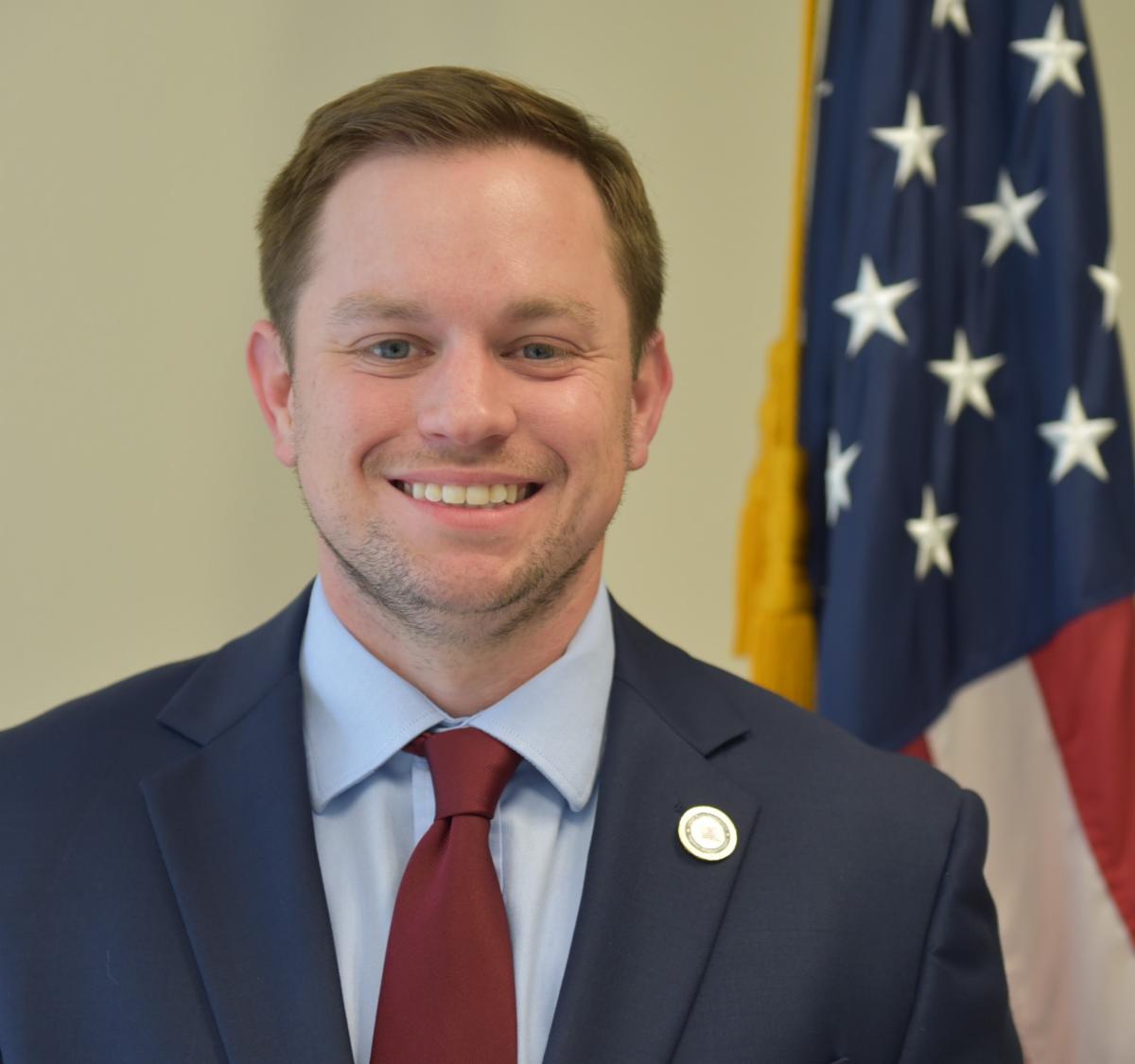
USDA Announces New Presidential Appointee to Serve Rural Wisconsin - Andrew C. Iverson is the New State Director for Wisconsin USDA Rural Development
| | |
USDA Announces New Presidential Appointee to Serve Rural Wisconsin
STEVENS POINT, Wis., June 3, 2025 – U.S. Secretary of Agriculture Brooke Rollins announced Andrew Iverson is appointed by President Donald Trump to serve as the U.S. Department of Agriculture (USDA) Rural Development State Director for the state of Wisconsin. Director Iverson will implement President Trump’s America First agenda at USDA Rural Development, ensuring the needs of America’s farmers, ranchers, and producers remain a top priority.
“When America’s farming communities prosper, the entire nation thrives. This new group of USDA appointees will ensure President Trump’s America First agenda is a reality in rural areas across the country. I am grateful for the leadership of these new state directors and look forward to their work reorienting the agency to put Farmers First again,” said Secretary Rollins.
“I take the trust placed in me whole-heartedly. I look forward to serving the hardworking farmers, families, healthcare and emergency services providers, community service organizations, community infrastructure services, businesses and cooperatives of our great state,” Iverson said. “As USDA Rural Development State Director, I will be dedicated to strengthening relationships, streamlining application processes, and providing helpful information to Wisconsinites. I am honored and grateful to be able to lead in an agency that is committed to providing the agricultural and rural development that Wisconsin needs and deserves.”
Iverson most recently served as Executive Director for the Republican Party of Wisconsin and previously held positions with the Republican National Committee, Senator Ron Johnson, Representative Bryan Steil and others.
State Directors serve as the Chief Executive Officer of USDA Rural Development in the states and territories and are tasked with leading teams to carry out the mission of Rural Development to the benefit of all rural Americans. In conjunction with the guidance and support of the National Office, State Directors are responsible for advancing the key priorities and initiatives of the Presidential Administration, the Secretary of Agriculture and the Deputy Under Secretary for Rural Development. State Directors also provide key leadership to foster a mission-driven, accountable, and high-performing workforce focused on operational excellence, public trust, and responsible stewardship of taxpayer resources.
To learn more about USDA Rural Development’s leadership and programs, view www.rd.usda.gov.
Photo: USDA Rural Development Wisconsin State Director Andrew C. Iverson. Photo by Veronica Hinke
| | WI-CARH Meets with Newly Appointed State Director Andrew Iverson | |
|
On July 9, 2025, Andrew Iverson, newly appointed State Director of Rural Development-USDA came to Madison to meet with WI-CARH Board members Rusell Kaney and Rebecca Giroux at the offices of Wisconsin Management. Rebecca was accompanied by the newly appointed Deputy Director of WHEDA, Leana Nakielski. Diane Hamm, WI-CARH’s Executive Assistant, also attended.
After introductions, Russell Kaney gave a brief overview of WI-CARH and the history of the organization. This included our conference and spring training events and our lease project each year. Andrew was invited to our October 22, 2025, conference in Wisconsin Dells and he has put it on his calendar.
Rebecca gave an overview of the work WHEDA has focused on in rural Wisconsin including the loan products authorized by the State Legislature in the 2023-2025 budget. WHEDA has a meeting with Andrew Iverson scheduled in August in Madison.
Andrew gave a brief history of his experience. He is a native of Wisconsin and grew up in the Janesville area. His background is extensively in running pollical campaigns and organizing staff for the same. He admits he has a lot to learn acknowledging that Rural Development has 88 programs to administer. He and family (including a 1 1/2-year-old) are in the process of moving to the Stevens Point area. His first task immediately after being sworn in is to renegotiate the lease on the state office space in Stevens Point. He is spending most of his time this summer reaching out to stakeholders and meeting as many people and organizations as possible.
In our discussion, we covered the transition of the multi-family staff to National Office employee status and his role in promoting multi-family housing. He asked for any suggestions he could review and pass along to the new administration. WI-CARH will provide our ideas.
WI-CARH gave Andrew an open invitation to meet again on anything he needs more information about. He asked that any success stories we find in Wisconsin, to pass along to him. We encouraged him to get out and meet with owners and managers in Wisconsin and be aware of where the RD financed multi-family developments are located in Wisconsin as he travels the state. We congratulate Mr. Iverson on his appointment and look forward to working with him in the future.
Thank you to Diane Hamm for arranging the meeting and to Russ Endres and Wisconsin Management for hosting.
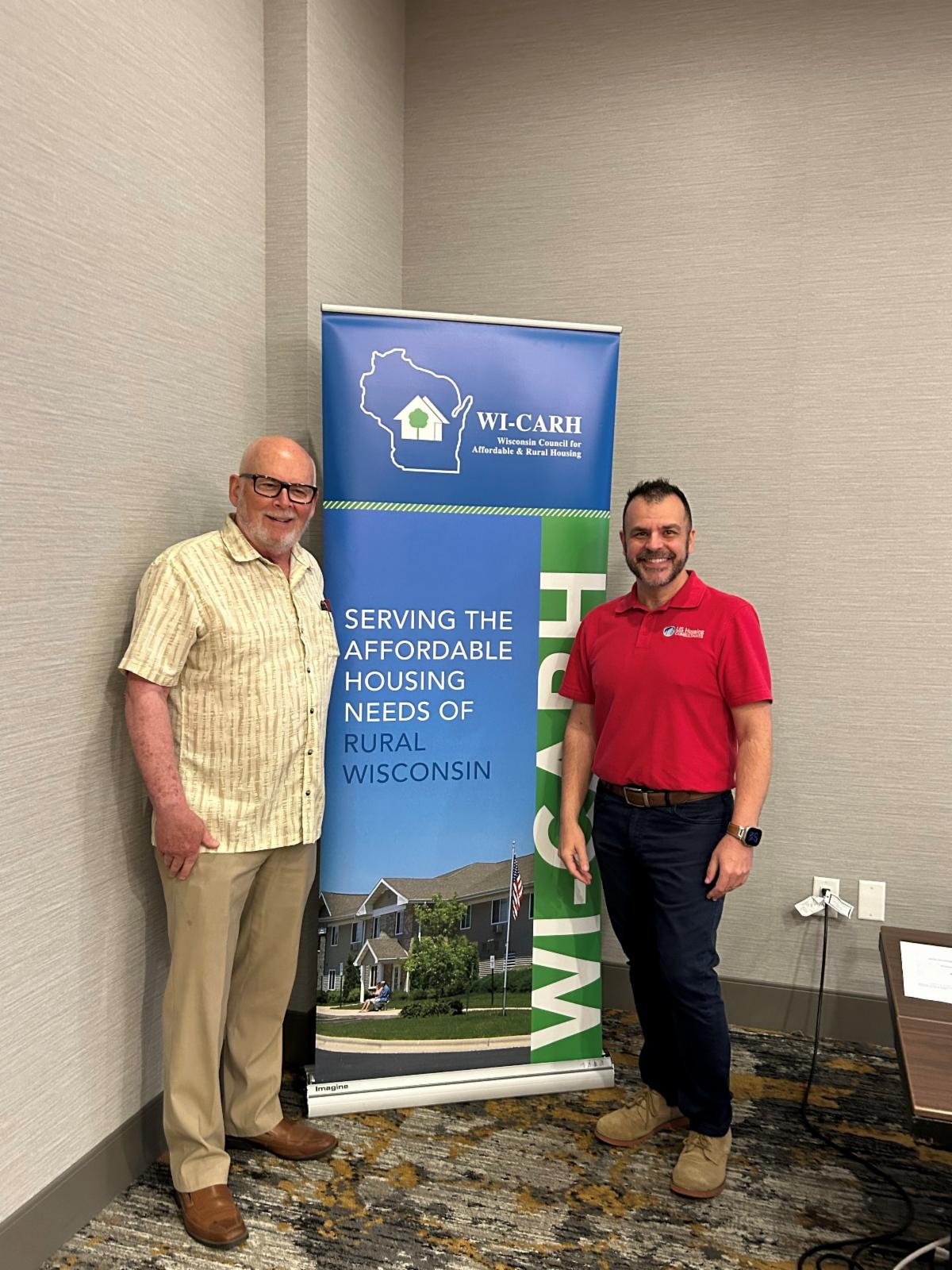
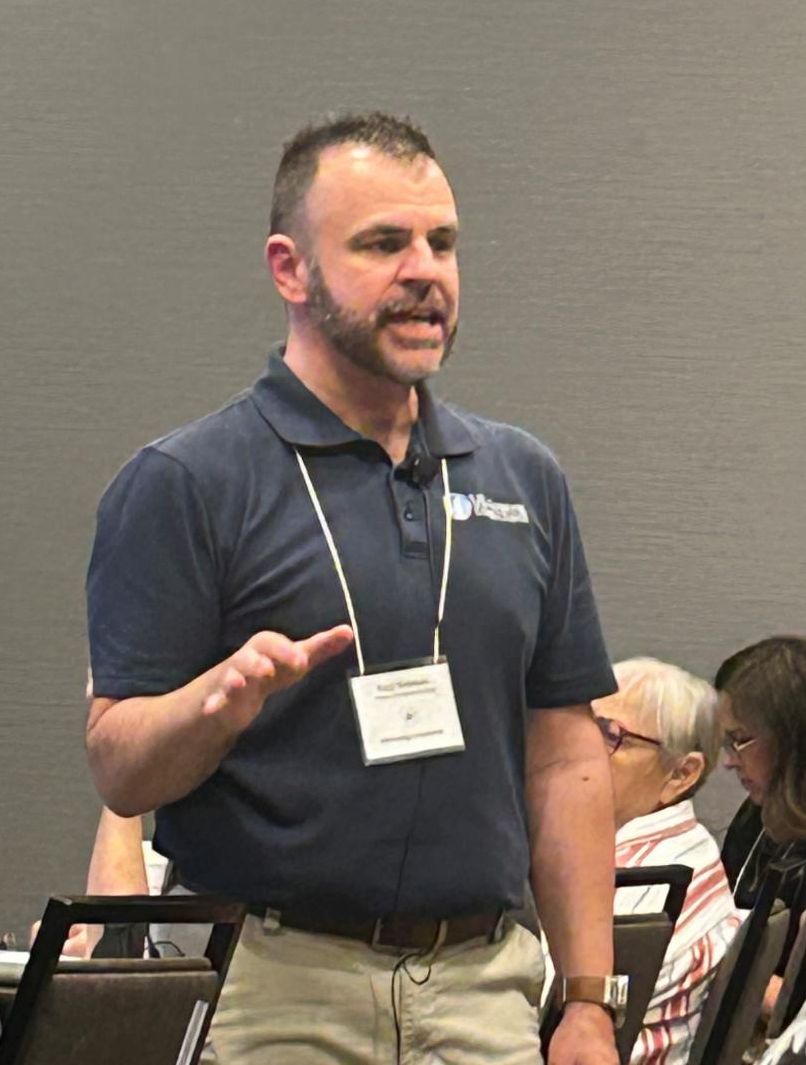
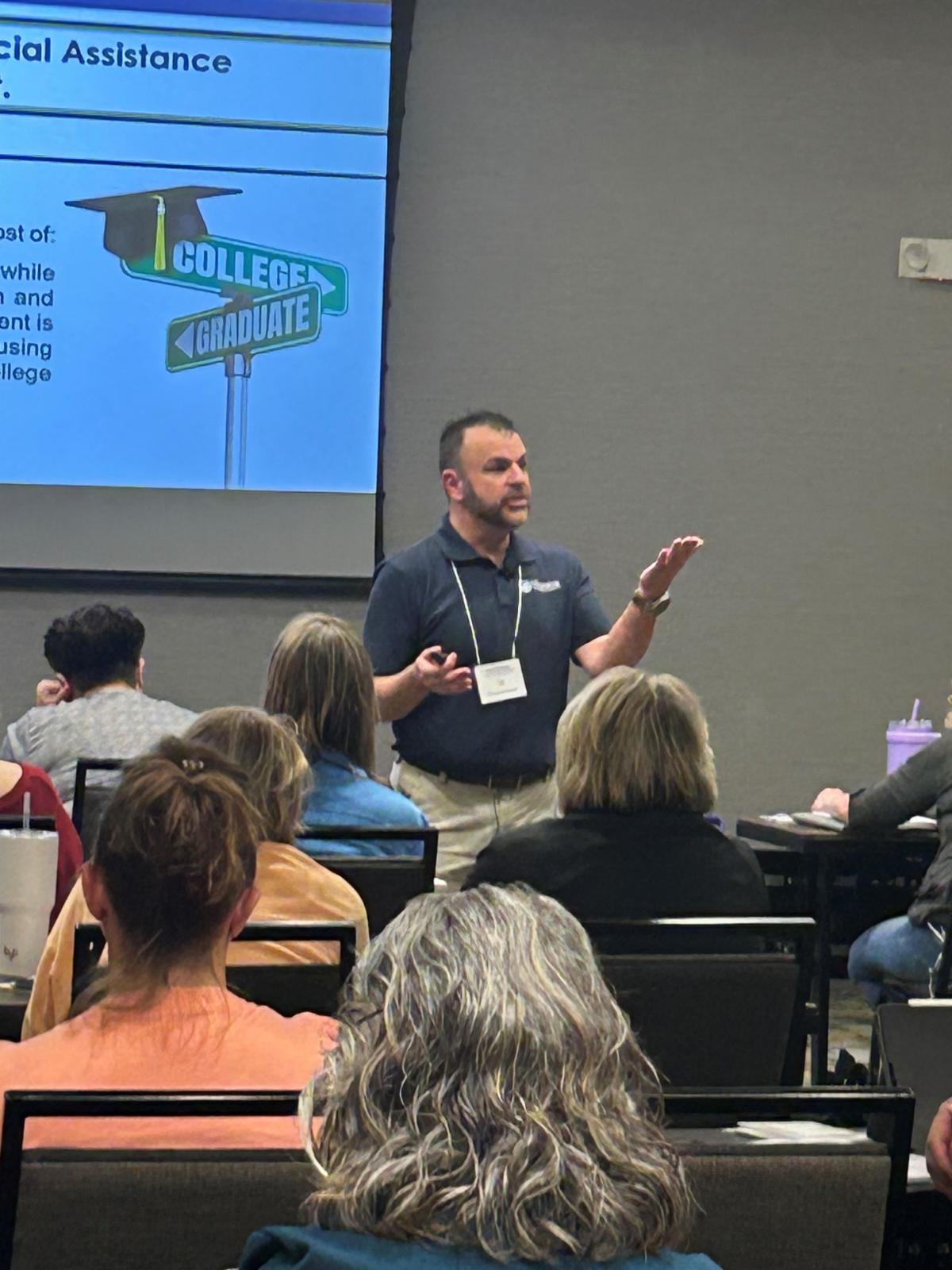
| | WI-CARH's Spring Training was a Success | | Russell Kaney, President of WI-CARH, and Gary Kirkman, Director of Compliance Training from US Housing Consultants | | Gary Kirkman, Director of Compliance Training from US Housing Consultants | | |
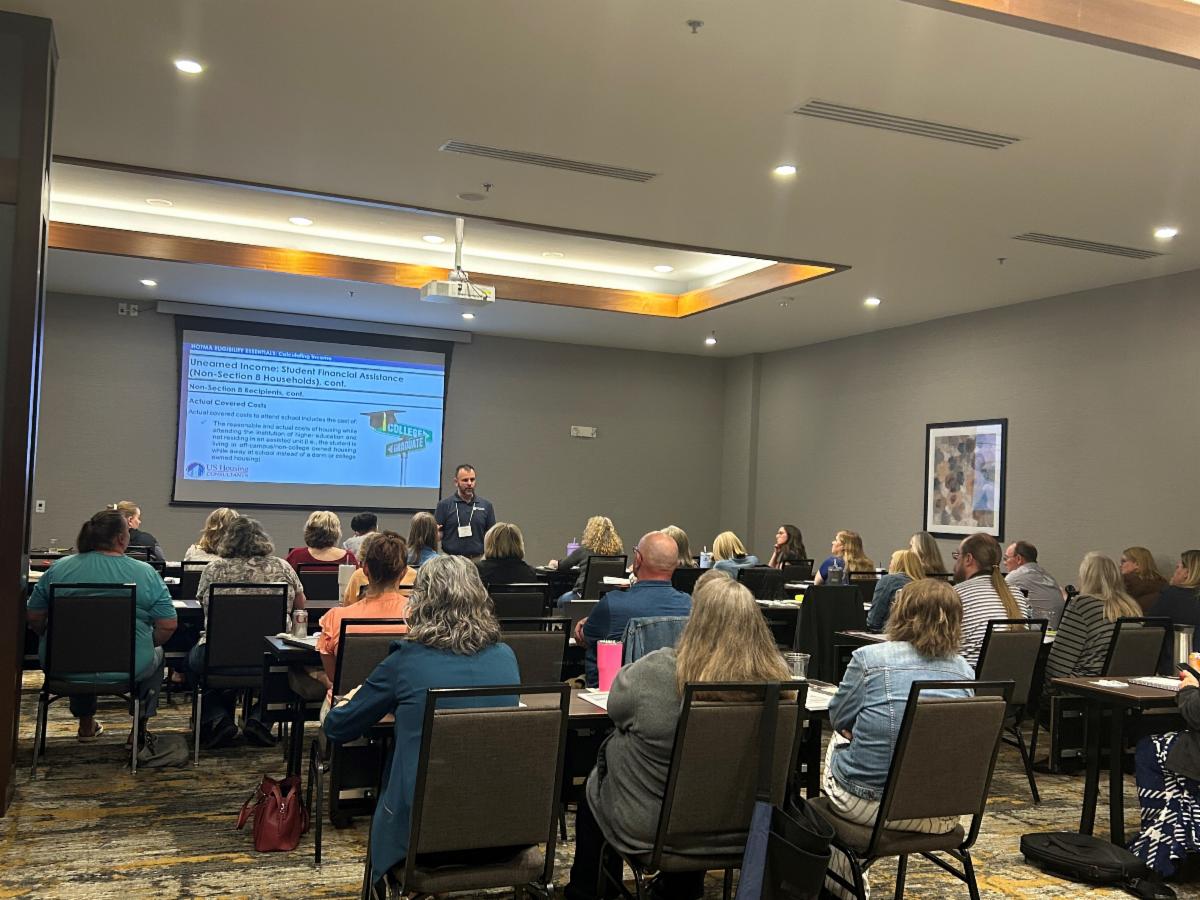
The Doubletree by Hilton Hotel in Madison, Wisconsin (formerly the Crown Plaza) was the venue for WI-CARH’s spring training event held on May 14-15. Nearly fifty participants attended and were educated by Gary Kirkman, Director of Compliance Training for US Housing Consultants. Mr. Kirkman spoke at the 2023 annual WI-CARH conference and WI-CARH's 2024 spring training. Gary was a welcomed speaker for his first-day session on Housing Opportunity Through Modernization Act (HOTMA) eligibility essentials. HOTMA is creating changes to determining annual income, asset income, adjusted income, and much more. HOTMA will be in full effect on July 1, 2025. Each attendee received the most up-to-date guidance offered by both HUD and Rural Development. Each attendee received a manual capturing all the slides and examples presented during the day-long session. All questions were answered throughout the day.
Day two was a continuation of HOTMA. The afternoon Gary discussed Fair Housing Accommodations/Modifications (animals, live-in aides, etc.).
In this training session, Gary spoke about reasonable accommodations and modification requests that owners/agents often receive when managing a property. Gary did an overview of service animals and assistance animals.
Gary received rave reviews and will be our speaker at the 2026 WI-CARH's spring training. Mark your calendars for April 22-23, 2026.
Thank you to our sponsors for supporting this important training. They were:
| | Thank you to the 2025 Spring Training Sponsors | | Please click on the logo to go to the sponsors websites | | |
In today’s Federal Register, the Rural Housing Service (RHS) published a Proposed Rule entitled, Revisions to the Calculation of Annual Household Income and Net Family Assets in the Section 515 Rural Rental Housing and Section 514/516 Farm Labor Housing Programs. The changes are to align RHS’ annual income certification requirements with the Housing Opportunity Through Modernization Act of 2016 (HOTMA).
According to the Proposed Rule, RHS proposes to amend its regulation “to implement changes related to income calculation and net family assets for properties that receive funding from the Multi-Family Housing (MFH) Section 515 Rural Rental Housing and the Section 514/516 Farm Labor Housing Direct Loan and Grant Programs.” The following changes “are intended to align the MFH Rental Assistance Programs with the income and asset calculation updates, as required by HOTMA:
1. Update 7 CFR 3560.153 (a) stating that annual income will be calculated in accordance with 24 CFR 5.609 (a) and (b).
2. Add a new paragraph at 7 CFR 3560.153(c) stating that net family assets will be calculated in accordance with 24 CFR 5.603(b).”
CARH is reviewing the Proposed Rule and, if necessary, may submit comments before the August 29, 2025, deadline. If you have any comments that you would like CARH to consider adding to our response, please submit them to carh@carh.org no later than August 22, 2025.
For other news and information affecting the affordable rural housing industry, please visit the Newsroom on CARH’s website, www.carh.org.
| | WI-CARH Lease and Rural Development Multifamily Housing Handbook 2-3560 Chapter 6 Updates | | |
Effective July 1, 2025, landlords are required to use the updated form of tenant certification. Landlords may access the revised Form RD 3560-8 (Tenant Certification) and instructions or through USDA’s eForms.
This won’t result in an update to the WI-CARH lease itself.
| | HOTMA and WI-CARH Members | | |
New this year for WI-CARH members only, US Housing Consultants will be available to answer questions on leasing, income and asset compliance issues that members confront due to the Housing Opportunity Through Modernization Act (HOTMA) which took effect on July 1, 2025. This legislation passed in 2016, has been delayed several times while the regulations were rewritten and finalized.
The contract with US Housing Consultants will allow you to submit questions and issues to Diane Hamm at WI-CARH, which will be passed along to our housing specialists at US Housing Consultants. This service will be free to all WI-CARH members in 2025.
WI-CARH acknowledges that not all housing management agents and owners have the resources to hire consultants to assist with difficult issues. USDA-RD response times are not always consistent and timely. The service will run through 2025, when the bulk of the HOTMA changes are effective. We encourage every member to contact WI-CARH, diane@wicarh.org if they have questions.
More information on the benefits of membership can be found on our website and here is the form to complete.
| WI-CARH's 26th Annual Conference will be held on October 22, 2025 | | |
Join your housing colleagues for the 26th Annual WI-CARH Conference on Wednesday, October 22, 2025, at the Wilderness Resort in Wisconsin Dells.
Dealing with property issues, budgets, and compliance issues are concerns for all in affordable housing. We will have a lineup of topics and speakers who will provide the most up-to-date information that can help you navigate the management and funding hurdles you face in affordable housing. You will have a chance to network with your peers. There will be a variety of exhibitors with services and products that can assist you with your housing operations.
We are excited to have Amanda Lee Gross from US Housing Consultants return to Wisconsin to be our keynote speaker. In addition to Ms. Gross, our conference committee is lining up topics with speakers that will be of great benefit to your organization.
A detailed agenda will be available soon. Make plans now to attend.
| | |
Amanda Lee Gross will be the keynote speaker!
Amanda Lee Gross brings unmatched experience in affordable housing to our training and compliance services. From the ground up, she learned about the affordable housing industry, starting as a site manager and quickly becoming a Compliance Director. Ms. Gross has leveraged that experience to become a nationally recognized expert trainer in Fair Housing, LIHTC, RD, HUD, and HOME.
She has conducted hundreds of training workshops and seminars throughout the country, helping property management professionals become more effective and better able to protect the assets and reputation of companies. Amanda is a thought leader in the affordable housing industry, speaking at several industry conferences each year and working closely with many state agencies.
| |
Tentative Schedule of Events
7:30-8:30 am - Registration and Breakfast with the Sponsors and Exhibitors
8:30-10:00 am - Sessions
10:00-10:30 am - Break with the Sponsors and Exhibitors
10:30-12:00 pm - Sessions
12:00 -1:15 pm - Lunch and Awards Ceremony
1:15 -2:30 pm - Sessions
2:30-2:45 pm - Break with the Sponsors and Exhibitors
2:45-4:30 pm - Sessions
4:30-6:30 pm - Social Hour Reception
| | Be A Sponsor and/or an Exhibitor at the 26th Annual Meeting and Conference | | |
You are invited to join us as a Sponsor and/or Exhibitor at the 26th Annual Conference.
Please consider signing up today to help make this education and training opportunity affordable to all in the rural housing industry. You can click here for more information and to sign up, please complete this form.
Register as a Sponsor or Exhibitor
| | Thank you to the 2025 Sponsors and Exhibitors | | Please click on the logos to go to their websites | | Award Nominations for Site Manager, Maintenance Person, and Property of the Year | | |
Don't delay! WI-CARH is now accepting your nominations for the following awards:
Site Manager of the Year
Maintenance Person of the Year
Property of the Year
Recipients will be announced at the WI-CARH Annual Conference on October 22, 2025. Each winner will receive recognition at the WI-CARH Annual Conference.
We welcome nominations from WI-CARH members, property management staff, residents, and cooperating agencies (such as USDA-Rural Development, Wisconsin Housing, and Economic Development, lenders, etc.).
Award Nomination Form
| | Youth Grant and Scholarship Opportunities | | |
Wisconsin Council for Affordable & Rural Housing (WI-CARH) is accepting applications for the Youth Grant and Scholarship program.
WI-CARH is expanding the opportunity to not only current residents, but now to property employees, or a direct family member of a property employee of a WI-CARH member affordable housing community.
Please spread the word and help us make a difference in a student's future! Youth grants not exceeding $500 per student per year, until all funds are used, will be awarded to enable students in grades 3-12 to participate in an academic enrichment activity. Eligible activities include Driver Education, Little League, Soccer, Volleyball or Basketball Leagues, 4H Camp, Music or Band Camp, Sports Camp, Cheerleading Camp, Girl Scouts or Boy Scout Camp, and an International Youth Exchange Program. These activities are on a year-round basis and not limited to the summer.
Help your residents achieve their educational goals. A $500 scholarship will be awarded to a graduating high school senior or adult wishing to further their education. Eligible applicants can use the scholarship at any two (2) year or higher accredited public or private school in the State of Wisconsin that offers an associate or undergraduate degree or a vocational/technical
program.
Download the attached grant and scholarship flyer and post it in your lobby or breakrooms. Please contact the WI-CARH office with any questions.
| | |
Please visit our links below to gain the most up-to-date information pertaining to affordable housing providers and managers.
CARH - link
Rural Development - Wisconsin - link
USDA - link
WHEDA - link
WI-CARH - link
| | Mark Your Calendars - 2025/2026 Dates | | |
September 9, 2025: Board Meeting at the Wisconsin Management Company
October 22-23, 2025: 26th Annual WI-CARH Conference & Board Meeting, Wilderness Territory, Wisconsin Dells
April 22-23, 2026: Spring Training at the DoubleTree by Hilton Madison East, 4402 E. Washington Avenue, Madison
November 4-5, 2026: 27th Annual WI-CARH Conference & Board Meeting, Wilderness Territory, Wisconsin Dells
| |
Do you have news to share?
We would love to hear about it!
| | | | | |